11/26/23 Biking & Listening

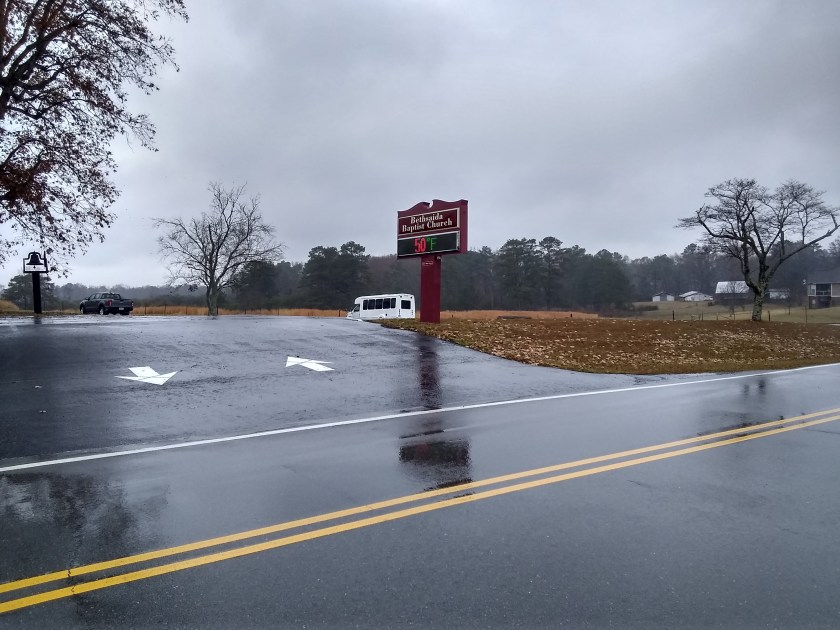
Here’s today’s bike ride metrics. Temperature at beginning of ride: 50 degrees. Light rain.


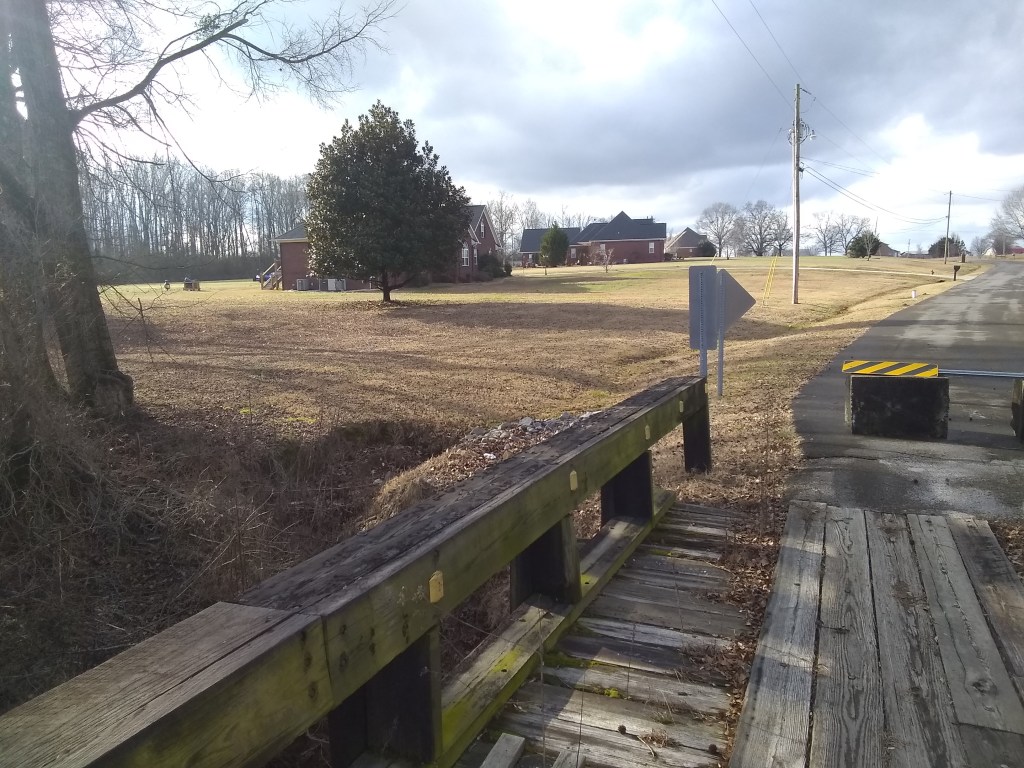
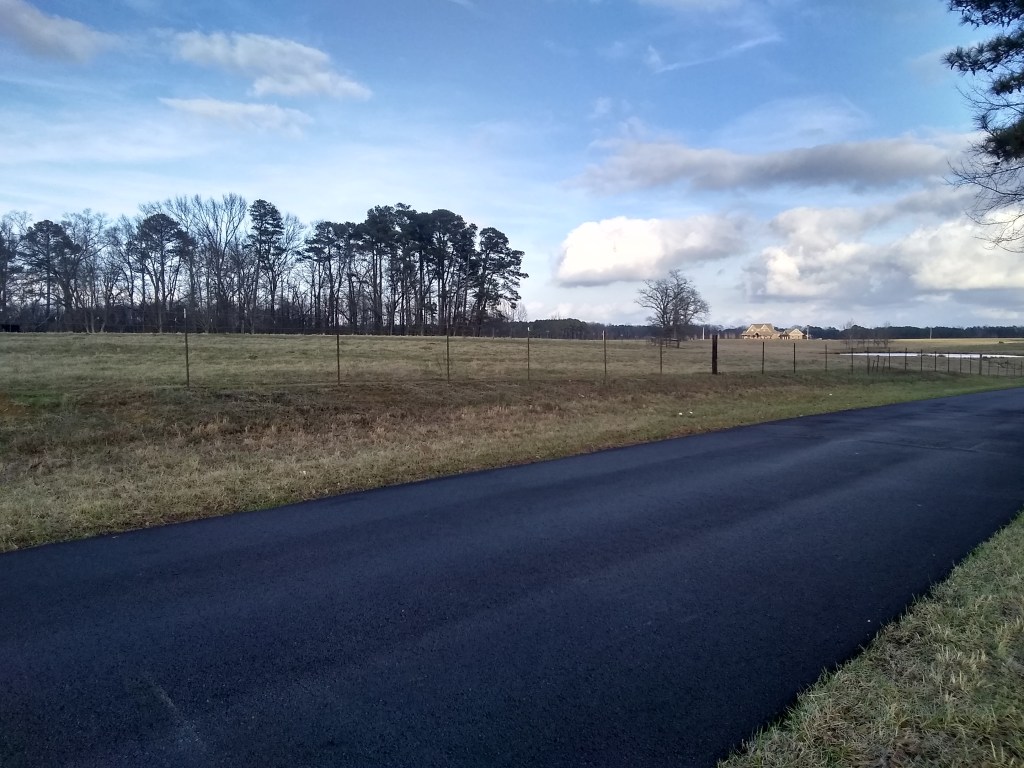
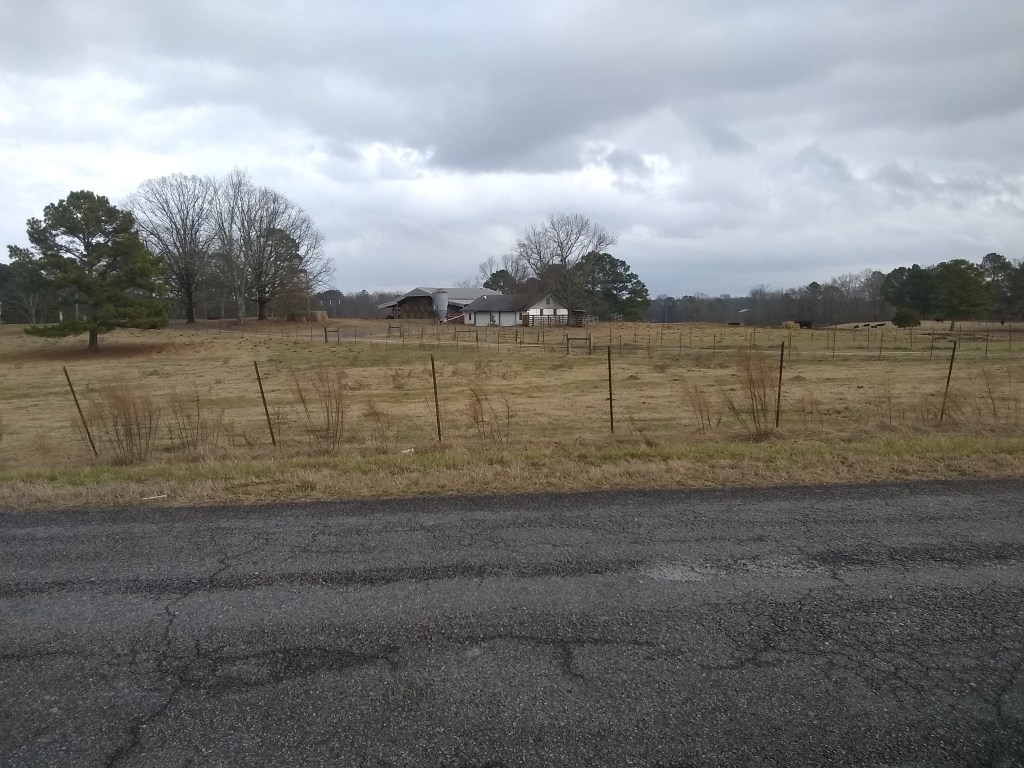
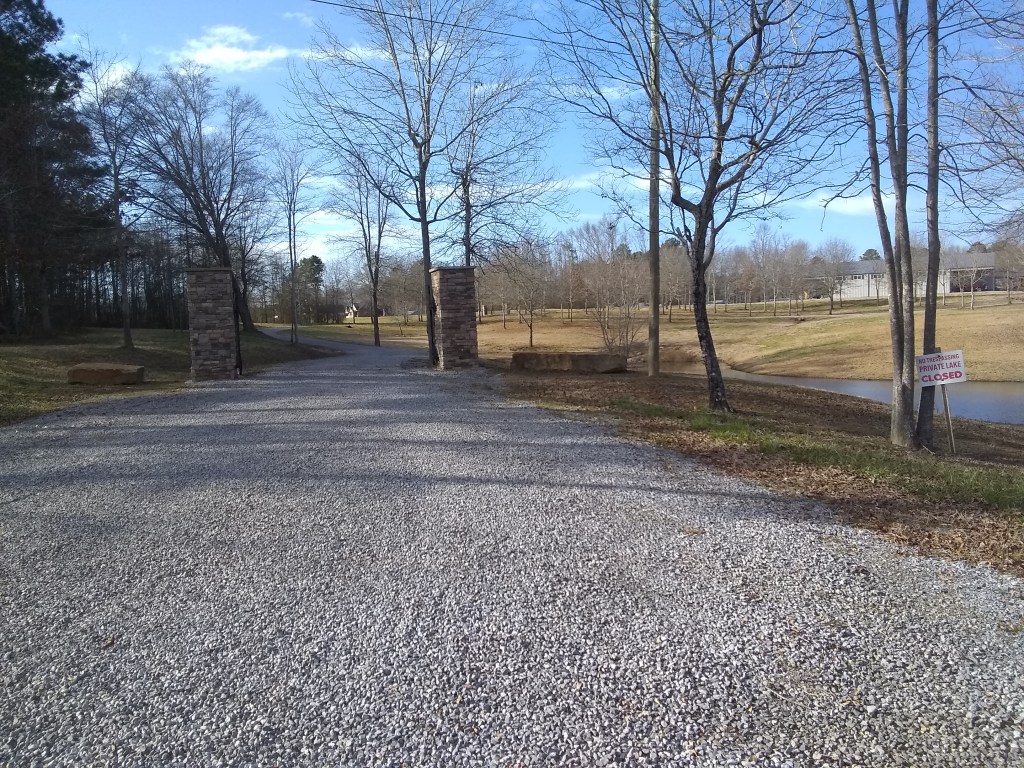
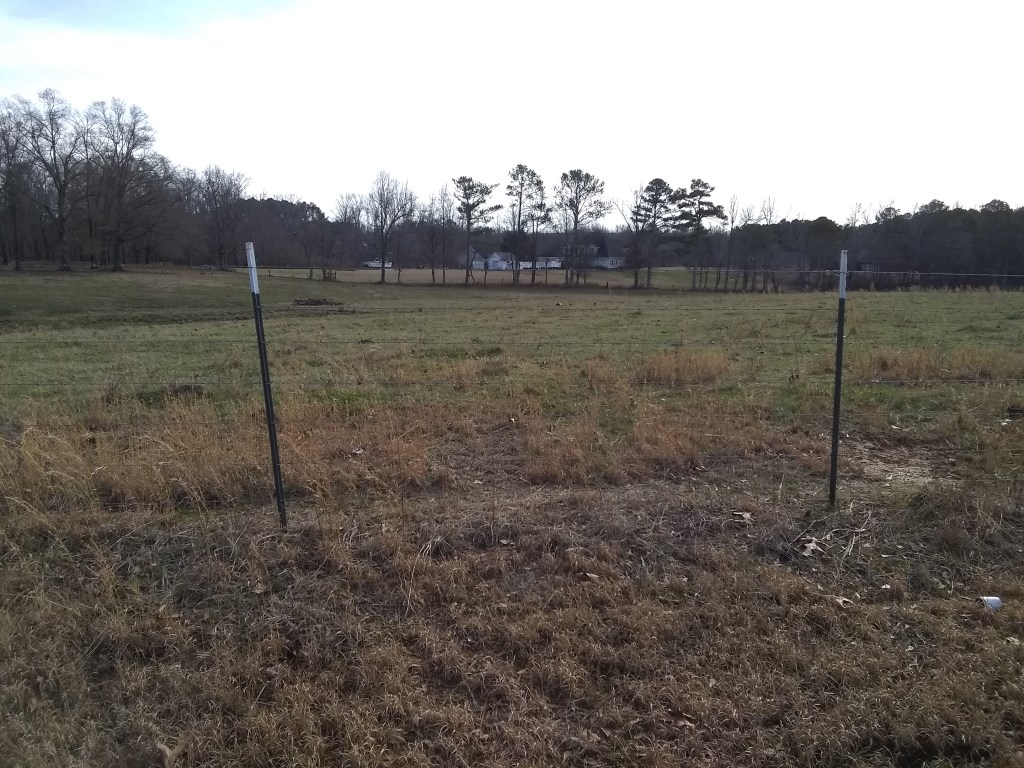
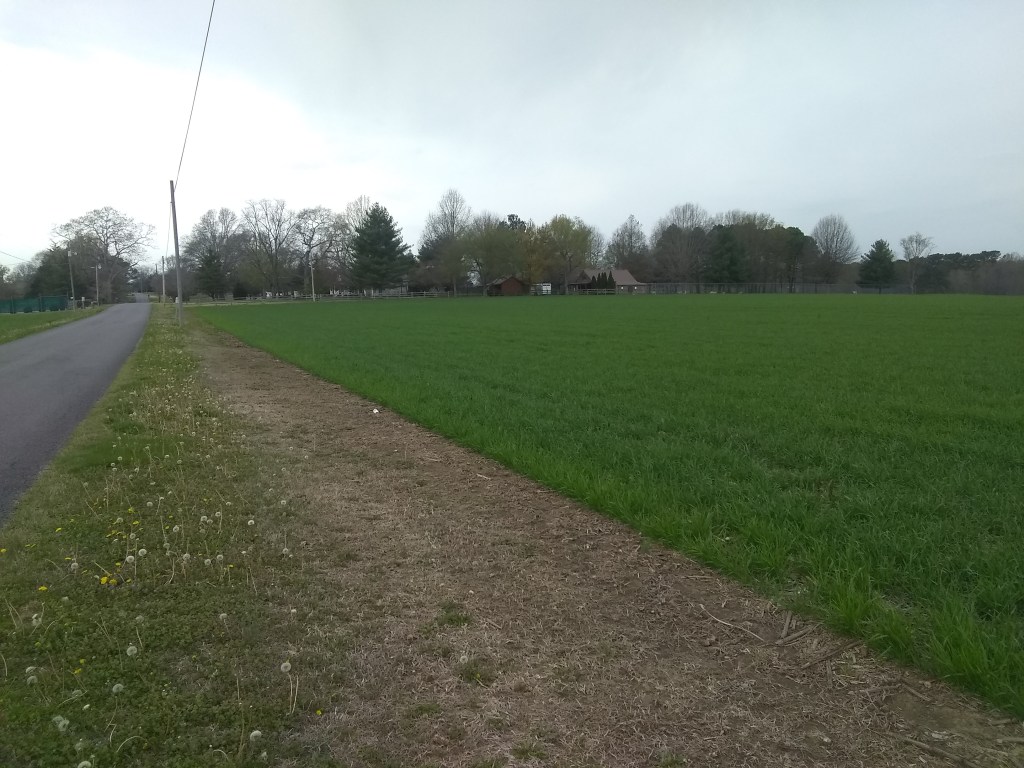
From today’s ride

Why I ride

Biking is something I both love and hate. The conflicting emotions arise from the undeniable physical effort it demands. However, this exertion is precisely what makes it an excellent form of exercise. Most days, I dedicate over an hour to my cycling routine, and in doing so, I’ve discovered a unique opportunity to enjoy a good book or podcast. The rhythmic pedaling and the wind against my face create a calming backdrop that allows me to fully immerse myself in the content. In these moments, the time spent on the bike seems worthwhile, as I can’t help but appreciate the mental and physical rewards it offers.

I especially like having ridden. The post-biking feeling is one of pure satisfaction. The endorphin rush, coupled with a sense of accomplishment, makes the initial struggle and fatigue worthwhile. As I dismount and catch my breath, I relish the sensation of having conquered the challenge, both physically and mentally. It’s a reminder that the things we sometimes love to hate can often be the ones that bring us the most fulfillment. In the end, the love-hate relationship with biking only deepens my appreciation for the sport, as it continually pushes me to overcome my own limitations and embrace the rewards that follow the effort.


Why you should ride

To improve Mood Through the Release of Endorphins:

Cycling can significantly uplift one’s mood, and this is closely linked to the body’s production of endorphins during physical activity. Here’s how the process works and why it’s beneficial:

  • Endorphin Release: When you engage in cycling, your body’s response to the physical exertion is to produce endorphins. These are neurotransmitters that the brain releases during prolonged, continuous workouts of moderate to high intensity. They interact with receptors in the brain that reduce your perception of pain and trigger a positive feeling in the body, similar to that of morphine.
  • Natural High: Often referred to as a “natural high,” the endorphins released during cycling can lead to an improvement in mood, a feeling of euphoria, and a more positive outlook on life. This state can be particularly helpful for combating the negative thoughts and feelings associated with anxiety and depression.
  • Stress and Anxiety Reduction: The mood-boosting effect of endorphins is accompanied by a decrease in stress hormones, such as cortisol and adrenaline. This biochemical shift helps alleviate stress and anxiety, creating a more tranquil mental state post-ride.
  • Increased Self-Esteem: Regular boosts in endorphin levels can lead to improvements in self-esteem and self-worth. As you meet cycling goals or simply enjoy the ride, the accompanying endorphin rush reinforces a sense of accomplishment and positivity.
  • Pain Relief: Endorphins also act as analgesics, which means they diminish the perception of pain. They bind to the same neuron receptors as pain medicines but without the addiction and side effects. This can be particularly beneficial for people with chronic pain conditions, as regular cycling can help manage pain and improve quality of life.
  • Improved Cognitive Function: The endorphins released during cycling do more than just improve mood; they also help enhance cognitive functions. They can increase alertness, improve concentration, and help keep the mind sharp.
  • Social Well-being: If you cycle in a group, the shared experience can amplify the endorphin release. Social interactions during group rides can lead to a greater sense of happiness and fulfillment, adding to the mood-lifting effects of endorphins.
  • Long-term Benefits: The mood enhancement from endorphins isn’t just a short-term effect. Regular cycling can contribute to long-term mood stability. It’s often prescribed as part of treatment plans for those with depression and mood disorders because of its ability to produce consistent and predictable mood improvements.

In summary, cycling is not only a physical activity but also a powerful tool for mental health maintenance. The release of endorphins during a ride can help create a more optimistic mental state, combat feelings of depression and anxiety, and foster a general sense of well-being.


Here’s a couple of links to groups I like. Hopefully, they’ll encourage you to start riding a bike, no matter your age.

Cycling for those aged 70+(opens in a new tab)


Solitary Cycling(opens in a new tab)


My bike

A Rockhopper by Specialized. I purchased it November 2021 from Venture Out in Guntersville; Mike is top notch! So is the bike. The ‘old’ man seat was salvaged from an old Walmart bike (update: seat replaced, new photo to follow, someday).


What I’m listening to

Novel:


Amazon abstract:

NATIONAL BESTSELLER • The Girl with the Dragon Tattoo series continues: Lisbeth Salander must face the most important battle of her life, and will finally put her past to rest in this thriller that will “leave Salander’s legion of followers clamoring for more” (The Wall Street Journal). • Also known as the Millennium series

Mikael Blomkvist is trying to reach Lisbeth Salander—the fierce, unstoppable girl with the dragon tattoo. He needs her help unraveling the identity of a man who died with Blomkvist’s phone number in his pocket—a man who does not exist in any official records and whose garbled last words hinted at knowledge that would be dangerous to important people. But Lisbeth has disappeared. She’s sold her apartment in Stockholm. She’s gone dark. She’s told no one where she is. And no one is aware that at long last she’s got her primal enemy, her twin sister, Camilla, squarely in her sights.

Look for the latest book in the Girl with the Dragon Tattoo series, The Girl in the Eagle’s Talons, coming soon!


Blinkist nonfiction book summaries

Sapiens by, Yuval Noah Harari

The Stranger in the Woods, by Michael Finkel

Podcast episodes:

None today.

Waking Up app series/courses:

None today.


Here’s a few photos from previous riding adventures:

Cognitive Clarity–A Big Item on God’s To-Do List: Kill as Many People as Possible

"Cognitive Clarity" blog posts are about cultivating a culture of thoughtful and informed discourse. They encourage readers to think deeply, question boldly, and approach the world with an open yet discerning mind.

Here’s the link to this article.

By David Madison at 11/24/2023

Yet the church gets away with “God is love” 

Those who have been assured since childhood that God is Love—and

have been coached to pray to their loving father well into adulthood—seem immune to many Bible texts that contradict this idea, for example, these pieces of Jesus-script:

“Do not think that I have come to bring peace to the earth; I have not come to bring peace but a sword. For I have come to set a man against his father, and a daughter against her mother,
and a daughter-in-law against her mother-in-law,and one’s foes will be members of one’s own household.”  (Matthew 10:34-36)

Luke’s version of this text is prefaced with, “I have come to cast fire upon the earth, and how I wish it were already ablaze!” (Luke 12:49)

In his letter to the Romans, the apostle Paul taught that “wrath and fury” awaited people who were disobedient to god. (Romans 2:8)

The Genesis Flood Story is all about god killing as many people as possible, in fact everyone on earth except for one family. Yet Bible books for children focus on the rainbow ending, ignoring the genocide. Ken Ham decided to celebrate the genocide with a family-fun theme park. How in the world can he live with himself? 

Devout folks are persuaded that the horrendous suffering in the world can’t be blamed on god, but is the result of free will, or god’s mysterious ways, or a supposed bigger plan unknown to us. This is what I have called “easy acceptance of the very terrible,” an outlook/attitude that is given a boost by a deep ignorance of history, i.e., unawareness of how much suffering there has been. 

On 1 November 1755, Lisbon was destroyed by earthquake, tsunami and fire. Many of the 12,000 who died were killed when churches collapsed on them as they praised god on All-Saints-Day. In the 14th century, at least a quarter of the human population between India and England died of the plague—and the suffering was grotesque. The church was sure that this was god’s “wrath and fury” in action, and penitents wandered Europe flagellating themselves hoping to appease god’s anger. But how can that possibly make sense—how can it be squared with belief in a loving god? The Holocaust during World War II—six million people intentionally murdered—is totally inexplicable if a good, caring deity is paying attention. Indeed, Holocaust-denialism is one way of salvaging faith. Such denial is totally inexplicable since the Holocaust is one of the most thoroughly documented crimes in history. 

Honest theology would admit that killing people seems to be a big item on angry god’s to-do list.

But then there was another Holocaust that has not attracted as much attention. It is appropriate here to include paragraphs from the opening of David E. Stannard’s book, American Holocaust: The Conquest of the New World.

“In the darkness of an early July morning in 1945, on a desolate spot in the New Mexico desert named after a John Donne sonnet celebrating the Holy Trinity, the first atomic bomb was exploded. J. Robert Oppenheimer later remembered that the immense flash of light, followed by the thunderous roar, caused a few observers to laugh and others to cry. But most, he said, were silent. Oppenheimer himself recalled at that instant a line from the Bhagavad-Gita: 

I am become death, the shatterer of worlds.

“There is no reason to think that anyone on board the Niña, the Pinta, or the Santa María, on an equally dark early morning four and a half centuries earlier, thought of those ominous lines from the ancient Sanskrit poem when the crews of the Spanish ships spied a flicker of light on the windward side of the island they would name after the Holy Savior. But the intuition, had it occurred, would have been as appropriate then as it was when that first nuclear blast rocked the New Mexico desert sands. 

“In both instances—at the Trinity test site in 1945 and at San Salvador in 1492—those moments of achievement crowned years of intense personal struggle and adventure for their protagonists and were culminating points of ingenious technological achievement for their countries. 

“But both instances also were prelude to orgies of human destructiveness that, each in its own way, attained a scale of devastation not previously witnessed in the entire history of the world. Just twenty-one days after the first atomic test in the desert, the Japanese industrial city of Hiroshima was leveled by nuclear blast; never before had so many people—at least 130,000, probably many more—died from a single explosion. Just twenty-one years after Columbus’s first landing in the Caribbean, the vastly populous island that the explorer had renamed Hispaniola was effectively desolate; nearly 8,000,000 people—those Columbus chose to call Indians—had been killed by violence, disease, and despair. It took a little longer, about the span of a single human generation, but what happened on Hispaniola was the equivalent of more than fifty Hiroshimas.”

And: “The destruction of the Indians of the Americas was, far and away, the most massive act of genocide in the history of the world.”

How does God-Is-Love theology survive when we become fully aware of such horrendous suffering? “He’s got the whole world in his hands” fails to have any meaning at all. The New Testament especially makes the point that its god is aware of every human, i.e., everything we say, and even think—which is how prayer is supposed to work—is known to god.  

And how can the god who runs the cosmos not be aware of the Big Picture? 

He had to know very well that Europeans were sailing west to find a way to China, but that a massive land mass was in the way—a land mass that was home to many millions of people who had been settled in north, central, and south American for thousands of years. Moreover, this god must have known that these residents of the Americas would have no immunity whatever to the many diseases that the European explorers brought with them. These diseases proved to be primary cause of death—wiping out millions of people: a super version of the 14th century’s Black Plague.

Yet, god just watched it all happen? How can this not be an enormous problem for Christian theology? An all-powerful god just sitting on his hands? It makes no sense whatever. 

Stannard devotes considerable space in his book to descriptions of the societies that the Spanish found as they ventured deeper into South America. He quotes from letters and diaries that explorers wrote, in which they marveled at the wonders they encountered: examples of advanced architecture and well-ordered, well-run communities. 

But the Spanish were not tourists. They were money motivated, on the hunt for gold, silver for the Spanish monarchy—and for slaves. Columbus was the trail-blazer—and a malicious one at that; he was a man 

“…with sufficient intolerance and contempt for all who did not look or behave or believe as he did, that he thought nothing of enslaving or killing such people simply because they were not like him. He was, to repeat, a secular personification of what more than a thousand years of Christian culture had wrought. As such, the fact that he launched a campaign of horrific violence against the natives of Hispaniola is not something that should surprise anyone. Indeed, it would be surprising if he had not inaugurated such carnage.” (pp. 199-200, Kindle, Stannard, emphasis added)

Later, heroes of the United States shared similar ideas. 

“George Washington, in 1779, instructed Major General John Sullivan to attack the Iroquois and ‘lay waste all the settlements around . . . that the country may not be merely overrun but destroyed,’ urging the general not to “listen to any overture of peace before the total ruin of their settlements is effected.”” (p. 119, Kindle)

Thomas Jefferson, “…in 1807 instructed his Secretary of War that any Indians who resisted American expansion into their lands must be met with ‘the hatchet.’ ‘And . . . if ever we are constrained to lift the hatchet against any tribe,’ he wrote, ‘we will never lay it down till that tribe is exterminated, or is driven beyond the Mississippi,’ continuing: ‘in war, they will kill some of us; we shall destroy all of them.’” (p. 120, Kindle)

And: “…the man who became America’s first truly twentieth century President, Theodore Roosevelt, added his opinion that the extermination of the American Indians and the expropriation of their lands ‘was as ultimately beneficial as it was inevitable.’” (p. 245, Kindle)

So many of the devout do their very best not to think about these evils: easy acceptance of the very terrible is an easy way out. Well, maybe not so easy—if they’re honest with themselves—but they adopt it anyway to shelter their beliefs from close examination. 

This is actually cowardice. Serious threats to the faith should be addressed head-on. One helpful tool for this is John Loftus’ hefty (more than 500 pages) 2021 anthology, God and Horrendous Suffering.

The existence of a good, loving, all-powerful, competent god does not withstand careful, critical, skeptical analysis. The Christian god who allowed the American Holocaust is the same one who does nothing to irradicate thousands of genetic diseases, mental illnesses—and cancers that are rampant in the world. He’s “got the whole world in his hands” is such a pathetic misunderstanding of reality. And how is it that a god who supposedly “inspired” humans—that is, manipulated their minds—to write a 1000-page holy book, couldn’t have changed thousands of minds in the direction of improving basic human decency? That is, cleansed our brains of racism. Is that too much to expect?

One of Stannard’s final observations: “…there is little doubt that the dominant sixteenth-and seventeenth-century ecclesiastical, literary, and popular opinion in Spain and Britain and Europe’s American colonies regarding the native peoples of North and South America was that they were a racially degraded and inferior lot—borderline humans as far as most whites were concerned.”  (p. 278, Kindle, emphasis added)

Humanity would be a lot better off if the Christian god had much greater tutorial skills.

David Madison was a pastor in the Methodist Church for nine years, and has a PhD in Biblical Studies from Boston University. He is the author of two books, Ten ToughProblems in Christian Thought and Belief: a Minister-Turned-Atheist Shows Why You Should Ditch the Faith, now being reissued in several volumes, the first of which is Guessing About God (2023) and Ten Things Christians Wish Jesus Hadn’t Taught: And Other Reasons to Question His Words (2021). The Spanish translation of this book is also now available. 

His YouTube channel is here. At the invitation of John Loftus, he has written for the Debunking Christianity Blog since 2016.

The Cure-for-Christianity Library©, now with more than 500 titles, is here. A brief video explanation of the Library is here

Morning Mental Meanderings–11/26/23

Project 55 and the Improbable Touchdown

As I sit in the Pencil Pit, my barn-turned-writing room, the morning light filters through, casting a warm glow over my thoughts. My mind is a blend of past and present, memories and recent experiences weaving together in a curious tapestry.

Yesterday, I embarked on “Project 55” during my Morning Pages routine. It’s a journey back to 1968 when Mrs. Stamps, my 9th-grade English teacher, set us a unique assignment: to describe our Thanksgiving Day 55 years in the future. That future is now, Thanksgiving 2023. As I scribbled down my thoughts, pencil in hand, I couldn’t help but marvel at how time has flown and how the vivid imagination of a 14-year-old now contrasts with the reality of a 69-year-old man’s life.

Later in the day, a different kind of marvel unfolded – the Alabama-Auburn game. The climax of the match was nothing short of what some would call a miracle. Alabama, trailing 20-24, faced a seemingly impossible fourth and goal at the 31-yard line. Yet, in an extraordinary turn of events, quarterback Jalen Milroe connected with Isaiah Bond for a touchdown. It was a moment that defied the odds, a testament to the unpredictability and thrill of sports.

Reflecting on these two disparate moments, I find a peculiar connection. Project 55, spanning over half a century, was an exercise in forecasting the future, in predicting the unpredictable. Similarly, the game’s final play was about defying the odds, about something highly improbable becoming reality. Both instances, in their essence, are about the unforeseen twists of life.

Yet, the touchdown, as miraculous as it seemed, was also a reminder of the natural order of things. In the countless games of football played, moments like these are bound to occur. They are statistical probabilities in the grand scheme of things. This realization grounds the ‘miracle’ in reality, in the realm of possibility where the natural world operates. It’s a reminder that even in the face of seemingly insurmountable odds, there’s always a chance, however slim, for a different outcome.

Project 55 and the touchdown – both are about the passage of time, the dance of chance and probability, and the human penchant for looking ahead, for imagining and striving. As I write in the Pencil Pit, surrounded by the echoes of my past and the presence of my present, I am reminded of the beauty and uncertainty of life. It’s a journey of expectations and surprises, of predictions and outcomes that sometimes align and often don’t.

In these early hours, I ponder over the intersecting lines of time and chance, of memories and present moments, all converging in the quiet of my writing haven. Life, much like football, is unpredictable, and yet, within its unpredictability lies its most profound beauty and excitement.

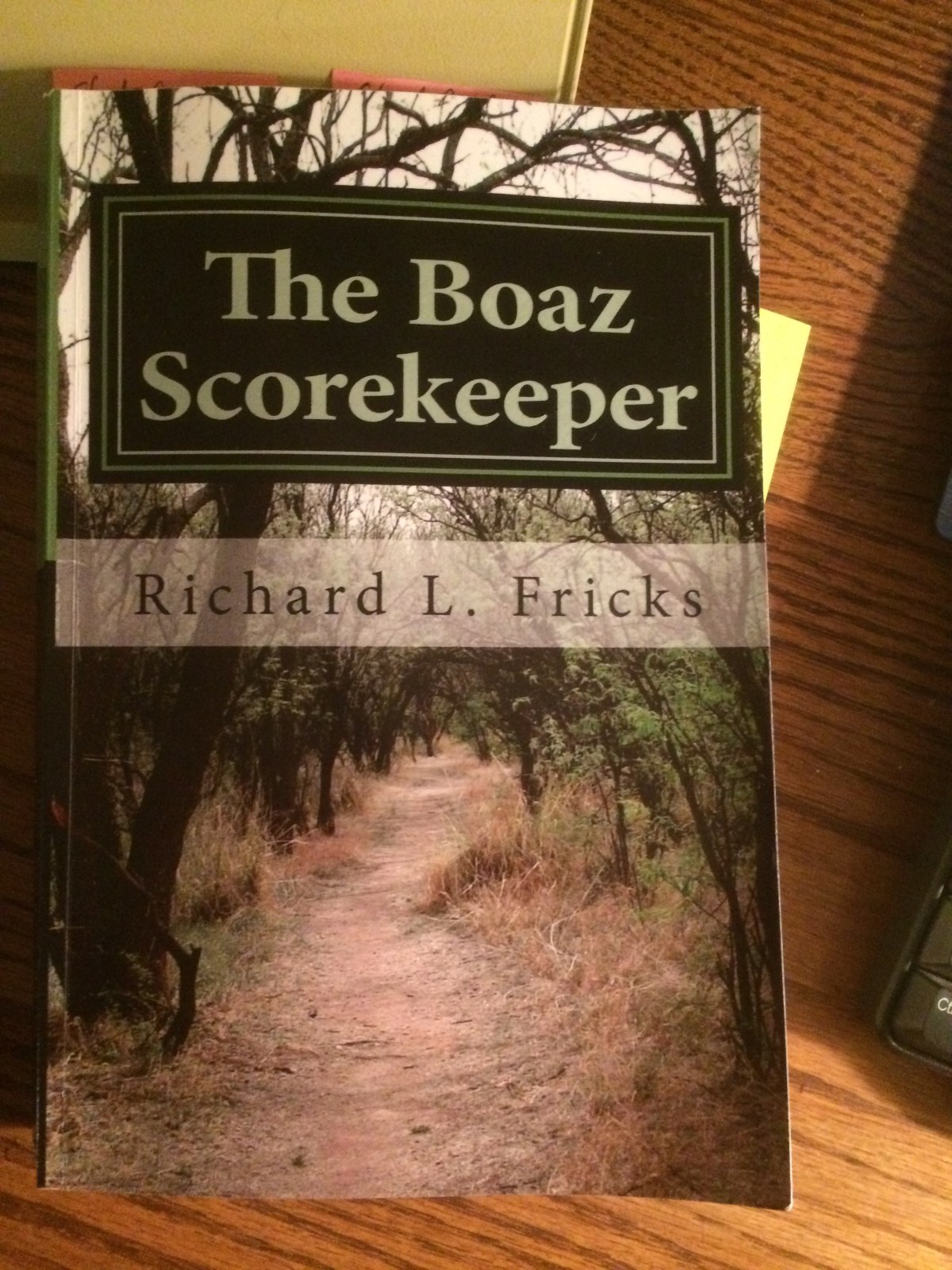
The Boaz Scorekeeper–Chapter 42

The Boaz Scorekeeper, written in 2017, is my second novel. I'll post it, a chapter a day, over the next few weeks.

I drove to the law office and sat at my desk for over an hour reviewing letters and motions received since I left.  I had kept up with emails on my phone.  I determined that nothing breathtaking had occurred.  I made a pot of coffee and sat in the conference room.  I took a blank yellow pad and pencil that always sat in the middle of the table and decided to brainstorm what I had learned from over thirty-six years of representing criminal defendants.

I figured the first thing to do was to make two lists.  One would be a list of cases where the defendant was formally charged, tried, convicted, and spent time in prison. I labeled this column ‘Thoughtless.’  The other list would be cases where the defendant won his case.  These cases would include an assortment of defendants: those who were questioned and released, those who were questioned, charged and released, those who were questioned, charged, tried and found not guilty, and finally, those who were questioned, charged, tried and were ultimately released (and not retried) because of a mistrial.  I labeled this column ‘Thoughtful.’

Of course, there was a third list that I wanted and really needed to create but it was impossible.  This third list would be my attempt to name criminals who never got caught.  I imagined this list could be rather long.  These were the guys and gals who were the smartest.  But, again, this list would remain a secret. 

The main thing I was after from the first list was things not to do, things NEVER to do.  These were things that got the defendant in the cross hairs to begin with. I spent nearly two hours creating these two lists.  To be thorough, I would have to review my work journals.  From the first day, I had started practice at Downs, Gambol & Stevens in Atlanta, I had kept a personal journal listing every case I worked on, and including factual details, and instructive legal nuances and strategies. But I would not pursue this level of detail tonight.  That could wait for another day.  Tonight, I simply wanted to come up with two or three key principles my ‘successful’ clients had followed in avoiding prison or, in capital cases, the death penalty.

There were only five cases I could think of to include under ‘Thoughtful,’ and twelve for the ‘Thoughtless’ column.  On a separate sheet of paper, I jotted down the main facts of each case.  After pondering them for quite a while I wrote down related principles. 

I came up with several ‘Thoughtful’ principles.  It seemed the most common element in these five cases were the absence of a body.  I found it nearly funny that all five cases I had listed were murder cases.  I asked myself had I already decided to murder John Ericson.  I let this thought pass through my mind and not take hold.  In three of my five listed cases, the victim’s body was never found.  I decided to engage in hypothetical thinking.  Principle number one—the dead body disappears.  In looking back over my statement of facts for my five ‘Thoughtful’ cases, I saw that in four of the cases there was not even a murder scene to be investigated.  From a criminal’s standpoint, that certainly helped.  In looking over my ‘Thoughtless’ cases, I easily concluded that murder scenes often led investigators to my client.  With modern forensic tests and tools scientists could almost paint a picture of who committed the crime.  From one hair, one footprint, one fingerprint, or a thousand other elements, forensic investigators fed law enforcement teams a rich and steady diet of reliable evidence to pursue one and only one suspect.

One other thing that jumped out at me.  Eyewitnesses.  Obviously, my ‘Thoughtless’ list included case after case where my client was convicted from the testimony of an eyewitness or a witness who possessed testimony that related to my client.  Things such as a witness placing my client in a key location, or anchoring a time line that worked its magic against my client.  But, from my ‘Thoughtful’ list I noted that eyewitnesses also had enabled several of these clients to avoid conviction and punishment.  These cases included testimonies that gave my client an alibi.  It never hurt to be able to verify where my client was, considering the prosecution’s uncertainty over the time of death, or the time the victim went missing.  District Attorney’s always developed theories, and over the years I had learned the importance of countering their arguments with hard evidence, with some of the best being a witness that places my client in a time and position where it was impossible for him to have committed the subject crime.

By now it was nearly midnight and I was exhausted.  I felt I was headed in the right direction.  At a minimum, I had avoided the worst possible scenario, one where I acted spontaneously in meting out justice to John Ericson.  I now knew I had to have a very detailed plan and this plan had to include the use of proven principles.  I was proud that I had uncovered four of these key principles: there is no body discovered, there is no crime scene to investigate, there are no eyewitnesses to the murder, and there are eyewitnesses to testify to the whereabouts of the defendant.

I locked up the office and drove to Hickory Hollow to determine what type sleep a criminal in the making would experience the first night of his new life.

11/25/23 Biking & Listening

Here’s today’s bike ride. Temperature at beginning: 52 degrees.


From today’s ride

Why I ride

Biking is something I both love and hate. The conflicting emotions arise from the undeniable physical effort it demands. However, this exertion is precisely what makes it an excellent form of exercise. Most days, I dedicate over an hour to my cycling routine, and in doing so, I’ve discovered a unique opportunity to enjoy a good book or podcast. The rhythmic pedaling and the wind against my face create a calming backdrop that allows me to fully immerse myself in the content. In these moments, the time spent on the bike seems worthwhile, as I can’t help but appreciate the mental and physical rewards it offers.

I especially like having ridden. The post-biking feeling is one of pure satisfaction. The endorphin rush, coupled with a sense of accomplishment, makes the initial struggle and fatigue worthwhile. As I dismount and catch my breath, I relish the sensation of having conquered the challenge, both physically and mentally. It’s a reminder that the things we sometimes love to hate can often be the ones that bring us the most fulfillment. In the end, the love-hate relationship with biking only deepens my appreciation for the sport, as it continually pushes me to overcome my own limitations and embrace the rewards that follow the effort.


Why you should ride

To reduce stress levels:

Regular cycling can act as a powerful stress reliever for several reasons:

  • Physical Exercise: Engaging in physical activity like cycling triggers the release of endorphins, often referred to as the body’s natural painkillers and mood elevators. These biochemical changes in the brain can provide a natural ‘high’, commonly known as the “runner’s high,” which is also attainable through cycling.
  • Rhythm and Repetition: The rhythmic nature of cycling – the consistent pedaling motion – has a calming effect, much like a meditation practice. This rhythmic repetition can help shift focus away from stressors and channel attention into the physical sensation of movement, which can be therapeutic.
  • Outdoor Environment: Cycling outdoors exposes individuals to sunlight, which helps regulate the body’s natural circadian rhythms, improves sleep, and can increase the body’s production of vitamin D. Exposure to daylight, especially in the morning, can reduce levels of the stress hormone cortisol.
  • Engagement with Surroundings: When cycling, especially in scenic environments, the sensory experience – seeing the landscape, smelling the air, feeling the breeze – can promote mindfulness and presence in the moment, reducing rumination and worry that often accompany stress.
  • Escape from Stressors: A bike ride provides an opportunity to take a break from stressful environments or situations. It offers a temporary escape that allows for mental recovery and perspective-gaining, which is essential in managing chronic stress.
  • Cardiovascular Health: Stress can have direct effects on cardiovascular health, and cycling, being an excellent cardiovascular exercise, helps lower blood pressure and heart rate in the long term, which are often elevated due to stress.
  • Social Interaction: For those who cycle in groups, the social interaction that accompanies it can further reduce stress. Social support is a well-known buffer against stress, and group rides or community cycling events can foster a sense of belonging and collective enjoyment.
  • Achievement and Confidence: Completing a challenging ride or achieving a personal milestone in cycling can enhance one’s confidence and self-esteem. Setting and reaching goals through cycling can give a sense of accomplishment that can combat feelings of stress and anxiety.
  • Improved Sleep: Regular cycling, by virtue of physical exertion and stress reduction, can contribute to better sleep patterns. Quality sleep is one of the most effective stress management tools, as it allows the body and mind to recover and regenerate.
  • Distraction: Cycling demands a level of concentration – navigating the terrain, maintaining balance, and sometimes, strategizing in traffic. This required focus can serve as a distraction, allowing a person to take a mental break from stress-inducing thoughts or tasks.

By incorporating cycling into one’s routine, it becomes a sustainable stress management practice. The benefits are not just immediate in terms of the post-exercise feeling of relaxation, but also cumulative, as regular cycling can contribute to a more balanced and less stress-reactive nervous system over time.

Here’s a couple of links to groups I like. Hopefully, they’ll encourage you to start riding a bike, no matter your age.

Cycling for those aged 70+(opens in a new tab)


Solitary Cycling(opens in a new tab)


My bike

A Rockhopper by Specialized. I purchased it November 2021 from Venture Out in Guntersville; Mike is top notch! So is the bike. The ‘old’ man seat was salvaged from an old Walmart bike (update: seat replaced, new photo to follow, someday).


What I’m listening to

Novel:


Amazon abstract:

NATIONAL BESTSELLER • The Girl with the Dragon Tattoo series continues: Lisbeth Salander must face the most important battle of her life, and will finally put her past to rest in this thriller that will “leave Salander’s legion of followers clamoring for more” (The Wall Street Journal). • Also known as the Millennium series

Mikael Blomkvist is trying to reach Lisbeth Salander—the fierce, unstoppable girl with the dragon tattoo. He needs her help unraveling the identity of a man who died with Blomkvist’s phone number in his pocket—a man who does not exist in any official records and whose garbled last words hinted at knowledge that would be dangerous to important people. But Lisbeth has disappeared. She’s sold her apartment in Stockholm. She’s gone dark. She’s told no one where she is. And no one is aware that at long last she’s got her primal enemy, her twin sister, Camilla, squarely in her sights.

Look for the latest book in the Girl with the Dragon Tattoo series, The Girl in the Eagle’s Talons, coming soon!


Blinkist summary

The Science of Storytelling, by Will Storr

Podcast episodes:

Waking Up app series/courses:

Nothing today.


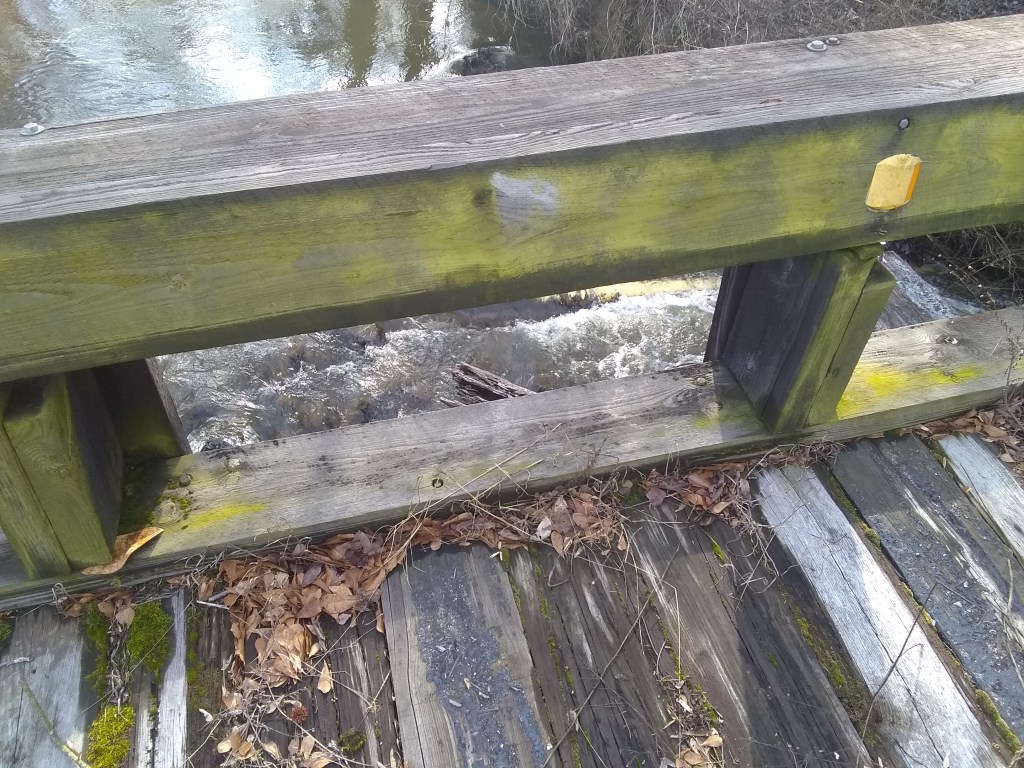
Here’s a few photos from previous riding adventures:
Morning Mental Meanderings–11/25/23

Dreams, Memories, and the Resilience of Nature

In the stillness of the Pencil Pit, my sanctuary nestled within the barn, I find myself reflecting on the curious blend of dreams and realities that have filled my recent nights and days. The quiet here is a stark contrast to the vibrant, sometimes puzzling narratives that my mind weaves in sleep, and the tangible, earthy tasks of the waking hours.

Last night, the world of dreams took an unexpected turn. I found myself wandering the aisles of Walmart, a mundane setting transformed by the appearance of an old friend who passed away from Covid. There he was, as real as the memories we shared, yet distant, a part of a world I could no longer reach. I awoke before I could ask him about his experience, left only with the echo of his presence and a lingering sense of unfinished conversation. It’s curious how dreams can resurrect the past, blurring the lines between what was and what could have been.

This encounter with a ghost of sorts was in stark contrast to yesterday’s activities. Jon and I tackled the old pine tree that had been lying in the backyard for months. It was the same one that fell mid-summer across our gravel road, which we had to pull with the tractor for half a mile. Cutting it up, piece by piece, felt like dismantling a monument to nature’s unexpected turns. Each slice of the chainsaw through the wood was a reminder of the resilience and impermanence of life.

The day’s work didn’t end there. With our trusty 1975 John Deere tractor, Jon and I reclaimed a 16-foot hog panel, once entangled in vines, from the woods. This panel–with a 4×4 attached lengthwise–which we used to drag behind the disc harrow for garden prep in spring, was a relic of past labors and seasons. Wrestling it from the grasp of nature, which had claimed it as its own, was a testament to the ongoing dance between human endeavor and the wildness of the land.

In these morning hours, as I write, the threads of dreams and the day’s work intertwine. They speak of loss and recovery, of the past re-emerging in unexpected ways, and of the relentless cycle of nature and time. The fallen tree, the reclaimed hog panel, and the dream of my departed friend – each tells a story of change, resilience, and the enduring connections that shape our lives.

Here, in the Pencil Pit, surrounded by the tools of my craft and the quiet of the early day, I find a space to ponder these experiences. It’s a place where dreams can be unraveled, and the day’s work can be understood as part of a larger, ever-unfolding story. As the light filters through the barn windows, casting shadows that dance across the floor, I’m reminded that our lives are a tapestry of the tangible and the ethereal, the physical and the remembered, each strand woven by the hands of time.

The Boaz Scorekeeper–Chapter 41

The Boaz Scorekeeper, written in 2017, is my second novel. I'll post it, a chapter a day, over the next few weeks.

We returned from our Kentucky fantasy land field trip late Wednesday after spending most of the day in Nashville touring the Cheekwood Estate and Gardens with its Georgian mansion, 55 acres of cultivated gardens, and art museum.  I figured this event was an add-on since it had been on last year’s schedule but had to be canceled due to an outbreak of the flu across Nashville.

     I dropped Karla and Kaden off at Hickory Hollow and drove to the office.  On the way, I decided to detour past John Ericson’s home.  When I turned on Capstone Drive I remembered that John and his wife no longer lived in the white colonial nestled in the far back corner of Dogwood Lane. Several years ago, they had purchased a 100-acre tract that bordered the south side of Boaz Country Club and accessed it via the extra lot that was south of their home on Dogwood Lane.  I had heard they built a sprawling plantation style home with Olympic size swimming pool and tennis courts.  The only way to see their current home was to travel down the long, paved driveway that started on Dogwood Lane.  I finally realized that if I was going to mete out justice to John Ericson I could not afford to act spontaneously.  Every move I made had to be carefully considered.  I had to have a plan.

11/24/23 Biking & Listening

Here’s today’s bike ride. Temperature at beginning: 55 degrees.

Why I ride

Biking is something I both love and hate. The conflicting emotions arise from the undeniable physical effort it demands. However, this exertion is precisely what makes it an excellent form of exercise. Most days, I dedicate over an hour to my cycling routine, and in doing so, I’ve discovered a unique opportunity to enjoy a good book or podcast. The rhythmic pedaling and the wind against my face create a calming backdrop that allows me to fully immerse myself in the content. In these moments, the time spent on the bike seems worthwhile, as I can’t help but appreciate the mental and physical rewards it offers.

I especially like having ridden. The post-biking feeling is one of pure satisfaction. The endorphin rush, coupled with a sense of accomplishment, makes the initial struggle and fatigue worthwhile. As I dismount and catch my breath, I relish the sensation of having conquered the challenge, both physically and mentally. It’s a reminder that the things we sometimes love to hate can often be the ones that bring us the most fulfillment. In the end, the love-hate relationship with biking only deepens my appreciation for the sport, as it continually pushes me to overcome my own limitations and embrace the rewards that follow the effort.

My bike

A Rockhopper by Specialized. I purchased it November 2021 from Venture Out in Guntersville; Mike is top notch! So is the bike. The ‘old’ man seat was salvaged from an old Walmart bike (update: seat replaced, new photo to follow, someday).


Something to consider if you’re not already cycling.

I encourage you to start riding a bike, no matter your age. Check out these groups:

Cycling for those aged 70+(opens in a new tab)

Solitary Cycling(opens in a new tab)

Remember,

Photo by Suzy Hazelwood on Pexels.com


Novel I’m listening to:


Amazon abstract:

NATIONAL BESTSELLER • The Girl with the Dragon Tattoo series continues: Lisbeth Salander must face the most important battle of her life, and will finally put her past to rest in this thriller that will “leave Salander’s legion of followers clamoring for more” (The Wall Street Journal). • Also known as the Millennium series

Mikael Blomkvist is trying to reach Lisbeth Salander—the fierce, unstoppable girl with the dragon tattoo. He needs her help unraveling the identity of a man who died with Blomkvist’s phone number in his pocket—a man who does not exist in any official records and whose garbled last words hinted at knowledge that would be dangerous to important people. But Lisbeth has disappeared. She’s sold her apartment in Stockholm. She’s gone dark. She’s told no one where she is. And no one is aware that at long last she’s got her primal enemy, her twin sister, Camilla, squarely in her sights.

Look for the latest book in the Girl with the Dragon Tattoo series, The Girl in the Eagle’s Talons, coming soon!


Podcasts I’m listening to:

Waking Up app series/courses I’m listening to:

Nothing today.


Here’s a few photos from my pistol route: