Write to Life blog

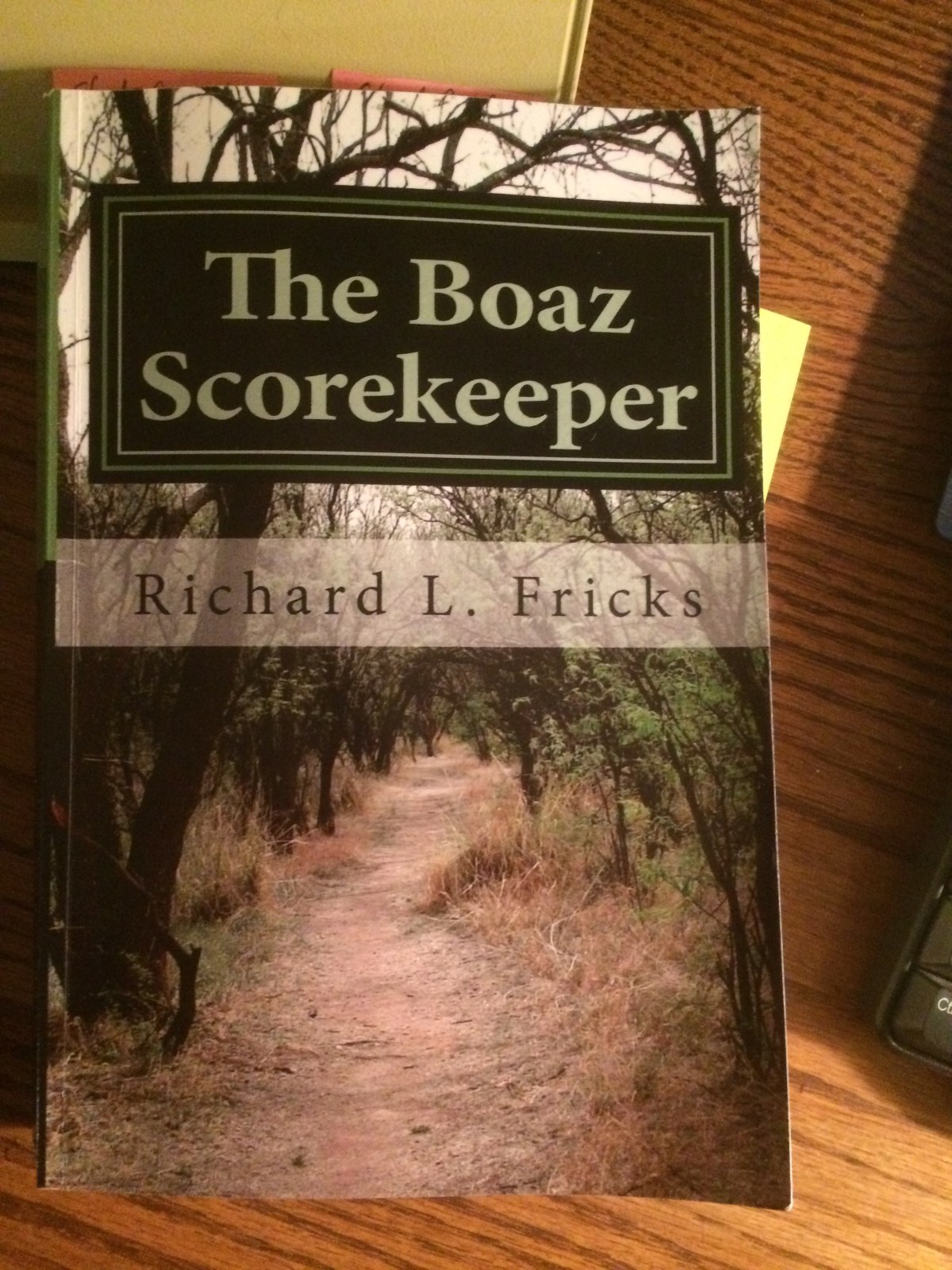
Novel Excerpts–The Boaz Scorekeeper, Chapter 64

The primary aim of the "Novel Excerpts" blog category is to showcase my creative writing, specifically from the novels I've written. Hopefully, these posts will provide a glimpse into my storytelling style, themes, and narrative skills. It's an opportunity to share my artistic expressions and the worlds I've created through my novels.
The Boaz Scorekeeper, written in 2017, is my second novel. I'll post it a chapter a day over the next few weeks.

Yesterday, when I was driving away from Club Eden, I had called 911 and reported Gina missing.  In a few minutes, I was called by the Etowah County Sheriff’s Department.  I quickly had filled them in on what was going on and provided a description of James’ vehicle. All throughout the day as I drove around looking for Gina I talked with Sgt. Williams. He told me that he had put out a BOLO on the car and that police departments from Boaz, Sardis, Albertville, Guntersville, and Arab were all involved in the search, as was the Etowah and Marshall County Sheriff’s Departments.  Unfortunately, as the sun was going down, no one had spotted James’ 2017 Chevrolet Impala.

Last night I had met with Sheriff Scott Walls and Detective Darden Clarke of Marshall County and their counterparts, Sheriff Belton Saunders and Detective Pete Morrow of Etowah County.  From the moment we all sat down at my conference room table, I could feel their doubts of my story through their stone-cold stares.  Apparently, they all remembered the search of my office and Hickory Hollow only four months ago that had spawned from John Ericson’s disappearance.  But, it was Detective Morrow who reminded the other three that Gina Tillman was one of the four cheerleaders who had given false testimony against me during my trial almost fifty years ago.  Things went downhill from there.
Sheriff Walls told me that it looked like I was pulling their strings.  He shared how within twenty minutes of my call to 911, State Troopers had created roadblocks at every State highway within a 25-mile circle of Aurora Lake, and that Sheriff’s deputies from Etowah, Marshall, Blount, Dekalb, St. Clair, and Cherokee Counties had done the same for County roads. Walls also said that two helicopters from the Alabama Bureau of Investigation had spent nearly five hours in the air combing nearly every spot where there wasn’t a roadblock.  Walls concluded his speech by telling me that if this was a hoax that I would be criminally charged and held responsible for the entire cost of the search.

After Wall’s speech, Detective Morrow said, “Tanner, why don’t you just tell us the truth.  The only evidence you have given us that James Adams and husband Wade Tillman abducted Gina is a diamond ring.  I suspect our deputies who are pursuing that lead will come up dry.  They have not been able to locate Gina’s mother. Although Judith Ericson said it looked like Gina’s ring, she did so from a photograph.  She’s in Palm Beach for a week.”

I again told Morrow and the others that I was Gina’s attorney. I even showed them her legal file.  Morrow said, “that means nothing, actually it could be just part of your plan to dispose of Gina.”  I went into detail describing how Gina had been securing information about Wade’s finances.  I showed them copies of bank statements and transcripts from her audio-recorder.  I retold them every word that Gina had told me over the phone while she was in the trunk of James’ car.  When I finally realized they were not hearing a thing I was saying, I stood up and said, “don’t you get it, Wade and James discovered that Gina knew enough to send them both to prison.  Can’t you see they have a perfect motive to get rid of her?”
Before either of them responded, Sheriff Walls received a call from one of his deputies telling him that James and Wade had just driven up at Wade’s house.  Walls continued to talk for five minutes or so.  When he hung up he told us his deputy said James and Wade had been golfing and fishing all day and had stayed out on Guntersville Lake talking and just hanging out until nearly 8:30 p.m.  Then, they had driven James’ boat back to Alred Marina.  Gina wasn’t with them and, after a search of James’ car, which he volunteered, deputies found nothing suspicious. Walls also reported that Wade had asked where Gina was, saying that her car was gone.
Detective Morrow spoke up and said, “Tanner, it looks like Gina could have simply packed a bag and driven off.  You have been telling us that was her plan, to leave Wade, right?”

After a few more minutes of meaningless talk, the four of them left and I stayed.  After calling Karla and updating her, I made a pot of coffee and pondered everything Gina had discovered since she hired me.  Other than Wade and James, I was the only one who knew what they had done to Gina.  And, I only knew that they had abducted her.  I felt sure they had also killed her and disposed of her body.  One thing I will give them credit for, they sure played their hand well.  Once again, around daylight, I had that same feeling I seemed to be getting every few days now.  My body almost convulsed with terror.  As panic set in and sweat poured from my head and hands the revelation came to mind that once again I was going to be set-up by the Flaming Five, well, what was left of them. 

12/17/23 Biking & Listening

Here’s today’s bike ride metrics. Temperature at beginning of ride: 51 degrees. Wet and cloudy day.


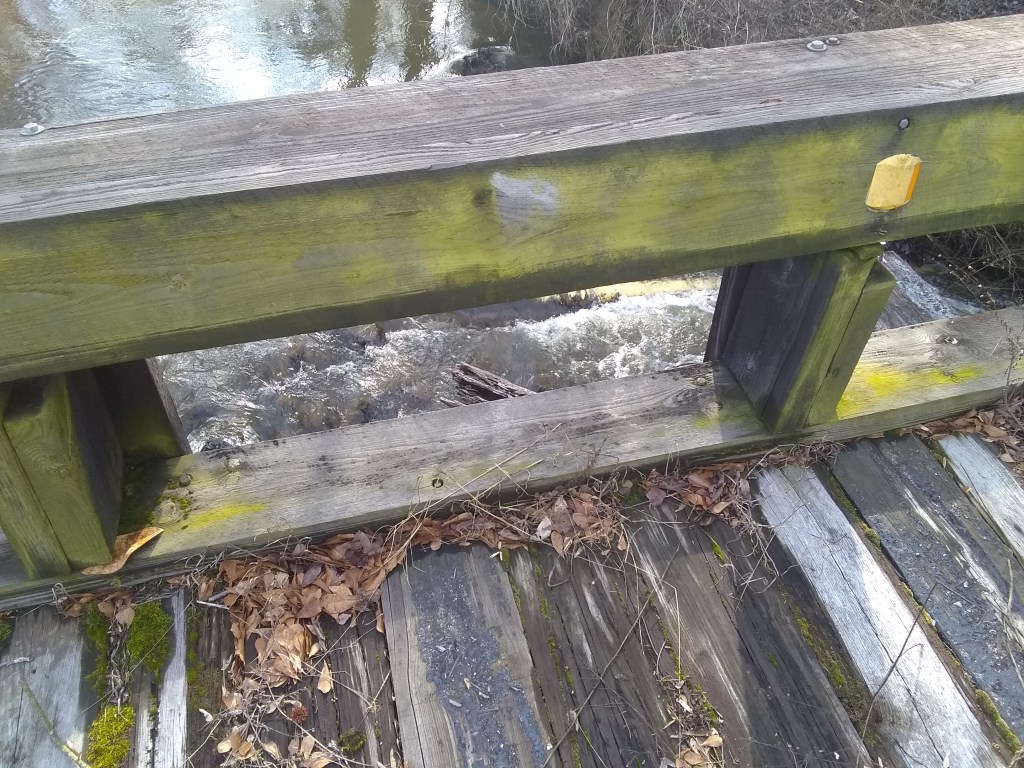
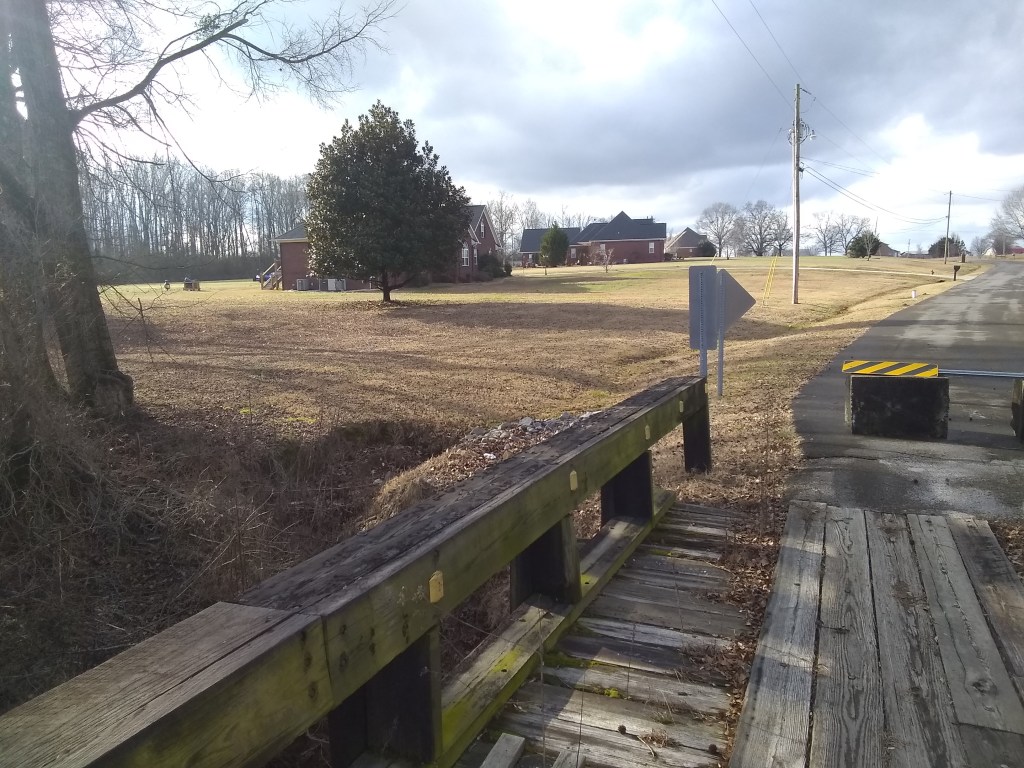
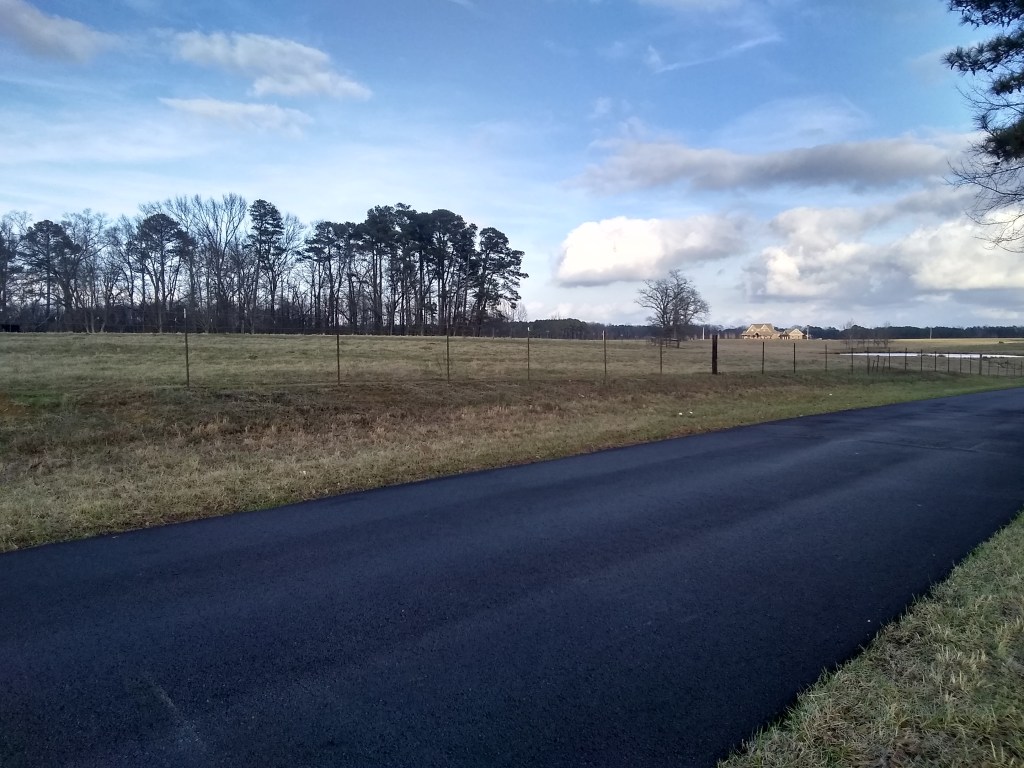
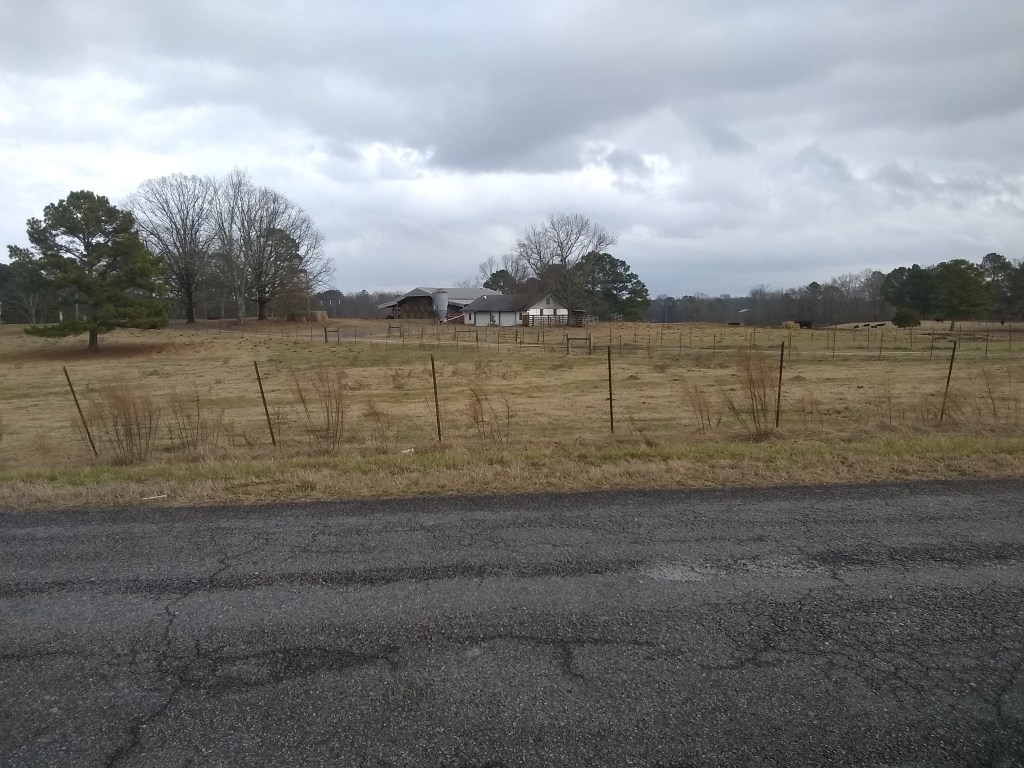
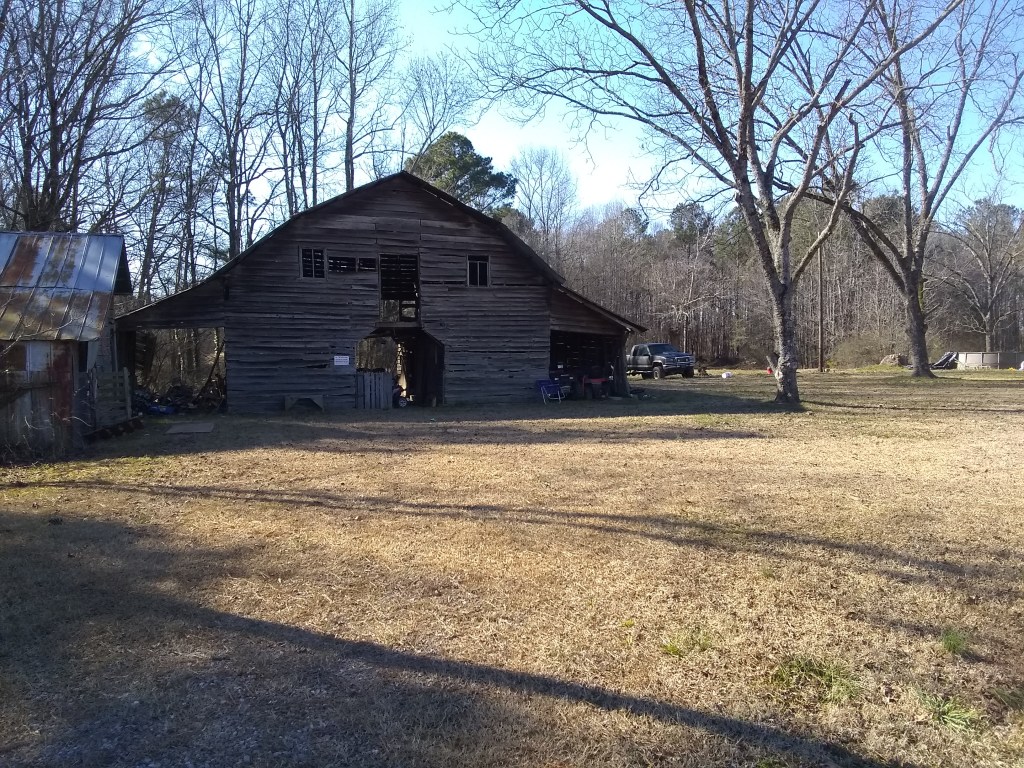
Photos from today’s ride:

Why I ride:

Biking is something I both love and hate. The conflicting emotions arise from the undeniable physical effort it demands. However, this exertion is precisely what makes it an excellent form of exercise. Most days, I dedicate over an hour to my cycling routine, and in doing so, I’ve discovered a unique opportunity to enjoy a good book or podcast. The rhythmic pedaling and the wind against my face create a calming backdrop that allows me to fully immerse myself in the content. In these moments, the time spent on the bike seems worthwhile, as I can’t help but appreciate the mental and physical rewards it offers.

I especially like having ridden. The post-biking feeling is one of pure satisfaction. The endorphin rush, coupled with a sense of accomplishment, makes the initial struggle and fatigue worthwhile. As I dismount and catch my breath, I relish the sensation of having conquered the challenge, both physically and mentally. It’s a reminder that the things we sometimes love to hate can often be the ones that bring us the most fulfillment. In the end, the love-hate relationship with biking only deepens my appreciation for the sport, as it continually pushes me to overcome my own limitations and embrace the rewards that follow the effort.


Why you should ride:

Encourages Relaxation:

Cycling is not just a form of physical exercise; it also has a profound ability to encourage relaxation. Here are various ways in which cycling contributes to a relaxed state of mind and body:

  • Physical Activity and Stress Reduction: Engaging in physical activities like cycling can reduce the body’s stress responses. Exercise triggers the release of endorphins, the body’s natural painkillers and mood elevators, which promote relaxation. The physical effort of cycling also helps to use up the energy created by stress, aiding in calming the body.
  • Rhythmic Pedaling as a Meditative Practice: The repetitive nature of cycling, with its steady, rhythmic pedaling, can have a meditative effect. This rhythmic motion can help focus the mind, drawing attention away from stressful thoughts and allowing a sense of calm.
  • Outdoor and Nature Exposure: Cycling outdoors, especially in natural or scenic settings, can enhance relaxation. Being in nature is known to reduce stress and promote a sense of peace. The sights, sounds, and smells of the outdoors can be very soothing.
  • Mindfulness and Presence: Cycling requires a level of present-moment awareness, which is a key aspect of mindfulness. Practicing mindfulness has been shown to reduce stress and promote relaxation. When cycling, the focus on the immediate environment and bodily sensations can help achieve this state.
  • Cardiovascular Health Benefits: Regular cycling improves cardiovascular health, which can help in reducing tension in the body. A healthier heart and circulatory system can contribute to a more relaxed state overall.
  • Reduces Mental Clutter: A bike ride offers a break from daily routines and responsibilities, providing an opportunity to clear the mind. This mental break can be refreshing and relaxing, especially after a long day or during stressful periods.
  • Social Relaxation: For those who enjoy group rides, the social aspect of cycling can be relaxing. Social interactions and the sense of community found in cycling groups can contribute to overall relaxation and well-being.
  • Achievement and Satisfaction: Completing a challenging ride or reaching a cycling goal can bring about a sense of achievement and satisfaction. This positive feeling can promote a relaxed state, as it counters feelings of stress and anxiety.
  • End of Ride Relaxation Response: After a cycling session, the body often experiences a natural relaxation response. The decrease in physical activity coupled with the sense of accomplishment can lead to a profound state of relaxation.
  • Improves Sleep Quality: As cycling improves sleep quality, it indirectly promotes relaxation. Better sleep means the body is better rested and more capable of handling stress, leading to a more relaxed state during waking hours.

In summary, cycling’s ability to encourage relaxation is multifaceted, combining physical, mental, and emotional elements. By incorporating regular cycling into one’s lifestyle, it’s possible to cultivate a more relaxed state of being, beneficial for overall health and well-being.


Please watch

Here’s a couple of links to groups I like. Hopefully, they’ll encourage you to start riding a bike, no matter your age.

Cycling for those aged 70+(opens in a new tab)


Solitary Cycling(opens in a new tab)


My bike:

A Rockhopper by Specialized. I purchased it November 2021 from Venture Out in Guntersville; Mike is top notch! So is the bike. The ‘old’ man seat was salvaged from an old Walmart bike. Seat replaced with new one from Venture Out.


What I’m listening to:

NONFICTION

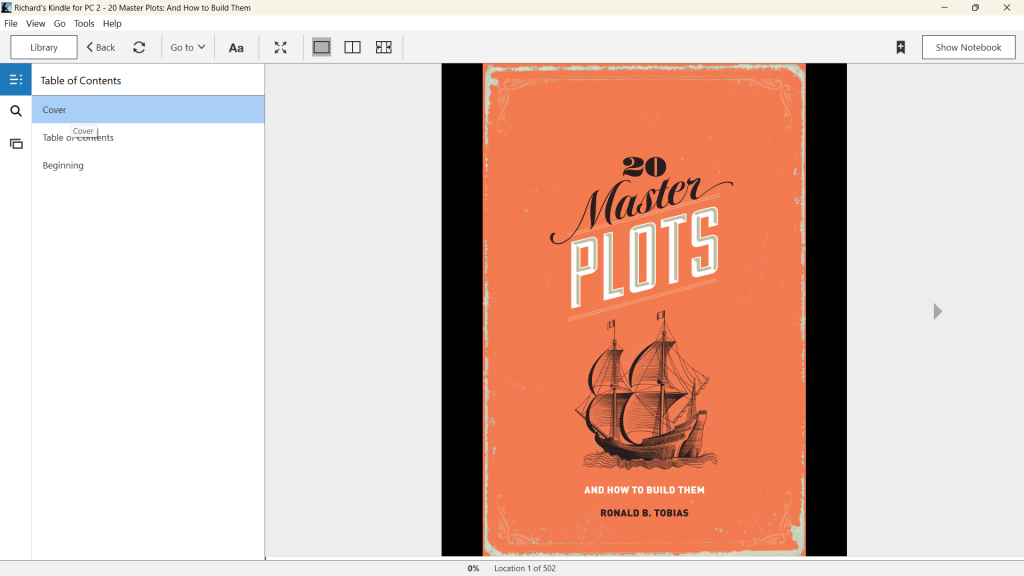
20 Master Plots: And How to Build Them, by Ronald B. Tobias

Give your story a solid foundation – a plot that engages readers from start to finish!

The best stories linger in the hearts and minds of readers for decades. These tales gain their power through plots that connect with the audience on both an emotional and intellectual level.

Ronald B. Tobias details these 20 time-tested plots. Each is discussed and analyzed, illustrating how a successful plot integrates all the elements of a story. Tobias then reveals how to use these plots effectively in your own work.

Tobias then goes to the next level, describing how to choose and develop plot in fiction. He reveals how to craft plot for any subject matter so that you develop your work evenly and effectively. As a result, your fiction will be more cohesive and convincing, making your story unforgettable for readers everywhere.

Blinkist nonfiction book summaries:

Breaking The Page, by Peter Meyers

Podcasts:

None today.

Waking Up app series/courses:

None today.

FICTION

Novels:

Amazon abstract:

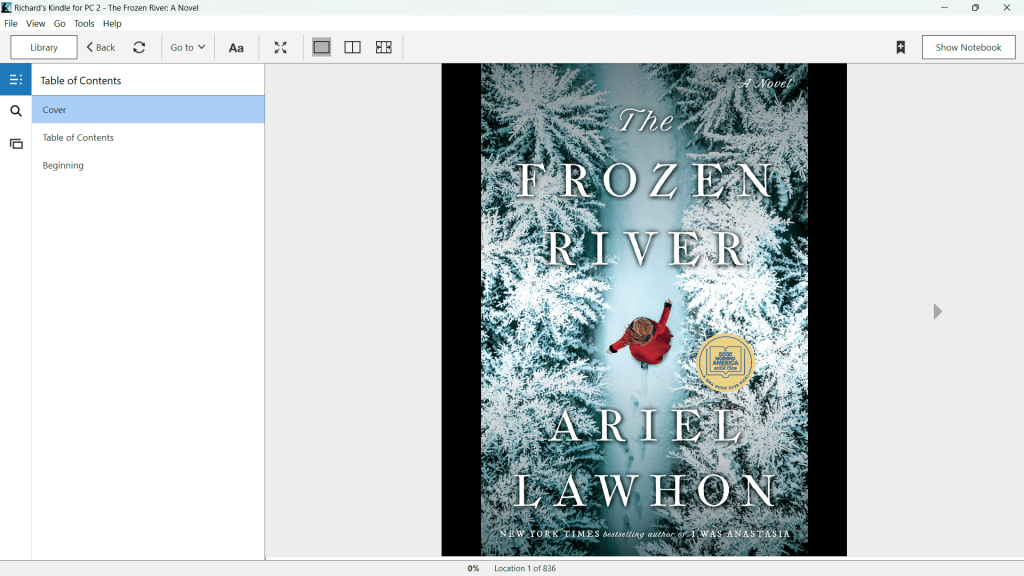
GMA BOOK CLUB PICK • AN NPR BOOK OF THE YEAR • From the New York Times bestselling author of I Was Anastasia and Code Name Hélène comes a gripping historical mystery inspired by the life and diary of Martha Ballard, a renowned 18th-century midwife who defied the legal system and wrote herself into American history.

“Fans of Outlander’s Claire Fraser will enjoy Lawhon’s Martha, who is brave and outspoken when it comes to protecting the innocent. . . impressive.”—The Washington Post

“Once again, Lawhon works storytelling magic with a real-life heroine.” —People Magazine


Maine, 1789: When the Kennebec River freezes, entombing a man in the ice, Martha Ballard is summoned to examine the body and determine cause of death. As a midwife and healer, she is privy to much of what goes on behind closed doors in Hallowell. Her diary is a record of every birth and death, crime and debacle that unfolds in the close-knit community. Months earlier, Martha documented the details of an alleged rape committed by two of the town’s most respected gentlemen—one of whom has now been found dead in the ice. But when a local physician undermines her conclusion, declaring the death to be an accident, Martha is forced to investigate the shocking murder on her own.

Over the course of one winter, as the trial nears, and whispers and prejudices mount, Martha doggedly pursues the truth. Her diary soon lands at the center of the scandal, implicating those she loves, and compelling Martha to decide where her own loyalties lie.

Clever, layered, and subversive, Ariel Lawhon’s newest offering introduces an unsung heroine who refused to accept anything less than justice at a time when women were considered best seen and not heard. The Frozen River is a thrilling, tense, and tender story about a remarkable woman who left an unparalleled legacy yet remains nearly forgotten to this day.


Blinkest fiction book summaries:

None today.

Music:

None today.


Here’s a few photos from previous riding adventures:

Believers Specialize in the Denial of Grim Reality

Here’s the link to this article.

By David Madison at 12/15/2023

Especially the reality of horrendous suffering


What does it take for a person to say No to belief in a god? No matter the depth of indoctrination, it might happen when one is faced with suffering on an unprecedented scale. This happened to Martin Selling, born in Germany in 1918. He was Jewish, thus was caught up in the Nazi frenzy of hate. He ended up in Dachau.
 

“…there were those who found they could no longer believe in God—any God—because of what was taking place. Martin identified with this group. He would, he decided, observe and participate in the traditions and ceremonies he had grown up with, out of a desire to acknowledge his Jewish heritage. But for the rest of his life, he knew, he would just be going through the motions. The horrors of Dachau had destroyed his belief in God.”                                                   (Bruce Henderson, Son and Soldiers: The Untold Story of the Jews Who Escaped the Nazis and Returned with the U.S. Army to Fight Hitler, p. 10)

Changing our minds and our behavior is a matter of letting evidence, facts, the realities of our everyday world influence our thinking. If your doctor tells you that your cholesterol is too high, you’ll adjust your diet. If you’re on the hunt for a product or service—to make your life better—it’s common to check consumer reviews: what has been the experience of others? We don’t like to make big mistakes. 

But what if our brains have been locked by something? What if our personalities are anchored to beliefs that we learned at a very young age? This is commonly what happens with religion—a wide variety of religions that do not agree at all. Yet those who were raised Catholic, or evangelical, Muslim, Jewish, Mormon—taught the “truths” of these faiths by trusted authority figures, i.e., parents and clergy—can feel super threatened when the fallacies of these belief systems are brought to their attention: 

“No thank you, I will not look at the facts! No thank you, evidence plays no role in enabling my faith! I have been taught what is true, case closed!”

One’s personal fate in the cosmos is commonly at stake in clinging to embedded beliefs. That is, the promise of escape from death, the promise of getting to see mother again in heaven, the promise of being loved personally by Jesus. It’s hard to think of more powerful motivations. Thus evidence and hard facts that undermine faith are shunned, ignored, pushed beyond the horizon of awareness. 

As Darrell Ray has pointed out in The God Virus: How Religion Infects Our Lives and Culture:

“From church schools and church groups, to home schooling and frequent church activities, the goal is to keep children immersed in the god virus until the infection has taken hold. It is difficult to learn and practice critical thinking while immersed and isolated by the god virus. That is the purpose of immersion. When an individual is able to compare and examine the various religious claims, she soon realizes that religions are full of mythologies dressed as fact.” (p. 200)

Religions have developed ways to shun and deflect evidence that handily falsifies belief in god. Devout Christians, for example, have been assured by their clergy that “God works in mysterious ways,” or “God has plans we are not privileged to know”—to account for horrible events that sabotage the claim that god is loving, caring, powerful, competent. Or they have been assured that god has been paying attention when their fervent prayers have rescued a cancer patient from death. What a relief: god has been paying attention! But there’s a major flaw with this boast: thousands of cancer sufferers die every day. If god is truly paying attention, why aren’t all these other people rescued from painful death? Does it take fervent prayers to get him to notice this suffering? Something is seriously wrong with this theology.  

Moreover, the laity commonly do not notice what is wrong with the claim that “God works in mysterious ways” and “has plans that we are not privileged to know.” It would be appropriate for the devout to ask their clergy: How do you know this? “Mysterious ways” and “undisclosed plans” are theological guesses, wishful thinking—fishing desperately for answers—to exonerate god. Horrendous suffering is, in fact, stunning evidence that a good, caring, powerful, competent god plays no role whatever in the management of this planet. It makes no sense whatever to believe that “he’s got the whole world in his hands.” 

Church folks are trained from a very early age to look the other way when episodes of massive suffering are so very obvious. Elsewhere I have called this easy acceptance of the very terrible—in order to preserve faith. “Oh yes, that really is horrible, but we can be sure god has his reasons.” Usually zero thought is given to coming up with plausible explanations, because curiosity and thinking are dangerous. Facing the reality of horrendous suffering is dangerous.  

How did belief in the Christian god survive the crises and ordeals of the 20th century? Two world wars brought suffering at unprecedented levels. Nicholas Best, in his book, Five Days That Shocked the World: Eyewitness Accounts from Europe at the End of World War II, noted:

“By the end of the war almost six million Jews had perished, approximately two-thirds of the entire Jewish population of Europe. Romani Gypsies, Soviet prisoners of war, homosexuals, Jehovah’s Witnesses, disabled people as well as other religious and political opponents were also sent to the death camps increasing the total to an estimated eleven to sixteen million.” (Kindle, p. 288)      

These deaths were the result of planned murders by the Nazis, but far more people were the casualties of the devastating warfare. This above all has contributed to the secularization of western Europe, because massive prayers to god 1914-1918 and 1939-1945, did not work, as Darrell Ray points out:

“It took two world wars for Europeans to realize that the prayers of millions of people were not answered. It doesn’t take too much intelligence to see that god isn’t working too well when 92 million people die in two world wars.” (p. 75)

The clergy earn their pay by promoting idealized versions of god and Jesus, to keep the faithful loyal and devoted. To put it bluntly, they are paid propagandists. Hence there are two things they won’t do: 

(1) Encourage their parishioners to intensively study the four gospels: compare them carefully, critically, and probe to find out where the gospel authors got their ideas. Their accounts of Jesus, and Christian origins, are indeed a tangled mess.

(2) Encourage a thorough study of horrendous suffering, and try to figure out how a good god plays any role whatever in the terrible events that humans have had to endure. Rather, the preferred approach of the clergy is to deflect attention from these realities.

Recent studies have shown that, among the young especially, the Holocaust is seen as exaggerated, or denied entirely. Yet the Holocaust in one of the most thoroughly documented crimes in history. The Nazis themselves kept records of their deeds—-they thought they were doing the world a great service—and many of their leaders kept diaries. Moreover, survivors of the Holocaust have written of their experiences, the horrors and terrors they suffered. 

The memoir of Magda Hellinger was preserved with the help of her daughter, Maya Lee. This is one glimpse of life at Birkenau concentration camp:

“There were no toilets or running water at the new camp. Our ‘toilet’ was a large hole in the ground with a plank over the top. It was bad enough coping with the stench of this open pit, but falling in became our greatest fear. Only a few days after we arrived, one girl lost her balance and found herself covered in excrement. She stumbled through the camp in search of somewhere to wash, but her effort was fruitless due to a lack of water. A guard chose the solution that was to become commonplace: he shot her dead.” (p. 68, The Nazis Knew My Name: A Remarkable Story of Survival and Courage in Auschwitz-Birkenau)

“Death was always close. It should never be forgotten that the period over the summer and autumn of 1944 was the deadliest of the Holocaust. The Nazis murdered close to 400,000 people, mostly Hungarian Jews, in just a few months. Most were gassed immediately after their arrival, but many others died in the weeks and months afterward. Some just lost hope and fell to the ground, or threw themselves against the electric fence to end it all. For many others, injury during work, disease, malnutrition—any reason for not being able to work—was enough reason for an SS guard to send a prisoner up the chimney. Not that they needed a reason at all. There were no consequences for an SS guard who chose to simply shoot a prisoner dead for being in the wrong place or for looking at him the wrong way. After all, the aim was genocide, sooner or later. The life of a Jewish prisoner had no value.” (p. 150, The Nazis Knew My Name) 

Two other Holocaust memoirs are especially worthy of note. 

Edith Hahn-Beer “donated her personal papers to the US Holocaust Museum in Washington; at 800 documents, it was one of the largest archives pertaining to a single person.” Hahn-Beer’s experience of the war is told in her book, The Nazi Officer’s Wife: How One Jewish Woman Survived the Holocaust. This quote about her donation to the museum is found on page 4 of the addendum. How to survive the maelstrom of hate? This was a possibility:

“Perhaps I could pretend to be a Christian too. Surely God would understand. And it might help. Why not try it? I took myself into the town of Osterburg and stared at the statue of Jesus in front of the local church, trying to will myself to love Jesus. It was wartime. Men were at the front. And yet I saw no candles in the church, no kneeling worshippers praying for the safe return of sons and husbands and fathers. The Nazis had done a wonderful job of discouraging faith in anything but the Führer.” (p. 98)

Noach Zelechower’s experiences are described in I Survived to Tell: A Holocaust Memoir about Survival in the Warsaw Ghetto and 7 Camps

“In order to inflict such physical and mental torment, the Germans had to breed a special caste of humans, fed on raw meat and Vodka. It is not possible that out of the blue such evil people could be created suddenly–in the heart of Europe…It wore us down trying to solve this mystery of the origin of the existence of such human beasts.” (Kindle, pp. 132-133)

“I sat now in a building that was soaked with the stench of dripping pus from open wounds that were bandaged in all sorts of manner and was full of damned, suffering, and dying people. In this place they cursed, with all the derogatory words, the God that had forgotten them and accused Him for being the main culprit responsible for all their daily maladies and hardships. This denial of God was repeated about a hundred times a day.” (Kindle, pp. 157-158)

The denial of god based on reality. The Bible is used to support a naive view of a good, caring, loving god, e.g., Psalm 23:4: “Yea, though I walk through the valley of the shadow of death, I will fear no evil: for thou art with me; thy rod and thy staff they comfort me.” 
 
What happens in reality? Hitler sent 285,000 soldiers to conquer Stalingrad; only about 6,000 made it back to Germany. During the firebombing of Dresden by the Allies in February 1945, 25,000 people died. The atomic blast over Hiroshima incinerated some 80,000 people in an instant. 
 
Horrendous suffering at this level—or at the level of people dying from cancer, or from thousands of genetic diseases—make a mockery of the claim that “this is my Father’s world.” It’s no surprise that the clergy don’t want their devout followers asking all the tough questions that these events in the real world raise. A good place to start such study is a careful reading of John Loftus’ anthology, God and Horrendous Suffering.

Come on, churchgoers, it’s time to snap out of it!


David Madison was a pastor in the Methodist Church for nine years, and has a PhD in Biblical Studies from Boston University. He is the author of two books, Ten ToughProblems in Christian Thought and Belief: a Minister-Turned-Atheist Shows Why You Should Ditch the Faith, now being reissued in several volumes, the first of which is Guessing About God (2023) and Ten Things Christians Wish Jesus Hadn’t Taught: And Other Reasons to Question His Words (2021). The Spanish translation of this book is also now available. 

His YouTube channel is here. At the invitation of John Loftus, he has written for the Debunking Christianity Blog since 2016.
 
The Cure-for-Christianity Library©, now with more than 500 titles, is here. A brief video explanation of the Library is here

Novel Excerpts–The Boaz Scorekeeper, Chapter 63

The primary aim of the "Novel Excerpts" blog category is to showcase my creative writing, specifically from the novels I've written. Hopefully, these posts will provide a glimpse into my storytelling style, themes, and narrative skills. It's an opportunity to share my artistic expressions and the worlds I've created through my novels.
The Boaz Scorekeeper, written in 2017, is my second novel. I'll post it a chapter a day over the next few weeks.

I dressed and sat back down in the study to wait on Gina.  Thirty minutes went by and that horrible feeling came over me, the one where you just know something bad has happened.  It was pure terror, like standing on a gang plank about to be cast into a raging ocean, or with rope around your neck, about to be hung from the gallows.

I forced myself to stay seated for an hour.  I couldn’t sit still and do nothing.  I grabbed my jacket, walked by Karla reading, seated at her spot on the far end of the couch, and told her I had an emergency to deal with and that I would be back as soon as I could. 

As I was backing out of the garage, I felt Gina’s phone vibrating in my pocket.  I pulled it out and answered, “Micaden, the scorekeeper.”

“I’m not coming.  They have me.  I’m in the trunk of James’ car headed somewhere.  I had grabbed Wade’s folder and had just come into the garage when the two of them drove up.  James pulled into Wade’s parking spot inside the garage and I couldn’t get away.  I tried to run toward the street but James grabbed me and Wade watched as James shoved me into the trunk and slammed the lid shut.”

“Do you have any idea where they are taking you?” I asked.

“My guess would be Club Eden, the cabin at the lake.  Micaden, I am so scared.  I know I am going to die.”

“Gina, don’t talk like that, don’t even think that. I’m coming to get you, I’m already rolling.  I can be at the cabin in ten minutes or less.”  I said.

“I think we are already here.  I can feel the bumps, probably from the rough driveway leading up to the cabin.”

“Stay brave my dear friend. I’m coming for you.”

“Oh hell, she’s got a phone. Give me that.”  I heard James say as silence erupted.

They must be at the cabin. They have her out of the car by now asking her who she was talking to.  I pushed the accelerator through the floor as my truck approached 90 miles per hour as it raced through the intersection of Lawson Gap and Mountainboro Roads.

Within another three or four minutes I was at the entrance.  The gate was open.  I turned in and floored it again, the rear end fishtailed almost to the ditch.  As I came out of the final curve before reaching the cabin I could see they had already left.  It was easy to conclude that once they knew Gina had been on the phone their plan was compromised.  They would have concluded that it was too risky to stay at the cabin.  I pulled up where Fred had parked his Camaro last week and started to back up to turn around, when my eye caught a glimpse of a sparkle in the road, about where the Camaro’s bumper would have been.  I got out and walked to the spot and within a few seconds saw a ring.  It was Gina’s wedding cluster.  She no doubt had intentionally dropped it when Wade and James opened the car trunk.  She wanted me to know she had been here. 

I put it in my pocket and ran back to my truck.  At the gate, I didn’t know which way to turn.  Surely Wade and James would not return to the spot on Little Cove Road.  I had to think before I headed in either direction. I finally decided to drive to James’ place on the brow at Sky Haven Estates.  There were plenty of woods and ledges behind his house.  When I arrived, James’ wife Rachel was backing out of their driveway.  I pulled in behind her, got out, and asked if James was here.  She said he wasn’t, that he had just called and said that he and Wade were going fishing and might play a round of golf.  I asked her where James was when he called.  By this time, she was clearly nervous about me and told me to leave or that she would call the police. 

I obeyed and left.  For the next eight hours, I rode the roads around Boaz and every countryside I could think of.  I went to Pebblebrook on Martin Road thinking that James and Wade might think they could find some privacy on the backside of the Ericson’s development.  No luck.  I even drove to the State Park in Guntersville and up the mountain to the golf course.  I rented a golf cart and rode all over the course.  I knew I was doing absolutely no good.  I didn’t have a clue where James and Wade might take Gina.  But, one thing I knew for sure, Gina would never survive this ordeal.  Club Eden was the master of disposing of bodies.  And, getting away with it. 

Finally, as the sun started to set, I headed back to Hickory Hollow.  I had never been so sad and lifeless.  Just like my heart hurt for Wendi when I learned of her death, my heart was broken over Gina.  For the first time, I realized that I had developed deep, almost intimate, feelings for her.  It was an emotion I had never incurred.  It wasn’t a sexual intimacy, but it was something far more than a brother-sister connection.  Gina had become a friend like I had never had, not even Karla and I had that type relationship.  And now, just like I had lost Wendi, my first love, I had lost Gina, a love that I didn’t even know existed until it was too late.

12/16/23 Biking & Listening

Here’s today’s bike ride metrics. Temperature at beginning of ride: 51 degrees. Cloudy day; a little windy.


Photos from today’s ride:

None today.

Why I ride:

Biking is something I both love and hate. The conflicting emotions arise from the undeniable physical effort it demands. However, this exertion is precisely what makes it an excellent form of exercise. Most days, I dedicate over an hour to my cycling routine, and in doing so, I’ve discovered a unique opportunity to enjoy a good book or podcast. The rhythmic pedaling and the wind against my face create a calming backdrop that allows me to fully immerse myself in the content. In these moments, the time spent on the bike seems worthwhile, as I can’t help but appreciate the mental and physical rewards it offers.

I especially like having ridden. The post-biking feeling is one of pure satisfaction. The endorphin rush, coupled with a sense of accomplishment, makes the initial struggle and fatigue worthwhile. As I dismount and catch my breath, I relish the sensation of having conquered the challenge, both physically and mentally. It’s a reminder that the things we sometimes love to hate can often be the ones that bring us the most fulfillment. In the end, the love-hate relationship with biking only deepens my appreciation for the sport, as it continually pushes me to overcome my own limitations and embrace the rewards that follow the effort.


Why you should ride:

Encourages Relaxation:

Cycling is not just a form of physical exercise; it also has a profound ability to encourage relaxation. Here are various ways in which cycling contributes to a relaxed state of mind and body:

  • Physical Activity and Stress Reduction: Engaging in physical activities like cycling can reduce the body’s stress responses. Exercise triggers the release of endorphins, the body’s natural painkillers and mood elevators, which promote relaxation. The physical effort of cycling also helps to use up the energy created by stress, aiding in calming the body.
  • Rhythmic Pedaling as a Meditative Practice: The repetitive nature of cycling, with its steady, rhythmic pedaling, can have a meditative effect. This rhythmic motion can help focus the mind, drawing attention away from stressful thoughts and allowing a sense of calm.
  • Outdoor and Nature Exposure: Cycling outdoors, especially in natural or scenic settings, can enhance relaxation. Being in nature is known to reduce stress and promote a sense of peace. The sights, sounds, and smells of the outdoors can be very soothing.
  • Mindfulness and Presence: Cycling requires a level of present-moment awareness, which is a key aspect of mindfulness. Practicing mindfulness has been shown to reduce stress and promote relaxation. When cycling, the focus on the immediate environment and bodily sensations can help achieve this state.
  • Cardiovascular Health Benefits: Regular cycling improves cardiovascular health, which can help in reducing tension in the body. A healthier heart and circulatory system can contribute to a more relaxed state overall.
  • Reduces Mental Clutter: A bike ride offers a break from daily routines and responsibilities, providing an opportunity to clear the mind. This mental break can be refreshing and relaxing, especially after a long day or during stressful periods.
  • Social Relaxation: For those who enjoy group rides, the social aspect of cycling can be relaxing. Social interactions and the sense of community found in cycling groups can contribute to overall relaxation and well-being.
  • Achievement and Satisfaction: Completing a challenging ride or reaching a cycling goal can bring about a sense of achievement and satisfaction. This positive feeling can promote a relaxed state, as it counters feelings of stress and anxiety.
  • End of Ride Relaxation Response: After a cycling session, the body often experiences a natural relaxation response. The decrease in physical activity coupled with the sense of accomplishment can lead to a profound state of relaxation.
  • Improves Sleep Quality: As cycling improves sleep quality, it indirectly promotes relaxation. Better sleep means the body is better rested and more capable of handling stress, leading to a more relaxed state during waking hours.

In summary, cycling’s ability to encourage relaxation is multifaceted, combining physical, mental, and emotional elements. By incorporating regular cycling into one’s lifestyle, it’s possible to cultivate a more relaxed state of being, beneficial for overall health and well-being.


Please watch

Here’s a couple of links to groups I like. Hopefully, they’ll encourage you to start riding a bike, no matter your age.

Cycling for those aged 70+(opens in a new tab)


Solitary Cycling(opens in a new tab)


My bike:

A Rockhopper by Specialized. I purchased it November 2021 from Venture Out in Guntersville; Mike is top notch! So is the bike. The ‘old’ man seat was salvaged from an old Walmart bike. Seat replaced with new one from Venture Out.


What I’m listening to:

NONFICTION

20 Master Plots: And How to Build Them, by Ronald B. Tobias

Give your story a solid foundation – a plot that engages readers from start to finish!

The best stories linger in the hearts and minds of readers for decades. These tales gain their power through plots that connect with the audience on both an emotional and intellectual level.

Ronald B. Tobias details these 20 time-tested plots. Each is discussed and analyzed, illustrating how a successful plot integrates all the elements of a story. Tobias then reveals how to use these plots effectively in your own work.

Tobias then goes to the next level, describing how to choose and develop plot in fiction. He reveals how to craft plot for any subject matter so that you develop your work evenly and effectively. As a result, your fiction will be more cohesive and convincing, making your story unforgettable for readers everywhere.

Blinkist nonfiction book summaries:

None today.

Podcasts:

None today.

Waking Up app series/courses:

None today.

FICTION

Novels:

Amazon abstract:

GMA BOOK CLUB PICK • AN NPR BOOK OF THE YEAR • From the New York Times bestselling author of I Was Anastasia and Code Name Hélène comes a gripping historical mystery inspired by the life and diary of Martha Ballard, a renowned 18th-century midwife who defied the legal system and wrote herself into American history.

“Fans of Outlander’s Claire Fraser will enjoy Lawhon’s Martha, who is brave and outspoken when it comes to protecting the innocent. . . impressive.”—The Washington Post

“Once again, Lawhon works storytelling magic with a real-life heroine.” —People Magazine


Maine, 1789: When the Kennebec River freezes, entombing a man in the ice, Martha Ballard is summoned to examine the body and determine cause of death. As a midwife and healer, she is privy to much of what goes on behind closed doors in Hallowell. Her diary is a record of every birth and death, crime and debacle that unfolds in the close-knit community. Months earlier, Martha documented the details of an alleged rape committed by two of the town’s most respected gentlemen—one of whom has now been found dead in the ice. But when a local physician undermines her conclusion, declaring the death to be an accident, Martha is forced to investigate the shocking murder on her own.

Over the course of one winter, as the trial nears, and whispers and prejudices mount, Martha doggedly pursues the truth. Her diary soon lands at the center of the scandal, implicating those she loves, and compelling Martha to decide where her own loyalties lie.

Clever, layered, and subversive, Ariel Lawhon’s newest offering introduces an unsung heroine who refused to accept anything less than justice at a time when women were considered best seen and not heard. The Frozen River is a thrilling, tense, and tender story about a remarkable woman who left an unparalleled legacy yet remains nearly forgotten to this day.


Blinkest fiction book summaries:

None today.

Music:

None today.


Here’s a few photos from previous riding adventures:

Novel Excerpts–The Boaz Scorekeeper, Chapter 62

The primary aim of the "Novel Excerpts" blog category is to showcase my creative writing, specifically from the novels I've written. Hopefully, these posts will provide a glimpse into my storytelling style, themes, and narrative skills. It's an opportunity to share my artistic expressions and the worlds I've created through my novels.
The Boaz Scorekeeper, written in 2017, is my second novel. I'll post it a chapter a day over the next few weeks.

I walked out onto the balcony to enjoy the rest of my coffee and to watch the sunrise.  I sat in a thoughtless trance looking eastward until the sun’s rays teased drops of sweat from my forehead.  I placed my coffee mug on the table beside me and raised the umbrella to block the sun.  I sat back down and closed my eyes.  After opening my eyes every few minutes to watch water drip from the metal railing from last night’s heavy frost, my mind summoned up the memory of the sunrise from the morning I woke up in my sleeping bag just a few short hours after Randall, James, and John had returned to Club Eden without Wendi and Cindi in the back of James’s van.  I fell asleep and dreamed that I was the sun on a man’s body, without a mind, never caring what happened on the earth’s end of the rays I constantly beamed.  As the sun, I was just about to talk with God in my dream when I heard Gina’s phone vibrating on the nightstand beside my bed.  I normally kept it on me but today I hadn’t even gotten dressed.  The only time I had been out of the phone’s reach was a couple of minutes back and forth from the kitchen to get my coffee.

I picked up the phone and answered, “Micaden the scorekeeper.”

“I’ve been caught. They know about me.” Gina’s voice was garbled, frantic, and loud.

“Slow down Gina. How do you know this?”

“I just received an email from my auto-recorder in Wade’s study at the church.  Apparently Wade and James just had a meeting that ended a little over 30 minutes ago.  The recorder will not send me a transcript until 30 minutes has elapsed since the last word spoken.”  Gina said.

“Tell me what’s on the transcript.”

“They have to know I was in Wade’s study here at home last night.  Wade had a wedding at Meadowbrook Farm so I spent nearly an hour snooping around.  That’s what they were talking about this morning. It was like they videotaped me and had watched their tape.  James was so mad at Wade I thought he was going to kill him.  He accused Wade of trying to get caught, of trying to destroy Club Eden by leaving the financial journal unlocked at home.  James also said that I would know about the sex trafficking and that alone could get the two of them a prison sentence.”  Gina said.

“Here’s what you need to do.  Quickly grab Wade’s file, the one with all the bank statements, and come here.  Gina, I don’t think it’s safe for you to stay with Wade any longer.  You must get out of there.  Do it now, don’t worry about packing a suitcase or anything.”

“I’ll see you just as soon as I can.”  Gina said. 

12/15/23 Biking & Listening

Here’s today’s bike ride metrics. Temperature at beginning of ride: 52 degrees. Bright, sunny day; a little windy.


Photos from today’s ride:

None today.

Why I ride:

Biking is something I both love and hate. The conflicting emotions arise from the undeniable physical effort it demands. However, this exertion is precisely what makes it an excellent form of exercise. Most days, I dedicate over an hour to my cycling routine, and in doing so, I’ve discovered a unique opportunity to enjoy a good book or podcast. The rhythmic pedaling and the wind against my face create a calming backdrop that allows me to fully immerse myself in the content. In these moments, the time spent on the bike seems worthwhile, as I can’t help but appreciate the mental and physical rewards it offers.

I especially like having ridden. The post-biking feeling is one of pure satisfaction. The endorphin rush, coupled with a sense of accomplishment, makes the initial struggle and fatigue worthwhile. As I dismount and catch my breath, I relish the sensation of having conquered the challenge, both physically and mentally. It’s a reminder that the things we sometimes love to hate can often be the ones that bring us the most fulfillment. In the end, the love-hate relationship with biking only deepens my appreciation for the sport, as it continually pushes me to overcome my own limitations and embrace the rewards that follow the effort.


Why you should ride:

Encourages Relaxation:

Cycling is not just a form of physical exercise; it also has a profound ability to encourage relaxation. Here are various ways in which cycling contributes to a relaxed state of mind and body:

  • Physical Activity and Stress Reduction: Engaging in physical activities like cycling can reduce the body’s stress responses. Exercise triggers the release of endorphins, the body’s natural painkillers and mood elevators, which promote relaxation. The physical effort of cycling also helps to use up the energy created by stress, aiding in calming the body.
  • Rhythmic Pedaling as a Meditative Practice: The repetitive nature of cycling, with its steady, rhythmic pedaling, can have a meditative effect. This rhythmic motion can help focus the mind, drawing attention away from stressful thoughts and allowing a sense of calm.
  • Outdoor and Nature Exposure: Cycling outdoors, especially in natural or scenic settings, can enhance relaxation. Being in nature is known to reduce stress and promote a sense of peace. The sights, sounds, and smells of the outdoors can be very soothing.
  • Mindfulness and Presence: Cycling requires a level of present-moment awareness, which is a key aspect of mindfulness. Practicing mindfulness has been shown to reduce stress and promote relaxation. When cycling, the focus on the immediate environment and bodily sensations can help achieve this state.
  • Cardiovascular Health Benefits: Regular cycling improves cardiovascular health, which can help in reducing tension in the body. A healthier heart and circulatory system can contribute to a more relaxed state overall.
  • Reduces Mental Clutter: A bike ride offers a break from daily routines and responsibilities, providing an opportunity to clear the mind. This mental break can be refreshing and relaxing, especially after a long day or during stressful periods.
  • Social Relaxation: For those who enjoy group rides, the social aspect of cycling can be relaxing. Social interactions and the sense of community found in cycling groups can contribute to overall relaxation and well-being.
  • Achievement and Satisfaction: Completing a challenging ride or reaching a cycling goal can bring about a sense of achievement and satisfaction. This positive feeling can promote a relaxed state, as it counters feelings of stress and anxiety.
  • End of Ride Relaxation Response: After a cycling session, the body often experiences a natural relaxation response. The decrease in physical activity coupled with the sense of accomplishment can lead to a profound state of relaxation.
  • Improves Sleep Quality: As cycling improves sleep quality, it indirectly promotes relaxation. Better sleep means the body is better rested and more capable of handling stress, leading to a more relaxed state during waking hours.

In summary, cycling’s ability to encourage relaxation is multifaceted, combining physical, mental, and emotional elements. By incorporating regular cycling into one’s lifestyle, it’s possible to cultivate a more relaxed state of being, beneficial for overall health and well-being.


Please watch

Here’s a couple of links to groups I like. Hopefully, they’ll encourage you to start riding a bike, no matter your age.

Cycling for those aged 70+(opens in a new tab)


Solitary Cycling(opens in a new tab)


My bike:

A Rockhopper by Specialized. I purchased it November 2021 from Venture Out in Guntersville; Mike is top notch! So is the bike. The ‘old’ man seat was salvaged from an old Walmart bike. Seat replaced with new one from Venture Out.


What I’m listening to:

NONFICTION

20 Master Plots: And How to Build Them, by Ronald B. Tobias

Give your story a solid foundation – a plot that engages readers from start to finish!

The best stories linger in the hearts and minds of readers for decades. These tales gain their power through plots that connect with the audience on both an emotional and intellectual level.

Ronald B. Tobias details these 20 time-tested plots. Each is discussed and analyzed, illustrating how a successful plot integrates all the elements of a story. Tobias then reveals how to use these plots effectively in your own work.

Tobias then goes to the next level, describing how to choose and develop plot in fiction. He reveals how to craft plot for any subject matter so that you develop your work evenly and effectively. As a result, your fiction will be more cohesive and convincing, making your story unforgettable for readers everywhere.

Blinkist nonfiction book summaries:

None today.

Podcasts:

Waking Up app series/courses:

None today.

FICTION

Novels:

Amazon abstract:

GMA BOOK CLUB PICK • AN NPR BOOK OF THE YEAR • From the New York Times bestselling author of I Was Anastasia and Code Name Hélène comes a gripping historical mystery inspired by the life and diary of Martha Ballard, a renowned 18th-century midwife who defied the legal system and wrote herself into American history.

“Fans of Outlander’s Claire Fraser will enjoy Lawhon’s Martha, who is brave and outspoken when it comes to protecting the innocent. . . impressive.”—The Washington Post

“Once again, Lawhon works storytelling magic with a real-life heroine.” —People Magazine


Maine, 1789: When the Kennebec River freezes, entombing a man in the ice, Martha Ballard is summoned to examine the body and determine cause of death. As a midwife and healer, she is privy to much of what goes on behind closed doors in Hallowell. Her diary is a record of every birth and death, crime and debacle that unfolds in the close-knit community. Months earlier, Martha documented the details of an alleged rape committed by two of the town’s most respected gentlemen—one of whom has now been found dead in the ice. But when a local physician undermines her conclusion, declaring the death to be an accident, Martha is forced to investigate the shocking murder on her own.

Over the course of one winter, as the trial nears, and whispers and prejudices mount, Martha doggedly pursues the truth. Her diary soon lands at the center of the scandal, implicating those she loves, and compelling Martha to decide where her own loyalties lie.

Clever, layered, and subversive, Ariel Lawhon’s newest offering introduces an unsung heroine who refused to accept anything less than justice at a time when women were considered best seen and not heard. The Frozen River is a thrilling, tense, and tender story about a remarkable woman who left an unparalleled legacy yet remains nearly forgotten to this day.


Blinkest fiction book summaries:

None today.

Music:


Here’s a few photos from previous riding adventures:

Novel Excerpts–The Boaz Scorekeeper, Chapter 61

The primary aim of the "Novel Excerpts" blog category is to showcase my creative writing, specifically from the novels I've written. Hopefully, these posts will provide a glimpse into my storytelling style, themes, and narrative skills. It's an opportunity to share my artistic expressions and the worlds I've created through my novels.
The Boaz Scorekeeper, written in 2017, is my second novel. I'll post it a chapter a day over the next few weeks.

I was sitting in my study drinking coffee Saturday morning November 4th.  There was no good reason to be hesitant about checking the Grand Cayman account.  There was no way in you know where that Fitz Billingsley was going to wire $4,000,000 to a Caribbean Island.  I thought it a stretch for him to put together that much money in one week.  I booted up the laptop computer that I had used to write the demand letter and searched for Fidelity Bank Limited’s website.  I entered the login information for Edward Simmons and clicked on ‘Bank Accounts.’  Once again, I was shocked.  The account balance now was $6,005,833.33.  Within the ‘Account Transaction’ section, I saw a $4,000,000.00 deposit had been made Thursday afternoon at 4:30 p.m., Alabama time.  Not only had Fritz wired the requested amount, but he had done it nearly a day and a half early. I felt like celebrating but knew that sharing this information with anyone, even Karla, would end in disaster.

I then checked my law office email account and there was one from Fitz.  He said that he had been instructed to contact me and donate $500,000 to the Boaz Spinning Mill project.  He asked me to call him on Monday.

12/14/23 Biking & Listening

Here’s today’s bike ride metrics. Temperature at beginning of ride: 54 degrees. Bright, warm sunny day.


Photos from today’s ride:

None today.

Why I ride:

Biking is something I both love and hate. The conflicting emotions arise from the undeniable physical effort it demands. However, this exertion is precisely what makes it an excellent form of exercise. Most days, I dedicate over an hour to my cycling routine, and in doing so, I’ve discovered a unique opportunity to enjoy a good book or podcast. The rhythmic pedaling and the wind against my face create a calming backdrop that allows me to fully immerse myself in the content. In these moments, the time spent on the bike seems worthwhile, as I can’t help but appreciate the mental and physical rewards it offers.

I especially like having ridden. The post-biking feeling is one of pure satisfaction. The endorphin rush, coupled with a sense of accomplishment, makes the initial struggle and fatigue worthwhile. As I dismount and catch my breath, I relish the sensation of having conquered the challenge, both physically and mentally. It’s a reminder that the things we sometimes love to hate can often be the ones that bring us the most fulfillment. In the end, the love-hate relationship with biking only deepens my appreciation for the sport, as it continually pushes me to overcome my own limitations and embrace the rewards that follow the effort.


Why you should ride:

Encourages Relaxation:

Cycling is not just a form of physical exercise; it also has a profound ability to encourage relaxation. Here are various ways in which cycling contributes to a relaxed state of mind and body:

  • Physical Activity and Stress Reduction: Engaging in physical activities like cycling can reduce the body’s stress responses. Exercise triggers the release of endorphins, the body’s natural painkillers and mood elevators, which promote relaxation. The physical effort of cycling also helps to use up the energy created by stress, aiding in calming the body.
  • Rhythmic Pedaling as a Meditative Practice: The repetitive nature of cycling, with its steady, rhythmic pedaling, can have a meditative effect. This rhythmic motion can help focus the mind, drawing attention away from stressful thoughts and allowing a sense of calm.
  • Outdoor and Nature Exposure: Cycling outdoors, especially in natural or scenic settings, can enhance relaxation. Being in nature is known to reduce stress and promote a sense of peace. The sights, sounds, and smells of the outdoors can be very soothing.
  • Mindfulness and Presence: Cycling requires a level of present-moment awareness, which is a key aspect of mindfulness. Practicing mindfulness has been shown to reduce stress and promote relaxation. When cycling, the focus on the immediate environment and bodily sensations can help achieve this state.
  • Cardiovascular Health Benefits: Regular cycling improves cardiovascular health, which can help in reducing tension in the body. A healthier heart and circulatory system can contribute to a more relaxed state overall.
  • Reduces Mental Clutter: A bike ride offers a break from daily routines and responsibilities, providing an opportunity to clear the mind. This mental break can be refreshing and relaxing, especially after a long day or during stressful periods.
  • Social Relaxation: For those who enjoy group rides, the social aspect of cycling can be relaxing. Social interactions and the sense of community found in cycling groups can contribute to overall relaxation and well-being.
  • Achievement and Satisfaction: Completing a challenging ride or reaching a cycling goal can bring about a sense of achievement and satisfaction. This positive feeling can promote a relaxed state, as it counters feelings of stress and anxiety.
  • End of Ride Relaxation Response: After a cycling session, the body often experiences a natural relaxation response. The decrease in physical activity coupled with the sense of accomplishment can lead to a profound state of relaxation.
  • Improves Sleep Quality: As cycling improves sleep quality, it indirectly promotes relaxation. Better sleep means the body is better rested and more capable of handling stress, leading to a more relaxed state during waking hours.

In summary, cycling’s ability to encourage relaxation is multifaceted, combining physical, mental, and emotional elements. By incorporating regular cycling into one’s lifestyle, it’s possible to cultivate a more relaxed state of being, beneficial for overall health and well-being.


Please watch

Here’s a couple of links to groups I like. Hopefully, they’ll encourage you to start riding a bike, no matter your age.

Cycling for those aged 70+(opens in a new tab)


Solitary Cycling(opens in a new tab)


My bike:

A Rockhopper by Specialized. I purchased it November 2021 from Venture Out in Guntersville; Mike is top notch! So is the bike. The ‘old’ man seat was salvaged from an old Walmart bike. Seat replaced with new one from Venture Out.


What I’m listening to:

NONFICTION

20 Master Plots: And How to Build Them, by Ronald B. Tobias

Give your story a solid foundation – a plot that engages readers from start to finish!

The best stories linger in the hearts and minds of readers for decades. These tales gain their power through plots that connect with the audience on both an emotional and intellectual level.

Ronald B. Tobias details these 20 time-tested plots. Each is discussed and analyzed, illustrating how a successful plot integrates all the elements of a story. Tobias then reveals how to use these plots effectively in your own work.

Tobias then goes to the next level, describing how to choose and develop plot in fiction. He reveals how to craft plot for any subject matter so that you develop your work evenly and effectively. As a result, your fiction will be more cohesive and convincing, making your story unforgettable for readers everywhere.

Blinkist nonfiction book summaries:

None today.

Podcasts:

None today.

Waking Up app series/courses:

None today.

FICTION

Novels:

Amazon abstract:

GMA BOOK CLUB PICK • AN NPR BOOK OF THE YEAR • From the New York Times bestselling author of I Was Anastasia and Code Name Hélène comes a gripping historical mystery inspired by the life and diary of Martha Ballard, a renowned 18th-century midwife who defied the legal system and wrote herself into American history.

“Fans of Outlander’s Claire Fraser will enjoy Lawhon’s Martha, who is brave and outspoken when it comes to protecting the innocent. . . impressive.”—The Washington Post

“Once again, Lawhon works storytelling magic with a real-life heroine.” —People Magazine


Maine, 1789: When the Kennebec River freezes, entombing a man in the ice, Martha Ballard is summoned to examine the body and determine cause of death. As a midwife and healer, she is privy to much of what goes on behind closed doors in Hallowell. Her diary is a record of every birth and death, crime and debacle that unfolds in the close-knit community. Months earlier, Martha documented the details of an alleged rape committed by two of the town’s most respected gentlemen—one of whom has now been found dead in the ice. But when a local physician undermines her conclusion, declaring the death to be an accident, Martha is forced to investigate the shocking murder on her own.

Over the course of one winter, as the trial nears, and whispers and prejudices mount, Martha doggedly pursues the truth. Her diary soon lands at the center of the scandal, implicating those she loves, and compelling Martha to decide where her own loyalties lie.

Clever, layered, and subversive, Ariel Lawhon’s newest offering introduces an unsung heroine who refused to accept anything less than justice at a time when women were considered best seen and not heard. The Frozen River is a thrilling, tense, and tender story about a remarkable woman who left an unparalleled legacy yet remains nearly forgotten to this day.


Amazon abstract:

NATIONAL BESTSELLER • The Girl with the Dragon Tattoo series continues: Lisbeth Salander must face the most important battle of her life, and will finally put her past to rest in this thriller that will “leave Salander’s legion of followers clamoring for more” (The Wall Street Journal). • Also known as the Millennium series

Mikael Blomkvist is trying to reach Lisbeth Salander—the fierce, unstoppable girl with the dragon tattoo. He needs her help unraveling the identity of a man who died with Blomkvist’s phone number in his pocket—a man who does not exist in any official records and whose garbled last words hinted at knowledge that would be dangerous to important people. But Lisbeth has disappeared. She’s sold her apartment in Stockholm. She’s gone dark. She’s told no one where she is. And no one is aware that at long last she’s got her primal enemy, her twin sister, Camilla, squarely in her sights.

Look for the latest book in the Girl with the Dragon Tattoo series, The Girl in the Eagle’s Talons, coming soon!


Blinkest fiction book summaries:

None today.

Music:


Here’s a few photos from previous riding adventures:

Short Story: The Mystery of Kindred Spirits

I’m delighted to share one of my short stories with you. Each tale is a window into a world of imagination, woven from the rich tapestry of life in and around my hometown of Boaz, Alabama. These stories, set against the backdrop of familiar streets and the echoes of shared history, aim to transport you to a place where the extraordinary meets the everyday.

"The Mystery of Kindred Spirits" follows two local teenagers, Connor and Amy, as they embark on an unexpected journey of discovery. Connor, a mystery-loving enthusiast, finds solace in the pages of detective tales and the adventures hidden in the nooks and crannies of Boaz. Amy, an artistic soul drawn to the unusual, spends her time unraveling the fascinating lore at the local Museum of Curiosities. Their paths cross in an English class project at Boaz High School, sparking a series of events that weave their individual passions into a shared quest.

"The Mystery of Kindred Spirits" is more than just a story of uncovering hidden truths; it's a narrative that explores the bonds of friendship, the power of shared interests, and the joy of unexpected companionship. As you delve into this story, join Connor and Amy in unraveling the mysteries not just of Boaz, but of each other’s worlds.

Some of you may have heard about or read, The Case of the Perfectionist Professor (here's the link), the first novel in my Boaz Sleuth series starring Connor Ford (I'm currently working on book two). "The Mystery of Kindred Spirits" is the first of hopefully many short stories about Connor's early life.

So, settle in and let’s uncover the secrets hidden in the heart of Boaz, where every corner promises a new mystery and every encounter could lead to a lifelong friendship.

Without further ado, let’s dive into "The Mystery of Kindred Spirits."

Nestled amidst the rolling hills and thick forests of northeast Alabama sits the small town of Boaz. Founded in 1878 and incorporated just shy of twenty years later, Boaz began as a modest farming community. But over the decades it blossomed into a haven for artists, dreamers, and eccentrics from all walks of life.

These days, roughly ten thousand folks call Boaz home. The town center consists of a charming Main Street dotted with mom-and-pop shops, like Main Street Comics, a favorite haunt of Connor Ford, a local teenager with a penchant for mystery and the unknown, where he loves to scour the overflowing boxes of old Detective Tales magazines. At the end of Main Street stands the beloved Boaz Community Theater, a quaint, historical gem that once served as a gathering place for town events. Now lovingly restored, it hosts a variety of local happenings, from the high school drama club’s annual plays to classic movie screenings under the starry Southern sky. Just off the main drag is Bozeman’s Diner, cherished by locals for their famous chocolate malts and shameless love of all things fried.

Beyond downtown, rolling pastures stretch for miles before meeting the thick woods that surround Boaz. A canopy of jack pine and water oak trees shade the many winding trails where Connor spends hours exploring. Out near Route 168, the Boaz Museum of Curiosities stands as a beacon of intrigue. It’s the favorite haunt of Amy, another local teenager, who is drawn to its eclectic collection of peculiar artifacts and fascinating lore. The streets may roll up early most nights, but Hidden Hollow Lane is known to bustle well into the wee hours on summer weekends as teens gather and legends spread.

Boaz Sheriff Duggan has long indulged Connor’s detective fantasies, even deputizing him on slow days. And the proprietors at Murphy’s Five & Dime always have an eagle eye out for mischief-makers, keeping Connor’s parents informed if he loiters too long reading crime paperbacks behind the aisles.

This quaint southern town has its share of unusual nooks and characters. For Connor and Amy, although unknown to each other, Boaz provides the perfect backdrop for adventure. Around each corner waits the promise of mystery.

***

It was the first day of freshman year at Boaz High School. Nervous energy buzzed through the halls as students found their assigned homerooms, clutching class schedules and scanning room numbers on classroom doors. For many, it marked their first venture into the hallowed halls of high school. New adventures lay in store, but first came the uncertainty of new classes with unfamiliar faces.

Students shuffled through the creaky wooden doors of Mr. Abernathy’s English classroom. A venerable teacher of thirty years, Jerome Abernathy had a bombastic presence that commanded any room he entered. Salt-and-pepper curls sprang from his head at erratic angles beneath his tweed cap. His wardrobe changed daily but a crimson bowtie always adorned his collar.

As students filed in, the scent of chalk dust mingled with worn pages and fresh coffee brewing on Mr. Abernathy’s desk – the quintessential aromas of English class. Sepia-toned photos of literary legends like Poe, Austen and Twain lined the walls. Scrawled quotes covered every inch of chalkboard real estate. The desks may have born the scratches of generations, but fresh daisies popped from the windowsill pots – Mr. Abernathy believed gloomy places dampened young minds.

When the final bell clanged, Mr. Abernathy leapt nimbly onto his elevated podium. “Welcome students to the wondrous realm of literature and composition!” His voice filled the room as he passionately outlined the syllabus. Assignments included original poetry, analytical essays…and an extra-credit mystery novel analysis project.

Lanky fifteen-year-old Connor Ford sat near the back, nose buried in a dog-eared paperback of The Maltese Falcon. His shaggy brown hair dangled above his eyes, utterly engrossed in the page as Sam Spade barged into the hotel room to confront the conniving trio.

Connor pictured the scene vividly – Spade grilling the manipulative damsel in distress, the twitchy gunman sweating bullets, the corrupt whaler blustering excuses. He savored every hard-boiled line of dialogue, imagining himself in the detective’s shoes bringing down the duplicitous gang. Mystery novels were Connor’s obsession. An escape to enthralling worlds of intrigue that made rural Alabama seem utterly pedestrian in comparison.

Part of Connor’s mind also drifted to the new treehouse taking shape behind his family’s log cabin out in Hickory Hollow. He was hoping to work on the ladder with his dad later that day, once Crane Ford returned home from his shift at the Republic Steel mill over in Gadsden. Some quality father-son bonding while hammering a few more rungs into place would be the perfect capper after an exciting first day of high school.

Just before the bell rang signaling class’s start, a petite girl breezed into the room humming softly to herself. Connor peered discreetly over his book to steal glances at her. She had a navy and yellow floral scarf with intricate designs that swished around her shoulders as she walked. The vibrant colors suited her creative flair. As the girl scanned the unfamiliar faces, Connor noted her slender build, black wavy hair partially pinned up, and graceful neck revealed by the pinned back locks. But it was her eyes – intelligent and penetrating brown orbs darting around the room – that Connor found most striking. She seemed to take in every detail, much like a detective surveilling a scene.

The girl took a seat up front just as the bell chimed, pulling out a sketchpad with frayed edges from her bookbag. She flipped through pages filled with exquisite ink drawings of fantastical creatures and landscapes that seemed to spring from her vivid imagination.

Amy found solace in her art. After her father passed away when she was seven, drawing helped fill the painful void of grief and loneliness. It allowed her to escape into extraordinary worlds of her own making. Her mother’s long nursing shifts often left Amy to fend for herself in their cramped apartment. Sketching let her focus her energies into something productive during those empty hours.

Now at fourteen, filling blank pages was second nature to Amy. Dragons swirling over misty chasms, fairies peeking from blossoming trees, creatures both whimsical and wise…Art was her refuge, and she hoped to stir the same wonder in others someday with her illustrations. For now, her sketchpad was a portal to find beauty and meaning amid the chaos.

Connor guessed this raven-haired girl was about 5’8” – tall for a fourteen-year-old. He wondered if her skillful hands could bring to life these vivid worlds from her imagination. Clearly creativity flowed from her more than analytic thought. But Connor sensed there were hidden depths beneath the surface waiting to be revealed.

Mr. Abernathy, renowned among students for the dramatic reading voices he used when reciting literature aloud, welcomed the class with vigor. He could barely contain his enthusiasm on the first day of teaching his favorite subject – English literature and composition. After reviewing the syllabus and class expectations, Mr. Abernathy announced the first major assignment.

“You’ll be teaming up for a special project analyzing the classic murder mystery novel The Mystery of Howling House,” he declared while pacing energetically up and down the rows of desks. Connor leaned forward with great interest as Mr. Abernathy held up a dog-eared paperback bearing a spooky manor on the cover. Dissecting a complex whodunit filled with suspects, clues, and secrets sounded like a dream project to Connor’s analytical mind. He loved how books served as portals to action-packed imaginary worlds, transporting him away from sleepy rural Alabama if only momentarily.

Meanwhile, the raven-haired girl let out a nearly inaudible sigh at the teacher’s announcement. Connor noticed her sketchbook turned to a fantastical scene of a fairy perched on a toadstool. Clearly her talents lay more with unrestrained creativity rather than decoding the logical puzzles of a murder mystery plot. Connor surmised that her artistic spirit chafed at the structured analytical nature of their assignment.

Mr. Abernathy began reading student names from his roster to announce the pairings for the project. “Connor Ford and Amy Vickers,” he called out. Connor and the dark-haired girl locked eyes briefly across the classroom. So her name was Amy Vickers! She offered a polite smile before turning her gaze away again.

Connor’s curiosity was piqued. What sort of partnership would unfold between this unlikely duo? At first blush, the free-spirited artist and mystery aficionado appeared opposites in many ways. But perhaps their differences in temperament and interests could prove complementary. Connor knew that overcoming assumptions and uncovering hidden truths was key to solving any good detective story.

As Mr. Abernathy detailed how the six week partner project would work, Connor fantasized optimistically about working with the intriguing Amy Vickers. Students could meet in the school and public libraries to collaborate, or even call each other at home to discuss their literary analysis and theories. Connor loved that idea. He hoped that through spending time together, he and Amy would discover some common ground and rapport. At least, Connor found himself eager to sleuth out what made this artistic girl tick. With the right partner, even the most improbable mysteries could be solved. And there was something quietly captivating about Amy Vickers that made Connor confident they could crack this case.

After officially assigning the project partners, Mr. Abernathy launched into an energetic first day lecture on the hallmarks of mystery storytelling – red herrings, motive, dramatic tension and the satisfying payoff of a puzzle solved. Connor sat riveted, absorbing the teacher’s every word, mentally organizing his own thoughts on the genre. Meanwhile, Amy took notes dutifully in her sketchpad, but let her mind wander a bit, occasionally doodling tiny flowers and vines that curled in the margins of the page.

When the bell finally rang, Connor lingered to pepper Mr. Abernathy with enthusiastic questions about his favorite mystery authors and their techniques for intricate plot structure and hiding clues in plain sight. Amy gathered her things and approached the teacher, who was still engrossed in discussion with the exuberant Connor.

“Mr. Abernathy, I’m Amy Vickers,” she interjected gently. The man turned and smiled warmly at Amy. “Wonderful to meet you, my dear! I’m looking forward to your project and please let me know if you need anything.”

Connor suddenly noticed the time and realized he needed to head to Algebra class located at the opposite end of the school. He thanked Mr. Abernathy hurriedly, who gave the boy a knowing wink. “I think you and Ms. Vickers will make quite an illuminating detective team.”

Amy and Connor fell into step walking out the classroom together. “Well looks like we’ll be sleuthing buddies,” Connor said in a chipper voice, adjusting the backpack on his tall frame. Amy glanced sideways and gave a small smirk. “Yeah, should be interesting,” she replied breezily before moving ahead at a quick pace toward the stairwell.

Connor watched Amy get swept up into the swirling crowd of students. He sighed, shaking his head in amusement. This pairing was certainly a mystery unto itself. Hopefully by spending more time together, Connor thought, they would soon start unraveling each other’s true character and seeing eye to eye. After all, he mused philosophically, the most unlikely duos could discover their hidden connections if they just kept an open mind. And Connor was confident that he and the enigmatic Amy Vickers would soon be hot on the trail of camaraderie.

***

It was the first Sunday after school had started, and Connor could hardly contain his eagerness to dive into the partner project for Mr. Abernathy’s class analyzing The Mystery of Howling House. Finally, a school assignment that tapped into his love of suspenseful whodunits! He decided to call Amy Vickers right away that weekend to strategize their approach before Monday. After getting her number from the class directory, Connor dialed Amy’s home phone. She picked up on the third ring.

“Hello?” answered Amy. She sounded bemused at getting an unexpected call from her aloof project partner.

“Hi Amy, it’s Connor Ford!” he began enthusiastically. “We’re partners for Mr. Abernathy’s mystery novel project. I thought I’d call so we can start breaking down our plan of attack.”

“Oh right, the project…” Amy said, her tone polite but less enthused.

Connor pressed on eagerly, “I figure we should split up the reading by chapters and analyze each one for clues, red herrings, potential suspects. We’ll track the clues on a chart to try and crack the case before the big reveal at the end!”

“Uh huh…” said Amy slowly. She paused before responding. “I guess each taking a few chapters makes sense.”

“Exactly! I can take the first three chapters if you want to start from chapter four?” said Connor, grabbing a pen to start divvying up their reading sections. “We should compare our analysis so far in another call midweek. How about Wednesday at 7pm?”

“Sure, Wednesday is fine,” said Amy simply.

An awkward beat passed until Connor spoke again. “Cool. Well, happy reading! This project is gonna be awesome. Let me know if you have any other thoughts for how we should track clues and suspects. The game is afoot!” he said in an exaggerated mysterious tone.

Amy laughed lightly. “Will do. Talk to you Wednesday, Connor.” She seemed relieved their logistical call was winding down.

After exchanging goodbyes, Connor hung up grinning. Calling the intriguing artist to discuss mysteries wasn’t something he ever expected. But their project together had officially begun! Surely, there were many twists and revelations to come, he thought. For now, they had their reading homework cut out for them.

***

On Monday morning, Connor arrived at English class early, eager to continue bonding with his new project partner Amy over their shared assignment. He had brought a stack of his favorite mystery paperbacks to show her. Connor just knew that if he could get Amy hooked on the intrigue and suspense of a good detective story, she would learn to appreciate the genre as much as he did.

When Amy walked in right before the bell, Connor immediately sprang up and approached her desk excitedly. “Amy! Check out some of these awesome mysteries I brought,” he said, fanning the books out eagerly. He described the premise of each one enthusiastically – tales of stolen jewels, murder plots, mistaken identities, and shocking twists.

Amy nodded along politely, though her reserved body language suggested she remained unconvinced.

Connor picked out one paperback titled The Secrets of the Sculptress. “Since you’re such a great artist yourself, I thought you might like this one. It’s about a series of murders where the victims are found next to eerie statues, and an sculptress gets implicated,” he explained enthusiastically.

Amy flipped through the first few pages. “Hmm, sculpture does interest me,” she admitted.

“You should borrow it and tell me what you think,” pressed Connor with a knowing grin.

“Oh, well I’m not usually much of a mystery person…” Amy protested weakly, but Connor insisted.

“I promise it’s got great atmosphere. What do you say, just give it a try?” He raised his eyebrows hopefully.

“Alright, alright,” Amy relented with a small chuckle, tucking the book into her bag.

Later in class, Connor noticed Amy discreetly slip the book out during silent reading time. He watched out of the corner of his eye as she read a few pages and a hint of a smile appeared on her face before she quickly stowed it away again. Yes! He knew his plan was working. Now they just needed to keep up the momentum.

***

Connor was surprised when his phone rang Wednesday evening and the caller ID showed it was Amy. They weren’t scheduled to discuss their project analysis until the weekend.

“Hey Amy, what’s up?” he answered.

“Hi Connor, sorry to call out of the blue,” said Amy. “I know this is random, but I just finished reading The Secrets of the Sculptress and had to tell you how much I liked it!”

Connor pumped his fist silently. His plan was working!

“That’s awesome!” he said excitedly. “I had a feeling you’d enjoy that one with the creative murder methods. What did you think of the plot twists?”

“Honestly, I couldn’t put it down,” admitted Amy. “I was convinced the ex-husband was the killer, so when it turned out to be the best friend…mind blown! You have good taste.”

Connor smiled proudly. “So what stood out about the story?” he asked, curious to get Amy’s unique take.

“The layered red herrings were brilliant. And describing the eerie statues left at crime scenes gave it such haunting atmosphere,” analyzed Amy.

They dove deep discussing motifs, characterization, and use of dramatic irony to build suspense. Connor was thrilled to discover Amy had such thoughtful insights once invested in a mystery.

“Agatha Christie has a similar vibe,” Connor suggested. “Maybe we could read an Hercule Poirot book together next?”

“I’d like that,” said Amy warmly. They were no longer project partners but budding friends.

***

When Connor called Amy one evening later in their project, talk quickly turned to analyzing a suspect from The Mystery of Howling House.

“I’m telling you, that shady groundskeeper is definitely the killer,” argued Connor confidently. “All the clues point to it – the muddy boot prints, how he avoids answering questions, his shed filled with tools that could be weapons. It’s got to be him.”

But Amy wasn’t convinced. “I agree his behavior looks suspicious,” she countered, “but isn’t that a little too obvious? What if it’s all an elaborate red herring to throw us off?”

Connor scoffed playfully. “Amy, the guy practically has ‘murderer’ written on his forehead. You’re thinking too hard!”

“But that’s what the author wants you to think!” rebutted Amy. “What if I’m right and you’re following the trap?”

They debated passionately but enjoyably, each presenting creative theories to defend their position. Connor realized Amy had given him fresh perspective on subtle clues he’d missed initially.

After hashing out their interpretations for over an hour, they agreed it was time to take a break. “You definitely make me think outside the box,” admitted Connor with appreciation.

“And you force me to back up my hunches with evidence,” said Amy. “I guess debating theories is part of the mystery-solving fun.”

They decided to keep gathering clues before reaching a verdict. But both gained newfound respect for the other’s deductive reasoning through their lively discussion.

***

In class later that week, Connor and Amy were partnered up analyzing a new chapter of The Mystery of Howling House.

“Okay, so when the maid discovers the body, her scream alerts the blonde woman who runs downstairs,” summarized Connor.

Amy looked confused. “Blonde woman? I pictured the socialite with fiery red hair.”

“Really?” said Connor, furrowing his brow. “I was so sure it said she was blonde.”

They scanned the passage but found no physical description of the woman’s appearance at all.

“Would you look at that – the author never specifies!” remarked Connor.

Amy grinned. “Well in my mind, she’s a redhead. I can’t unsee it now!”

They shared a laugh at the realization they had each imagined the character so differently.

“Isn’t it funny how our brains just fill in the gaps?” said Amy.

“Yeah, we see the story through our own lens. Discussing it brings that out,” reflected Connor.

From then on, they made a point to share their imagined visuals when analyzing scenes. Both found it enriching to see the story through each other’s eyes while untangling the mysteries together. Their complementary imaginations strengthened the partnership.

***

As the weeks passed, Connor noticed his calls with Amy growing longer and ranging far beyond just analyzing their project. Their conversations flowed easily now as genuine friendship took root. One evening after laughing over memories from middle school, their chat took a more serious turn.

“Can I tell you something?” asked Amy hesitantly.

“Of course, anything,” said Connor warmly, sensing she needed to confide in him.

“Well, you know how I don’t have a dad…” Amy began slowly. Connor listened intently as she described her father’s sudden passing when she was seven. Her mother fell into a deep depression from which she’s still recovering.

Amy spoke of the profound loneliness she endured trying to make sense of it all as a child without parental support. She immersed herself in drawing fantastical worlds to escape a reality that felt unbearable. Art and imagination became her lifeline for channeling overwhelming emotions.

Connor ached imagining young Amy navigating devastating grief and isolation. Her revelation brought their friendship to a deeper level. He thanked her for entrusting him and promised she would never have to feel alone again.

In turn, Connor shared his own experiences of feeling overlooked, despite being an only child. His father’s demanding job at Republic Steel in Gadsden kept him away for long hours, while his mother, though a stay-at-home parent, was constantly engaged in household projects and community commitments. This often left Connor to himself, finding solace and escape in the quiet of his room. There, amidst the pages of mystery novels, he dreamed of being the daring protagonist at the center of every thrilling adventure, a vivid contrast to his own unnoticed existence. Like Amy, he used fiction as a refuge from feeling forgotten at home. He described a vivid imaginary world he created as an eight-year-old to escape and play the hero.

Amy listened thoughtfully, drawing parallels to her own childhood of conjuring whimsical realms.

By the call’s end, their spirits felt lifted after sharing pains of the past. A closeness had formed revealing they understood each other’s loneliness on a profound level. From heartbreak, they both sought solace in stories and creativity. As friendship bloomed, the future seemed a little less bleak. For the first time, they felt truly seen and supported.

***

Connor was nearly finished mapping out the intricate web of clues in The Mystery of Howling House when Amy called one evening brimming with excitement.

“Connor, you won’t believe what I just realized!” she exclaimed. “I picked up on a subtle clue that completely changes my suspicion.”

Intrigued, Connor added “I’m all ears, lay it on me!”

Amy explained she had noticed a small detail about the housekeeper that seemed innocuous at first. On the surface, the woman appeared kindly and devoted to the family she served. But upon re-reading a passage, Amy picked up on the description of her “piercing, darting eyes” and how she seemed to be listening at doorways.

“This makes me think her dutiful persona could be an act, and she’s actually keeping surveillance on the family for devious purposes,” deduced Amy.

Connor was floored. He had completely overlooked those subtle hints about the housekeeper’s surreptitious behavior. He swelled with pride that Amy had the deductive chops to catch what he had missed.

“Amy, that’s brilliant analysis!” he responded enthusiastically. “Now that you lay it out, the housekeeper definitely seems to be hiding something sinister behind her friendly facade. Well done!”

He could practically hear Amy beaming through the phone. “I have to admit, it feels pretty great to solve a piece of the puzzle before the expert Connor Ford!” she said playfully.

“I may never live this down, being bested at my own favorite genre,” laughed Connor heartily. “But seriously Amy, your skills are unmatched. We make an incredible mystery-solving duo.”

As they dove deeper into analyzing Amy’s theory, Connor’s respect for her intellect only grew. He realized they both brought unique strengths that allowed them to crack this case from all angles. He was normally wary of anyone impeding on his territory when it came to mysteries. But with Amy, her success only made him admire her more.

Connor always assumed he would need to be the leader in any detective team-up. Yet here was Amy, proving they worked best discovering clues together. Her brilliance and spunk were undeniable. And she certainly didn’t need his protection – if anything, Connor was starting to think he needed hers.

When the call ended, Connor sat pondering these revelations. Cracking the case was still a priority. But even more enthralling was unraveling the enigma that was Amy Vickers. Bold, whip-smart, innovative…she represented everything Connor sought in a partner. He yearned to tell her just what she meant to him. But first, he had to gather his courage and fully confront the mystery within his own heart.

***

Connor could hardly contain his excitement as he walked into English class. He and Amy had made major breakthroughs over the weekend analyzing clues in The Mystery of Howling House. He couldn’t wait to review their progress. When Amy arrived, they eagerly exchanged their work – Connor’s intricate relationship web mapping out suspects, and Amy’s detailed sketches of potential murder weapons found around the mansion.

Connor marveled at Amy’s drawings of the knife, candlestick, and lead pipe, impressed by the precise scale and details she incorporated. Meanwhile, Amy raved about Connor’s detective skills organizing all the characters and their connections to the murder victim.

As partners, their approaches perfectly complemented each other. While Connor focused on constructing a meticulous logical framework, Amy used her creativity to imagine physical details that brought the story to life.

“Your sketch of the knife is so well-done, I can practically see traces of blood on the handle!” remarked Connor.

Amy smiled, pride and excitement welling up inside her. “And your relationship chart captures subtleties I never even noticed among the characters’ interactions.”

Their teacher, Mr. Abernathy, came by to check their progress. Seeing the comprehensive work spread over their desks, he whistled approvingly. “Outstanding work, you two! Keep this impressive momentum going and you’ll have this mystery solved in no time,” he said before moving on.

Connor and Amy beamed at each other. “High five for being prime sleuthing partners?” asked Connor with a grin.

“Definitely!” laughed Amy, high-fiving him joyfully.

As Amy gazed at Connor, she reflected on how close they had grown tackling this assignment together. She had assumed working with the analytical brainiac would be tedious. But instead, Connor brought out Amy’s sharp side while appreciating her creative spirit.

In just a few weeks, they had formed a true bond over their shared passion for mysteries and thirst for adventure. Amy’s heart swelled realizing how perfectly Connor understood her – all her quirks, her constant racing imagination. When they were together, she felt truly seen.

The future now seemed full of exciting possibilities. Connor helped expand Amy’s world in ways she never expected. She could envision them continuing to make discoveries as an unstoppable sleuthing team. Maybe even a crime-fighting duo! The mystery of romance was also on Amy’s mind more lately. But for now, she would let that juicy question marinate as the next feat of their whodunit awaited.

***

As their 6-week project analyzing The Mystery of Howling House finally neared its end, Connor and Amy scheduled one final call to tie up loose ends before their presentation. They could hardly believe how quickly the time had passed.

Settling into what had become their usual evening phone routine, Connor decided to address the elephant in the room. “Can you believe it’s already been over a month since we started this partnership?” he reflected.

Amy chuckled. “I know, it flew by! Remember how we could barely make eye contact at first?”

“Tell me about it,” laughed Connor. “I assumed we’d have nothing in common. I’m really glad fate had other plans.”

“Me too,” said Amy warmly. “I never expected I’d love solving a mystery with you so much. But you’ve shown me how thrilling puzzles and plot twists can be!”

“And you’ve brought artistry to this analytical process. We’ve made a great team,” said Connor. He hesitated before asking nervously, “So…will we still stay friends now that the project is ending?”

“Absolutely!” said Amy without hesitation. “This is just the beginning. We have lots more mysteries to unravel together.”

Connor was flooded with relief and excitement. They enthusiastically brainstormed celebrating with a mystery movie night, playing detective-themed mini golf, and even investigating local “haunts” together.

As the call wrapped up, both were reluctant to say goodnight, the conversation flowing seamlessly as always. Hanging up, they reflected on how profoundly their perceptions of each other had changed.

Amy marveled at how Connor’s endless curiosity and insight awakened something within her. With him, the world seemed filled with fascination, like through the eyes of her childhood self. She felt stronger and more alive.

Meanwhile, Connor ruminated on Amy’s bravery, integrity, and brilliance. Her vibrancy inspired him daily. For the first time, Connor entertained romantic possibilities he hardly dared dream of before.

Though the mystery analysis was ending, their affinity was undeniable. This partnership had only just begun. Their souls were entwining like two vines reaching for the sun. Tonight marks the start of something new and extraordinary, thought Connor and Amy wistfully under the same moon.

***

The classroom of Boaz High School buzzed with a blend of nerves and excitement as students prepared for their project presentations. Amidst this flurry of activity, Connor and Amy stood out with their calm demeanor and ready smiles.

Connor glanced over their visual aids, meticulously arranged at the front of the room. “Looks like we’re all set, Amy. Think we’ve got everything covered?”

Amy, double-checking their notes, nodded confidently. “Absolutely. Let’s make this presentation one to remember.”

Their dynamic was a seamless blend of Connor’s meticulous attention to detail and Amy’s creative flair. As they waited for their turn, Connor couldn’t help but feel a bittersweet pang. “Can’t believe this is our last presentation together,” he murmured, his voice tinged with a mix of pride and wistfulness.

Amy caught the sentiment in his voice, her smile softening. “We’ve come a long way from our first brainstorming session, haven’t we?”

The chatter in the room began to settle as Mr. Abernathy called the class to attention, signaling the start of the presentations. Connor and Amy exchanged a final, encouraging glance before taking center stage.

Their presentation on ‘The Mystery of Howling House’ was a captivating blend of analysis and storytelling. Connor led the way, outlining the narrative structure and key characters, while Amy delved into the thematic elements and their relevance to modern readers. Their enthusiasm was infectious, drawing the class into the world of mystery and deduction they had so thoroughly explored.

Mr. Abernathy, leaning forward in his seat, nodded appreciatively at their thorough analysis. “Excellent work, Connor and Amy. You’ve certainly set a high bar for the rest of the class.”

As they returned to their seats, the class erupted into applause, some students even whistling in admiration. Connor felt a surge of pride. They had not only met the challenge but had enjoyed every moment of their collaboration.

He leaned closer to Amy, his voice barely above a whisper amidst the ongoing applause. “We nailed it,” he said, a broad grin spreading across his face.

Amy’s eyes sparkled with excitement. “We sure did,” she replied, her voice brimming with satisfaction and a hint of anticipation for what was yet to come.

As the bell rang, signaling the end of class, they gathered their materials, their steps light with the success of their presentation. Though the project was ending, Connor sensed that this was just the beginning of a series of adventures they would embark on together.

***

The last class of the semester at Boaz High School’s English room was a bittersweet affair. The air was filled with the chatter of students excited about holiday plans, yet Connor and Amy shared a quieter moment, reflecting on the journey they had embarked upon together.

“It’s hard to believe our project on ‘The Mystery of Howling House’ is already over,” Amy said, a thoughtful look in her eyes as she idly flipped through her notebook.

Connor nodded, his eyes momentarily drifting to where their project had once stood. “Yeah, it went by in a flash. But, you know, I was thinking, our adventures don’t have to end here,” he said, his voice tinged with optimism.

Amy’s face lit up at his words. “I’d really like that,” she responded earnestly. “We do make a pretty awesome team.”

As Mr. Abernathy wrapped up the class, reminding everyone to pick up their graded projects, Connor turned to Amy with a newfound resolve. “I’ve got an idea for our next adventure. There’s this local legend about a hidden treasure in Boaz. What do you think about us trying to solve it?”

Her laughter echoed warmly in the room. “Count me in, Detective,” she said playfully, extending her hand.

Connor shook her hand with a smile. “Perfect! Let’s start our planning at Bozeman’s Diner next week. I hear their milkshakes are the best thinking fuel.”

They spent the final moments of class discussing their plans, with Connor suggesting they explore some secret trails he knew. Amy eagerly agreed, thrilled at the prospect of their continued escapades.

As the bell rang, signaling the end of class and the beginning of a new chapter, they walked out together, their conversation flowing seamlessly. Stepping into the corridor bathed in the warm afternoon light, Connor felt a profound sense of anticipation.

He glanced at Amy, feeling a deep connection forged through their shared experiences. “From Howling House to Boaz and beyond, our adventures are just beginning,” he said with a heartfelt smile.

Arm in arm, they left Boaz High School, stepping eagerly into a future filled with mystery and camaraderie. In each other, they had found not just a partner in crime-solving but a kindred spirit for life’s many adventures.