Write to Life blog

12/30/23 Biking & Listening

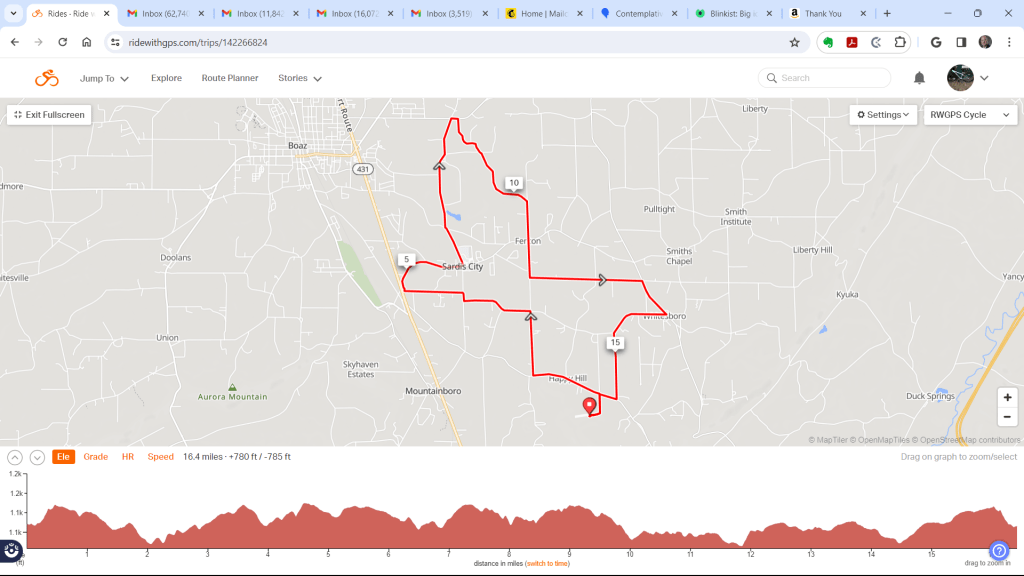
Here’s today’s bike ride metrics. Temperature at beginning of ride: 40 degrees. Cloudy and cold; no wind. 


Photos from today’s ride:

None today.

Why I ride:

Biking is something I both love and hate. The conflicting emotions arise from the undeniable physical effort it demands. However, this exertion is precisely what makes it an excellent form of exercise. Most days, I dedicate over an hour to my cycling routine, and in doing so, I’ve discovered a unique opportunity to enjoy a good book or podcast. The rhythmic pedaling and the wind against my face create a calming backdrop that allows me to fully immerse myself in the content. In these moments, the time spent on the bike seems worthwhile, as I can’t help but appreciate the mental and physical rewards it offers.

I especially like having ridden. The post-biking feeling is one of pure satisfaction. The endorphin rush, coupled with a sense of accomplishment, makes the initial struggle and fatigue worthwhile. As I dismount and catch my breath, I relish the sensation of having conquered the challenge, both physically and mentally. It’s a reminder that the things we sometimes love to hate can often be the ones that bring us the most fulfillment. In the end, the love-hate relationship with biking only deepens my appreciation for the sport, as it continually pushes me to overcome my own limitations and embrace the rewards that follow the effort.


Why you should ride:

Encourages Relaxation:

Cycling is not just a form of physical exercise; it also has a profound ability to encourage relaxation. Here are various ways in which cycling contributes to a relaxed state of mind and body:

  • Physical Activity and Stress Reduction: Engaging in physical activities like cycling can reduce the body’s stress responses. Exercise triggers the release of endorphins, the body’s natural painkillers and mood elevators, which promote relaxation. The physical effort of cycling also helps to use up the energy created by stress, aiding in calming the body.
  • Rhythmic Pedaling as a Meditative Practice: The repetitive nature of cycling, with its steady, rhythmic pedaling, can have a meditative effect. This rhythmic motion can help focus the mind, drawing attention away from stressful thoughts and allowing a sense of calm.
  • Outdoor and Nature Exposure: Cycling outdoors, especially in natural or scenic settings, can enhance relaxation. Being in nature is known to reduce stress and promote a sense of peace. The sights, sounds, and smells of the outdoors can be very soothing.
  • Mindfulness and Presence: Cycling requires a level of present-moment awareness, which is a key aspect of mindfulness. Practicing mindfulness has been shown to reduce stress and promote relaxation. When cycling, the focus on the immediate environment and bodily sensations can help achieve this state.
  • Cardiovascular Health Benefits: Regular cycling improves cardiovascular health, which can help in reducing tension in the body. A healthier heart and circulatory system can contribute to a more relaxed state overall.
  • Reduces Mental Clutter: A bike ride offers a break from daily routines and responsibilities, providing an opportunity to clear the mind. This mental break can be refreshing and relaxing, especially after a long day or during stressful periods.
  • Social Relaxation: For those who enjoy group rides, the social aspect of cycling can be relaxing. Social interactions and the sense of community found in cycling groups can contribute to overall relaxation and well-being.
  • Achievement and Satisfaction: Completing a challenging ride or reaching a cycling goal can bring about a sense of achievement and satisfaction. This positive feeling can promote a relaxed state, as it counters feelings of stress and anxiety.
  • End of Ride Relaxation Response: After a cycling session, the body often experiences a natural relaxation response. The decrease in physical activity coupled with the sense of accomplishment can lead to a profound state of relaxation.
  • Improves Sleep Quality: As cycling improves sleep quality, it indirectly promotes relaxation. Better sleep means the body is better rested and more capable of handling stress, leading to a more relaxed state during waking hours.

In summary, cycling’s ability to encourage relaxation is multifaceted, combining physical, mental, and emotional elements. By incorporating regular cycling into one’s lifestyle, it’s possible to cultivate a more relaxed state of being, beneficial for overall health and well-being.


Please watch

Here’s a couple of links to groups I like. Hopefully, they’ll encourage you to start riding a bike, no matter your age.

Cycling for those aged 70+(opens in a new tab)


Solitary Cycling(opens in a new tab)


My bike:

A Rockhopper by Specialized. I purchased it November 2021 from Venture Out in Guntersville; Mike is top notch! So is the bike. The ‘old’ man seat was salvaged from an old Walmart bike. Seat replaced with new one from Venture Out.


What I’m listening to:

NONFICTION

Blinkest summaries

None today.

Podcasts:

Waking Up app series/courses:

None today.

FICTION

Novels:
Amazon abstract:

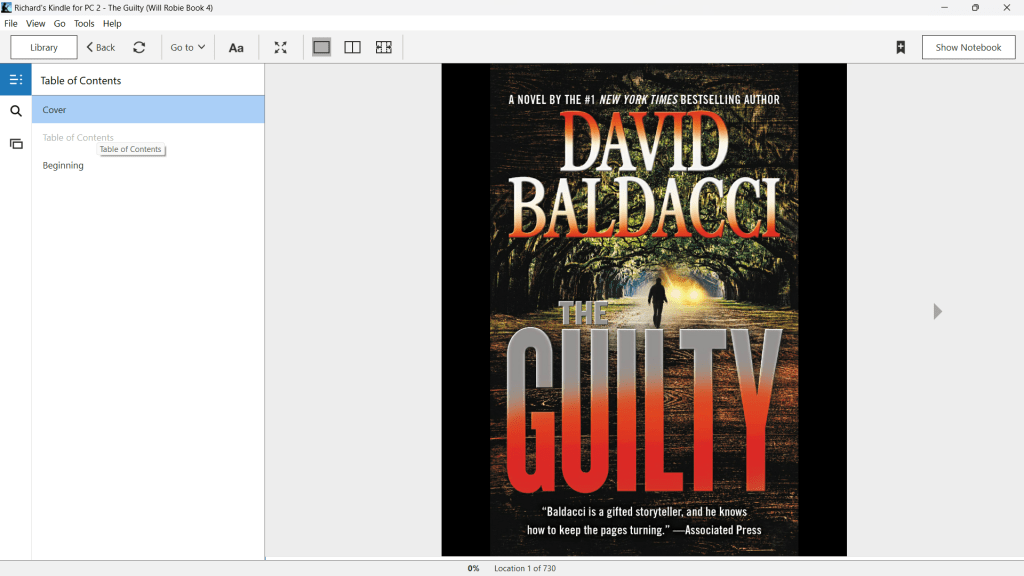
After failing a critical assignment overseas, Will Robie must investigate a murder accusation against his father–but to save him, he’ll have to face a violent and deadly fallout in this New York Times bestselling thriller.

Will Robie escaped his small Gulf Coast hometown of Cantrell, Mississippi after high school, severing all personal ties, and never looked back. Not until the unimaginable occurs. His father, Dan Robie, has been arrested and charged with murder.

Father and son haven’t spoken or seen each other since the day Robie left town. In that time, Dan Robie–a local attorney and pillar of the community–has been elected town judge. Despite this, most of Cantrell is aligned against Dan. His guilt is assumed.

To make matters worse, Dan has refused to do anything to defend himself. When Robie tries to help, his father responds only with anger and defiance. Could Dan really be guilty?

With the equally formidable Jessica Reel at his side, Robie ignores his father’s wishes and begins his own desperate investigation into the case. But Robie is now a stranger to his hometown, an outsider, a man who has forsaken his past and his family. His attempts to save his father are met with distrust and skepticism…and violence.

Unlike the missions Robie undertook in the service of his country, where his target was clearly defined, digging into his father’s case only reveals more questions. Robie is drawn into the hidden underside of Cantrell, where he must face the unexpected and possibly deadly consequences of the long-ago choices made by father and son. And this time, there may be no escape for either of them.


Blinkest fiction book summaries:

None today.

Music:

None today.


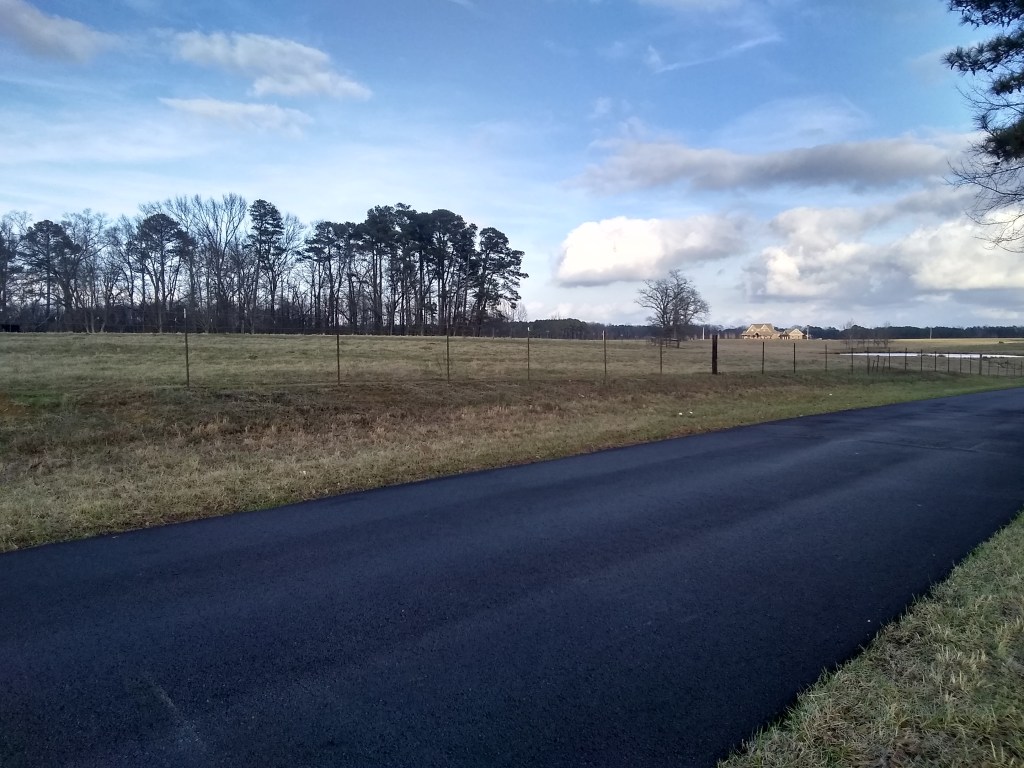
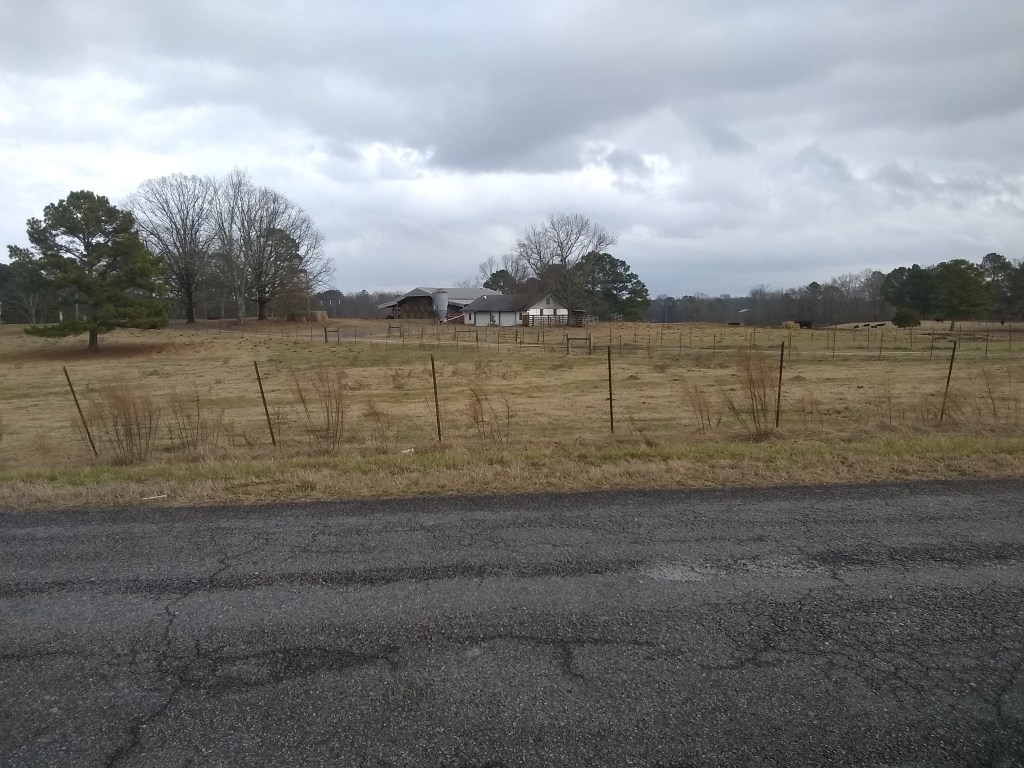
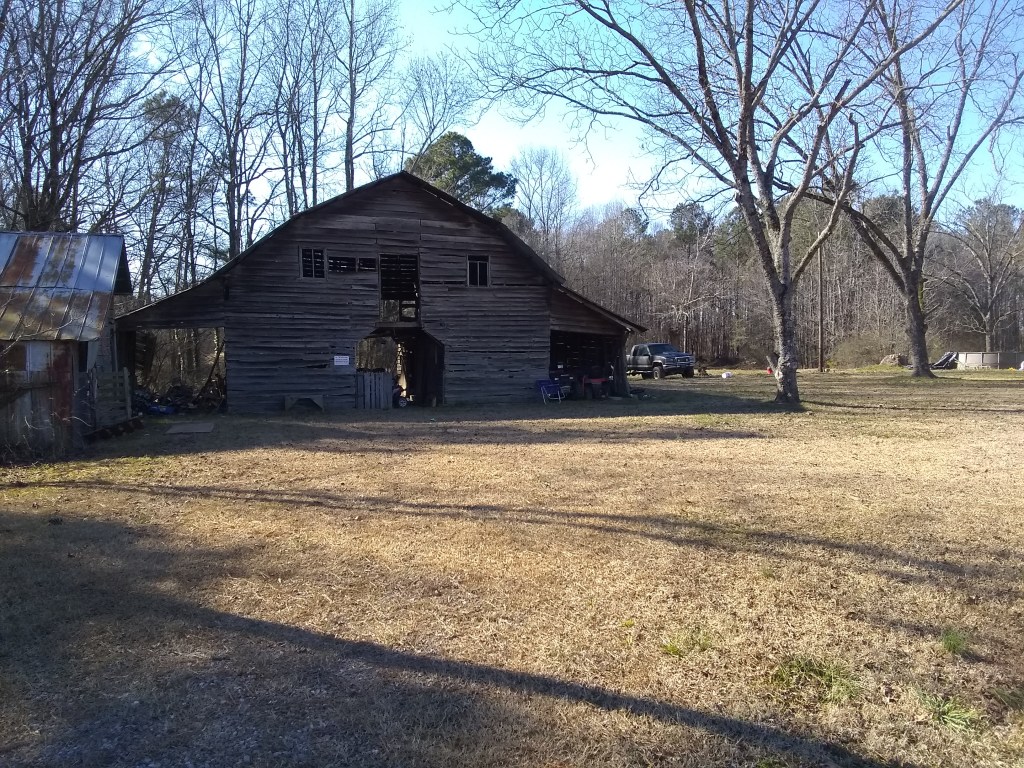
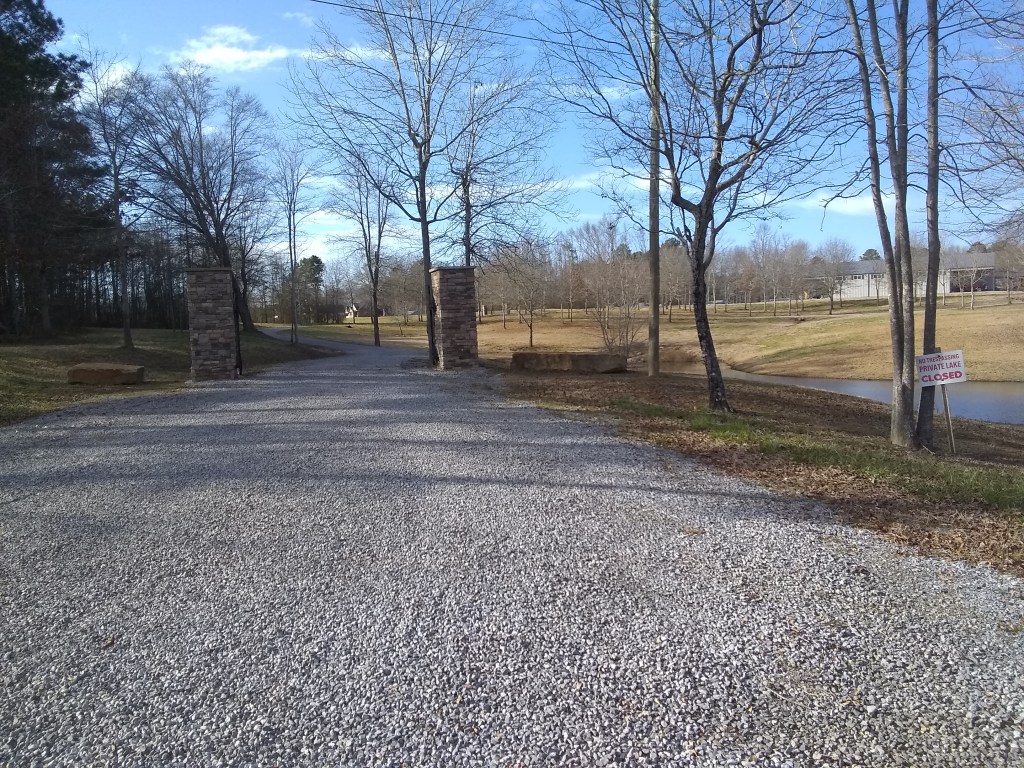
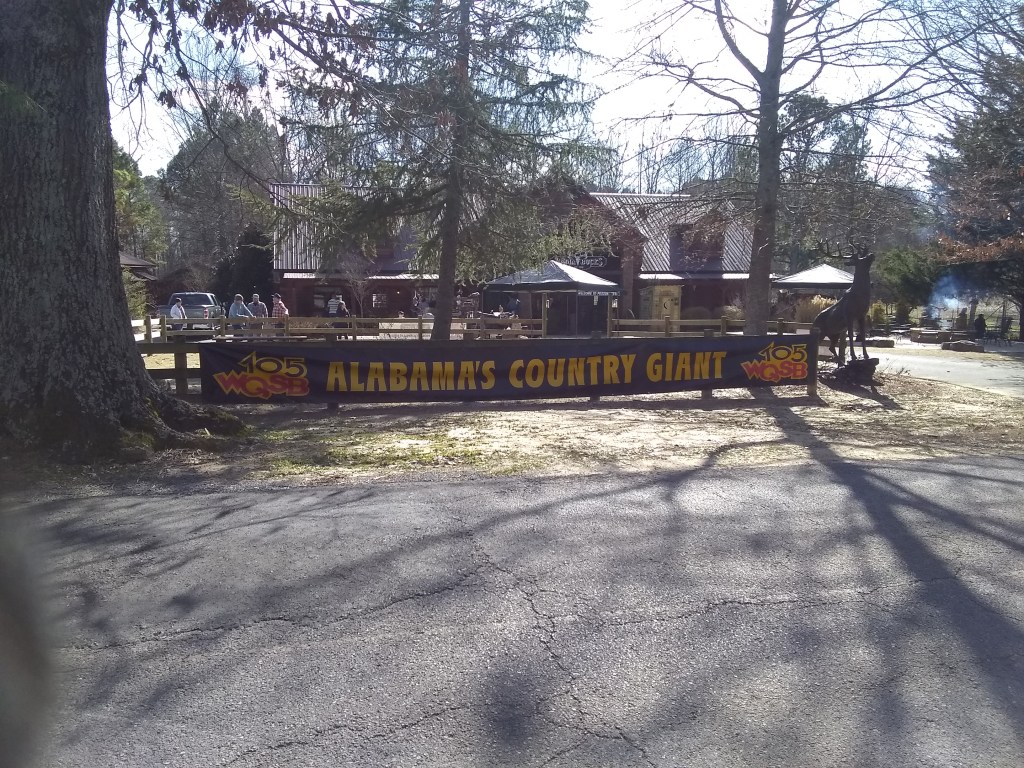
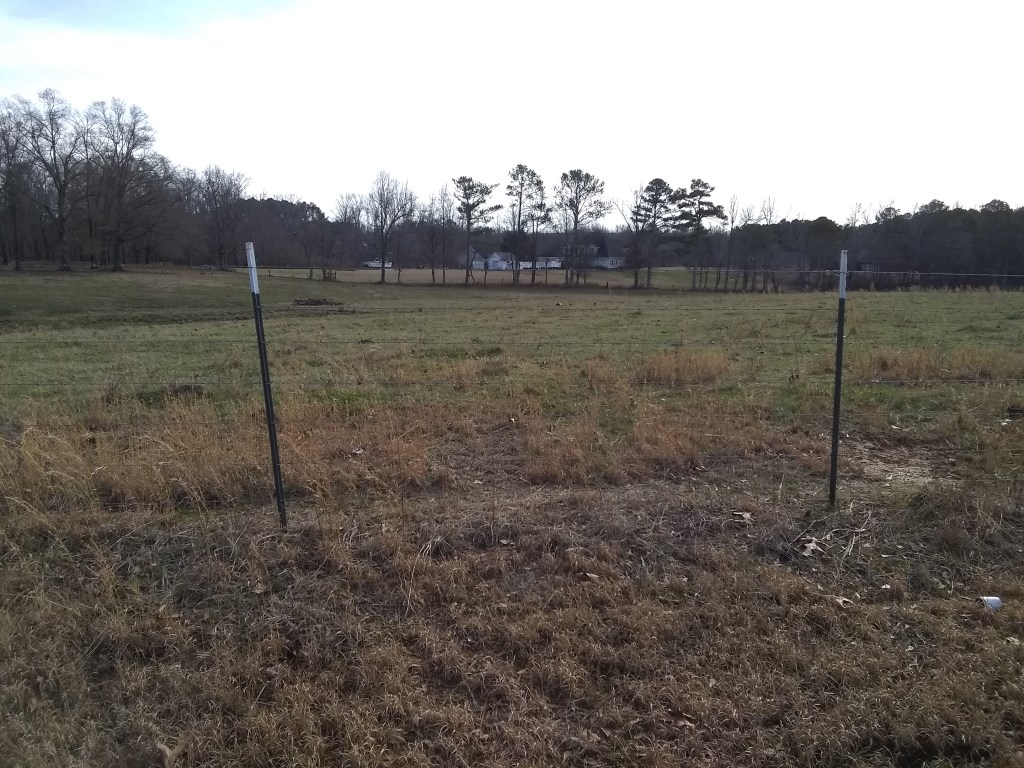
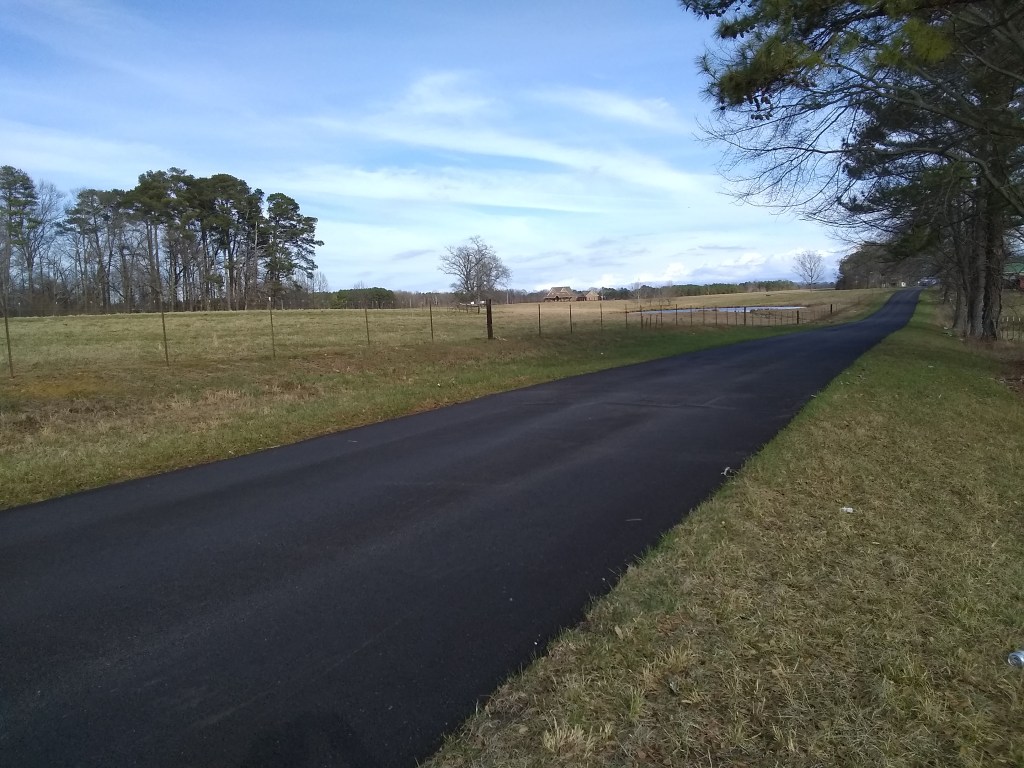
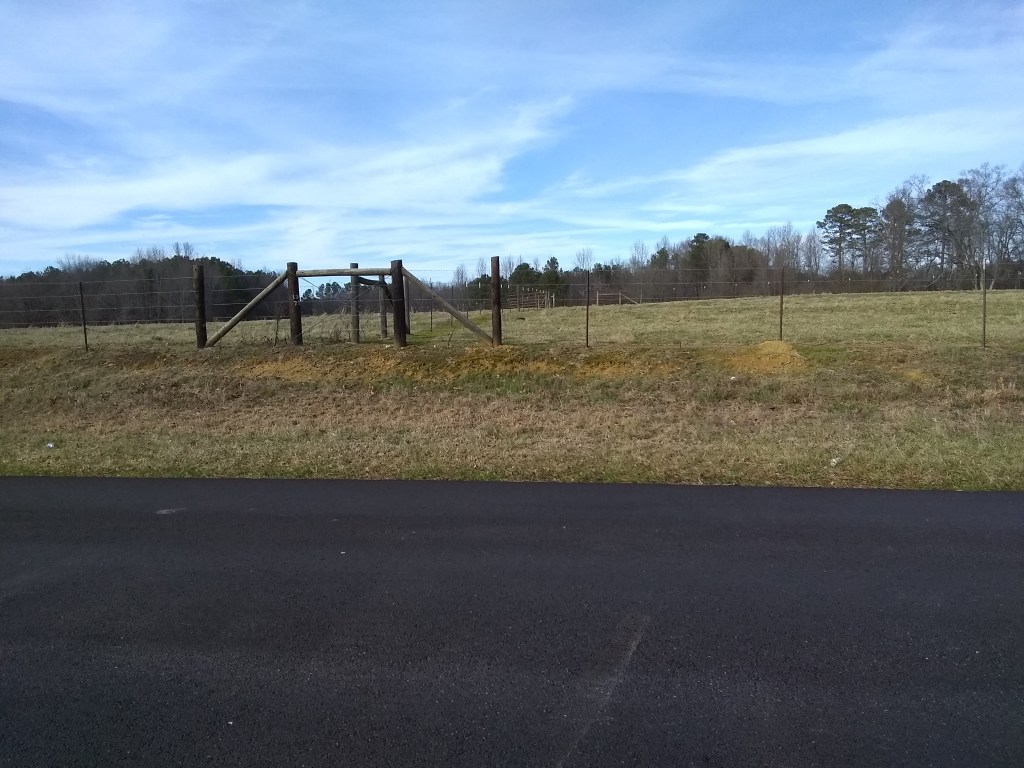
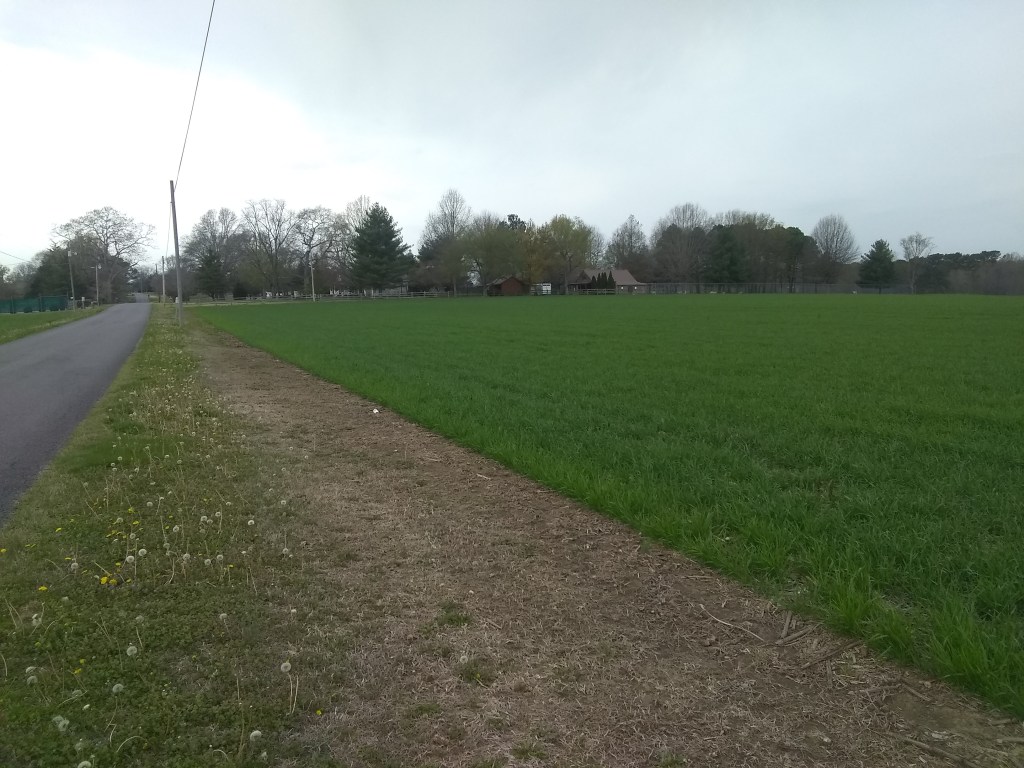
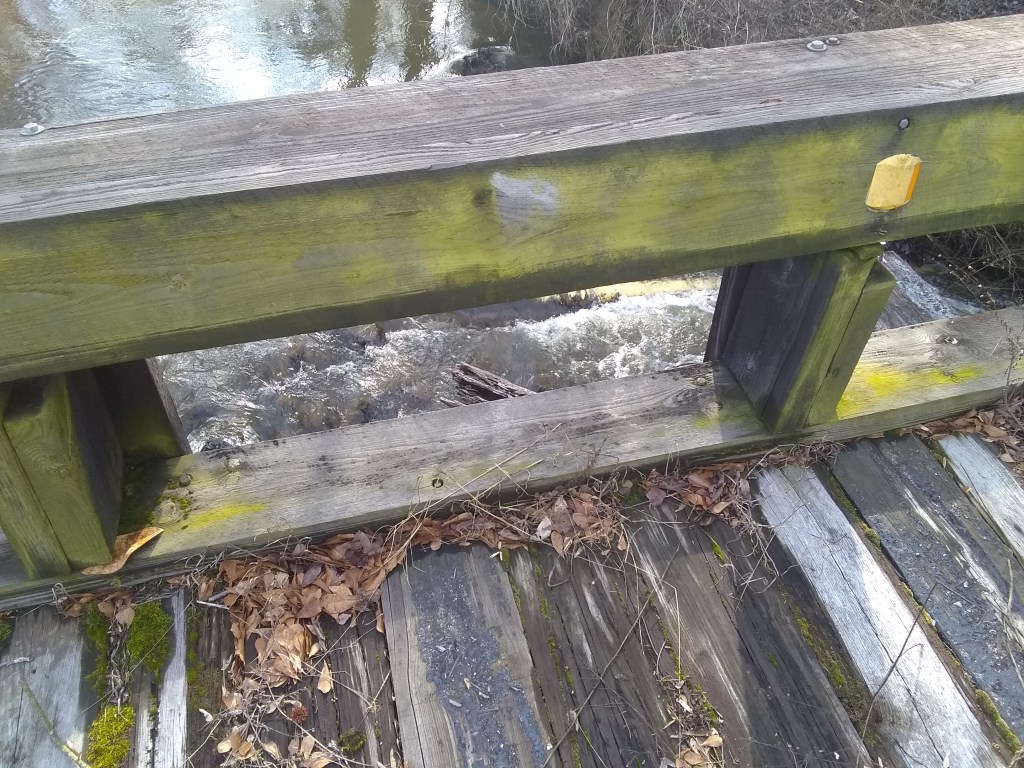
Here’s a few photos from previous riding adventures:

12/29/23 Biking & Listening

https://ridewithgps.com/trips/142182312

Here’s today’s bike ride metrics. Temperature at beginning of ride: 39 degrees. Cloudy and cold; no wind. 


Photos from today’s ride:

None today.

Why I ride:

Biking is something I both love and hate. The conflicting emotions arise from the undeniable physical effort it demands. However, this exertion is precisely what makes it an excellent form of exercise. Most days, I dedicate over an hour to my cycling routine, and in doing so, I’ve discovered a unique opportunity to enjoy a good book or podcast. The rhythmic pedaling and the wind against my face create a calming backdrop that allows me to fully immerse myself in the content. In these moments, the time spent on the bike seems worthwhile, as I can’t help but appreciate the mental and physical rewards it offers.

I especially like having ridden. The post-biking feeling is one of pure satisfaction. The endorphin rush, coupled with a sense of accomplishment, makes the initial struggle and fatigue worthwhile. As I dismount and catch my breath, I relish the sensation of having conquered the challenge, both physically and mentally. It’s a reminder that the things we sometimes love to hate can often be the ones that bring us the most fulfillment. In the end, the love-hate relationship with biking only deepens my appreciation for the sport, as it continually pushes me to overcome my own limitations and embrace the rewards that follow the effort.


Why you should ride:

Encourages Relaxation:

Cycling is not just a form of physical exercise; it also has a profound ability to encourage relaxation. Here are various ways in which cycling contributes to a relaxed state of mind and body:

  • Physical Activity and Stress Reduction: Engaging in physical activities like cycling can reduce the body’s stress responses. Exercise triggers the release of endorphins, the body’s natural painkillers and mood elevators, which promote relaxation. The physical effort of cycling also helps to use up the energy created by stress, aiding in calming the body.
  • Rhythmic Pedaling as a Meditative Practice: The repetitive nature of cycling, with its steady, rhythmic pedaling, can have a meditative effect. This rhythmic motion can help focus the mind, drawing attention away from stressful thoughts and allowing a sense of calm.
  • Outdoor and Nature Exposure: Cycling outdoors, especially in natural or scenic settings, can enhance relaxation. Being in nature is known to reduce stress and promote a sense of peace. The sights, sounds, and smells of the outdoors can be very soothing.
  • Mindfulness and Presence: Cycling requires a level of present-moment awareness, which is a key aspect of mindfulness. Practicing mindfulness has been shown to reduce stress and promote relaxation. When cycling, the focus on the immediate environment and bodily sensations can help achieve this state.
  • Cardiovascular Health Benefits: Regular cycling improves cardiovascular health, which can help in reducing tension in the body. A healthier heart and circulatory system can contribute to a more relaxed state overall.
  • Reduces Mental Clutter: A bike ride offers a break from daily routines and responsibilities, providing an opportunity to clear the mind. This mental break can be refreshing and relaxing, especially after a long day or during stressful periods.
  • Social Relaxation: For those who enjoy group rides, the social aspect of cycling can be relaxing. Social interactions and the sense of community found in cycling groups can contribute to overall relaxation and well-being.
  • Achievement and Satisfaction: Completing a challenging ride or reaching a cycling goal can bring about a sense of achievement and satisfaction. This positive feeling can promote a relaxed state, as it counters feelings of stress and anxiety.
  • End of Ride Relaxation Response: After a cycling session, the body often experiences a natural relaxation response. The decrease in physical activity coupled with the sense of accomplishment can lead to a profound state of relaxation.
  • Improves Sleep Quality: As cycling improves sleep quality, it indirectly promotes relaxation. Better sleep means the body is better rested and more capable of handling stress, leading to a more relaxed state during waking hours.

In summary, cycling’s ability to encourage relaxation is multifaceted, combining physical, mental, and emotional elements. By incorporating regular cycling into one’s lifestyle, it’s possible to cultivate a more relaxed state of being, beneficial for overall health and well-being.


Please watch

Here’s a couple of links to groups I like. Hopefully, they’ll encourage you to start riding a bike, no matter your age.

Cycling for those aged 70+(opens in a new tab)


Solitary Cycling(opens in a new tab)


My bike:

A Rockhopper by Specialized. I purchased it November 2021 from Venture Out in Guntersville; Mike is top notch! So is the bike. The ‘old’ man seat was salvaged from an old Walmart bike. Seat replaced with new one from Venture Out.


What I’m listening to:

NONFICTION

Blinkest summaries

How To Read Literature Like A Professor, by Thomas C. Foster

Podcasts:

Waking Up app series/courses:

None today.

FICTION

Novels:

Amazon abstract:

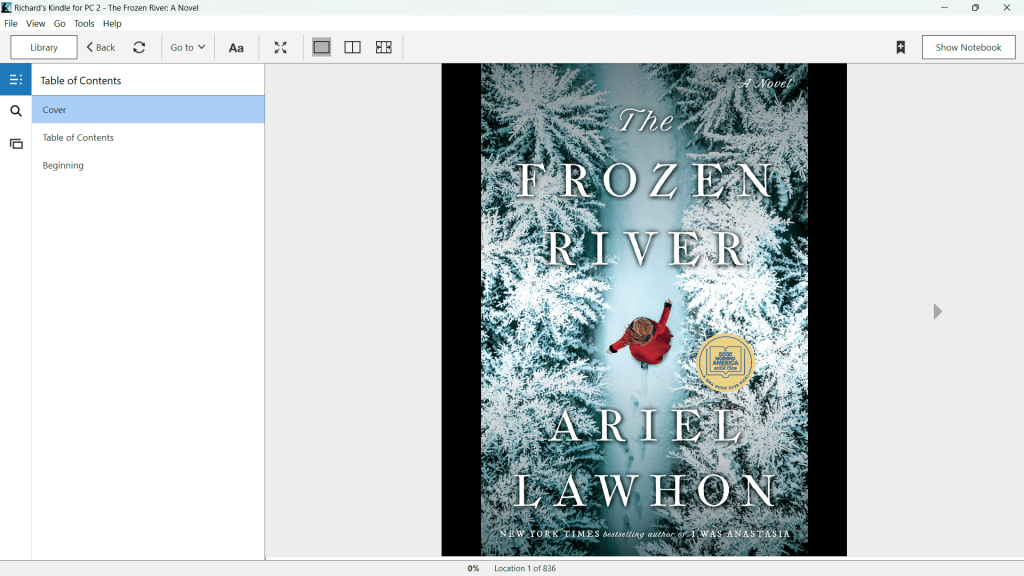
GMA BOOK CLUB PICK • AN NPR BOOK OF THE YEAR • From the New York Times bestselling author of I Was Anastasia and Code Name Hélène comes a gripping historical mystery inspired by the life and diary of Martha Ballard, a renowned 18th-century midwife who defied the legal system and wrote herself into American history.

“Fans of Outlander’s Claire Fraser will enjoy Lawhon’s Martha, who is brave and outspoken when it comes to protecting the innocent. . . impressive.”—The Washington Post

“Once again, Lawhon works storytelling magic with a real-life heroine.” —People Magazine


Maine, 1789: When the Kennebec River freezes, entombing a man in the ice, Martha Ballard is summoned to examine the body and determine cause of death. As a midwife and healer, she is privy to much of what goes on behind closed doors in Hallowell. Her diary is a record of every birth and death, crime and debacle that unfolds in the close-knit community. Months earlier, Martha documented the details of an alleged rape committed by two of the town’s most respected gentlemen—one of whom has now been found dead in the ice. But when a local physician undermines her conclusion, declaring the death to be an accident, Martha is forced to investigate the shocking murder on her own.

Over the course of one winter, as the trial nears, and whispers and prejudices mount, Martha doggedly pursues the truth. Her diary soon lands at the center of the scandal, implicating those she loves, and compelling Martha to decide where her own loyalties lie.

Clever, layered, and subversive, Ariel Lawhon’s newest offering introduces an unsung heroine who refused to accept anything less than justice at a time when women were considered best seen and not heard. The Frozen River is a thrilling, tense, and tender story about a remarkable woman who left an unparalleled legacy yet remains nearly forgotten to this day.


Blinkest fiction book summaries:

None today.

Music:

None today.


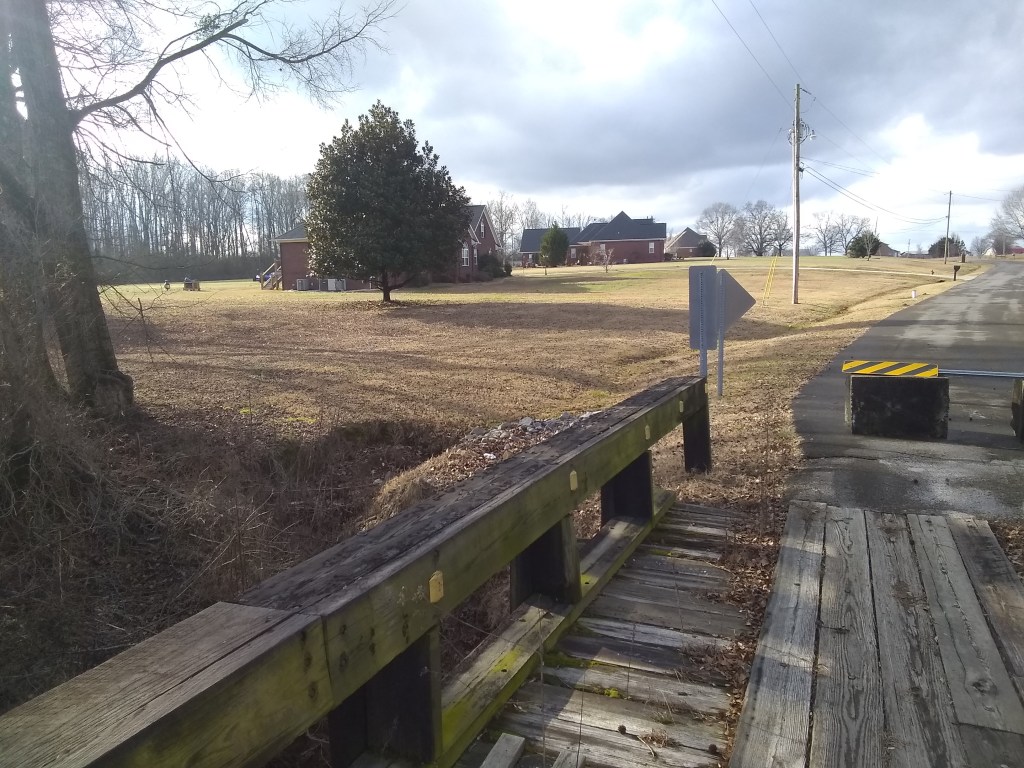
Here’s a few photos from previous riding adventures:
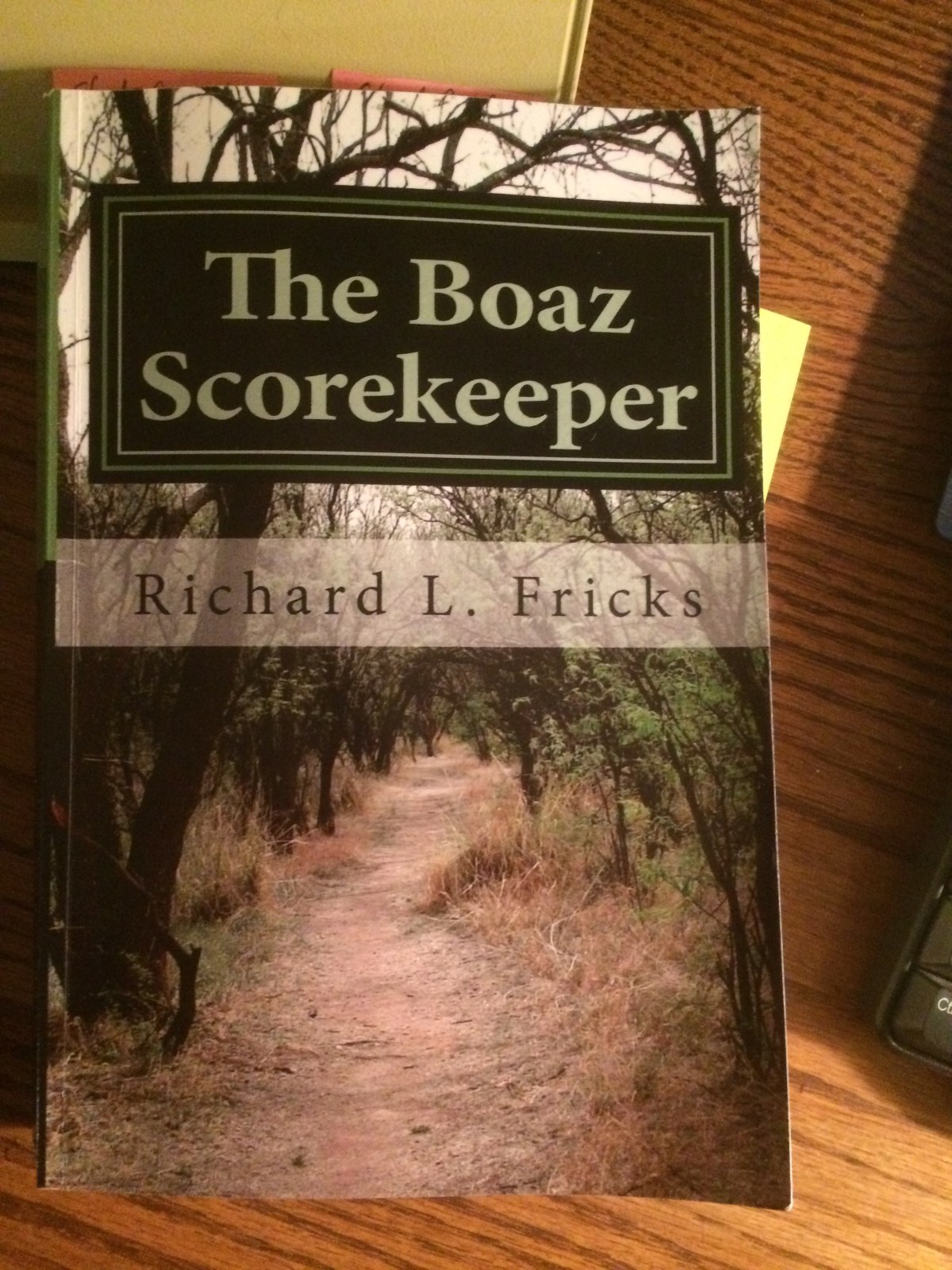
Novel Excerpts–The Boaz Scorekeeper, Chapter 76

The primary aim of the "Novel Excerpts" blog category is to showcase my creative writing, specifically from the novels I've written. Hopefully, these posts will provide a glimpse into my storytelling style, themes, and narrative skills. It's an opportunity to share my artistic expressions and the worlds I've created through my novels.
The Boaz Scorekeeper, written in 2017, is my second novel. I'll post it a chapter a day over the next few weeks.

The forensic evidence found in James’ Impala and the information provided by Fitz Billingsley played a significant role in Greg’s ability to bring formal charges.

By mid-morning, February 8, 2018, a Federal Grand Jury Indicted Wade Tillman and James Adams for the kidnapping and capital murder of Gina Tillman, and for their conduct regarding Alma Castenada, one capital charge for conspiracy to kidnap by violence for sexual exploitation.  They were also indicted on four counts of conspiracy against rights (18 U.S.C. § 241).

The same Grand Jury indicted Boaz Police officers Chris Anderson, Paul Thomas, and Edward Hall for four counts of violent interference with federally protected rights (18 U.S.C. § 245), and four counts of conspiracy against rights (18 U.S.C. § 241).  Statute 18 U.S.C. § 245 makes it a crime to use, or threaten to use, force to willfully interfere with any person because of race, color, religion, or national origin and because the person is participating in a federally protected activity, such as public education, employment, jury service, travel, or the enjoyment of public accommodations, or helping another person to do so.  Statute 18 U.S.C. § 241 makes it unlawful for two or more persons to conspire to injure, threaten, or intimidate a person in any state, territory, or district in the free exercise or enjoyment of any right or privilege secured to him or her by the Constitution or the laws of the U.S. 

Greg failed to secure an indictment for the hate crime murders of Vincent Prader and his wife Helga Katz committed in 1946.  Four of the actual killers, Eugene Adams, Samuel Radford, Farris Billingsley, and Benjamin Ericson, were all dead, having died in the 80s and 90s.  The fifth killer, 106-year-old Rudolph Tillman, survived, but for some unknown reason, Greg had refused to pursue prosecution.  Finally, the Grand Jury had refused to indict David Adams and Franklin Ericson, although Greg had presented evidence they were present and played some role in the murders. 

Greg and Marshall County District Attorney Charles Abbott had perfectly choreographed their respective grand juries to issue indictments on the same day. The only difference was the Federal indictments were issued in the morning and the State indictments during the afternoon.

DA Abbott had little trouble securing a 19-count indictment against Walter Tillman, Franklin Ericson, Raymond Radford, and David Adams for extortion and embezzlement.  DA Abbott called Fitz Billingsley to appear before the Marshall County Grand Jury.  He testified that he procured the cyanide that was used in the murders of Bill and Nellie Murray, and Harold Maples.  Fitz described how he gave the cyanide to David and Raymond and about the plan they devised.  Fitz even furnished documentation showing when and where he purchased the poison.  For some unknown reason the Grand Jury indicted David and Raymond for the murder of Harold Maples, but voted against charging them for the deaths of Bill and Nellie Murray.  Undeterred, DA Abbott pressed on another hour and a few minutes before 5:00 p.m. secured one final indictment against David and Raymond.  This time for the death of young Shawn Taylor in 1973.

Novel Excerpts–The Boaz Scorekeeper, Chapter 75

The primary aim of the "Novel Excerpts" blog category is to showcase my creative writing, specifically from the novels I've written. Hopefully, these posts will provide a glimpse into my storytelling style, themes, and narrative skills. It's an opportunity to share my artistic expressions and the worlds I've created through my novels.
The Boaz Scorekeeper, written in 2017, is my second novel. I'll post it a chapter a day over the next few weeks.

A few days after Greg, Matt, and I met in Interrogation Four, I had asked Matt to contact Fitz Billingsley and encourage him to contact Greg.  Matt did so and shared that a Federal investigation was under way and that he was going to be the center of attention that likely would not turn out well for him and his family unless he cooperated fully with the U.S. Attorney’s office.  Matt’s visit and information alone should have been more than enough to motivate Fitz to make the call but add in the ever-present death threat from the unknown man who had abducted and no doubt murdered Fred caused Fitz to call Greg the next day.

Over the next several weeks Matt and Trevor, or one of them, drove to Birmingham almost every day to assist U.S. Attorney Gambol.  He pursued one activity: gathering evidence to present to a Grand Jury for indictments against Wade, James, and anyone else involved in the federal crimes.  Matt and Trevor were both faithful to drop by the jail on their way back to Boaz every evening to update me on what was going on.

It was now February 9th.  Shortly after Fitz had called Greg the first time, he convinced him to not only cooperate with him in the Federal case but also to assist Matt as he prepared my capital murder defense.  It was surprising to Greg, Matt, Trevor, and me how ‘on-board’ Fitz was.  He even asked if he could ride with Matt or Trevor as they drove nearly every day to Birmingham.  It was like he was truly part of our team.  His team play was never more evident than when he shared what he knew about Club Eden’s involvement in sex trafficking.

With Fitz’ assistance, the FBI had been able to convince Dale Watson, one of the four corrupt police officers, to also cooperate.  I never cease to be amazed at the power of prosecutorial immunity.  Most often, if a person has committed a serious crime he knows it.  That’s obvious.  Also, he clearly knows when he has been caught, when his foot is in the trap and there is nothing he can do to spring it.  This is where Dale Watson found himself after Fitz, wearing a wire, met with him and laid out the Federal case that was about to go public.  Dale, like Fitz, was an intelligent man and quickly concluded he had no choice but to cooperate if he wanted to retain his freedom.

Today, under oath at Greg’s office, Dale shared how he and three other Boaz Police officers, Chris Anderson, Paul Thomas, and Edward Hall, had abducted young Hispanic girls at night after a pretextual traffic stop.  Dale stated that these stops were not random but targeted.  He said he didn’t know how James Adams got his information but that it was never wrong.  Dale was always the one to meet with James, there was never any written communication.  After the scheme began, he and James would meet the first Sunday night of each month to discuss the operation.  If during the prior month there had been a successful abduction, James would have a new name, a new target.  The targets were always illegal, that is, they were not naturalized citizens.  This was the key to the scheme.  This way the families of the abducted girls would be far less likely to go to the police after their loved one had been taken.  Usually, these families simply moved away, which is what Club Eden wanted most of all.  Dale also shared how he and his three other police officer team-mates would search out and stalk the targets waiting for the opportune time to make a traffic stop.  All abductions arose from a traffic stop by two of the four corrupt officers.  Once the target was seized, the other two officers in another police cruiser would come and take the target’s vehicle to hide for later disposition.

This day, Greg had Fitz and Dale alternate the ‘testifying’ to fill in as many holes as they could.  Not having any type of paper trail worried Greg so he turned to Fitz.  He shared that he and Wade oversaw locating suitable targets and that the other members of Club Eden fed them leads.  Fitz said he kept a log of every target, potential or actual.  He also kept a written accounting of all sales as he put it.  When asked how much the Club received from the sale of a Hispanic girl, he said that it depended, but the prettiest, what he called a ten, brought in $50,000.

Greg asked Fitz to describe how the sex trafficking scheme had gotten started.  He said that when Boaz Poultry sold out to Platinum Foods in 1965 part of the deal benefited Liam Nilsson, the son of Ludvig Nilsson, the Swede who had helped the Flaming Five’s grandfathers set up the processing plant back in the early 20’s.  After the sale Ludvig Nilsson, who was at least 75 years old, returned to Sweden but Liam stayed on as Plant Manager of Platinum Foods because he had a family and was well settled in Boaz.  Liam had a son and a daughter.  Lucas was born in 1952 and by the mid-sixties was good friends with John Ericson and James Adams.  Liam retired from Platinum Foods in 1996 and he and his family moved back to Sweden to care for his ailing mother after his father had died several years earlier.  Lucas, in 1977, after graduating from Auburn in Poultry Science, had returned to Boaz and was promoted to Plant Manager in 1993.  He and John and James’s friendship had grown over the years even to the point of Club Eden entertaining the thought of admitting Lucas as a member.  In the end, it decided against it based on the near disaster caused by my membership, me being the only outsider ever admitted to Club Eden.

In 2004 Lucas introduced his cousin, Gustav Nilsson, to Wade and James who was in town for a two-week visit.  One night, after Lucas and Gustav had toured the Processing Plant, Wade and James joined them for a few drinks.  At some point Gustav said, “I have a business proposition that can make you guys millions.  If you have the stomach for it.”  This was the beginning of Club Eden’s sex trafficking scheme.  Gustav said that his organization had a need for pretty Hispanic girls.  It had a chain of massage parlors across Norway, Sweden, and Finland.  Gustav described his operation as ‘upscale’ and providing select girls a comfortable and prosperous life.  Someway Gustav convinced Club Eden to come to Sweden for a visit and tour several of the massage parlors.  A few weeks later, Wade and James flew to Stockholm to see for themselves whether Gustav was shooting them straight.  He was.  Over the next several months there were multiple trips and meetings between Gustav and several of his associates, and Wade, James, Fred, John, and Randall.  By 2005, the scheme was fully created and organized and four Boaz Police officers were enlisted and trained. 

The first abduction took place March 8, 2005.  Two 17-year-old Hispanic girls were seized on a cold and rainy Friday night.  Julisa and Nadia Gomez were twins.  Dale Watson and Edward Hall drove the girls to a small hotel outside Dalton, Georgia and stayed until the next morning when they drove the two girls to the Dalton Municipal Airport and met Gustav and his two sons who were piloting a King Air 250.  An exchange of girls for $100,000 in cash was made.  Fitz didn’t know how Gustav and his associates had gotten out of the country and back to Stockholm.

Matt said Greg waited until the day was almost over before surprising them all with the story of Alma Castenada.  Greg’s question to Fitz, “who was the last Hispanic girl that was seized?” was a prison sentence for Fitz if he lied.  And, Greg would know if he were lying.  FBI agents Teague and Lonagan had supplied Greg’s office with solid evidence that Alma Castenada was abducted by Boaz Police Officers Chris Anderson and Paul Thomas Friday, May 26, 2017, following the Boaz High School graduation ceremony.  Greg knew he had to trust Fitz and having verifiable evidence was the best way to test Fitz’ credibility and avoid a courtroom disaster. 

Fitz answered truthfully, “Alma Castenada.”  Greg then asked him to share everything he knew from the night she was abducted up until now.  It took him nearly an hour and he was sweating and his eyes were a mix of light and darkness as though he was eternally thankful for being on the prosecutor’s side, but finally aware of the evil he had become.

Alma Castenada was the Valedictorian of the 2017 Boaz High School’s graduating class.  It was either a miracle or the rarest of coincidences that had brought her and her family to Boaz in 1999.  Wade had made good friends with Brian Thompson of San Marcos, Texas when the two of them were in Seminary.  Around 1985, Brian had become pastor of First Baptist Church of San Marcos.  Over the years, Wade and Brian kept up with each other.  In 1995, Wade led a group from a collection of Marshall County churches, on a mission trip to San Marcos to assist Brian’s church in building a sister church for the growing population of Hispanics that Brian had been successful in assimilating, but who wanted their own place of worship.  Wade’s 14-year-old son, Warren, went along and fell in love with the area and returned every summer to stay and work with Brian and his ministry.  In the fall of 1998, after Warren graduated high school, he moved to San Marcos to attend Texas State University and to pursue a passion of helping Hispanic people.

By this time, Brian’s church, along with the Tabernacle Baptist Church in Creel, were working with the Tarahumara Indians.  Creel was a town in the Sierra Tarahumara of the Mexican state of Chihuahua. The Tarahumara Indians are a people group that years ago fled to the isolation high in the Sierra Madre Mountains.  It was during the summer of 1999 that Warren made his first trip with Brian to the Sierra Tarahumara.  There, they met Mateo Castenada.  Mateo had just returned with his pregnant wife Natamar, and three young children, from living two years among the Tarahumara Indians.  Natamar was having problems with her pregnancy and needed special medical care.  Long story short, Warren took a serious liking to Mateo and Natamar and convinced his father, Wade, to help.  By this time, Wade and Club Eden were contemplating a tactic that countered their inner dislike for the local and vibrant Hispanic community in Boaz.  Wade had convinced his fellow Club members to start a Hispanic ministry and to hire an Hispanic pastor to lead the church.  Wade believed there was no better way to divert scrutiny than to have a visible ministry teaching and loving the very people you hate. Within three weeks of Warren’s request, Mateo and family had been smuggled out of Mexico, and Sophia was receiving the best of prenatal care at UAB in Birmingham.  Alma Castenada was born December 2, 1999.

Alma had severe health problems as a young child, but with excellent medical care overcame them all by the time she was a third grader.  Alma was the perfect student, with high IQ and dogged determination to become a doctor.  She also was her father’s golden goose in persuading local Hispanics to attend and participate at Esperanza Baptist Church.  Her and Mateo’s efforts, were so astounding, that around 2012 or 2013 the church facilities Mateo used were no longer large enough to contain the ever-burgeoning crowd on Sunday morning.  Mateo had always encouraged his members to visit First Baptist Church of Christ and grow their relationship with Christ by learning from Wade, an educated and trained theologian.  Wade and Club Eden’s diversion strategy to minister to local Hispanics backfired when every Sunday more and more of Mateo’s following became regular visitors at First Baptist Church of Christ.  This was the beginning of Club Eden’s planning to dismantle their Hispanic ministry.  And, what better way to disperse the growing Hispanic crowd than to have their magnetic leader disappear.  Alma Castenada was the key to making that happen.

12/28/23 Biking & Listening

Here’s today’s bike ride metrics. Temperature at beginning of ride: 41 degrees. Clear and cold; no wind.


Photos from today’s ride:

None today.

Why I ride:

Biking is something I both love and hate. The conflicting emotions arise from the undeniable physical effort it demands. However, this exertion is precisely what makes it an excellent form of exercise. Most days, I dedicate over an hour to my cycling routine, and in doing so, I’ve discovered a unique opportunity to enjoy a good book or podcast. The rhythmic pedaling and the wind against my face create a calming backdrop that allows me to fully immerse myself in the content. In these moments, the time spent on the bike seems worthwhile, as I can’t help but appreciate the mental and physical rewards it offers.

I especially like having ridden. The post-biking feeling is one of pure satisfaction. The endorphin rush, coupled with a sense of accomplishment, makes the initial struggle and fatigue worthwhile. As I dismount and catch my breath, I relish the sensation of having conquered the challenge, both physically and mentally. It’s a reminder that the things we sometimes love to hate can often be the ones that bring us the most fulfillment. In the end, the love-hate relationship with biking only deepens my appreciation for the sport, as it continually pushes me to overcome my own limitations and embrace the rewards that follow the effort.


Why you should ride:

Encourages Relaxation:

Cycling is not just a form of physical exercise; it also has a profound ability to encourage relaxation. Here are various ways in which cycling contributes to a relaxed state of mind and body:

  • Physical Activity and Stress Reduction: Engaging in physical activities like cycling can reduce the body’s stress responses. Exercise triggers the release of endorphins, the body’s natural painkillers and mood elevators, which promote relaxation. The physical effort of cycling also helps to use up the energy created by stress, aiding in calming the body.
  • Rhythmic Pedaling as a Meditative Practice: The repetitive nature of cycling, with its steady, rhythmic pedaling, can have a meditative effect. This rhythmic motion can help focus the mind, drawing attention away from stressful thoughts and allowing a sense of calm.
  • Outdoor and Nature Exposure: Cycling outdoors, especially in natural or scenic settings, can enhance relaxation. Being in nature is known to reduce stress and promote a sense of peace. The sights, sounds, and smells of the outdoors can be very soothing.
  • Mindfulness and Presence: Cycling requires a level of present-moment awareness, which is a key aspect of mindfulness. Practicing mindfulness has been shown to reduce stress and promote relaxation. When cycling, the focus on the immediate environment and bodily sensations can help achieve this state.
  • Cardiovascular Health Benefits: Regular cycling improves cardiovascular health, which can help in reducing tension in the body. A healthier heart and circulatory system can contribute to a more relaxed state overall.
  • Reduces Mental Clutter: A bike ride offers a break from daily routines and responsibilities, providing an opportunity to clear the mind. This mental break can be refreshing and relaxing, especially after a long day or during stressful periods.
  • Social Relaxation: For those who enjoy group rides, the social aspect of cycling can be relaxing. Social interactions and the sense of community found in cycling groups can contribute to overall relaxation and well-being.
  • Achievement and Satisfaction: Completing a challenging ride or reaching a cycling goal can bring about a sense of achievement and satisfaction. This positive feeling can promote a relaxed state, as it counters feelings of stress and anxiety.
  • End of Ride Relaxation Response: After a cycling session, the body often experiences a natural relaxation response. The decrease in physical activity coupled with the sense of accomplishment can lead to a profound state of relaxation.
  • Improves Sleep Quality: As cycling improves sleep quality, it indirectly promotes relaxation. Better sleep means the body is better rested and more capable of handling stress, leading to a more relaxed state during waking hours.

In summary, cycling’s ability to encourage relaxation is multifaceted, combining physical, mental, and emotional elements. By incorporating regular cycling into one’s lifestyle, it’s possible to cultivate a more relaxed state of being, beneficial for overall health and well-being.


Please watch

Here’s a couple of links to groups I like. Hopefully, they’ll encourage you to start riding a bike, no matter your age.

Cycling for those aged 70+(opens in a new tab)


Solitary Cycling(opens in a new tab)


My bike:

A Rockhopper by Specialized. I purchased it November 2021 from Venture Out in Guntersville; Mike is top notch! So is the bike. The ‘old’ man seat was salvaged from an old Walmart bike. Seat replaced with new one from Venture Out.


What I’m listening to:

NONFICTION

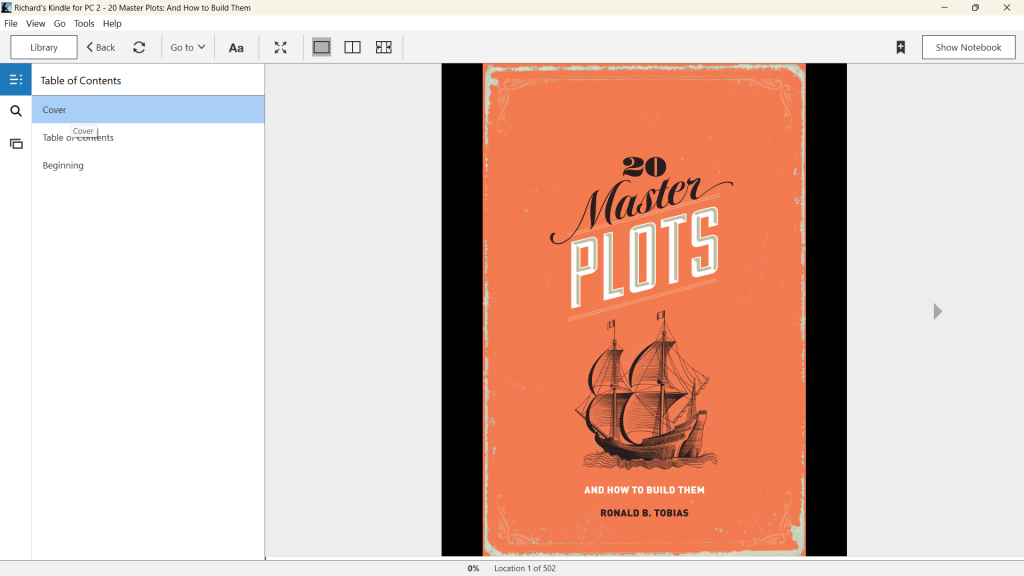
20 Master Plots: And How to Build Them, by Ronald B. Tobias

Give your story a solid foundation – a plot that engages readers from start to finish!

The best stories linger in the hearts and minds of readers for decades. These tales gain their power through plots that connect with the audience on both an emotional and intellectual level.

Ronald B. Tobias details these 20 time-tested plots. Each is discussed and analyzed, illustrating how a successful plot integrates all the elements of a story. Tobias then reveals how to use these plots effectively in your own work.

Tobias then goes to the next level, describing how to choose and develop plot in fiction. He reveals how to craft plot for any subject matter so that you develop your work evenly and effectively. As a result, your fiction will be more cohesive and convincing, making your story unforgettable for readers everywhere.

Blinkist nonfiction book summaries:

None today.

Podcasts:

None today.

Waking Up app series/courses:

Not What Should Be, with Alan Watts.

FICTION

Novels:

Amazon abstract:

GMA BOOK CLUB PICK • AN NPR BOOK OF THE YEAR • From the New York Times bestselling author of I Was Anastasia and Code Name Hélène comes a gripping historical mystery inspired by the life and diary of Martha Ballard, a renowned 18th-century midwife who defied the legal system and wrote herself into American history.

“Fans of Outlander’s Claire Fraser will enjoy Lawhon’s Martha, who is brave and outspoken when it comes to protecting the innocent. . . impressive.”—The Washington Post

“Once again, Lawhon works storytelling magic with a real-life heroine.” —People Magazine


Maine, 1789: When the Kennebec River freezes, entombing a man in the ice, Martha Ballard is summoned to examine the body and determine cause of death. As a midwife and healer, she is privy to much of what goes on behind closed doors in Hallowell. Her diary is a record of every birth and death, crime and debacle that unfolds in the close-knit community. Months earlier, Martha documented the details of an alleged rape committed by two of the town’s most respected gentlemen—one of whom has now been found dead in the ice. But when a local physician undermines her conclusion, declaring the death to be an accident, Martha is forced to investigate the shocking murder on her own.

Over the course of one winter, as the trial nears, and whispers and prejudices mount, Martha doggedly pursues the truth. Her diary soon lands at the center of the scandal, implicating those she loves, and compelling Martha to decide where her own loyalties lie.

Clever, layered, and subversive, Ariel Lawhon’s newest offering introduces an unsung heroine who refused to accept anything less than justice at a time when women were considered best seen and not heard. The Frozen River is a thrilling, tense, and tender story about a remarkable woman who left an unparalleled legacy yet remains nearly forgotten to this day.


Blinkest fiction book summaries:

In Cold Blood, by Truman Capote (nonfiction novel).

Music:


Here’s a few photos from previous riding adventures:

Novel Excerpts–The Boaz Scorekeeper, Chapter 74

The primary aim of the "Novel Excerpts" blog category is to showcase my creative writing, specifically from the novels I've written. Hopefully, these posts will provide a glimpse into my storytelling style, themes, and narrative skills. It's an opportunity to share my artistic expressions and the worlds I've created through my novels.
The Boaz Scorekeeper, written in 2017, is my second novel. I'll post it a chapter a day over the next few weeks.

After the Preliminary Hearing and my light-bulb moment, Matt had filed an Ex Parte Motion with Circuit Judge William Stivender requesting he order James’ Impala seized and transported to an independent lab in Atlanta.  The Judge denied Matt’s secret motion but offered to grant the request if DA Harper agreed.  Harper had no choice knowing that if he refused, Matt could use it against him at trial simply by asking Detective Morrow on the witness stand whether there was a forensic search of James’ car.  A ‘no’ response would empower Matt to include in his closing argument a statement such as “Detective Morrow admitted that James’ car was never considered as a source of evidence for Gina’s murder.  There was no forensic evaluation of the car.  You heard Mr. Tanner testify that Gina called him from the trunk of James’ car.  Ladies and Gentlemen, the Etowah County’s Sheriff’s Department and DA Harper were either incompetent in their failure to fully and properly inspect James’ Impala, or they were attempting to railroad my client.” Of course, DA Harper agreed to Matt’s request.

I never believed James’ Impala would still be available.  I was shocked to learn that Deputies located it parked in the Used Car lot at Adams Chevrolet, Buick & GMC.  Matt had spoken with one of the Deputies who stated that James’ son Justin tried his best to stop them.  “He was white as a ghost, even tried calling his lawyer while the rollback was loading the Impala.”

The Impala was taken to Montgomery to the State Department of Forensic Sciences.  Their team found no traces of Gina in the trunk, but determined someone had used bleach to clean up or destroy any incriminating evidence.  The trunk was a total bust.  However, the OnStar system delivered a mother lode.  It was General Motors OnStar headquarters that delivered the goods.  Their system in the Impala maintained only two weeks of data.  Headquarters kept a permanent record.  Judge Stivender issued a subpoena to General Motors’ OnStar Department to provide all statistical data for the Impala, “since it was first put into operation.”  This data was latitude and longitude numbers, location information.  The State Lab’s technicians fed this data into a mapping program, like Google Maps, to create a real-time illustration of where James’ vehicle had traveled on Saturday, November 4, 2017.  The evidence was clear.  James’s Impala had gone from Wade’s house by the Church on Sparks Avenue, to Club Eden’s cabin at Aurora Lake and then to Oak Hollow at the dead-end of Dogwood Trail.

However, we still had a problem.  We couldn’t prove Gina was in James’ car at any time it was traveling.  The defense has a right to see all evidence prior to trial.  On January 22, 2018, Matt and Trevor met DA Royce Harper in Montgomery to inspect the Impala and query the Department’s staff.  Matt and I had talked before his visit.  I had a gut feeling that Gina would have tried to leave her mark, something that would not have been so easy to destroy.  She had dropped her ring at the cabin.  I knew she had done this intentionally.  Her wedding ring was a cluster of diamonds that were so arranged to have made a sharp cutting instrument.  Again, luck was on our side.  Matt had carried a magnifying glass and spent nearly an hour scouring the inside of James’ trunk.  DA Harper had become impatient and pissed, even calling Judge Stivender complaining.  He had Harper put Matt on the phone.  Matt was told he had 15 minutes to conduct his inspection.  It was a miracle moment.  Lying inside the trunk, Matt finally spotted it.  ‘Gina 110417.’  The scribbling was not overhead on the underside of the trunk lid but on the inside of the driver’s side quarter panel close to where the trunk’s floor joins.  Gina’s last act was something only a true Ninja warrior would do. She used the only weapon she had.  With her diamond ring, she told the world where she was moments before she was murdered.

After Matt shared this information and left me in Interrogation Four, my mind couldn’t do anything but visualize Gina in James’ trunk frantically scratching out her farewell message.  I was confident it would be enough to catch her killers and set me free. 

12/27/23 Biking & Listening

Here’s today’s bike ride metrics. Temperature at beginning of ride: 50 degrees. Damp and cloudy.


Photos from today’s ride:

None today.

Why I ride:

Biking is something I both love and hate. The conflicting emotions arise from the undeniable physical effort it demands. However, this exertion is precisely what makes it an excellent form of exercise. Most days, I dedicate over an hour to my cycling routine, and in doing so, I’ve discovered a unique opportunity to enjoy a good book or podcast. The rhythmic pedaling and the wind against my face create a calming backdrop that allows me to fully immerse myself in the content. In these moments, the time spent on the bike seems worthwhile, as I can’t help but appreciate the mental and physical rewards it offers.

I especially like having ridden. The post-biking feeling is one of pure satisfaction. The endorphin rush, coupled with a sense of accomplishment, makes the initial struggle and fatigue worthwhile. As I dismount and catch my breath, I relish the sensation of having conquered the challenge, both physically and mentally. It’s a reminder that the things we sometimes love to hate can often be the ones that bring us the most fulfillment. In the end, the love-hate relationship with biking only deepens my appreciation for the sport, as it continually pushes me to overcome my own limitations and embrace the rewards that follow the effort.


Why you should ride:

Encourages Relaxation:

Cycling is not just a form of physical exercise; it also has a profound ability to encourage relaxation. Here are various ways in which cycling contributes to a relaxed state of mind and body:

  • Physical Activity and Stress Reduction: Engaging in physical activities like cycling can reduce the body’s stress responses. Exercise triggers the release of endorphins, the body’s natural painkillers and mood elevators, which promote relaxation. The physical effort of cycling also helps to use up the energy created by stress, aiding in calming the body.
  • Rhythmic Pedaling as a Meditative Practice: The repetitive nature of cycling, with its steady, rhythmic pedaling, can have a meditative effect. This rhythmic motion can help focus the mind, drawing attention away from stressful thoughts and allowing a sense of calm.
  • Outdoor and Nature Exposure: Cycling outdoors, especially in natural or scenic settings, can enhance relaxation. Being in nature is known to reduce stress and promote a sense of peace. The sights, sounds, and smells of the outdoors can be very soothing.
  • Mindfulness and Presence: Cycling requires a level of present-moment awareness, which is a key aspect of mindfulness. Practicing mindfulness has been shown to reduce stress and promote relaxation. When cycling, the focus on the immediate environment and bodily sensations can help achieve this state.
  • Cardiovascular Health Benefits: Regular cycling improves cardiovascular health, which can help in reducing tension in the body. A healthier heart and circulatory system can contribute to a more relaxed state overall.
  • Reduces Mental Clutter: A bike ride offers a break from daily routines and responsibilities, providing an opportunity to clear the mind. This mental break can be refreshing and relaxing, especially after a long day or during stressful periods.
  • Social Relaxation: For those who enjoy group rides, the social aspect of cycling can be relaxing. Social interactions and the sense of community found in cycling groups can contribute to overall relaxation and well-being.
  • Achievement and Satisfaction: Completing a challenging ride or reaching a cycling goal can bring about a sense of achievement and satisfaction. This positive feeling can promote a relaxed state, as it counters feelings of stress and anxiety.
  • End of Ride Relaxation Response: After a cycling session, the body often experiences a natural relaxation response. The decrease in physical activity coupled with the sense of accomplishment can lead to a profound state of relaxation.
  • Improves Sleep Quality: As cycling improves sleep quality, it indirectly promotes relaxation. Better sleep means the body is better rested and more capable of handling stress, leading to a more relaxed state during waking hours.

In summary, cycling’s ability to encourage relaxation is multifaceted, combining physical, mental, and emotional elements. By incorporating regular cycling into one’s lifestyle, it’s possible to cultivate a more relaxed state of being, beneficial for overall health and well-being.


Please watch

Here’s a couple of links to groups I like. Hopefully, they’ll encourage you to start riding a bike, no matter your age.

Cycling for those aged 70+(opens in a new tab)


Solitary Cycling(opens in a new tab)


My bike:

A Rockhopper by Specialized. I purchased it November 2021 from Venture Out in Guntersville; Mike is top notch! So is the bike. The ‘old’ man seat was salvaged from an old Walmart bike. Seat replaced with new one from Venture Out.


What I’m listening to:

NONFICTION

20 Master Plots: And How to Build Them, by Ronald B. Tobias

Give your story a solid foundation – a plot that engages readers from start to finish!

The best stories linger in the hearts and minds of readers for decades. These tales gain their power through plots that connect with the audience on both an emotional and intellectual level.

Ronald B. Tobias details these 20 time-tested plots. Each is discussed and analyzed, illustrating how a successful plot integrates all the elements of a story. Tobias then reveals how to use these plots effectively in your own work.

Tobias then goes to the next level, describing how to choose and develop plot in fiction. He reveals how to craft plot for any subject matter so that you develop your work evenly and effectively. As a result, your fiction will be more cohesive and convincing, making your story unforgettable for readers everywhere.

Blinkist nonfiction book summaries:

Reader, Come Home, by Maryanne Wolf

Proust and the Squid, by Maryanne Wolf

Podcasts:

Waking Up app series/courses:

None today.

FICTION

Novels:

Amazon abstract:

GMA BOOK CLUB PICK • AN NPR BOOK OF THE YEAR • From the New York Times bestselling author of I Was Anastasia and Code Name Hélène comes a gripping historical mystery inspired by the life and diary of Martha Ballard, a renowned 18th-century midwife who defied the legal system and wrote herself into American history.

“Fans of Outlander’s Claire Fraser will enjoy Lawhon’s Martha, who is brave and outspoken when it comes to protecting the innocent. . . impressive.”—The Washington Post

“Once again, Lawhon works storytelling magic with a real-life heroine.” —People Magazine


Maine, 1789: When the Kennebec River freezes, entombing a man in the ice, Martha Ballard is summoned to examine the body and determine cause of death. As a midwife and healer, she is privy to much of what goes on behind closed doors in Hallowell. Her diary is a record of every birth and death, crime and debacle that unfolds in the close-knit community. Months earlier, Martha documented the details of an alleged rape committed by two of the town’s most respected gentlemen—one of whom has now been found dead in the ice. But when a local physician undermines her conclusion, declaring the death to be an accident, Martha is forced to investigate the shocking murder on her own.

Over the course of one winter, as the trial nears, and whispers and prejudices mount, Martha doggedly pursues the truth. Her diary soon lands at the center of the scandal, implicating those she loves, and compelling Martha to decide where her own loyalties lie.

Clever, layered, and subversive, Ariel Lawhon’s newest offering introduces an unsung heroine who refused to accept anything less than justice at a time when women were considered best seen and not heard. The Frozen River is a thrilling, tense, and tender story about a remarkable woman who left an unparalleled legacy yet remains nearly forgotten to this day.


Blinkest fiction book summaries:

None today.

Music:

None today.


Here’s a few photos from previous riding adventures:
Novel Excerpts–The Boaz Scorekeeper, Chapter 73

The primary aim of the "Novel Excerpts" blog category is to showcase my creative writing, specifically from the novels I've written. Hopefully, these posts will provide a glimpse into my storytelling style, themes, and narrative skills. It's an opportunity to share my artistic expressions and the worlds I've created through my novels.
The Boaz Scorekeeper, written in 2017, is my second novel. I'll post it a chapter a day over the next few weeks.

I knew without doubt that it would happen.  As the old saying goes, ‘the DA can indict a ham sandwich.’  The indictment process before a Grand Jury is totally secret.  The defense has no right to attend these proceedings.  The District Attorney summons witnesses to serve as jurors.  He then presents them with the evidence he wants them to hear.  It is truly a rare thing for the Grand Jury to fail to indict.

The capital murder indictment declared that I had, on Saturday, November 4, 2017, kidnapped and murdered Gina Culver Tillman.  It was a two-count indictment, one charge for kidnapping and the other one for the murder.  The indictment was made capital by statute, by one of the listed aggravating circumstances.  In my indictment, murder during a kidnapping.

12/26/23 Biking & Listening

Here’s today’s bike ride metrics. Temperature at beginning of ride: 51 degrees. Damp and cloudy.


Photos from today’s ride:

None today.

Why I ride:

Biking is something I both love and hate. The conflicting emotions arise from the undeniable physical effort it demands. However, this exertion is precisely what makes it an excellent form of exercise. Most days, I dedicate over an hour to my cycling routine, and in doing so, I’ve discovered a unique opportunity to enjoy a good book or podcast. The rhythmic pedaling and the wind against my face create a calming backdrop that allows me to fully immerse myself in the content. In these moments, the time spent on the bike seems worthwhile, as I can’t help but appreciate the mental and physical rewards it offers.

I especially like having ridden. The post-biking feeling is one of pure satisfaction. The endorphin rush, coupled with a sense of accomplishment, makes the initial struggle and fatigue worthwhile. As I dismount and catch my breath, I relish the sensation of having conquered the challenge, both physically and mentally. It’s a reminder that the things we sometimes love to hate can often be the ones that bring us the most fulfillment. In the end, the love-hate relationship with biking only deepens my appreciation for the sport, as it continually pushes me to overcome my own limitations and embrace the rewards that follow the effort.


Why you should ride:

Encourages Relaxation:

Cycling is not just a form of physical exercise; it also has a profound ability to encourage relaxation. Here are various ways in which cycling contributes to a relaxed state of mind and body:

  • Physical Activity and Stress Reduction: Engaging in physical activities like cycling can reduce the body’s stress responses. Exercise triggers the release of endorphins, the body’s natural painkillers and mood elevators, which promote relaxation. The physical effort of cycling also helps to use up the energy created by stress, aiding in calming the body.
  • Rhythmic Pedaling as a Meditative Practice: The repetitive nature of cycling, with its steady, rhythmic pedaling, can have a meditative effect. This rhythmic motion can help focus the mind, drawing attention away from stressful thoughts and allowing a sense of calm.
  • Outdoor and Nature Exposure: Cycling outdoors, especially in natural or scenic settings, can enhance relaxation. Being in nature is known to reduce stress and promote a sense of peace. The sights, sounds, and smells of the outdoors can be very soothing.
  • Mindfulness and Presence: Cycling requires a level of present-moment awareness, which is a key aspect of mindfulness. Practicing mindfulness has been shown to reduce stress and promote relaxation. When cycling, the focus on the immediate environment and bodily sensations can help achieve this state.
  • Cardiovascular Health Benefits: Regular cycling improves cardiovascular health, which can help in reducing tension in the body. A healthier heart and circulatory system can contribute to a more relaxed state overall.
  • Reduces Mental Clutter: A bike ride offers a break from daily routines and responsibilities, providing an opportunity to clear the mind. This mental break can be refreshing and relaxing, especially after a long day or during stressful periods.
  • Social Relaxation: For those who enjoy group rides, the social aspect of cycling can be relaxing. Social interactions and the sense of community found in cycling groups can contribute to overall relaxation and well-being.
  • Achievement and Satisfaction: Completing a challenging ride or reaching a cycling goal can bring about a sense of achievement and satisfaction. This positive feeling can promote a relaxed state, as it counters feelings of stress and anxiety.
  • End of Ride Relaxation Response: After a cycling session, the body often experiences a natural relaxation response. The decrease in physical activity coupled with the sense of accomplishment can lead to a profound state of relaxation.
  • Improves Sleep Quality: As cycling improves sleep quality, it indirectly promotes relaxation. Better sleep means the body is better rested and more capable of handling stress, leading to a more relaxed state during waking hours.

In summary, cycling’s ability to encourage relaxation is multifaceted, combining physical, mental, and emotional elements. By incorporating regular cycling into one’s lifestyle, it’s possible to cultivate a more relaxed state of being, beneficial for overall health and well-being.


Please watch

Here’s a couple of links to groups I like. Hopefully, they’ll encourage you to start riding a bike, no matter your age.

Cycling for those aged 70+(opens in a new tab)


Solitary Cycling(opens in a new tab)


My bike:

A Rockhopper by Specialized. I purchased it November 2021 from Venture Out in Guntersville; Mike is top notch! So is the bike. The ‘old’ man seat was salvaged from an old Walmart bike. Seat replaced with new one from Venture Out.


What I’m listening to:

NONFICTION

20 Master Plots: And How to Build Them, by Ronald B. Tobias

Give your story a solid foundation – a plot that engages readers from start to finish!

The best stories linger in the hearts and minds of readers for decades. These tales gain their power through plots that connect with the audience on both an emotional and intellectual level.

Ronald B. Tobias details these 20 time-tested plots. Each is discussed and analyzed, illustrating how a successful plot integrates all the elements of a story. Tobias then reveals how to use these plots effectively in your own work.

Tobias then goes to the next level, describing how to choose and develop plot in fiction. He reveals how to craft plot for any subject matter so that you develop your work evenly and effectively. As a result, your fiction will be more cohesive and convincing, making your story unforgettable for readers everywhere.

Blinkist nonfiction book summaries:

None today.

Podcasts:

None today.

Waking Up app series/courses:

Ethics and Emptiness. A conversation between Diane Musho Hamilton and Sam Harris.

FICTION

Novels:

Amazon abstract:

GMA BOOK CLUB PICK • AN NPR BOOK OF THE YEAR • From the New York Times bestselling author of I Was Anastasia and Code Name Hélène comes a gripping historical mystery inspired by the life and diary of Martha Ballard, a renowned 18th-century midwife who defied the legal system and wrote herself into American history.

“Fans of Outlander’s Claire Fraser will enjoy Lawhon’s Martha, who is brave and outspoken when it comes to protecting the innocent. . . impressive.”—The Washington Post

“Once again, Lawhon works storytelling magic with a real-life heroine.” —People Magazine


Maine, 1789: When the Kennebec River freezes, entombing a man in the ice, Martha Ballard is summoned to examine the body and determine cause of death. As a midwife and healer, she is privy to much of what goes on behind closed doors in Hallowell. Her diary is a record of every birth and death, crime and debacle that unfolds in the close-knit community. Months earlier, Martha documented the details of an alleged rape committed by two of the town’s most respected gentlemen—one of whom has now been found dead in the ice. But when a local physician undermines her conclusion, declaring the death to be an accident, Martha is forced to investigate the shocking murder on her own.

Over the course of one winter, as the trial nears, and whispers and prejudices mount, Martha doggedly pursues the truth. Her diary soon lands at the center of the scandal, implicating those she loves, and compelling Martha to decide where her own loyalties lie.

Clever, layered, and subversive, Ariel Lawhon’s newest offering introduces an unsung heroine who refused to accept anything less than justice at a time when women were considered best seen and not heard. The Frozen River is a thrilling, tense, and tender story about a remarkable woman who left an unparalleled legacy yet remains nearly forgotten to this day.


Blinkest fiction book summaries:

None today.

Music:


Here’s a few photos from previous riding adventures:

12/25/23 Biking & Listening

Here’s today’s bike ride metrics. Temperature at beginning of ride: 61 degrees. Wet, sloppy day. At least it was warm.


Photos from today’s ride:

None today.

Why I ride:

Biking is something I both love and hate. The conflicting emotions arise from the undeniable physical effort it demands. However, this exertion is precisely what makes it an excellent form of exercise. Most days, I dedicate over an hour to my cycling routine, and in doing so, I’ve discovered a unique opportunity to enjoy a good book or podcast. The rhythmic pedaling and the wind against my face create a calming backdrop that allows me to fully immerse myself in the content. In these moments, the time spent on the bike seems worthwhile, as I can’t help but appreciate the mental and physical rewards it offers.

I especially like having ridden. The post-biking feeling is one of pure satisfaction. The endorphin rush, coupled with a sense of accomplishment, makes the initial struggle and fatigue worthwhile. As I dismount and catch my breath, I relish the sensation of having conquered the challenge, both physically and mentally. It’s a reminder that the things we sometimes love to hate can often be the ones that bring us the most fulfillment. In the end, the love-hate relationship with biking only deepens my appreciation for the sport, as it continually pushes me to overcome my own limitations and embrace the rewards that follow the effort.


Why you should ride:

Encourages Relaxation:

Cycling is not just a form of physical exercise; it also has a profound ability to encourage relaxation. Here are various ways in which cycling contributes to a relaxed state of mind and body:

  • Physical Activity and Stress Reduction: Engaging in physical activities like cycling can reduce the body’s stress responses. Exercise triggers the release of endorphins, the body’s natural painkillers and mood elevators, which promote relaxation. The physical effort of cycling also helps to use up the energy created by stress, aiding in calming the body.
  • Rhythmic Pedaling as a Meditative Practice: The repetitive nature of cycling, with its steady, rhythmic pedaling, can have a meditative effect. This rhythmic motion can help focus the mind, drawing attention away from stressful thoughts and allowing a sense of calm.
  • Outdoor and Nature Exposure: Cycling outdoors, especially in natural or scenic settings, can enhance relaxation. Being in nature is known to reduce stress and promote a sense of peace. The sights, sounds, and smells of the outdoors can be very soothing.
  • Mindfulness and Presence: Cycling requires a level of present-moment awareness, which is a key aspect of mindfulness. Practicing mindfulness has been shown to reduce stress and promote relaxation. When cycling, the focus on the immediate environment and bodily sensations can help achieve this state.
  • Cardiovascular Health Benefits: Regular cycling improves cardiovascular health, which can help in reducing tension in the body. A healthier heart and circulatory system can contribute to a more relaxed state overall.
  • Reduces Mental Clutter: A bike ride offers a break from daily routines and responsibilities, providing an opportunity to clear the mind. This mental break can be refreshing and relaxing, especially after a long day or during stressful periods.
  • Social Relaxation: For those who enjoy group rides, the social aspect of cycling can be relaxing. Social interactions and the sense of community found in cycling groups can contribute to overall relaxation and well-being.
  • Achievement and Satisfaction: Completing a challenging ride or reaching a cycling goal can bring about a sense of achievement and satisfaction. This positive feeling can promote a relaxed state, as it counters feelings of stress and anxiety.
  • End of Ride Relaxation Response: After a cycling session, the body often experiences a natural relaxation response. The decrease in physical activity coupled with the sense of accomplishment can lead to a profound state of relaxation.
  • Improves Sleep Quality: As cycling improves sleep quality, it indirectly promotes relaxation. Better sleep means the body is better rested and more capable of handling stress, leading to a more relaxed state during waking hours.

In summary, cycling’s ability to encourage relaxation is multifaceted, combining physical, mental, and emotional elements. By incorporating regular cycling into one’s lifestyle, it’s possible to cultivate a more relaxed state of being, beneficial for overall health and well-being.


Please watch

Here’s a couple of links to groups I like. Hopefully, they’ll encourage you to start riding a bike, no matter your age.

Cycling for those aged 70+(opens in a new tab)


Solitary Cycling(opens in a new tab)


My bike:

A Rockhopper by Specialized. I purchased it November 2021 from Venture Out in Guntersville; Mike is top notch! So is the bike. The ‘old’ man seat was salvaged from an old Walmart bike. Seat replaced with new one from Venture Out.


What I’m listening to:

NONFICTION

20 Master Plots: And How to Build Them, by Ronald B. Tobias

Give your story a solid foundation – a plot that engages readers from start to finish!

The best stories linger in the hearts and minds of readers for decades. These tales gain their power through plots that connect with the audience on both an emotional and intellectual level.

Ronald B. Tobias details these 20 time-tested plots. Each is discussed and analyzed, illustrating how a successful plot integrates all the elements of a story. Tobias then reveals how to use these plots effectively in your own work.

Tobias then goes to the next level, describing how to choose and develop plot in fiction. He reveals how to craft plot for any subject matter so that you develop your work evenly and effectively. As a result, your fiction will be more cohesive and convincing, making your story unforgettable for readers everywhere.

Blinkist nonfiction book summaries:

None today.

Podcasts:

None today.

Waking Up app series/courses:
Ethics and Emptiness. A conversation between Diane Musho Hamilton and Sam Harris.

FICTION

Novels:

Amazon abstract:

GMA BOOK CLUB PICK • AN NPR BOOK OF THE YEAR • From the New York Times bestselling author of I Was Anastasia and Code Name Hélène comes a gripping historical mystery inspired by the life and diary of Martha Ballard, a renowned 18th-century midwife who defied the legal system and wrote herself into American history.

“Fans of Outlander’s Claire Fraser will enjoy Lawhon’s Martha, who is brave and outspoken when it comes to protecting the innocent. . . impressive.”—The Washington Post

“Once again, Lawhon works storytelling magic with a real-life heroine.” —People Magazine


Maine, 1789: When the Kennebec River freezes, entombing a man in the ice, Martha Ballard is summoned to examine the body and determine cause of death. As a midwife and healer, she is privy to much of what goes on behind closed doors in Hallowell. Her diary is a record of every birth and death, crime and debacle that unfolds in the close-knit community. Months earlier, Martha documented the details of an alleged rape committed by two of the town’s most respected gentlemen—one of whom has now been found dead in the ice. But when a local physician undermines her conclusion, declaring the death to be an accident, Martha is forced to investigate the shocking murder on her own.

Over the course of one winter, as the trial nears, and whispers and prejudices mount, Martha doggedly pursues the truth. Her diary soon lands at the center of the scandal, implicating those she loves, and compelling Martha to decide where her own loyalties lie.

Clever, layered, and subversive, Ariel Lawhon’s newest offering introduces an unsung heroine who refused to accept anything less than justice at a time when women were considered best seen and not heard. The Frozen River is a thrilling, tense, and tender story about a remarkable woman who left an unparalleled legacy yet remains nearly forgotten to this day.


Blinkest fiction book summaries:

None today.

Music:


Here’s a few photos from previous riding adventures: