08/04/23 Biking & Listening

Biking is something else I both love and hate. It takes a lot of effort but does provide good exercise and most days over an hour to listen to a good book or podcast. I especially like having ridden.

Here’s my bike, a Rockhopper by Specialized. I purchased it November 2021 from Venture Out in Guntersville; Mike is top notch! So is the bike, and the ‘old’ man seat I salvaged from an old Walmart bike.

Here’s a link to today’s bike ride.


Something to consider if you’re not already cycling.

I encourage you to start riding a bike, no matter your age. Check out these groups:

Cycling for those aged 70+(opens in a new tab)

Solitary Cycling(opens in a new tab)

Remember,

Photo by Suzy Hazelwood on Pexels.com

Halfway through today’s ride I started listening to:

AUGUST 4, 2023

Sam speaks with Peter Attia about his book, Outlive: The Science and Art of Longevity. They discuss “healthspan,” centenarians, diet and nutrition, sugar, macronutrients, alcohol, fasting and time-restricted eating, exercise, Zone 2 training, heart disease, blood pressure, cholesterol, cancer, brain health, metabolic disorders, proactive medical testing, medication side effects, Rapamycin, emotional health, and other topics.

Peter Attia, MD, is the founder of Early Medical, a medical practice that applies the principles of Medicine 3.0 to patients with the goal of lengthening their lifespan and simultaneously improving their healthspan. He is the host of The Drive, one of the most popular podcasts covering the topics of health and medicine. 


I’m listening to Expelled by James Patterson

Amazon Abstract

One viral photo.
Four expelled teens.
Everyone’s a suspect.

Theo Foster’s Twitter account used to be anonymous – until someone posted a revealing photo that got him expelled. No final grade. No future.

Theo’s resigned himself to a life of misery in a dead-end job when a miracle happens: Sasha Ellis speaks to him. She was also expelled for a crime she didn’t commit, and now he has the perfect way to keep her attention: find out who set them up.

To uncover the truth, Theo has to get close to the suspects. What secrets are they hiding? And how can he catch their confessions on camera…?


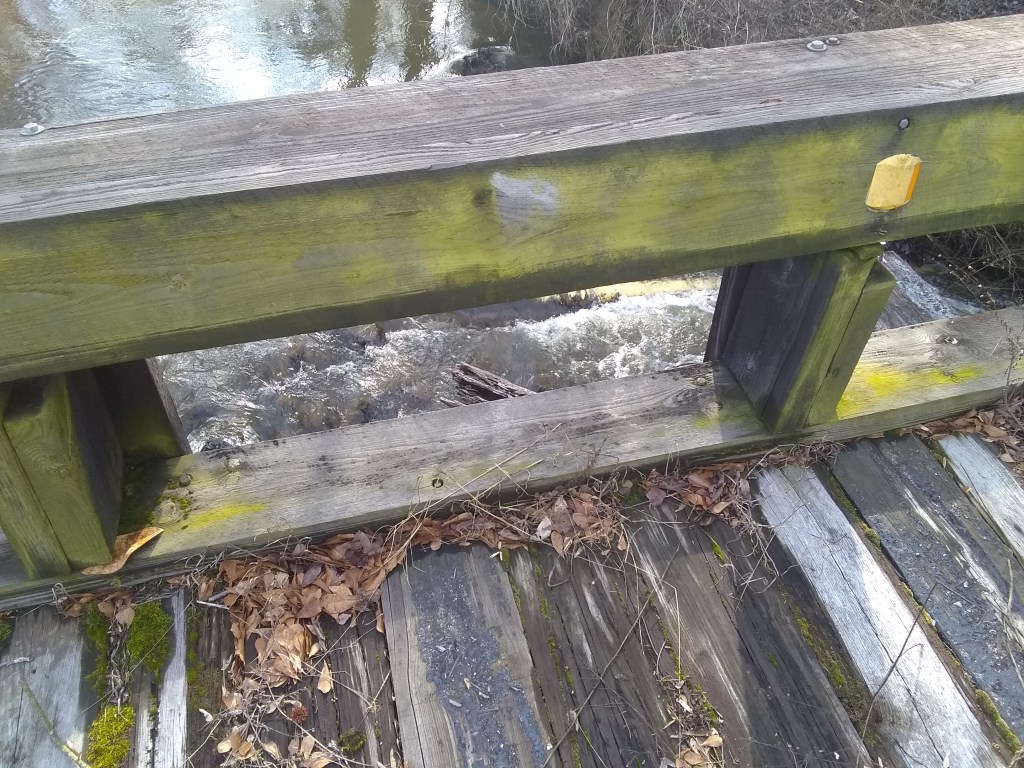
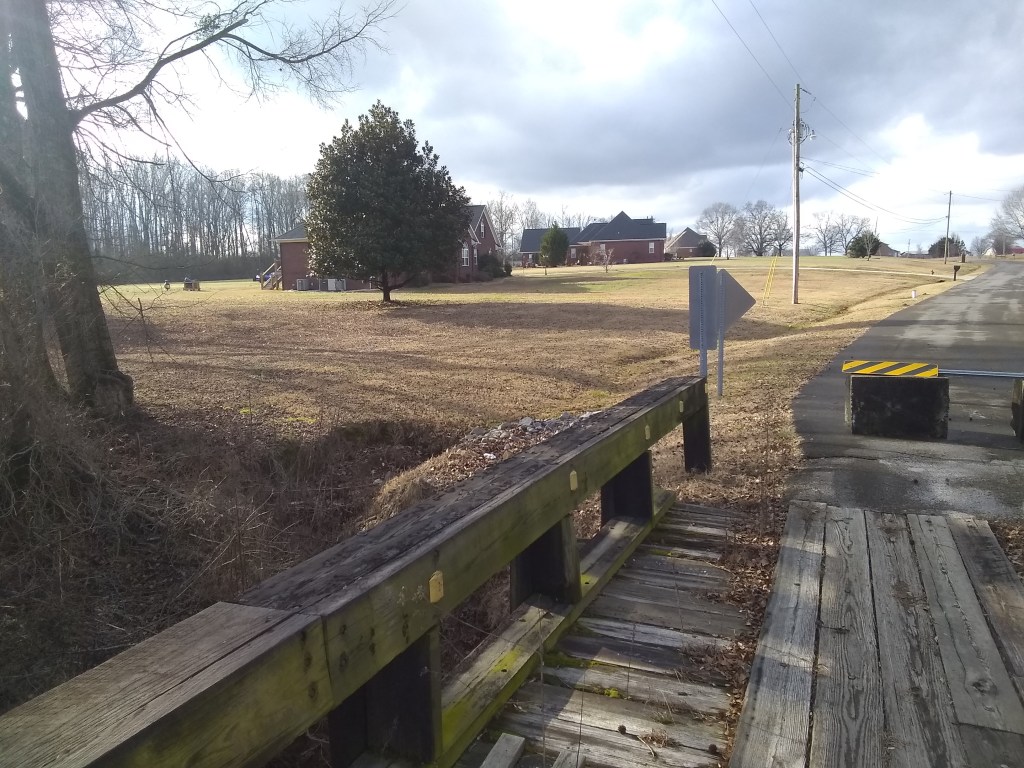
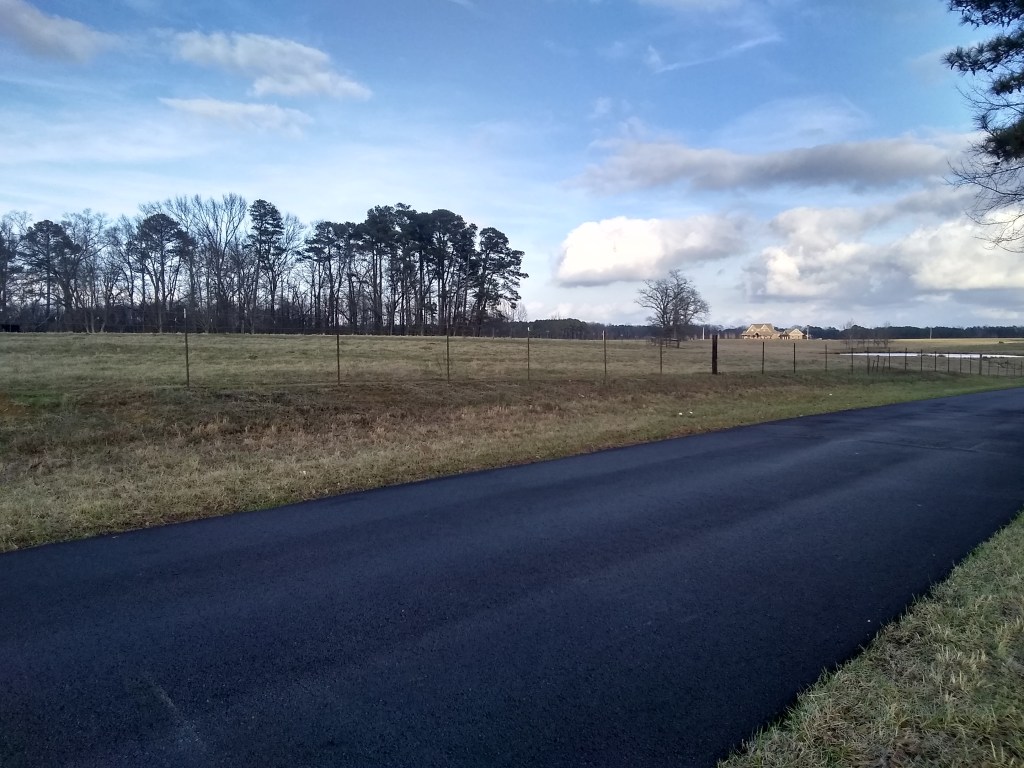
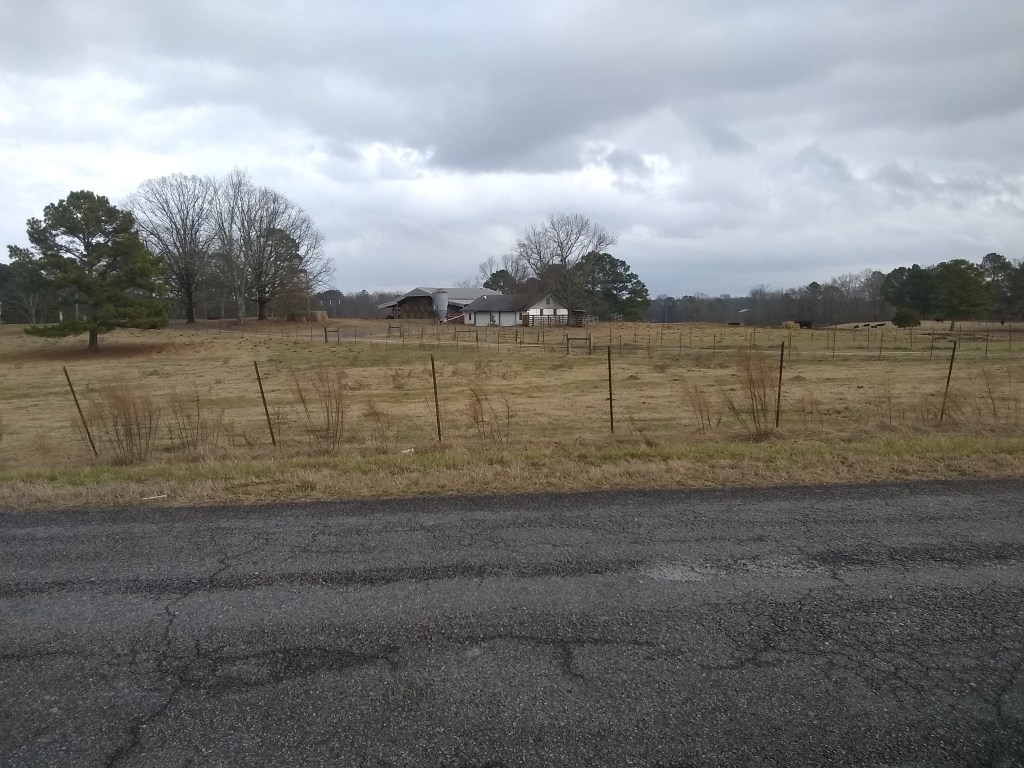
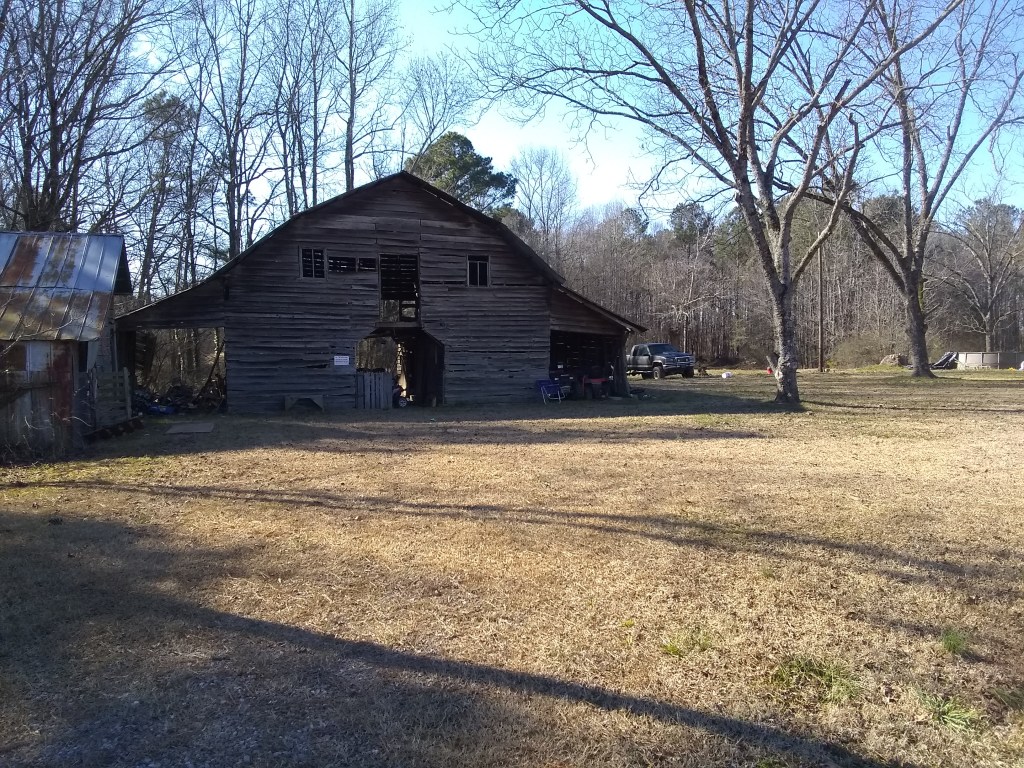
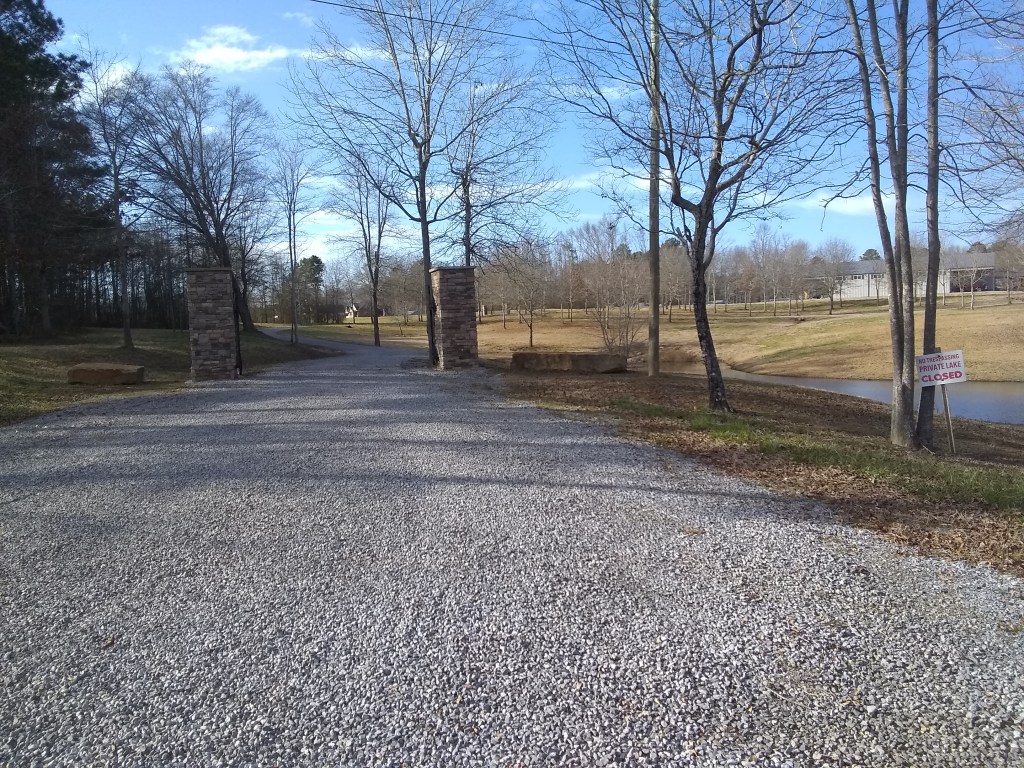
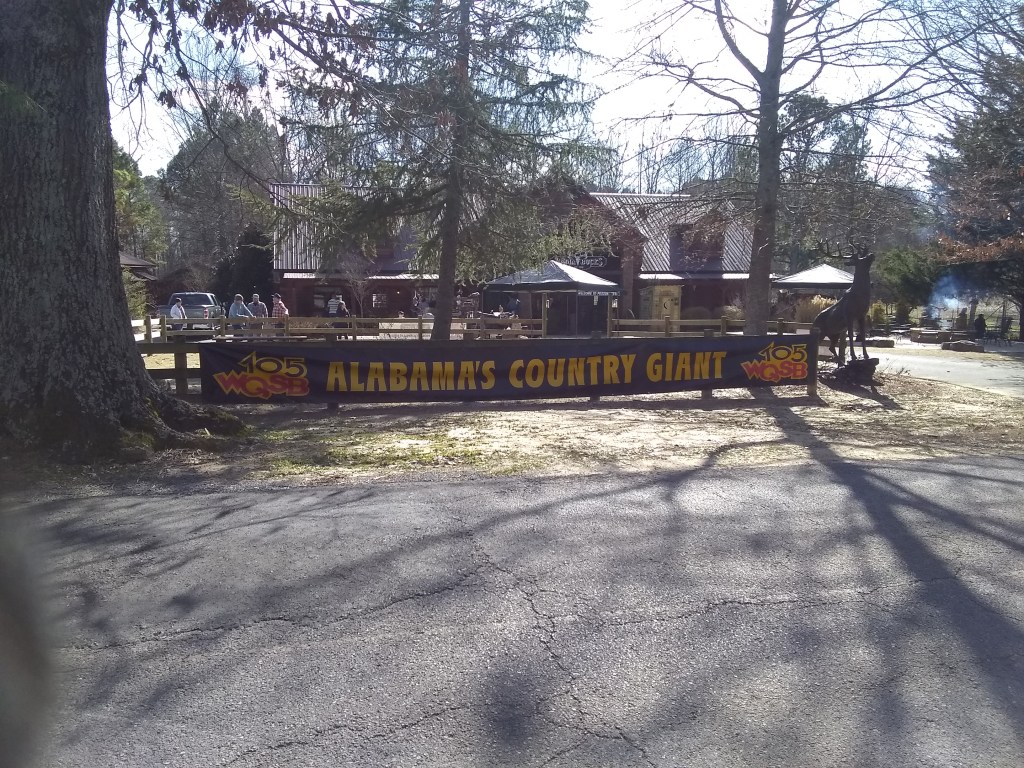
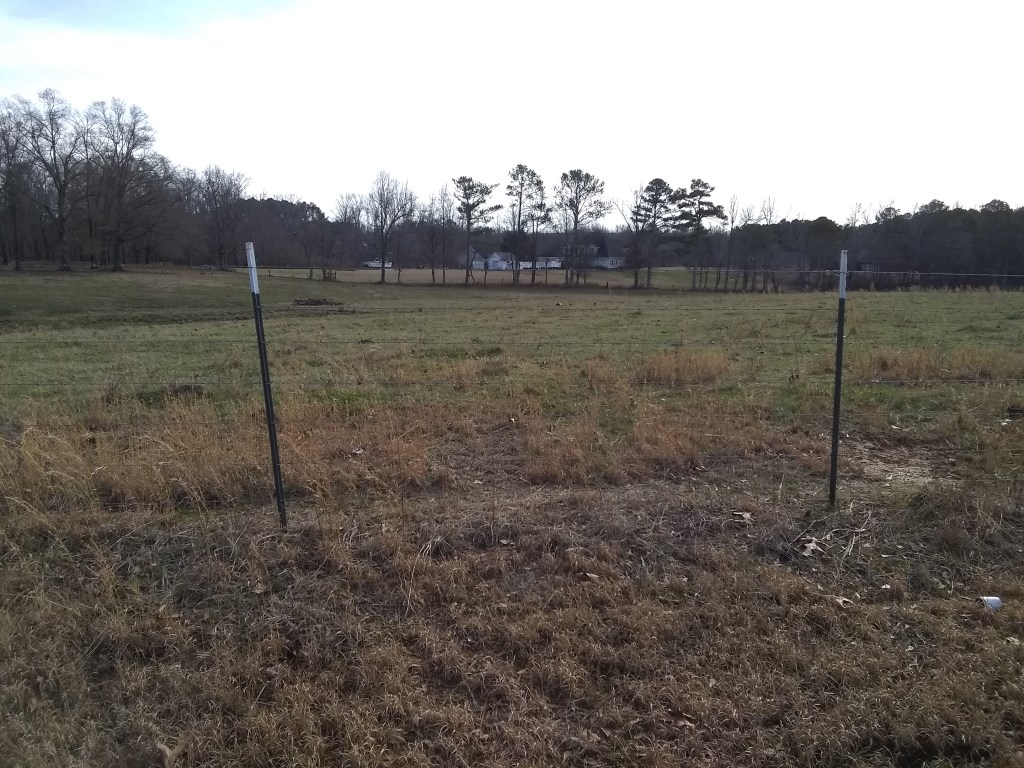
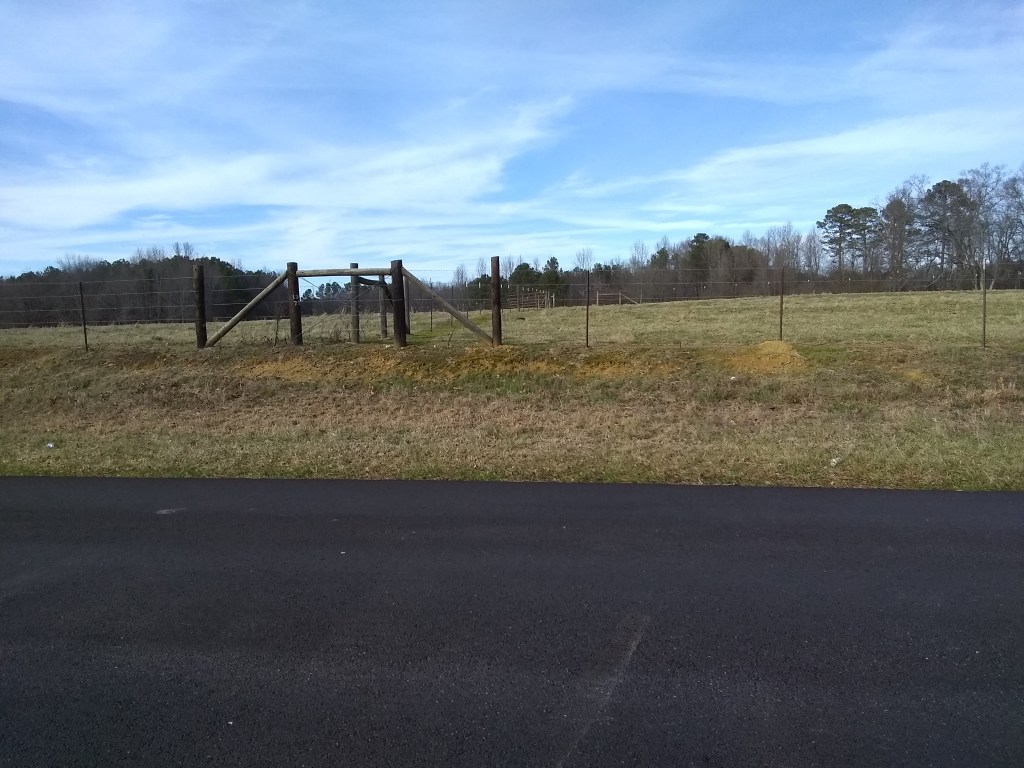
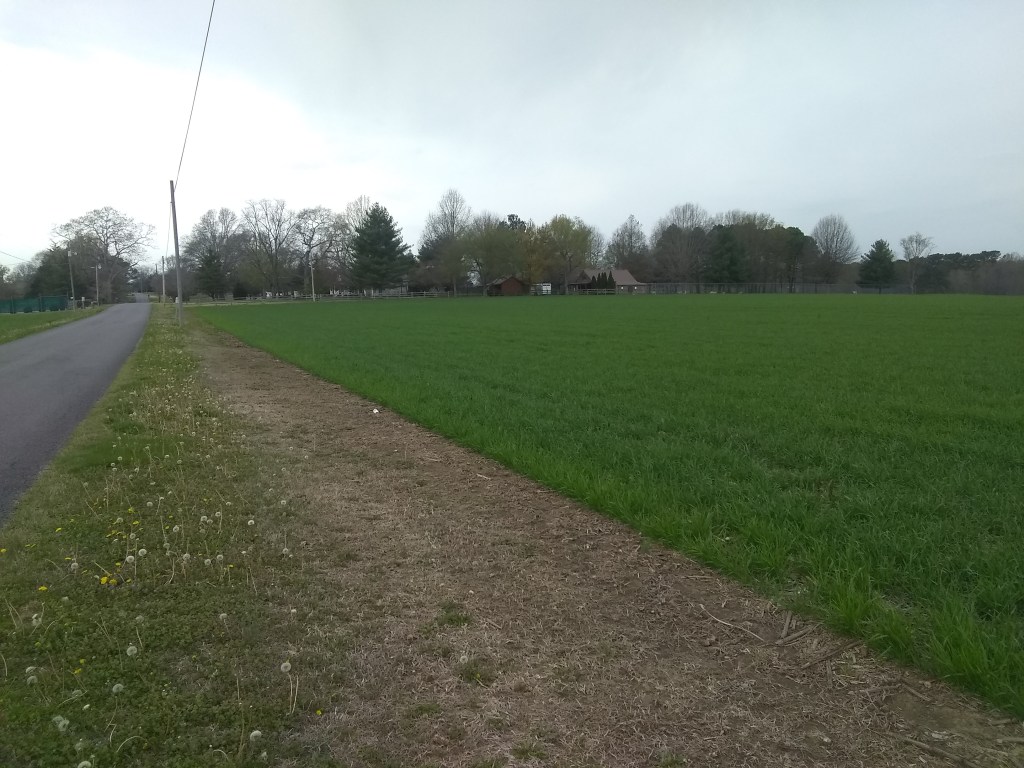
Here’s a few photos from along my pistol route:

Whitmire: Tommy Tuberville leaves Alabama lost in space

Here’s the link to this article.

  • Published: Aug. 01, 2023, 2:46 p.m.
Tommy Tuberville
FILE – Sen. Tommy Tuberville, R-Ala., a member of the Senate Armed Services Committee, talks to reporters at the Capitol in Washington, May 16, 2023. (AP Photo/J. Scott Applewhite, File)AP

By 

Sign up for Alabamafication: Kyle Whitmire’s newsletter, “Alabamafication” examines the outsized influence of this very strange state, taking aim at corruption, cruelty, incompetence and hypocrisy while also seeking out those righteous folks making their state and country better places for all.

This is an opinion column.

Don’t blame Tommy Tuberville for losing Space Command.

Blame Kay Ivey.

As Alabama governor, she is supposed to be our state’s first, best champion.

Don’t blame Tommy Tuberville for losing Space Command.

Blame Tommy Battle.

As Huntsville mayor, he is supposed to look out for the interests of his city.

Don’t blame Tommy Tuberville for losing Space Command.

Blame Katie Britt.

Coach isn’t Alabama’s only U.S. senator.

Tuberville’s manipulation of Senate rules to stonewall military promotions isn’t a novel, genius political tactic. He’s a toddler who found a pistol on the nightstand. And when the gun goes off, and somebody gets hurt, it’s not the kid that’s to blame. It’s the grownups who didn’t do anything to stop it from happening in the first place.

Alabama is short of responsible grownups willing to stop Tuberville, so now it’s time to hold some of these grownups responsible.

Want to know who they are? Look around at who’s trying to blame somebody else.

Ivey, Britt and every member of our Congressional delegation — including the lone Democrat, Terri Sewell — shook their fingers and clucked their tongues at the president.

Fine. But what else did they expect? Of course, President Biden had every incentive to put Space Command in Colorado. As Birmingham Mayor Richard Arrington once said after he was accused of giving business to his friends, “Who am I supposed to give it to? My enemies?”

The time for sanctimony has passed. Bluster and bravado are worthless.

“This fight is far from over,” U.S. Rep. Mike Rogers, R-Saks, tweeted.

Ahem. It’s over.

What’s remarkable about Biden’s decision is how long it took. He could have flipped this switch the moment Donald Trump copped to rigging the game for Alabama on the Rick & Bubba Show. Trump’s dumb comments — which were probably another lie — gave Biden cover to do for Colorado what Trump claimed to have done for Alabama.

What Biden needed was a veneer of plausibility. He needed a general to say this was the right thing to do.

And what Alabama needed was military brass to say, “No, Mr. President, Colorado is not the best place for this. We did a study and …”

But who’s going to do that when Alabama’s senior senator is being a jerk to the very folks Alabama needed on our side?

In the end, the Associated Press reported, it was General James Dickinson, the head of Space Command, who persuaded the president that Colorado was the best choice.

In politics, sometimes you have to make enemies, but you always have to make friends. Tuberville doesn’t get that. And a man who’s lost his shirt in two ponzi schemes isn’t likely to learn from his mistakes.

If your senior senator can’t do that, then someone needs to tell the senator to sit down and shut up. Someone needed to put Tuberville in a corner.

Alabama’s top public officials weren’t willing to do that. Officials who knew better whispered to each other and looked nervously around the room waiting for somebody else to do something.

Meanwhile, the political delinquent acted out as he pleased.

Republicans don’t like calling out Republicans — not for Ronald Reagan’s Eleventh Commandment, or whatever. Rather, an iota of dissent could get you labeled a liberal Democrat, if not a groomer. They’re terrified they’ll get booed, like those Republican primary candidates who bring up Trump’s indictment.

If Alabama were a two-party state that would be fine. Democrats would savage Republicans for their failure and balance would be restored. There would be billboards at the gates of every Alabama military base saying “We wouldn’t hurt you like this.”

But not here. Alabama Democrats can’t run a Twitter account, much less an effective messaging strategy. They’re too busy fighting with each other to keep Republicans honest.

And what’s the result? Well, that might be the saddest thing of all.

Hidden in plain view is a clear indicator of how leaderless and desperate Alabama has become.

After decades of bribing auto manufacturers with tax breaks and cheap labor (some of it children), what do we have left when it comes to economic recruitment?

Our strategy for economic growth was having the president of the United States order people to move to Alabama, no matter if they wanted to or not.

Get much more desperate than that and you’ll trigger an Amber alert.

Alabama has to attract business and development by making itself attractive. We need elected leaders with vision, smarts and guts.

The folks we have now don’t have any of those qualities. I’m not sure they’re really in control and they certainly aren’t looking out for us. They’re just here for the ego fulfillment — not so much different than Tuberville.

Ultimately, blame doesn’t stop at these officials. If our Republican officials won’t hold Tuberville accountable, and if Democrats can’t hold Republicans accountable, then we, the voters, have to be the grownups. We have to make better choices.

We elected a day-trading, Florida-living, mediocre football coach to the U.S. Senate.

The blame lands where the responsibility always was.

We put the toddler in the room with the loose gun, and now we caught a bullet in the groin.

This one’s on us.

Kyle Whitmire is the state political columnist for AL.com and the 2023 recipient of the Pulitzer Prize for commentary. Sign up for his weekly newsletter and get “Alabamafication” in your inbox every Wednesday.

Three little words: I don’t know

Here’s the link to this article.

James A. Haught | February 11, 1997 | Modern Library


[This speech was delivered to the Marshall University chapter, Campus Freethought Alliance, Feb. 11, 1997.]

When I was a young reporter about your age, I hung out with my newspaper buddies in all-night diners (liquor clubs were illegal in those days), earnestly debating the meaning of life.

Some of us couldn’t swallow the standard explanation — that the purpose of life is to be saved by an invisible Jesus and go to an invisible heaven — but we couldn’t see any alternatives that made sense.

One day I asked my city editor, a disciple of H.L. Mencken, how an honest person can answer the ultimate questions: Is there life after death? Is there a spirit realm of unseen gods and devils, heavens and hells? Is there a divine force running the universe? Since there’s no tangible evidence, one way or the other, how can you make a sincere answer?

He replied: “You can say, I don’t know.”

That rang a bell in my mind. I suppose I had half-known it all along, in my confused search for answers, but now I saw clearly how to be truthful and straightforward about an extremely touchy, emotional subject. I felt liberated, because it gave me a way to maintain integrity. Saying “I don’t know” isn’t really an answer, but it’s the only answer I could give without lying or guessing or pretending.

Of course, those were the naive days of youth. I hadn’t yet learned of a thousand philosophers who sweated through the same dilemma and reached the same conclusion. But it became a foundation stone of my psyche, never to leave me.

Once you say “I don’t know,” you’re in conflict with the majority culture. All the supernatural religions and ministers claim that they do know. They say absolutely that invisible spirits exist. Hundreds of millions of Americans go to churches and pray to the unseen beings. Successful politicians always invoke the deities. When you say “I don’t know,” you’re clashing with all these people who claim to know.

It puts you out of step with the world — but I don’t think a truthful person can take any other stance. From my viewpoint, the only honest mind is the unsure mind, the doubtful mind. It’s the only outlook that doesn’t claim knowledge which nobody actually possesses. This is the agnostic, skeptical, rationalist, scientific posture. To me, anything else is dishonest, because it requires people to swear they know things they really don’t.

To me, priests and theologians are lying when they declare that supernatural beings are real, that people are rewarded or punished after death. It isn’t dishonest to speculate about such ideas — but the clergy flatly say spirits exist, and pray to them, and even claim to know how the spirits want us to behave. That’s absurd.

As Voltaire said, “Doubt is not a pleasant condition, but certainty is a ridiculous one.”

Once you’ve crossed the “I don’t know” threshold, maybe you’ll take some logical steps that lead you further, beyond just a neutral, hands-off position. If you’re scientific-minded, always looking for trustworthy evidence, you’ll see that there isn’t a shred of reliable proof for mystical, magical, miraculous things.

What’s the evidence for an invisible heaven or hell? For invisible deities and devils? None, except ancient tribal writings and the pronouncements of priests. It’s rather like the evidence for witches, ghosts, vampires, fairies, werewolves, demons, leprechauns, etc. Educated people know that the latter spooks are just imaginary.

By the time you reach this point, you may be pretty much convinced that the mystical beings worshiped by religions are just imaginary, too — that the whole rigmarole is a gigantic, worldwide, billion-member, trillion-dollar fantasy, a universal human delusion and self-deception that has been going on for 10,000 years.

And you may extend your skepticism to other fantastic things: astrology horoscopes, UFO abductions, seances with the dead, Ouija boards, New Age “channeling” of spirits, psychic prophecies, palm-reading, “dowsing” rods, etc., etc., etc.

See how far you can be led by three little words: I don’t know.

If you proceed along this mental path, as I did, you’ll face a tough decision: whether to dispute the True Believers you encounter, or whether to stay silent.

There’s little point in arguing with worshipers. They often become angry when challenged. (Bertrand Russell said it’s because they subconsciously realize their beliefs are irrational — so they can’t tolerate having them questioned.)

Time after time, I vow to avoid theological quarrels. But when an ardent believer tells me that God wants us to punish homosexuals, or that prayer cures cancer, or that Jesus opposes birth control, or that God disapproves of nudity and sex, I can’t restrain myself. I don’t want to be a religion-basher, yet I turn into one.

Perhaps you and I should take a pledge: When believers confront us with dogmatic declarations about miraculous things, we will just smile sweetly and say, I don’t know.


The Boaz Stranger–Chapter 17

I hate hot and prickly tasks, but that’s what Sunday afternoon and half of Monday morning brought my way. Although the weather was warm for late November, it was a marathon of physical activity and the barn loft’s inadequate airflow caused seven hours of profuse sweating. To my surprise and consternation, Kyla thrived. Without a handkerchief in sight, she drank coffee during our rare breaks while I swiped my face, head, neck, and arms with Dad’s old bandannas between gulps of bottled water. When it related to the farm, Kyla had always been the boss.

After she purchased the five Nubians, the goat man had related that alfalfa hay was the best source of roughage given the condition of the farm’s pasture. Lucky for Kyla, the business-savvy goat expert had a hundred and fifty bales available, and all for the cheap price of $600. My gullible sister took the bait, hook, line, and sinker, and called my name when the delivery arrived.

It was after 11:00 when I hefted the last bale through the barn loft’s paint-peeling door and scurried up the ladder to satisfy Kyla’s weird hay-stacking fetish.

***

After taking a cold shower, I flipped on my old window unit air conditioner, repositioned my Lazy Boy, and dialed Connie Dalton.

She answered on the first ring. I was glad we had exchanged texts earlier this morning. That icebreaking had revealed she wasn’t hostile to my call.

“Hello.” Her voice sounded much younger than I’d expected, almost like a teenager. From Bert, I’d learned her late-term abortion occurred in 2011 when she was twenty-five. That would make her thirty-four now.

“Hi Connie. This is Lee.” I didn’t repeat my last name. “Is now a good time to talk?” In my text, I’d promised I’d call before noon. Given the subject, I wanted to be extra sensitive.

“It is.” I heard arguing in the background, younger kids, girls, I think. “Hold on, let me close this door. The twins are at it again.”

“Okay, take your time.” While I waited, I heard Connie firmly, but respectively, instruct her kids to be kind to one another and remember Tolstoy’s calendar. I understood her first statement, but not the latter.

“Sorry about that. The kids are out-of-school today, teacher workday or something.”

Connie and I spoke ten minutes off-topic. From Bert, she had learned about me, Rachel’s suicide and my widowhood. He had warned me the conversation might be uncomfortable and shared that the best way to get our interviewee talking openly was to personalize myself, the questioner. Before Connie took the lead and transitioned us to the purpose for my call, she had given me an insightful perspective on the pain Rachel likely experienced before ending her life.

Connie and Lawrence married in 2007. Their son William was twenty-one months old at the time of the abortion. The couple had not planned the pregnancy but were happy. That changed over the next several weeks.

A sonogram at week twenty-nine revealed the network of cavities in their baby’s brain was larger than normal. Connie’s doctor referred her to a specialist. It was two weeks later, after another sonogram, that the couple learned their baby had a brain abnormality. The part of the child’s brain that connects the right and left hemispheres was missing. It didn’t exist.

The specialist told Connie and Lawrence their baby could never suck or swallow and would likely suffer from uncontrollable seizures after birth. There would be no end to the medical attention and care needed. The baby’s quality of life would be nonexistent.

Connie shared how at first, she blamed herself for not detecting the problem much earlier, but the specialist assured her that would not have been possible.

For several minutes, Connie’s mind and memory returned to 2011. Her sorrow and grief figuratively leaked through our phone connection. Finally, after what seemed minutes of her soft, semi-controlled crying, Connie said, “Lawrence and I faced the most horrible dilemma. We could end sweet Justin’s life and spare him unspeakable pain and suffering, or we could follow the religious teachings we’d held sacrosanct all our lives. Our decision was straightforward. How could any normal human being decide otherwise?”

I responded with, “you two were loving, and courageous.” I really didn’t know what to say, but I wholeheartedly agreed with their decision.

Connie, now more in control, continued. “What once was pure joy became unbearable. For several days, back home considering our options, sweet Justin persisted in kicking my belly. I finally realized his kicks were not playful but were his only way of screaming his pain. This realization was the final straw. God or no God. It would be inhumane to not give our dear baby the peace he deserved.”

The time had come. Per instruction from Bert, I asked a mind-numbing, heart-stopping question. “If you would be so kind and courageous, please share how Justin’s life ended and how you and Lawrence dealt with it.”

Connie didn’t hesitate. “The doctor used a sonogram to find the baby’s heart. He gave me an injection through my stomach to stop it from beating. My baby gave me one last kick. I believe it was to assure me of two things, that he loved me, and everything was going to be okay.”

That’s when I cried. It was the saddest story I’d ever heard. “I’m sorry,” I said. As quickly as it started, my sorrow turned to anger. The steady drone of “abortion is murder” from right wing evangelicals exploded in my mind. In the seconds before Connie shared her next thought, I shook my head in amazement at how ignorant, no, stupid, humans can be. If not for religion and what the Bible supposedly says, humanity would stop painting every issue as black and white. The world is full of gray. For an unknown reason, I was glad I’d gone to law school and gained critical thinking skills.

“Your crying assures me you are a genuine human being.” Connie paused for a few seconds. “As to the second part of your question, I delivered sweet Justin at the end of my thirty-second week. Deceased, of course, but beautiful, a spitting image of William.” I had planned on ending our call by asking what life was like today for Connie and her family. However, she beat me to it. “Now, although we have three healthy children, William, almost thirteen, Carrie and Lauren, eight going on eighteen, Justin is still with us. The only difference is he isn’t suffering. He’s healthy and headstrong.”

I think Connie would have continued her daydreaming if all three of her kids hadn’t rushed in and announced they had found a turtle on top of the tarp covering the swimming pool. “Sounds like you need to go. Thank you for sharing your story with me, Bert, Yale Law School, and the world. We will do everything we can to protect the right to late-term abortions in situations like yours.”

After our call ended, I cried some more, wishing life didn’t include such tragic events.

***

I stayed in my chair another thirty minutes, reliving the pain of losing Rachel. It didn’t take long to realize I was heading toward despair, something I’d often done during the past year. It normally took at least twenty-four hours to resurface. I lowered my footrest and stood. I didn’t have the luxury of time, not with tomorrow’s court appearance looming.

Twenty minutes later, my mind was unwilling to focus. I moved to the kitchen table and scanned Alabama’s eminent domain statute, and two federal circuit cases I’d found on point. At 12:30, it was time for a drive to clear my head. Afterwards, I could focus.

By the time I reached the Explorer, my mind was revisiting something Kyla had said yesterday afternoon. Her chosen subject was Lillian, more particularly, her constant presence while the three of us were growing up and her love for the barn loft. Kyla’s last statement before I descended the ladder to hoist up more bales was, “now Lillian has her own barn, red with a big loft. And her pond is gorgeous, complete with its enormous fountain.” These statements, plus my recall that Kyla had said Lillian’s place was on Cox Gap Road, tricked me into an adventure of sorts.

Before departing Kyla’s, I programmed the Explorer’s GPS to guide me to Alexander Road, the other identifier sis had mentioned during my phone call Saturday morning.

The weather had turned cooler since this morning, but the blue sky was ablaze with a brilliant sun. The GPS instructed me to turn left on Beulah Road. As safely as I could, I scanned the screen to get a feel of where I was going. After two miles, I’d turn right onto Highway 168, then proceed south to Highway 431 and make another left turn. From there, I’d drive two miles and turn left onto Cox Gap Road. After another mile, Alexander Road, along with Lillian’s red barn, huge pond, and spurting fountain, would be on my right.

I didn’t expect unsafe twists and turns, so I used my time to make a dreaded call. After speaking with Connie, I recognized two things. One, my mental state wasn’t stable enough to deal with stories seemingly like Rachel’s. And second, I wanted to give all my attention to the mission I’d set for myself here in Boaz.

I reached Cox Gap Road without clearly articulating what that mission was. Regardless, I called Bert and relayed that I wasn’t the right person to interview those who’d experienced a late-term abortion. As expected, he was sympathetic, leaving open the door for my return if I changed my mind.

I passed a six-bay cleanup shop and rounded a corner. I knew instantly that the Norman Rockwell scene before me was Lillian’s place. A large pond, a gorgeous deep green with fountain spurting water ten feet in the air, nestled next to Cox Gap Road. A right turn on Alexander Road led quickly to the driveway and a cute one-story cabin that was fifty yards in front of a like-new red metal-sided barn with a distinguished gambrel roof and an over-sized loft.

I thought about stopping but kept driving. A large, late model black SUV was parked in front of a matching garage at the rear of the cabin. I couldn’t stop my thoughts from venturing across the back porch and inside. I drove another half-mile to a driveway and turned around. A quick calculation yielded forty-eight years as the time span since the silky and sexy Lillian had called me at the University of Virginia and told me she was marrying Ray Archer. That too was the week of Thanksgiving.

Again, I drove past, looking left across the pond and seeing for the first time Lillian sitting inside the gazebo with her head down, probably reading a novel.

I returned to Harding Hillside, hoping the entire time that Lillian hadn’t seen my blue Explorer.

What he did

Here’s the link to this article. I encourage you to subscribe to Steve Schmidt’s The Warning.

STEVE SCHMIDT

AUG 3, 2023

Photo credit: Spencer Platt/Getty Images

Donald Trump tried to overthrow the American republic because he lost an election. Nearly every single Republican member of Congress helped him do it by suborning his ceaseless and premeditated lies. They stoked the fires of incitement that led to Trump’s coup as his collaborators and partners. Ambition and fear overwhelmed their duty and patriotism.

The wretched truth is that with scant exceptions the entirety of the Republican Party from its elected officials, party officials, donors, activists and volunteers abandoned America in favor of their faction. George Washington’s fears had come to pass just as his warnings went unheeded by this generation of Americans. In his farewell address on September 17, 1796, he said the following:

However [political parties] may now and then answer popular ends, they are likely in the course of time and things, to become potent engines, by which cunning, ambitious, and unprincipled men will be enabled to subvert the power of the people and to usurp for themselves the reins of government, destroying afterwards the very engines which have lifted them to unjust dominion.

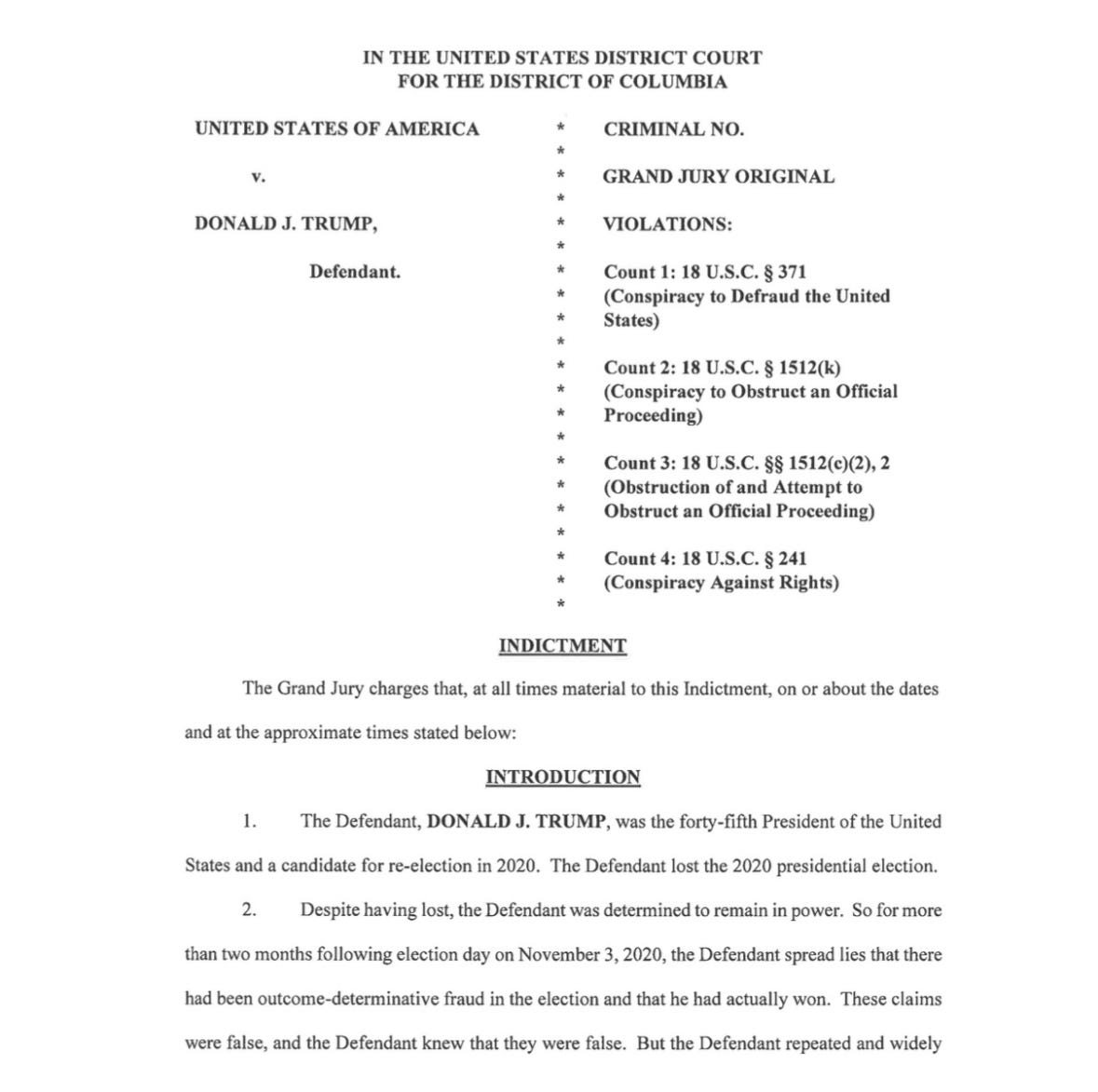
Every American has an absolute obligation and duty to read the details of the most important criminal indictment in American history carefully and thoroughly. The language is stark, vivid and declarative. The indictment rejects the jaundiced notion that there is dispute around the details of the election. Instead, it boldly embraces reality in a way that the overwhelming majority of the American media has refused to do so on a consistent basis. It declares flatly and directly:      

He absolutely did lose the 2020 presidential election. Yet, he wanted power. What he did was try and take it through a conspiracy of lies and thuggery. Though he knew he lost, he didn’t care. What followed was the most reprehensible actions in American history by an American president. They represent a betrayal of stupendous dimensions. What Donald Trump did was amoral, illegal and nearly cataclysmic.

The Warning with Steve Schmidt is a reader-supported publication. To receive new posts and support my work, consider becoming a free or paid subscriber.

Upgrade to paid

Donald Trump desecrated the sacrifices and patriotism of the men and women who laid down their lives so America could endure and survive. He tried to take America away from all of us. Donald Trump isn’t just a failed and seditious president and an accused criminal, he is an abomination and every loyal citizen should be enraged by what he did. He assaulted our ancestors and our descendants, while trying to burn down our way of life and taking our right to choose our leaders from us. It cannot be forgiven, excused, rationalized or minimized. The propaganda of Fox News and all of its derivative media cannot hide the simple truth. Trump tried to destroy the United States. He is a domestic enemy.

We must not allow the ambitions of one man and his cabal to destroy the American way of life. It cannot happen. It must be fiercely opposed. Donald Trump and his cause are a national cancer, and it remains deeply embedded in our politics. This age of extremism must yield, or democracy will be lost.

The only thing that matters is that the Republican frontrunner doesn’t believe in democracy. He is running on a platform of revenge and retribution.

Everything is on the line in 2024. Will it be America’s last election not decided in advance?

Let’s hope not, and let’s work very hard to make sure it isn’t.

08/03/23 Biking & Listening

Biking is something else I both love and hate. It takes a lot of effort but does provide good exercise and most days over an hour to listen to a good book or podcast. I especially like having ridden.

Here’s my bike, a Rockhopper by Specialized. I purchased it November 2021 from Venture Out in Guntersville; Mike is top notch! So is the bike, and the ‘old’ man seat I salvaged from an old Walmart bike.

Here’s a link to today’s bike ride.


Something to consider if you’re not already cycling.

I encourage you to start riding a bike, no matter your age. Check out these groups:

Cycling for those aged 70+(opens in a new tab)

Solitary Cycling(opens in a new tab)

Remember,

Photo by Suzy Hazelwood on Pexels.com

I’m listening to Expelled by James Patterson

Amazon Abstract

One viral photo.
Four expelled teens.
Everyone’s a suspect.

Theo Foster’s Twitter account used to be anonymous – until someone posted a revealing photo that got him expelled. No final grade. No future.

Theo’s resigned himself to a life of misery in a dead-end job when a miracle happens: Sasha Ellis speaks to him. She was also expelled for a crime she didn’t commit, and now he has the perfect way to keep her attention: find out who set them up.

To uncover the truth, Theo has to get close to the suspects. What secrets are they hiding? And how can he catch their confessions on camera…?


Here’s a few photos from along my pistol route:

James Haught lived life with no qualms

Here’s the link to this article.

Avatar photoby ADAM LEE JUL 27, 2023

A beautiful sun over a green field | James Haught lived life with no qualms
Credit: Shutterstock

Overview:

Bidding farewell to a giant of the freethought movement, and looking back at his achievements and the progress he bore witness to over nine decades.

Reading Time: 5 MINUTES

James Haught, a giant in the freethought movement and my long-time guest contributor, died on July 23 at the age of 91. The West Virginia Gazette-Mail, the newspaper where he worked throughout his seven-decade career in journalism, posted his obituary.

James was born in 1932 in Reader, West Virginia, a rural town without electricity or paved streets. He started work as an apprentice printer and worked his way up to the newsroom. When his H.L. Mencken-esque editor assigned him to the religion beat, they had a memorable exchange:

One day he told me: “Haught, we want you to be our religion columnist.” I said, “But I haven’t been to church in twenty years.” He said, “Fine—that means you’ll be objective.”

In his long career, he covered everything from snake-handling Pentecostals, to money-grubbing televangelists, to religious swindlers and crooks, to fundamentalists who rioted against “godless” textbooks. As he put it, “My years of covering Bible Belt religion hardened my youthful skepticism into militant agnosticism.” He penned books like Holy Horrors2000 Years of Disbelief, and Honest Doubt.

I was in contact with Jim starting in 2011. He had a regular mailing list, which I somehow found my way onto, sending interesting articles he’d come across as well as his own thoughts. He graciously gave me permission to reprint some of his columns.

In 2018, he approached me with a proposition. He wanted to put more of his vast catalog of essays online and was seeking a home for them. At the time, my son was a baby and I was working on my book Commonwealth, both of which had cut into my writing time—so this offer couldn’t have come at a more propitious time. Over the following years, he became a reliable guest contributor, first to my blog Daylight Atheism on Patheos and now here on OnlySky.

Some of my favorites from his collection include a column on the majesty of West Virginia’s mountains, his autobiographical account of his life, and an optimistic view of the human progress he bore witness to over nine decades.

From his writing, I learned about bloody religious conflicts I’d never heard of, like the Cristero War and the Taiping Rebellion, as well as violent battles for the right to organize. Proving that age is no barrier to acceptance of moral progress, he also wrote about white privilege and sexism in the freethought movement.

Even in his old age, he retained his intellect, his restless curiosity, his optimism for the future, and his staunch humanism. I hope I live so long or age so well.

I last heard from him about a month ago. He said that he’d received some serious medical news, and that he was making an appointment with a specialist for a second opinion. I wrote back a brief note, expressing my hope for good results and asking him to keep me updated. I regret that I didn’t say more—but how do you know, how can you ever know, when you correspond with someone for the last time?

Besides, it would have been arrogant of me to presume to offer words of wisdom or comfort to someone whose life experience so far outstripped mine. In the face of death, his courageous humanism never wavered.

In his honor, I’m rerunning a column of his from a few years ago about death. It’s a powerful essay, looking back on his life and confronting his own imminent mortality without fear or qualm. Out of all his writings, it’s my favorite.


I’m quite aware that my turn is approaching. The realization hovers in my mind like a frequent companion.

My first wife died ten years ago. Dozens, hundreds, of my longtime friends and colleagues likewise came to the end of their journeys. They number so many that I keep a “Gone” list in my computer to help me remember them all. Before long, it will be my turn to join the list.

I’m 86 and still work. I feel keen and eager for life. My hair’s still dark (mostly). I have a passel of children, grandchildren and rambunctious great-grandchildren. I love sailing my beloved dinghy on our small private lake, and hiking in shady forests with my three-legged dog, and taking a gifted grandson to symphony, and seeking wisdom in our long-running Unitarian philosophy-and-science circle. I remarried an adorable woman in her 70s, and we relish our togetherness. But her health is fragile. Her turn is on the horizon too.

I have no dread. Why worry about the inescapable, the utterly unavoidable, the sure destiny of today’s seven billion? However, sometimes I feel annoyed because I will have no choice. I’m accustomed to choosing whatever course I want—but I won’t get to decide whether to take my final step. Damn!

I have no supernatural beliefs. I don’t expect to wake up in Paradise or Hades, surrounded by angels or demons. That’s fairy-tale stuff. I think my personality, my identity—me—is created by my brain, and when the brain dies, so does the psyche. Gone forever into oblivion.

I’ll admit that some reports of “near-death experiences” raise tantalizing speculation about a hereafter. But, in the end, I assume those blinding lights and out-of-body flotations are just final glimmers from oxygen deprivation. I guess I’ll find out soon enough.

It takes courage to look death in the eye and feel ready. So be it. Bring it on. I won’t flinch. Do your damnedest. I’ll never whimper. However, maybe this is bluster and bravado, an attempt to feel strong in the face of what will happen regardless of how I react.

Unlike Dylan Thomas, I won’t rage, rage against the dying of the light. Instead, I plan to live as intensely as I can, while I can, and then accept the inevitable. I find solace in wisdom I’ve heard from other departees. Just before she died of ovarian cancer, one of my longtime friends, Marty Wilson, wrote:

“I often think of humankind as a long procession whose beginning and end are out of sight. We the living… have no control over when or where we enter the procession, or even how long we are part of it, but we do get to choose our marching companions. And we can all exercise some control over what direction the procession takes, what part we play, and how we play it.”

In The Fire Next Time, brilliant writer James Baldwin said:

“Life is tragic simply because the earth turns and the sun inexorably rises and sets, and one day, for each of us, the sun will go down for the last, last time. Perhaps the root of our trouble, the human trouble, is that we will sacrifice all the beauty of our lives, will imprison ourselves in totems, taboos, crosses, blood sacrifices, steeples, mosques, races, armies, flags, nations, in order to deny the fact of death, which is the only fact we have.”

Legendary lawyer Clarence Darrow wrote:

“When we fully understand the brevity of life, its fleeting joys and unavoidable pains; when we accept the fact that all men and women are approaching an inevitable doom; the consciousness of it should make us more kindly and considerate of each other. This feeling should make men and women use their best efforts to help their fellow travelers on the road, to make the path brighter and easier… for the wayfarers who must live a common life and die a common death.”

My journey on the road has been proceeding for eight decades. Actuarial tables make my future so obvious that I can’t shut my eyes to it. Life proceeds through stages, and I’m in the last scene of the last act.

I have a Pantheon of my favorite heroes: Einstein, Jefferson, Voltaire, Lincoln, Carl Sagan, Shakespeare, Martin Luther King Jr., Tolstoy, FDR, Beethoven, Epicurus, Gandhi, etc. They fill a different “Gone” list. They uplifted humanity, even transformed humanity, in their day—but their day ended, and life moved on.

My day was the 1960s, and ’70s, and ’80s, even the ’90s. I was a Whirling Dervish in the thick of everything. Life was a fascinating carnival. But it slides into the past so deftly you hardly notice.

While my clock ticks away, I’ll pursue every minute. Carpe diem. Make hay while the sun shines. And then I’m ready for nature’s blackout, with no regrets.

The Boaz Stranger–Chapter 16

Ray wasn’t interested in cooking breakfast. It was the first morning to awaken without Lillian in the house. He already missed her, even though they hadn’t been intimate for years. After showering and dressing, Ray left the Lodge and drove to Grumpy’s Restaurant in the old Boaz Outlet Center.

A broad-hipped middle-aged server led him to a table along the back wall. The man sitting alone at the corner table next to the windows laid his newspaper aside as another server delivered his food. The man’s profile startled Ray. It was a grown-up version of the young man who had inhabited his dreams for over half-a-century. The man was Kent Bennett, Kyle’s twin brother. Ray had heard he was already in town, five days before Black Friday and Kyle Bennett’s memorial.

Kent noticed Ray staring at him, said “good morning,” and returned to his food. Ray had an idea.

“Mind if I join you?” Ray said once, then twice a little louder, to grab Kent’s attention.

“Sure, do I know you?” Kent knew exactly who he was.

“I’m Ray Archer. From high school. You’re Kent Bennett, right?”

“I am. Ray, I didn’t recognize you.” Kent said, motioning towards an empty chair on the other side of the large round table.

Ray sat. “Aging is brutal, more for me than you. I’ve gained a half-ton, shrunk a couple of inches, gone ghost gray, and turned out a barn full of wrinkles.” Ray stared at the trim, blue-eyed Kent with near-perfect teeth and wondered if his old high school classmate had found the proverbial fountain of youth. Ray’s stomach started a mild revolt as his memory poured forth a brutally cold and bloody image, like a bucket of hot lava. He figuratively shook his head, wondering why and how that thought appeared.

Kent nodded as his server refilled his water glass. “My friend needs to order.” Kent said, motioning towards Ray.

“I’ll have what he’s having.” Ray no longer felt like a plate of grease-saturated bacon, sausage, and eggs. Instead, he opted for a bowl of oatmeal with a side-serving of bananas, grapes, strawberries, and cantaloupe. The server left. “Can I run something by you?” Ray believed himself to be a master manipulator.

“Sure.” Kent was patient. He had his own ‘something’ to run by Ray.

“You may not know, but the City and I are in process of developing a piece of property off Thomas Avenue.”

Kent jumped in. “And you guys are experiencing a temporary delay. Others call it a brick wall.”

“Well, yes. What I wanted to ask is whether you’d have any opposition to us honoring Kyle with a bust, maybe a full statute.”

“Probably not, as long as it is professionally done with a suitably worded plaque.”

Ray continued, as though Kent hadn’t responded. “I call it the Oasis. It’s in the middle of the development with trees, plants, flowers, benches, and will encircle a beautiful fountain.”

“Okay, but with one stipulation. I serve ex officio with the right of final approval?” Kent was just as rich as Ray. But, much smarter.

“Not a problem.” The server delivered Ray’s breakfast and refilled his coffee cup. Kent again declined caffeine.

“I have a question myself, if you don’t mind.”

“Fair enough.” Ray figured Kent would ask for a donation to the Kyle Bennett Charitable Foundation he had established a few years ago. Ray had learned about it through a recent Sand Mountain Reporter article that discussed Kyle’s upcoming memorial.

“That night.” Kent paused. “Let me start over.” Ray now knew Kent’s direction. A day or so after Kyle had disappeared, Kent had approached Ray asking him to confirm the rumor: Ray and Rachel were the last to see Kyle alive.  They had dropped him off just beyond the city dump on King Street at the end of the Bennett’s long driveway. “Why didn’t you take Kyle all the way to the house that night?”

It was a softball question. Ray and Rachel had rehearsed their story a hundred times. “Kyle said he would walk. I guess he wanted to look at the full moon.”

Kent had no follow-up. But he had a different question. “Do you remember the blue and white car Jackie Frasier drove?”

“Are you talking about the custodian and bus driver?” Ray was looking down, eating furiously, hoping Kent wasn’t noticing the sweat popping out on his forehead.

“Yes.”

“Yeah, I remember. A 1957 Chevrolet Bel Air.”

Ray never saw Kent activate his recorder. Not that he thought it likely since it was an APP he’d developed and installed on his iPhone. “Do you remember where he lived? It’s for a story I’m writing.” Kent was nudging Ray further from safety, ten feet out on a scraggly limb.

“Straight across from you and Kyle, didn’t he?”

“That’s right. One more thing if you would be so kind. When you and Rachel dropped Kyle off at the end of our driveway, do you remember seeing Jackie’s Bel Air?”

“Yep, it was parked in front of his old dingy mobile home.”

Kent, and most everyone else in Boaz, knew of the good-hearted Jackie Frasier. The man worked three jobs. Bus-driver, but only in the early morning, then chief custodian five days per week at Boaz High School. By three PM every day except Sunday, Jackie was clocking in at Boaz Spinning Mill for a full nine hours. The shift bell rang straight-up at midnight. Jackie was always home by twelve-twenty. His 1957 blue and white Chevrolet Bel Air was his pride and joy and by far the most valuable thing he owned. It was beautiful and good old ‘Jack’ deserved it.

Kent knew if Jackie was already at home that long-ago Friday night, that Ray had lied to the Marshall County investigator who had interviewed him and Rachel. This aspect of the official report read: “It was a few minutes after ten when me and Rachel dropped Kyle off at the end of his driveway.”

Kent whispered to himself, “If Jackie was home, Ray had lied to the tune of at least two hours. But why?”

It seemed like only a few days since Kent and Kyle had shared a tiny bedroom in the dilapidated old house just south of the city dump. The brittle wooden frame around their northern-facing window guaranteed the twins had an unending supply of putrid smells, everything imaginable discarded from kitchens, bathrooms, garages, restaurants, and a butcher shop on South Broad Street.

Ray excused himself when he saw Mayor King and Pastor T. J. Miller enter Grumpy’s and seat themselves two tables over. “Listen. Kent, thanks for breakfast, but I’ve got some business with the mayor, so I need to run. I’ll see you at the memorial. Maybe afterwards we can talk more about Kyle’s statute.” Ray scurried away, but not before laying down a ten-dollar bill.

For several years after Kyle disappeared, Kent had suspected Ray Archer. He hadn’t been able to put his finger on the exact reason. But he knew Kyle had an odd reaction every time he saw Ray at school and especially during the last week as the tenth graders met to work on their Christmas float. But, as the decades had rolled by, Kent had chalked his feelings up to, well, feelings, just a hunch.

That had changed less than a month ago when he’d received an anonymous package, a box large enough to hold a dozen paperback novels. The package had been postmarked in Birmingham, Alabama on October 2, 2020. It contained a single number ten envelope. Across its seal someone had printed: “Thought you’d be interested.” Kent had been patient and waited a week for a hand-writing analysis. The expert had concluded a woman had written the four-word phrase.

Inside was a form document titled, “Witness Statement.” Along the bottom, in tiny print, was “Marshall County Sheriff’s Department.” Detective Charlie Darden had taken the statement of one Raymond Carl Archer.

Kent took a last drink of water and grabbed his check and Ray’s ten-dollar bill. After paying, he walked outside and headed across the parking lot to Mill Avenue, and on to his room at Key West Inn. He smiled at his luck and voiced his satisfaction: “I never could have dreamed a sit-down with Ray Archer would have been so easy.”

***

Five minutes after Kent paid for his breakfast and left Grumpy’s, Ray told Mayor King and Pastor Miller he needed to review his notes before teaching today’s Sunday School lesson. He exited the restaurant, slid into his Suburban, and drove south to Billy Dyar Blvd. It was only 7:20 and Sunday School didn’t start until 9:30. Ray told himself he had plenty of time for a quick visit to Dogwood Trail.

As he drove south on Highway 431, Ray couldn’t believe he could be so stupid. Somehow, Kent had tricked him. Ray cursed aloud, “why in the Hell did I commit one way or the other? Why didn’t I say I don’t remember if Jack’s Bel Air was home or not?”

Ray continued to curse and almost missed the left-hand turn onto Cox Gap Road. He turned on the radio, hoping to find a calming song, but gave up in thirty seconds. Seeing the pastor of Cornerstone Baptist Church closing the trunk of his car distracted Ray and had the sought-after soothing effect. But not enough to stop his questions. “What kind of story was Kent writing? Why was he so interested in Jackie Frasier?” At the stop sign, Ray convinced himself it all had to do with the upcoming memorial. Ray guessed that as part of his speech, Kent would set out a detailed chronology of what was known about that fateful Friday night.

Ray slowed when he approached Alexander Drive. He wanted to stop and see Lillian but decided against it. Even though he fully intended to woo her back to the Lodge, now was not the time. She might still be asleep, and he didn’t want to upset her. He couldn’t help but wonder whether Lillian’s move foreshadowed the end of his successful life, and the beginning of another phase, one filled with failure and pain.

 At Happy Hill Baptist Church, Ray’s attitude leaned toward positive. Mayor King’s attorney had promised Rob Kern’s opposition to the City’s eminent domain action was doomed. The Hunt House would be demolished, and Rylan’s would be built. The worst-case scenario was a week or two delay.

Ray smiled as he imagined the bulldozers doing their thing, followed by the dump trucks hauling away load after load of debris, that included a key piece of evidence. Then Ray remembered his last conversation with Rachel. That was Halloween a year ago.

She had called during her ride from Birmingham’s airport, declaring there was still time for the two of them to do the right thing. They had argued. He still didn’t know why she had come so far, refused to see him, and then simply vanished.

All he knew was she’d received an anonymous package. Shortly afterwards, she traveled to Alabama. The package had contained copies of the statements the two of them had given to Detective Charlie Darden two days after Kyle disappeared. A scared Rachel believed the case was heating up, and fifty-year-old secrets were about to be revealed.

Ray tried to calm her. Like he always had, but this time it didn’t work. Finally, Rachel had assured him the murder weapon was still where she’d hidden it fifty years ago.

In a sick and morbid thought, Ray was glad Rachel was dead. She was the only one who could incriminate him. Thank God she was successful in her second suicide attempt. And thank God, the destruction of the murder weapon was inevitable.

Ray turned left onto the old logging trail and stopped to unlock and open the gate. Three hundred yards beyond was the barn and the pond in the center of what once was the only clearing on the entire sixty-acre tract. When Ray arrived, the dilapidated barn reminded him again of the brutality of aging. He drove another hundred feet and parked at the same spot he had half-a-century ago.

He sat in the Suburban and closed his eyes, reminded that Rachel had lied to him about the abortion. He considered whether that was her only lie. What if she had lied about the pistol? What if she had removed it from the Hunt House and hidden it somewhere else?

Ray slid out of the Suburban and walked to the water’s edge. He stared at an odd-shaped limb that had fallen from the giant oak behind the barn and someway floated here. The image presented by a large knot and two outstretched limbs from the main branch sent a shiver down his spine. To Ray, it looked like a human head with outstretched arms arising from the pond, and coming back to settle a score?

***

Rosa saw Jane the minute the elevator doors opened. She was standing at a podium across the hall, inside her classroom, a few feet from the rear wall. Jane was reading or meditating.

For nearly a year, Rosa and Jane had been prayer partners. Any time Rosa was in town, the two met in the Ruth Sunday School class before any of the twenty-plus ‘senior’ women arrived. Even when Rosa was out-of-town, no matter the state or country, no matter the time zone, the two always did their best to connect at this hour and have a few moments of prayer.

Rosa paused until Jane looked up. And smiled. It had been Rachel’s wish that her mother and her lifelong friend connect. Rachel’s plea to both women had started as, ‘if something were to happen to me…’

“Hey baby.” Rosa said, walking across the hallway and into the classroom. She wanted to honor Rachel’s wishes, but sometimes this time on a Sunday morning was not the most convenient. Rob was waiting in the car in the rear parking lot. The two were scheduled to speak at a church-wide assembly at Cullman First Baptist. Rosa knew the time was tight.

“Good morning. You look nice. As always.” Jane hoped she would look as young and beautiful as Rosa when she was eighty-six. “Why don’t we pray? I have a little reviewing to do before the girls arrive. I’m having a little trouble describing the end times.”

Rosa smiled, eased around the podium, and wrapped her left arm around the lower back of the tall and thin Jane. “Don’t we all?”

After a few minutes of intercessory prayer, the two women had exhausted Rob, Lee, Judge Broadside, and everyone else loosely connected to the Hunt House dispute. It had been Jane’s idea to limit each prayer session to one issue. She was a big fan of the Gospel of Matthew, especially chapter 18, verses 19-20: “Again, truly I tell you that if two of you on earth agree about anything they ask for, it will be done for them by my Father in heaven. For where two or three gather in my name, there am I with them.”

The two hugged and recited their weekly post-prayer ritual: “God is good. All the time.” Jane knew the Hunt House situation was in excellent hands.

Rosa departed and Jane wondered why she couldn’t come to peace about another issue. A big one that Rachel had left with her that Rosa knew nothing about.

Rachel and Jane had hit it off from day one in the ninth grade. To those outside their circle, it would not have been unreasonable to think the girls were gay. Even some of their closer friends, Lillian and Kyla, often questioned (in a lighthearted way) the two about whether they would tie the knot before they turned eighteen.

Rachel and Jane shared an openness and intimacy that rivaled the most star-struck couples. Yet, it wasn’t sexual. Rachel and Jane shared most everything, including their deepest fears, failures, and fantasies. And that hadn’t stopped when the MK had returned to China. What troubled Jane now, and ever since her best friend had died, was what Rachel asked her to do.

Elita Ann Kern was born June 1, 1970, at the Tung Wah Hospital in Hong Kong. Three days later, Rachel and Elita (Latin for ‘the chosen one’) were discharged. Rachel returned with her family to their thirteenth floor Hong Kong apartment in the Lower Ngau Tau Kok public housing estate. Elita and her adoptive parents traveled by plane 4,580 miles to her new home in Sydney, Australia. One of Rob’s missionary colleagues arranged the transaction. At the time, all the Kern’s had been told was that the middle-aged couple was well-off, childless, and would provide young Elita with a God-fearing home and every opportunity for health, happiness, and education.

Other than her parents and her diary, Rachel didn’t share the wonderful but sad news of the arrival and departure of Elita Ann Kern with anyone except Jane Fordham.


08/02/23 Biking & Listening

Biking is something else I both love and hate. It takes a lot of effort but does provide good exercise and most days over an hour to listen to a good book or podcast. I especially like having ridden.

Here’s my bike, a Rockhopper by Specialized. I purchased it November 2021 from Venture Out in Guntersville; Mike is top notch! So is the bike, and the ‘old’ man seat I salvaged from an old Walmart bike.

Here’s a link to today’s bike ride.


Something to consider if you’re not already cycling.

I encourage you to start riding a bike, no matter your age. Check out these groups:

Cycling for those aged 70+(opens in a new tab)

Solitary Cycling(opens in a new tab)

Remember,

Photo by Suzy Hazelwood on Pexels.com

I’m listening to The One From The Other by Philip Kerr

Amazon Abstract

In the fourth mystery in Philip Kerr’s New York Times bestselling series, Bernie Gunther—a former policeman and reluctant SS offier—attempts to start over in the aftermath of World War 2 and quickly learns that the past is never far behind you…

Berlin, 1949
. Amid the chaos of defeat, Germany is a place of dirty deals, rampant greed, and fleeing Nazis. For Bernie Gunther, Berlin has become far too dangerous. After being forced to serve in the SS in the killing fields of Ukraine, Bernie has moved to Munich to reestablish himself as a private investigator. 

Business is slow and his funds are dwindling when a woman hires him to investigate her husband’s disappearance. No, she doesn’t want him back—he’s a war criminal. She merely wants confirmation that he is dead. It’s a simple job, but in postwar Germany, nothing is simple—nothing is what it appears to be. Accepting the case, Bernie takes on far more than he’d bargained for, and before long, he is on the run, facing enemies from every side.


Here’s a few photos from along my pistol route: