Morning Mental Meanderings–12/02/23

"Morning Mental Meanderings" is a daily practice of intellectual curiosity, self-examination, and open dialogue, all through the lens of my unique perspective and life experiences. It's an invitation to readers to start their day with a moment of thoughtful consideration and to embrace a lifestyle of creativity, imagination, continuous learning, and questioning.

Navigating the Labyrinth of Belief and Meaning

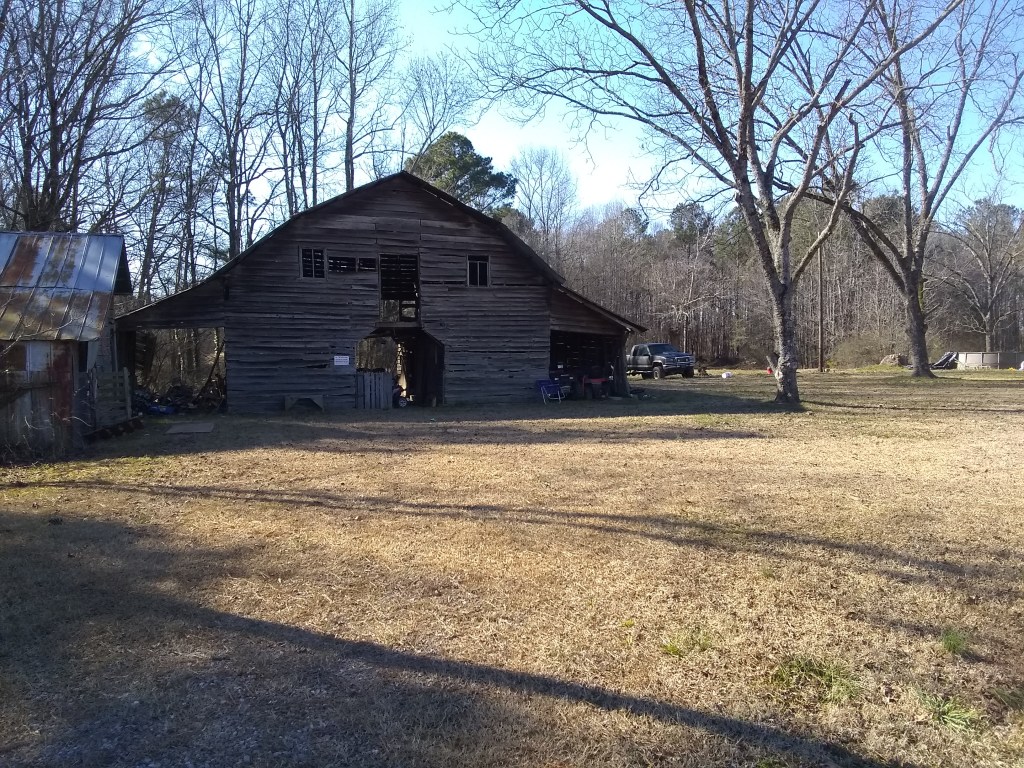
As the soft light of dawn filters through the Pencil Pit, my rustic haven of contemplation, my thoughts are still cycling through yesterday’s experiences, both physical and intellectual. The tranquility here contrasts sharply with the whirlwind of ideas and beliefs that I navigated while biking and listening to a thought-provoking podcast.

The debate that captured my attention was a classic one: does human life have intrinsic value, and where does meaning and purpose originate? The Christian guest’s insistence on an ultimate cosmic meaning as a prerequisite for individual purpose stood in stark contrast to the atheist philosopher’s view of a universe devoid of predetermined meaning. This dichotomy echoes my own journey of belief. For 60 years, I embraced the Christian narrative, firmly believing in a divine plan and purpose. Yet, the realization that I had never truly encountered this being led me to a profound shift in perspective.

This morning, I find myself wrestling with the Christian podcast guest’s question. How do we, as individuals, derive meaning and purpose in a universe that an atheist might see as ultimately purposeless? This conundrum is at the heart of my current struggle – reconciling the beliefs that shaped much of my life with my newfound understanding.

The frustration I feel when hearing Christians make unsupported claims is more than just a reaction to differing opinions; it is a reflection of my own journey from certainty to skepticism. It highlights the challenge of navigating a world where beliefs are often deeply entrenched and rarely questioned.

Yet, as I ponder these deep questions, I realize that my quest for truth is not about finding definitive right or wrong answers. It’s about the journey itself – the exploration of ideas, the questioning of long-held beliefs, and the openness to new perspectives. It’s about building a personal framework of meaning, one that doesn’t necessarily rely on an external, ultimate purpose but is rich and fulfilling in its own right.

In this way, my biking journey mirrors my intellectual one – both are about navigating complex paths, exploring new routes, and sometimes, facing challenging terrains. The podcast debate is not just a clash of viewpoints; it’s a reminder of the diverse ways humans grapple with the concept of meaning in life. It underscores the idea that meaning and purpose can be as varied and individual as the paths we choose to bike on.

So, who’s right and who’s wrong? Perhaps that’s not the question to ask. Instead, it might be more fruitful to embrace the diversity of thought, to acknowledge that the search for meaning is a deeply personal endeavor, and to respect the myriad ways people find purpose in their lives.

As I sit here in the Pencil Pit, surrounded by the serenity of my barn, I am reminded that life, much like a long bike ride, is about exploration, endurance, and the discovery of personal landscapes of belief and meaning. It’s about navigating the labyrinth of thought with an open mind and a willing heart.

Waking Up 12/02/23

"Waking Up" is about cultivating a mindful, intentional approach to each day. It’s an opportunity to pause, reflect, and connect with oneself before diving into the daily hustle. This blog post category hopefully encourages readers to consider their own morning practices and the profound impact these can have on their overall well-being and perspective on life. By the way, I usually us Sam Harris' Waking Up app during my early morning meditation.

Daily Meditation


Where Are You?

Notice how sensations, emotions, and thoughts arise in consciousness.


For more information, click here.

Written Wisdom–The Art of Journaling for Self-Discovery

Written Wisdom blog posts are dedicated to exploring the integral relationship between writing and thinking. They underscore the importance of writing as a tool for clarity, critical analysis, and uncovering obscured truths. Through various posts, I'll delve into how the act of writing – whether it be scribbling thoughts, sketching ideas, or drafting essays – can help in organizing thoughts, challenging biases, and encouraging a deeper level of inquiry and understanding. These posts aim to inspire and guide high school students and other readers to embrace the power of the written word in their journey towards intellectual independence and clarity.

The Art of Journaling for Self-Discovery

In the tapestry of human experience, self-reflection stands as a powerful thread that binds the past with the present and the subconscious with the conscious. The art of journaling, an age-old practice, serves as a catalyst for this reflective process, acting as a mirror that reveals the layers of one’s own psyche. It is in the quiet moments of writing that we often encounter our true selves, the parts untouched by the external world’s clamor. This essay explores how the simple, yet profound, act of maintaining a personal journal aids in self-discovery, emotional processing, and gaining insights into one’s thoughts and behaviors.

The journey of journaling begins with the stroke of a pencil or the click of keys, where thoughts are given the space to unfold and breathe. The act of writing without censorship invites authenticity, allowing individuals to confront their genuine feelings and thoughts. This uninhibited expression is crucial for self-discovery. It is often in the solitude of journaling that one can listen to the inner voice that is frequently drowned out by life’s incessant noise. Journal entries become a sanctuary for the mind, a place where one can grapple with ideas, question beliefs, and ponder over decisions without the fear of judgment.

For high school students, who stand on the precipice of adulthood, journaling can be a formidable tool for navigating the complex web of emotions and experiences that come with this transitional period. It can serve as a reliable confidant, a safe space where the chaos of teenage life can be distilled into clarity and understanding. When emotions are high and the path ahead seems obscured, journaling provides a way to process feelings, often leading to a state of emotional equilibrium.

Furthermore, the act of journaling encourages a critical analysis of one’s own behaviors and patterns. By routinely writing down thoughts and events, individuals create a record that can be revisited, offering invaluable insights into their habits and reactions. Over time, patterns emerge, providing a clearer picture of one’s personality and inclinations. It is through this understanding that one can initiate change, redirecting the course of their actions to align with their aspirations and values.

Moreover, journaling uncovers obscured truths. It is a practice that can challenge biases and preconceived notions. By putting thoughts to paper, individuals are forced to articulate vague ideas, which often leads to a deeper level of inquiry. This introspective process can unearth underlying motivations and prejudices, paving the way for personal growth and a broader perspective.

In conclusion, the art of journaling is a venerable companion on the quest for self-knowledge. It is a practice that transcends age and time, offering a path to clarity and emotional understanding. For high school students and lifelong learners alike, journaling is more than a mere record of events; it is a dialogue with the self, a steady guide towards intellectual independence and the lucid waters of self-awareness. As we continue to explore the relationship between writing and thinking in our Written Wisdom series, let us embrace the transformative power of journaling, recognizing its role in shaping a thoughtful, introspective, and enlightened individual.

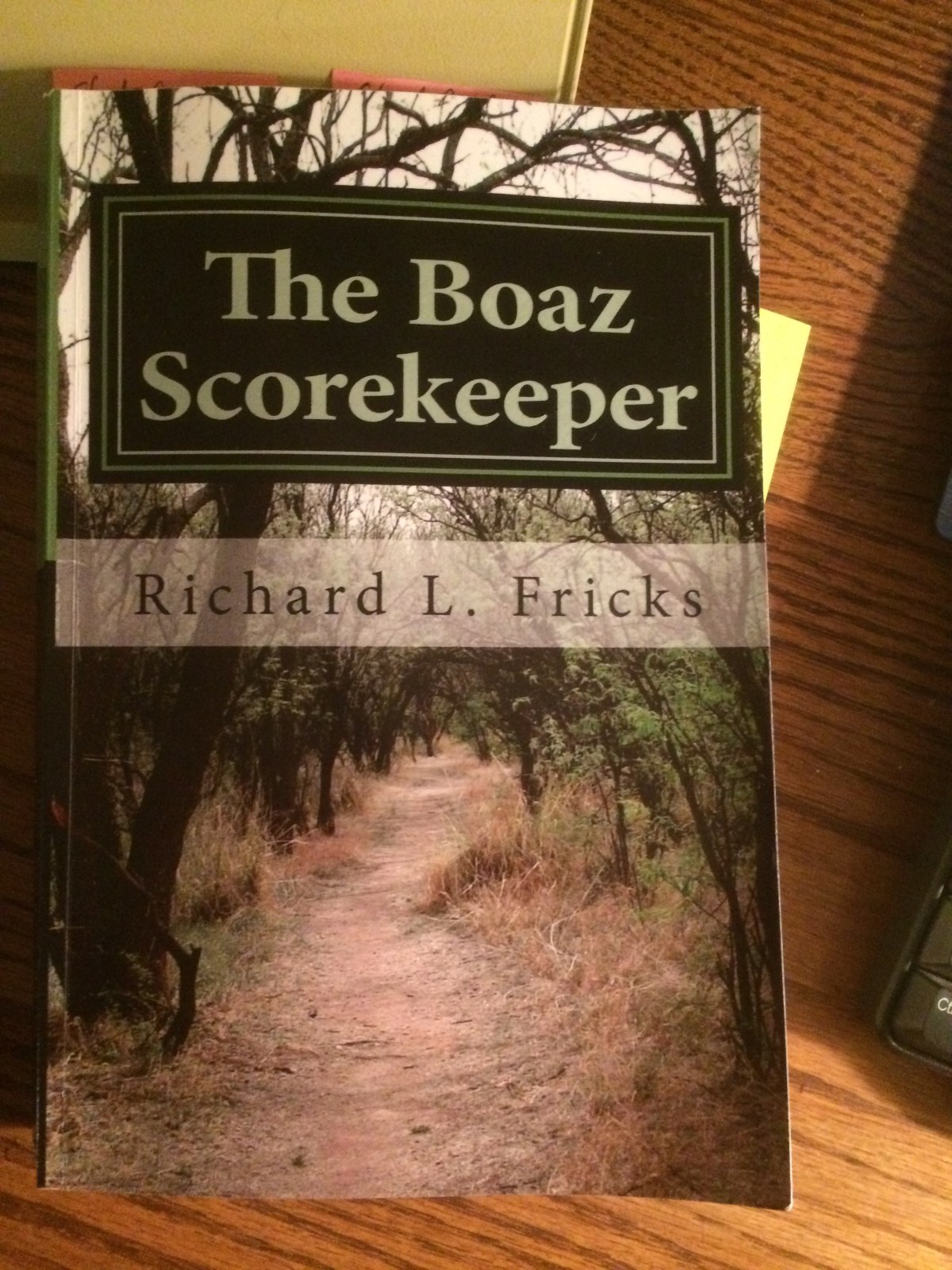
Novel Excerpts–The Boaz Scorekeeper, Chapter 48

The primary aim of the "Novel Excerpts" category is to showcase my creative writing, specifically from the novels I've written. Hopefully, these posts will provide a glimpse into my storytelling style, themes, and narrative skills. It's an opportunity to share my artistic expressions and the worlds I've created through my novels.
The Boaz Scorekeeper, written in 2017, is my second novel. I'll post it, a chapter a day, over the next few weeks.

For the past several days I had toiled with the question whether to ‘go public’ with the John Ericson story.  Two separate things determined my decision.

First, I didn’t like that Judith (and ultimately Franklin and the entire Ericson clan) had ignored the second commandment in my ransom letter.  They had wholly failed to publish a letter of apology through Pastor Walter at church.

The second thing that gave me the answer I sought was the foresight I had had when I purchased Oak Hollow.  Technically, Terry Lynn Gaines had purchased Carl and Betty Black’s property from their son and testator Andrew.  Mr. Gaines was the defendant in the first criminal case I ever worked.  It was during my days practicing law in Atlanta with the firm of Downs, Gambol & Stevens.  Gaines was charged with viciously murdering an openly gay man in Loganville, Georgia in 1980.  Because of great lawyering by my boss Greg Gambol, a 35-year criminal defense attorney veteran, the jury acquitted Gaines.  This, despite his confession, “I was obedient to God when I killed Victor Semmes.”  The wise or lucky thing for Gaines was that he had only confessed to Greg and me in privacy under the cool shade of the attorney-client privilege umbrella. The jury never knew Terry had confessed to committing the horrible murder.

My desire that the Flaming Five receive justice had been a long-term project.  Certainly, when Andrew Black contacted me in 2013 asking whether I wanted to exercise my first right of refusal and purchase his parent’s 80 acres, I was at least subconsciously contemplating my future role. 

In 2010, at age 73, Georgia resident Terry Lynn Gaines was elected to the U.S. Senate.  Apparently, he had overcome the stigma of his criminally-accused past and gone on to win the respect of most Republican voters in Georgia.  I attempted to contact Terry with the intentions of respectively, but strongly, suggesting he purchase Oak Hollow in his name.  At first, he wouldn’t accept my call.  Then, I told his assistant that Terry and I go way back, all the way to Loganville and Criswell Park in 1980.  I guess this intrigued him.  Ultimately, Terry agreed to be my strawman, even paying for the purchase at closing, even though I did later secretly repay him the funds.  Our deal was simple.  I would not anonymously leak his Semmes confession and he would transfer ownership in Oak Hollow if I asked him to in the future.  I suspect Terry knew that it was unlikely that I would risk associating myself with such leakage for fear of losing my law license, but acting conservatively caused him to go along. 

I was thankful for my foresight.  Two days ago, I had anonymously mailed a letter to the Sand Mountain Reporter.  I felt I could safely publish the statement the Ericson’s had failed to publish.  I did this knowing that likely at some point law enforcement would eventually turn their attention to me.  I could not hope that every sharp detective would ignore or never discover my motivation for killing every member of the Flaming Five.  But, I was convinced investigators would not find I was, in all practical purposes, the real owner of Oak Hollow.  I was confident they would eventually search Hickory Hollow but never realize how close they were to locating relevant and highly prejudicial evidence.

On Saturday May 27, 2017, the Sand Mountain Reporter reluctantly published my letter.  I had followed my standard procedure in drafting, printing, and mailing this anonymous declaration.  The Reporter made no changes to my writing:

“On Monday night May 15, 2017 John Ericson of Boaz was abducted as he exited the First Baptist Church of Christ Faith and Family Life Center on Sparks Avenue in Boaz.  His family was contacted a few days later and asked to draft and have publicly read a formal apology for John’s rape and murder of Wendi and Cindi Murray in 1972.  The formal statement was to have been read by Pastor Walter Tillman at First Baptist Church of Christ on Sunday, May 21, 2017.  John’s family refused to comply with this request.

At a graduation party on the night of May 25, 1972, John Ericson, along with the other four members of a basketball team known as ‘The Flaming Five,’ repeatedly raped these two sweet and innocent young girls from Douglas, Alabama.  Later that night, early on the morning of May 26th, the Flaming Five murdered these two girls and buried their bodies in a hidden grave that was only discovered in 1997.  The fathers of the Flaming Five were also culpable in one murder, the burying of both bodies, and the ultimate long-term cover-up. 

These ten men framed a young man named Micaden Lewis Tanner.  He was jailed, indicted, and tried for the murders of Wendi and Cindi Murray.  In 1973, a jury refused to convict him.  Miraculously, 24 years later, Mr. Tanner as an attorney, along with his law partner Matt Bearden, represented Bill and Nellie Murray, the parents of Wendi and Cindi, in a wrongful death lawsuit against the Flaming Five and their fathers.  On the morning of Monday, November 2, 1998, the day the trial was to begin, Bill and Nellie Murray were found dead in their bed at their home because of cyanide poisoning.  The lawsuit died alongside the Murrays.  The deaths of Bill and Nellie Murray, along with the rape and murder of Wendi and Cindi Murray, are officially unsolved.

Unofficially, justice has been served upon John Ericson. He has forever disappeared.  But, the mighty wheels of justice do not rest.  There are nine others laying in the wake of this coming ship; nine more are sure to suffer a similar fate.  These nine are Franklin Ericson, Wade and Walter Tillman, James and David Adams, Randall and Raymond Radford, and Fred and Fritz Billingsley.”

By Sunday afternoon, after church and an hour on Facebook, I knew that Boaz, Alabama was fully aware of the severe accusations and clear threats that had been leveled against nine living members of this North Alabama community.  I felt comfortable also that these nine people were experiencing terror like they had never known.

I sat out on my balcony all afternoon.  The clouds were gray and it was cool, nearly cold, Blackberry winter of a sort was passing through even though old timers had said it had occurred nearly a month ago.  I couldn’t help but ponder how fragile civilization truly is.

I was a murderer and everyone thought I was a good citizen, a valuable member of society.  I was educated, a professional, a faithful church and Rotary Club member, and a consistent contributor to multiple hunger and homeless organizations.  Yet, I was a murderer.  As far as I knew no one except me knew the real me.  Of course, I was justified.  I suppose just like Undral Collins believed about himself.

I represented Mr. Collins from 2002 to 2004.  His was a Madison County capital murder case.  Collins was charged with four murders, two men and two women.  He was ultimately convicted and sentenced to death.  He remains on Alabama’s death row.  From his case and others, along with general observations in my own life, I have learned that it often doesn’t take much to provoke someone, provoke them to action.  Most times the action isn’t serious, most time it certainly never rises to the level of bodily harm or murder. 

As criminal defendants often do, they tell their lawyers things they would never tell anyone else.  They have this uncanny knowledge or belief that being open, even spilling the whole can of beans, is therapeutic, even contributory to a courtroom acquittal.  Whether they are truly telling the truth gets muddled up a lot of the time.  Nevertheless, Collins loved to talk.

His first victim was a friend of his mother.  The friend had made an off-the-cuff statement one afternoon over lemonade on the front porch of his mother’s home.  The woman said it was nice of Undral to look after his mother but unfortunate he had dropped out of college.  The woman indicated that Undral was not smart enough to become a college graduate.  Evidence at trial showed Undral had broken into the woman’s house and waited for her to return from grocery shopping.  When she came in her back-door, Collins stabbed her repeatedly with a butcher knife he had taken from her kitchen.  He then set her house on fire and left.

Collins stalked his second victim and shot him from a distance with a high-powered hunting rifle.  Collins told me that this man was arrogant and a bigot.  Collins said that he had visited the man’s church where he was the pastor.  At some point in the sermon the man had said “Jesus was a man’s man, you wouldn’t see him wearing an earring.”  One statement, one seemingly minor provocation, and this preacher’s fate was sealed.

Collins abducted his third victim, a 16-year-old girl.  Her body was never found.  She was collateral damage.  Collins intended victim was the girl’s mother.  She was a teacher at a local community college where Collins had taken a basic math class.  He told me that the woman knew her material but often wandered into subjects she clearly didn’t understand.  Although Collins didn’t have a college degree, he was intelligent and well-read.  This teacher often made statements that reflected her belief in God and His powers.  One evening another student came to class late and shared that her niece was in the hospital.  The teacher said that she would say a prayer for the young girl that she would be healed.  Collins took affront to this because he didn’t believe in prayer and even if he did, how could one truly know if it did any good.

Collins shot and killed his final victim while he was playing golf.  The man was a banker and a former high school classmate of Collins.  He said that the man was “a polished diamond on the outside but a pile of shit beneath the surface.”  One-day Collins was mowing a yard in a well-to-do neighborhood when he saw the banker drive up next door.  He said, “The asshole banker was looking straight at me and would have had to recognize me.  If he didn’t remember me from high school he should have known me from being a customer at his bank.”  Collins said the banker barely acknowledged him even though the mower wasn’t even running at the time.  He was filling it with gasoline.  Evidence at trial showed Collins, two days after this incident, followed the banker to the local golf course and covertly went ahead to the ninth hole and waited.  As the banker completed his final putt Collins walked from behind a tree straight toward the man and made him look at him and call his name.  Collins then shot him in the face.

No doubt Undral Collins was not the only human who was easily provoked.  Surely everyone has heard of murders committed over things as insignificant as a pair of Air Jordan running shoes, and a young girl not being chosen as a cheerleader.  I suppose if the full body of evidence on this subject could be examined these two examples would appear to be BIG things.  

To most every reasonable person what had provoked Undral Collins wasn’t common.  And, it certainly didn’t justify him committing all these murders.  However, was I the only one in the world to believe I was justified in taking justice into my own hands and killing John?  If I was, then just like all the Christians who continue to believe in a literal Noah’s Ark, they haven’t looked at the evidence.

Even though I believed that I was fully justified in bashing in the head of John Ericson, I couldn’t quite get away from the feeling that I was no better than Undral Collins.

12/01/23 Biking & Listening

Here’s today’s bike ride metrics. Temperature at beginning of ride: 52 degrees. Cloudy and a slight drizzle. Wind calm.


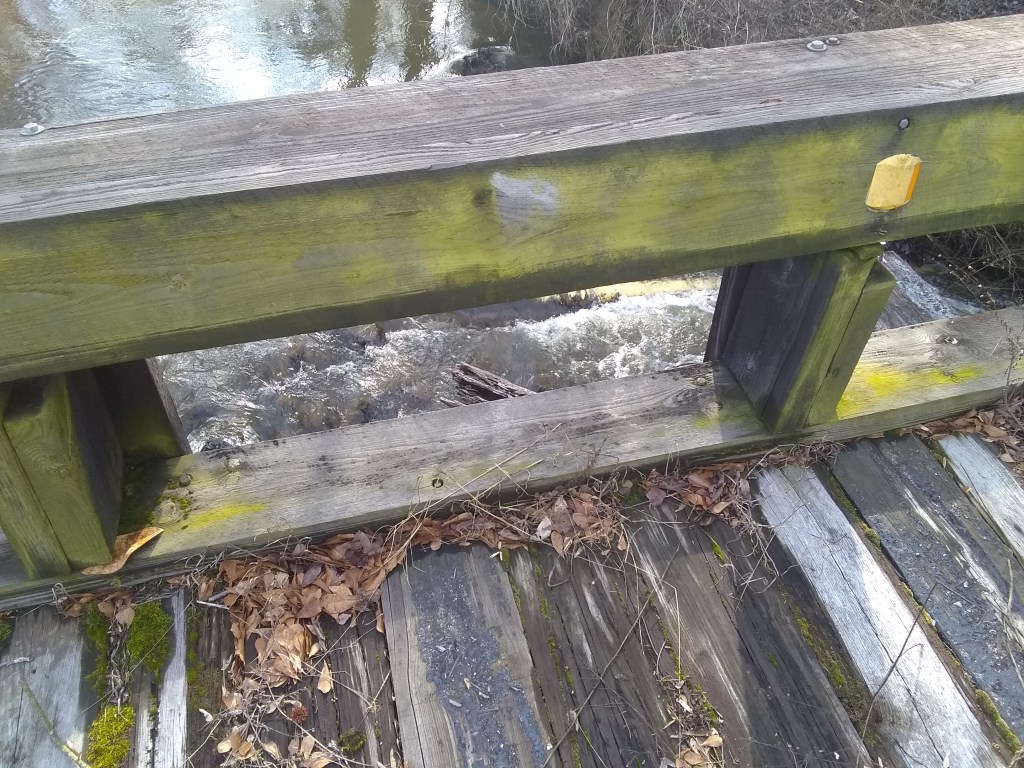
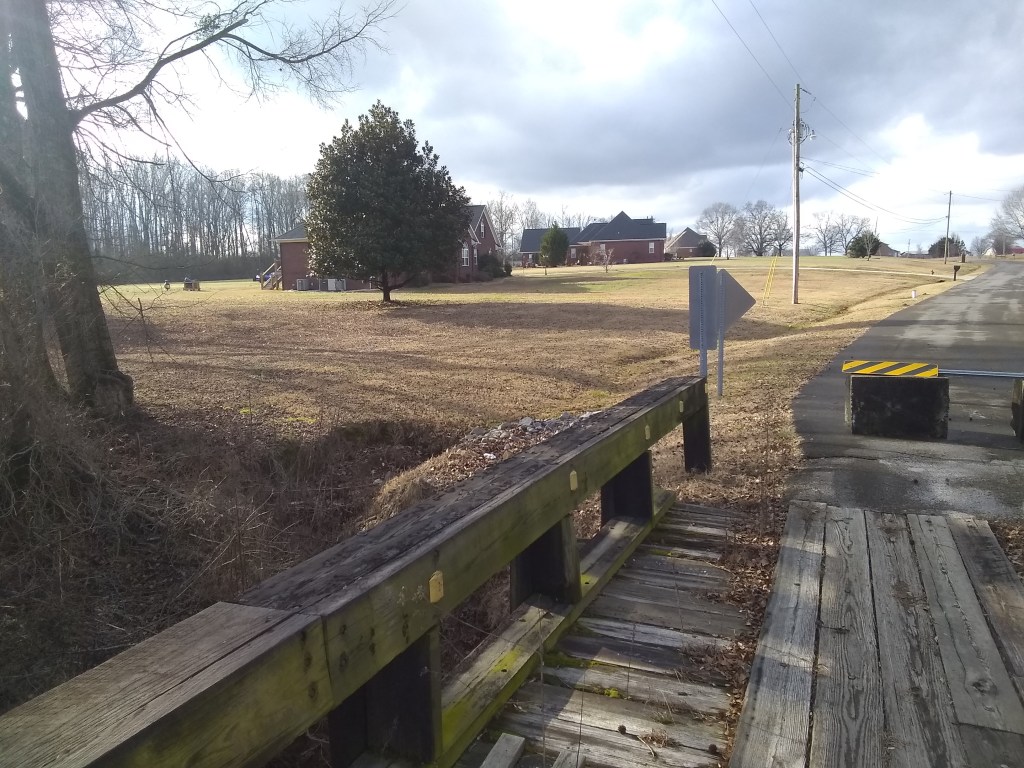
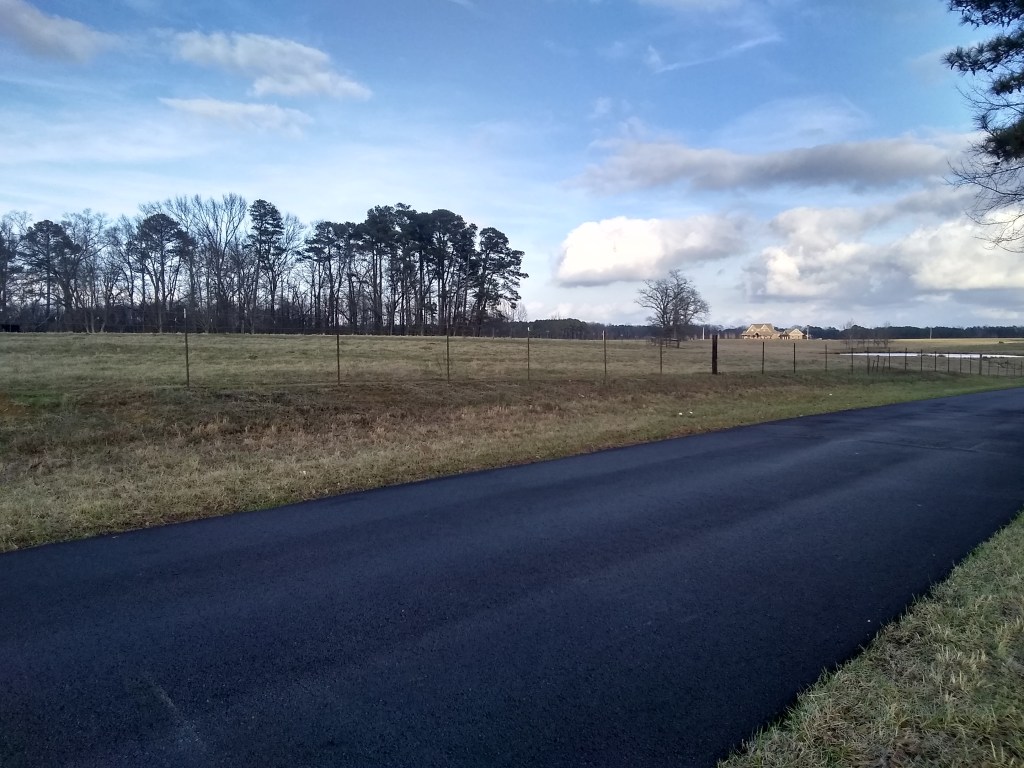
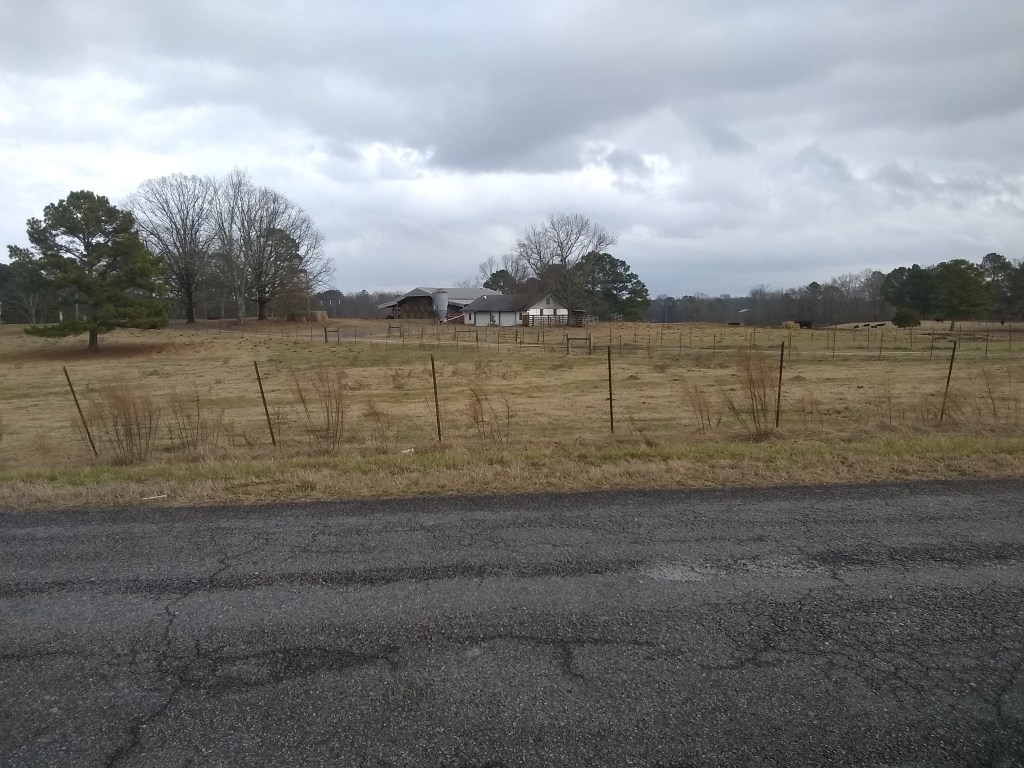
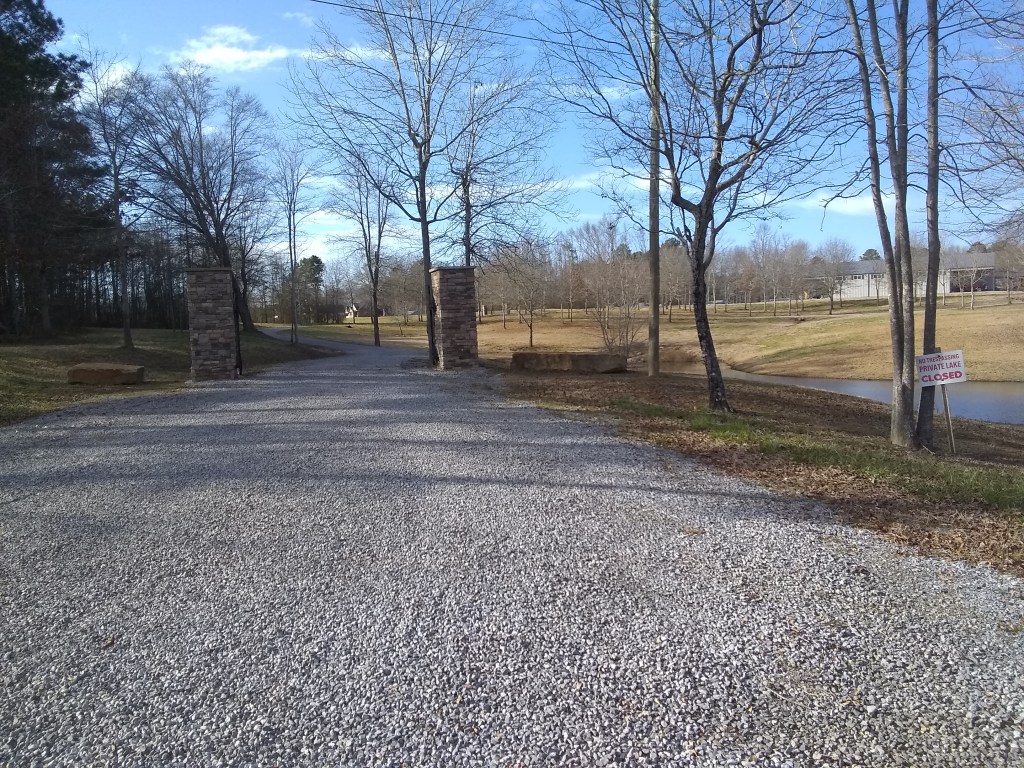
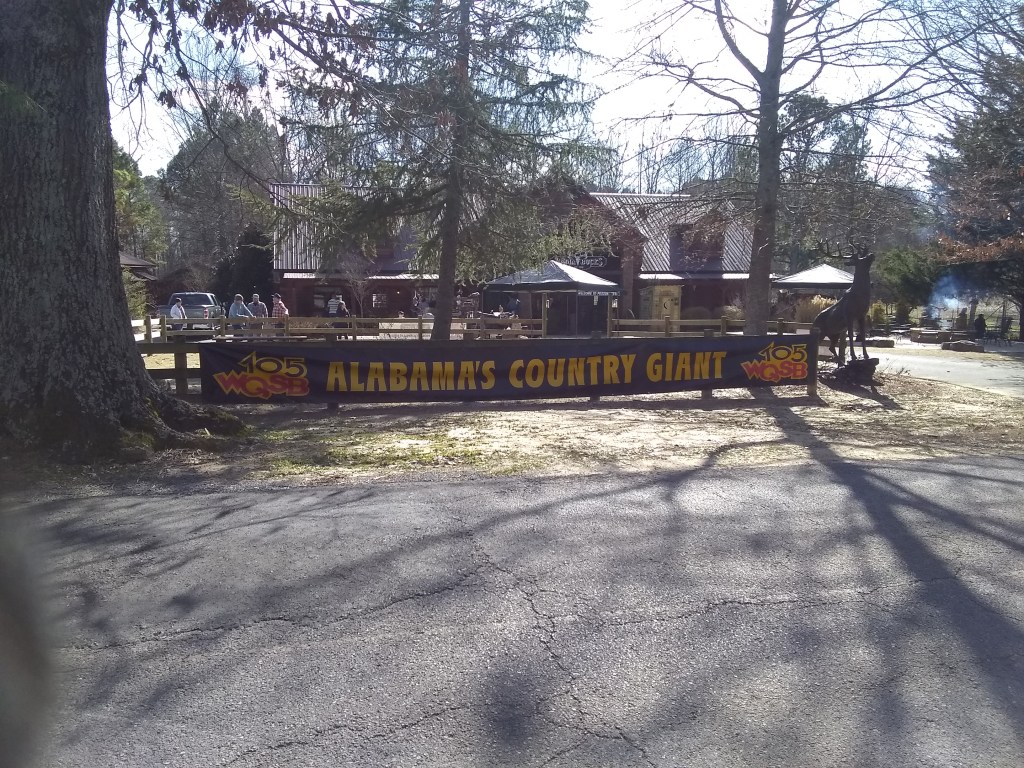
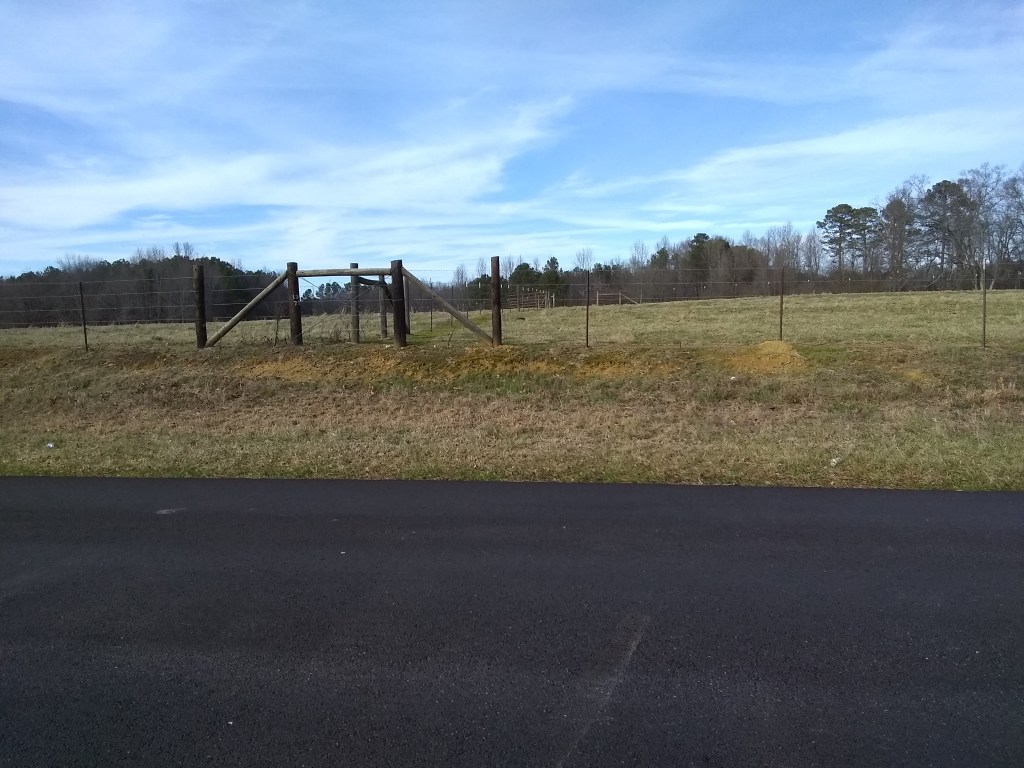
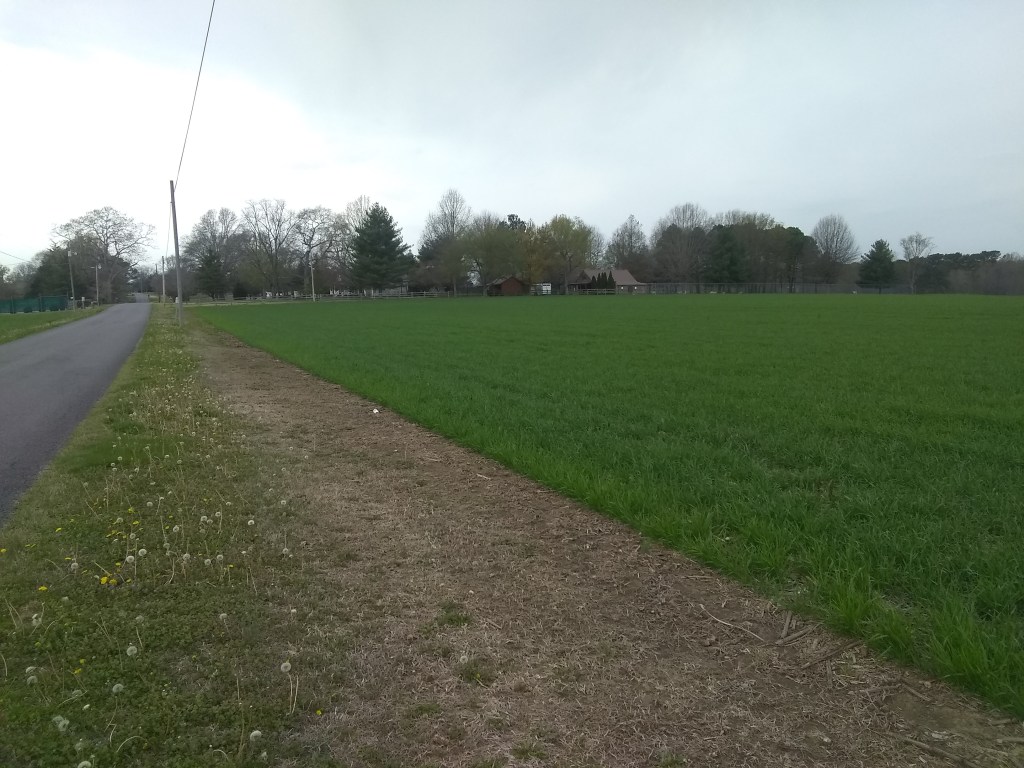
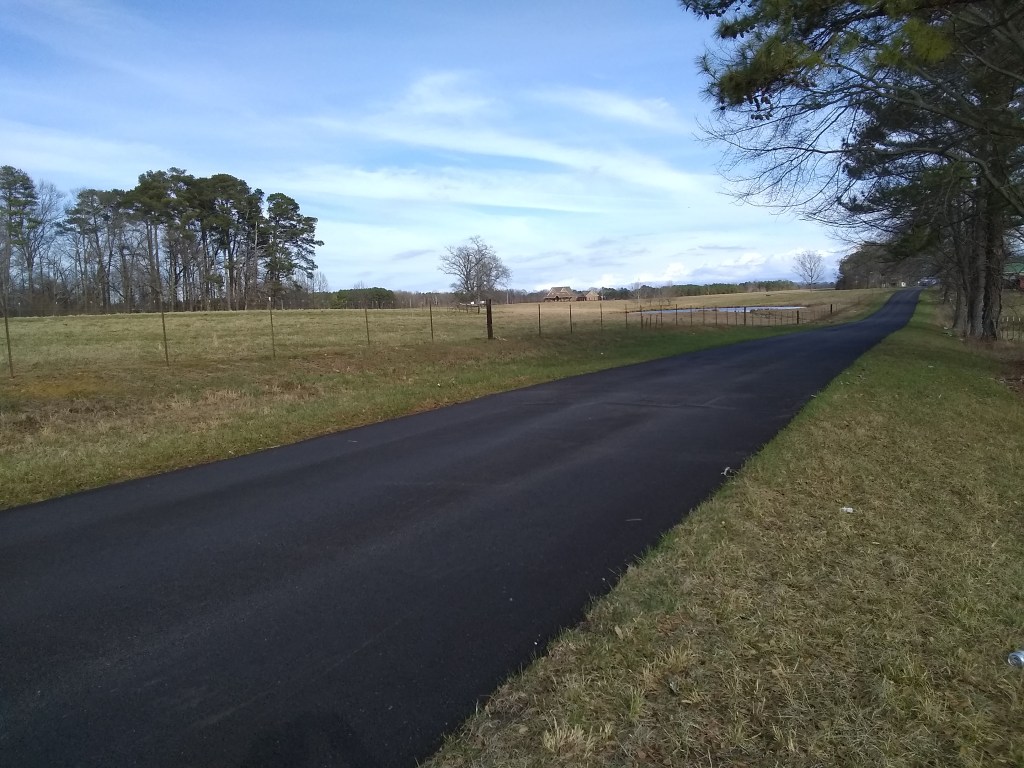
Photos from today’s ride:

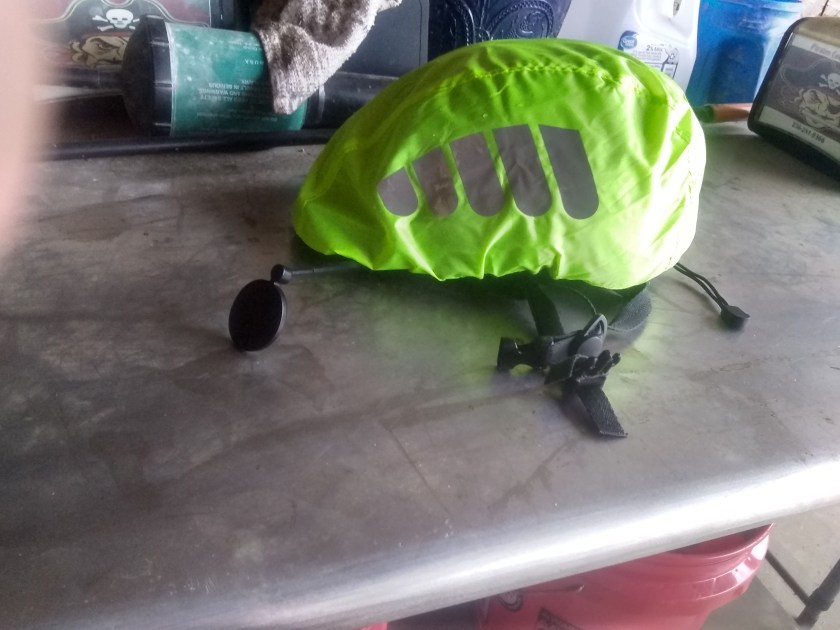
New helmet cover.

Why I ride:

Biking is something I both love and hate. The conflicting emotions arise from the undeniable physical effort it demands. However, this exertion is precisely what makes it an excellent form of exercise. Most days, I dedicate over an hour to my cycling routine, and in doing so, I’ve discovered a unique opportunity to enjoy a good book or podcast. The rhythmic pedaling and the wind against my face create a calming backdrop that allows me to fully immerse myself in the content. In these moments, the time spent on the bike seems worthwhile, as I can’t help but appreciate the mental and physical rewards it offers.

I especially like having ridden. The post-biking feeling is one of pure satisfaction. The endorphin rush, coupled with a sense of accomplishment, makes the initial struggle and fatigue worthwhile. As I dismount and catch my breath, I relish the sensation of having conquered the challenge, both physically and mentally. It’s a reminder that the things we sometimes love to hate can often be the ones that bring us the most fulfillment. In the end, the love-hate relationship with biking only deepens my appreciation for the sport, as it continually pushes me to overcome my own limitations and embrace the rewards that follow the effort.


Why you should ride:

Improves Sleep Quality:

Cycling can have a significant positive impact on sleep quality. Here’s how this activity helps in enhancing the quality of rest:

  • Physical Exhaustion Leads to Better Sleep: Regular cycling, especially when done at a moderate to high intensity, can lead to physical tiredness, which can help you fall asleep faster and enjoy a deeper sleep. Physical activity, like cycling, uses energy and promotes the need for restorative sleep.
  • Reduces Stress and Anxiety: Cycling’s ability to reduce stress and anxiety can have a direct impact on sleep quality. High stress and anxiety levels are known to disrupt sleep patterns. By alleviating these issues, cycling can facilitate a more relaxed state conducive to good sleep.
  • Balances Circadian Rhythms: Exposure to natural light during outdoor cycling helps regulate the body’s circadian rhythms (the internal body clock that controls sleep-wake cycles). Regular exposure to daylight, particularly in the morning, can help normalize sleep patterns.
  • Reduces Sleep Apnea and Insomnia: Regular physical activities like cycling can reduce symptoms of sleep disorders such as sleep apnea and insomnia. By improving cardiovascular health and reducing weight, cycling can lead to more regular breathing patterns and a reduction in sleep disturbances.
  • Increases Deep Sleep: Exercise such as cycling increases the time spent in deep sleep, the most physically restorative sleep phase. Deep sleep helps to bolster the immune system, supports cardiac health, and controls stress and anxiety.
  • Regulates Body Temperature: Post-exercise drop in body temperature can help to facilitate sleep. After cycling, as the body’s temperature gradually lowers, it can signal the body that it’s time to sleep.
  • Improves Mental Health: Given cycling’s benefits for mental health, including the reduction of symptoms of depression and anxiety, it can indirectly contribute to better sleep. Good mental health is a key component in achieving quality sleep.
  • Lifestyle Regulation: Regular cyclists often adopt healthier lifestyles, including better diet and sleep routines. A healthier overall lifestyle contributes to improved sleep quality.
  • Relieves Chronic Pain: For individuals suffering from chronic pain, cycling’s role in pain reduction can lead to improved sleep. Pain is a common cause of disrupted sleep, and by alleviating pain, cycling can contribute to more restful nights.
  • Enhances Relaxation: Cycling, particularly at a moderate intensity, can be quite relaxing. This relaxation effect can extend into the evening, helping to prepare the body and mind for sleep.
  • Boosts Sleep-promoting Hormones: Physical activity like cycling can increase the production of sleep-promoting hormones like melatonin, especially when done in natural light. Melatonin is a key hormone in regulating the sleep-wake cycle.

In conclusion, cycling can be an effective way to improve sleep quality through a combination of physical exertion, reduction in mental health symptoms, regulation of biological rhythms, and promotion of a healthier lifestyle. Good quality sleep is essential for overall health and well-being, and cycling can play a crucial role in achieving this.


Please watch

Here’s a couple of links to groups I like. Hopefully, they’ll encourage you to start riding a bike, no matter your age.

Cycling for those aged 70+(opens in a new tab)


Solitary Cycling(opens in a new tab)


My bike:

A Rockhopper by Specialized. I purchased it November 2021 from Venture Out in Guntersville; Mike is top notch! So is the bike. The ‘old’ man seat was salvaged from an old Walmart bike. Seat replaced with new one from Venture Out.


What I’m listening to:

Novel:


Amazon abstract:

NATIONAL BESTSELLER • The Girl with the Dragon Tattoo series continues: Lisbeth Salander must face the most important battle of her life, and will finally put her past to rest in this thriller that will “leave Salander’s legion of followers clamoring for more” (The Wall Street Journal). • Also known as the Millennium series

Mikael Blomkvist is trying to reach Lisbeth Salander—the fierce, unstoppable girl with the dragon tattoo. He needs her help unraveling the identity of a man who died with Blomkvist’s phone number in his pocket—a man who does not exist in any official records and whose garbled last words hinted at knowledge that would be dangerous to important people. But Lisbeth has disappeared. She’s sold her apartment in Stockholm. She’s gone dark. She’s told no one where she is. And no one is aware that at long last she’s got her primal enemy, her twin sister, Camilla, squarely in her sights.

Look for the latest book in the Girl with the Dragon Tattoo series, The Girl in the Eagle’s Talons, coming soon!


Blinkist nonfiction book summaries:

Emotional Intelligence, by Daniel Goleman.

Podcasts:

Waking Up app series/courses:

None today.


Here’s a few photos from previous riding adventures:

Cognitive Clarity–Abortion travel bans: Coming soon to a red state near you?

"Cognitive Clarity" blog posts are about cultivating a culture of thoughtful and informed discourse. They encourage readers to think deeply, question boldly, and approach the world with an open yet discerning mind.

Here’s the link to this article.

Avatar photoby ADAM LEE NOV 27, 2023

A tattered American flag behind a barbed-wire fence | Abortion travel bans: Coming soon to a red state near you?
Credit: Pixabay

Overview:

Despite one stinging defeat after another, religious conservatives keep trying to outlaw abortion—now, by making it illegal to travel out of red states to places where it’s legal.

Reading Time: 6 MINUTES

Abortion is a losing issue for Republicans.

The evidence is beyond a reasonable doubt. In election after election, they’ve been slapped down.

Kansas voted down an abortion ban. Gov. Glenn Youngkin’s support for a “reasonable” 15-week ban cost him the Virginia legislature. Gov. Andy Beshear won reelection in Kentucky with a devastating ad about how his opponent would have forced a pre-teen girl raped by her stepfather to give birth. The people of Ohio passed a constitutional amendment protecting abortion rights, infuriating the state’s Republican legislators (who’ve already announced they intend to try to nullify the will of their own voters—more on this soon, no doubt).

Are they giving up? No.

Despite these blistering rebukes from voters, Republican politicians refuse to relent. They’re preparing an even more draconian set of laws to strip reproductive freedom away from the American people.

The right to travel

So far, America’s federalist structure has kept the full weight of abortion bans from crashing down on women. While red states seized on their chance to outlaw or heavily restrict abortion, most blue states have protected and expanded abortion rights. People in red states who need an abortion can travel to the nearest safe haven (assuming, of course, that they have the money, the resources and the time). In fact, U.S. abortion rates have increased since the Dobbs decision.

Religious conservatives in red states are disgruntled by this, and they’re trying to stop it. They can’t control what blue states do—but they want to make it illegal to travel out of state to get an abortion, and prosecute those who help women do this.

For example, in Alabama:

Alabama’s Republican attorney general said in a court filing that he has the right to prosecute people who make travel arrangements for pregnant women to have out-of-state abortions.

In a court filing Monday, attorneys for Attorney General Steve Marshall wrote that providing transportation for women in Alabama to leave the state to get an abortion could amount to a “criminal conspiracy.”“Alabama attorney general says he has right to prosecute people who facilitate travel for out-of-state abortions.” Andy Rose, CNN, 31 August 2023.

And in Texas:

Commissioners in Lubbock County, Texas, on Monday voted to outlaw the act of transporting another person along their roads for an abortion, part of a strategy by conservative activists to further restrict abortion since the U.S. Supreme Court overturned Roe v. Wade.

The move makes Lubbock the biggest jurisdiction yet to pass such a restriction on abortion-related transportation since the June 2022 end of Roe, which had granted a nationwide right to abortion. Six cities and counties in Texas have passed the bans, out of nine that have considered them.

A few hours north, the Amarillo City Council on Tuesday will weigh its own law, which could lead to a future council or city-wide vote.

Lubbock and Amarillo are both traversed by major highways that connect Texas, which has one of the country’s most stringent abortion laws, to neighboring New Mexico, where abortion is legal.“Fight over Texas anti-abortion transport bans reaches biggest battlegrounds yet.” Julia Harte, Reuters, 24 October 2023.

In Missouri, too, an anti-abortion travel ban has been proposed by state lawmakers. Idaho has made it a crime—”abortion trafficking”—to take a minor out of state for an abortion.

The logic, such as it is, of these religious conservatives is that abortion is illegal in their states, and even if the act itself occurs where it’s legal, traveling out of state constitutes the crime of “conspiracy to obtain an abortion”. Thus, they believe they can criminally prosecute both women who get an abortion and anyone who helps them travel to do so.

States’ rights

If these anti-abortion travel bans are allowed to stand by the courts, the result will be national chaos. It would be a backdoor for each state to enforce its policy preferences on all the others.

What if a red state decided to outlaw gambling, and sought to arrest people who go on a weekend trip to Las Vegas? Could Utah, a famously dry state, ban alcohol and prosecute people who crossed state lines to go to a bar, for “conspiring” to obtain booze? Could enthusiastic book-banning states like Texas make it illegal to read books on their blacklists, even in a library in another state?

It works the other way, too. What about anti-gun blue states? Could California, New York or Illinois outlaw firearms and make it illegal to travel on state roads to go to an out-of-state shooting range?

Historically informed readers will notice a parallel. Southern apologists claim the U.S. Civil War was fought to protect “states’ rights”, but in fact, the opposite is true. The slaveholding states wanted to enforce their beliefs on all states, whatever the people in those other states thought about it.

They tried to achieve this with laws such as the Fugitive Slave Act of 1850, which decreed that an enslaved person who escaped and made it to a free state didn’t become free. On the contrary, it (attempted to) require people in free states to help capture the runaways and return them to slavery.

These laws stirred up massive outrage from people in the North, who resented being told that they had to enforce an oppressive legal regime they didn’t vote for or agree with. It was one of the major sources of enmity that led into the Civil War.

How would you enforce a travel ban?

For all the yelling they do about freedom, anti-abortion conservatives are eagerly starting down a short path to dictatorship. To prevent women from traveling out of state for an abortion would require a truly dystopian apparatus of surveillance and control.

Every red state would have to become a mini-Gilead, with checkpoints at every airport, harbor and interstate road. They’d have to hire an army of brownshirts to detain and interrogate women about where they were going and why (or, in the most nightmarish scenario, forcibly administer pregnancy tests), and force them to go home if their answers weren’t convincing enough.

Anyone who could get pregnant would be under perpetual house arrest. They’d be unable to set foot on any public sidewalk or road without a pass from a husband or an employer. No airline or taxi or bus company would be willing to transport them, for fear of prosecution. It would be a theocratic prison state like Saudi Arabia or the Taliban.

The good news—such as it is—is that it doesn’t seem Republicans have any plans to do this. At least for the time being, that would be too intrusive and extreme even for them to swallow.

Instead, it’s more likely that travel bans will be used as a tool of fear and arbitrary enforcement. They’ll make examples of a few cases that come to their attention, mostly poor and minority women turned in by jealous ex-partners or controlling relatives, while the rich and the well-connected get off lightly.

There’s historical precedent for that. It’s exactly how the nineteenth-century Comstock Act was enforced:

The Comstock Act had sweeping potential when it passed in 1873, able to be interpreted to cover information, drugs, and devices related to abortion or contraception, as well as anything else deemed obscene. But in the 19th and early 20th centuries, law-enforcement officers and postal inspectors didn’t have access to the reams of digital data available today. Catching those who published newsletters or put information on the outside of an envelope was easy; most people sending abortion or contraception materials quickly learned to use sealed envelopes. And to open an envelope, investigators needed a warrant.

But anti-vice crusaders found two ways around this problem. First, they tapped into a network of tipsters and detectives—people who deceived potential abortion providers, pretending to be patients or their loved ones to gather evidence for potential prosecutions. Anthony Comstock, a former dry-goods salesman and anti-vice activist who lobbied for the law named after him (and who became a special agent for the U.S. Postal Service in enforcing the act), perfected the art of decoy letters and disguises, looking for evidence that could be turned over to postal inspectors or police.

Second, they relied on personal vendettas and animosities: angry ex-lovers, controlling husbands, business rivals, and others who used the law for their own ends. Countless people weaponized the law in their own personal conflicts. Victorians who sent “vinegar valentines,” cards that insulted or humiliated their targets, were turned in for Comstock violations. So were men who harassed women, a flirting couple who arranged potential rendezvous, and wives who wrote angry letters to their husbands’ mistresses.“Harsh Anti-abortion Laws Are Not Empty Threats.” Mary Ziegler, The Atlantic, 10 November 2023.

Of course, this is bad enough. And if Republicans were able to achieve that much, we can be sure it wouldn’t stop there. Contrary to the soothing lies of politicians like Glenn Youngkin about compromise, every victory only emboldens them to demand more. The once-unthinkable has already become routine in America, and their fanaticism for more and harsher restrictions on women has only grown.

Morning Mental Meanderings–12/01/23

Cultivating the Mind’s Garden

As the first light of dawn gently spills into the Pencil Pit, my barn-cum-sanctuary, my thoughts meander through the activities of yesterday, finding parallels in the garden of the mind. Jon and I, in our continued effort in garden #2, undertook the task of laying cardboard at the bottom of our newly built wooden garden bed. This simple act, meant to suppress weeds and grass, has sown seeds of reflection in my mind about learning and mental growth.

The act of ‘cardboarding’ our garden bed is, in essence, an exercise in creating a controlled environment for growth. It mirrors the way we prepare our minds when embarking on the journey of learning something new. For instance, when I decide to deepen my understanding of evolution, I am setting a boundary, a frame that says, “Here, within these confines, I shall cultivate my knowledge.”

But what, then, is the cardboard at the bottom of this mental garden bed? In my view, it represents the foundational beliefs and principles that underpin my understanding of a subject. It’s a barrier of sorts, yes, but not one that restricts; rather, it protects. This mental cardboard ensures that the seeds of knowledge I plant are not choked by the weeds of misinformation or the invasive grass of irrelevant facts. It’s a selective filter, allowing only that which nourishes and supports my growth in understanding.

This analogy extends further. Just as in a physical garden, where the quality of soil, sunlight, and water dictates the health of the plants, in the garden of the mind, the quality of information, sources, and context determines the robustness of our knowledge. In both scenarios, regular maintenance is key – weeding out falsehoods, pruning outdated information, and fertilizing with new, enriching insights.

However, there’s a notable dissimilarity. While a garden has physical boundaries, the mind’s garden is boundless. Its cardboard base is permeable, allowing new ideas and perspectives to percolate through, challenging and enriching the existing bed of knowledge. This fluidity is what makes mental cultivation both challenging and exhilarating.

As I sit here, pencil in hand, pondering these connections, I realize the immense power and responsibility we hold as learners and thinkers. Our minds, like gardens, are ours to tend. We must be vigilant gardeners, discerning in what we allow to take root, yet open to the natural evolution that comes with new learning and experiences.

Today, as I continue both in the garden and in my intellectual pursuits, I carry with me this analogy – a reminder of the careful, yet open-minded approach required in cultivating not just plants, but ideas, beliefs, and knowledge. It’s a reaffirmation that the mind, much like a garden, flourishes best with both structure and openness, discipline and curiosity.

Waking Up 12/01/23

"Waking Up" is about cultivating a mindful, intentional approach to each day. It’s an opportunity to pause, reflect, and connect with oneself before diving into the daily hustle. This blog post category hopefully encourages readers to consider their own morning practices and the profound impact these can have on their overall well-being and perspective on life. By the way, I usually us Sam Harris' Waking Up app during my early morning meditation.

Daily Meditation


The Art of Doing Nothing

Discover why real mindfulness is effortless.


For more information, click here.