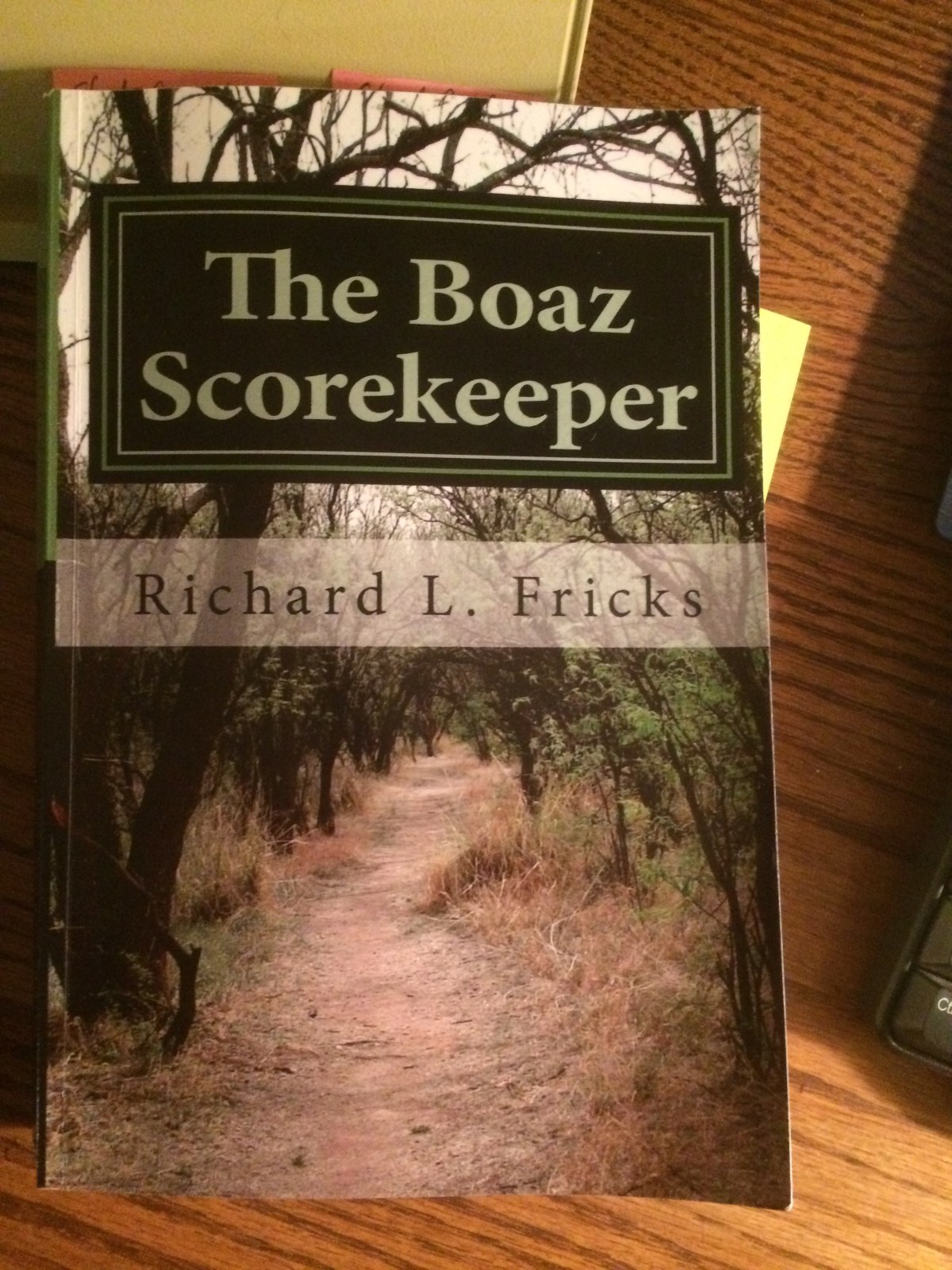
The Boaz Scorekeeper, written in 2017, is my second novel. I'll post it, a chapter a day, over the next few weeks.
Late Wednesday night, the 17th, before going to bed, I logged onto Facebook and reviewed John’s Page. An hour earlier a post had been made to his Newsfeed. It included a photo of Franklin Ericson and Judith standing on the front porch of a small brick house. There was a woman standing inside the house propping open the front door. One could speculate that Franklin was handing the woman something. A check? The title of the post was, ‘always supporting John’s generosity.’ There was one comment to the post. It was by Jesse Rickles and said, “thanks to the Ericson’s for their timely and generous contribution to my family’s needs.”
I assumed Franklin and Judith had concocted some crazy story and showed up with a check. I would never know the amount of the check but that wasn’t the point. It appeared they were attempting to fulfill the three ransom-note requirements.
Karla and I went to church on Sunday, the 21st. Lewis was in town so Kaden was with him. I never saw Walter nor did Wade or anyone else read an Ericson apology letter. This wasn’t much of a surprise.
I spent most of Monday in the Cleburne County District Court in one of the longest preliminary hearings of my career. It was a capital case, where wealthy-parents had hired me to represent their only son. He was charged with killing his girlfriend and her ten-year-old son. It was rare for me to be hired in a capital murder case. Ninety-nine percent of the time these defendants cannot afford retained counsel. In fact, these individuals were usually indigent and were appointed legal counsel by the Court with such representation paid for by the State of Alabama.
Tuesday morning, the 23rd, I arrived at the office before 7:00 a.m. and logged onto the Fidelity Bank’s Online Banking website. A few weeks prior to abducting John I had created Edward Simmons. Looking back, it hadn’t been that difficult to create a whole new identity. I had been in Dallas, Texas at a criminal defense legal conference and sat by a woman (Katherine, not her real name) from Toronto, Canada. She had recently moved there from Albuquerque, New Mexico. Over the course of the three-day seminar we talked about our law practices, families, and generally about our lives.
Her husband Carter (not his real name) was also an attorney who had been paralyzed from the waist down a few years ago in a hunting accident. Carter no longer practiced law but accompanied Katherine when she went out of town. The night before the conference ended I had dinner with Katherine and Carter at the hotel’s restaurant. While eating, Carter appeared to get choked. Katherine apologized and said this was routine. She excused herself and Carter and wheeled him to the bathroom. When they left, I noticed he had left a small bag on the table. In it was his wallet which contained his U.S. Social Security Card, his Driver’s License, and a Toronto photo ID card. There were also several credit and insurance cards in the wallet. Carter’s passport was in the bag. After my inspection, I returned the bag to where Carter had left it. He and Katherine returned a few minutes later and we finished an enjoyable meal without another incident.
The next afternoon’s session ended early and as we walked out into the hallway of the large conference room, Katherine asked me to do her a favor. I agreed unconditionally. She said that Carter had been down, even depressed, the past several days and that she could tell that last night’s dinner and conversation had really improved his spirit. Katherine asked if I would come to their room and visit a few minutes with Carter while she finished packing and before they took a taxi to the airport.
I told her I would be glad to and walked with her to their room. I sat and chatted with Carter for fifteen minutes or so. When Katherine had all their bags packed and setting by the door, she went to the rest room and Carter wheeled himself out into the hall. By then the hotel concierge arrived and started loading their bags. Katherine came out of the bathroom and we walked with Carter down the hall to the elevators. I walked with them outside the hotel and waited with them as the concierge loaded their bags. I helped get Carter into the cab, shook his hand, and hugged Katherine. She asked me to stay in touch and I promised I would. Just as she was about to close her door she said, “oh, stupid me. I forgot to turn in my hotel key. Micaden, do you mind?” I took her key and the cab drove off.
For a reason I will probably never know, I went back up to the seventh floor and went inside their room. If I believed in miracles or even less supernatural interventions into our natural world, I would say it was God who directed my actions. Inside their room was Carter’s bag sitting on a small round table in the corner of the bedroom next to the door leading out onto the balcony. I took the bag knowing they were already gone and that it would be unlikely for me to find them if I raced to the airport. I decided to call them but realized I didn’t have a phone number for either one of them.
Ultimately, I kept the bag with Carter’s identity. I guess you know by now that Carter’s real name was Edward Simmons.
I entered Edward’s username and password and clicked on the ‘Accounts’ link. I almost fell out of my chair when I saw the account balance was $2,000,000. I had never been more surprised. Or unprepared. I realized then that I had not given very much thought to what I would do if the Ericson’s paid a ransom of any amount. But now wasn’t a good time to start planning how to benefit the now-extinct Murray family. Tina walked in and asked me if I had seen today’s edition of The Sand Mountain Reporter.
Here’s today’s bike ride metrics. Temperature at beginning of ride: 50 degrees. Brilliant sun with beautiful blue sky, but a little windy.
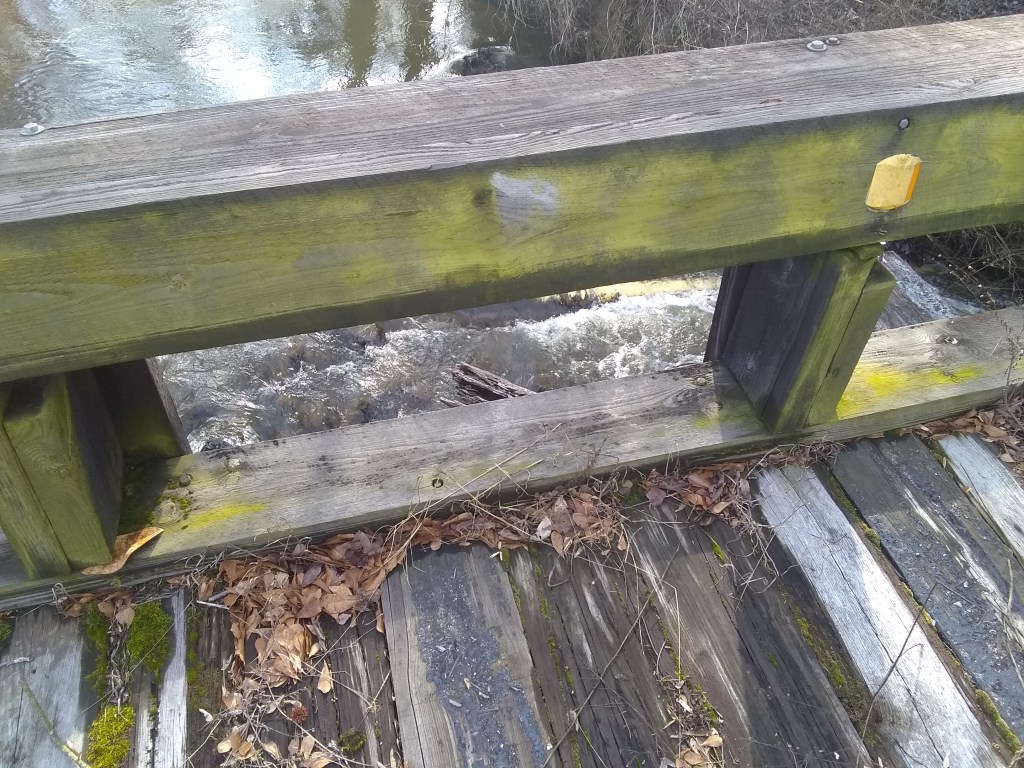
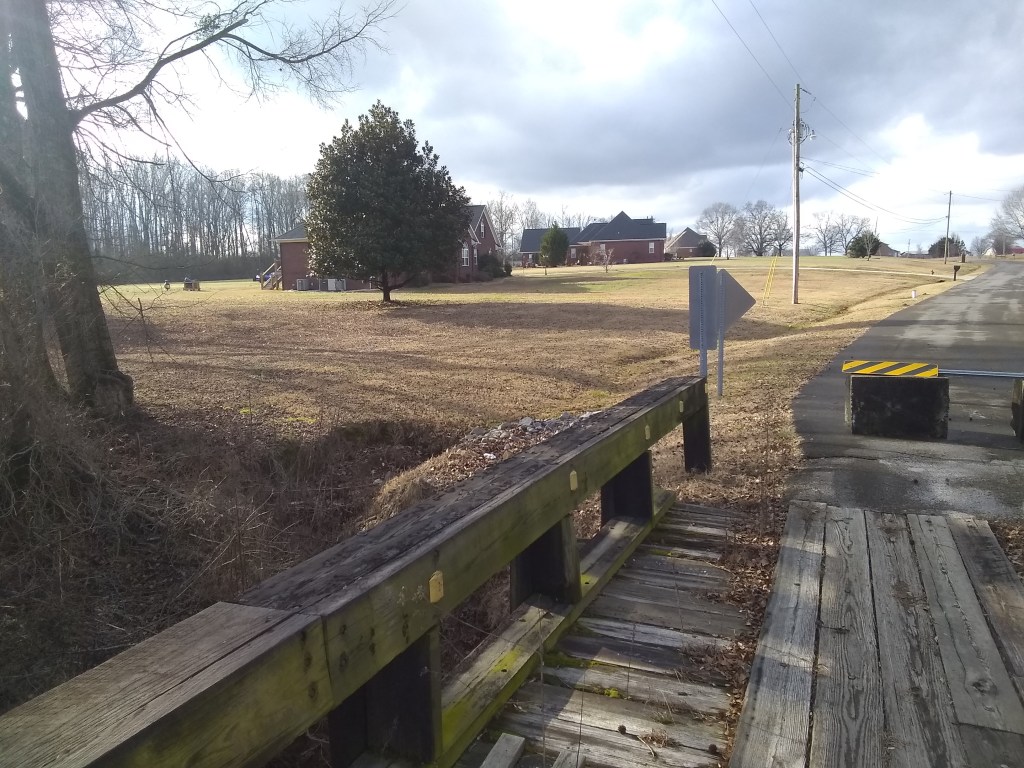
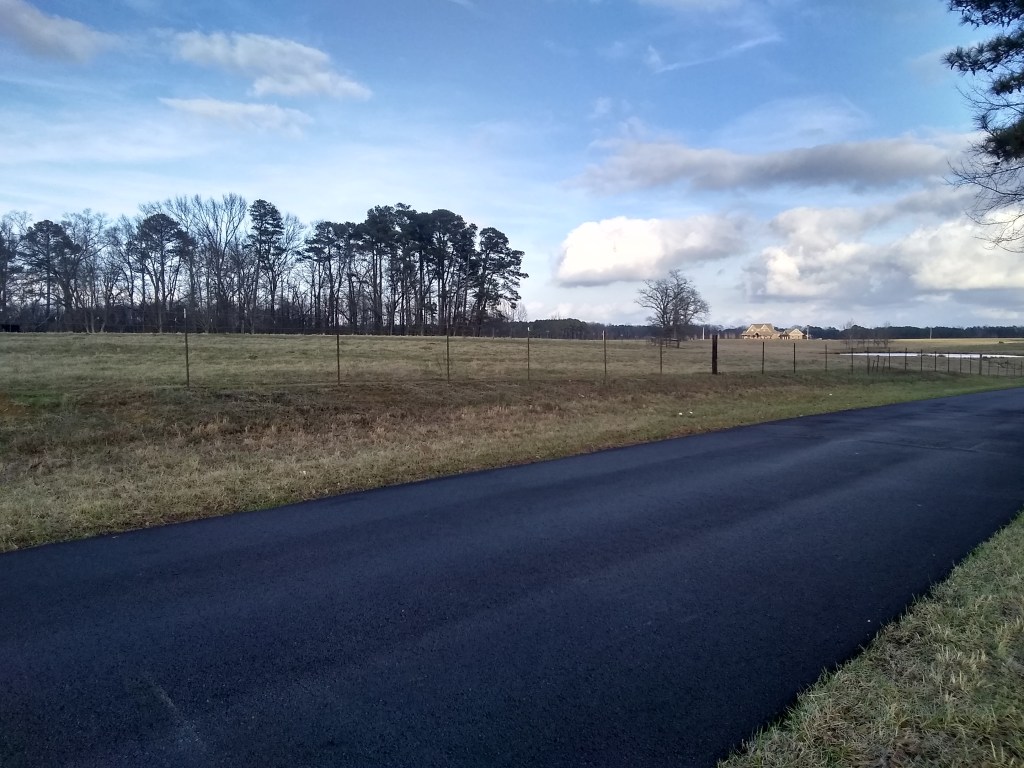
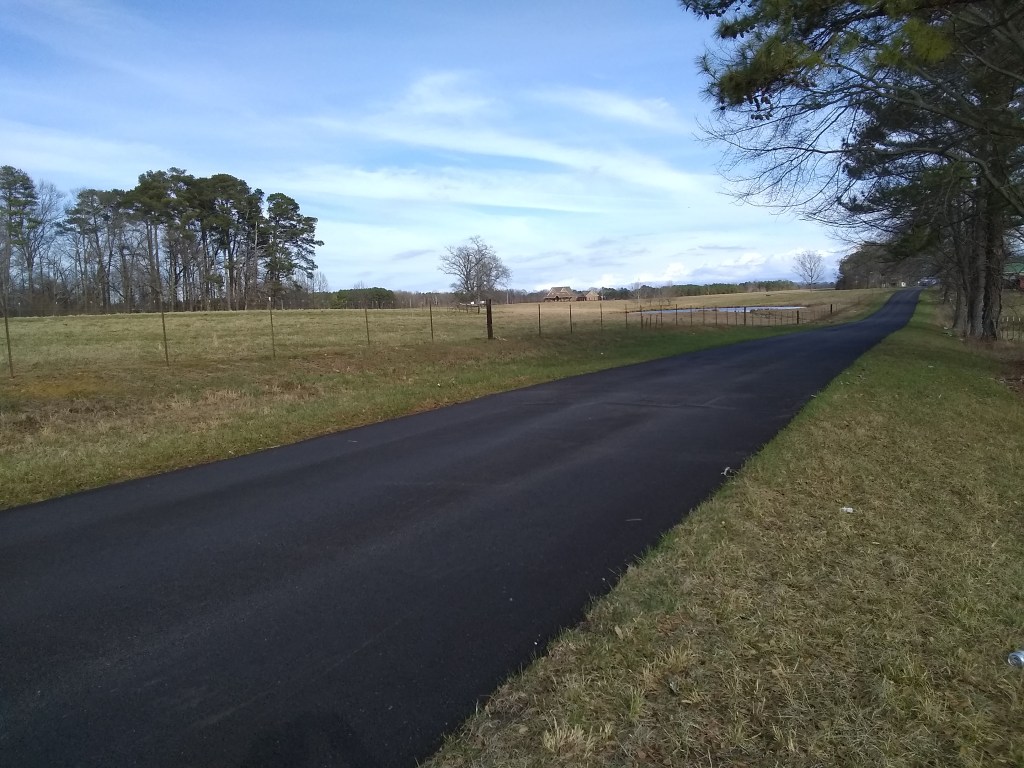
Photos from today’s ride:
None today.
Why I ride:
Biking is something I both love and hate. The conflicting emotions arise from the undeniable physical effort it demands. However, this exertion is precisely what makes it an excellent form of exercise. Most days, I dedicate over an hour to my cycling routine, and in doing so, I’ve discovered a unique opportunity to enjoy a good book or podcast. The rhythmic pedaling and the wind against my face create a calming backdrop that allows me to fully immerse myself in the content. In these moments, the time spent on the bike seems worthwhile, as I can’t help but appreciate the mental and physical rewards it offers.
I especially like having ridden. The post-biking feeling is one of pure satisfaction. The endorphin rush, coupled with a sense of accomplishment, makes the initial struggle and fatigue worthwhile. As I dismount and catch my breath, I relish the sensation of having conquered the challenge, both physically and mentally. It’s a reminder that the things we sometimes love to hate can often be the ones that bring us the most fulfillment. In the end, the love-hate relationship with biking only deepens my appreciation for the sport, as it continually pushes me to overcome my own limitations and embrace the rewards that follow the effort.
Why you should ride:
Helps Control Depression Symptoms:
Cycling can be a beneficial activity for individuals dealing with depression, providing both physical and psychological benefits that can help alleviate symptoms. Here’s a deeper look into how cycling helps in controlling depression symptoms:
Endorphin Release: Similar to its role in reducing anxiety, cycling leads to the release of endorphins, the body’s natural mood elevators. These biochemicals are known for their role in pain relief and can induce a feeling of well-being, helping to mitigate depressive symptoms.
Increased Dopamine and Serotonin: Regular cycling boosts the levels of neurotransmitters like dopamine and serotonin, which are often deficient in people with depression. These neurotransmitters play a crucial role in regulating mood, and their increased levels can lead to improved mood states.
Physical Health Benefits: Improved physical health through regular cycling can positively affect mental health. Physical activity helps in regulating sleep patterns, reducing weight, and improving overall bodily function, all of which can have positive effects on mood and help ease depression symptoms.
Reduced Inflammation: Regular exercise, including cycling, can reduce bodily inflammation, which has been linked to depression. By reducing inflammation, cycling can play a role in alleviating depressive symptoms.
Stress Reduction: Cycling is effective in lowering the body’s stress hormones, such as cortisol, which can be elevated in individuals with depression. By reducing stress, cycling can help in creating a more balanced mental state.
Cognitive Function Enhancement: Exercise, including cycling, has been shown to improve cognitive function, which can be impaired in depression. Improved cognition can lead to better coping strategies and decision-making, which can help in managing depression.
Social Interaction and Support: Group cycling or participating in cycling clubs can offer social support, which is crucial for those dealing with depression. The feeling of belonging and the social interaction involved can provide emotional support and a sense of community.
Increased Self-Esteem and Mastery: Setting and achieving cycling goals, whether it’s increasing distance, improving speed, or mastering a new route, can boost self-esteem and provide a sense of accomplishment. These feelings can counteract some of the helplessness or low self-esteem associated with depression.
Mindfulness and Present Moment Awareness: The focus required in cycling promotes mindfulness and present moment awareness. This can help individuals with depression to break the cycle of negative, ruminative thought patterns that often accompany the condition.
Exposure to Sunlight and Nature: Cycling outdoors, particularly in natural settings, can provide exposure to sunlight, which helps in Vitamin D production and has mood-lifting effects. Natural environments have been shown to have therapeutic effects, reducing symptoms of depression.
Routine and Structure: Incorporating cycling into a daily or weekly routine can provide a sense of structure, which can be beneficial for people with depression. Regular routines are known to help create a sense of normalcy and purpose.
In summary, cycling addresses several aspects of depression, from the biochemical to the psychological and social. While it is not a substitute for professional treatment, it can be a valuable complementary activity for those managing depression. Regular cycling can offer a natural and effective way to help control symptoms and improve overall mental health.
Please watch
Here’s a couple of links to groups I like. Hopefully, they’ll encourage you to start riding a bike, no matter your age.
A Rockhopper by Specialized. I purchased it November 2021 from Venture Out in Guntersville; Mike is top notch! So is the bike. The ‘old’ man seat was salvaged from an old Walmart bike. Seat replaced with new one from Venture Out.
What I’m listening to:
Novel:
Amazon abstract:
NATIONAL BESTSELLER • The Girl with the Dragon Tattoo series continues: Lisbeth Salander must face the most important battle of her life, and will finally put her past to rest in this thriller that will “leave Salander’s legion of followers clamoring for more” (The Wall Street Journal). • Also known as the Millennium series
Mikael Blomkvist is trying to reach Lisbeth Salander—the fierce, unstoppable girl with the dragon tattoo. He needs her help unraveling the identity of a man who died with Blomkvist’s phone number in his pocket—a man who does not exist in any official records and whose garbled last words hinted at knowledge that would be dangerous to important people. But Lisbeth has disappeared. She’s sold her apartment in Stockholm. She’s gone dark. She’s told no one where she is. And no one is aware that at long last she’s got her primal enemy, her twin sister, Camilla, squarely in her sights.
Look for the latest book in the Girl with the Dragon Tattoo series, The Girl in the Eagle’s Talons, coming soon!
"Cognitive Clarity" blog posts are about cultivating a culture of thoughtful and informed discourse. They encourage readers to think deeply, question boldly, and approach the world with an open yet discerning mind.
In 2011 I did a series of posts called “Reality Check: What Must Be the Case if Christianity is True?” I put some of them in the third chapter in The End of Christianity, and the first chapter in God and Horrendous Suffering.
Below I’ve put together thirty of them that most Christians agree on and why they are all improbable:
1) There must be a God who is a simple being yet made up of three inexplicable persons existing forever outside of time without a beginning, who therefore never learned anything new, never took a risk, never made a decision, never disagreed within the Godhead, and never had a prior moment to freely choose his own nature.
2) There must be a personal non-embodied omnipresent God who created the physical universe ex-nihilo in the first moment of time who will subsequently forever experience a sequence of events in time.3) There must exist a perfectly good, omnipotent God, who created a perfectly good universe out of a desire/need to glorify himself by rewarding in heaven the few human beings who just got lucky to believe by being born at the right time and place, and who will condemn to hell those who do not believe.
4) That the highest created being, known as Satan or the Devil, led an angelic rebellion against an omnipotent omniscient omnibenelovent omnipresent God, and expected to win–which makes Satan out to be pure evil and dumber than a box of rocks.
5) That there was a first human pair (Adam & Eve) who so grievously sinned against God when tested that all of the rest of us are being punished for it (including animals), even though no one but the first human pair deserved to be punished. If it’s argued that all of us deserve to be punished because we all would have sinned, then the test was a sham. For only if some of us would not have sinned can the test be considered a fair one. But if some of us would not have sinned under the same initial conditions then there are people who are being punished for something they never would have done.
6) That although there are many other similar mythological stories told in Ancient Near Eastern Literature that pre-date what we read in the Bible, the stories in the Bible are about real events and real people.
7) That although we see completely different perspectives and evolving theologies in the Bible, including many things that are barbaric and superstitious to the core, it was authored by one divine mind.
8) That when it comes to verifiable matters of historical fact (like the Exodus, the extent of the reign of David, Luke’s reported world-wide census, etc) the Biblical stories are disconfirmed by evidence to the contrary as fairy tales, but when it comes to supernatural claims of miracles that cannot be verified like a virgin birth and resurrection from the grave, the Bible reports true historical facts.
9) That although a great number of miracles were claimed to have happened in the different superstitious cultures of the ancient world, only the ones in the Bible actually happened as claimed.
10) That an omniscient God could not foresee that his revealed will in the Bible would lead believers to commit such atrocities against others that reasonable people would conclude there is no divine mind behind the Bible. I call this The Problem of Miscommunication.
11) That God created human beings with rational minds that require evidence before they accept something, and yet this same God does not provide enough evidence but asks them to have faith instead.
12) That although people around the world are raised in different cultures to believe in their particular god(s) there is only one God and he will judge all people based upon whether or not they believe Jesus is Lord.
13) That Jesus fulfilled Old Testament prophecy even though there is not one passage in the Old Testament that is specifically fulfilled in his life, death, and resurrection that can legitimately be understood as a prophecy and singularly points to Jesus as the Messiah using today’s historical-grammatical hermeneutical method.
14) That although there were many false virgin birth claims about famous people (like Julius Caesar, Alexander the Great, Plato) mythical heroes (like Mithra, Hercules) and savior gods (like Krishna, Osiris, Dionysus) in the ancient world, Jesus was really born of a virgin.
15) That while there is no rational explanation for how a person can be 100% man and 100% God, and although ancient pagan superstitious people believed this can take place (Acts 14:11-12; 28:6), Jesus was incarnate God in the flesh.
16) That while the results of science are assured when it comes to chemistry, physics, meteorology, mechanics, forensic science, medical science, rocket science, computer science, and so forth, when it comes to evolutionary science that shows all present life forms have common ancestors, or when science tells us that dead bodies do not arise from the grave because total cell necrosis is irreversible, the results of science are wrong because the Bible says otherwise.
17) That although there is no rational explanation for why Jesus had to die on the cross to atone for our sins, his death atoned for our sins.
18) That although historical reconstructions of the past are are notoriously difficult because they depend on the poor evidence of history, and even though historians must assess that evidence by assuming a natural explanation for it, and even though historical evidence can never establish how to view that evidence, the Christian faith can be established historically anyway. My argument is that when it comes to miraculous claims, yesterday’s evidence no longer can hold water for me, for in order to see it as evidence, I must already believe in the framework that allows me to see it as evidence. In other words, in order to see yesterday’s evidence as evidence for me, I must already believe the Christian framework that allows me to see yesterday’s evidence as evidence for Christianity.
19) That although there is no cogent theodicy that can explain why there is such ubiquitous and massive human and animal suffering if a perfectly good omnipotent God exists, God is perfectly good and omnipotent anyway.
20) That while scientific tests on petitionary prayers have produced at best negligible results and at worst completely falsified them, God answers these kinds of prayers anyway.
21) That even though Christianity shows evidence that it is nothing but a cultural by-product of human invention there is a divine mind behind it anyway.
22) That Jesus is the Son of God even though the textual evidence in the New Testament conclusively shows that the founder of the Jesus cult was a failed apocalyptic prophet who prophesied that the eschaton would take place in his generation, which would involve a total cosmic catastrophe after which God inaugurates a literal kingdom on earth with the “Son of Man” reigning from Jerusalem over the nations.
23) That although there can be no moral justification for the sufferings of animals in this created world, a perfectly good God created this world anyway. We don’t even see God’s care for the lower animals in his supposed revealed word, which is described in Psalm 119 as his “perfect will.” Think otherwise? Then read what I wrote here.
24) That although the only method we have for determining the truth in factual matters is methodological naturalism, which assumes a natural explanation for any phenomena, and although this method is the hallmark of the sciences, the phenomena of the Bible can be exempted from this method as applied through Biblical Criticism, and believed anyway.
25) That although God’s supposed revelation in the canonical Bible is indistinguishable from the musings of an ancient, barbaric, superstitious people, the Bible is the word of God. As SilverBullet recently said: “…the lord doesn’t work in mysterious ways, but in ways that are indistinguishable from his non-existence. It seems to me that there is nothing in the Christian scriptures, no sentence, paragraph, or idea, that couldn’t be anything more than the product of the humans alive at the time that the apparently divinely inspired scriptures and ideas were “revealed”. Sure, its possible for a god to reveal himself in an inspired book, and throughout history, in ways that are indistinguishable from the work of human minds and human minds alone. But how probable does that seem to you?”
26) That although it’s claimed God got the attention of Abraham, Moses, the Pharaoh, Gideon, Mary, Joseph, and Saul (who became Paul) and that he knows how to get the attention of anyone and everyone, there is no objective evidence he’s trying to get the attention of the billions of people who don’t believe. In fact, Christians are much more concerned than God is that non-believers are converted. Just compare the lengths to which Christians will go in order to convert non-believers, with a God who has the means to convert everyone and yet does nothing to help them do this. If you say God is helping to convert non-believers then tell us how to objectively know God is actually doing this.
27) Christianity is a faith that must dismiss the tragedy of death. It does not matter who dies, or how many, or what the circumstances are when people die. It could be the death of a mother whose baby depends upon her for milk. It could be a pandemic like cholera that decimated parts of the world in 1918, or the more than 23,000 children who die every single day from starvation. These deaths could be by suffocation, drowning, a drive-by shooting, or being burned to death. It doesn’t matter. God is good. Death doesn’t matter. People die all of the time. In order to justify God’s goodness Christianity minimizes the value of human life. It is a pro-death faith, plain and simple.
28) That God’s punishments are good, right, and just, even though it means sinners are thrust into a surprisingly dangerous world, and in death will be blindsided by an eternal punishment in hell, which is “Christianity’s most damnable doctrine.” In this world how do you think human beings first learned that venomous creatures like certain kinds of spiders, snakes, ants or scorpions could kill us? People/children had to die, lots of them. How do you think human beings first learned that polluted water or lead poisoning could kill us? Again, people/children had to die, lots of them. It was inevitable since God never told us what to avoid in order to stay alive. We had to learn these kinds of things firsthand. The same thing can be said for hell. People do not know their choices will send them to an eternal punishment in hell. For if we knew this, and if it was possible not to sin at all, we wouldn’t sin. Do you doubt this? Then consider that if you knew with certainty that by crossing a line drawn in the sand you would get beaten to a pulp by a biker gang, you would not do it!
29) When believers like Christians or Muslims contend their faiths are based on reason, one may simply object that this can’t be so because their god in fact doesn’t allow it. Using reason to arrive at any other belief than the correct one will earn you an eternity in hell. Thus, reason is an evil to be avoided….Blind, unquestioning, and unexamined belief is what the theist’s retributive god truly desires, not a belief grounded in reason. And yet they maintain Christianity is reasonable.
30) The Christian thinks there is an objective absolute morality that stems from their perfectly good God, which is both eternal and unchangeable. But the morality we find in the Bible is something quite different than what they claim. Morality has evolved. What we find in the Bible is not something we would expect from a perfectly good God, but Christians believe there is a perfectly good God anyway. So Christians must choose, either 1) hold to a philosopher’s god divorced from the historical realities of the Bible, or 2) continue to worship a moral monster.
As I sit in the Pencil Pit, the early light filtering through the barn, my mind weaves through the events of yesterday, each a thread in the complex fabric of endurance and perseverance.
In my morning pages, Project 55 took me on an imagined walk across the ‘back 40’, a journey interspersed with thoughts of my great-grandparents’ arduous trek to these very lands in the late 1900s. I visualized them, all six, journeying in a wagon to 80 acres of untamed wilderness, no house, no barn, just the wild embrace of nature. As I walked, pencil in hand, tracing the echoes of their footsteps, I tried to fathom their hardships, the enormity of starting from nothing but sheer will and hope.
Later, the theme of endurance continued as I accompanied my eldest son to Fort Payne for a new chapter in his truck-driving career. Watching him begin anew, with the unexpected delight of a new Peterbilt, filled me with a mix of pride and contemplation. Driving his pickup truck back, I pondered the challenges he faces – the long hours, the constant vigilance on the road, the solitude of the cab, the disjointed rest at noisy truck stops. His world, so different from mine, yet bound by a common thread of endurance and resilience.
Returning home, Jon and I resumed our work on the wooden garden bed in garden #2. The methodical process of cutting boards, driving stakes, and assembling the frame was a dance of patience and effort. Finishing it, ready to start the filling process, was a testament to our combined persistence. Yet, even this accomplishment seemed to pale in comparison to the pioneering hardships of my great-grandparents or the daily trials my son faces on the road.
This morning, as I ponder these three disparate yet interconnected experiences, I see a pattern emerging – the enduring human spirit. Each story, from my ancestors’ struggle to carve out a life, to my son’s journey in his trucking career, and our efforts in building the garden bed, speaks of the resilience required to face life’s challenges.
What do they share? A relentless pushing against life’s resistances, a determination to overcome, to build, to move forward. What’s dissimilar? The context and the scale, yet, fundamentally, the essence of struggle and triumph remains constant.
These reflections offer a lesson in appreciation and perspective. They remind me of the relative ease of my current endeavors compared to the trials of past generations or the challenges my son faces. They teach me gratitude for the progress made, for the paths paved by those who came before, and for the opportunities available to us today.
As I continue my day, these thoughts linger, shaping my approach to life’s challenges. They remind me to approach each task, no matter how mundane or arduous, with a sense of purpose and a recognition of the larger continuum of effort and resilience that defines not just my family’s history, but the human experience. It’s a reminder that our struggles, past and present, are not just obstacles but opportunities to forge strength, character, and a legacy of perseverance.
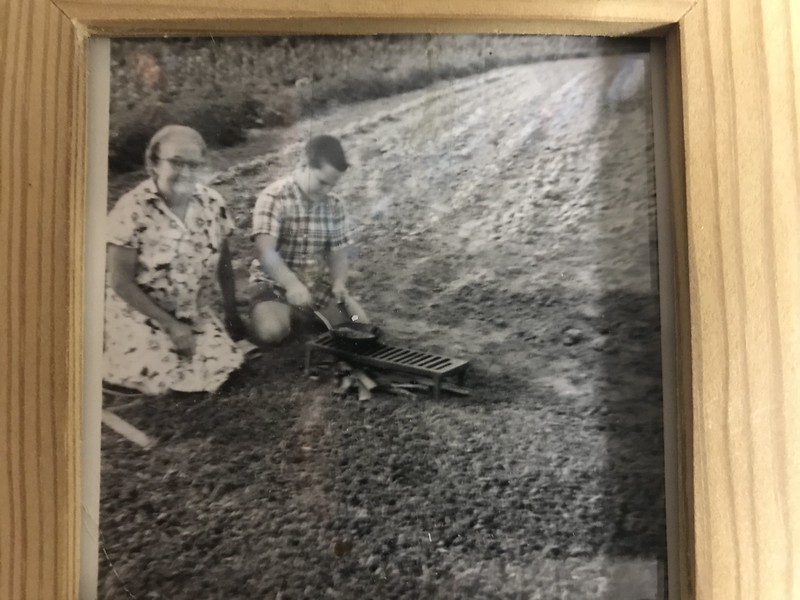
Welcome to 'Frozen Frames,' where each photo is a step back in time. Join me in rediscovering my history, one photograph at a time.
Me with Mama Parker, my maternal grandmother, a most wonderful woman, one kind and compassionate, who loved me unconditionally. She and my grandfather, Daddy John, lived next door all during my growing up years.
It seems I’ve always liked cooking over fire. Here, I still remember the sausage patties. And, the huge garden spot beyond.
As best I can tell, I’m around 10, summer of 1964, between end of 5th grade and beginning of 6th.
The Boaz Scorekeeper, written in 2017, is my second novel. I'll post it, a chapter a day, over the next few weeks.
After work, I drove straight to Oak Hollow and went inside the house. Since purchasing the Black’s property three years ago I had converted the house into an extension of my law office. I often came here to conduct legal research and draft briefs for my appeals cases. I also used one bedroom for my writing. A few years ago, I had started writing short stories. My ideas had mainly come from the criminal defendants I had represented.
Today, I changed clothes and sat at the kitchen table reviewing the mental plan I had prepared several weeks ago. I had named it ‘the Kill.’ I had long determined that no matter what John’s family did after receiving my ransom note, that John would die. That was the only true justice for what he had done. I never promised his family they would ever see him again.
Several months ago, I had rented a backhoe and brought it here to Oak Hollow. I had used it to dig five graves. They were at the back of the several acres the Black’s had cleared off, about 200 yards behind the barn. This clearing is also fenced in. I had bought five old horses and brought them here. Today, two old horses would die, with one of them being the human kind.
I walked outside and to the barn and found John laying on the floor on his back. I told him to roll over and to put his hands behind him. I unlocked the cell door and went in, cuffed his hands behind him and removed the shackle from his left hand. I had him stand up.
John kept saying that I was in more trouble than I could ever escape. I just let him talk while I led him outside and down to the back of the clearing. I took one of the horses by its halter. We walked behind John. I had him open the gate. The five graves were right beyond the fence. When John saw the five holes in the ground he fell to his knees and said, “Micaden, you don’t have to do this. It’s not too late. I will pay you whatever you want and will never mention this ever. Please, please don’t kill me.”
I walked the old mare over beside the first grave and injected her with 50 mg of Diazepam as a sedative. In less than five minutes she was laying down on her side. I then injected her with 120 ccs sodium pentobarbital. Within a couple more minutes, the old mare stopped breathing. I had John lay down on his stomach, face down.
The shovel I had chosen was heavy with a long handle. John kept trying to get up and I kept shoving him back down. The first blow missed his head completely, hitting his neck below his left ear. John rolled over screaming. “God help me, Tanner please stop.” The second blow was direct. It centered the back side of his head. He rolled on to his left side. I hit him again, this time across the face. Blood began pouring from his nose and mouth. It took five more blows before he died.
I removed the hand cuffs and pushed him into the first grave. I used the shovel to cover his body with three or four feet of dirt. I then used a come-a-long to pull the horse into the grave. It took me over an hour to shovel in enough dirt to fill the ten-foot hole.
I walked back to the barn and hung up John’s cuffs. After showering in the house, I drove home to Hickory Hollow. Karla had my favorite meal. Slow-cooked pintos and fried potatoes. We spent the rest of the evening playing checkers with four-year-old Kaden.
Here’s today’s bike ride metrics. Temperature at beginning of ride: 45 degrees. Brilliant sun with beautiful blue sky, but a little windy.
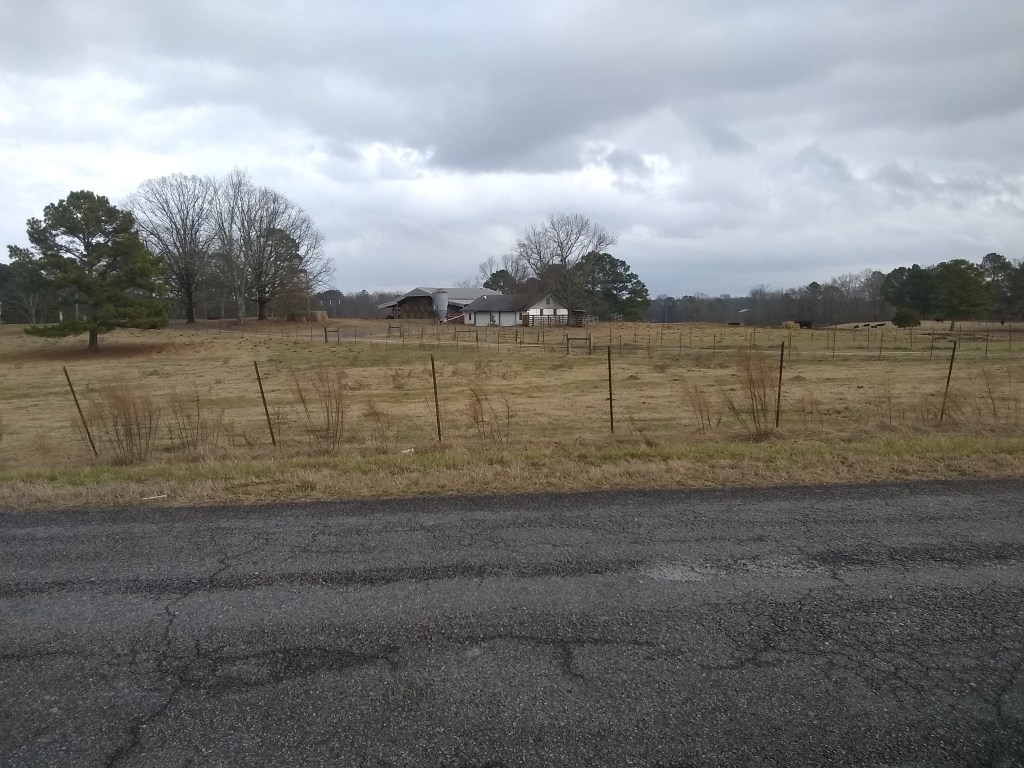
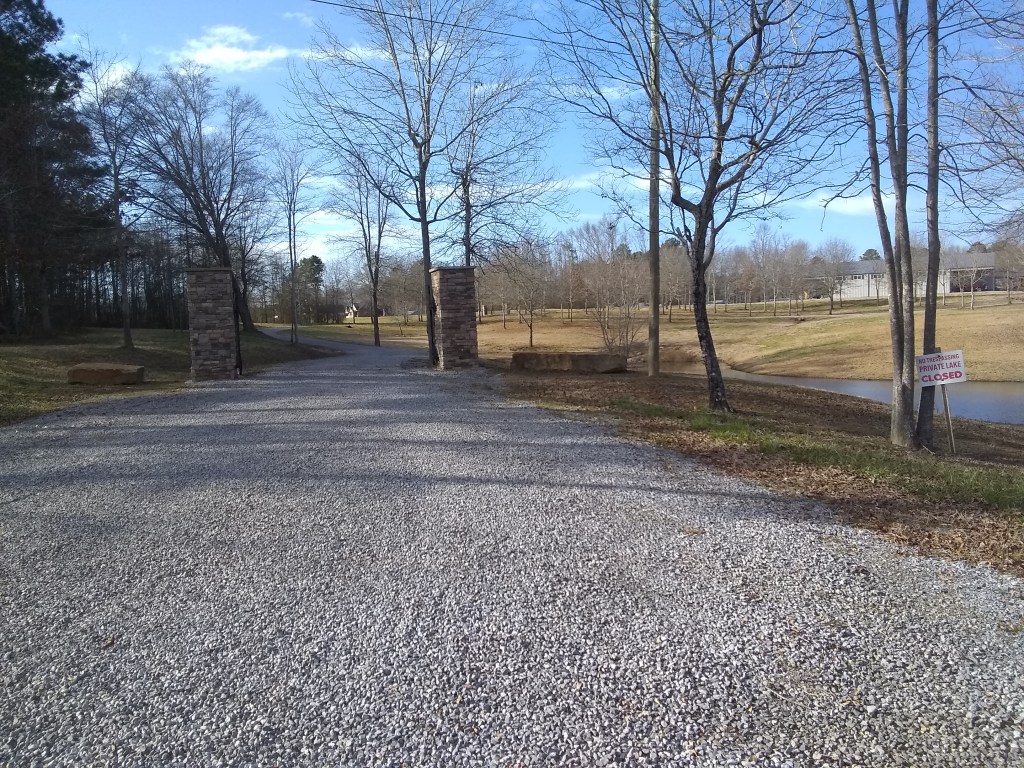
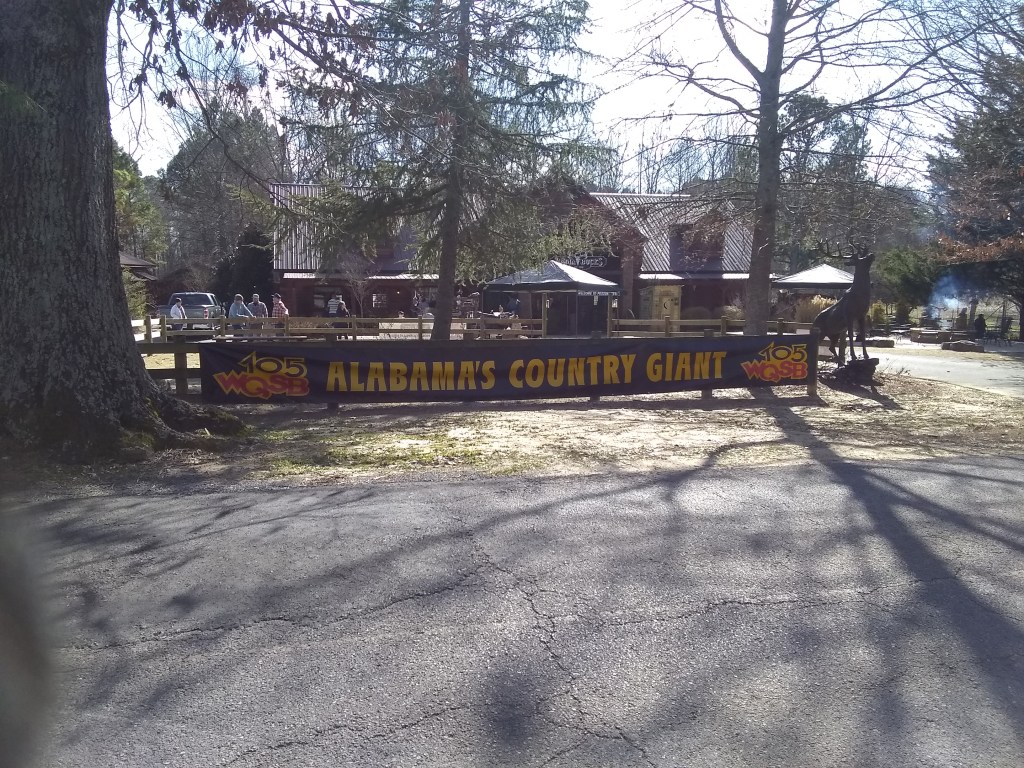
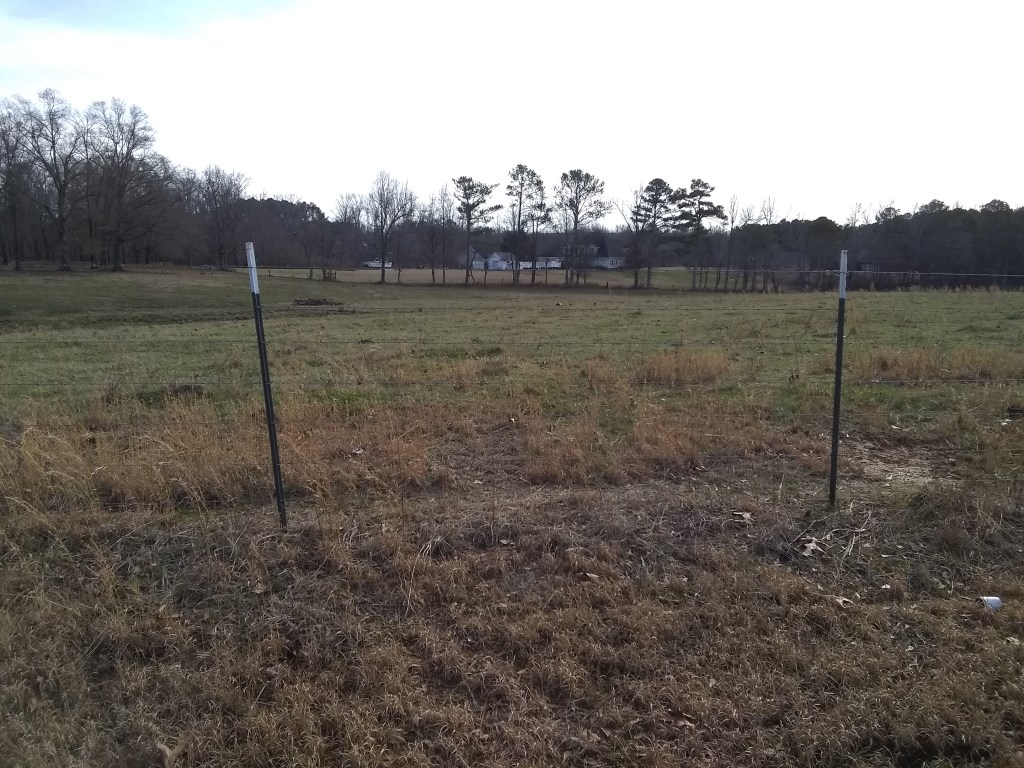
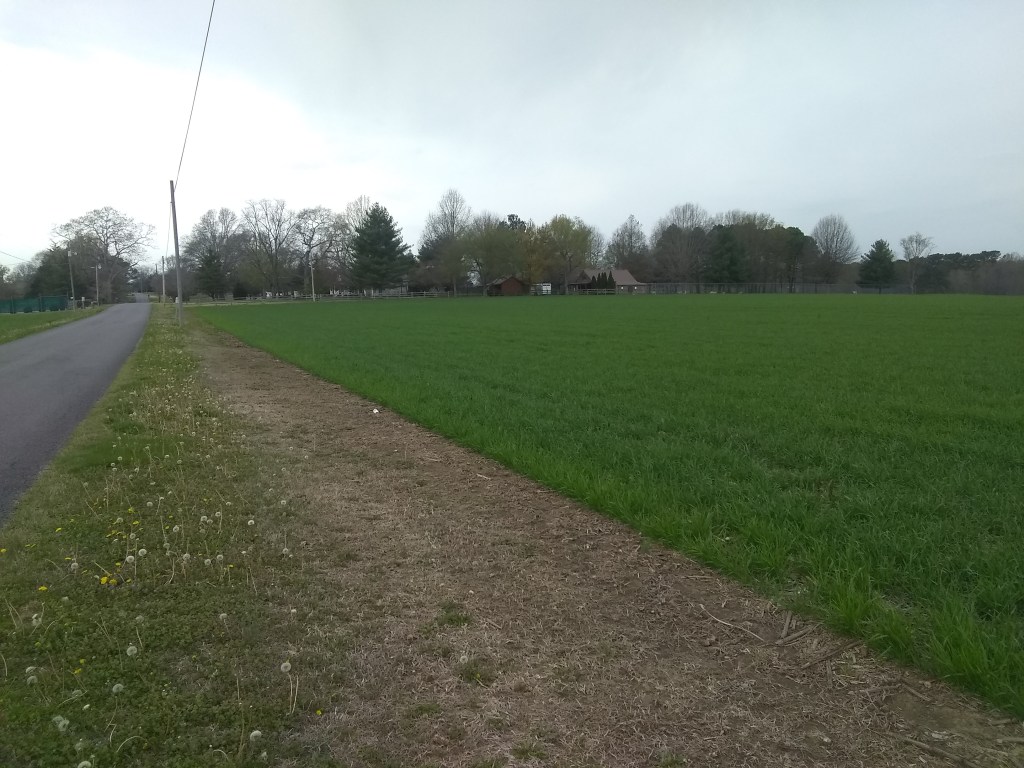
Photos from today’s ride
None today.
Why I ride
Biking is something I both love and hate. The conflicting emotions arise from the undeniable physical effort it demands. However, this exertion is precisely what makes it an excellent form of exercise. Most days, I dedicate over an hour to my cycling routine, and in doing so, I’ve discovered a unique opportunity to enjoy a good book or podcast. The rhythmic pedaling and the wind against my face create a calming backdrop that allows me to fully immerse myself in the content. In these moments, the time spent on the bike seems worthwhile, as I can’t help but appreciate the mental and physical rewards it offers.
I especially like having ridden. The post-biking feeling is one of pure satisfaction. The endorphin rush, coupled with a sense of accomplishment, makes the initial struggle and fatigue worthwhile. As I dismount and catch my breath, I relish the sensation of having conquered the challenge, both physically and mentally. It’s a reminder that the things we sometimes love to hate can often be the ones that bring us the most fulfillment. In the end, the love-hate relationship with biking only deepens my appreciation for the sport, as it continually pushes me to overcome my own limitations and embrace the rewards that follow the effort.
Why you should ride
Reduces Anxiety:
Regular cycling can play a significant role in reducing anxiety, offering both immediate and long-term benefits. Here’s how it contributes to managing and alleviating symptoms of anxiety:
Physical Activity and Anxiety Reduction: Engaging in physical exercise like cycling has been shown to reduce overall levels of tension, elevate and stabilize mood, improve sleep, and improve self-esteem. Even five minutes of aerobic exercise can stimulate anti-anxiety effects.
Endorphins and Neurotransmitters: Cycling stimulates the production of endorphins, the body’s natural feel-good neurotransmitters. Additionally, it increases the levels of other neurotransmitters like serotonin and dopamine, which are often low in individuals with anxiety. This biochemical boost can lead to a reduction in anxiety symptoms.
Stress Hormone Reduction: Regular physical activity, such as cycling, lowers the body’s stress hormones, like cortisol and adrenaline, over time. Lower levels of these hormones can lead to a reduction in anxiety.
Improved Sleep Patterns: Cycling can help regulate your sleep patterns, which can be particularly beneficial for those whose anxiety disrupts their sleep. Better sleep not only helps reduce anxiety levels but also improves overall health.
Mindfulness and Focus: Cycling requires a level of focus and presence, which can act as a form of mindfulness exercise. This focus on the present moment can be a powerful tool in managing anxiety, as it shifts attention away from anxious thoughts.
Sense of Control and Mastery: Learning new skills and improving cycling performance can provide a sense of control and mastery. For individuals with anxiety, this sense of achievement and the ability to set and meet goals can be empowering and anxiety-reducing.
Social Interaction: If you cycle in groups or join a cycling community, the social interaction and support can be therapeutic. Social engagement can alleviate feelings of anxiety and provide a sense of belonging.
Nature and Outdoor Exposure: Cycling outdoors, especially in green spaces, can reduce anxiety levels. Nature exposure has been linked to decreased rumination (repetitive, negative thoughts) and reduced activity in the subgenual prefrontal cortex, a brain area related to mental illness.
Routine and Structure: Having a routine can be beneficial for people with anxiety. Regular cycling provides structure and a sense of predictability, which can help alleviate feelings of anxiety.
Distraction and Diversion: Cycling can offer a healthy distraction from the everyday stressors and worries that fuel anxiety. Engaging in a physical activity that you enjoy can be a form of diversion that allows your mind to take a break from anxious thoughts.
Cardiovascular Fitness and Anxiety: Improved cardiovascular fitness through cycling can also lead to reduced symptoms of anxiety. A healthy heart and lungs are linked to overall health, which includes mental health.
Incorporating cycling into a regular routine can thus be a valuable part of a comprehensive approach to managing anxiety. It provides both physiological and psychological benefits that contribute to reduced anxiety levels.
Please watch
Here’s a couple of links to groups I like. Hopefully, they’ll encourage you to start riding a bike, no matter your age.
A Rockhopper by Specialized. I purchased it November 2021 from Venture Out in Guntersville; Mike is top notch! So is the bike. The ‘old’ man seat was salvaged from an old Walmart bike. Seat replaced with new one from Venture Out.
What I’m listening to
Novel:
Amazon abstract:
NATIONAL BESTSELLER • The Girl with the Dragon Tattoo series continues: Lisbeth Salander must face the most important battle of her life, and will finally put her past to rest in this thriller that will “leave Salander’s legion of followers clamoring for more” (The Wall Street Journal). • Also known as the Millennium series
Mikael Blomkvist is trying to reach Lisbeth Salander—the fierce, unstoppable girl with the dragon tattoo. He needs her help unraveling the identity of a man who died with Blomkvist’s phone number in his pocket—a man who does not exist in any official records and whose garbled last words hinted at knowledge that would be dangerous to important people. But Lisbeth has disappeared. She’s sold her apartment in Stockholm. She’s gone dark. She’s told no one where she is. And no one is aware that at long last she’s got her primal enemy, her twin sister, Camilla, squarely in her sights.
Look for the latest book in the Girl with the Dragon Tattoo series, The Girl in the Eagle’s Talons, coming soon!
Blinkist nonfiction book summaries
None today.
Podcast episodes:
Waking Up app series/courses:
None today.
Here’s a few photos from previous riding adventures:
As dawn breaks over the Pencil Pit, my barn sanctuary where imagination and reality often intertwine, I find myself reflecting on the essence of Project 55. This entirely imagined writing assignment from my past – a task to describe Thanksgiving Day at age 69, as envisioned by my 14-year-old self – has become a canvas for creativity and reflection.
Yesterday, I continued this journey through Project 55 during my Morning Pages. Walking across the creek to the ‘back 40’, a place rich in familial history, I was deeply immersed in this fictional narrative. Each step seemed to bridge the gap between my teenage imagination and my current reality, blending the echoes of my great grandfather’s legacy with the whimsical projections of a young mind.
Later in the day, the task of building a new raised bed for the garden with Jon anchored me back to the tangible present. Or did it? The lines began to blur. Was this activity too part of the imagined world of Project 55, or was it a concrete part of my day? This interplay between doing and imagining led me to ponder the nature of our experiences. In what ways do our imaginative projections and our real-life actions intersect and influence each other?
In Project 55, my younger self’s task of predicting the future, particularly imagining marital life, reflects the boundless possibilities of imagination. Fast forward to the present, and the act of constructing a garden bed, seemingly real and practical, might also be tinted with the hues of imagination – a future harvest, a vision of lush growth.
This morning, as I sit pencil in hand, I am struck by how our lives are a constant dance between the tangible and the imagined. Each action, each decision, is layered with both the weight of reality and the lightness of imagined possibilities. The building of the garden bed, whether real or imagined, is not just a physical act but also a symbol of planting seeds for future growth, much like the imagined narratives of Project 55.
So, what do these reflections reveal about life? They underscore the power of our imagination to shape our reality. Even as we engage in the routine tasks of our daily lives, there’s a part of us that is always dreaming, always creating. Our imagined futures and pasts are not just idle fantasies; they are integral to our understanding of ourselves and the world around us.
In the Pencil Pit, surrounded by the tangible remnants of my past and the limitless possibilities of my imagination, I find a profound beauty in this interplay. It’s a reminder that life is not just lived but also imagined, and in this imagination lies the true richness of our existence.





















 Richard L. Fricks