06/11/23 Biking & Listening to The Dictionary of Lost Words

Biking is something else I both love and hate. It takes a lot of effort but does provide good exercise and most days over an hour to listen to a good book or podcast. I especially like having ridden.

Here’s my bike, a Rockhopper by Specialized. I purchased it November 2021 from Venture Out in Guntersville; Mike is top notch! So is the bike, and the ‘old’ man seat I salvaged from an old Walmart bike.

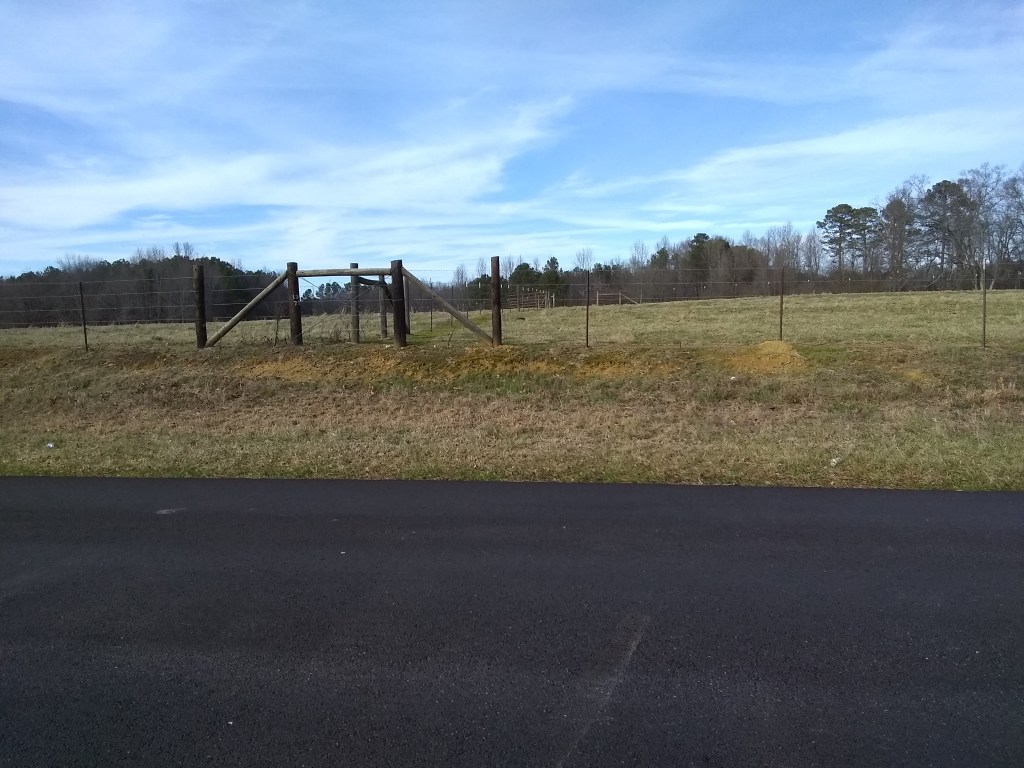
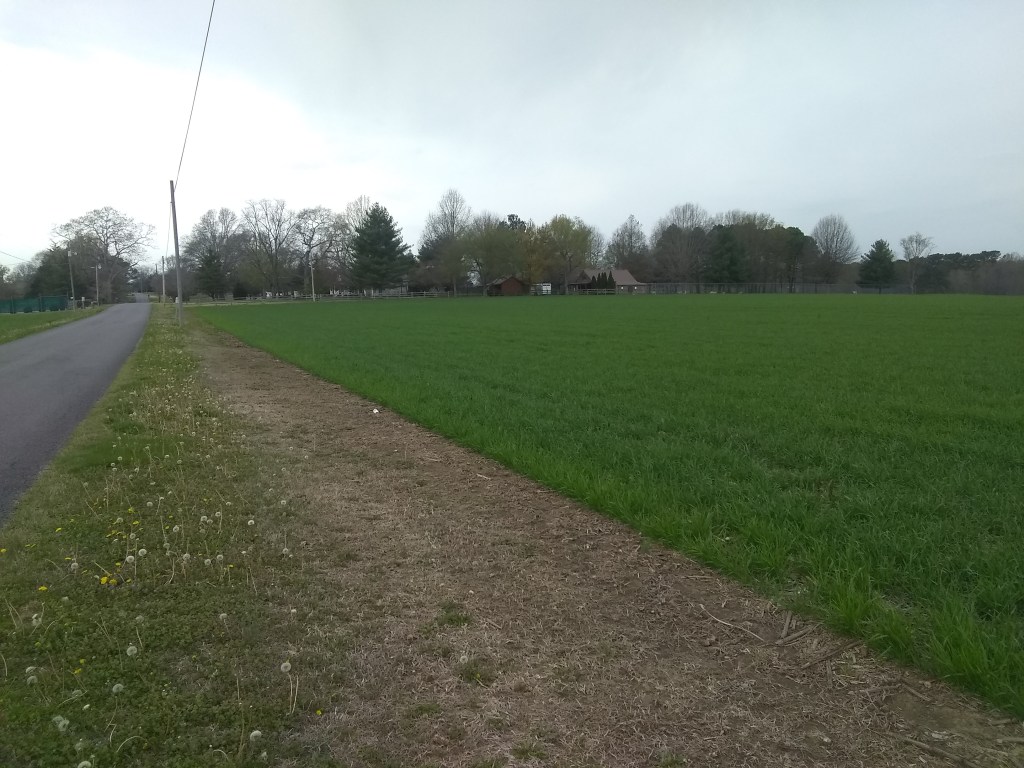
Here’s a link to today’s bike ride. I call this my pistol route.


Something to consider if you’re not already cycling.

I encourage you to start riding a bike, no matter your age. Check out these groups:

Cycling for those aged 70+(opens in a new tab)

Solitary Cycling(opens in a new tab)

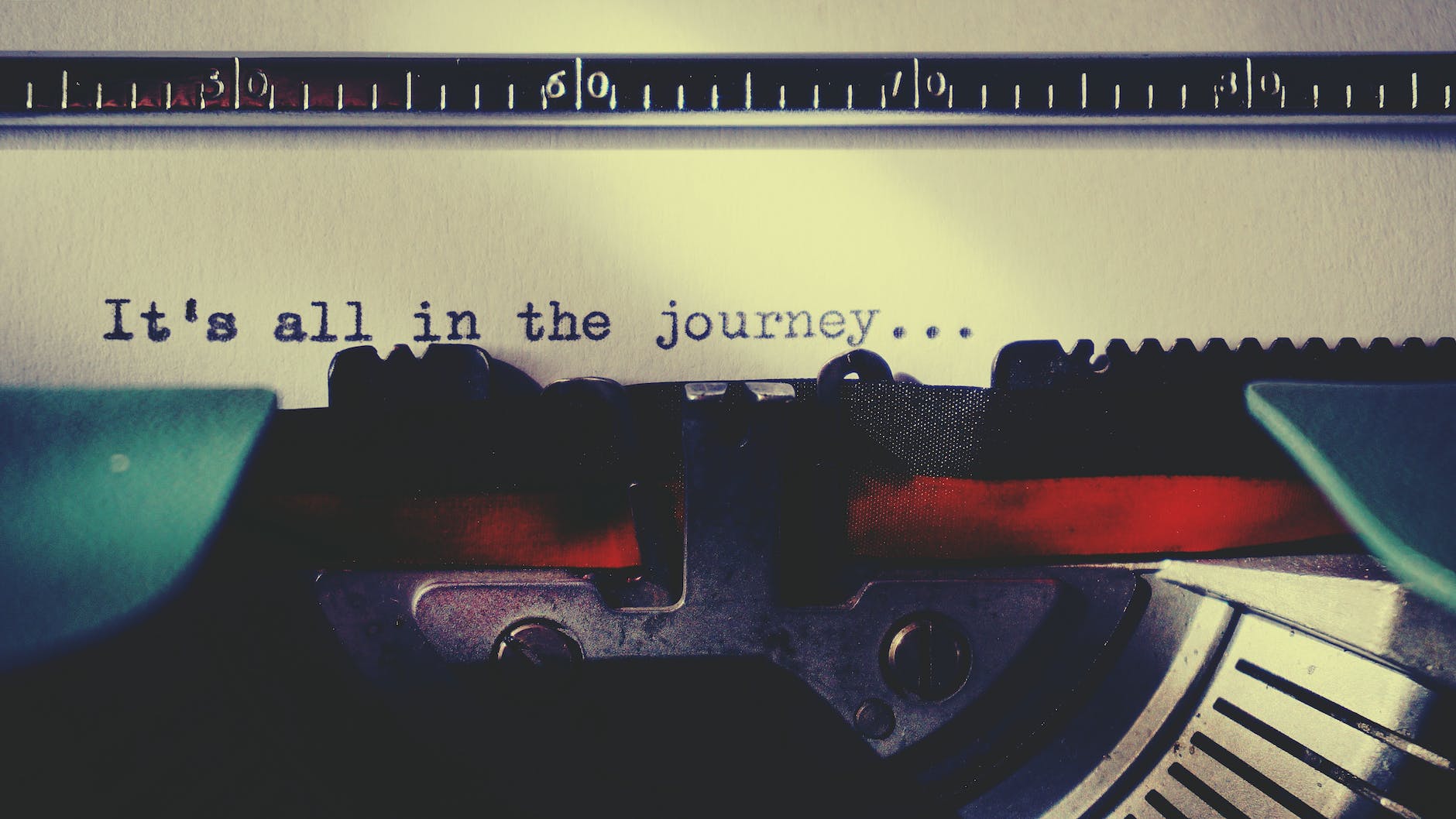
Remember,

Photo by Suzy Hazelwood on Pexels.com

Here’s what I’m listening to: The Dictionary of Lost Words, by Pip Williams

Amazon abstract:

NEW YORK TIMES BESTSELLER • REESE’S BOOK CLUB PICK • “Delightful . . . [a] captivating and slyly subversive fictional paean to the real women whose work on the Oxford English Dictionary went largely unheralded.”—The New York Times Book Review

“A marvelous fiction about the power of language to elevate or repress.”—Geraldine Brooks, 
New York Times bestselling author of People of the Book

Esme is born into a world of words. Motherless and irrepressibly curious, she spends her childhood in the Scriptorium, an Oxford garden shed in which her father and a team of dedicated lexicographers are collecting words for the very first Oxford English Dictionary. Young Esme’s place is beneath the sorting table, unseen and unheard. One day a slip of paper containing the word bondmaid flutters beneath the table. She rescues the slip and, learning that the word means “slave girl,” begins to collect other words that have been discarded or neglected by the dictionary men.

As she grows up, Esme realizes that words and meanings relating to women’s and common folks’ experiences often go unrecorded. And so she begins in earnest to search out words for her own dictionary: the Dictionary of Lost Words. To do so she must leave the sheltered world of the university and venture out to meet the people whose words will fill those pages.

Set during the height of the women’s suffrage movement and with the Great War looming, The Dictionary of Lost Words reveals a lost narrative, hidden between the lines of a history written by men. Inspired by actual events, author Pip Williams has delved into the archives of the Oxford English Dictionary to tell this highly original story. The Dictionary of Lost Words is a delightful, lyrical, and deeply thought-provoking celebration of words and the power of language to shape the world.

WINNER OF THE AUSTRALIAN BOOK INDUSTRY AWARD


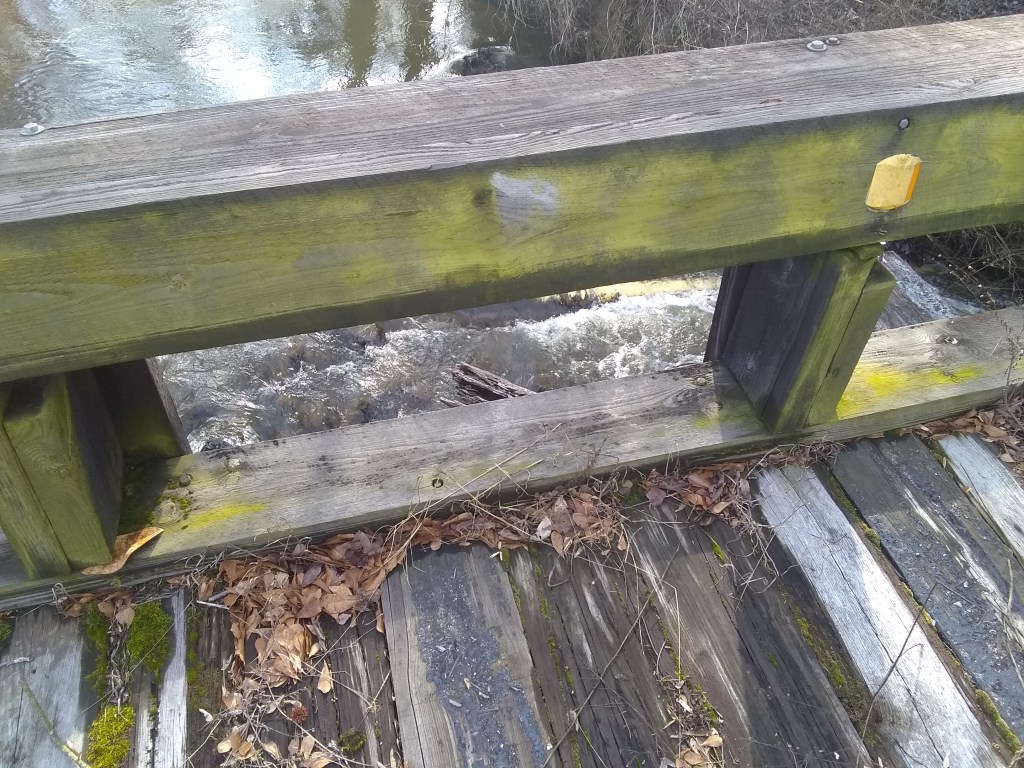
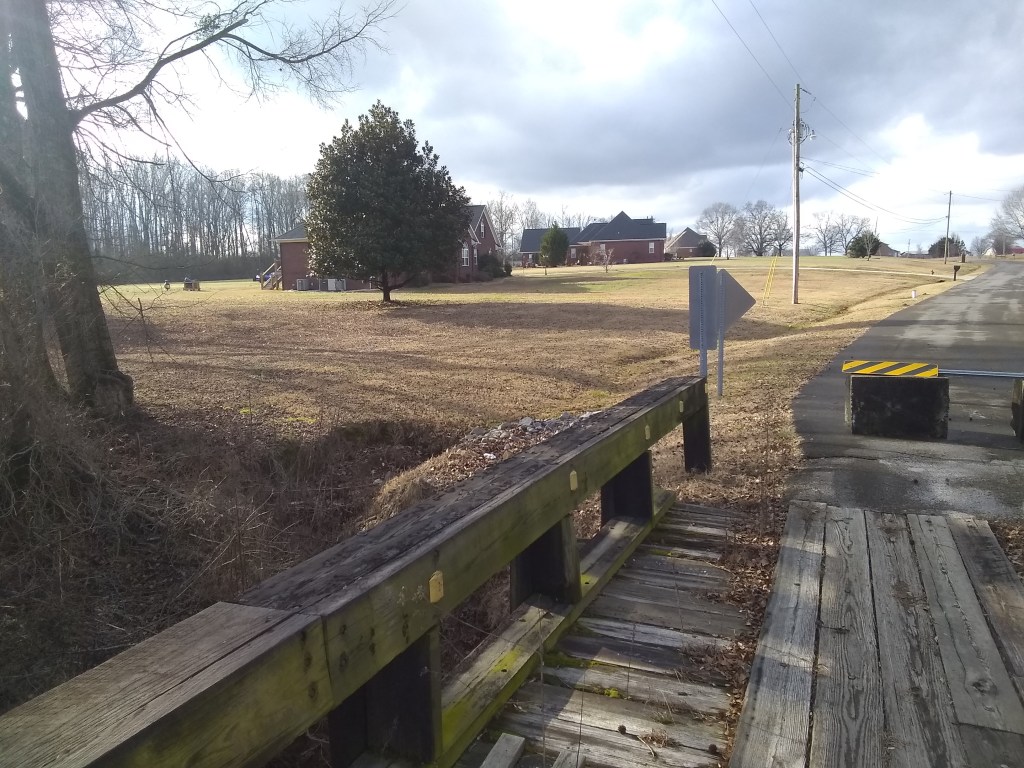
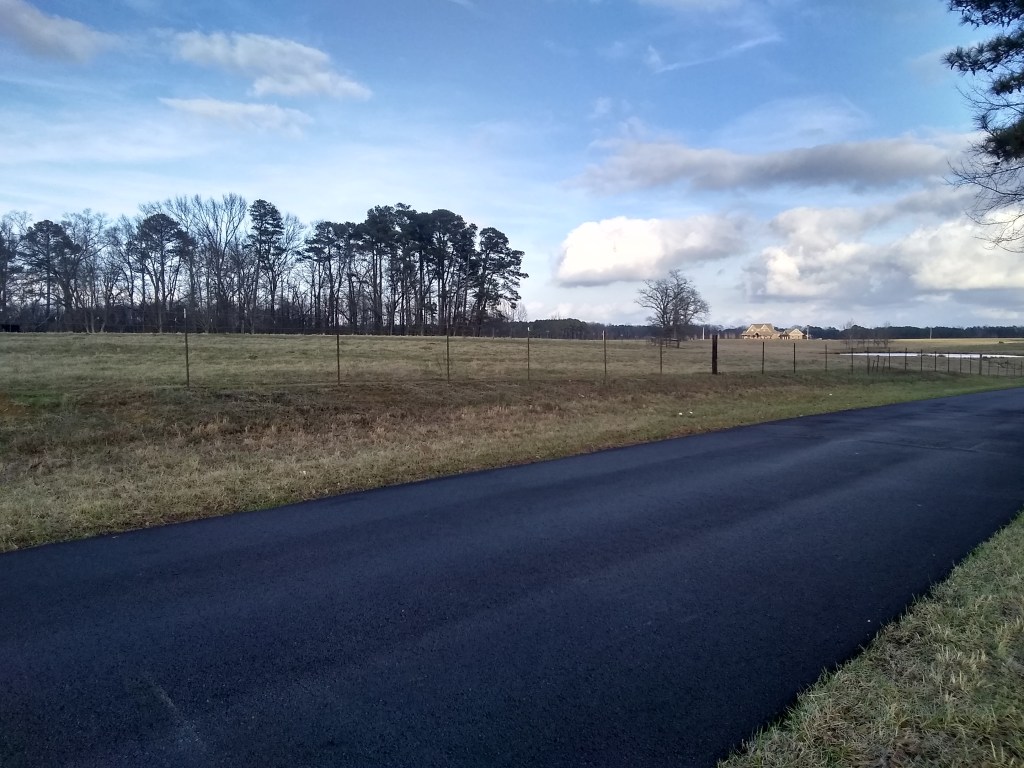
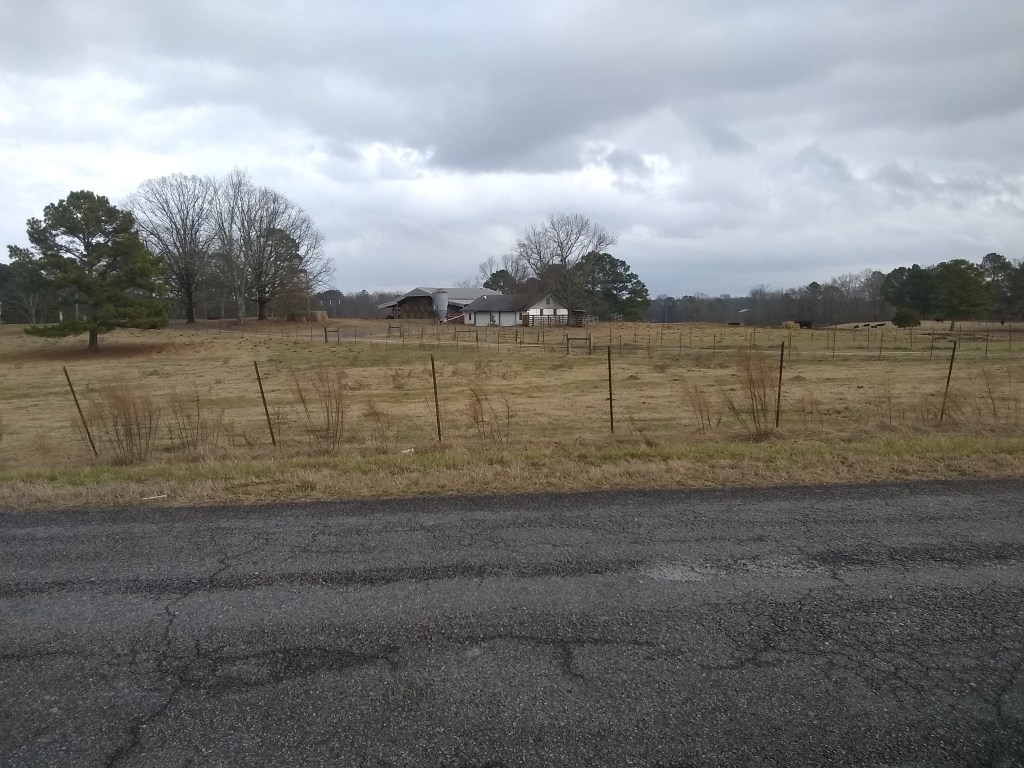
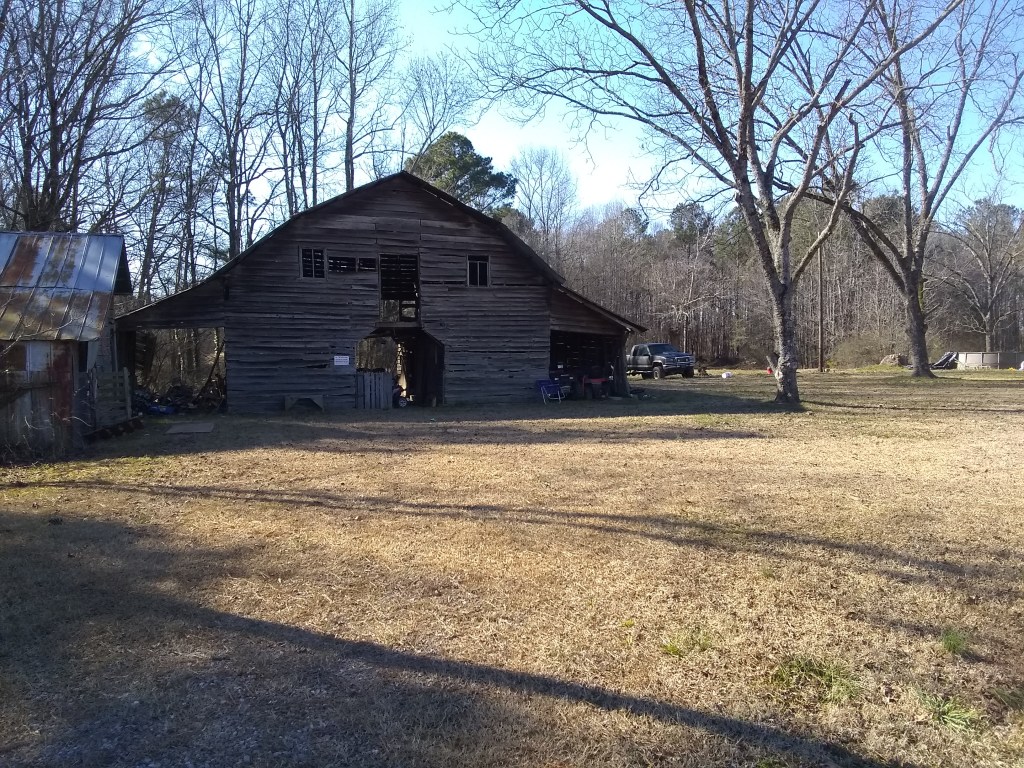
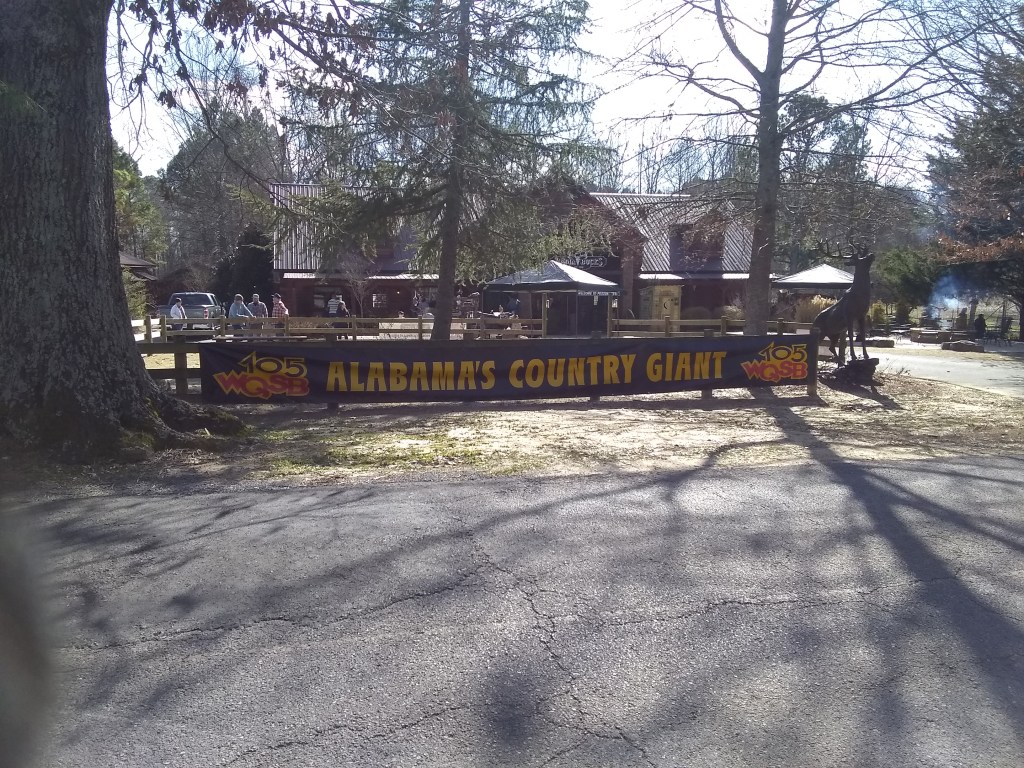
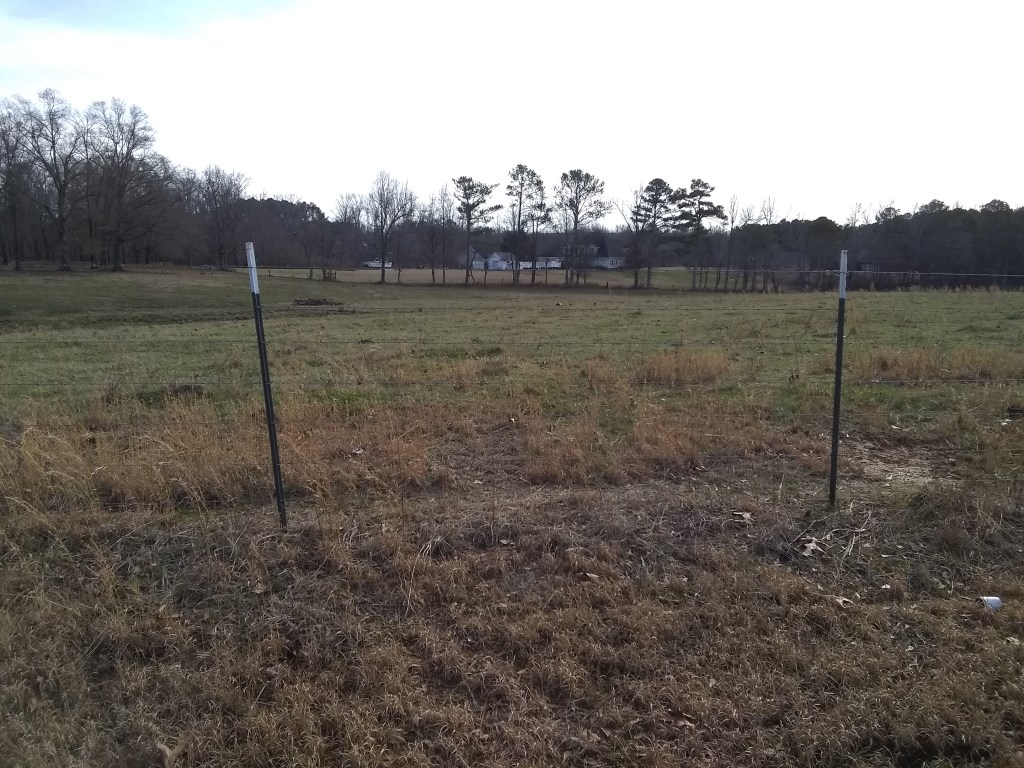
Here’s a few photos from along my pistol route:

The Paradox of Free Will

Here’s the link to this article.

The neuroscience, physics, and philosophy of freedom in a universe of fixed laws.

BY MARIA POPOVA

“Nothing is more unbearable, once one has it, than freedom,” James Baldwin observed in recognizing how limited our freedom is and how illusory our choices, for he knew that “people can’t, unhappily, invent their mooring posts, their lovers and their friends, anymore than they can invent their parents.”

And yet we move through the world with an air of agency, without which life would feel unlivable — a gauntlet of causality stretching all the way back to the Big Bang, into which we are hurled as helpless pawns in some cosmic game that has already played out. It is a disquieting notion — one we have countered with our dream of free will, continually mistaking the feeling of freedom for the fact of freedom.

But even within the presets and parameters conferred upon us by the cosmic and cultural forces that made us, there exists a margin of movement in which notions like control, agency, and moral responsibility live. In that margin, we become fully human.

In this fascinating BBC documentary, journalist Melissa Hogenboom and a constellation of neuroscientists, physicists, and philosophers explore the science and subtleties of the free will question — a question that remains not only unanswered but a testament to Hannah Arendt’s astute observation that “to lose the appetite for meaning we call thinking and cease to ask unanswerable questions [would be to lose] the capacity to ask all the answerable questions upon which every civilization is founded.”

Complement with Einstein on free will and the power of the imagination, C.S. Lewis on suffering and what it means to have free will in a universe of fixed laws, and neuroscientist Christof Koch on the paradox of freedom.

06/10/23 Biking & Listening to The Dictionary of Lost Words

Biking is something else I both love and hate. It takes a lot of effort but does provide good exercise and most days over an hour to listen to a good book or podcast. I especially like having ridden.

Here’s my bike, a Rockhopper by Specialized. I purchased it November 2021 from Venture Out in Guntersville; Mike is top notch! So is the bike, and the ‘old’ man seat I salvaged from an old Walmart bike.

Here’s a link to today’s bike ride.

Here’s what I’m listening to: The Dictionary of Lost Words, by Pip Williams

Amazon abstract:

NEW YORK TIMES BESTSELLER • REESE’S BOOK CLUB PICK • “Delightful . . . [a] captivating and slyly subversive fictional paean to the real women whose work on the Oxford English Dictionary went largely unheralded.”—The New York Times Book Review

“A marvelous fiction about the power of language to elevate or repress.”—Geraldine Brooks, 
New York Times bestselling author of People of the Book

Esme is born into a world of words. Motherless and irrepressibly curious, she spends her childhood in the Scriptorium, an Oxford garden shed in which her father and a team of dedicated lexicographers are collecting words for the very first Oxford English Dictionary. Young Esme’s place is beneath the sorting table, unseen and unheard. One day a slip of paper containing the word bondmaid flutters beneath the table. She rescues the slip and, learning that the word means “slave girl,” begins to collect other words that have been discarded or neglected by the dictionary men.

As she grows up, Esme realizes that words and meanings relating to women’s and common folks’ experiences often go unrecorded. And so she begins in earnest to search out words for her own dictionary: the Dictionary of Lost Words. To do so she must leave the sheltered world of the university and venture out to meet the people whose words will fill those pages.

Set during the height of the women’s suffrage movement and with the Great War looming, The Dictionary of Lost Words reveals a lost narrative, hidden between the lines of a history written by men. Inspired by actual events, author Pip Williams has delved into the archives of the Oxford English Dictionary to tell this highly original story. The Dictionary of Lost Words is a delightful, lyrical, and deeply thought-provoking celebration of words and the power of language to shape the world.

WINNER OF THE AUSTRALIAN BOOK INDUSTRY AWARD


Here’s a few photos from along my pistol route:

Modern Liberalism Born of Enlightenment Thought

Here’s the link to this article.

James A. Haught | March 31, 2023 | Kiosk Article


Values that later grew into liberalism began stirring in the epoch now known as the Enlightenment, starting more than three centuries ago, chiefly in England and France. It was an era when kings still ruled brutally by “divine right,” and the church still sought to execute “heretics” holding irregular beliefs, or jail skeptics for blasphemy. Most people were agricultural serfs, working on lands inherited by wealthy barons and counts. The bottom-rung majority had virtually no rights.

But the Enlightenment roused a new way of thinking: a sense that all people should have some control over their lives, a voice in their own destiny. Absolute power of authorities—either the throne or the cathedral—was challenged. Reformers asserted that human reason and the scientific method can improve society and benefit nearly everyone.

The 1600s were a time of ugly intolerance, much of it stemming from alliances between church and throne. In England’s notorious Star Chamber, controlled by the Anglican archbishop, Puritan and Presbyterian dissenters were forced to testify against themselves, then sentenced to have their ears cut off or their faces branded with markings such as S. L. (for seditious libeler). One victim, John Lilburne, became a public hero because he wrote pamphlets claiming that all people deserved “freeborn rights” not subject to king or church.

Europe was emerging from horrors of religious wars and massacres between Catholics and Protestants. Catholic France persecuted Huguenot Protestants. Jews were attacked cruelly and banned from certain nations, including England. Sporadic executions of “heretics” and “witches” still occurred. England’s last accused witch was put to death in 1684. A few others were executed around Europe and the New World for another century.

This was the background that helped spawn Enlightenment reform.

England was shattered by civil war in the 1640s between Parliament and Puritans on one side versus King Charles I and Anglicans on the other. Charles was beheaded and the power of kings was reduced—expanding an erosion that began four centuries earlier when barons forced King John to sign the Magna Carta, yielding certain rights.

By the late 1600s, some thinkers began pondering society and government.

Thomas Hobbes (1588-1679) wrote Leviathan asserting that people need a “social contract” to secure safe lives. In a dog-eat-dog natural state, he said, everyone suffers from “continual fear and danger of violent death; and the life of man [is] solitary, poor, nasty, brutish and short.” Therefore, he said, people must yield power to a sovereign government to enforce order and protect them. Hobbes supported a king as the sovereign—but the tide away from absolute kings already was flowing. Hobbes raised awareness that the social order is made by humans, not by God.

In his many writings, Hobbes repeatedly affronted the clergy. A bishop accused him of atheism, possibly punishable by death. The allegation subsided, then flared again. Nearing 80 years old, Hobbes hastily burned some of his papers and eluded prosecution.

John Locke (1632-1704) hatched notions of democracy, arguing that all people, male and female, deserve a degree of equality. He dismissed the divine right of kings, and advocated separation of church and state to avert religious conflict.

John Milton (1608-1674) was more than an epic poet who wrote in four languages. He also supported popular government and attacked state-mandated religion. When Parliament imposed censorship on writings, he defied a licensing requirement and published an Areopagitica pamphlet claiming that all thinking people are entitled to free expression of their beliefs. “Books are not absolutely dead things,” he said. “He who destroys a good book kills reason itself.” The principle of free speech and free press was furthered.

In France, Baron de Montesquieu (1689-1755) championed democracy and envisioned an elected government with power divided between executive, legislative and judicial branches.

Francois Marie Arouet (1694-1788)—”that consuming fire called Voltaire,” as Will Durant called him—was a brilliant French writer who became a heroic champion of human rights. Endlessly, he denounced cruelties of bishops and aristocrats. Here’s an example: In the devout town of Abbeville, a teen-age youth, Francois de la Barre, was accused of marring a crucifix, singing impious songs and wearing his hat while a church procession passed. He was sentenced to have his tongue torn out, his head chopped off, and his remains burned. Voltaire wrote bitter protests against this savagery. He helped appeal the youth’s case to Parliament, which showed “mercy” by affording the blasphemer a quick death by beheading—with a copy of Voltaire’s Philosophical Dictionary nailed to his body.

Voltaire’s protest writings roused ferment across Europe and won reversal of a few cases. He freed Jean Espinas, who had spent 23 years aboard a penal galley ship because he sheltered a fugitive Protestant minister for one night. Likewise, he freed Claude Chaumont from a galley bench, where he had been sentenced for attending a Protestant worship service.

In The Rights of Man, Thomas Paine wrote that Voltaire’s “forte lay in exposing and ridiculing the superstitions which priestcraft, united with statecraft, had interwoven with governments.”

At first, Enlightenment ideas were somewhat suppressed in Europe, where kings and archbishops still prevailed, but they found fertile ground in America’s colonies. Brilliant radicals such as Thomas Jefferson, John Adams, Benjamin Franklin and James Madison read them ardently and adopted them as a pattern for the first modern democracy, the United States of America. In the Declaration of Independence, Jefferson summed up the essence:

All men are created equal and endowed by their creator with certain inalienable rights, among these life, liberty and the pursuit of happiness.

Less-known founding father George Mason incorporated the principles into the Bill of Rights, keeping church and state apart, guaranteeing free speech, and protecting each person from abuses by the majority. Similarly, the personal liberties were reiterated in the Rights of Man and the Citizen adopted by the French Revolution, and eventually in the Universal Declaration of Human Rights that Eleanor Roosevelt helped craft for the United Nations.

Thus democracy became self-contradictory. A basic premise is majority rule—yet a bill of rights prevents majority rule. For example, the Christian majority cannot vote to banish minority Jews or skeptics. Personal beliefs are exempt from majority rule.

The Enlightenment was the seedbed that sprouted most of the liberal freedoms now enjoyed in democracies everywhere. It projected a model for humane, safe, fair modern life.

Singularity: Marie Howe’s Ode to Stephen Hawking, Our Cosmic Belonging, and the Meaning of Home, in a Stunning Animated Short Film

Here’s the link to this article.

“For every atom belonging to me as good belongs to you. Remember?”

BY MARIA POPOVA

UPDATE 2022: This poem has since inspired the magnificent “Singularity (after Marie Howe)” by the young poet Marissa Davis.

“We, this people, on a small and lonely planet,” Maya Angelou begins “A Brave and Startling Truth” — her cosmic wakeup call to humanity, which flew into space aboard NASA’s Orion spacecraft and which opened the 2018 Universe in Verse, dedicated to our ecological awakening on the wings of Rachel Carson’s courageous work.

That year, Marie Howe — one of our great living poets, who awakens the creaturely conscience of the next generation in her ecopoetry class at Sarah Lawrence College — premiered a kindred poem that stilled the crowd constellating at Pioneer Works before erupting into a thousand-bodied standing ovation. While inspired by Stephen Hawking (who had just returned his stardust to the universe several weeks earlier) and titled after his trailblazing work on black holes and singularities — work that shines a sidewise gleam on the origin of everything — the poem is at bottom a stunning meditation on the interconnectedness of belonging across space and time, across selves and species, across the myriad artificial unbelongings we have manufactured as we have drifted further and further from our elemental nature. Its closing line is an invocation, an incantation, ending with a timeless word of staggering resonance today: home.

As we now stand on a profound precipice two years later — facing our deeply interconnected ecology of being on this shared cosmic home as we look back on fifty years of Earth Day built on Carson’s legacy, facing the most intimate meaning of home in our isolated shelters scattered across this “small and lonely planet” — the poem pulsates with a whole new meaning, as all great poems do in the veins of time.

And so, as a special treat for the 2020 Universe in Verse, streaming on April 25 into millions of homes around this sole shared home, I teamed up with SALT Project — a kindred clan of visual storytellers, who have won some hearts and won some Emmys with their soulful shorts ranging from book trailers to bird migration documentaries — to bring Howe’s “Singularity” to life in a transcendent short film, illustrated by paper collage artist Elena Skoreyko Wagner and featuring original music by the heroic cellist Zoë Keating, who was present in atoms at the 2018 show when “Singularity” premiered and who also composed the score for “Antidotes to Fear of Death” — the headlining miracle of a poem for the 2020 show.

It is with exuberant joy and gratitude that I share, as a special taste of the 2020 Universe in Verse, this symphony of beauty and perspective, over which so many talented women have labored with so much heart and generosity of spirit .

SINGULARITY
by Marie Howe

          (after Stephen Hawking)

Do you sometimes want to wake up to the singularity
we once were?

so compact nobody
needed a bed, or food or money —

nobody hiding in the school bathroom
or home alone

pulling open the drawer
where the pills are kept.

For every atom belonging to me as good
Belongs to you.
   Remember?

There was no   Nature.    No
 them.   No tests

to determine if the elephant
grieves her calf    or if

the coral reef feels pain.    Trashed
oceans don’t speak English or Farsi or French;

would that we could wake up   to what we were
— when we were ocean    and before that

to when sky was earth, and animal was energy, and rock was
liquid and stars were space and space was not

at all — nothing

before we came to believe humans were so important
before this awful loneliness.

Can molecules recall it?
what once was?    before anything happened?

No I, no We, no one. No was
No verb      no noun
only a tiny tiny dot brimming with

is is is is is

All   everything   home

Complement with an ink-and-watercolor animation of Mojave American poet Natalie Diaz’s gorgeous poem of brokenness and belonging and an animated adaptation of Neil Gaiman’s ode to women’s prehistoric role in the history of the scientific method.

What book changed your life or worldview?

Here’s the link to this article.

Secular Symphony is a series in which prominent secular voices invite readers into conversation around great questions

Avatar photoAvatar photoAvatar photoby ALICE GRECZYNJEANA JORGENSEN and BARRY DUKE

JAN 20, 2022

Reading Time: 6 MINUTES

Author, actress ALICE GRECZYN

The title caught my eye between blurs of harried travelers: Going Home: Jesus and Buddha as Brothers.

Sacrilege! I thought. Mustn’t look.

But the red and gold cover tempted me like the devil himself. Loudspeakers announced flight numbers in monotone stability while my heart committed vertigo. I stepped closer to the display table. Blasphemy! I glimpsed the name of the author, Thich Nhat Hanh. Liar! I picked up the book with quaking fingers. Damned! 

I was 20 years old and had never read nonfiction from anywhere but a Christian bookstore. Hudson Booksellers might as well have been the Tree of Knowledge. The innocuous paperback in my sweaty palms felt like holding the crevice to a canyon of no return, and I imagined demons rubbing their hands like gleeful flies as I read the back cover, giving Satan a foothold. The demon-flies buzzed ecstatic.

Knowing I might be a goner but praying for the protection of angels anyway, I opened the book mid-flight and braced. Nothing bad happened. Not even a bump of turbulence. I read the monk’s meditations on Christlike Buddhism with a pounding heart.

Thich Nhat Hanh did not suggest Jesus and Buddha had been literal brothers. Rather, he presented Christ’s teachings alongside the Buddha’s in a way that made it impossible for me to deny their similarities. My mind exploded with questions above an autumn patchwork of fields. Other religions cared about the teachings of Jesus? I’d been forbidden from even thinking of exploring other faiths. Was it possible reincarnation was real? That the soul didn’t simply reside in heaven or hell when we died but recycled on some cosmic mission? Was it further possible that Jesus was actually Buddha in another body?

My thoughts screeched to a halt. God might allow the plane to crash if I pondered any more blasphemy.

But back in LA, my curiosity only intensified. Going Home was my gateway drug to intellectual sovereignty. Questions I’d never dared to ask drove me to the library in search of other spiritual texts, which led to psychological texts, which led to books on quantum theory and astrophysics and histories of the world. Although I feared the expansion of my mind, my need to know what was real took precedent. I wanted to know the truth. Each book I read in search of answers only left me with more questions.

Thich Nhat Hanh was the first author to open me to the world of theoretical exploration. As a Buddhist monk, he may not have intended for his work to encourage the eventual embrace of nonbelief—of outright atheism, which is where I find myself today. But I like to think that what the Vietnamese monk and I have in common is the courage to question. 

Stepping outside the boundaries of my former faith liberated me from its fear-driven clutches. The slope was indeed as slippery as everyone warned it would be, but instead of leading into flames, it led me to freedom.

Journalist, LGBTQ and freethought activist

BARRY DUKE

Abook you’ve never heard of changed my life.

In the late sixties, while working as a reporter on The Star newspaper in South Africa, I got a tip-off from a furious librarian. She’d been ordered by the Publications Control Board to remove copies of Black Beauty from her shelves. 

At the time, SA had the most draconian censorship laws in the world, but the Board operated under a cloak of semi-secrecy, and items it banned – ranging from the movie Zulu to posters proclaiming “Black is Beautiful”  – were listed only in The Government Gazette, a publication few ever read.

The only publication created to encapsulate a full list of all banned items – around 50,000 books, movies and even classical statuettes – was Jacobsen’s Index to Objectionable Literature, which could only be found in libraries.

I had never heard of it until I got that call, and I scurried off to the library where I spent hours extracting examples from Jacobsen’s of lunacies perpetrated by the censors, headed by an antiquated Calvinist called Jannie Kruger, who – please don’t laugh – was later awarded an honorary doctorate in literature!

I was so fired up by Jacobsen’s that I implored my editor to allow me to write a weekly column that would pull no punches in ridiculing the censors’ decisions, and I was given the green light to do just that.

It was a short-lived column. Kruger was livid and was instrumental in having legislation passed that made it a criminal offense to criticize his Board.

However, an entertainment magazine, TimeOut, invited me to restart the column for its readers. Soon after, the magazine was banned outright.

While scouring the pages of Jacobsen’s I learned that The Freethinker magazine I now edit was on the banned list, as were all publications deemed to “promote” atheism. 

From that point on, I used Jacobsen’s to point me to publications I desperately wanted to read, and I drew up a list that I sent to friends and relatives abroad, begging them to post them to me. And they dutifully obliged.

In particular, as an ardent science fiction fan, I wanted to read some of the banned novels written by atheist Harry Harrison, especially his virulently anti-Christian The Streets of Ashkelon (1962). It is now available online, and tells of the horrors unleashed by a Christian missionary on a far-off planet.

When I was forced to leave the country for my involvement with the banned African National Congress and the Communist Party – a warrant had been issued for my arrest in 1973 – I sought asylum in the UK.  

There, two incredible things inspired by Jacobsen’s happened. I began writing for The Freethinker, and became friends with Harrison, who had left the US and was living a few miles from me. He was a regular at the Mitre Pub in Brighton, where a group of science-fiction fans and writers regularly met.

Jacobsen’s, a book no-one’s ever heard of, had changed the course of my life.

Author, folklorist, sex educator JEANA JORGENSEN

Ifirst read Cunt: A Declaration of Independence by Inga Muscio when I was 16 or 17 years old, and I knew immediately that I would have to wait a couple of years for my younger sister to be old enough to read it. This was the book that cemented my feminism, that had me experimenting with sea sponges and other menstrual contraptions rather than buying tampons and pads, and that taught me to speak of these topics without shame.

I already knew something was wrong with the world; it was one reason I retreated into books as a child, being slow to seek out friends and a social life as a teen. I knew that my life was comparatively comfy, that hardship would take a while to find my middle-class Californian family. But I knew that difficulties and judgments awaited me, and Cunt helped me put a finger on why: because I share the condition, along with roughly half of humanity, of being a woman. My mere existence in certain spaces would be enough to invite disparaging comments about my intellectual or sexual worth, or even to invite assault. My reproductive rights would be constantly embattled. My role in society would be constantly questioned. After all, why would cunt be a bad word, if not to demonize women’s bodies, sexualities, and selves?

As a teenager, I had already settled on some form of agnosticism, so I knew the bullshit most religions peddled about womanhood needn’t apply to me. And yet.

Religion is only one source for misogyny; plenty of other arenas of culture uphold tired gender roles, from the law and medicine to the educational system and entertainment. Even benevolent, humorous forms of sexism are detrimental: anyone who firmly believes in an essential, eternal, universal difference between genders is likely contributing to women’s inequality, and Cunt taught me that. From frank discussion of abortion to masturbation to rape, the book was a revelation. Somehow, I never took a women’s studies class in college, but I arrived at grad school ready for a gender studies PhD minor, and that’s in large part thanks to Cunt.

Rereading Cunt now, I appreciate Muscio’s spunky voice, seeing in it the seeds of my own at-times irreverent blogging voice. I see the unfortunate exclusion of transgender and non-binary people (many of whom are impacted by misogyny) in the 1st edition of the book, which Muscio attempted to remedy in the 2nd edition. I see the ways in which Muscio points readers towards understanding the intersectional oppression of women due to race, social status, and citizenship. All these concepts have become a part of me, have influenced how I walk in the world.

Cunt taught me to question patriarchal authority, to seek common cause with fellow women and other oppressed folk, and to give a giant middle finger to anyone who implies that feminine things are tinged with shame. Cunt was indeed a declaration of independence for my teenage self – and I’ve not looked back.

Avatar photo

ALICE GRECZYN

Alice Greczyn is an actress, author, and the founder of Dare to Doubt, a resource site for people detaching from belief systems they come to find harmful. She’s Midwest-raised and LA-based. More by Alice Greczyn

Avatar photo

JEANA JORGENSEN

FOXY FOLKORIST Studied folklore under Alan Dundes at the University of California, Berkeley, and went on to earn her PhD in folklore from Indiana University. She researches gender and sexuality in fairy… More by Jeana Jorgensen

Avatar photo

BARRY DUKE

Veteran journalist and free speech activist Barry Duke was, for 24 years, editor of The Freethinker magazine, the second oldest continually active freethought publication in the world, established by G.W…. More by Barry Duke

06/09/23 Biking & Listening to The Dictionary of Lost Words

Biking is something else I both love and hate. It takes a lot of effort but does provide good exercise and most days over an hour to listen to a good book or podcast. I especially like having ridden.

Here’s my bike, a Rockhopper by Specialized. I purchased it November 2021 from Venture Out in Guntersville; Mike is top notch! So is the bike, and the ‘old’ man seat I salvaged from an old Walmart bike.

Here’s a link to today’s bike ride.

Here’s what I’m listening to: The Dictionary of Lost Words, by Pip Williams

Amazon abstract:

NEW YORK TIMES BESTSELLER • REESE’S BOOK CLUB PICK • “Delightful . . . [a] captivating and slyly subversive fictional paean to the real women whose work on the Oxford English Dictionary went largely unheralded.”—The New York Times Book Review

“A marvelous fiction about the power of language to elevate or repress.”—Geraldine Brooks, 
New York Times bestselling author of People of the Book

Esme is born into a world of words. Motherless and irrepressibly curious, she spends her childhood in the Scriptorium, an Oxford garden shed in which her father and a team of dedicated lexicographers are collecting words for the very first Oxford English Dictionary. Young Esme’s place is beneath the sorting table, unseen and unheard. One day a slip of paper containing the word bondmaid flutters beneath the table. She rescues the slip and, learning that the word means “slave girl,” begins to collect other words that have been discarded or neglected by the dictionary men.

As she grows up, Esme realizes that words and meanings relating to women’s and common folks’ experiences often go unrecorded. And so she begins in earnest to search out words for her own dictionary: the Dictionary of Lost Words. To do so she must leave the sheltered world of the university and venture out to meet the people whose words will fill those pages.

Set during the height of the women’s suffrage movement and with the Great War looming, The Dictionary of Lost Words reveals a lost narrative, hidden between the lines of a history written by men. Inspired by actual events, author Pip Williams has delved into the archives of the Oxford English Dictionary to tell this highly original story. The Dictionary of Lost Words is a delightful, lyrical, and deeply thought-provoking celebration of words and the power of language to shape the world.

WINNER OF THE AUSTRALIAN BOOK INDUSTRY AWARD


Here’s a few photos from along my pistol route:

The Mirror of Enigmas: Chance, the Universe, and the Fragile Loveliness of Knowing Who We Are

Here’s the link to this article.

“There is no human being on earth capable of declaring with certitude who he is.”

BY MARIA POPOVA

The Mirror of Enigmas: Chance, the Universe, and the Fragile Loveliness of Knowing Who We Are

It takes a great sobriety of spirit to know your own depths — and your limits. It takes a special grandeur of spirit to know the limits of your self-knowledge.

A recent brush with those limits reminded me of a short, stunning essay by Jorge Luis Borges (August 24, 1899–June 14, 1986) titled “The Mirror of Enigmas,” found in his Labyrinths (public library) — the 1962 collection of stories, essays, and parables that gave us his timeless parable of the divided self and his classic refutation of time.

Titling the essay after St. Paul’s famous cryptic statement Videmus nunc per speculum in aenigmate — loosely translated as We now see through a mirror, enigmatically — Borges considers the tribe of thinkers who have perched their efforts to reconcile knowledge and mystery, the scientific and the spiritual, on the assumption that “the history of the universe — and in it our lives and the most tenuous detail of our lives — has an incalculable, symbolical value.” With his characteristic poetic precision, he condenses this common and somewhat tired hypothesis:

The outer world — forms, temperatures, the moon — is a language humans have forgotten or which we can scarcely distinguish.

No one, Borges argues, has taken this precarious hypothesis to more surefooted ground than the French novelist, poet, and philosophical pamphleteer Léon Bloy (July 11, 1846–November 3, 1917).

Digging through the surviving fragments of Bloy’s written thought, he surfaces a passage emblematic of Bloy’s uncommon physics of the metaphysical — an 1894 passage fomented by his interest in the teachings of St. Paul. Translated by Borges himself, Bloy writes:

[St. Paul’s statement] would be a skylight through which one might submerge himself in the true Abyss, which is the soul of man. The terrifying immensity of the firmament’s abyss is an illusion, an external reflection of our own abysses, perceived “in a mirror.” We should invert our eyes and practice a sublime astronomy in the infinitude of our heart… If we see the Milky Way, it is because it actually exists in our souls.

Art from Thomas Wright’s An Original Theory or New Hypothesis of the Universe, 1750 — the first book to describe the spiral shape of the Milky Way. (Available as a print and as a face mask.)

A century before Milan Kundera considered the eternal challenge of knowing what we really want in his classic novel The Unbearable Lightness of Being, Bloy shines a sidewise gleam on the elemental self-opacity with and within which we live:

Everything is a symbol, even the most piercing pain. We are dreamers who shout in our sleep. We do not know whether the things afflicting us are the secret beginning of our ulterior happiness or not.

These ideas haunted Bloy, animated his pamphlets, his poems, his novels, then culminated in his 1912 book-length essay The Soul of Napoleon — a philosophical prose poem that sets out, as Borges puts it, “to decipher the symbol Napoleon, considered as the precursor of another hero — man and symbol as well — who is hidden in the future.” Bloy, translated again by Borges, writes in this uncommon work:

Every man* is on earth to symbolize something he is ignorant of and to realize a particle or a mountain of the invisible materials that will serve to build the City of God.

[…]

There is no human being on earth capable of declaring with certitude who he is. No one knows what he has come into this world to do, what his acts correspond to, his sentiments, his ideas, or what his real name is, his enduring Name in the register of Light… History is an immense liturgical text where the iotas and the dots are worth no less than the entire verses or chapters, but the importance of one and the other is indeterminable and profoundly hidden.

But as you contemplate these existential immensities, you face the limits of contemplation — the limits of meaning-making in relation to elemental truth.

Borges recognized this, closing the essay with by acknowledging “it is doubtful that the world has a meaning… even more doubtful that it has a double or triple meaning.”

I recognized this upon sitting down in for morning meditation in my garden after a nightlong storm and watching an almost otherworldly deposit roll onto the cushion: a tiny, perfect robin egg, improbable and sorrowful in its displaced blue beauty.

Singing Only Is by Maria Popova. (Available as a print.)

I considered climbing the neighbor’s colossal tree to find the storm-shaken nest and reinstate the egg. (Perfectly, the tree is an Ailanthus altissima, known as “tree-of-heaven” in its native China — a migrant now rooted in Brooklyn, like me.)

But then I considered this chance-event as the product of the same impartial forces that deposited the exact spermatozoid of my father’s onto my mother’s ovum at the exact moment to produce the chance-event of my particular configuration of atoms animated by this particular consciousness that just is, the consciousness mourning the robin that will never be. To call one expression of chance good and another bad is mere human hubris — the hubris of narrative and interpretation superimposed on an impartial universe devoid of why, awash in is.

No one knows the meaning of why anything comes to be, or doesn’t. Here is this pale blue orb, dropped from the tree-of-heaven onto a tiny Brooklyn point on the face of this Pale Blue Dot, itself a “mote of dust suspended in a sunbeam” within an immense and impartial universe, conceived in the creation myths and early scientific theories of our meaning-hungry ancestors as a great cosmic egg.

Art from An Original Theory or New Hypothesis of the Universe, 1750, illustrating Thomas Wright’s model of the cosmos as an egg-like structure of nested infinities. (Available as a print and as a face mask.)

Here I am, and here you are, and here is the robin’s egg in its near-life collision with chance. To ask for its meaning is as meaningless a question as to demand the meaning of a color or the meaning of a bird. On this particular day, at this particular moment — the only locus of aliveness we ever have — the contour of meaning comes in shades of blue, singing only is.