Write to Life blog

Artist Louise Bourgeois on How Solitude Enriches Creative Work

Here’s the link to this article.

BY MARIA POPOVA

“Nourish yourself with grand and austere ideas of beauty that feed the soul… Seek solitude,” young Delacroix counseled himself in 1824. Keats saw solitude as a sublime conduit to truth and beauty. Elizabeth Bishop believed that everyone should experience at least one prolonged period of solitude in life. Even if we don’t take so extreme a view as artist Agnes Martin’s assertion that “the best things in life happen to you when you’re alone,” one thing is certain: Our capacity for what psychoanalyst Adam Phillips has termed “fertile solitude” is absolutely essential not only for our creativity but for the basic fabric of our happiness — without time and space unburdened from external input and social strain, we’d be unable to fully inhabit our interior life, which is the raw material of all art.

That vital role of solitude in art and life is what the great artist Louise Bourgeois (December 11, 1911– May 31, 2010) explores in several of the letters and diary entires collected in Louise Bourgeois: Destruction of the Father / Reconstruction of the Father: Writings and Interviews, 1923–1997 (public library) — an altogether magnificent glimpse of one of the fiercest creative minds and most luminous spirits of the past century.

Louise Bourgeois at her studio, New York, 1946. (Louise Bourgeois Archive)

In September of 1937, 25-year-old Bourgeois writes to her friend Colette Richarme — an artist seven years her senior yet one for whom she took on the role of a mentor — after Richarme had suddenly left Paris for respite in the countryside:

After the tremendous effort you put in here, solitude, even prolonged solitude, can only be of very great benefit. Your work may well be more arduous than it was in the studio, but it will also be more personal.

A few months later, Bourgeois reiterates her counsel:

Solitude, a rest from responsibilities, and peace of mind, will do you more good than the atmosphere of the studio and the conversations which, generally speaking, are a waste of time.

Illustration by Isabelle Arsenault from Cloth Lullaby: The Woven Life of Louise Bourgeois by Amy Novesky, a children's book about the beloved artist's early life and how it shaped her art.
Illustration by Isabelle Arsenault from Cloth Lullaby: The Woven Life of Louise Bourgeois by Amy Novesky, a children’s book about the beloved artist’s early life and how it shaped her art.

For Bourgeois, aloneness was the raw material of art — something she crystallized most potently half a century later, in a diary entry from the summer of 1987:

You are born alone. You die alone. The value of the space in between is trust and love. That is why geometrically speaking the circle is a one. Everything comes to you from the other. You have to be able to reach the other. If not you are alone…

Complement the immeasurably insightful Louise Bourgeois: Destruction of the Father / Reconstruction of the Father with Bourgeois on art, integrity, and the key to creative confidence and this almost unbearably lovely picture-book about her early life, then revisit Edward Abbey’s enchanting vintage love letter to solitude.

The allure of tribalism in dangerous times

Here’s the link to this article.

Avatar photoby ADAM LEE NOV 06, 2023

Two rows of black and white pawns on a chessboard | The allure of tribalism in dangerous times
Credit: Pixabay

Overview:

Moral codes based on tribalism—defining the in-group and the out-group, whether by culture, religion or race—offer no solution to the Israel-Palestine conflict or any of the other wars wracking our world. The only path to peace is a morality based on empathy and universal humanity, yet it seems further from our grasp than ever.

Reading Time: 5 MINUTES

[Previous: An ouroboros of hate: How religion makes peace impossible]

Israel’s invasion of Gaza is raging across the Middle East like a wildfire. And like any other blaze, it’s sending up embers that fall back to earth, where they ignite new violence.

In Russia, bottled-up social pressure and discontent has found an outlet in the form of antisemitic hate. Last week, we saw terrifying video of an angry mob storming an airport in the Dagestan region, hunting for Jews on a just-arrived flight from Israel. They didn’t find any, but that’s all that stopped this from becoming a pogrom.

But we shouldn’t be so quick to look down on backward nations like Russia. In both the US and Europe, there’s been a rash of antisemitic attacks under the bigoted logic that all Jews everywhere bear collective responsibility for what the Israeli government does.

At the same time, it’s not only Jews who are targets of hate. The editor of a scientific journal was fired for quoting a satire from The Onion that implicitly criticized Israel. In Illinois, a 6-year-old Palestinian boy was murdered and his mother was stabbed. At Stanford University, a driver hit a Muslim student with his car in an apparently deliberate attack.

The government agencies that track such things report an uptick in both antisemitic and anti-Muslim bias crimes. Who should we sympathize with, when there’s ample evidence of persecution and victimization everywhere we look? Do we have to choose who to support based on who’s suffered the most, like some grotesque Olympics of pain?

Our moral codes weren’t built for this

What we need is a moral code built on recognition of our common humanity. We need an ethics that treats all people as fundamentally alike, and all deserving of equal rights, whatever their culture and whichever side of the border they happen to be standing on.

Most moral codes don’t do this. For the most part, the moral codes that guide us today come from times when the family or the village or the tribe was the only unit of society. They’re small and parochial, looking no further than the next hilltop. In those times, the outside world was a strange and frightening place. Banding together promised safety, and to be outside the group spelled doom.

This kind of thinking is the animating idea behind nationalism, religious orthodoxy, and cultural tribalism. These concepts of morality are different on the surface, but underneath, they’re fundamentally alike. They’re all about the in-group versus the out-group. The only thing that varies is the criteria for who’s in and who’s out.

This mindset splits the world into binary opposites. Everyone is either an ally or an enemy, a good person or an evildoer, a saint or a sinner. It’s appealingly straightforward, which makes it satisfying. Tribalism is one of those tendencies that just hits the right buttons in the human brain.

(We often conceive of justice as a set of scales, but I fear that metaphor can lead us astray into dangerously simplistic thinking. After all, scales tip one way or the other. There’s no outcome in between.)

But when we encounter a case that crosses those tidy lines, it creates uncomfortable cognitive dissonance. What happens when a person, or a people, is a genuine victim of persecution, but also an oppressor? What happens when “our side” is inflicting harm, or when there are kind, innocent people on the other side?

That doesn’t fit into a framework of right-or-wrong, in-or-out tribalism. So, these moral systems don’t try to account for it. Instead, they steamroll it into a convenient two-dimensional portrait. Whatever harm the bad guys commit is further evidence of their wickedness. Whatever harm the good guys commit is rational and justified (or alternatively, lies and propaganda made up by the enemy in a bid for sympathy).

The flattening tendency of tribalism obliterates nuance from every conflict. No one wants to be in the middle, where every side is lobbing bombs at you. Thus, everyone gets pushed to pick one side or the other, to join a team, to declare our allegiance and wave the flag.

And, the longer these debates go on, the more entrenched all sides become. The battle lines are drawn, positions harden, and resentment curdles. People start to believe, not just that they’re on the right side, but that the right side is obvious. They start to believe that everyone who doesn’t see the world the same way as they do is a puppet of imperialists, or an apologist for genocide, or a settler colonialist, or a secret Nazi.

Empathy gymnastics

Whenever I consider what’s to be done, I always go back to empathy. I said in my last column that it doesn’t offer an easy solution to this conflict. And yet, it’s the only guide we have. If there’s any way out, it will only be discovered by the embrace of mutual understanding. It will never be achieved by force of arms on either side.

Israel is the refuge of a people who were expelled from their ancestral homeland and endured centuries of brutal persecution. The Jews were scattered across the earth, forced to live among those who despised them. They were scapegoated by vicious conspiracy theories, prevented from owning land, often forbidden to practice their own religion. Ultimately, they were targeted for extermination in the worst slaughter of the 20th century.

You can’t understand Israel without grasping that bone-deep history of trauma. You can’t grasp the roots of this conflict without hearing the echo of “Never again” in the back of every Jewish person’s mind. They have very good reason to want to protect themselves, without ever having to rely on anyone else’s mercy or goodwill.

At the same time, Israelis need to understand that their current situation is of their own making. Israel will never be safe until it learns to live together in peace with its neighbors. Not only have they not done that, they’ve forced the Palestinians to live under hellish conditions.

If there’s ever going to be an end to these conflicts, the Palestinians need a realistic hope of a better future. Just as the Jews do, they deserve safety, stability, and the chance to control their own destiny. They can’t stay confined and oppressed forever, with no chance of things ever getting better for them.

Otherwise, no informed observer of human nature would expect them to respond with anything other than destructive nihilism and religious zealotry. Historically, the Jews rebelled many times against oppressive foreign rulers. How can they not expect others to do the same?

This is less a perspective flip than a perspective cartwheel. Whichever side you look at it from, it demands the overturning of sacred beliefs. It’s a gymnastic feat of empathy, and perhaps most people aren’t capable of it. But if we’re not capable of it, then this bloodshed will go on forever.

A crutch we no longer need

In the olden days, one could argue, tribalism was the only option. After all, belief in universal brotherhood was no good to anyone if the invaders from over the next hill didn’t share that view. When culture and language and religion were much deeper rifts that separated humans from each other, cleaving to the tribe was the only way to survive.

But that survival instinct is a crutch we no longer need. We live in a world where anyone can travel anywhere, learn about any culture, translate any language. We know more about each other than we ever have. We no longer have any excuse for treating other humans as aliens or dangerous creatures. By all rights, we should find it easier to get along.

Instead, millions cling fiercely to their tribalisms, even when we no longer have any need for them. Because of these imaginary distinctions, real human beings are hating each other, shedding blood, waging war, killing, and dying. It’s a tragic absurdity that should have no place in a rational world.

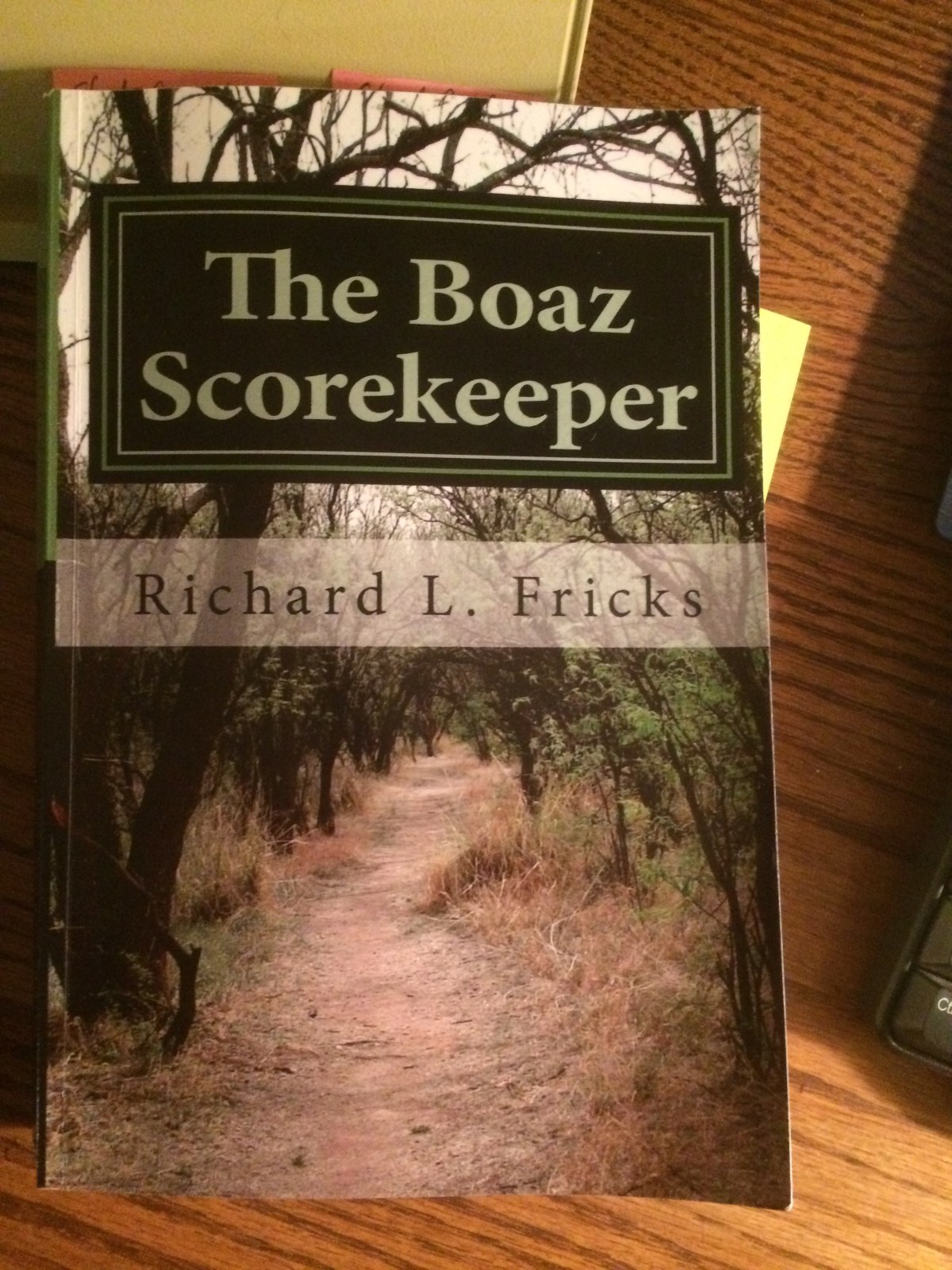
The Boaz Scorekeeper–Chapter 27

The Boaz Scorekeeper, written in 2017, is my second novel. I'll post it, a chapter a day, over the next few weeks.

The Friday after Labor Day, Tina buzzed me over the intercom and said a Cynthia Radford was on the phone claiming to have important information.  I took the call.

She said she was the ex-wife of Raymond Radford and asked if we could meet.  She said it was important to meet in secret and asked me to come to her lake house in Guntersville.  She suggested we meet in the Marshall Medical Center North parking lot and she would drive us to her cabin.  I told her I needed to know what this was about. She said she might have information that could help Matt and me with our wrongful death case against the Flaming Five.  She used that phrase. 

Over coffee at her kitchen table she thanked me for coming and said I had to make her a promise before she would tell me what she knew.  I told her I wouldn’t know unless she was more specific.  She asked me if her son Randall could ever be prosecuted again for the deaths of Wendi and Cindi Murray?  I told her no, since Randall’s case had been dismissed by the prosecutor back in 1973.  I thought she would catch my lie but she didn’t.  It was wrong of me not to be truthful and explain that double jeopardy didn’t attach until an actual trial had begun.  That certainly hadn’t been the case.  Instead of being truthful, I rationalized, believing that real justice might be fulfilled if I learned what Cynthia had to say.

She said that she divorced Raymond in 1976 but their troubles started several years earlier.  She told me that he had protected Randall by helping dispose of the bodies and covering up their deaths.  She also said that Wade, James, Fred, and John’s fathers also were involved.

I asked her why she had not disclosed this information before.  She said because she was trying to protect Randall, just like Raymond did, but just in a different way.  She described how Randall had come home late Saturday morning all panicky.  He first told us that there had been an accident and two girls were killed.  After Raymond asked him why he hadn’t gone to the police Randall came clean saying that he would go to jail if they found out what he, John, and James had done.  Randall was rather incoherent but he did say that he and the others had done a very stupid thing and felt like they had to get rid of the evidence.  He told us that the two girls and their car were hidden in some woods down Little Cove Road.  Raymond and Randall left and didn’t return for several hours.

Cynthia stated that Raymond and the other fathers were involved in moving and burying the two girls.  She said that she had never known where the graves were but said that it made sense when the bodies were discovered at Pebblebrook.  She asked me if I thought it was God that had caused Bradley Vickers to bulldoze the wrong lot.  I told her that I doubted that was what happened.

Cynthia then told me how she found out about Raymond’s involvement with bribing Nyra, Darla, Gina, and Rickie. She said Randall had told her that Raymond and the other four fathers coerced the cheerleaders to give false testimony in exchange for college funding and periodic payments over ten years to begin after the Flaming Five had been cleared of all criminal charges. Fred’s father, Fitz, had handled the money and the payments.

Cynthia went on to tell me how Raymond had gotten involved with Darla’s mother eventually marrying her after divorcing Cynthia.  I could tell that Cynthia was greatly motivated by revenge from having been scorned by Raymond.  She told me that she hoped the Murray’s lawsuit bankrupted Radford Hardware and Building Supply.

Two weeks later I had Cynthia retell her story on the record. She submitted to a deposition in our law office.  Raymond’s attorney, Kerry Fox, was dumbfounded.  I almost felt sorry for him.  Not only were the stellar reputations of the Flaming Five and their fathers in the cross-hairs, but the assets of five rock solid institutions were exposed to hurricane-force winds.

11/10/23 Biking & Listening

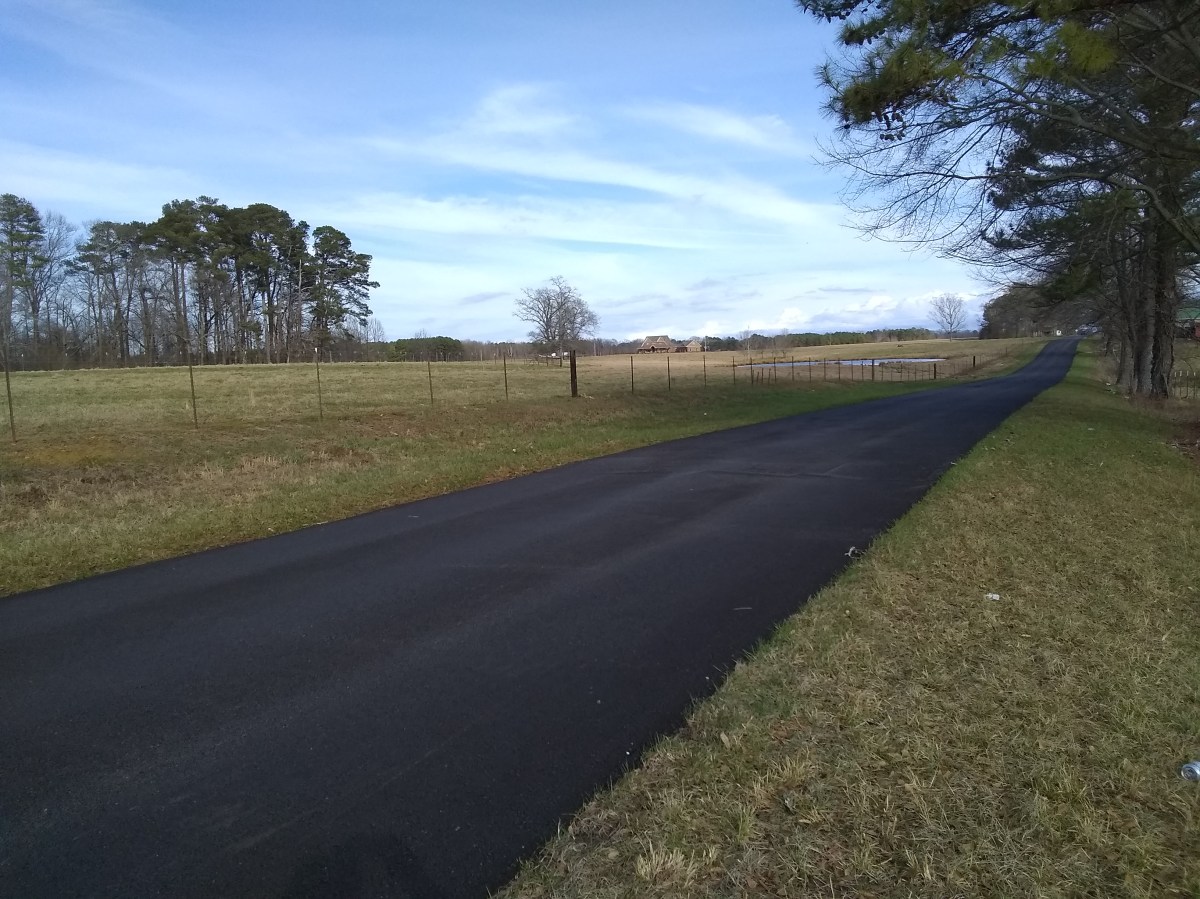
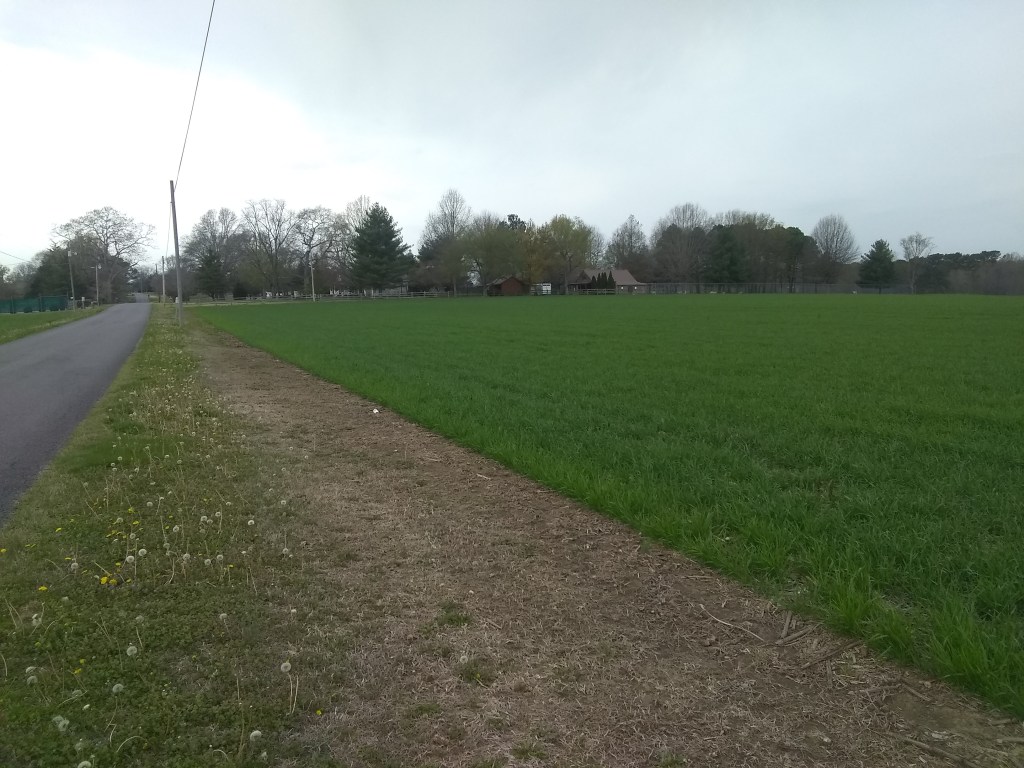
Here’s today’s bike ride.

Why I ride

Biking is something I both love and hate. The conflicting emotions arise from the undeniable physical effort it demands. However, this exertion is precisely what makes it an excellent form of exercise. Most days, I dedicate over an hour to my cycling routine, and in doing so, I’ve discovered a unique opportunity to enjoy a good book or podcast. The rhythmic pedaling and the wind against my face create a calming backdrop that allows me to fully immerse myself in the content. In these moments, the time spent on the bike seems worthwhile, as I can’t help but appreciate the mental and physical rewards it offers.

I especially like having ridden. The post-biking feeling is one of pure satisfaction. The endorphin rush, coupled with a sense of accomplishment, makes the initial struggle and fatigue worthwhile. As I dismount and catch my breath, I relish the sensation of having conquered the challenge, both physically and mentally. It’s a reminder that the things we sometimes love to hate can often be the ones that bring us the most fulfillment. In the end, the love-hate relationship with biking only deepens my appreciation for the sport, as it continually pushes me to overcome my own limitations and embrace the rewards that follow the effort.

My bike

A Rockhopper by Specialized. I purchased it November 2021 from Venture Out in Guntersville; Mike is top notch! So is the bike. The ‘old’ man seat was salvaged from an old Walmart bike (update: seat replaced, new photo to follow, someday).


Something to consider if you’re not already cycling.

I encourage you to start riding a bike, no matter your age. Check out these groups:

Cycling for those aged 70+(opens in a new tab)

Solitary Cycling(opens in a new tab)

Remember,

Photo by Suzy Hazelwood on Pexels.com


Novel I’m listening to:

The Last Thing He Told Me, by Laura Dave

Amazon abstract:

Don’t miss the #1 New York Times bestselling blockbuster and Reese Witherspoon Book Club Pick that’s sold over 2 million copies–now an Apple TV+ limited series starring Jennifer Garner!

The “page-turning, exhilarating” (PopSugar) and “heartfelt thriller” (Real Simple) about a woman who thinks she’s found the love of her life—until he disappears.

Before Owen Michaels disappears, he smuggles a note to his beloved wife of one year: Protect her. Despite her confusion and fear, Hannah Hall knows exactly to whom the note refers—Owen’s sixteen-year-old daughter, Bailey. Bailey, who lost her mother tragically as a child. Bailey, who wants absolutely nothing to do with her new stepmother.

As Hannah’s increasingly desperate calls to Owen go unanswered, as the FBI arrests Owen’s boss, as a US marshal and federal agents arrive at her Sausalito home unannounced, Hannah quickly realizes her husband isn’t who he said he was. And that Bailey just may hold the key to figuring out Owen’s true identity—and why he really disappeared.

Hannah and Bailey set out to discover the truth. But as they start putting together the pieces of Owen’s past, they soon realize they’re also building a new future—one neither of them could have anticipated.

With its breakneck pacing, dizzying plot twists, and evocative family drama, The Last Thing He Told Me is a “page-turning, exhilarating, and unforgettable” (PopSugar) suspense novel.


Podcasts I’m listening to:


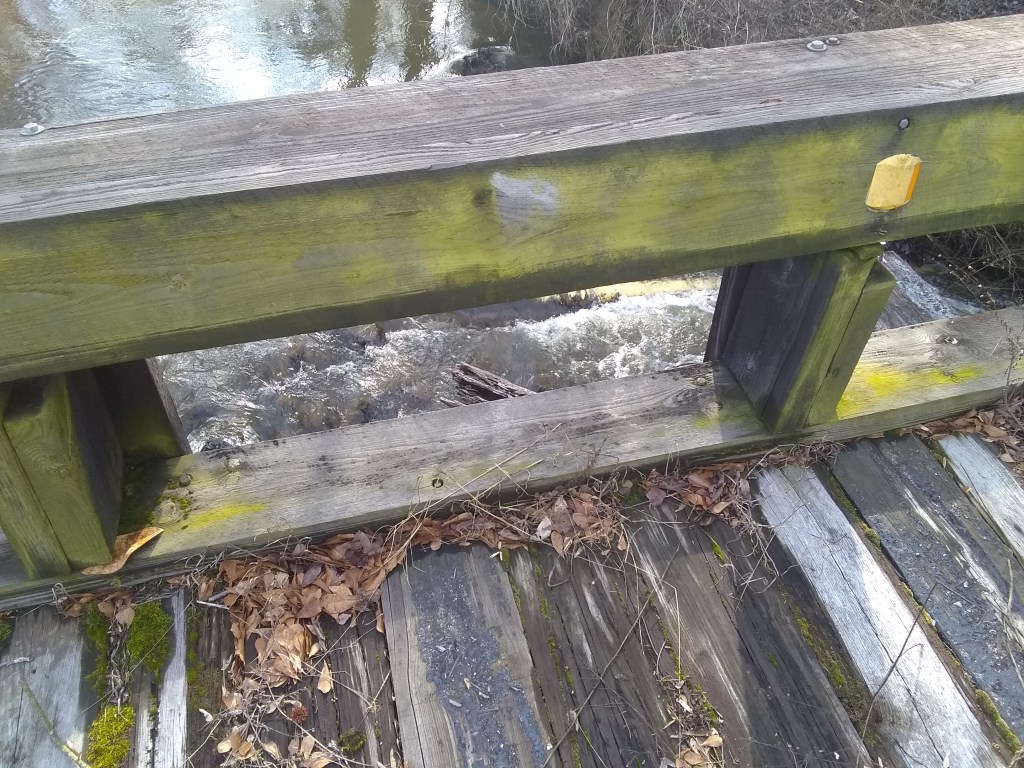
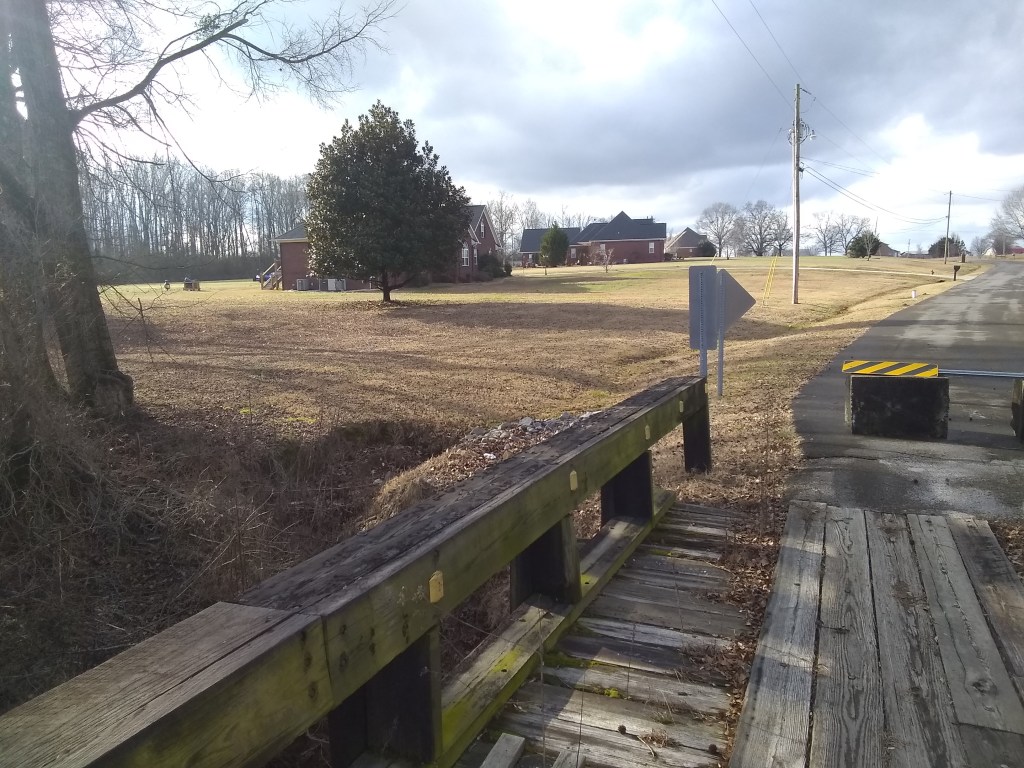
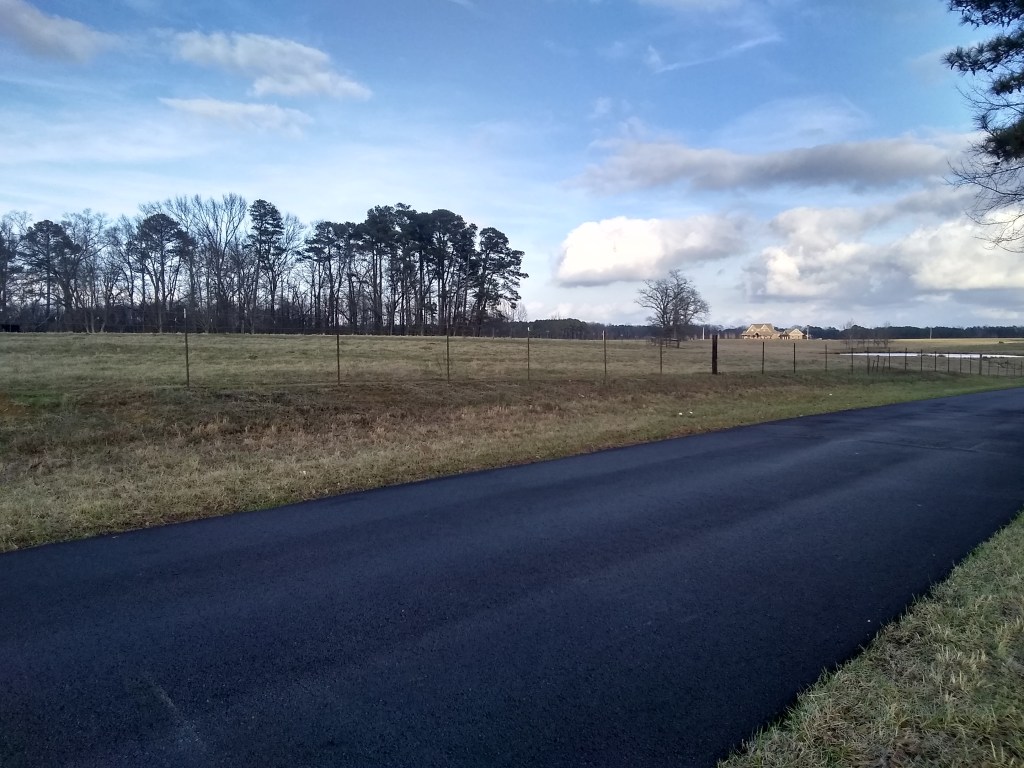
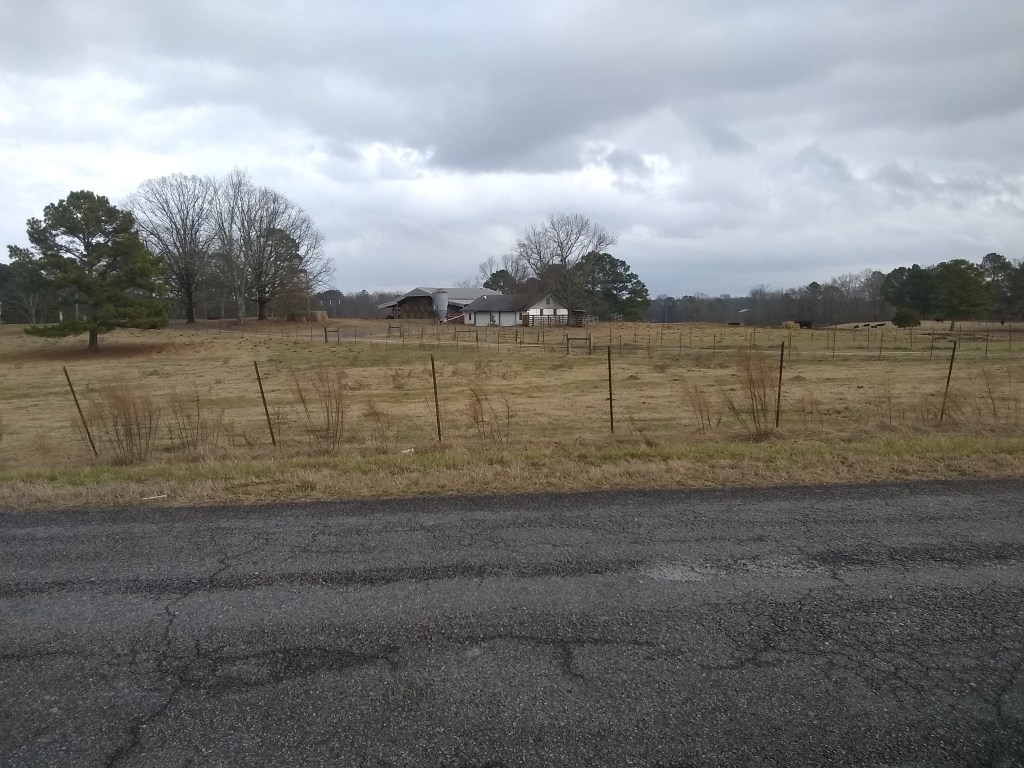
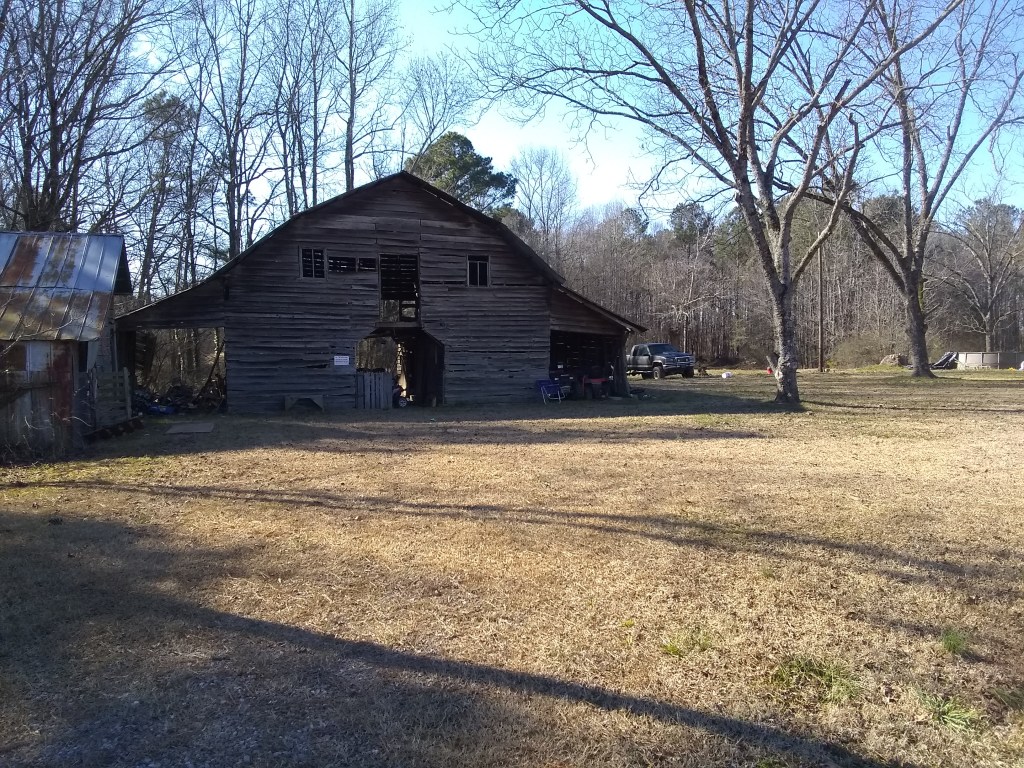
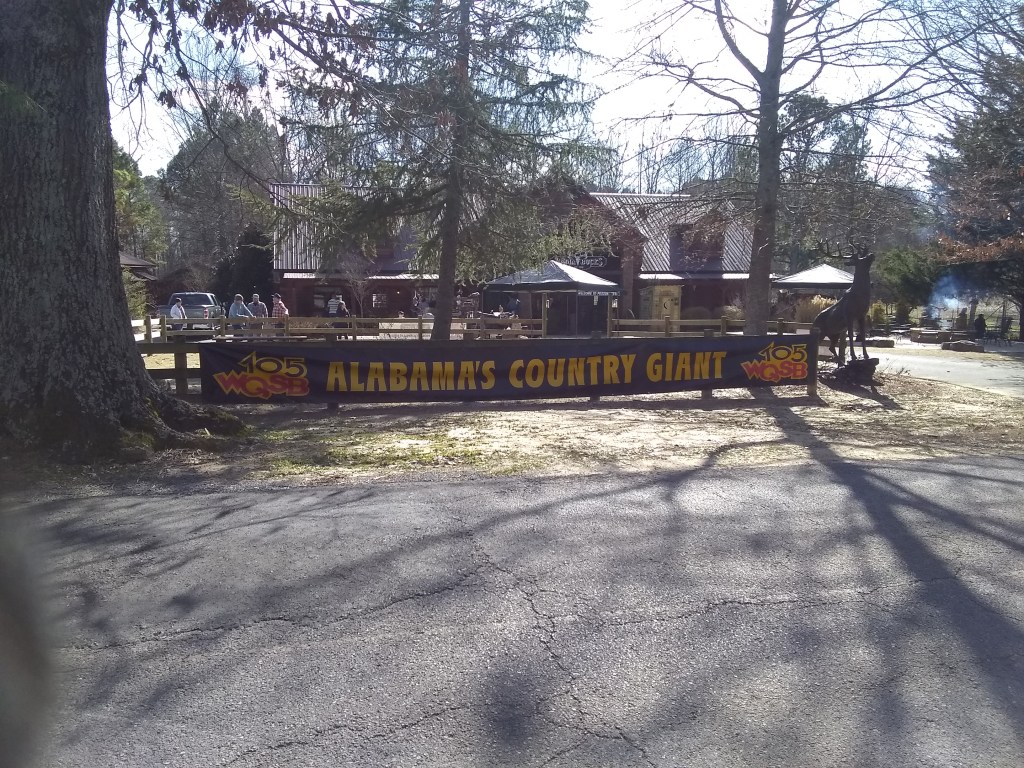
Here’s a few photos from along my pistol route:

The Lonely City: Adventures in the Art of Being Alone

Here’s the link to this article.

BY MARIA POPOVA

The Lonely City: Adventures in the Art of Being Alone

“You are born alone. You die alone. The value of the space in between is trust and love,” artist Louise Bourgeois wrote in her diary at the end of a long and illustrious life as she contemplated how solitude enriches creative work. It’s a lovely sentiment, but as empowering as it may be to those willing to embrace solitude, it can be tremendously lonesome-making to those for whom loneliness has contracted the space of trust and love into a suffocating penitentiary. For if in solitude, as Wendell Berry memorably wrote, “one’s inner voices become audible [and] one responds more clearly to other lives,” in loneliness one’s inner scream becomes deafening, deadening, severing any thread of connection to other lives.

How to break free of that prison and reinhabit the space of trust and love is what Olivia Laing explores in The Lonely City: Adventures in the Art of Being Alone (public library) — an extraordinary more-than-memoir; a sort of memoir-plus-plus, partway between Helen MacDonald’s H Is for Hawk and the diary of Virginia Woolf; a lyrical account of wading through a period of self-expatriation, both physical and psychological, in which Laing paints an intimate portrait of loneliness as “a populated place: a city in itself.”

Art by Isol from Daytime Visions

After the sudden collapse of a romance marked by extreme elation, Laing left her native England and took her shattered heart to New York, “that teeming island of gneiss and concrete and glass.” The daily, bone-deep loneliness she experienced there was both paralyzing in its all-consuming potency and, paradoxically, a strange invitation to aliveness. Indeed, her choice to leave home and wander a foreign city is itself a rich metaphor for the paradoxical nature of loneliness, animated by equal parts restlessness and stupor, capable of turning one into a voluntary vagabond and a catatonic recluse all at once, yet somehow a vitalizing laboratory for self-discovery. The pit of loneliness, she found, could “drive one to consider some of the larger questions of what it is to be alive.”

She writes:

There were things that burned away at me, not only as a private individual, but also as a citizen of our century, our pixelated age. What does it mean to be lonely? How do we live, if we’re not intimately engaged with another human being? How do we connect with other people, particularly if we don’t find speaking easy? Is sex a cure for loneliness, and if it is, what happens if our body or sexuality is considered deviant or damaged, if we are ill or unblessed with beauty? And is technology helping with these things? Does it draw us closer together, or trap us behind screens?

Bedeviled by this acute emotional anguish, Laing seeks consolation in the great patron saints of loneliness in twentieth-century creative culture. From this eclectic tribe of the lonesome — including Jean-Michel Basquiat, Alfred Hitchcock, Peter Hujar, Billie Holiday, and Nan Goldin — Laing chooses four artists as her companions charting the terra incognita of loneliness: Edward Hopper, Andy Warhol, Henry Darger, and David Wojnarowicz, who had all “grappled in their lives as well as work with loneliness and its attendant issues.”

Photograph by Maria Popova. (Available as a print.)

She considers, for instance, Warhol — an artist whom Laing had always dismissed until she was submerged in loneliness herself. (“I’d seen the screen-printed cows and Chairman Maos a thousand times, and I thought they were vacuous and empty, disregarding them as we often do with things we’ve looked at but failed properly to see.”) She writes:

Warhol’s art patrols the space between people, conducting a grand philosophical investigation into closeness and distance, intimacy and estrangement. Like many lonely people, he was an inveterate hoarder, making and surrounding himself with objects, barriers against the demands of human intimacy. Terrified of physical contact, he rarely left the house without an armoury of cameras and tape recorders, using them to broker and buffer interactions: behaviour that has light to shed on how we deploy technology in our own century of so-called connectivity.

Woven into the fabric of Laing’s personal experience are inquiries into the nature, context, and background of these four artists’ lives and their works most preoccupied with loneliness. But just as it would be unfair to call Laing’s masterpiece only a “memoir,” it would be unfair to call these threads “art history,” for they are rather the opposite, a kind of “art present” — elegant and erudite meditations on how art is present with us, how it invites us to be present with ourselves and bears witness to that presence, alleviating our loneliness in the process.

Laing examines the particular, pervasive form of loneliness in the eye of a city aswirl with humanity:

Imagine standing by a window at night, on the sixth or seventeenth or forty-third floor of a building. The city reveals itself as a set of cells, a hundred thousand windows, some darkened and some flooded with green or white or golden light. Inside, strangers swim to and fro, attending to the business of their private hours. You can see them, but you can’t reach them, and so this commonplace urban phenomenon, available in any city of the world on any night, conveys to even the most social a tremor of loneliness, its uneasy combination of separation and exposure.

You can be lonely anywhere, but there is a particular flavour to the loneliness that comes from living in a city, surrounded by millions of people. One might think this state was antithetical to urban living, to the massed presence of other human beings, and yet mere physical proximity is not enough to dispel a sense of internal isolation. It’s possible – easy, even – to feel desolate and unfrequented in oneself while living cheek by jowl with others. Cities can be lonely places, and in admitting this we see that loneliness doesn’t necessarily require physical solitude, but rather an absence or paucity of connection, closeness, kinship: an inability, for one reason or another, to find as much intimacy as is desired. Unhappy, as the dictionary has it, as a result of being without the companionship of others. Hardly any wonder, then, that it can reach its apotheosis in a crowd.

As scientists are continuing to unpeel the physiological effects of loneliness, it is no surprise that this psychological state comes with an almost bodily dimension, which Laing captures vividly:

What does it feel like to be lonely? It feels like being hungry: like being hungry when everyone around you is readying for a feast. It feels shameful and alarming, and over time these feelings radiate outwards, making the lonely person increasingly isolated, increasingly estranged. It hurts, in the way that feelings do, and it also has physical consequences that take place invisibly, inside the closed compartments of the body. It advances, is what I’m trying to say, cold as ice and clear as glass, enclosing and engulfing.

There is, of course, a universe of difference between solitude and loneliness — two radically different interior orientations toward the same exterior circumstance of lacking companionship. We speak of “fertile solitude” as a developmental achievement essential for our creative capacity, but loneliness is barren and destructive; it cottons in apathy the will to create. More than that, it seems to signal an existential failing — a social stigma the nuances of which Laing addresses beautifully:

Loneliness is difficult to confess; difficult too to categorise. Like depression, a state with which it often intersects, it can run deep in the fabric of a person, as much a part of one’s being as laughing easily or having red hair. Then again, it can be transient, lapping in and out in reaction to external circumstance, like the loneliness that follows on the heels of a bereavement, break-up or change in social circles.

Like depression, like melancholy or restlessness, it is subject too to pathologisation, to being considered a disease. It has been said emphatically that loneliness serves no purpose… Perhaps I’m wrong, but I don’t think any experience so much a part of our common shared lives can be entirely devoid of meaning, without a richness and a value of some kind.

With an eye to Virginia Woolf’s unforgettable diary writings on loneliness and creativity, Laing speculates:

Loneliness might be taking you towards an otherwise unreachable experience of reality.

Adrift and alone in the city that promises its inhabitants “the gift of privacy with the excitement of participation,” Laing cycles through a zoetrope of temporary homes — sublets, friends’ apartments, and various borrowed quarters, only amplifying the sense of otherness and alienation as she is forced to make “a life among someone else’s things, in a home that someone else has created and long since.”

Art by Carson Ellis from Home

But therein lies an inescapable metaphor for life itself — we are, after all, subletting our very existence from a city and a society and a world that have been there for much longer than we have, already arranged in a way that might not be to our taste, that might not be how the building would be laid out and its interior designed were we to do it from scratch ourselves. And yet we are left to make ourselves at home in the way things are, imperfect and sometimes downright ugly. The measure of a life has to do with this subletting ability — with how well we are able to settle into this borrowed, imperfect abode and how much beauty we can bring into existence with however little control over its design we may have.

This, perhaps, is why Laing found her only, if temporary, respite from loneliness in an activity propelled by the very act of leaving this borrowed home: walking. In a passage that calls to mind Robert Walser’s exquisite serenade to the soul-nourishment of the walk, she writes:

In certain circumstances, being outside, not fitting in, can be a source of satisfaction, even pleasure. There are kinds of solitude that provide a respite from loneliness, a holiday if not a cure. Sometimes as I walked, roaming under the stanchions of the Williamsburg Bridge or following the East River all the way to the silvery hulk of the U.N., I could forget my sorry self, becoming instead as porous and borderless as the mist, pleasurably adrift on the currents of the city.

But whatever semblance of a more solid inner center these peripatetic escapes into solitude offered, it was a brittle solidity:

I didn’t get this feeling when I was in my apartment; only when I was outside, either entirely alone or submerged in a crowd. In these situations I felt liberated from the persistent weight of loneliness, the sensation of wrongness, the agitation around stigma and judgement and visibility. But it didn’t take much to shatter the illusion of self-forgetfulness, to bring me back not only to myself but to the familiar, excruciating sense of lack.

Edward Hopper: Nighthawks (1942)
Edward Hopper: Nighthawks (1942)

It was in the lacuna between self-forgetfulness and self-discovery that Laing found herself drawn to the artists who became her companions in a journey both toward and away from loneliness. There is Edward Hopper with his iconic Nighthawks aglow in eerie jade, of which Laing writes:

There is no colour in existence that so powerfully communicates urban alienation, the atomisation of human beings inside the edifices they create, as this noxious pallid green, which only came into being with the advent of electricity, and which is inextricably associated with the nocturnal city, the city of glass towers, of empty illuminated offices and neon signs.

[…]

The diner was a place of refuge, absolutely, but there was no visible entrance, no way to get in or out. There was a cartoonish, ochre-coloured door at the back of the painting, leading perhaps into a grimy kitchen. But from the street, the room was sealed: an urban aquarium, a glass cell.

[…]

Green on green, glass on glass, a mood that expanded the longer I lingered, breeding disquiet.

Hopper himself had a conflicted relationship with the common interpretation that loneliness was a central theme of his work. Although he often denied that it was a deliberate creative choice, he once conceded in an interview: “I probably am a lonely one.” Laing, whose attention and sensitivity to even the subtlest texture of experience are what make the book so wonderful, considers how Hopper’s choice of language captures the essence of loneliness:

It’s an unusual formulation, a lonely one; not at all the same thing as admitting one is lonely. Instead, it suggests with that a, that unassuming indefinite article, a fact that loneliness by its nature resists. Though it feels entirely isolating, a private burden no one else could possibly experience or share, it is in reality a communal state, inhabited by many people. In fact, current studies suggest that more than a quarter of American adults suffers from loneliness, independent of race, education and ethnicity, while 45 per cent of British adults report feeling lonely either often or sometimes. Marriage and high income serve as mild deterrents, but the truth is that few of us are absolutely immune to feeling a greater longing for connection than we find ourselves able to satisfy. The lonely ones, a hundred million strong. Hardly any wonder Hopper’s paintings remain so popular, and so endlessly reproduced.

Reading his halting confession, one begins to see why his work is not just compelling but also consoling, especially when viewed en masse. It’s true that he painted, not once but many times, the loneliness of a large city, where the possibilities of connection are repeatedly defeated by the dehumanising apparatus of urban life. But didn’t he also paint loneliness as a large city, revealing it as a shared, democratic place, inhabited, whether willingly or not, by many souls?

[…]

What Hopper captures is beautiful as well as frightening. They aren’t sentimental, his pictures, but there is an extraordinary attentiveness to them… As if loneliness was something worth looking at. More than that, as if looking itself was an antidote, a way to defeat loneliness’s strange, estranging spell.

David Wojnarowicz by Peter Hujar (Peter Hujar Archive)

For the artists accompanying Laing on her journey — including Henry Darger, the brilliant and mentally ill Chicago janitor whose posthumously discovered paintings made him one of the most celebrated outsider artists of the twentieth century, and the creative polymath David Wojnarowicz, still in his thirties when AIDS took his life — loneliness was often twined with another profound affliction of the psyche: loss. In a passage evocative of Paul Goodman’s taxonomy of the nine types of silence, Laing offers a taxonomy of lonelinesses through the lens of loss:

Loss is a cousin of loneliness. They intersect and overlap, and so it’s not surprising that a work of mourning might invoke a feeling of aloneness, of separation. Mortality is lonely. Physical existence is lonely by its nature, stuck in a body that’s moving inexorably towards decay, shrinking, wastage and fracture. Then there’s the loneliness of bereavement, the loneliness of lost or damaged love, of missing one or many specific people, the loneliness of mourning.

But this lonesomeness of mortality finds its antidote in the abiding consolations of immortal works of art. “Art holds out the promise of inner wholeness,” philosopher Alain de Botton and art historian John Armstrong wrote in their inquiry into the seven psychological functions of art, and if loneliness is, as Laing puts it, “a longing for integration, for a sense of feeling whole,” what better answer to that longing than art? After all, in the immortal words of James Baldwin, “only an artist can tell, and only artists have told since we have heard of man, what it is like for anyone who gets to this planet to survive it.”

watertower_byMariaPopova

Looking back on her experience, Laing writes:

There are so many things that art can’t do. It can’t bring the dead back to life, it can’t mend arguments between friends, or cure AIDS, or halt the pace of climate change. All the same, it does have some extraordinary functions, some odd negotiating ability between people, including people who never meet and yet who infiltrate and enrich each other’s lives. It does have a capacity to create intimacy; it does have a way of healing wounds, and better yet of making it apparent that not all wounds need healing and not all scars are ugly.

If I sound adamant it is because I am speaking from personal experience. When I came to New York I was in pieces, and though it sounds perverse, the way I recovered a sense of wholeness was not by meeting someone or by falling in love, but rather by handling the things that other people had made, slowly absorbing by way of this contact the fact that loneliness, longing, does not mean one has failed, but simply that one is alive.

But as profoundly personal as loneliness may feel, it is inseparable from the political dimensions of public life. In a closing passage that calls to mind Audre Lorde’s clarion call for breaking our silences against structural injustice, Laing adds:

There is a gentrification that is happening to cities, and there is a gentrification that is happening to the emotions too, with a similarly homogenising, whitening, deadening effect. Amidst the glossiness of late capitalism, we are fed the notion that all difficult feelings — depression, anxiety, loneliness, rage — are simply a consequence of unsettled chemistry, a problem to be fixed, rather than a response to structural injustice or, on the other hand, to the native texture of embodiment, of doing time, as David Wojnarowicz memorably put it, in a rented body, with all the attendant grief and frustration that entails.

I don’t believe the cure for loneliness is meeting someone, not necessarily. I think it’s about two things: learning how to befriend yourself and understanding that many of the things that seem to afflict us as individuals are in fact a result of larger forces of stigma and exclusion, which can and should be resisted.

Loneliness is personal, and it is also political. Loneliness is collective; it is a city. As to how to inhabit it, there are no rules and nor is there any need to feel shame, only to remember that the pursuit of individual happiness does not trump or excuse our obligations to each another. We are in this together, this accumulation of scars, this world of objects, this physical and temporary heaven that so often takes on the countenance of hell. What matters is kindness; what matters is solidarity. What matters is staying alert, staying open, because if we know anything from what has gone before us, it is that the time for feeling will not last.

The Lonely City is a layered and endlessly rewarding book, among the finest I have ever read. Complement it with Rebecca Solnit on how we find ourselves by getting lost, David Whyte on the transfiguration of aloneness, Alfred Kazin on loneliness and the immigrant experience, and Sara Maitland on how to be alone without being lonely.

Thanks, Emily

A Tennessee high school let a Christian preacher lead the basketball team in foot-washing

Here’s the link to this article.

Pushing Jesus on public high school students is coercive, immoral, and illegal

HEMANT MEHTA

NOV 4, 2023


Here’s a quick tip for Christians who want to proselytize in public schools: When you get away with it, don’t brag about it publicly. Because even when you think all the evidence has been scrubbed from the internet, some people (*waves hello*) may have saved screenshots.

Speaking of which…

On Wednesday, Andrew Fortner, the leader of a Fellowship of Christian Athletes chapter in Tennessee, posted about how students at White House Heritage High School (a public school) ended their practice in an unusual way.

They held a free-throw shooting contest and five players on the team “won”… the chance to wash their teammates’ feet just like Jesus. The FCA leader shared pictures and explained how he told team leaders to “chase the TOWEL over the TITLE.” Fortner also included an image of himself reading the Bible to the kids.

That post is no longer online. Fortner deleted it. But not before it was shared on TikTok by a concerned woman (who also deleted her video to avoid local backlash).

Still, it happened. And now the Freedom From Religion Foundation is getting involved. In a letter, legal fellow Samantha F. Lawrence calls on the Robertson County Schools to investigate the matter:

We ask that RCS investigate this matter and ensure that the White House Heritage HS basketball program ceases infusing the program with religion. The basketball program and its coaches cannot be permitted to invite and allow an outside adult to proselytize student athletes and require them to engage in religious activities.

… When coaches promote their personal religion to students and invite an outside adult, such as Mr. Fortner, to instruct students to act out a biblical story while reading them scripture, the student athletes will no doubt feel that agreeing with their coach’s religious viewpoint and participating in the religious activities is essential to pleasing their coach and being viewed as a team player. It is unrealistic and unconstitutional to put student athletes to the choice of allowing their constitutional rights to be violated in order to maintain good standing in the eyes of their coach and peers or openly dissenting at the risk of retaliation from their coach and teammates.

As Lawrence points out, the Supreme Court’s Kennedy decision (where a football coach wanted to pray at midfield after games despite the coercive effect) is irrelevant here. This was a direct attempt to merge church and state. There was very clearly coercion. Fortner isn’t even a coach. He’s just a random guy whose Christianity gave him access to the team.

No representative from a different religion, or an atheist, would be given the opportunity to push their beliefs on the basketball team in the name of self-described morality. And they shouldn’t be! But Christian privilege is a hell of a drug.

The coaching staff at this school had no right to invite a Christian preacher to a practice in an effort to convert children. It’s appalling that the adults involved here were so comfortable with what was happening that they allowed photos to be taken and posted online… at least until, perhaps, they realized they were doing something wrong.

Fortner did not respond to a request for comment.

The Boaz Scorekeeper–Chapter 26

The Boaz Scorekeeper, written in 2017, is my second novel. I'll post it, a chapter a day, over the next few weeks.

In July, I was contacted by Nate Baker, a reporter with the New York Times.  He said that he was in town researching a follow-up story to the Times’ 1986 article, Designer Outlets Transform a Town.  Nate said the follow-up article had been scheduled for publication in early 1996 but the original reporter had both a personal and professional conflict.  With the research deadline approaching, the newspaper’s chief editor decided to change the deadline transforming the assignment into an eleven-year expanded feature. 

Nate asked if he could come by the office to discuss the Murray case.  He said two months ago when he was assigned the project he did some preliminary research, including reading several local and state newspapers, and had learned about the wrongful death lawsuit against the five most prominent families in Boaz.  He said he had decided to feature the 25-year unsolved case of Wendi and Cindi Murray alongside the devolution of the Boaz outlets.

I didn’t have any appointments and told Nate to come to the office. To my surprise, he had already spent six weeks in Boaz working on his story.  He gave me a copy of the Times’ 1986 article about how Boaz was transformed by the outlets.  I scanned the article and said I had vivid memories of visiting Boaz from my home in Atlanta during the late 1980s and seeing dozens and dozens of tour buses hauling in light-hearted folks with heavy pocketbooks to sometimes spend hundreds and even thousands of dollars each.  I also said it was a shame that pride, ego, and jealousy could not have been set aside for the greater good.  Nate asked me why I thought the outlets had failed.

I gave him my opinion.  Boaz had pretty much always been ruled by five families.  They were the only game in town, running things with a club mentality.  They were a club, it was known as Club Eden.  In the early to mid-80s club member Raymond Radford got a wild idea that Boaz needed to think outside the box so to speak and develop some type of unique draw for people far and wide.  For years the H.D. Lee Company had a plant in Boaz making mainly blue-jeans.  Radford did some research and learned that the Lee Company was owned by Vanity Fair and that it was planning on closing the Boaz sewing facility.  Vanity Fair was a huge retailer with dozens of stores.  Radford convinced the Club to develop an offer for Vanity Fair.  Mayor Adams, also a Club member, convinced the City Council to waive all city sales taxes for 15 years and to provide over $300,000 in renovation funds.  In exchange for these incentives, Vanity Fair would lease the twenty stores that surrounded its complex to the City.  The Club, along with the Executive Director of the Chamber of Commerce, flew to Denver to present their plan.  They were successful but someway the Club wound up controlling the outlying 20 stores which allowed it to re-lease them to manufacturer outlets.  All was great in Boaz for nearly two years.  Club Eden was in control, making thousands per month, and Boaz sales taxes from the 20 outlying stores were filling the City’s coffers with more sales taxes than all the other local retail merchants combined.

Club Eden was surprised in late 1987.  On Black Friday, the Birmingham News featured an article about Atlanta retail developer Carter Livingston’s plans to build a 200-unit retail facility just up the street from the Vanity Fair Complex.  The article said Livingston had already secured the 160-acre tract of land and would begin construction in early January 1987.  For nearly 100 years Club Eden had controlled Boaz. No business of any significance could open within the city limits of Boaz without the Club’s unofficial approval.  Those who had attempted to ignore the Club learned the hard way with several losing stores and inventories to unexplained fires.  At least two people had lost their lives, or so it seemed.

Carter Livingston was true to his word.  In record time, the Manufacturers’ Outlet Center of Boaz opened September 15, 1987 just one month before the stock market crash on October 19th.  But, this didn’t seem to stop or even decrease sales that quadrupled those of the Vanity Fair center.  This was great news for the City of Boaz bringing unimagined revenues from its 4% sales tax.  But, it was worse than death for Club Eden. There was nothing more important than power and control to these five families.  They would never accept defeat.  Success was the only acceptable result.  The short of it, over the next two years, Club Eden built six outlet shopping centers.  None of them were in Boaz.  The Club’s plan was truly long-term.  They knew that people came in droves to Boaz because of the great deals.  The Club also knew that all these thousands of customers were not loyal citizens of Boaz.  They would abandon Boaz in a heartbeat if they had another choice.  This is what Club Eden provided.  By the early 1990s, the Boaz outlets were struggling and dozens of stores were closing.  A skeleton of stores remained until mid-1995 when Carter Livingston bankrupted his Manufacturers’ Outlet Center of Boaz.

Nate thanked me for my detailed description of why the Boaz outlet phenomenon had failed.  We went to lunch and returned.  When we sat back down in the conference room, he asked me if I knew Clinton Murray?  I said I did, that he was a cousin of Wendi and Cindi Murray.  Nate said that when he first met with the Murray’s that Clinton was present but wouldn’t talk with him.  But, after several visits he apparently realized that Nate was serious about telling Wendi and Cindi’s story. 

Nate said that Clinton had found Cindi’s journal in 1996 when their parents finally decided to dismantle the twin’s bedroom.  Clinton, with Bill and Nellie’s permission, had shared it with Nate.  Apparently, Cindi had been to Club Eden once before the May 25, 1972 graduation party.  She wrote an entry dated May 11, 1972: “met Randall and James at the Boaz Dairy Queen.  We went to their clubhouse but I don’t know where it is since they made me wear a dark hood.  They built a fire and we sat around and talked.  They invited me to their graduation party in two weeks and asked if I could bring a girlfriend.  I told them I had a twin sister but she was shy and didn’t even date.  They said they would give me $200.00 if I brought Wendi with me.”

Nate also told me that he had five investigators working for him.  Each of them had been assigned to one of the Flaming Five and charged with watching and recording their every move.  Nate said that he was certain that every one of them except Wade Tillman was having an affair.  James Adams meets a Sherry Sampson at either the Day’s Inn or the Red Roof Inn in Gadsden every Thursday at 11:00 a.m.  Randall Radford goes either on Monday or Tuesday to a house on Pecan Avenue in Albertville to see Cissy Sprayberry.  Fred Billingsley meets his secretary, Judy Killian, at her house on Pleasant Grove Road at least twice a week—usually over a weekday lunch.  John Ericson is more discreet by meeting his housekeeper on Wednesday afternoon at his house while his wife makes her weekly shopping trip to Huntsville.  But, Nate said, here is where it gets interesting.  Wade’s wife Gina always goes to Huntsville on Wednesday with Ericson’s wife Judith.  Apparently, they have found some very interesting stores at the Huntsville Hilton.

After Nate filled me in on random and non-recurring trysts by the Flaming Five, he announced that his article was scheduled for publication the middle of October.

11/09/23 Biking & Listening

Here’s today’s bike ride.

Why I ride

Biking is something I both love and hate. The conflicting emotions arise from the undeniable physical effort it demands. However, this exertion is precisely what makes it an excellent form of exercise. Most days, I dedicate over an hour to my cycling routine, and in doing so, I’ve discovered a unique opportunity to enjoy a good book or podcast. The rhythmic pedaling and the wind against my face create a calming backdrop that allows me to fully immerse myself in the content. In these moments, the time spent on the bike seems worthwhile, as I can’t help but appreciate the mental and physical rewards it offers.

I especially like having ridden. The post-biking feeling is one of pure satisfaction. The endorphin rush, coupled with a sense of accomplishment, makes the initial struggle and fatigue worthwhile. As I dismount and catch my breath, I relish the sensation of having conquered the challenge, both physically and mentally. It’s a reminder that the things we sometimes love to hate can often be the ones that bring us the most fulfillment. In the end, the love-hate relationship with biking only deepens my appreciation for the sport, as it continually pushes me to overcome my own limitations and embrace the rewards that follow the effort.

My bike

A Rockhopper by Specialized. I purchased it November 2021 from Venture Out in Guntersville; Mike is top notch! So is the bike. The ‘old’ man seat was salvaged from an old Walmart bike (update: seat replaced, new photo to follow, someday).


Something to consider if you’re not already cycling.

I encourage you to start riding a bike, no matter your age. Check out these groups:

Cycling for those aged 70+(opens in a new tab)

Solitary Cycling(opens in a new tab)

Remember,

Photo by Suzy Hazelwood on Pexels.com


Novel I’m listening to:

The Last Thing He Told Me, by Laura Dave

Amazon abstract:

Don’t miss the #1 New York Times bestselling blockbuster and Reese Witherspoon Book Club Pick that’s sold over 2 million copies–now an Apple TV+ limited series starring Jennifer Garner!

The “page-turning, exhilarating” (PopSugar) and “heartfelt thriller” (Real Simple) about a woman who thinks she’s found the love of her life—until he disappears.

Before Owen Michaels disappears, he smuggles a note to his beloved wife of one year: Protect her. Despite her confusion and fear, Hannah Hall knows exactly to whom the note refers—Owen’s sixteen-year-old daughter, Bailey. Bailey, who lost her mother tragically as a child. Bailey, who wants absolutely nothing to do with her new stepmother.

As Hannah’s increasingly desperate calls to Owen go unanswered, as the FBI arrests Owen’s boss, as a US marshal and federal agents arrive at her Sausalito home unannounced, Hannah quickly realizes her husband isn’t who he said he was. And that Bailey just may hold the key to figuring out Owen’s true identity—and why he really disappeared.

Hannah and Bailey set out to discover the truth. But as they start putting together the pieces of Owen’s past, they soon realize they’re also building a new future—one neither of them could have anticipated.

With its breakneck pacing, dizzying plot twists, and evocative family drama, The Last Thing He Told Me is a “page-turning, exhilarating, and unforgettable” (PopSugar) suspense novel.


Podcasts I’m listening to:


Here’s a few photos from along my pistol route: