Write to Life blog

Drafting–Layover in Newark, part A

“Let’s go inside.” Millie head-motioned for Molly to exit the bus first. Following her daughter, a streak of fear rushed upwards and across Millie’s spinal column. ‘It only takes one mistake, even a small one, and we’re sunk.’

The station was a nice old building dating from the 1940’s according to the bronze plaque outside the double-door entrance. Molly had researched Newark’s Penn Station before sending her first text to Alisha. It was a hub for not only Greyhound Bus, but also for Amtrak, and the subway.

Inside, Millie and Molly were amazed at the vastness of the lobby. “This is like entering a time warp.” Millie said, pumping a handful of Purell from a nearby stand.

“I agree. Modern and ancient. The granite floor and multiple stores along the far wall remind me of The Shops at Northbridge back home. But, the tribe of bedraggled and unkempt people wandering around make me think of the beginning of humanity, poor, desperate, fearful.” Molly often described a setting as though she was writing a piece for Ms. Thorton, her all-time favorite teacher.

“I don’t see how they survive.” Millie said directing Molly to a metal bench bolted to the floor to their left. “Much cause to be thankful.”

“I assume you took your Depokote.” Molly could already tell her mother was rebounding, at least a little, from her depressive state. Otherwise, she wouldn’t be referencing her gratitude.

“I did.” Millie removed the brochure she’d been given in Toledo and found the list of stations they’d encounter along their route. She typed Newark Penn Station’s web address into her phone and started reading. “Dunkin, Starbucks, and McDonald’s are all inside.” Millie pointed to the three lined side-by-side along the far wall.

“We have a three and a half hour layover. Let’s walk to the Doubletree Hilton on Raymond Blvd. That’s only two blocks and they have a highly rated bistro we could enjoy something other than fast-food. Then, we could rest in the comfortable chairs inside their lobby.”

“Well, I guess you’ve been doing more than texting Alisha.” Millie stared at Molly who looked down and clutched her book bag. Expecting a long-winded lecture, she was surprised by her mom’s hug. “No need to worry now, it’s done.”

“I’m sorry.” Molly said and stood as a toothless woman in a ragged coat, disheveled hair, and holey gloves approached holding a small tin bucket with the words, “help me please” scrawled in magic marker along the side.

It took less than five minutes to walk to the Doubletree Hotel and find Bistro Six Five Zero located just off the lobby. The tall, thin, clean-shaven waiter with gold Christian-cross earrings led them to the requested corner booth but Millie, upon inspection and noticing the torn seating with exposed foam padding, insisted on a table.

The menu was fairly broad, including anything from chicken wings to grilled salmon to Ribeye steak as well as burgers, sandwiches, salads and deserts. Given the pricing, both ordered the cheapest entre, the Bistro Burger with fries for $18. Soft drinks were extra, $3.49, so they declined opting for water instead.

After the waiter left, Molly shared her regret. “We should have eaten at McDonald’s. With that homeless woman as our guest.” Millie smiled and nodded affirmatively.

“How much did you give her?” Unlike Molly, Millie had resisted the uninhibited woman. She was glad her daughter was tenderhearted and cared about those less fortunate, but wanted her to learn she couldn’t help every needy person who came across her path.

“Five dollars. And now, you’re spending twenty-plus dollars on me. That could have fed that dear old woman and me, plus enough left over to give her $5.00.” Millie listened as Molly continued to talk for five or six minutes about a world with abundant food but yet widespread starvation. She shared an article her social studies teacher had shared quoting United Nations statistics: every year, more than 3 million children die from hunger-related causes.

The waiter delivered their food. “I hear you baby. There is unimaginable suffering in the world and we all need to do our part to help where and when we can.” They ate slow and in silence with Millie making a mental note to call their new landlord, Youngblood Properties, to make sure everything was ready for their arrival. Last Tuesday, the painters were scheduled to begin Thursday and finish on Friday.

Writing Journal—Thursday writing prompt

Your character has only one day left to live. What does she do with this last precious day? Who does she spend it with?

One Stop for Writers

 Guidance & tips

Write the scene of discovery (i.e., tell a story), or brainstorm and create a list of related ideas.

Here’s five story elements to consider:

  • Character
  • Setting
  • Plot
  • Conflict
  • Resolution

Never forget, writing is a process. The first draft is always a mess.

The first draft of anything is shit.

Ernest Hemingway

02/08/23 Biking & Listening

Biking is something else I both love and hate. It takes a lot of effort but does provide good exercise and most days over an hour to listen to a good book or podcast. I especially like having ridden.

Here’s my bike, a Rockhopper by Specialized. I purchased it November 2021 from Venture Out in Guntersville; Mike is top notch! So is the bike, and the ‘old’ man seat I salvaged from an old Walmart bike.

Here’s a link to today’s bike ride. I obviously favor my pistol route.

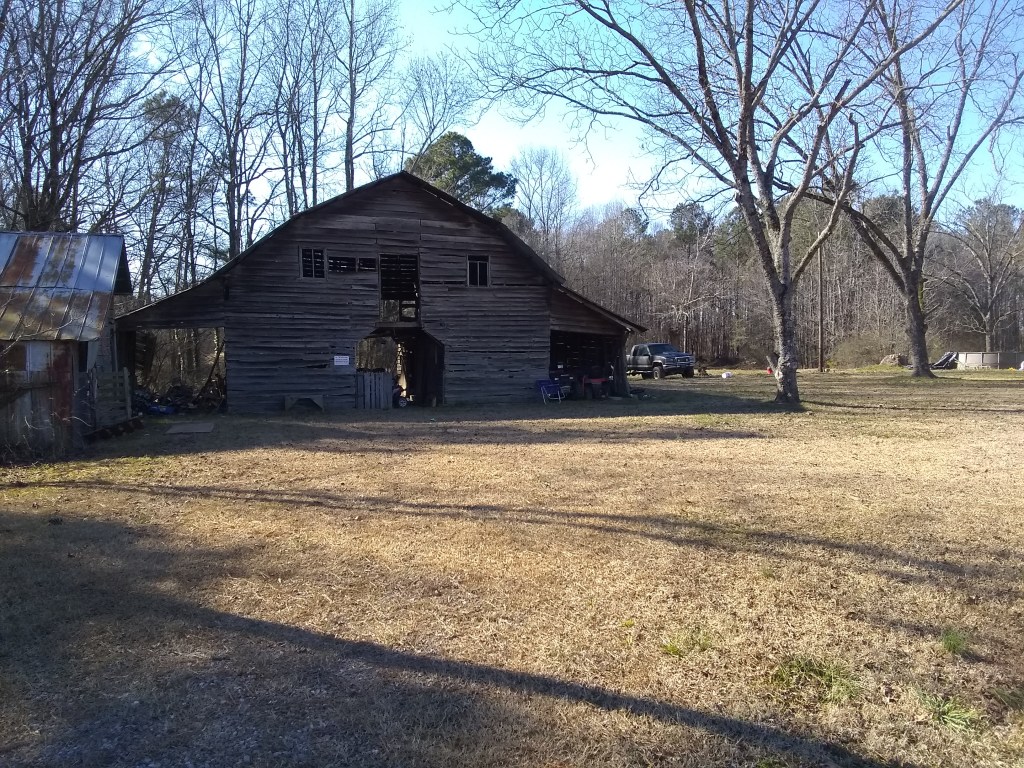
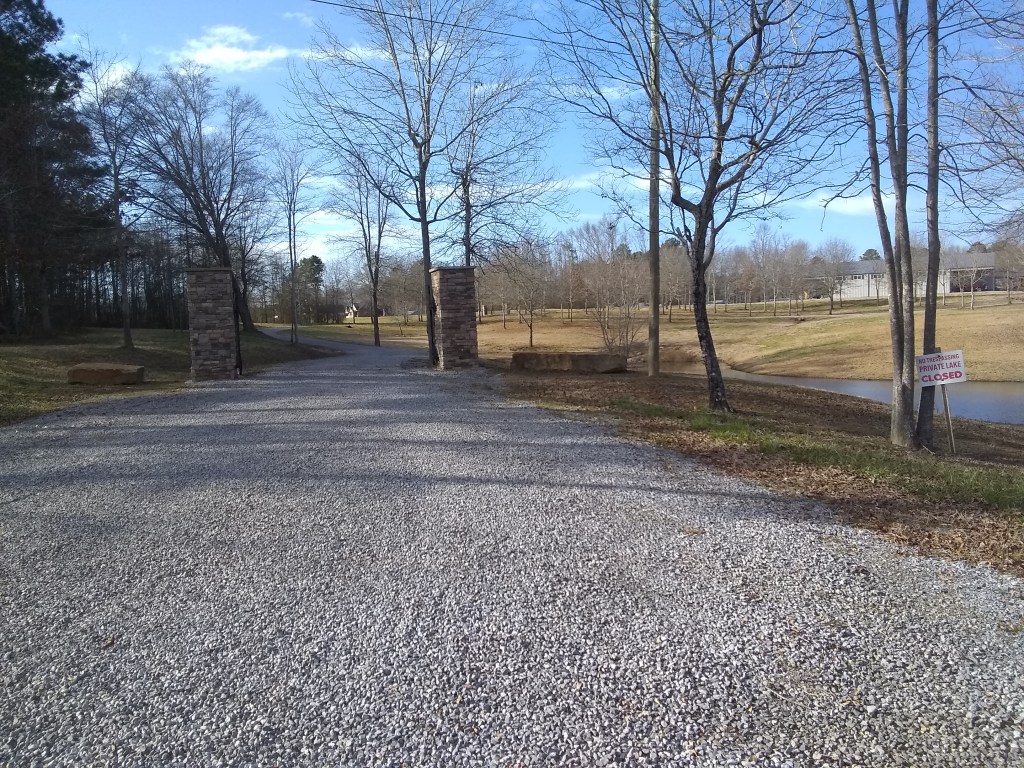
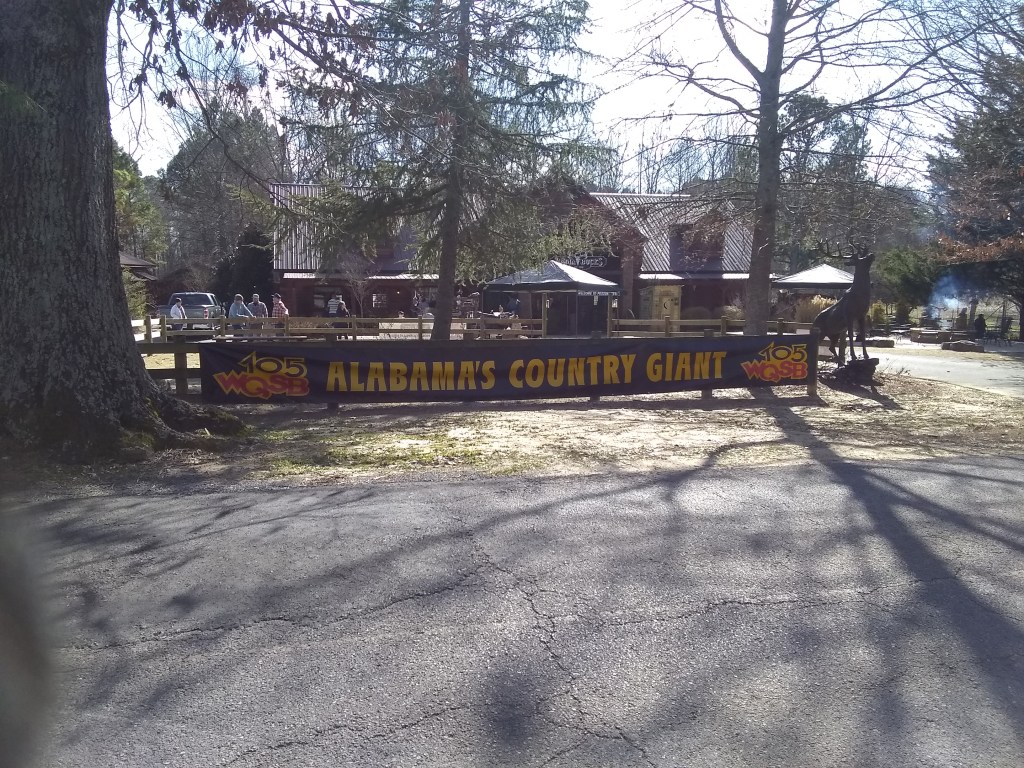
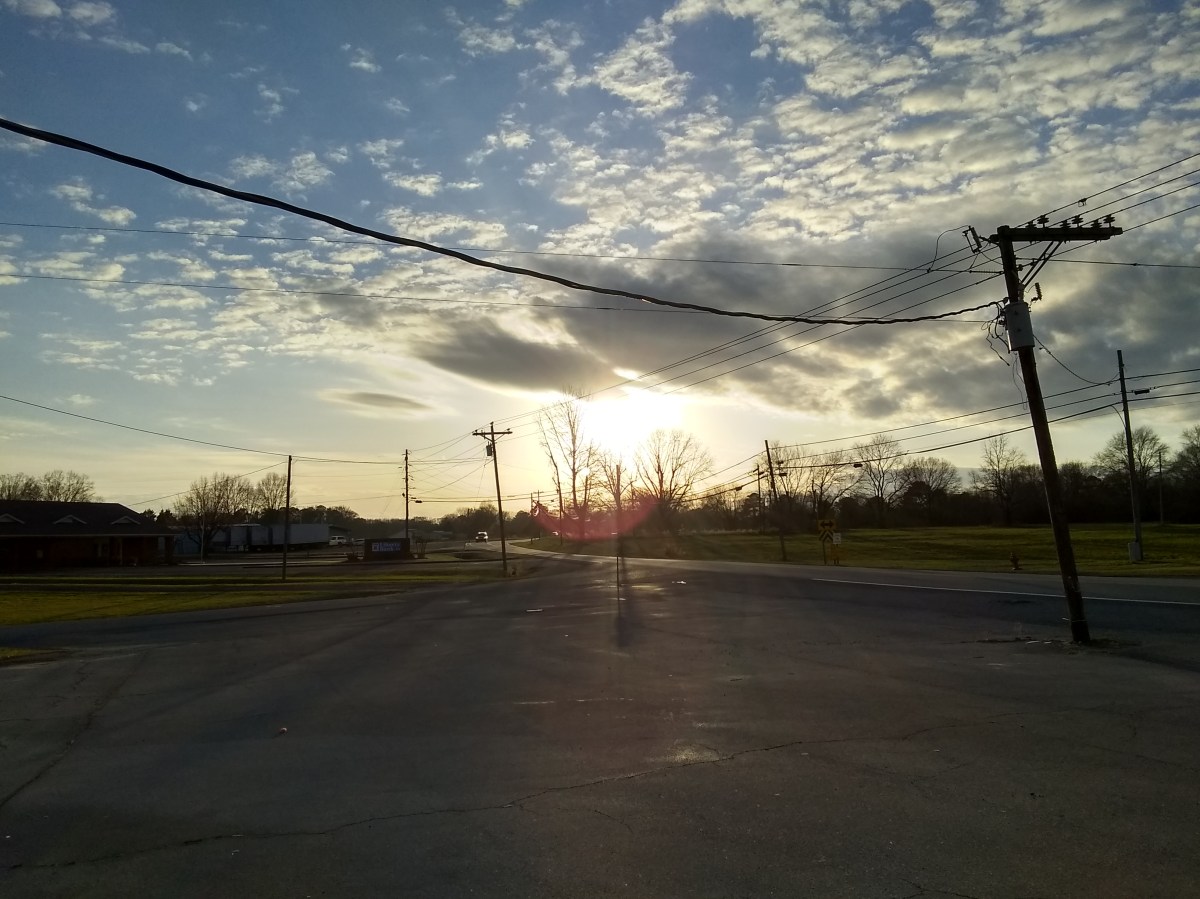
Here’s a few photos taken along my route:

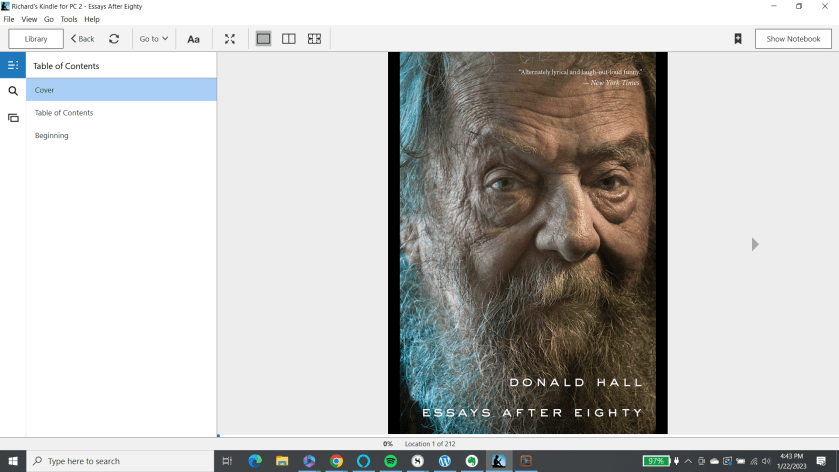
Here’s what I’m currently listening to: Essays After Eighty, by Donald Hall

Amazon abstract:

The former U.S. Poet Laureate contemplates life, death, and the view from his window in these “alternately lyrical and laugh-out-loud funny” essays (The New York Times).

From an early age, Donald Hall dedicated his life to the written word. In his long and celebrated career, he was an accomplished poet, essayist, memoirist, dramatist, and children’s author. Now, in the “unknown, unanticipated galaxy” of very old age, his essays continue to startle, move, and delight.
 
In Essays After Eighty, Hall ruminates on his past: “thirty was terrifying, forty I never noticed because I was drunk, fifty was best with a total change of life, sixty extended the bliss of fifty . . .” He also addresses his present:  “When I turned eighty and rubbed testosterone on my chest, my beard roared like a lion and gained four inches.” Most memorably, Hall writes about his enduring love affair with his ancestral Eagle Pond Farm and with the writing life that sustains him every day: “Yesterday my first nap was at 9:30 a.m., but when I awoke I wrote again.”
 
“Deliciously readable…Donald Hall, if abandoned by the muse of poetry, has wrought his prose to a keen autumnal edge.” —The Wall Street Journal

The Ants, the Bees, and the Blind Spots of the Human Mind: How Entomologist Charles Henry Turner Revolutionized Our Understanding of the Evolution of Intelligence and Emotion

Here’s the link to this article.

“The handicaps under which Dr. Turner’s work was accomplished were many, and were modestly and bravely met.”

BY MARIA POPOVA

The son of a nurse and a church janitor, entomologist Charles Henry Turner (February 3, 1867–February 14, 1923) died with a personal library of a thousand books, having published more than fifty scientific papers, having named his youngest son Darwin, and having revolutionized our understanding of the most abundant non-human animals on Earth by pioneering a psychological approach to insect learning, devoting his life to discovering “stubborn facts that should not be ignored.”

Charles Henry Turner

Without a proper laboratory, without access to research libraries and university facilities, he became the first human being to prove that insects can hear and distinguish pitch, and the first scientist to achieve Pavlovian conditioning in insects, training moths to beat their wings whenever they heard his whistle and concluding that “there is much evidence that the responses of moths to stimuli are expressions of emotion.”

Moths by the Australian teenage sisters Helena and Harriet Scott, 1864. (Available as a print, benefitting the Nature Conservancy.)

He studied the brains of birds, the web-making habits of spiders, the growth of grape-vine leaves, and why antlions feign death. He volunteered at the Cincinnati Observatory. He discovered new species of aquatic invertebrates. But insects were his great love. He constructed elaborate apparatuses and painstakingly painted tiny cardboard discs to conduct the first controlled studies of color vision and pattern recognition in honeybees, dismantling the scientific dogma of his day by proving that bees see color and create “memory pictures” of their environment. He illuminated sex differences in ant intelligence, musing that “the males seem unable to solve even the simplest problems.” Kneeling patiently for hours, he built intricate obstacle courses and mazes to study how twelve different species of ants navigate space. Two generations before E.O. Wilson, he concluded:

Ants are much more than mere reflex machines; they are self-acting creatures guided by memories of past individual (ontogenetic) experience.

Through a multitude of exquisitely designed experiments, he discovered that ants, bees, and wasps learn, remember, and recognize landmarks to get home rather than move by mindless instinct as previously thought. Observing and testing how gallery spiders weave and reweave their webs when destroyed, he challenged centuries of assumption about instinct versus intelligence by concluding that “an instinctive impulse prompts gallery spiders to weave gallery webs, but details of construction are the products of intelligent action.”Spiders by the trailblazing 18th-century artist Sarah Stone. (Available as a print.)

Radiating from his vast body of work is revolutionary evidence against the prior belief that insects are insentient machines operating solely by kinesis and reflex — evidence that these simple-seeming animals are endowed with memory, problem-solving ability, learning, and even feeling, intimating a whole new way of thinking about the evolution of intelligence, emotion, and cognition.

Between experiments and observations, Turner became a prominent Civil Rights leader in St. Louis, developing the first social services for African Americans in the area. Bridging his scientific and humanistic work, he wrote:

Prejudice is older than this age. A comparative study of animal psychology teaches that all animals are prejudiced against animals unlike themselves, and the more unlike they are the greater the prejudice… Among men, however, dissimilarity of minds is a more potent factor in causing prejudice than unlikeness in physiognomy.

Dr. Turner in his later years.

Despite his groundbreaking research, despite being the first African American to receive a Ph.D. from the University of Chicago and to publish a paper in the esteemed journal Science, Turner was turned away from every university post he applied to on account of his race. With the bittersweet recognition that his life was at the mercy of his time, he decided to shape the landscape of possibility for the next generation and became a science teacher in the first black high school west of Mississippi, all the while continuing his rigorous independent research. Upon his death in 1923, a colleague reflected:

The handicaps under which Dr. Turner’s work was accomplished were many, and were modestly and bravely met.

Complement with the kindred story of how Turner’s contemporary Edmonia Lewis blazed the way for women of color in art, then revisit the fascinating science of how nonhuman animals perceive and navigate the world.

Writing Journal—Wednesday writing prompt

Your protagonist is hiking for the weekend and comes across a grizzly bear on the trail. What does he do?

One Stop for Writers

 Guidance & tips

Write the scene of discovery (i.e., tell a story), or brainstorm and create a list of related ideas.

Here’s five story elements to consider:

  • Character
  • Setting
  • Plot
  • Conflict
  • Resolution

Never forget, writing is a process. The first draft is always a mess.

The first draft of anything is shit.

Ernest Hemingway

02/07/23 Biking & Listening

Biking is something else I both love and hate. It takes a lot of effort but does provide good exercise and most days over an hour to listen to a good book or podcast. I especially like having ridden.

Here’s my bike, a Rockhopper by Specialized. I purchased it November 2021 from Venture Out in Guntersville; Mike is top notch! So is the bike, and the ‘old’ man seat I salvaged from an old Walmart bike.

Here’s a link to today’s bike ride. I obviously favor my pistol route.

Here’s a few photos taken along my route:

Here’s what I’m currently listening to: Essays After Eighty, by Donald Hall

Amazon abstract:

The former U.S. Poet Laureate contemplates life, death, and the view from his window in these “alternately lyrical and laugh-out-loud funny” essays (The New York Times).

From an early age, Donald Hall dedicated his life to the written word. In his long and celebrated career, he was an accomplished poet, essayist, memoirist, dramatist, and children’s author. Now, in the “unknown, unanticipated galaxy” of very old age, his essays continue to startle, move, and delight.
 
In Essays After Eighty, Hall ruminates on his past: “thirty was terrifying, forty I never noticed because I was drunk, fifty was best with a total change of life, sixty extended the bliss of fifty . . .” He also addresses his present:  “When I turned eighty and rubbed testosterone on my chest, my beard roared like a lion and gained four inches.” Most memorably, Hall writes about his enduring love affair with his ancestral Eagle Pond Farm and with the writing life that sustains him every day: “Yesterday my first nap was at 9:30 a.m., but when I awoke I wrote again.”
 
“Deliciously readable…Donald Hall, if abandoned by the muse of poetry, has wrought his prose to a keen autumnal edge.” —The Wall Street Journal

Writing Journal—Tuesday writing prompt

While your character is camping, two strangers show up and ask if they can share her site. Far from populated trails or help of any kind, your protagonist and her friend must decide whether to let them or not.

One Stop for Writers

 Guidance & tips

Write the scene of discovery (i.e., tell a story), or brainstorm and create a list of related ideas.

Here’s five story elements to consider:

  • Character
  • Setting
  • Plot
  • Conflict
  • Resolution

Never forget, writing is a process. The first draft is always a mess.

The first draft of anything is shit.

Ernest Hemingway

Drafting–Colton & Sandy buy new phones and return to Ruskin Ave. to find Mildred Simmons inside Pop’s house

While Colton sat in the RAM, he was tempted to go online and search for Ray’s Garage. But, he resisted the temptation, not wanting to give away their location. Before leaving Mitchell’s Tap, he’d insisted they remove the sim cards from their phones, hoping that would prevent any tracing.

The right rear of the extended cab opened. “Damn, it’s freezing. Give me a hand.” Colton turned and saw Sandy with an overflowing buggy. He paused, thinking ‘he bought them, he can unload them.’ That’s when he saw the bright blue Phone Mart sign hanging above the corner store of the adjacent shopping strip.

After the two-dozen plastic bags were layered across the back seat and floor board, Colton realized this might be as good a time as any to purchase burner phones. They didn’t have anything else to do but wait out the storm, and he really wanted to get online.

The sales clerk was reading a magazine and listening to a weatherman from a small TV behind the counter. “Come in. Welcome to Phone Mart. How can I help you?”

There were no other customers inside the story. The the dapper little man turned down the TV volume and rushed to meet them. Colton thought he looked more like a reporter or assistant district attorney than a cell phone expert.

“I need two untraceable phones. Pending divorce. Bitch keeps calling and texting.” Sandy had an imagination, and often acted spontaneously.

“I’m his brother,” Colton added, resigning to the developing context.

Timothy, per his name tag, handed each of them a business card. “You’ve come to the right place, but I have good news and not-so-good news. Sandy glanced at Colton, then back at the clerk.

“Okay, tell it like it is.” Colton didn’t have any patience for a story or a sales pitch.

“We are the only dealer in Elk Grove that carries the Librem 5, made by Purism.” Neither ‘brother’ had heard of it. “It’s the absolute best option if you don’t want to be tracked.”

“Why’s that?” Sandy asked.

“It’s operating system is Linux based, which obviously means its not based on Android or iOS.”

“What’s the bad news? And, the cost.” Colton didn’t want a flip phone, preferring something closer to the look and feel of his iPhone 11.

“I don’t currently have two in stock, but I should have within an hour or so.” The little man said, stroking his upper lip with his right index finger.

“What’s your second best option?” Sandy asked.

“The Nokia 3310, a flip phone. I know that’s not for everyone.” Colton nodded in agreement and glanced at the clock on the wall above the TV. It was almost 3:30.

“I assume the Librem 5 isn’t a flip-phone?” Timothy walked to the counter and returned with a brochure. “Here’s what it looks like. Similar design as the Pixel 4 XL or the iPhone 10, with a slightly smaller screen size.” Colton liked it.
Sandy looked at Colton and nodded, handing over the brochure.

“You’re sure you’ll have two of these in an hour?” Colton thought of a couple of errands he and Sandy could run, but didn’t want one hour to turn into two or three.

The store’s phone rang and the clerk returned to his stool behind the counter. Colton and Sandy had seen the price on the brochure, $2000.00. “Shit, that’s a ton of money.” Sandy said, proud he’d given his mother’s land-line number to Chicago police when he was arrested. Surely, his attorney wasn’t a threat to disclose anything related to his case.

“That was the delivery guy. Said he was on his way but would definitely be delayed given the snow storm.”

After discussing price and the recommended phone service, Colton handed over $500 cash to hold the phones, promising to return with the balance in a few days, subject to the storm. He knew he had to make a round trip to Chicago to close his current bank account.

The return drive to Pop’s took forty-five minutes given the blizzard and a three-car pileup at the Nerge and Rohlwing intersection.

“Shit. What’s that bitch doing here?” Sandy slammed an open palm against the dashboard as Colton slowly steered the RAM into driveway. “I’m beginning to think we should find a better place to camp out.”

Mildred Simmons’ Impala blocked the carport’s open bay. Colton parked on the far side of her car and saw the wrinkle-faced woman coming outside through the house’s rear door with a kitchen towel hung over one arm. “She’s been inside. What the fuck?” Colton’s uneasiness over the next door neighbor doubled, quickly transforming into anger and a near-certainty the nosy woman was trouble with a capital T.
Both men exited the RAM and approached Mildred who’d opened the Impala’s drivers side door. “Bad weather to be outside but I thought you boys would enjoy a coconut cake.” Colton was too hot to respond and walked inside. From the dash-banging, he believed Sandy could deal with the situation.

“Rusty, you’ll catch pneumonia out in this weather.” Sandy couldn’t bring himself to scolding the old lady, the one who’d been so good to Pop.

“Don’t you worry. I’ve had my flu shot and it’s just a hop over here. You always loved my cakes.”

It then dawned on Sandy that Pop had not only given Mildred a key to the detached garage, but to his house also. In fact, they’d exchanged keys, mainly to check on things when one of them was out-of-town. Mildred touched Sandy’s cheek, crawled into the Impala and drove off.

Colton was standing by the gas heater in the den when Sandy entered and motioned for help unloading the groceries. “Hold on, come here.”

The closer Sandy got to Colton the more he could see his friend was about to explode. “Calm down, she just brought us a cake, just wants to help. No harm, but I promise I’ll get her key back.”

“Follow me you idiot. It’s far worse than you know.” Sandy followed Colton to the dining room table to his opened brief case. “Look. Read.”

Sandy looked at the top document. It was a copy of the murder indictment. Underneath was several pages including an Incident & Offense Report detailing the arson and the discovery of Ellen Heppner’s charred body. Another page was victim Gina Patton’s excruciating statement given to the DA’s detective. “Shit, you don’t think Mildred saw these, do you?”

Colton closed his eyes and raised his head toward the ceiling. “I guarantee you the bitch read every word. It wouldn’t surprise me if she snapped photos. We know she has a cell phone, from this morning.”

“God damn. I bet she saw all your guns scattered across your bed.” Sandy could think, a little, once prompted. “What do we do?”

“We’re probably okay for the moment, but if she hears or reads something about us she might put two and two together.” Colton returned to the heater.
Sandy joined Colton and remembered the Chicago Tribune journalist, Andrew Spivey, who’d called both of them asking for a statement before his article was published. “You think that reporter will print something after Monday’s hearing?”

“Could be, he’s nosy and has a keen interest in our case. I told you my attorney said Spivey called him after learning about the DA’s latest motion.”

Colton walked outside, backed the RAM into the carport, and started unloading the groceries. Sandy joined him and kept asking what they needed to do, recalling Colton’s statement during the drive over that he wished they could get rid of Gina Patton.

02/06/23 Biking & Listening

Biking is something else I both love and hate. It takes a lot of effort but does provide good exercise and most days over an hour to listen to a good book or podcast. I especially like having ridden.

Here’s my bike, a Rockhopper by Specialized. I purchased it November 2021 from Venture Out in Guntersville; Mike is top notch! So is the bike, and the ‘old’ man seat I salvaged from an old Walmart bike.

Here’s a link to today’s bike ride. I obviously favor my pistol route.

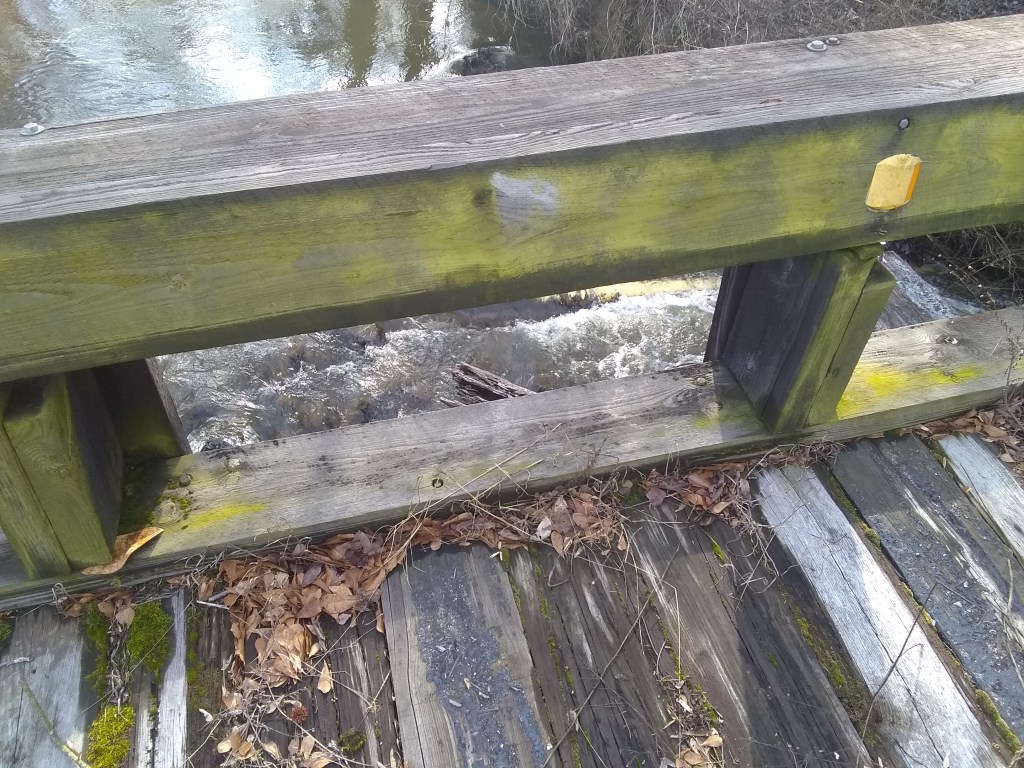
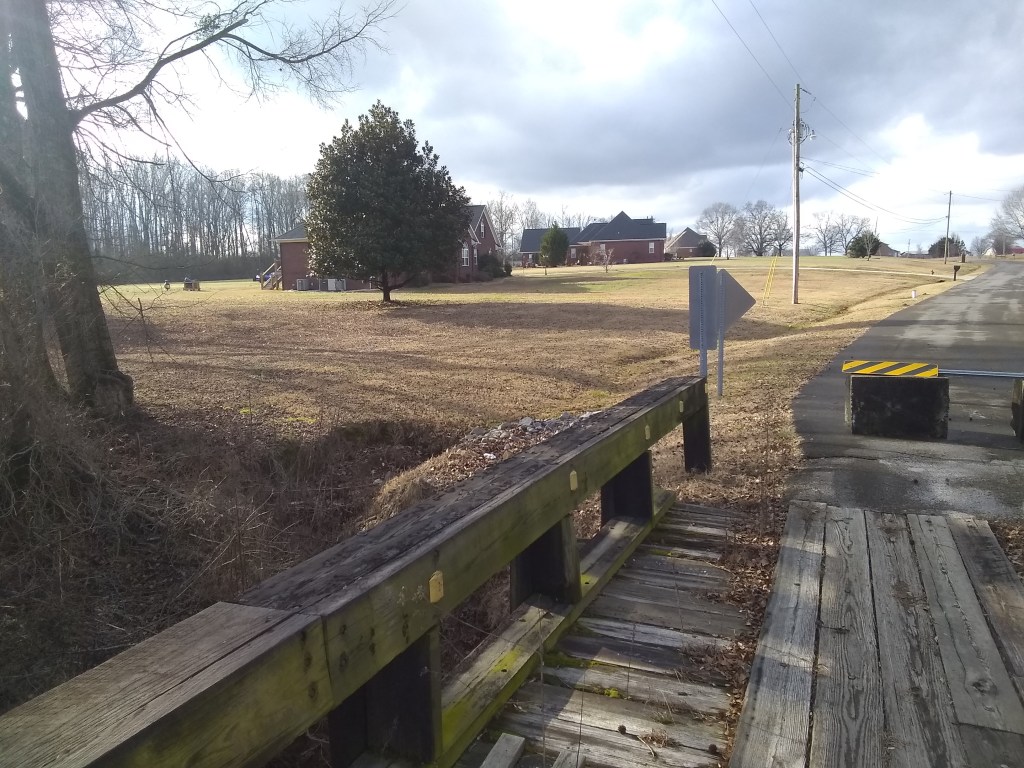
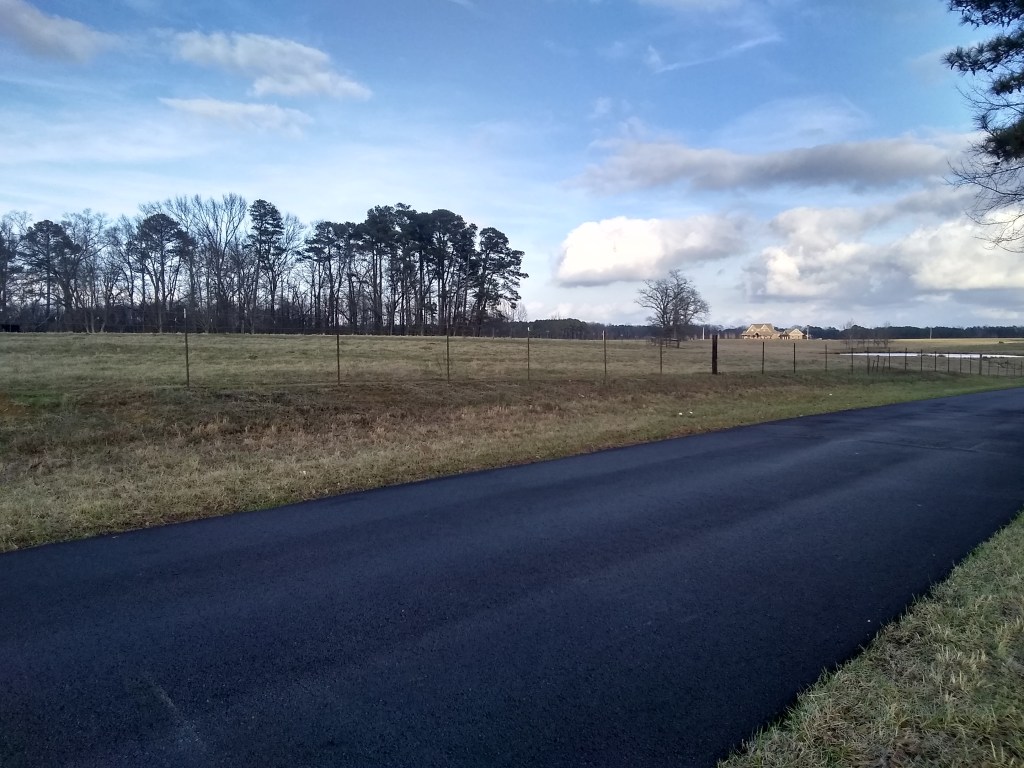
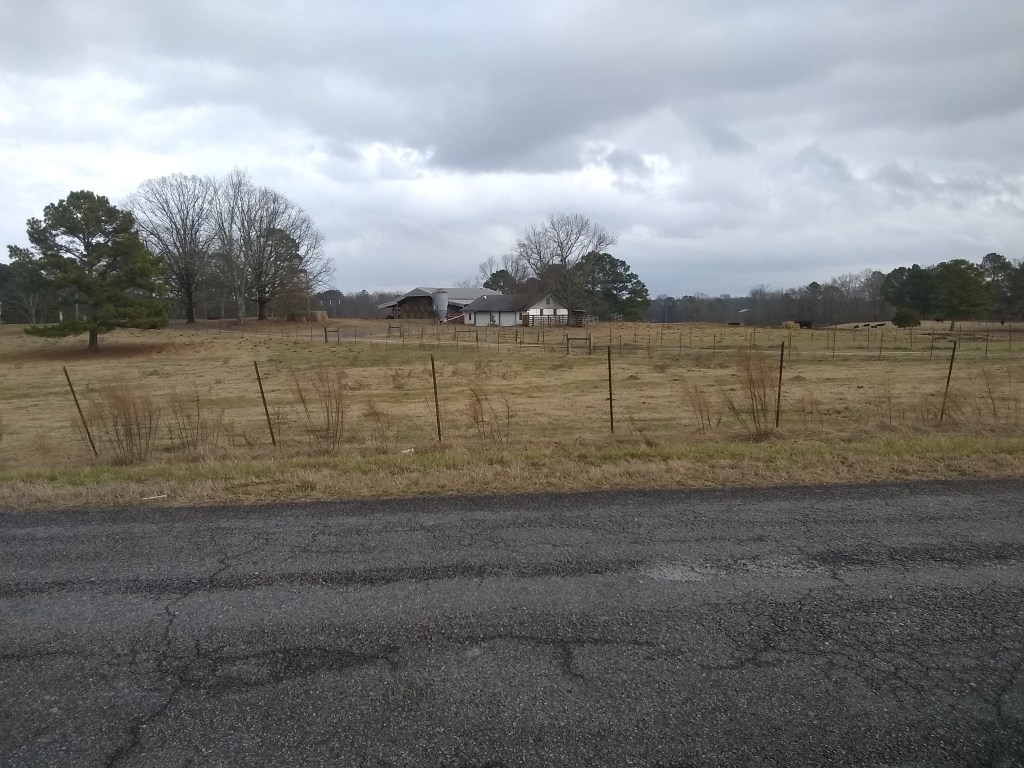
Here’s a few photos taken along my route:

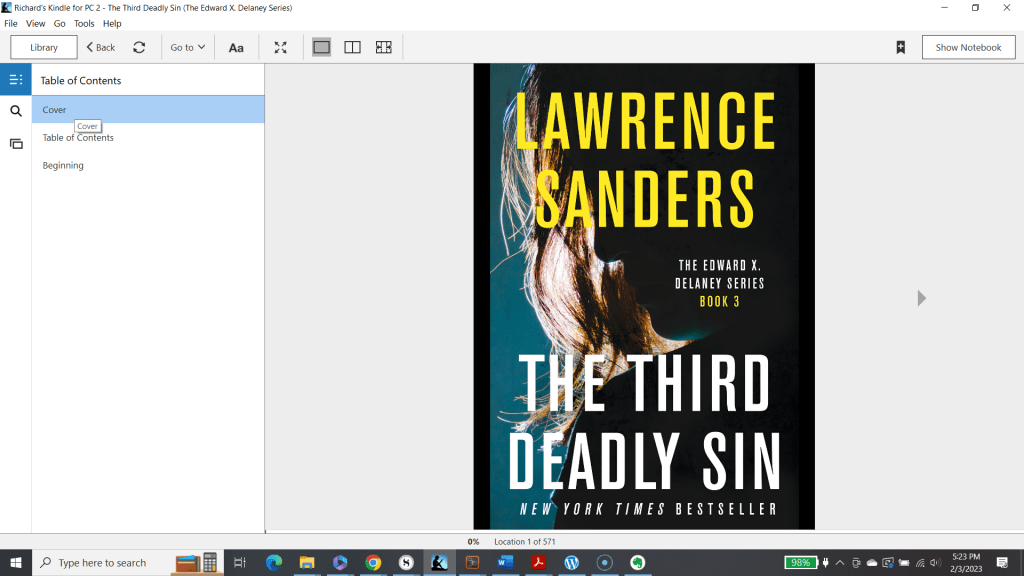
Here’s what I’m currently listening to: The Third Deadly Sin, by Lawrence Sanders

Sanders was a tremendously talented writer.

Amazon abstract:

New York Times Bestseller: A retired cop hunts for a female serial killer no one would suspect in this “first-rate thriller . . . as good as you can get” (The New York Times).

By day, she’s a middle-aged secretary no one would look at twice. But by night, dressed in a midnight-black wig, a skin-tight dress, and spike heels, she’s hard to miss. Inside her leather shoulder bag are keys, cash, mace, and a Swiss Army knife. She prowls smoky hotel bars for prey. The first victim—a convention guest at an upscale Manhattan hotel—is found with multiple stab wounds to the neck and genitals. By the time retired police detective chief Edward Delaney hears about the case from an old colleague, the Hotel Ripper has already struck twice. Unable to resist the puzzle, Delaney follows the clues and soon realizes he’s looking for a woman. As the grisly slayings continue, seizing the city in a chokehold of panic, Delaney must stop the madwoman before she kills again.

A Sample Five Star Review

M. G Watson

VINE VOICE

5.0 out of 5 stars Third Time’s the Charm

Reviewed in the United States on May 15, 2015

Verified Purchase

It is arguable that Lawrence Sanders never rose to greater heights as a prose stylist, suspense-writer or storyteller than he did with THE THIRD DEADLY SIN, the penultimate novel in his “deadly sin” series of books and the fourth of five to feature crusty, sandwich-obsessed Edward X. Delaney as a protagonist. Though once referred to as “Mr. Bestseller” and nearly as prolific in his day as Stephen King, Sanders seems to be forgotten now, except for his “McNally” series which was hardly representative of his best work; but at his best he was both compulsively readable and immensely satisfying, and this novel is both.

Zoe Kohler is the world’s most boring woman. Hailing from a small town somewhere in the Midwest, divorced from a husband who treated her like she was invisible, virtually friendless, and stuck in a mindless, dead-end job in the security office of an old hotel in Manhattan, she worries incessantly about her health and indulges in only one hobby: murder. Sexing herself up every Friday night, Zoe picks up unsuspecting businessmen attending conventions in different hotels around town, and delivers to each the same grisly fate: a Swiss Army knife, first to the throat and then to the jewels. But because nobody ever notices the world’s most boring woman, nobody suspects her, leaving Zoe free to indulge her hobby — over and over and over again.

Edward X. Delaney used to be a cop — and not just any cop, but the NYPD’s Chief of Detectives. Now, of course, he’s just a bored retiree, living in a Manhattan brownstone with this second wife. So when his former “rabbi” in the Department, Deputy Commissioner Ivar Thorsen, asks him to help investigate a series of baffling murders being committed in hotels around the city, Delaney agrees, but has little idea what he’s getting into: a search for a faceless, motiveless “repeater” (1970s slang for serial killer) whose vicious talents with a short-bladed knife are wreaking havoc with New York’s once-thriving convention trade. Acting as an unofficial adviser to the “Hotel Ripper” task force, Delaney begins to suspect that male prejudices, including his own, may be blinding his fellow detectives to the possibility of that the Ripper may not be a man. But he has no suspects, no witnesses, no fingerprints, and no hard evidence. Only instincts. And a growing pile of victims.

THE THIRD DEADLY SIN is a very attractive suspense novel for many reasons. Aside from Sanders prose style, which is beautiful, memorable and incredibly evocative, it works on multiple levels. Firstly, the character of Zoe Kohler. She is at once both a pitiable loser, struggling with health problems and sexist attitudes at work a burgeoning relationship with a sweet and unsuspecting man…and a remorseless, relentless killer, who hunts men for the sheer thrill of it. Second, Edward X. Delaney. This crusty, hard-nosed, sandwich-obsessed detective is neither sexy, flashy, nor gifted with any great deductive genius: he’s simply like a boulder that, starting slowly, gathers investigative momentum until he crushes just about everyone in his path, yet at the same time possesses a sensitivity — largely through his wife’s softening influence — that allows him more nuances than a typical, cigar-chewing, old school detective. And this leads me to the books third major strength, which is its examination of sexual attitudes, gender roles and (unintentionally) police procedure during the period it was written — about 35 years ago. At that time the pathology of serial killers was scarcely understood, forensic science still in its infancy, and the idea of gender equality more of a punchline than a serious idea. Delaney, an aging Irish cop with flat feet, is both brimming with cheauvanistic, patronizing, old-school attitudes and open to the possibility that those attitudes may be wrong.

No novel is perfect, of course, and this one is no exception. Sanders sometimes makes small but basic errors in matters of police procedure, slang and etiquette; the sort of mistakes which are the result of never having been a cop himself. Occasionally he tries too hard to make characters colorful, giving them a contrived rather than a naturalistic feel; and sometimes his dialogue and description betray his overwhelming love of the English language and end up sounding pretentious or, coming out of the mouths of certain characters, simply unrealistic. (This also leads him to over-write scenes with minor characters, such as Zoe’s doctor.) Most of the criticisms I can mount a this book, however, fall in the “nitpicking” category, and even when taken in the aggregate fail to outweigh all of its many pleasures.

THE THIRD DEADLY SIN may or may not have been Sanders’ best book (you could make a case for THE SIXTH COMMANDMENT or THE SECOND DEADLY SIN or THE ANDERSON TAPES or various others). It may not even be his best suspense novel. But for my money it is not merely a good read but equally satisfying upon each subsequent reading, which is about the highest praise I can give to an author’s work. So: buy it, make yourself a sandwich, and sit down to this half-forgotten but deservedly remembered author. Murder and mayhem have never been so fun.

Octopus Empire: An Animated Poem

Here’s the link to this article.

A playful and poignant what-if for the planet.

BY MARIA POPOVA

This is the eighth of nine installments in the animated interlude season of The Universe in Verse in collaboration with On Being, celebrating the wonder of reality through stories of science winged with poetry. See the previous installments here.

THE ANIMATED UNIVERSE IN VERSE: CHAPTER EIGHT

The “blind intelligence” by which a tree orients to the light in order to survive is a kind of hard-wired sentience, intricate and interconnected and aglow with wonder we are only just beginning to discover. But it is not consciousness as we understand it — that miraculous emergent phenomenon arising somewhere along the spectrum of sentience to endow creatures with the ability not only to be aware of our surroundings, not only to react to them with automated actions, but to respond to them with some measure of foresight, which presupposes some measure of hindsight, which in turn presupposes some measure of self-awareness, which culminates in qualia — the set of subjective experience that is the central fact of consciousness, the fundament of our lives.

For the vast majority of the evolutionary history of our species, we have assumed that humans alone have consciousness. Descartes, who so greatly leapt the scientific method forward by pioneering empiricism, also paralyzed our understanding of the mind with his dogmatic declamation that non-human animals are automata — fleshy robots governed by mechanistic reflexes, insentient and incapable of feeling. It took four centuries for this dogma to be upended after a young primatologist began her paradigm-shifting work in Gombe National Forest in 1960. Despite the tidal wave of dismissal and derision from the scientific establishment, Jane Goodall persisted, revolutionizing our understanding of consciousness and of our place in the family of life.

More than half a century later, some of the world’s leading neuroscientists composed and co-signed the Cambridge Declaration of Consciousness, asserting that a vast array of non-human animals are also endowed with consciousness. The list named only one invertebrate species.

Art from Cephalopod Atlas, 1909. (Available as a print and as a cutting board, benefitting The Nature Conservancy.)

The octopus branched from our shared vertebrate lineage some 550 million years ago to evolve into one of this planet’s most alien intelligences, endowed with an astonishing distributed nervous system and capable of recognizing others, of forming social bonds, of navigating mazes. It is the Descartes of the oceans, learning how to live in its environment by trial and error — that is, by basic empiricism.

Meanwhile, in those 550 million years, we evolved into creatures that placed themselves at the center of the universe and atop the evolutionary ladder, only to find ourselves in an ecological furnace of our making and to reluctantly consider that we might not, after all, be the pinnacle of Earthly intelligence.

Art from Cephalopod Atlas, 1909. (Available as a print and as a cutting board, benefitting The Nature Conservancy.)

That is what Marilyn Nelson explores with great playfulness and poignancy in her poem “Octopus Empire,” originally published in the Academy of American Poets’ poem-a-day lifeline of a newsletter and now brought to life here, for this seventh installment in the animated Universe in Verse, in a reading by Sy Montgomery (author of the enchantment of a book that is The Soul of an Octopus) with life-filled art by Edwina White, set into motion by her collaborator James Dunlap, and set into soulfulness by Brooklyn-based cellist and composer Topu Lyo.

OCTOPUS EMPIRE
by Marilyn Nelson

What if the submarine
is praying for a way
it can poison the air,
in which some of them have
leaped for a few seconds,
felt its suffocating
rejected buoyancy.
Something floats above their
known world leading a wake
of uncountable death.
What if they organized
into a rebellion?

Now scientists have found
a group of octopuses
who seem to have a sense
of community, who
live in dwellings made of
gathered pebbles and shells,
who cooperate, who
defend an apparent
border. Perhaps they’ll have
a plan for the planet
in a millennium
or two. After we’re gone.

Previously in the series: Chapter 1 (the evolution of life and the birth of ecology, with Joan As Police Woman and Emily Dickinson); Chapter 2 (Henrietta Leavitt, Edwin Hubble, and the human hunger to know the cosmos, with Tracy K. Smith); Chapter 3 (trailblazing astronomer Maria Mitchell and the poetry of the cosmic perspective, with David Byrne and Pattiann Rogers); Chapter 4 (dark matter and the mystery of our mortal stardust, with Patti Smith and Rebecca Elson); Chapter 5 (a singularity-ode to our primeval bond with nature and each other, starring Toshi Reagon and Marissa Davis); Chapter 6 (Emmy Noether, symmetry, and the conservation of energy, with Amanda Palmer and Edna St. Vincent Millay); Chapter 7 (the science of entropy and the art of alternative endings, with Janna Levin and W.H. Auden).