Write to Life blog

Henry Miller on the Meaning and Mystery of Life

Here’s the link to this article.

“This is the greatest damn thing about the universe. That we can know so much, recognize so much, dissect, do everything, and we can’t grasp it.”

BY MARIA POPOVA

More than merely one of the most memorable, prolific, and disciplined authors of the twentieth century, Henry Miller (December 26, 1891–June 7, 1980) was also a champion of the wisdom of the heart, a poignant oracle of writing, a modern philosopher. But hardly anywhere does Miller’s spirit shine more brilliantly than in the 1974 gem This Is Henry, Henry Miller from Brooklyn: Conversations with the Author from the Henry Miller Odyssey (public library) — not a book in the traditional sense, but “a transmutation, a reduction of the hours and hours of film and tape” that filmmaker Robert Snyder began recording in 1968 as the basis for the 1969 documentary The Henry Miller Odyssey. The book itself, as Snyder puts it, “is only a skimming of the film of the man” and “couldn’t be more than an invitation to the man’s work.”

Anchoring the biographical anecdotes are Miller’s many meditations on writing, creativity, and the meaning of life. Among the most poignant is this hand-written “memo to self,” dated 9/17/1918, in which Miller adds to other famous wisdom on the meaning of life:

What are we here for if not to enjoy life eternal, solve what problems we can, give light, peace and joy to our fellow-man, and leave this dear fucked-up planet a little healthier than when we were born.

The book ends with Miller’s grandest reflection on the eternal mystery of the universe, something great minds from Galileo to Montaigne to Neil deGrasse Tyson have pondered. He observes:

No matter what you touch and you wish to know about, you end up in a sea of mystery. You see there’s no beginning or end, you can go back as far as you want, forward as far as you want, but you never got to it, it’s like the essence, it’s that right, it remains. This is the greatest damn thing about the universe. That we can know so much, recognize so much, dissect, do everything, and we can’t grasp it. And it’s meant to be that way, do y’know. And there’s where our reverence should come in. Before everything, the littlest thing as well as the greatest. The tiniest, the horseshit, as well as the angels, do y’know what I mean. It’s all mystery. All impenetrable, as it were, right?

Complement This Is Henry, Henry Miller from Brooklyn with Miller’s meditations on creative death and the art of living.

Annie Dillard on What a Stunt Pilot Knows About Impermanence, Creativity, and the Meaning of Life

Here’s the link to this article.

“Who could breathe, in a world where rhythm itself had no periods?”

BY MARIA POPOVA

“Buildings fall; even the earth perishes. What was yesterday a cornfield is to-day a bungalow,” Virginia Woolf observed in her timeless meditation on language and impermanence“But words, if properly used, seem able to live for ever.” “I have always looked upon decay as being just as wonderful and rich an expression of life as growth,” Henry Miller reflected. And yet our notion of creativity is very much linked to the visible, the tangible, the audible — in other words, the palpable and lasting. But if we were to take Brian Eno’s advice — “Stop thinking about art works as objects,” he urged“and start thinking about them as triggers for experiences.” — what, exactly, would that mean? How would those creative experiences manifest?

From The Writing Life (public library) by Annie Dillard — the same gem of a book that gave us Dillard on presence over productivity and an altogether indispensable addition to the collected wisdom of beloved writers — Dillard adds to history’s finest definitions of art through the story of a stunt pilot she befriended and the unrelenting dedication with which he pursued an art that is purely ephemeral, exemplary of precisely such a “trigger for experience”:

The air show announcer hushed. He had been squawking all day, and now he quit. The crowd stilled. Even the children watched dumbstruck as the slow, black biplane buzzed its way around the air. Rahm made beauty with his whole body; it was pure pattern, and you could watch it happen. The plane moved every way a line can move, and it controlled three dimensions, so the line carved massive and subtle slits in the air like sculptures. The plane looped the loop, seeming to arch its back like a gymnast; it stalled, dropped, and spun out of it climbing; it spiraled and knifed west on one side’s wings and back east on another; it turned cartwheels, which must be physically impossible; it played with its own line like a cat with yarn. How did the pilot know where in the air he was? If he got lost, the ground would swat him.

Rahm did everything his plane could do: tailspins, four-point rolls, flat spins, figure 8’s, snap rolls, and hammerheads. He did pirouettes on the plane’s tail. The other pilots could do these stunts, too, skillfully, one at a time. But Rahm used the plane inexhaustibly, like a brush marking thin air.

His was pure energy and naked spirit. I have thought about it for years. Rahm’s line unrolled in time. Like music, it split the bulging rim of the future along its seam. It pried out the present. We watchers waited for the split-second curve of beauty in the present to reveal itself. The human pilot, Dave Rahm, worked in the cockpit right at the plane’s nose; his very body tore into the future for us and reeled it down upon us like a curling peel.

Like any fine artist, he controlled the tension of the audience’s longing. You desired, unwittingly, a certain kind of roll or climb, or a return to a certain portion of the air, and he fulfilled your hope slantingly, like a poet, or evaded it until you thought you would burst, and then fulfilled it surprisingly, so you gasped and cried out.

The oddest, most exhilarating and exhausting thing was this: he never quit. The music had no periods, no rests or endings; the poetry’s beautiful sentence never ended; the line had no finish; the sculptured forms piled overhead, one into another without surcease. Who could breathe, in a world where rhythm itself had no periods?

Dave Rahm

Rahm applied this same wabi-sabi disposition of embracing impermanence not only to his art, but also to his life, straddling both sides of the mortality paradox. Dillard recalls a conversation with a young crop-duster pilot, an occupation so dangerous — “They fly too low. They hit buildings and power lines. They have no space to fly out of trouble, and no space to recover from a stall.” — that the average life expectancy of a pilot is five years, then reflects on Rahm’s bittersweet choice:

Over breakfast I asked him how long he had been dusting crops. “Four years,” he said, and the figure stalled in the air between us for a moment. “You know you’re going to die at it someday,” he added. “We all know it. We accept that; it’s part of it.” I think now that, since the crop duster was in his twenties, he accepted only that he had to say such stuff; privately he counted on skewing the curve. I suppose Rahm knew the fact, too. I do not know how he felt about it. “It’s worth it,” said the early French aviator Mermoz. He was Antoine de Saint-Exupéry’s friend. “It’s worth the final smashup.” Rahm smashed up in front of King Hussein, in Jordan, during a performance. The plane spun down and never came out of it; it nosedived into the ground and exploded.

Amidst a cultural sensibility where we use tangible art to anchor ourselves to the present, to ourselves, to life, Dillard — in her signature habit of gently, pointedly pulling at the loose threads of which the meaning of life is woven — pulls some of our core assumptions into question, at once uncomfortable and beautifully liberating:

“Purity does not lie in separation from but in deeper penetration into the universe,” Teilhard de Chardin wrote. It is hard to imagine a deeper penetration into the universe than Rahm’s last dive in his plane, or than his inexpressible wordless selfless line’s inscribing the air and dissolving. Any other art may be permanent. I cannot recall one Rahm sequence. He improvised. If Christo wraps a building or dyes a harbor, we join his poignant and fierce awareness that the work will be gone in days. Rahm’s plane shed a ribbon in space, a ribbon whose end unraveled in memory while its beginning unfurled as surprise. He may have acknowledged that what he did could be called art, but it would have been, I think, only in the common misusage, which holds art to be the last extreme of skill. Rahm rode the point of the line to the possible; he discovered it and wound it down to show. He made his dazzling probe on the run. “The world is filled, and filled with the Absolute,” Teilhard de Chardin wrote. “To see this is to be made free.”

No words can be written to articulate just how fantastic — how necessary — The Writing Life is in its entirety. Complement it with Dillard on the two ways of seeing and how to reclaim our capacity for wonder.

05/04/23 Biking & Listening

Biking is something else I both love and hate. It takes a lot of effort but does provide good exercise and most days over an hour to listen to a good book or podcast. I especially like having ridden.

Here’s my bike, a Rockhopper by Specialized. I purchased it November 2021 from Venture Out in Guntersville; Mike is top notch! So is the bike, and the ‘old’ man seat I salvaged from an old Walmart bike.

Here’s a link to today’s bike ride. This is my pistol ride.

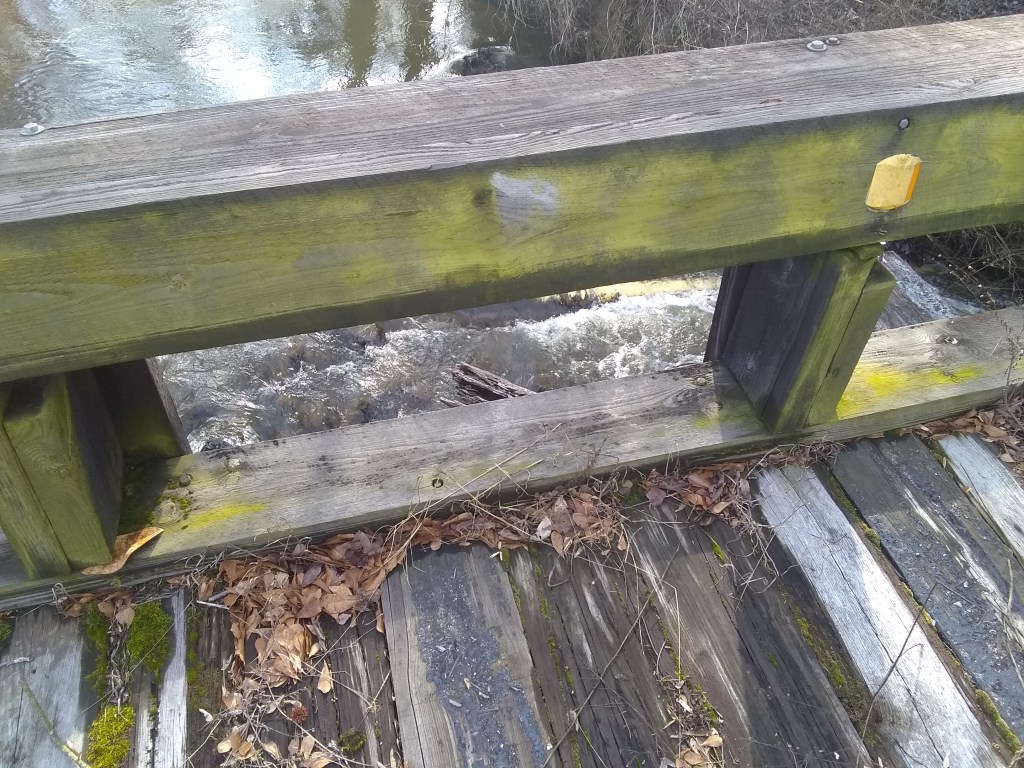
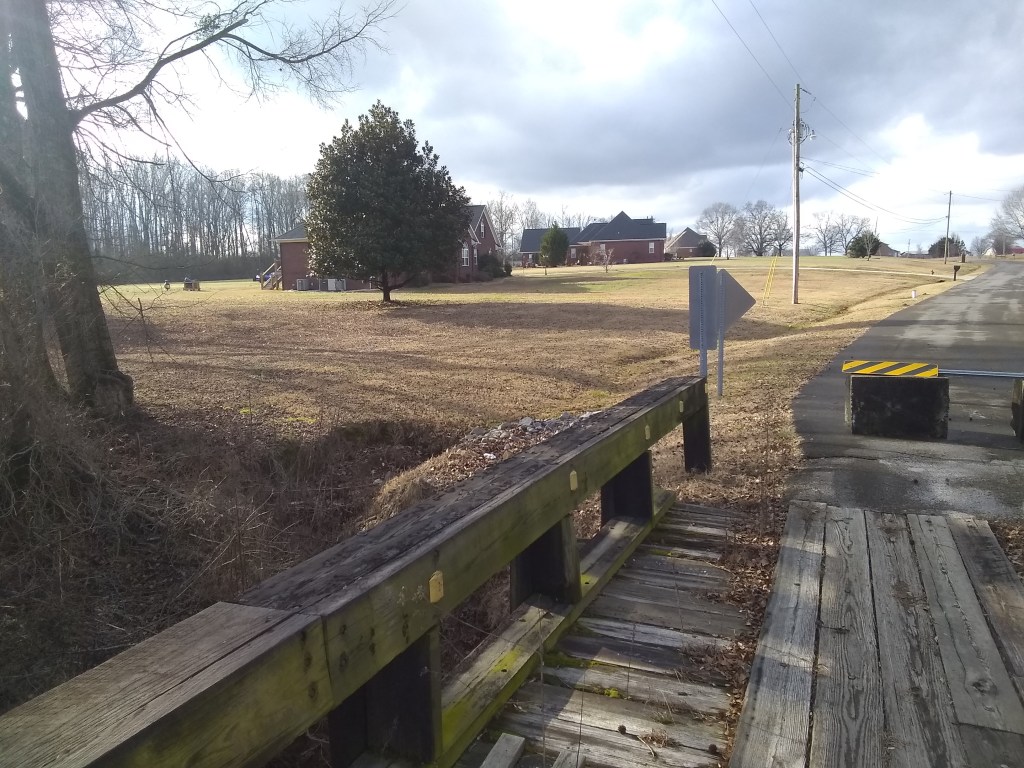
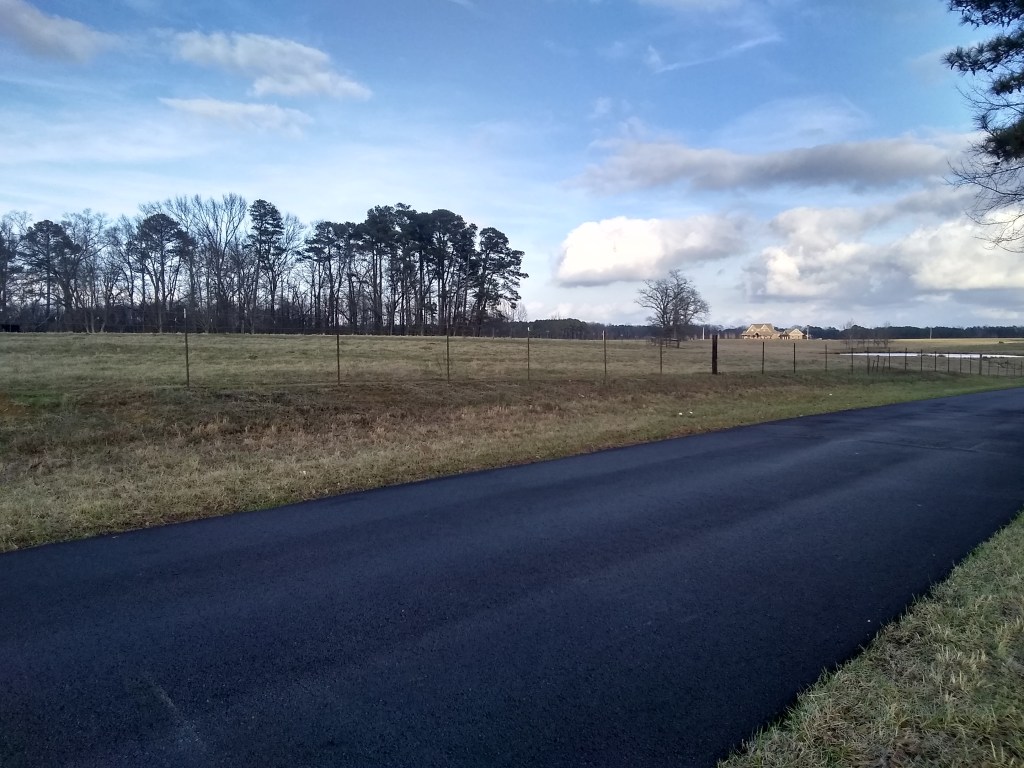
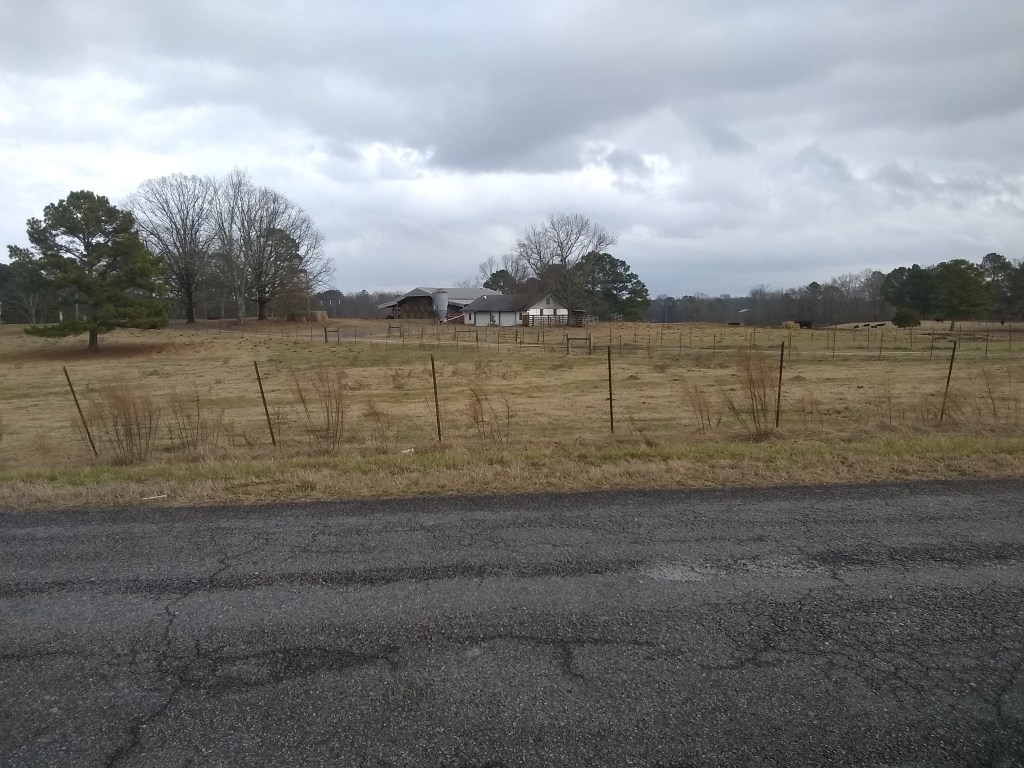
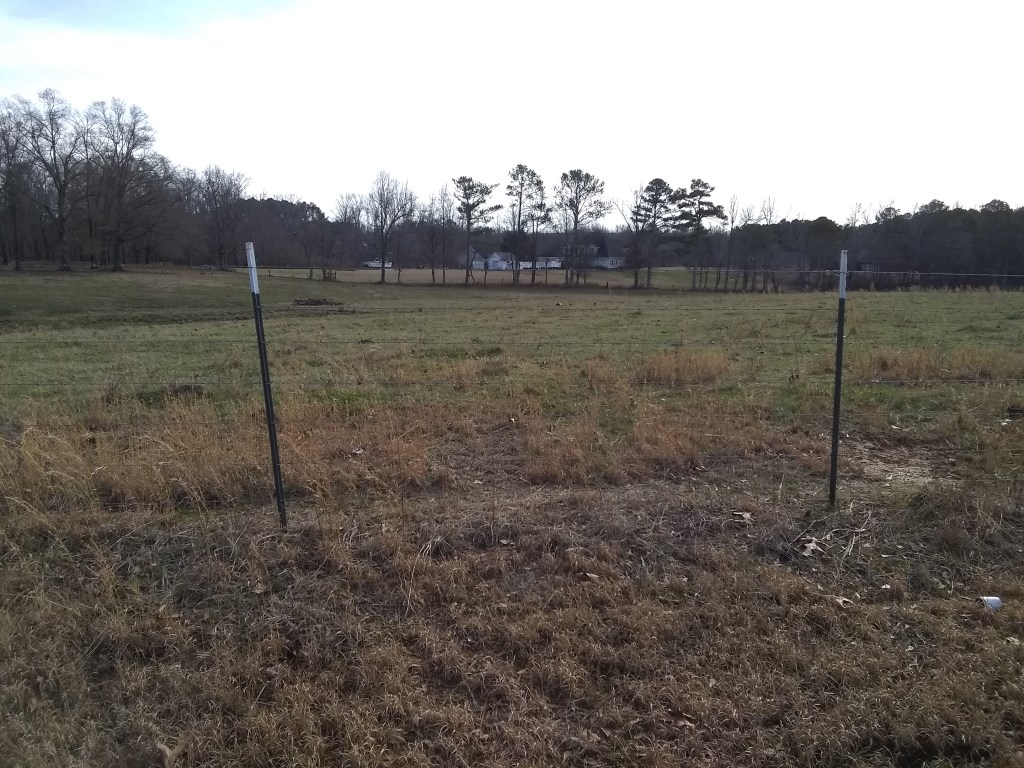
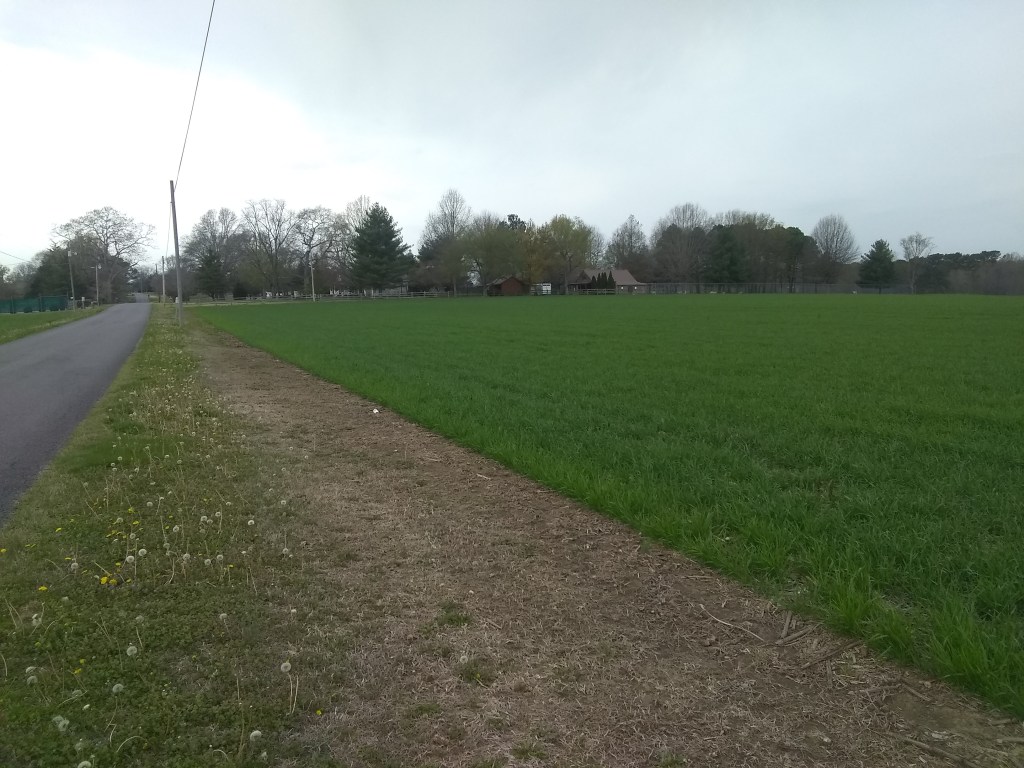
Here’s a few photos taken along my route:

Here’s what I listened to today: I Will Find You, by Harlan Coben

Amazon abstract:

Five years ago, an innocent man began a life sentence for murdering his own son. Today he found out his son is still alive.
 
David Burroughs was once a devoted father to his three-year-old son Matthew, living a dream life just a short drive away from the working-class suburb where he and his wife, Cheryl, first fell in love–until one fateful night when David woke suddenly to discover Matthew had been murdered while David was asleep just down the hall. 
 
Half a decade later, David’s been wrongly accused and convicted of the murder, left to serve out his time in a maximum-security prison—a fate which, grieving and wracked with guilt, David didn’t have the will to fight. The world has moved on without him. Then Cheryl’s younger sister, Rachel, makes a surprise appearance during visiting hours bearing a strange photograph. It’s a vacation shot of a bustling amusement park a friend shared with her, and in the background, just barely in frame, is a boy bearing an eerie resemblance to David’s son. Even though it can’t be, David just knows: Matthew is still alive.

David plans a harrowing escape, determined to achieve the impossible – save his son, clear his own name, and discover the real story of what happened. But with his life on the line and the FBI following his every move, can David evade capture long enough to reveal the shocking truth?

A few top reviews from the United States:

vegasbill

VINE VOICE

5.0 out of 5 stars Another great story from this author

Reviewed in the United States on April 13, 2023

Verified Purchase

Harlan Coben can spin a yarn! Once again he has proven that in I Will Find You. This intricate plot is populated by a colorful and interesting cast of characters, especially the two FBI Special Agents, Max and Sarah, assigned to this case. They provide the comic relief in an otherwise very serious story of murder and a missing child. While cracking wise to each other they manage to cut through the distractions provided by Coben’s other characters and home in the most important issues.

David Burroughs is accused and convicted of killing his three year old son. While in prison he learns the son might still be alive, a scenario which makes no sense as the son’s body was found in his bed, beaten to death. In order to find out if that is true David must find a way to get out of prison and find his son.

The story is compelling and moves swiftly with lots of suspense and things that keep the reader guessing. If there is any flaw, there are parts of the plot which sound more like a soap opera rather than a murder mystery. That didn’t detract from my enjoyment of the book. I recommend this to all who enjoy a good mystery/thriller.

KC

5.0 out of 5 stars Harlan Coben at his best!

Reviewed in the United States on April 16, 2023

Verified Purchase

The story begins with David Burroughs five years into serving a life sentencing for murdering his son. He feels his life his over and never fought his conviction since he felt his life was over without his son. He never felt he would have murdered his own son but he had no memory of the night in question. David refused visitors in his first years at the prison until one day when his sister-in-law, Rachel, shows up requesting to see him. The visit causes him to question if his son is actually still alive. The book is an another great by Harlan Coben! I couldn’t put it down until the last page. I highly recommend this book and this author.

Daniel Kramer

5.0 out of 5 stars An Amazing Ride

Reviewed in the United States on March 28, 2023

Verified Purchase

I Will Find You has a premise which I have not found in another novel. A man convicted of murdering his child, who thinks that he may have done it in a drunken moment of hysteria, finds out that the murdered child in his house that evening was not his son and that his son is still alive. Great idea for a book. How will Harlan Coben bring the pieces together so that it makes sense and gives the reader a thrilling ride? I will divulge nothing other than Harlan Coben did a really nice job of giving me the ride that I was hoping for.
Is the book perfect? Am I still a little confused by the ending? Yes. Does it matter? No. The book is a roller coaster ride which you should take if you like thrillers or you have read everything that Coben has ever written.
His best book ever was The Boy From The Woods. By far, that book was perfect and exceptional. This book is right up there and worth your time.

Jodie Short

5.0 out of 5 stars Harlan Coben has done it again!! This book will be your favorite this year!

Reviewed in the United States on April 7, 2023

Verified Purchase

Wow! The storyline in this book is beyond! I didn’t know if I even wanted to know the truth behind how it happened, but I had to know! That is what makes Harlan Coben a standout beyond all the rest! The characters, as usual, you will fall in love with and some you will love to hate! His style of writing is the reason I love to read! I would recommend this book to anyone and everyone! I already recommended it before I even finished it myself! I gave this book a five-star rating because Harlan Coben gets an A+ and every area of his writing! The plot, the characters, his style of writing the mystery! He has ramped up the edginess in this one!

This Is Water: David Foster Wallace on Life

Here’s the link to this article.

Revisiting the tragic literary hero’s only public insights on life.

BY MARIA POPOVA

On September 12, 2008, David Foster Wallace (February 21, 1962–September 12, 2008) was slain by depression, taking his own life and becoming a kind of patron-saint of the “tortured genius” myth of creativity. Just three years earlier, he stepped onto the podium at Kenyon College and delivered one of the most timeless graduation speeches of all time — the only public talk he ever gave on his views of life. The speech, which includes a remark about suicide by firearms that came to be extensively discussed after Wallace’s own eventual suicide, was published as a slim book titled This Is Water: Some Thoughts, Delivered on a Significant Occasion, about Living a Compassionate Life (public library).

You can hear the original delivery in two parts below, along with the the most poignant passages.

PLEASE VISIT HERE TO LISTEN TO THESE PASSAGES.

On solipsism and compassion, and the choice to see the other:

Here is just one example of the total wrongness of something I tend to be automatically sure of: everything in my own immediate experience supports my deep belief that I am the absolute centre of the universe; the realest, most vivid and important person in existence. We rarely think about this sort of natural, basic self-centredness because it’s so socially repulsive. But it’s pretty much the same for all of us. It is our default setting, hard-wired into our boards at birth. Think about it: there is no experience you have had that you are not the absolute centre of. The world as you experience it is there in front of YOU or behind YOU, to the left or right of YOU, on YOUR TV or YOUR monitor. And so on. Other people’s thoughts and feelings have to be communicated to you somehow, but your own are so immediate, urgent, real.

Please don’t worry that I’m getting ready to lecture you about compassion or other-directedness or all the so-called virtues. This is not a matter of virtue. It’s a matter of my choosing to do the work of somehow altering or getting free of my natural, hard-wired default setting which is to be deeply and literally self-centered and to see and interpret everything through this lens of self. People who can adjust their natural default setting this way are often described as being ‘well-adjusted’, which I suggest to you is not an accidental term.

On the double-edged sword of the intellect, which Einstein, Steve Jobs, and Anne Lamott have spoken to:

It is extremely difficult to stay alert and attentive, instead of getting hypnotized by the constant monologue inside your own head (may be happening right now). Twenty years after my own graduation, I have come gradually to understand that the liberal arts cliché about teaching you how to think is actually shorthand for a much deeper, more serious idea: learning how to think really means learning how to exercise some control over how and what you think. It means being conscious and aware enough to choose what you pay attention to and to choose how you construct meaning from experience. Because if you cannot exercise this kind of choice in adult life, you will be totally hosed. Think of the old cliché about ‘the mind being an excellent servant but a terrible master.’

This, like many clichés, so lame and unexciting on the surface, actually expresses a great and terrible truth. It is not the least bit coincidental that adults who commit suicide with firearms almost always shoot themselves in: the head. They shoot the terrible master. And the truth is that most of these suicides are actually dead long before they pull the trigger.

And I submit that this is what the real, no-bullshit value of your liberal arts education is supposed to be about: how to keep from going through your comfortable, prosperous, respectable adult life dead, unconscious, a slave to your head and to your natural default setting of being uniquely, completely, imperially alone day in and day out.

On empathy and kindness, echoing Einstein:

[P]lease don’t think that I’m giving you moral advice, or that I’m saying you are supposed to think this way, or that anyone expects you to just automatically do it. Because it’s hard. It takes will and effort, and if you are like me, some days you won’t be able to do it, or you just flat out won’t want to.

But most days, if you’re aware enough to give yourself a choice, you can choose to look differently at this fat, dead-eyed, over-made-up lady who just screamed at her kid in the checkout line. Maybe she’s not usually like this. Maybe she’s been up three straight nights holding the hand of a husband who is dying of bone cancer. Or maybe this very lady is the low-wage clerk at the motor vehicle department, who just yesterday helped your spouse resolve a horrific, infuriating, red-tape problem through some small act of bureaucratic kindness. Of course, none of this is likely, but it’s also not impossible. It just depends what you want to consider. If you’re automatically sure that you know what reality is, and you are operating on your default setting, then you, like me, probably won’t consider possibilities that aren’t annoying and miserable. But if you really learn how to pay attention, then you will know there are other options. It will actually be within your power to experience a crowded, hot, slow, consumer-hell type situation as not only meaningful, but sacred, on fire with the same force that made the stars: love, fellowship, the mystical oneness of all things deep down.

On false ideals and real freedom, or what Paul Graham has called the trap of prestige:

Worship power, you will end up feeling weak and afraid, and you will need ever more power over others to numb you to your own fear. Worship your intellect, being seen as smart, you will end up feeling stupid, a fraud, always on the verge of being found out. But the insidious thing about these forms of worship is not that they’re evil or sinful, it’s that they’re unconscious. They are default settings.

They’re the kind of worship you just gradually slip into, day after day, getting more and more selective about what you see and how you measure value without ever being fully aware that that’s what you’re doing.

And the so-called real world will not discourage you from operating on your default settings, because the so-called real world of men and money and power hums merrily along in a pool of fear and anger and frustration and craving and worship of self. Our own present culture has harnessed these forces in ways that have yielded extraordinary wealth and comfort and personal freedom. The freedom all to be lords of our tiny skull-sized kingdoms, alone at the centre of all creation. This kind of freedom has much to recommend it. But of course there are all different kinds of freedom, and the kind that is most precious you will not hear much talk about much in the great outside world of wanting and achieving…. The really important kind of freedom involves attention and awareness and discipline, and being able truly to care about other people and to sacrifice for them over and over in myriad petty, unsexy ways every day.

That is real freedom. That is being educated, and understanding how to think. The alternative is unconsciousness, the default setting, the rat race, the constant gnawing sense of having had, and lost, some infinite thing.

On what “education” really means and the art of being fully awake to the world:

The real value of a real education [has] almost nothing to do with knowledge, and everything to do with simple awareness; awareness of what is so real and essential, so hidden in plain sight all around us, all the time, that we have to keep reminding ourselves over and over:

‘This is water.’

‘This is water.’

It is unimaginably hard to do this, to stay conscious and alive in the adult world day in and day out. Which means yet another grand cliché turns out to be true: your education really IS the job of a lifetime.

In the altogether excellent Magic Hours: Essays on Creators and Creation, Tom Bissell writes:

The terrible master eventually defeated David Foster Wallace, which makes it easy to forget that none of the cloudlessly sane and true things he had to say about life in 2005 are any less sane or true today, however tragic the truth now seems. This Is Water does nothing to lessen the pain of Wallace’s defeat. What it does is remind us of his strength and goodness and decency — the parts of him the terrible master could never defeat, and never will.

Complement with the newly released David Foster Wallace biography.

05/03/23 Biking & Listening

Biking is something else I both love and hate. It takes a lot of effort but does provide good exercise and most days over an hour to listen to a good book or podcast. I especially like having ridden.

Here’s my bike, a Rockhopper by Specialized. I purchased it November 2021 from Venture Out in Guntersville; Mike is top notch! So is the bike, and the ‘old’ man seat I salvaged from an old Walmart bike.

Here’s a link to today’s bike ride. This is my pistol ride.

Here’s a few photos taken along my route:

Here’s what I listened to today: I Will Find You, by Harlan Coben

Amazon abstract:

Five years ago, an innocent man began a life sentence for murdering his own son. Today he found out his son is still alive.
 
David Burroughs was once a devoted father to his three-year-old son Matthew, living a dream life just a short drive away from the working-class suburb where he and his wife, Cheryl, first fell in love–until one fateful night when David woke suddenly to discover Matthew had been murdered while David was asleep just down the hall. 
 
Half a decade later, David’s been wrongly accused and convicted of the murder, left to serve out his time in a maximum-security prison—a fate which, grieving and wracked with guilt, David didn’t have the will to fight. The world has moved on without him. Then Cheryl’s younger sister, Rachel, makes a surprise appearance during visiting hours bearing a strange photograph. It’s a vacation shot of a bustling amusement park a friend shared with her, and in the background, just barely in frame, is a boy bearing an eerie resemblance to David’s son. Even though it can’t be, David just knows: Matthew is still alive.

David plans a harrowing escape, determined to achieve the impossible – save his son, clear his own name, and discover the real story of what happened. But with his life on the line and the FBI following his every move, can David evade capture long enough to reveal the shocking truth?

A few top reviews from the United States:

vegasbill

VINE VOICE

5.0 out of 5 stars Another great story from this author

Reviewed in the United States on April 13, 2023

Verified Purchase

Harlan Coben can spin a yarn! Once again he has proven that in I Will Find You. This intricate plot is populated by a colorful and interesting cast of characters, especially the two FBI Special Agents, Max and Sarah, assigned to this case. They provide the comic relief in an otherwise very serious story of murder and a missing child. While cracking wise to each other they manage to cut through the distractions provided by Coben’s other characters and home in the most important issues.

David Burroughs is accused and convicted of killing his three year old son. While in prison he learns the son might still be alive, a scenario which makes no sense as the son’s body was found in his bed, beaten to death. In order to find out if that is true David must find a way to get out of prison and find his son.

The story is compelling and moves swiftly with lots of suspense and things that keep the reader guessing. If there is any flaw, there are parts of the plot which sound more like a soap opera rather than a murder mystery. That didn’t detract from my enjoyment of the book. I recommend this to all who enjoy a good mystery/thriller.

KC

5.0 out of 5 stars Harlan Coben at his best!

Reviewed in the United States on April 16, 2023

Verified Purchase

The story begins with David Burroughs five years into serving a life sentencing for murdering his son. He feels his life his over and never fought his conviction since he felt his life was over without his son. He never felt he would have murdered his own son but he had no memory of the night in question. David refused visitors in his first years at the prison until one day when his sister-in-law, Rachel, shows up requesting to see him. The visit causes him to question if his son is actually still alive. The book is an another great by Harlan Coben! I couldn’t put it down until the last page. I highly recommend this book and this author.

Daniel Kramer

5.0 out of 5 stars An Amazing Ride

Reviewed in the United States on March 28, 2023

Verified Purchase

I Will Find You has a premise which I have not found in another novel. A man convicted of murdering his child, who thinks that he may have done it in a drunken moment of hysteria, finds out that the murdered child in his house that evening was not his son and that his son is still alive. Great idea for a book. How will Harlan Coben bring the pieces together so that it makes sense and gives the reader a thrilling ride? I will divulge nothing other than Harlan Coben did a really nice job of giving me the ride that I was hoping for.
Is the book perfect? Am I still a little confused by the ending? Yes. Does it matter? No. The book is a roller coaster ride which you should take if you like thrillers or you have read everything that Coben has ever written.
His best book ever was The Boy From The Woods. By far, that book was perfect and exceptional. This book is right up there and worth your time.

Jodie Short

5.0 out of 5 stars Harlan Coben has done it again!! This book will be your favorite this year!

Reviewed in the United States on April 7, 2023

Verified Purchase

Wow! The storyline in this book is beyond! I didn’t know if I even wanted to know the truth behind how it happened, but I had to know! That is what makes Harlan Coben a standout beyond all the rest! The characters, as usual, you will fall in love with and some you will love to hate! His style of writing is the reason I love to read! I would recommend this book to anyone and everyone! I already recommended it before I even finished it myself! I gave this book a five-star rating because Harlan Coben gets an A+ and every area of his writing! The plot, the characters, his style of writing the mystery! He has ramped up the edginess in this one!