
Write to Life: How to Start a Story in 6 Easy Steps

Here’s the link to this article.

Shane Miller

Shane Miller

Fictionary Certified StoryCoach Author

June 17, 2024

how to start a story

Ah, starting a story.

The stage of the process that stirs all the feels within your writerly brain. You’ve sparked your initial idea. You’ve penned your perfect, pristine outline. Now, you’re finally sitting down to start your story, fingers poised over your expectant keyboard, and nothing happens.

Where are the flowing words, pouring onto the page like warm custard drizzled over a sticky toffee pudding (other desserts are available)? Where’s all that witty dialogue you’ve spent days thinking (and laughing) about? And why aren’t your characters jumping into action and doing something?

You stare at the blinking cursor, unable to type a single thing, worried you’ll never write another word again.

The problem isn’t you, your idea, or your novel. Chances are, if you find yourself in this situation, just like I did when I first started writing books, it’s because you don’t know how to start a novel in a way that’s going to hook readers in and make them read past page one.

Don’t feel bad about it. We’ve all been there, and it’s a really common problem. After all, there’s so much content out there about how to plot novels (no writer can walk ten paces without tripping over a story outlining template), how to write sparkling dialogue, and how to write emotion that feels real, it’s no wonder you feel you’ve got those things down.

And, while all these guides are a fantastic addition to your storytelling arsenal, very few of them teach you how to actually start writing your novel, or how to write the beginning of your novel well.

If you’ve ever suffered from the dreaded blinking cursor syndrome, then fear not, because this article is for you. By the time you’ve finished reading, I’ll have armed you with so many tools and tips for how to write a brilliant beginning, you’ll never stress out over that blinking cursor again.

But, before we get to that, I guess we should talk about when to write the start of your story.

When to Write the Start of Your Story

The answer to this question very much depends on whether you’re a plotter, or a discovery writer. If you’re an extreme plotter (like me), then you won’t feel ready to start your novel until you’ve:

  • Worked out what your key plot points are (inciting incident, plot point 1, midpoint, plot point 2, climax)
  • Got to know your characters by writing an in-depth profile for each one
  • Sorted out all your settings by working out which locations you need to include in your novel, thought about how those locations resonate emotionally, and written out the sensory information you’ll include
  • Named each scene in three words or fewer so you know where the story is going
  • Outlined each scene by jotting down a few notes about what’s going to happen as the story progresses

If outlining a novel in this much detail energizes you, chances are you’re an extreme plotter too. If, however, you’re getting hives at the mere thought of the words character profile, then it’s likely you’re an extreme discovery writer, meaning you like to launch straight into writing the story and let everything unfold naturally.

The important thing is, neither of these approaches is wrong. As authors, we need to do whatever works for us so we can get those first words on the page. And, don’t forget, this whole plotter/discovery writer thing is a spectrum.

Maybe you like to plan characters, but you don’t want to plot. Or perhaps you need to see your settings in your mind before you write, but characters jump out at you as the story unfolds.That’s fine too.

There are so many ways to prepare for writing a novel, but for putting pen to paper and opening your story in a way that’s going to delight readers, there are some hard and fast tips. And, if you get the start of your novel right, readers will keep flipping pages until the very end.

How to Start a Book in 6 Steps

Now we’ve covered the plotting vs. discovery writing debate, let’s get to the main event and explore how we open novels in ways readers love.

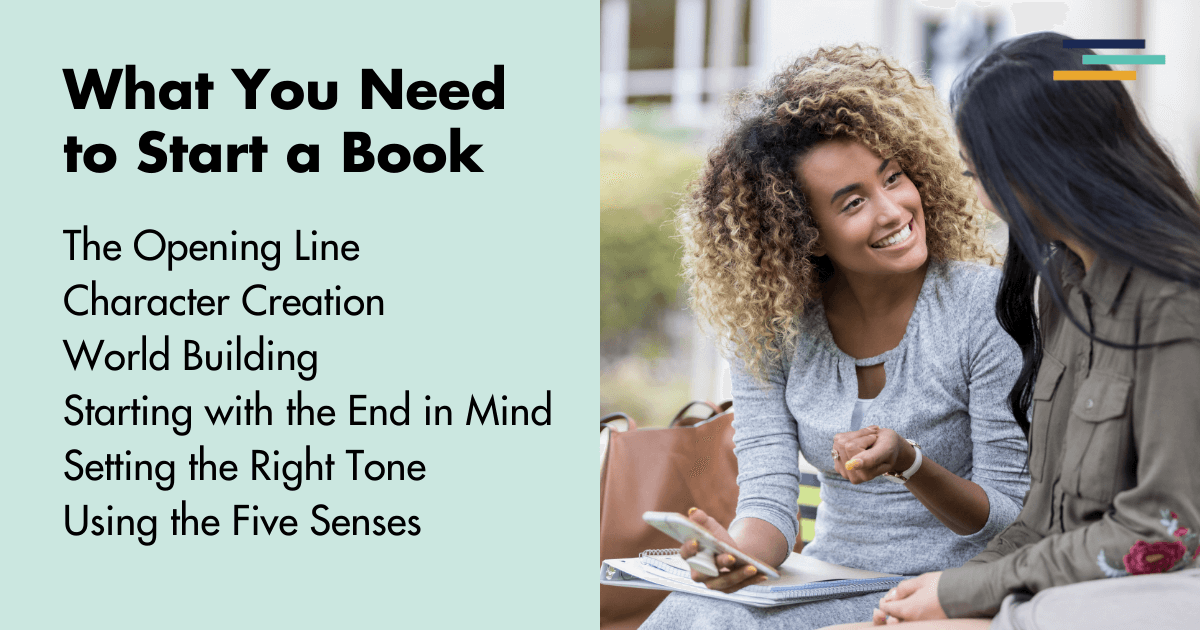
You’re about to discover how to start your novel, and I’m so excited for you. As an overview, here’s what we’re going to cover:

  • The Opening Line: How to write an opening line that hooks readers
  • Character Creation: How to create characters readers can relate to
  • World Building: How to build a world that feels real
  • Starting with the End in Mind: How to set up your protagonist’s journey in the opening pages
  • Setting the Right Tone: How to hit the right evocative notes at the start of your book
  • Using the Five Senses: How to immerse readers in your story from the first page

Let’s jump right in and talk about one of my favorite things. How to make your novel’s opening line hooky.
How to Write an Opening Line

If you want to convince readers to carry on reading once they pick your book (hint: you do), then you need to get their attention. And don’t forget, we’re not only competing with other authors for our reader’s attention. We’re also competing with social media, Netflix, Spotify, and pretty much every other entertainment medium that’s vying for our reader’s attention.

And the best way to get (and keep) your readers’ attention is to write a hooky opening line that’s guaranteed to make them sit up and take notice.

Coming up a little later, I’ll share some of the most popular ways to kick off your story with a great opening line and some killer examples from popular books that do it brilliantly. First though, I want to share my go to method for writing an opening line that will stick in your readers’ minds long after they close your novel.

There’s this little trick I like to call the invisible question.

When you ask your readers an implicit question, or a question that doesn’t have a question mark, in your opening line, they psychologically need to answer it. The key is, readers can only answer the invisible question you ask them by reading on. And, if you can include a hint about the characters, plot, and/or setting in your opening line, so much the better, because readers will connect to the story that much more.

So, the structure for the invisible question is a statement that pulls triple duty by doing all three of these things:

  • Makes the reader ask themselves a question
  • Makes the reader want to read on to find out the answer
  • Hints at the characters, plot, or setting

This isn’t the only way to open a story, and we’ll cover some others a little later, but so you really get to grips with my favorite method, let’s look at some examples from bestselling books, so you can see how the masters do it.
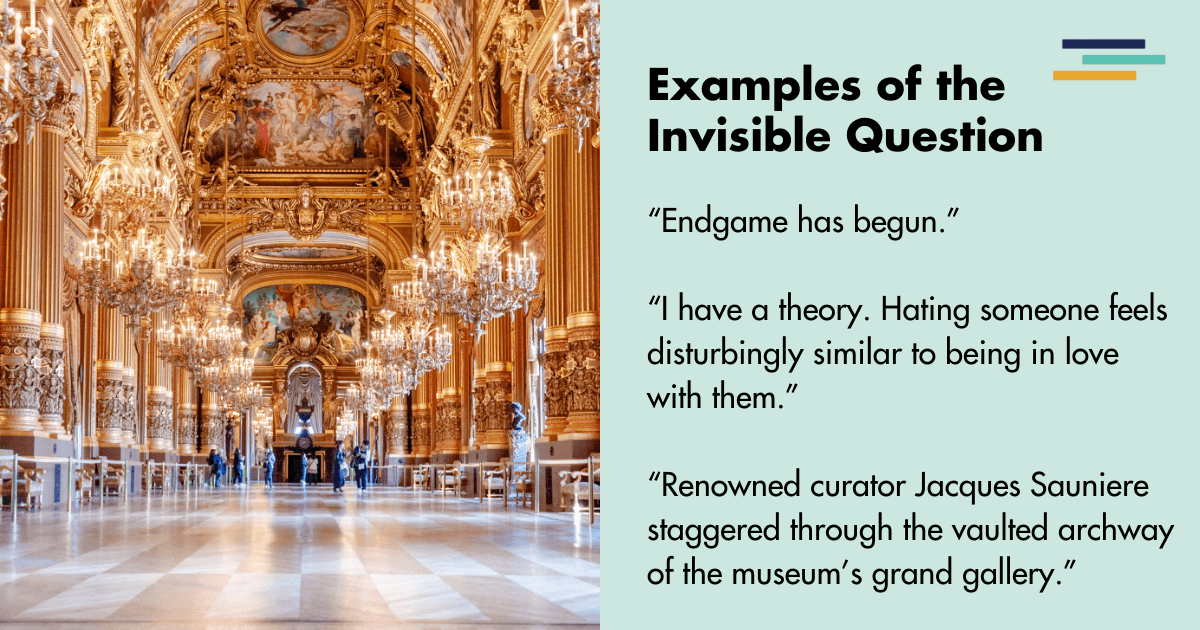
Examples of the Invisible Question from Bestselling Books

Endgame: The Calling by James Frey (YA Dystopian Sci-fi)

Endgame’s opening line is:

“Endgame has begun.”

Using three simple words, James Frey has created a fantastic invisible question. Let’s break it down and analyze why it works:

  • Endgame is an unfamiliar word in this context, so readers will immediately ask themselves, “What is Endgame?”
  • This unfamiliar concept drives readers to read on and find out what Endgame actually is.
  • Frey tells us that whatever the plot is, it’s going to take place within the confines of Endgame, and Endgame is going to be the major source of conflict.

The Hating Game by Sally Throne (Contemporary Enemies to Lovers Romance)

The Hating Game’s opening line is:

I have a theory. Hating someone feels disturbingly similar to being in love with them.”

Here’s why this one is a winner:

  • The opening line is a jarring comparison, which makes the reader ask themselves, “How  can love and hate be similar?”
  • Again, they can only find out the answer by reading on, so Thorne is playing on our psychological need for answers.
  • The opening line tells us the protagonist, Lucy Hutton, is a woman with strong opinions.

The Da Vinci Code by Dan Brown (Action Thriller)

Lastly, the opening line of The Da Vinci Code is:

“Renowned curator Jacques Sauniere staggered through the vaulted archway of the museum’s grand gallery.”

Now this one is a work of pure genius because the invisible question stems from the use of one word staggered. Brown could’ve chosen the word walked, but it wouldn’t have had the same effect. Anyone can walk through an archway, but if someone’s staggering, readers ask themselves:

  • “Why is Jacques staggering?” (i.e. Is he wounded? Is he ill? Is something else wrong?)
  • You guessed it, readers will only find out if they keep flipping pages.
  • We get information about the character (Jacques) and the setting (the museum).

See how using an invisible question to open your novel is a surefire way to grab your readers’ attention?

Next up, let’s look at one of the most critical aspects of starting your novels well, character creation.

How to Write Memorable Characters

A novel without relatable characters is like toast without peanut butter. Bland.

But, if you can get readers to relate to your characters when they first meet them (and combine this with a cracker of an opening line), then you’re winning.

Did you just groan? I don’t blame you. As soon as I say the words character creation, most people give me that reaction, and I know why. Character creation is synonymous with those long-winded character questionnaires filled with questions designed to make you run, screaming for the hills.

I might be a heavy plotter, but I don’t need to know the name of my protagonist’s third grade teacher’s dog.

Instead, we’re going to stick to the five foundations of a relatable character and how they make readers connect with the people you put on your pages.

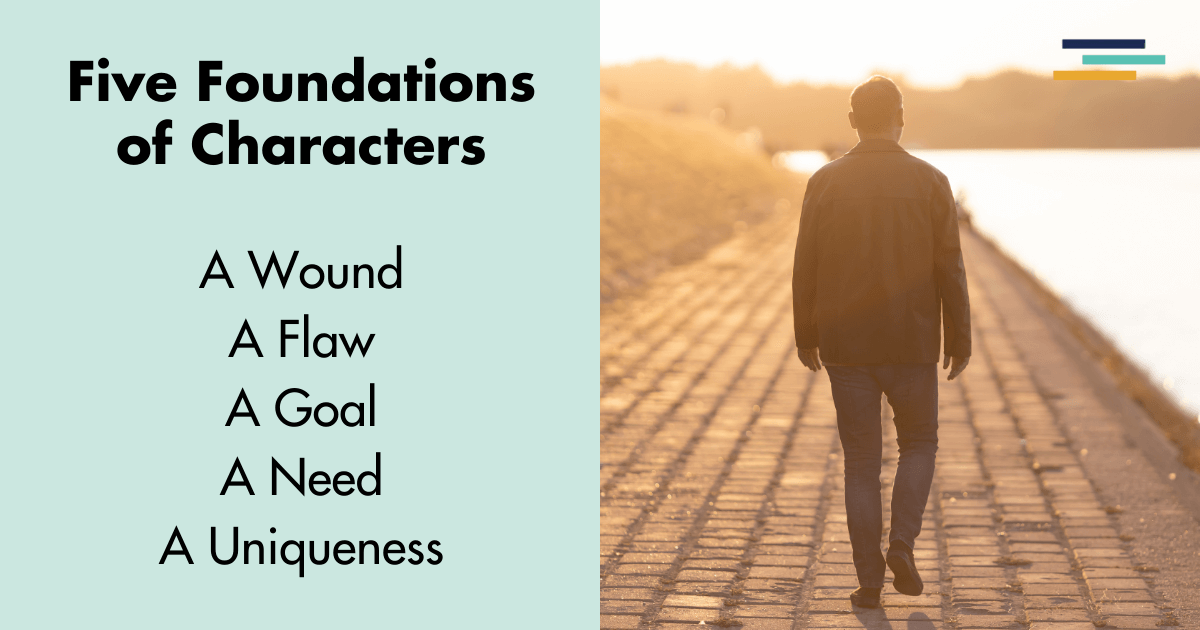
The Five Foundations of a Relatable Character

When creating your cast of characters, give every single major character these five things:

  • A Wound: A past event that’s injured them physically, mentally, emotionally, or all three
  • A Flaw: All deep wounds leave scars, and a character’s scar is the flaw, or the way the wound negatively affects their behavior when the novel opens
  • A Goal: The major external goal they’re chasing throughout the novel (e.g., in a heist thriller, this could be to steal a famous painting)
  • A Need: This is your character’s internal goal, or the life lesson they need to learn to fix their flaw
  • A Uniqueness: An object, symbol, ability, catchphrase, or attitude belonging to this character alone, which makes them stand out from all the other characters in your novel

If you give each major character in your novel these five things, you’ve created a cast readers will resonate with. These five things are vital to create well-rounded protagonists.

Let’s look at a relatable protagonist readers love, Katniss Everdeen from The Hunger Games. Notice here that I didn’t say likable. Katniss is ‌unlikable, but she is relatable, and you’ll see why in a moment.

Katniss Everdeen from The Hunger Games by Suzanne Collins (YA Dystopian)

  • Wound: Katniss’s father died in a mine explosion when she was twelve, which led to her mother neglecting Katniss and her little sister, Prim
  • Flaw: Katniss feels betrayed by her mother so finds it hard to trust, and she certainly doesn’t want to get romantically involved with anyone because it only leads to loss.
  • Goal: Her goal is to win The Hunger Games so she and her family can survive.
  • Need: She needs to learn to rely on other people and let them in, which she gradually does through her romance subplot with Peeta.
  • Uniqueness: Katniss’s uniqueness is her skill with a bow and arrow and, while other characters use the same weapon, she is the most skilled.

Because Suzanne Collins got Katniss’s five foundations in place, she created a character readers still talk about to this day and one we will remember for many years to come.
How to Build Your Story World

Seeing as you’ve just created well-rounded, relatable characters, it’s only fair we give them a shiny new world to play in.

Now, I won’t tell you what your cafè needs to look like if you’re writing a small town romance or what levers and gears your spaceship needs if you’re writing sci-fi. What I am going to do is remind you that every setting in your world should be influenced by your point of view character.

If your novel opens on a hot day, and your point of view character is grumpy by nature, they might bemoan the inferno-like heat of the sun and complain about how much they’re sweating. If, however, it’s a hot day, and your point of view character has a positive outlook, they might talk about how much they love to see the sun and how it makes everything seem more cheerful.

It’s the same setting with different characters and two unique interpretations because setting should inform character and character should inform setting.

It’s what I like to call a character driven world, and it’s a great way to invest readers in your books because they’ll connect to your world (and your point of view character) on a deeper level when they view your story world through that character’s unique lens.

The best example I’ve seen of a character driven world come from The Anatomy of a Scandal by Sarah Vaughn, so let’s take a sneak peek at how the author pulls it off so well in her opening paragraph.

“My wig slumps on my desk where I have tossed it. A beached jellyfish. Out of court, I am careless with this crucial part of my wardrobe, showing it the opposite of what it should command: respect. Hand made from horsehair and worth nearly six hundred pounds, I want it to accrue the gravitas I sometimes fear I lack. For the hairline to yellow with perspiration, the tight, cream curls to relax. Nineteen years since being called to the Bar, my wig is still that of a conscientious new girl – not a barrister who has inherited it from her, or more usually his, father. That’s the sort of wig I want: one dulled with the patina of tradition, entitlement and age.”

Although the entire paragraph sets up the courtroom setting, we also experience everything through the eyes of Kate Woodcroft. And her view of the world colors how it’s presented.

We know that if Kate’s wig cost six hundred pounds, she’s wealthy. We know she’s well educated because she uses words like “accrue,” “gravitas,” “conscientious.” and “patina.” You can tell that Kate’s upbringing was nothing like that of her colleagues and that it was likely working class because she didn’t inherit her wig.

We get all that from one paragraph. See why I believe Vaughan is a master of the character driven world?

Why You Should Start with the End in Mind

This next step builds on the character driven world.

When I say starting with the end in mind, I’m not talking about the last scene in your novel, although it’s helpful to have that endpoint in mind. I’m talking about knowing how your protagonist needs to grow by the end of the novel so they can finally beat that internal flaw and become the well-rounded person they deserve to be.

Why is it so important to know where your character ends up emotionally by the end of the novel? Because this makes readers care about your story. I like to think of it like this.

External Conflict = What Happens = Plot

Internal Conflict = Character Transformation = Story

Pretty much all the internal conflict in your novel stems from the internal journey your character takes throughout your story.

Readers don’t really care about the plot. Sure, they love the car chases, magic fights, and mad dashes to the airport to declare undying love. Who doesn’t? But they only become invested in the plot because these things are happening to a character they care about.

Remember when we discussed the five foundations of a character? You already know your protagonist’s wound and their flaw, so you know where they’re starting from emotionally, and you know how that flaw will be negatively affecting their behavior at the start of the novel.

You also know their need or the lesson they need to learn by the end of the novel to fix their flaw. The need is the opposite of the flaw.

So, if your protagonist starts off being afraid of conflict, you know that by the end of the novel they need to lean into conflict. If they start their story closed off to the possibility of finding love, then they need to have found, or be open to finding, love at the end of the novel.

By starting with the end in mind, you’ll be able to set up the protagonist’s character arc from page one. If you can show your protagonist’s flaw through the “wrong” actions they take at the start of the novel, readers will not only bond with your protagonist and feel empathy for them, they’ll also know—on a subconscious level—they’re going on a transformative journey with that character.

How to Set the Right Tone

If you’re writing a romance and you start with a murder, you’re probably striking the wrong tone. Similarly, if you’re writing a thriller and you open with a comedic scene, your book is going to feel tone deaf. 

Your tone should match genre expectations. And if you get this wrong, you’ll disappoint readers who go into your book expecting one thing and end up getting something completely different.

Here’s how to set the right tone in five steps.  

Tip 1: Point of View and Tense

Certain genres have expectations with POV and tense.

If you’re writing YA dystopian, go to your bookshelf and pull out some of the most popular books in that genre. You’ll find 99% of them are written in first person, present tense. Pull out an epic fantasy tome, however, and you’ll likely find a third person, past tense book.

Check out Divergent by Veronica Roth (YA Dystopian) and The Elfstones of Shannara by Terry Brooks (Epic Fantasy) if you want two examples.

Tip 2: Character Voice

If you get a character’s voice wrong, and your characters don’t sound like they belong in your world, you’ll be waving a red flag at readers that the tone is off.

Say you’re writing an urban fantasy novel. You’ll want your characters to sound snarky and modern. Compare this to a cozy mystery protagonist from the 1950s, and they’re going to sound completely different.

What you wouldn’t do is place that 1950s style character voice in an urban fantasy novel, and vice versa because it would sound wrong.

Check out Dead Witch Walking by Kim Harrison for an example of an urban fantasy character voice and Murder on the Riviera Express by TP Fielden for an example of a cozy mystery character voice.

Tip 3: Weather/Time of Day/Season

Ever notice how gritty thrillers open on dark and rainy nights and upbeat beach reads feature a lot of sunshine and daytime activities, or start at New Year’s Eve when there’s a fresh start just around the corner? The authors haven’t done that by accident. They’ve done it because it sets the right tone for their genre.

Take these two examples:

The Business of Dying by Simon Kernick (Thriller)

“09:01 p.m. We were sitting in the rear car park of The Traveller’s Rest Hotel. It was a typical English November night; dark, cold, and wet.”

It’s Not You, It’s Him by Sophie Ranald (Romantic Comedy)

“New Year’s Eve. If you ask me, it needs to take a long, hard look at itself. I mean, seriously. It has to be the most overrated night of the year, right?”

See how both authors set the right tone for their novels by opening with the expected weather/time of day/season?

Tip 4: Chapter Length

I’ll keep this brief, because it’s self explanatory, but authors like James Patterson, who write fast paced thrillers, favor shorter chapters. One of Patterson’s full-length novels might contain 100+ chapters. Contrast this with epic fantasy author, Peter S. Beagle, who wrote The Last Unicorn. The longest chapter in that book was over 20,000 words.

Pay attention to chapter lengths in your genre to hit the right tone,

Tip 5: Character Archetypes

The last thing to consider when setting the right tone is character archetypes. Certain kinds of characters always appear in certain genres. For example, the reluctant chosen one is a common character in epic fantasy, whereas the loner detective pops up again and again in crime thrillers.

Why You Should Use the Five Senses

Let’s talk about my favorite thing now. Using the five senses to fully immerse your readers in your story world when you open your novel.

The five senses are exactly what you’d expect:

  • Sight: What you see
  • Sound: What you hear
  • Smell: What you smell
  • Taste: What you taste
  • Touch: What you feel

By using the five senses you can create a vivid experience of your settings for readers. A setting without sensory depth can’t exist like a 4D walkthrough experience in the reader’s mind, and that’s exactly what we need to create.

When we watch a movie, all the visuals and sounds are on screen for us to see, hear, and experience. Our readers don’t have that, so we need to help them out.

Without sight, readers won’t know what a new character looks like when they first appear on the page. Without sound, you can’t create a sense of atmosphere in your work. Smell is perfect if you want to trigger a flashback because the centers of our brains that control memory are linked to our olfactory glands. Using taste in unconventional ways (e.g., to describe the taste of magic in fantasy novels) can create unique sensory experiences for readers. And touch is great for describing temperature.

If you don’t want your novel to feel as flat as a steamrollered pancake, use the five senses and use them well.
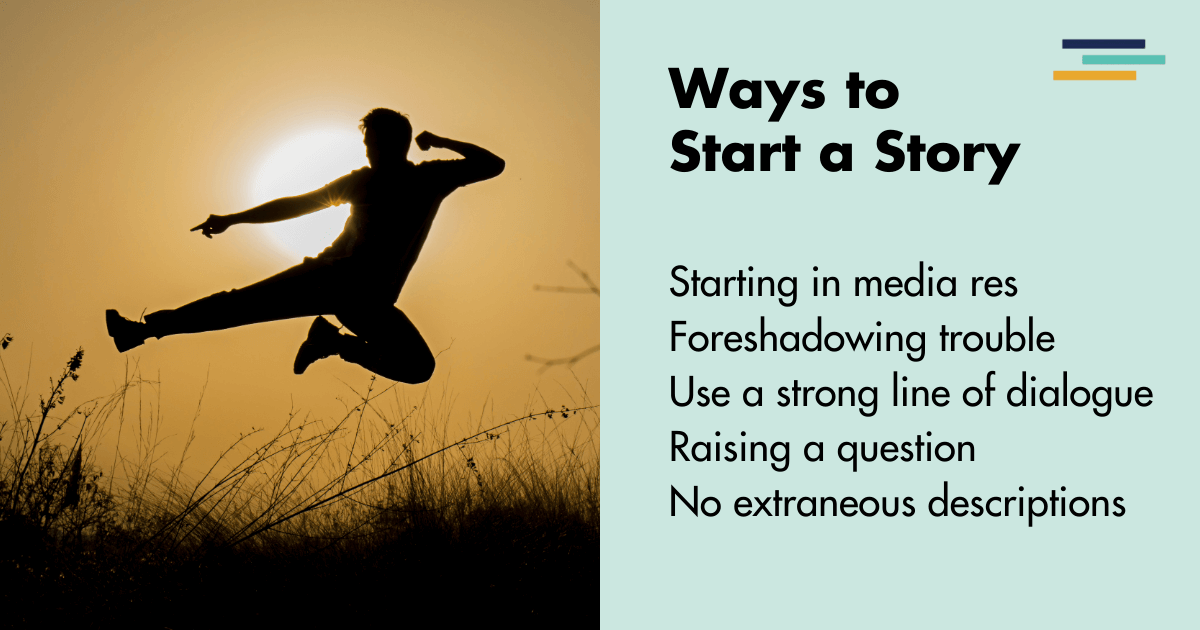
Most Popular Ways to Start a Story

There are several popular ways to start a story and, I’m talking about the first line or paragraph of your novel. We’ve already covered one of them, which was the invisible question, but there are several other valid options as well.

Starting In Medias Res

Don’t let the fancy Latin scare you, my friend. Starting in medias res just means starting in the middle of the action. Think back to the last action thriller you read. Nine times out of ten, I’ll bet it started with a car chase, fight scene, or foot chase. This genre is where you need to go if you want a masterclass on starting your story in medias res.

Foreshadowing Trouble

Another popular technique. Foreshadowing trouble really means starting at a moment of tension that foreshadows conflict. This is the staple of the horror genre, whose books often open at a moment where something bad is about to happen and the reader needs to read on to discover whether the bad thing actually happens.

Using a Strong Line of Dialogue

Using a shocking, or strong, line of dialogue to open your novel is another way you can really make readers sit up and take notice. My advice, even if it’s not your thing, is to check out the opening line to Stephen King’s The Shining if you want to see how it’s done. I won’t repeat it here because it’s NSFW.

Raising an Actual Question

This is like the invisible question, but the line actually has a question mark at the end. It’s less subtle but serves the same purpose, to make the reader discover the answer to the question by reading on.

Not Wasting Words On Extraneous Description

Description slows down pacing, which is great for some areas of your novel where you want readers to sit and wallow in an emotional mess. The start of your novel isn’t the place for that. Your opening line needs to be hooky, punchy, and attention grabbing, so save descriptive passages until the reader is fully hooked in.

How to Start Off a Story Examples

See if you can spot which techniques these five outstanding authors used to create their hooky first lines.

The Fortune Men by Nafida Mohamed (Historical Fiction)

“‘The King is dead. Long live the Queen.’ The announcer’s voice crackles from the wireless and winds around the rapt patrons of Berlin’s Milk Bar as sinuously as the fog curls around the mournful street lamps, their wan glow barely illuminating the cobblestones.”

The Outsider by Albert Camus (Philosophical Fiction)

“Mother died today. Or maybe, yesterday; I can’t be sure.”

The Maze Runner by James Dashner (YA Dystopian)

“He began his new life standing up, surrounded by cold darkness, and stale, dusty air.”

A Discovery of Witches by Deborah Harkness (Paranormal Romance)

“The leather bound volume was nothing remarkable. To an ordinary historian, it would’ve looked no different from hundreds of other manuscripts in Oxford’s Bodleian Library, ancient and worn. But I knew there was something odd about it from the moment I collected it.”

The Restaurant at the End of the Universe by Douglas Adams (Sci-fi Comedy)

“The story so far: in the beginning, the universe was created. This has made a lot of people very angry and been widely regarded as a bad move.”

Tips for How to Start a Novel

Now you know everything you need to know to start your novel with a bang.

Let’s do a quick rundown of my six tips for starting a novel so they really bed themselves in:

  • Make sure your opening line catches your readers’ attention.
  • Create characters readers can relate to using the five foundations of a relatable protagonist.
  • Build a character driven world by showing us how your POV characters view the world through their unique lens.
  • Focus on your protagonist’s internal character arc so you can introduce their flaw in your novel’s opening pages.
  • Set the right tone for your genre using POV and tense, character voice, weather/time of day/season, chapter length, and character archetypes.
  • Use the five senses to immerse your readers in your world from the get go.

Do all this in your opening pages, and readers won’t be able to put your book down.

Want to supercharge those opening pages? Look no further than Fictionary, which can help you:

  • Create engaging characters
  • Pen interesting plots
  • Structure solid settings

A tool like Fictionary helps you turn your opening pages into an interesting story readers love.

start premium trial

Write to Life: How to Write a Novel in 9 Steps: Novel Writing 101

Here’s the link to this article.

Angie Andriot

Fictionary Certified StoryCoach Editor

June 14, 2024

how to write a novel

Every novel begins as a whisper, a fleeting thought that tickles the mind. If you’ve ever dreamed of writing a novel, you know it’s a mixture of inspiration, craftsmanship, and sheer stubbornness.

But where does one even begin? Right here, right now, my friend. 

You, the aspiring novelist, are the deity of the realms you conjure. But even deities need a game plan. Forget the romanticized myths of muses and writer’s blocks; this 9-step guide to novel writing demystifies the process, providing you with a clear framework to bring your story to life.

With this guide—and a little sprinkle of Fictionary magic—you’ll be equipped to start and empowered to thrive. Let’s transform your dream into a manuscript that breathes life into your characters and their journeys.

What’s the Secret to Writing a Novel?

The secret to writing a novel is that there is no secret—just a lot of caffeine, crying, and questioning your life choices. 

Just kidding. Kind of.

Writing a novel takes hard work, dedication, and a structured process. But hey, having the right tools can make this wild ride a bit smoother and maybe enjoyable enough that you only want to throw your laptop out the window once a week instead of daily.

There are three key elements you need to consider to craft a compelling novel:

  • Compelling Characters: How can you create a protagonist who drives the story forward and keeps readers engaged?
  • A Solid Story Structure: How can you ensure your plot has a clear beginning, middle, and end, with well-placed plot points and a satisfying resolution?
  • A Vivid Setting: How can you create an immersive world, rich with details that bring it to life?

Understanding how a good story works, both overall and at the scene level, is essential. This means knowing your characters so well you could predict their Starbucks order, structuring your plot like you’re organizing a heist, and painting your setting so vividly it makes Bob Ross look like an amateur.

Whether you’re a plotter or a pantser, these elements are crucial. Plotters like to outline their story in meticulous detail before they start writing, minimizing the need for extensive edits later. They’re the ones with color-coded binders and flowcharts that rival NASA’s launch plans. 

Pantsers, on the other hand, leap into writing with just a spark of a character, plot, or setting, and they often spend more time editing afterwards to ensure their story works cohesively. These brave souls thrive on chaos, and their first drafts look like a literary Jackson Pollock painting.

Both methods are totally valid. 

Heck, you could even merge the two into a writerly hybrid called the planster. Plot a bit and then go wild within the loose structure you designed for yourself. Or plot a bit, but leave enough wiggle room for your creative spirit to hijack the story and take it on a joyride, and then adjust your outline afterward. Embrace the madness!

Speaking of embracing the madness, let’s talk about Fictionary—a powerful tool that can keep you from pulling your hair out, regardless of your writing style.

Fictionary supports the meticulous plotter and the daring pantser. It tracks 38 different story elements and offers gorgeous data visualizations that make your story’s strengths and weaknesses as clear as a crystal ball—albeit a crystal ball filled with bar charts, line charts, graphs, and interactive spreadsheets. 

That said, while Fictionary is an incredible guide, the real magic comes from your own creativity and effort. Turning a spark of an idea into a fully-fledged novel is challenging, no doubt about it. But it’s also incredibly rewarding—like finishing a marathon, except you’re sitting down the whole time, and there are fewer blisters.

So, get ready to transform your idea into a manuscript that dazzles. With Fictionary by your side, your journey from concept to completion just got a whole lot smoother and a lot more fun.

9 steps to writing a novel

9 Steps to Writing a Novel

The nine steps for writing your novel are: decide why you are writing, craft your central point, pick your protagonist, write your skeleton blurb, summarize your plot points, envision the world, choose the location, use sensory details, and integrate weather.

These nine steps are split into four categories: Your book’s concept, plot, and setting. 

Your Book’s Concept

Now, I know some of you might be itching to dive headfirst into writing, emerging from a creative fugue state with a gloriously sloppy first draft in hand. And that’s perfectly fine! Many great stories have started that way. 

But, if you’re reading an article entitled “How to Write a Novel in 9 Steps,” chances are you appreciate a bit of structure. Or, you tried the fugue state and it didn’t work out for you.

Either way, welcome! We’re glad to have you. 

We’re going to start with some conceptual planning. The point of doing this big picture thinking first is to help you focus your story and keep the final goal in mind. Think of it as setting your GPS before embarking on a road trip. Sure, you might take a few scenic detours, but having a clear destination ensures you don’t end up lost in the middle of nowhere. 

Step 1: Figure Out Why You Are Writing This Book

Ah, the existential question every writer faces: why write this book? What core belief or driving force compels you to tell this particular story at this specific moment? Your “why” is the heart of your novel.

So, why must you write this book? Here are some prompts to get those creative juices flowing:

Personal Connection

Is there a personal experience or emotion that you need to explore through fiction? Maybe your protagonist’s journey mirrors your own path of self-discovery, or perhaps the themes in your story reflect challenges you’ve faced. 

Writing from a place of personal connection can add depth and authenticity to your story, making it resonate more powerfully with readers.

Universal Themes

Consider the broader themes and messages you want to convey. Are you tackling issues of love, justice, freedom, or redemption? Great fiction often stems from universal ideas that speak to the human condition. Think about what you want your readers to take away from your novel. What lasting impact do you hope your story will have?

Passion and Curiosity

Sometimes the “why” is as simple as a burning passion or curiosity. Maybe you’ve always been fascinated by the mythology of ancient Greece, the complexities of human psychology, or the mysteries of the deep sea. Let your interests and obsessions guide you. Writing a novel can be an exhilarating journey when fueled by something you’re passionate about.

Social Commentary

Is there a social issue or injustice that you feel strongly about? Fiction can be a powerful vehicle for commentary on real-world issues, offering readers new perspectives and inspiring change. Whether it’s through dystopian worlds, historical settings, or contemporary narratives, your story can shine a light on important topics and provoke thought and discussion.

Creative Experimentation

Perhaps you’re drawn to the idea of pushing the boundaries of traditional storytelling. Are you experimenting with narrative structure, playing with genre conventions, or blending multiple storytelling techniques? Your “why” could be rooted in the desire to innovate and challenge yourself as a writer.

Step 2: Craft Your Central Point Statement

Once you’ve pondered these aspects, try to distill your book’s concept into a clear, concise statement. This is a touchstone to return to whenever you feel lost in the labyrinth of your plot. Here’s a simple template to help you get started:

“I am writing this novel because [core belief or reason], and through this story, I want to explore [key theme or message], connect with [ideal reader], and evoke [desired emotional response].”

For example:

“I am writing this novel because I believe in the resilience of the human spirit, and through this story, I want to explore the theme of overcoming adversity, connect with readers who have faced similar struggles, and evoke a sense of hope and empowerment.”

Having a clear understanding of why you’re writing your novel, combined with a strong central theme, and a clear reader in mind, will keep you focused and infuse your story with the authenticity and passion that will captivate those readers from the first page to the last.

Now, take that touchstone concept and make it literal. Write it down—perhaps on a nice rock. Or print it out. Use pretty fonts, calligraphy, glitter—whatever tickles your fancy and makes it eye-catching. Then, place it in your writing space so that whenever you feel discouraged, lost, frustrated, or ready to fling your laptop out the window, you can look at this guiding statement and find your way back.

Got it? Great. Now that we know the WHY, let’s talk about the WHO.

Characters

Welcome to the grand casting call of your novel! This is where you’ll decide who takes center stage, who supports from the wings, and who occasionally steals the spotlight. What is your dream team of heroes, villains, and quirky sidekicks? Each one should bring something unique to the table, making your story vibrant and dynamic.

In this article, we’ll focus on the story’s protagonist, the character who will bear the weight of your plot, endure countless trials, and (hopefully) emerge victorious by the final chapter. 

Let the auditions begin!

Step 3: Pick Your Story’s Protagonist

Your protagonist is the star of the show. They have the most at stake, undergo the biggest change, and drive the action forward. The protagonist is the character around whom your story revolves, embodying its key themes and pulling readers into their world.

Consider the type of protagonist you want:

  • Single Protagonist: One central character driving the plot, like Harry Potter.
  • Dual Protagonist: Two main characters sharing a common goal, such as Thelma and Louise.
  • Group Protagonist: Multiple characters with interconnected goals, like in Game of Thrones.

If this is your first novel, I highly advise sticking with a single protagonist to avoid the complexities of juggling multiple main characters. This is ultimately, of course, up to you. I am merely passing along the advice I am kicking myself for failing to heed when I started writing. Dual protagonists are so much more work! 

Ahem. Moving on. A strong protagonist needs depth, flaws, and motivations that make them relatable. Remember our example central point statement?

“I am writing this novel because I believe in the resilience of the human spirit and want to explore overcoming adversity, connect with readers who have faced similar struggles, and evoke hope and empowerment.”

Let’s use this to create our protagonist. We shall call her Jane. Now, sure, you can dive into Jane’s physical appearance, her quirky habits, and her questionable fashion choices. But that’s not what makes a character memorable. It’s not what gives them depth or makes them believable as a real human person (or ferret—I don’t know your story).

What truly breathes life into Jane is her inner world—her fears, her dreams, and the gritty details of her struggles. Make her a walking contradiction with strengths and weaknesses that clash. Give her a backstory that tugs at the heartstrings and motivations that drive her actions. This is what transforms Jane from a cardboard cutout into a living, breathing character who leaps off the page and into your readers’ hearts.

Here are some aspects of your protagonist to consider: 

Core Wound: Start by identifying an emotional injury from their past that influences their actions and decisions even today. It doesn’t need to be a full-on trauma, but it certainly can be. Just consider your genre and your ideal reader.  

For Jane, our determined single mother, perhaps her core wound could be a childhood betrayal by a loved one, making her wary of trusting others.

Fatal Flaw: This core wound often ties into their fatal flaw, a significant character weakness they must overcome. At first it is an obstacle, but then it becomes a growing edge, and by the end of the novel, your protagonist has faced and started the path to fixing their fatal flaw. 

Jane’s fatal flaw might be her stubborn independence, preventing her from accepting help even when she desperately needs it. She doesn’t want anyone else to betray her, after all. 

Goals and Desires: Define your protagonist’s external and internal goals. What do they ultimately want in life? These goals will shape your protagonist’s journey and development throughout the narrative. 

Jane’s external goal might be to pass her business on to her daughter, while her internal goal is to find a sense of security and build a core group of family and friends she feels safe with.

Growth Arc: As the story progresses, the protagonist should experience a growth arc, showing tangible development and change. This growth arc is one in which they overcome their fatal flaw, often by facing their core wound. 

Jane’s journey could involve learning to trust again and recognizing that accepting help is a strength, not a weakness.

Internal and External Conflicts: Outline the challenges your protagonist faces—what keeps her from reaching her goals and fulfilling her growth arc? 

Perhaps Jane’s external conflict involves her business partner engaging in business fraud. He frames her for it, then skips town, leaving her with huge debt, her beloved business in shambles, and a town that doesn’t trust her. 

Ironically, Jane’s internal conflict revolves around overcoming her own mistrust and accepting help from others—help that, at the beginning, the town doesn’t want to give anyway.

Moral Compass: Consider their moral beliefs and how these guide their actions. What does your protagonist value? What do they believe about the world? What keeps them in check? 

Let’s say that Jane’s moral compass is shaped by her desire to give her daughter a good life. This will guide her through the story’s challenges.

By incorporating these character elements, you create a protagonist that reflects the core message of your story and keeps readers glued to their struggles and triumphs. 

This step-by-step approach ensures your protagonist is well-rounded and deeply engaging, aligning with your story’s central theme. In the case of our example, it is one of resilience and empowerment.

Plot and Story Structure

Alright, aspiring novelists, it’s time to get down to brass tacks. We have our why. We have our theme. We have our protagonist. We’ve discussed the importance of your protagonist’s goals and conflicts. Now, let’s dive into the heartbeat of your story, the plot.

Plot is the sequence of events that make up your story, driving your protagonist’s journey and shaping their growth. It’s what keeps readers turning pages, eager to see what happens next. In this section, we’ll cover two critical components of plot development: the skeleton blurb and the main plot points.

Ready to build a plot that dazzles? Let’s get started.

Step 4: Write Your Skeleton Blurb

A skeleton blurb is a concise statement that encapsulates your protagonist’s goal and the stakes involved. This blurb will serve as the backbone of your story, guiding you as you write, edit, and revise. 

Like your central point statement is the touchstone that helps you stay on track with your theme and your why, the skeleton blurb ensures your story always comes back to three things: the protagonist, the story goal, and the stakes. This is the template for a skeleton blurb: 

Protagonist MUST story goal OTHERWISE stakes. 

This step connects your “why” with your protagonist’s journey and helps you define the stakes that will keep readers hooked. So, how do we determine a good story goal? 

Determining a Story Goal

A strong story goal is essential for driving your narrative forward. It provides your protagonist with a clear objective to strive for, giving their journey purpose and direction. It will also connect to your protagonist’s life goal and dreams. 

Here are the key characteristics of an effective story goal:

  • Addressable: The goal must be something your protagonist can actively work towards or achieve.
  • External: It should be a tangible and visible objective, not just an internal desire.
  • Relatable: Readers should be able to understand and empathize with the goal.
  • In Line with Genre Expectations: The goal should fit within the norms and expectations of your genre.
  • Specific: A clear and well-defined goal helps maintain focus and drive the narrative.

Going back to our example: Jane’s life goal is to pass her business down to her daughter. Her internal goal is to find a sense of security and build a core group of family and friends she feels safe with. 

So a good story goal for Jane might be to rebuild her business after discovering that her former business partner committed financial fraud and disappeared. This goal is addressable, external, relatable, in line with the expectations of a contemporary drama, and specific.

Determining Compelling Stakes

The stakes in your story should be both external and compelling enough to create tension. They represent the consequences of your protagonist failing to achieve their story goal. 

The stakes must: 

  • Matter: The stakes should be significant enough to drive the protagonist’s actions and keep readers invested in the outcome.
  • Be Specific: Clearly defined stakes help create a sense of urgency and importance.

In Jane’s story, the stakes are losing the business she dreams of passing on to her daughter. These stakes are external, tangible, and significant enough to drive her actions and create tension, ensuring that readers are invested in her success.

By defining a clear story goal and high stakes, you create a framework that will guide your narrative and keep readers hooked. Now, let’s continue building Jane’s story with a skeleton blurb that encapsulates her journey and the stakes involved:

Jane, a determined single mother MUST rebuild her business after a devastating financial fraud OTHERWISE she will lose the legacy she wants to pass down to her daughter.

By combining these elements, the blurb highlights Jane’s resilience and the thematic focus on overcoming adversity, connecting seamlessly with the initial “why” behind writing the novel.

And here’s why this process is so helpful: Even as I’m crafting this fake example for a Fictionary article, I had a lightbulb moment. The theme doesn’t quite fit! It’s fine, but wouldn’t it be even better if Jane’s lesson was about legacy? About how maybe she doesn’t need to pass on a business to her daughter to have a legacy? Or perhaps her daughter doesn’t even want the business, and Jane saves it, only to realize that her true legacy is her daughter, not the business.

Wow. At this step, as an author, I would have a decision to make. If the story goal and stakes don’t quite match up to the novel’s theme, one needs to change. Which one am I most attached to? A story of resilience or a story about legacy and the power of motherhood? Am I more attached to the plot or to my theme? 

Why not both? Jane can still grow and become more resilient, but now that becomes secondary to the main theme in which Jane learns the true meaning of legacy and comes to see her daughter for the wonderful person she is, not what Jane is trying to mold her into.

So, take a moment and compose your own skeleton blurb. Once you have that, you’re ready to move onto the main plot points. 

Step 5: Summarize the Main Plot Points

Creating a compelling story involves identifying the crucial events that propel the narrative forward and challenge your protagonist. 

If you aren’t sure whether you’re a plotter or a pantser, plotting out only these five main plot points is a nice happy medium between plotting and pantsing. You get just enough structure to know you have a story but not so much that you can’t still make creative decisions along the way.

Here’s how to summarize the main plot points so that you can have a solid story arc, followed by how this plot point might be applied with our protagonist Jane. 

  1. Inciting Incident: The event that sets the story in motion, disrupting the protagonist’s world and presenting the central conflict. This is when the protagonist first encounters the story goal—though they may not be aware of it yet.
    1. Jane discovers that her business partner has disappeared, leaving behind evidence of financial fraud.
  2. Plot Point 1: A significant turning point that pushes the protagonist into a new direction, often marking the end of the first act. From here, there is no turning back for the protagonist.
    1. Jane decides to take legal action and begins the daunting task of rebuilding her business from scratch. She also starts to see the impact of the turmoil on her daughter, who seems distant and preoccupied.
  3. Midpoint: The moment in the middle of the story that raises the stakes and changes the protagonist’s understanding of their goal. It is often a moment of decision for the protagonist, and they often make the wrong one here.
    1. Jane finds a potential investor, but they require her to rebuild trust in the community first. She throws herself into regaining the community’s support, further straining her relationship with her daughter, who feels neglected.
  4. Plot Point 2: Another major turning point that leads into the climax, often presenting the protagonist with their greatest challenge. This is the quintessential “all hope is lost” scene. The protagonist is at their lowest, and they could give up. But they don’t. Instead, they get that last bit of whatever it is they need to move forward.
    1. Just as Jane is about to secure the investment, her former partner reappears, threatening to ruin her reputation further. At the same time, Jane’s daughter reveals she has no interest in taking over the business, shattering Jane’s vision of their shared legacy.
  5. Climax: This is the peak of the story where the protagonist faces the central conflict head-on, leading to a resolution. This is the penultimate scene—the one in which the protagonist either achieves or does not achieve their story goal.
    1. Jane confronts her former partner publicly, exposes the fraud, and wins the support of the community and the investor. She also has a heartfelt conversation with her daughter, realizing that her legacy isn’t the business but the values and love she passes on.
  6. Resolution: The conclusion is where loose ends are tied up, and the protagonist’s journey is completed.
    1. Jane successfully rebuilds her business and decides to pass on the leadership to a trusted colleague. She regains stability for her family, builds a closer relationship with her daughter, and finds a renewed sense of trust, empowerment, and understanding of what legacy truly means.

Each of these events should be tied to the protagonist’s inner emotional journey, showing their growth and transformation. 

This can be an iterative process. For instance, upon reflection, the climax here feels a bit disjointed. It has two actions that are not connected. So, how can we tie Jane’s confrontation with her partner to heartfelt conversation with her daughter? 

Maybe in the climax, Jane’s daughter steps up to help confront the partner, revealing her talents and hinting at a future as a lawyer. Jane then realizes her daughter’s strengths lie elsewhere, not in the family business. 

This prompts Jane’s realization after a heart-to-heart with her daughter, in which her daughter tells Jane that she learned grit and tenacity from Jane. Jane realizes that her daughter is her legacy, not some store.

Setting

Welcome to the world-building wonderland! The setting of your novel is so much more than a mere backdrop for your characters’ shenanigans—it’s the very stage on which your entire narrative unfolds. From the bustling streets of a futuristic metropolis to the eerie silence of an abandoned mansion, the setting sets the tone, mood, and atmosphere of your story. It shapes your characters’ experiences and drives the plot forward. 

Ready to create a world your readers will get lost in? Let’s do this.

Step 6: Envision Your Story’s World

When done well, your novel’s setting is a character in its own right, ready to stir up trouble or lend a helping hand. If your story takes place in an unfamiliar world, you’ve got some serious world-building to do. 

Think of it as planning the ultimate vacation spot but with more political intrigue and fewer margaritas. Map out the rules, history, environment, and culture. Consider the political climate, social structures, and geographical features. This groundwork will add depth and authenticity to your world.

In our sample story, Jane’s world is our everyday world. But, we might want to consider what specific aspects of the town she lives in might be relevant. Perhaps Jane’s story unfolds in a small town where the gossip travels faster than a sneeze in a classroom. 

This quaint, nosy little town will crank up the tension when people start whispering that Jane caused her business’s downfall. And when it’s time for her redemption arc, re-establishing trust in this tight-knit community will be a journey worthy of popcorn and a comfy chair.

Step 7. Choose Locations with Purpose

Each location in your story should serve a purpose. For each scene, consider whether the location is important to the plot, characters, or theme. Also consider the emotional impact of the location. Consider how each location also resonates with your POV character’s emotional state, enhancing the scene’s mood and tension. A dark alley might heighten fear, while a bustling café might enhance a character’s feeling of loneliness.

If a location doesn’t pull its weight, it’s time for a change.

For Jane, imagine her standing in the town’s cozy, yet claustrophobic, coffee shop. It’s the perfect spot for tension to brew (pun intended) as the barista throws her a pitying glance while the regulars whisper behind their mugs. This setting amplifies Jane’s feelings of isolation and paranoia. Then, contrast it with the town park, where she plans a community event to win back trust. The open space and cheerful atmosphere reflect her hopes and determination, making every location in Jane’s story work double duty to elevate the narrative.

Step 8: Use Sensory Details

Sensory details breathe life into your setting and characters. Without them, your scene risks falling flatter than a pancake. Using the POV character’s senses to describe the action pulls your reader closer to the character.

Engage all five senses (and at least three per scene) to bring the setting to life. Don’t just describe how things look. Include sounds, smells, textures, and tastes. Instead of telling the reader the forest is eerie, show it through the rustling leaves, the distant hoot of an owl, and the damp, decaying wood underfoot.

For Jane, the sensory details are what transform her world from flat to fabulous. Picture this: 

Jane walks into the bakery, and the sweet scent of freshly baked bread wraps around her like a warm hug. The bell above the door jingles, alerting the ever-watchful eyes of Mrs. Thompson, who sits by the window, her gaze as sharp as the taste of the tangy lemon tart Jane nervously nibbles. 

The rough wooden tables, worn smooth in spots from years of elbows and coffee cups, remind Jane of the town’s long history and her uncertain place within it. When Jane steps outside, the crisp autumn air bites her cheeks, and the distant church bells toll, each chime a reminder of the community she’s striving to reconnect with.

Step 9. Integrate Weather Thoughtfully

Weather isn’t just background noise; it can be a powerful tool to reflect or contrast the character’s inner world. A sudden storm can symbolize turmoil, while a sunny day might ironically contrast a character’s despair.

For Jane, imagine a storm rolling in just as she’s about to attend a crucial town meeting. The dark clouds mirror her anxiety, and the driving rain keeps people indoors, emphasizing her isolation. The wind howls around the corners of the old town hall, making the rickety windows rattle—each gust a reminder of the turbulent emotions she’s battling. 

Later, when Jane starts rebuilding her life, let the sunshine break through the clouds, symbolizing hope and new beginnings. Picture her standing in the town square, bathed in golden light, the warmth on her skin reflecting the warmth she hopes to rekindle in her community.

Bringing It All Together

By following these steps, you’ll create settings that provide a backdrop for your story and enhance the emotional depth and engagement of your narrative. From envisioning your story’s world to thoughtfully integrating weather, each element of setting plays a crucial role in bringing your story to life.

How to Write a Good Book Tips

As you embark on this creative journey, keep these final tips in mind to help you craft a compelling and cohesive story.

  • Develop a regular writing habit and stick to a schedule.
  • Create character profiles to understand their backstories, desires, and motivations.
  • Use all five senses when describing settings and action.
  • Balance showing what happens with revealing characters’ inner thoughts and feelings.
  • Cut out unnecessary backstory, description, and exposition.
  • Make sure every scene advances the plot and character development.
  • Read your dialogue out loud to make sure it sounds natural.
  • Get feedback from beta readers or a writing group, and be open to constructive criticism.
  • Edit your complete first draft multiple times before considering it finished.
  • Don’t give up when you hit writing blocks—power through and write a bad first draft.

How to Write Fiction: Conclusion

Writing a novel requires coming up with a compelling premise, developing memorable characters, constructing a well-paced plot, and putting it all together through the hard work of writing, rewriting, and editing. Leveraging storytelling tools and the nine steps outlined above can help you navigate the novel writing process. 

There is no substitute for your own imagination and effort in crafting an original story. 

But resources like Fictionary can help you wrangle the beast that is your brain. Fictionary provides customizable story templates and intuitive tracking tools to make your novel writing experience more manageable, productive, and rewarding. 

The journey to a finished book is challenging but worthwhile for turning your creative vision into an immersive experience to share with readers. The key is to get started, persevere through the process, and never stop improving your writing craft.

start premium trial

Written Wisdom–The Art of Journaling for Self-Discovery

Written Wisdom blog posts are dedicated to exploring the integral relationship between writing and thinking. They underscore the importance of writing as a tool for clarity, critical analysis, and uncovering obscured truths. Through various posts, I'll delve into how the act of writing – whether it be scribbling thoughts, sketching ideas, or drafting essays – can help in organizing thoughts, challenging biases, and encouraging a deeper level of inquiry and understanding. These posts aim to inspire and guide high school students and other readers to embrace the power of the written word in their journey towards intellectual independence and clarity.

The Art of Journaling for Self-Discovery

In the tapestry of human experience, self-reflection stands as a powerful thread that binds the past with the present and the subconscious with the conscious. The art of journaling, an age-old practice, serves as a catalyst for this reflective process, acting as a mirror that reveals the layers of one’s own psyche. It is in the quiet moments of writing that we often encounter our true selves, the parts untouched by the external world’s clamor. This essay explores how the simple, yet profound, act of maintaining a personal journal aids in self-discovery, emotional processing, and gaining insights into one’s thoughts and behaviors.

The journey of journaling begins with the stroke of a pencil or the click of keys, where thoughts are given the space to unfold and breathe. The act of writing without censorship invites authenticity, allowing individuals to confront their genuine feelings and thoughts. This uninhibited expression is crucial for self-discovery. It is often in the solitude of journaling that one can listen to the inner voice that is frequently drowned out by life’s incessant noise. Journal entries become a sanctuary for the mind, a place where one can grapple with ideas, question beliefs, and ponder over decisions without the fear of judgment.

For high school students, who stand on the precipice of adulthood, journaling can be a formidable tool for navigating the complex web of emotions and experiences that come with this transitional period. It can serve as a reliable confidant, a safe space where the chaos of teenage life can be distilled into clarity and understanding. When emotions are high and the path ahead seems obscured, journaling provides a way to process feelings, often leading to a state of emotional equilibrium.

Furthermore, the act of journaling encourages a critical analysis of one’s own behaviors and patterns. By routinely writing down thoughts and events, individuals create a record that can be revisited, offering invaluable insights into their habits and reactions. Over time, patterns emerge, providing a clearer picture of one’s personality and inclinations. It is through this understanding that one can initiate change, redirecting the course of their actions to align with their aspirations and values.

Moreover, journaling uncovers obscured truths. It is a practice that can challenge biases and preconceived notions. By putting thoughts to paper, individuals are forced to articulate vague ideas, which often leads to a deeper level of inquiry. This introspective process can unearth underlying motivations and prejudices, paving the way for personal growth and a broader perspective.

In conclusion, the art of journaling is a venerable companion on the quest for self-knowledge. It is a practice that transcends age and time, offering a path to clarity and emotional understanding. For high school students and lifelong learners alike, journaling is more than a mere record of events; it is a dialogue with the self, a steady guide towards intellectual independence and the lucid waters of self-awareness. As we continue to explore the relationship between writing and thinking in our Written Wisdom series, let us embrace the transformative power of journaling, recognizing its role in shaping a thoughtful, introspective, and enlightened individual.

The Pencil Pit

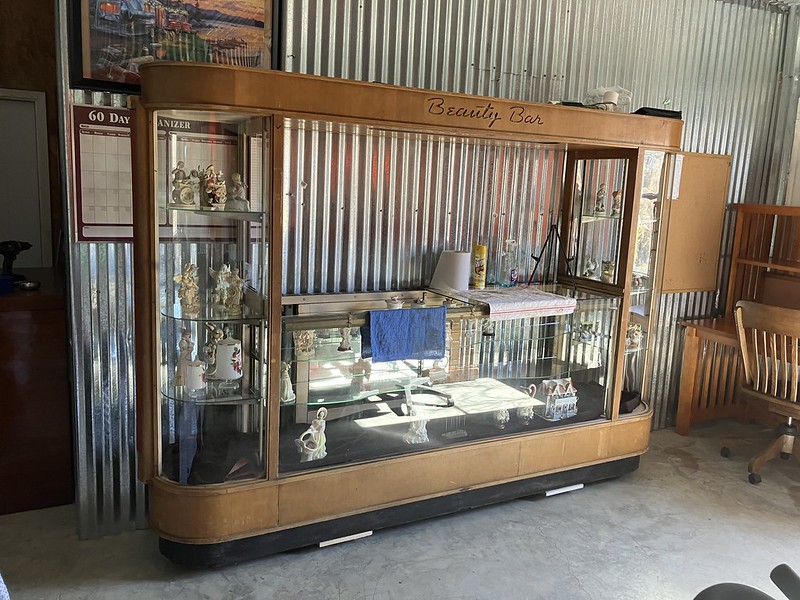
Upgraded writing room in the barn (now known as the Pencil Pit): big desk used in law practice (HEAVY!); ‘Beauty Bar’ (antique) included in old downtown building purchased in 1999 (story is it was purchased from a pharmacy in Gadsden and was there for decades). Figurines in ‘Beauty Bar’ were mother’s.

Most wonderful characteristic of the Pencil Pit–no internet.

Cosmic Insignificance Therapy

Are you feeling stressed? Have more to do than you could ever accomplish? Or, not enough to do? Do you have regrets over past failures? Whatever your situation today, listen to this short episode by Oliver Burkeman from the Waking Up APP.

I’ve found it to be SIGNIFICANT to me, so much, I’ve listened to it two days in a row.

https://screencast-o-matic.com/watch/c0nt6xVyCTo

Writing and snake-handling

Yesterday, I finally focused on a task I’d been postponing for days. It was time for a new tag line for my website.

Even though my web address is my name, a year or so ago I’d given it a title that meant a lot to me personally: The Pencil Driven Life. I’d coined this phrase much earlier. Initially, it was created as a response to Rick Warren’s book, The Purpose Driven Life.

In it, Warren claims that God creates every human with a purpose. This comes about before each person is conceived. Although I once believed this, I no longer do. The Pencil Driven Life is simply the reverse, the opposite of Warren’s position. I now believe that there’s insufficient reason to believe Warren’s God exists. Thus, what naturally follows is that every person creates his or her own meaning; it comes from within, not from without. Each person decides what he wants to pursue. And, there’s no better creative tool than the lowly pencil. Properly used, this wonderful tool is a pathway to clarify one’s thinking and choosing what matters. It’s all about individual choice, not some supernatural force superimposing his/her/its choice.

My old tag line was: Reading and writing will change your life for the good. I wanted to make myself more clear. At bottom, I wanted my new tag line to express what I’d personally discovered since changing my religious beliefs, and starting a regular writing practice in 2015.

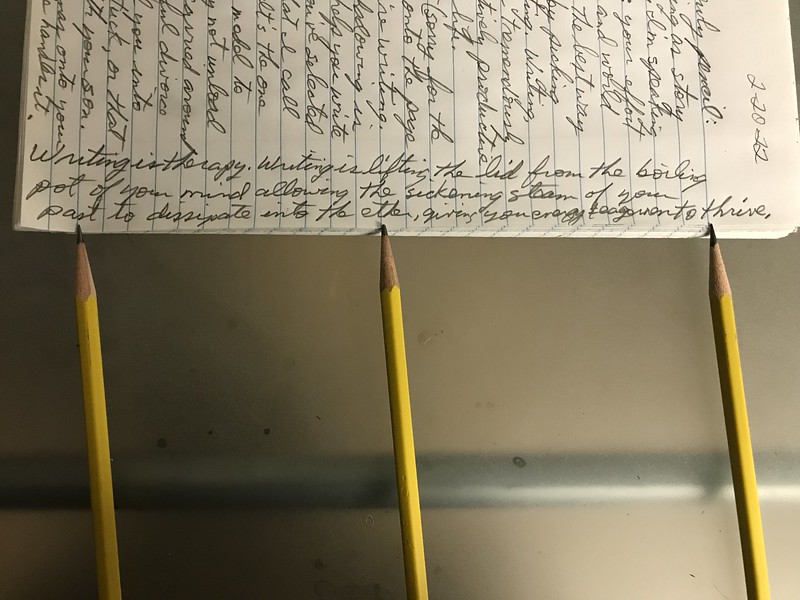
After an hour or so of thinking, doodling, considering various words and their definitions, and reviewing what many others have said about why they write, this is the current result: Writing is a tool for thinking, for discovering the truth obscured by a cluttered, unquestioning, and gullible mind.

Consider these words and their definitions (quotation marks omitted):
Cluttered–filled or scattered with a disorderly accumulation of objects or rubbish;
Unquestioning–not inclined to ask questions, being without doubt or reserve;
Gullible–naive and easily deceived or tricked.

Look carefully at the following quote. I don’t think anyone–ever–has better illustrated the necessity of writing.

I write entirely to find out what I’m thinking, what I’m looking at, what I see and what it means. What I want and what I fear.

Joan Didion

Note the meaning of necessity—“the condition of being essential or indispensable.” To Joan and many others, including me, writing is essential to a good life.

If we want to think better we need to start writing. Don’t believe this? Then, take this test. Sit down, alone, with as few distractions as possible. Start observing your mind. It won’t take long to discover it’s a mess (“dirty and disorderly”). Thoughts start appearing. You can’t stop them and most of them vanish as rapidly as they appear. It’s chaotic, disorderly. I close my eyes and my first thought is a snake story. More on this later.

None of this means writing isn’t messy. It is. Try it. You’ll soon conclude it’s a arduous process. The difference between initial thoughts and first scribblings, and a cogent representation of what you’re looking at, of what you’re seeing, and of what it means, is in the focusing, the determination, the doggedness of the rewriting.

Ernest Hemingway once said, “the only kind of writing is rewriting.” And, in the same vein, Robert Graves said, “there is no such thing as good writing, only good rewriting.” I’m certain Joan Didion would agree. It was not in her “easily deceived” mind or in her first marks on the page, but in her rewriting that she discovered what truly was obscured inside the cluttered back-room of her mind. I think it goes without saying that rewriting involves a ton of questioning.

Let’s talk about snakes. Today, I saw a 2014 abcNews article titled, “Snake-Handling Pentecostal Pastor Dies From Snake Bite.” Here’s the link. I encourage you to read it and watch the embedded video.

In a separate Google search, here’s what this pastor, Jamie Coots, said some years before his death in response to the question, “What does the Bible mean by taking up serpents?”

Takin’ up serpents, to me, it’s just showin’ that God has power over something that he created that does have the potential of injuring you or takin’ your life.

Jamie Coots

Was Mr. Coots correct? Let’s say we’d heard about snake handling, and learned that those who practiced it believed it’s how Jesus wanted Christians to demonstrate their faith. Maybe we’ve done some reading on the topic and even sat in a service at Full Gospel Tabernacle in Jesus Name in Middlesboro, Ky.

We’re back home now and want to sort things out–we want to find out what we’re thinking, what we’re looking at, what we see and what it means. What we want and what we fear. We grab a pencil and notepad and start brainstorming, jotting down a number of questions. Such as, what does the Bible actually say? And, what happened to Pastor Coots? Was he a true believer?

The abcNEWS article referenced Mark 16:18, so we look it up. As an aside, I recalled my beliefs from my sixty years as a Southern Baptist fundamentalist, and, after considering the above article and video, I quickly discover I’d never been as ‘fundamentalist’ as Jamie Coots.

For better context, here’s Mark 16:15-18 in the King James Version:

15 And he said unto them, Go ye into all the world, and preach the gospel to every creature.
16 He that believeth and is baptized shall be saved; but he that believeth not shall be damned.
17 And these signs shall follow them that believe; In my name shall they cast out devils; they shall speak with new tongues;
18 They shall take up serpents; and if they drink any deadly thing, it shall not hurt them; they shall lay hands on the sick, and they shall recover.

For comparison, here’s the passage in the New International Version:

15 [Jesus] said to them, “Go into all the world and preach the gospel to all creation.
16 Whoever believes and is baptized will be saved, but whoever does not believe will be condemned.
17 And these signs will accompany those who believe: In my name they will drive out demons; they will speak in new tongues;
18 they will pick up snakes with their hands; and when they drink deadly poison, it will not hurt them at all; they will place their hands on sick people, and they will get well.

The first thing we note is the problem of interpreting verse 18. Ignoring the ‘taking up’ versus ‘picking up’ in the first part of this verse, it seems the subject is changed to drinking deadly poison. Do we assume it means the person with the snake in hand somehow drinks some of the snakes venom? That seems odd given what we know about how the venom is transferred via the snake’s bite. Oddly, it seems to say something else, that some other person, if they drink deadly poison, the result will be positve. “[I]t will not hurt them.”

For now, let’s skip over this and hypothesize Mark is saying a true believer can handle snakes and not be harmed. And, even further (since it’s all in the same verse; probably not the best assumption), the true believer’s action of snake handling will give them power to heal sick folks.

As to our question whether Mr. Coots was a true believer, it appears he either wasn’t or there’s something else going on. Again, look at the Coots quote from above: “Takin’ up serpents, to me, it’s just showin’ that God has power over something that he created that does have the potential of injuring you or takin’ your life.” We might ask ourselves concerning Coots, what happened to God’s power?

Can we conclude Jesus’ promise applies only to “believers”? True believers are saved. The snakes will not harm true believers. Why not scribble a note to the side of our paper: Right now I have grave doubts what I’m reading here in Mark represents reality.

We dig a little deeper. Let’s look back at our NIV Bible. At the end of Mark 16:8, there’s a footnote:

“Mark 16:8 Some manuscripts have the following ending between verses 8 and 9, and one manuscript has it after verse 8 (omitting verses 9-20): Then they quickly reported all these instructions to those around Peter. After this, Jesus himself also sent out through them from east to west the sacred and imperishable proclamation of eternal salvation. Amen.”

Here’s verses 9-20 in the NIV:

9 When Jesus rose early on the first day of the week, he appeared first to Mary Magdalene, out of whom he had driven seven demons. 10 She went and told those who had been with him and who were mourning and weeping. 11 When they heard that Jesus was alive and that she had seen him, they did not believe it. 12 Afterward Jesus appeared in a different form to two of them while they were walking in the country. 13 These returned and reported it to the rest; but they did not believe them either. 14 Later Jesus appeared to the Eleven as they were eating; he rebuked them for their lack of faith and their stubborn refusal to believe those who had seen him after he had risen. 15 He said to them, “Go into all the world and preach the gospel to all creation. 16 Whoever believes and is baptized will be saved, but whoever does not believe will be condemned. 17 And these signs will accompany those who believe: In my name they will drive out demons; they will speak in new tongues; 18 they will pick up snakes with their hands; and when they drink deadly poison, it will not hurt them at all; they will place their hands on sick people, and they will get well.” 19 After the Lord Jesus had spoken to them, he was taken up into heaven and he sat at the right hand of God. 20 Then the disciples went out and preached everywhere, and the Lord worked with them and confirmed his word by the signs that accompanied it.

Two observations. First, it’s reasonable to conclude these verses were added to later manuscripts to support Jesus and a supernatural resurrection (see especially vs. 19). The second observation is that these highly questionable verses include our snake handling promise, including the promise such handlers will have special powers to heal sick folks.

It appears reasonable to question whether Mr. Coots sole authority for his Christian snake-handling beliefs, for his God-inspired way to demonstrate his faith, shouldn’t even be included in the Bible. Of course, this assumes the Bible, without these verses is the inerrant, infallible word of God. I wanted show it here but it doesn’t take much research to conclude Mark didn’t write the book of Mark. The author or authors are anonymous. But, we’ll leave that alone for now.

It seems our first draft raised some serious issues, none of which will likely be resolved to everyone’s satisfaction, especially to folks like Jamie Coots.

But, what about you? Will you stake your life on Rick Warren’s Bible? Believing God created and ordained you for a specific purpose in this life? Believing God that you’ll come to no harm handling those diamondback rattlers?

Or, is it more likely that if you do lean toward trusting in Warren’s Bible, you’ll at least ignore Mark 16:18 and cherry pick other verses to decide what you believe?

Ending thoughts. Why didn’t earlier manuscripts include verses 9-20? And, was Jamie Coots more likely to become a snake-handling Christian because of his ancestors (recall, both his father and grandfather were snake-handlers)? If so, does this indicate where we are born and to what parents and what they believe may be the primary reason we believe as we do.

Finally, can writing help us make better choices? Recall my new tag line: Writing is a tool for thinking, for discovering the truth obscured by a cluttered, unquestioning, and gullible mind.

Want a life with fewer snakes? Then, write to life.


For additional insight into Mark 16, read David Madison’s article, The Colossal Embarrassment of Mark 16.