02/18/23 Biking & Listening

Biking is something else I both love and hate. It takes a lot of effort but does provide good exercise and most days over an hour to listen to a good book or podcast. I especially like having ridden.

Here’s my bike, a Rockhopper by Specialized. I purchased it November 2021 from Venture Out in Guntersville; Mike is top notch! So is the bike, and the ‘old’ man seat I salvaged from an old Walmart bike.

Here’s a link to today’s bike ride. This is my pistol ride.

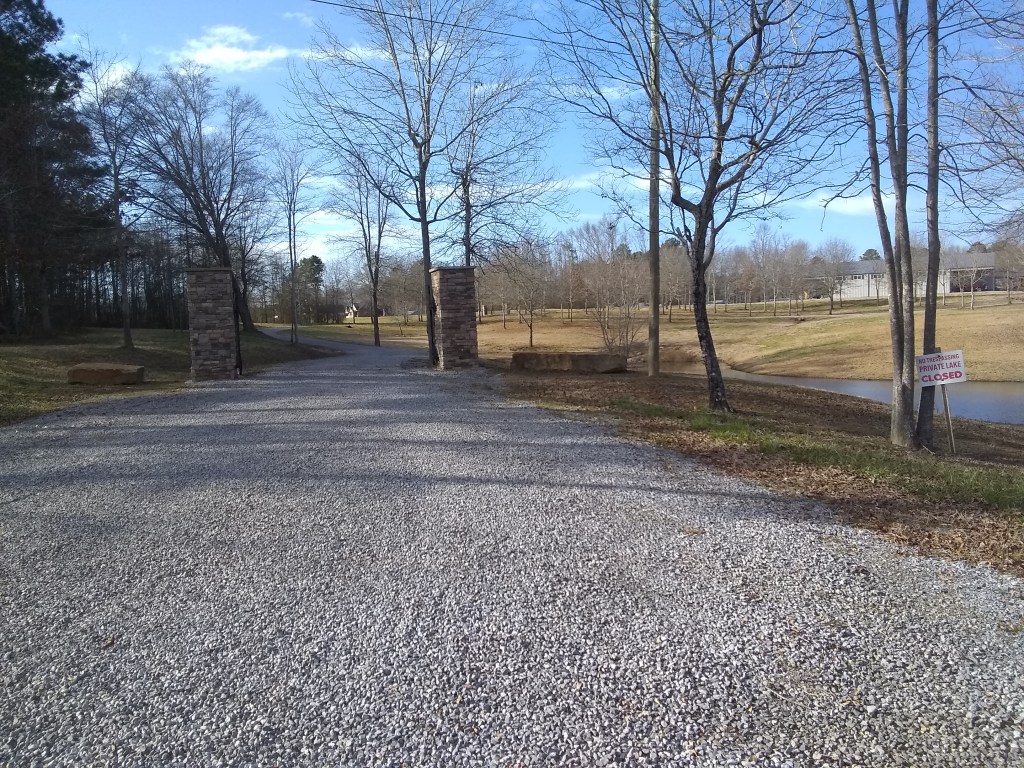
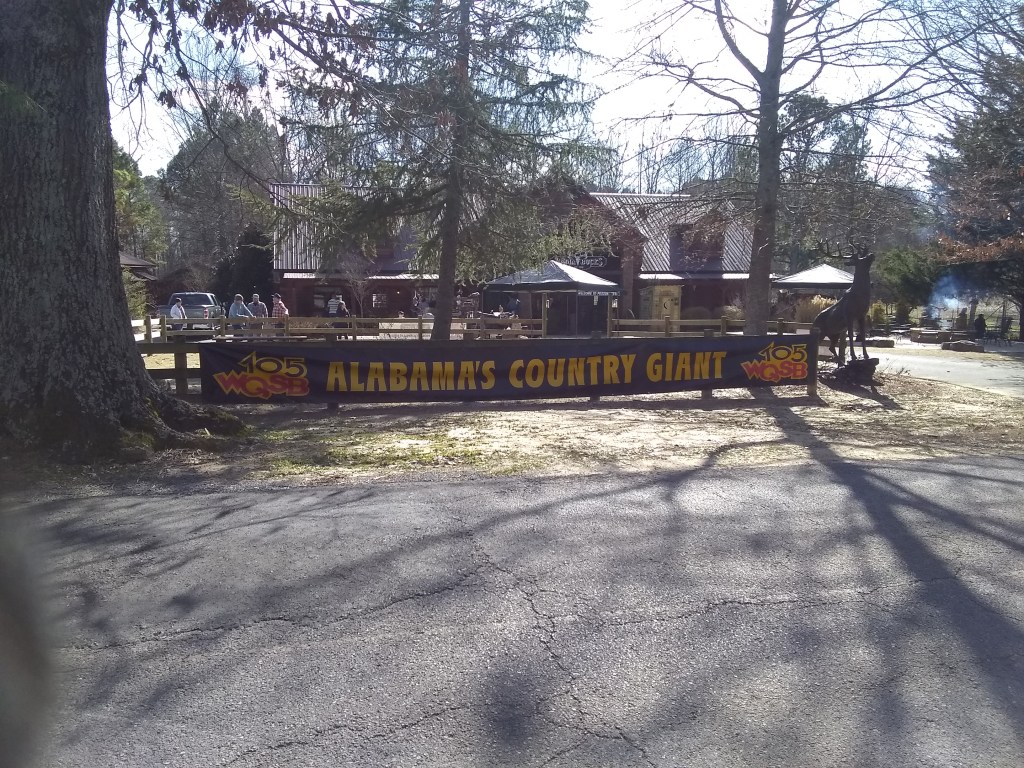
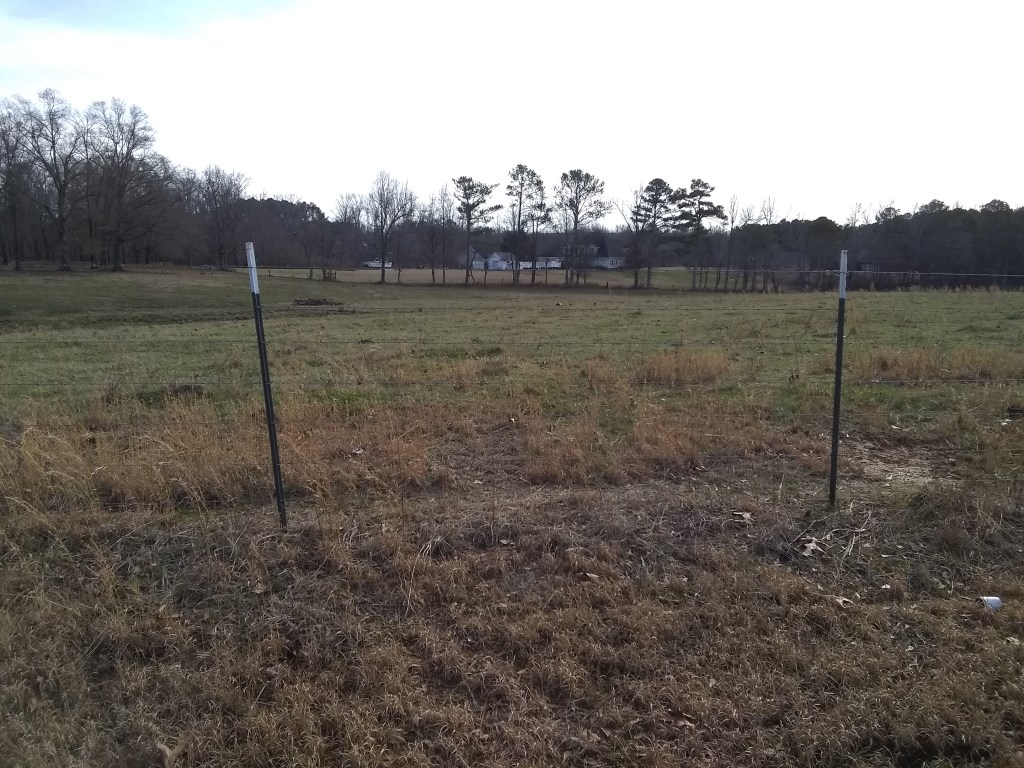
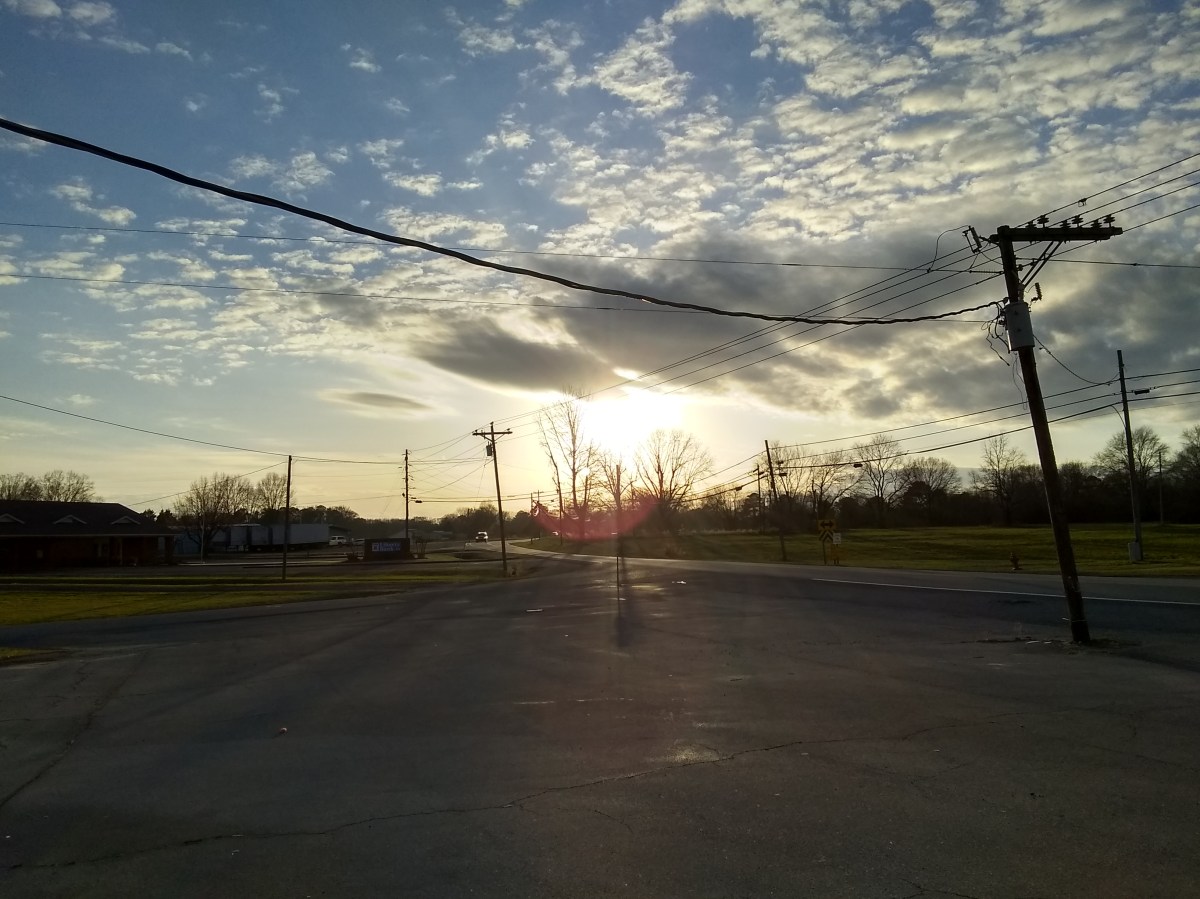
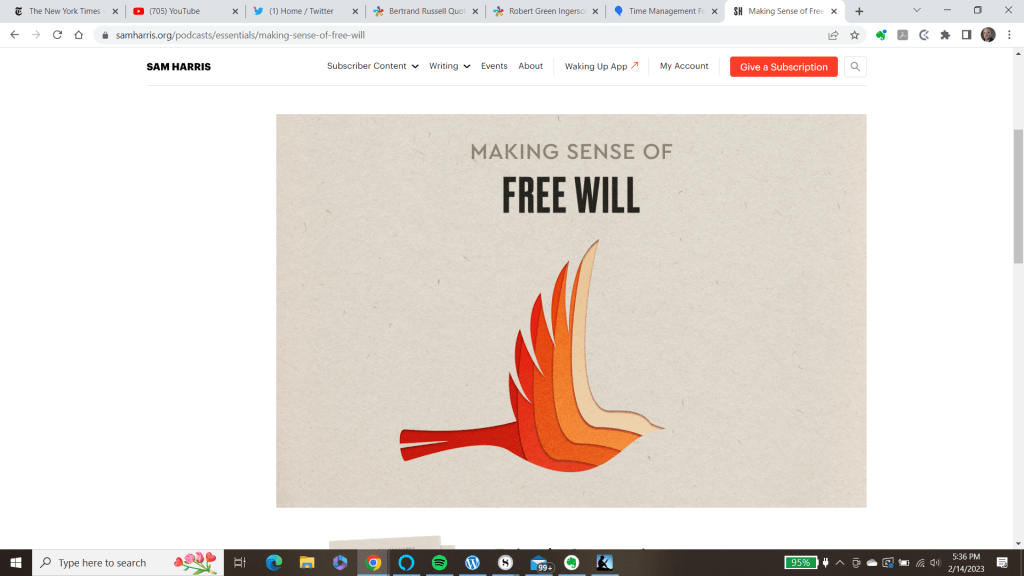
Here’s a few photos taken along my route:

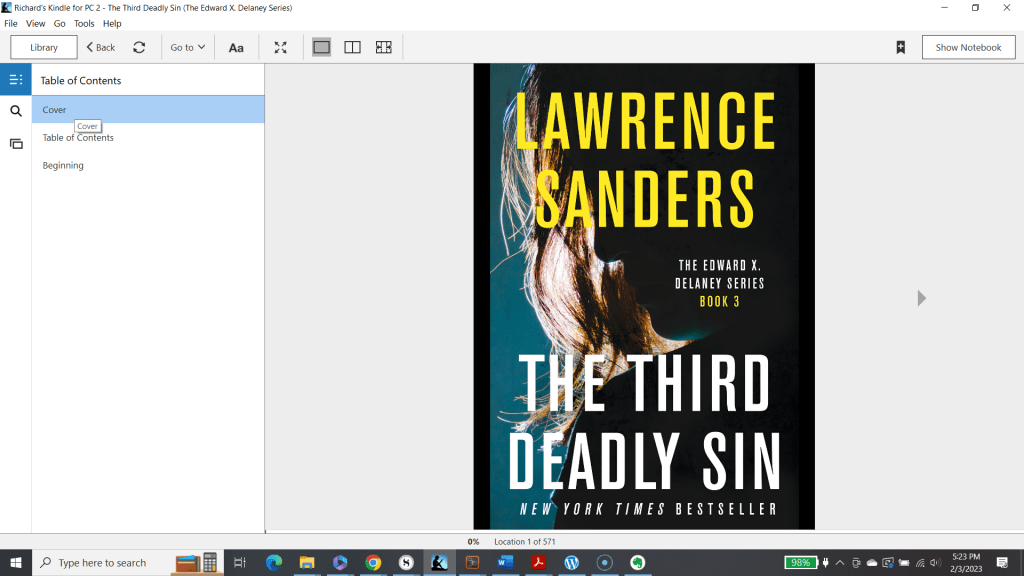
Here’s what I’m currently listening to: The Third Deadly Sin, by Lawrence Sanders

Sanders was a tremendously talented writer.

Amazon abstract:

New York Times Bestseller: A retired cop hunts for a female serial killer no one would suspect in this “first-rate thriller . . . as good as you can get” (The New York Times).

By day, she’s a middle-aged secretary no one would look at twice. But by night, dressed in a midnight-black wig, a skin-tight dress, and spike heels, she’s hard to miss. Inside her leather shoulder bag are keys, cash, mace, and a Swiss Army knife. She prowls smoky hotel bars for prey. The first victim—a convention guest at an upscale Manhattan hotel—is found with multiple stab wounds to the neck and genitals. By the time retired police detective chief Edward Delaney hears about the case from an old colleague, the Hotel Ripper has already struck twice. Unable to resist the puzzle, Delaney follows the clues and soon realizes he’s looking for a woman. As the grisly slayings continue, seizing the city in a chokehold of panic, Delaney must stop the madwoman before she kills again.

A Sample Five Star Review

M. G Watson

VINE VOICE

5.0 out of 5 stars Third Time’s the Charm

Reviewed in the United States on May 15, 2015

Verified Purchase

It is arguable that Lawrence Sanders never rose to greater heights as a prose stylist, suspense-writer or storyteller than he did with THE THIRD DEADLY SIN, the penultimate novel in his “deadly sin” series of books and the fourth of five to feature crusty, sandwich-obsessed Edward X. Delaney as a protagonist. Though once referred to as “Mr. Bestseller” and nearly as prolific in his day as Stephen King, Sanders seems to be forgotten now, except for his “McNally” series which was hardly representative of his best work; but at his best he was both compulsively readable and immensely satisfying, and this novel is both.

Zoe Kohler is the world’s most boring woman. Hailing from a small town somewhere in the Midwest, divorced from a husband who treated her like she was invisible, virtually friendless, and stuck in a mindless, dead-end job in the security office of an old hotel in Manhattan, she worries incessantly about her health and indulges in only one hobby: murder. Sexing herself up every Friday night, Zoe picks up unsuspecting businessmen attending conventions in different hotels around town, and delivers to each the same grisly fate: a Swiss Army knife, first to the throat and then to the jewels. But because nobody ever notices the world’s most boring woman, nobody suspects her, leaving Zoe free to indulge her hobby — over and over and over again.

Edward X. Delaney used to be a cop — and not just any cop, but the NYPD’s Chief of Detectives. Now, of course, he’s just a bored retiree, living in a Manhattan brownstone with this second wife. So when his former “rabbi” in the Department, Deputy Commissioner Ivar Thorsen, asks him to help investigate a series of baffling murders being committed in hotels around the city, Delaney agrees, but has little idea what he’s getting into: a search for a faceless, motiveless “repeater” (1970s slang for serial killer) whose vicious talents with a short-bladed knife are wreaking havoc with New York’s once-thriving convention trade. Acting as an unofficial adviser to the “Hotel Ripper” task force, Delaney begins to suspect that male prejudices, including his own, may be blinding his fellow detectives to the possibility of that the Ripper may not be a man. But he has no suspects, no witnesses, no fingerprints, and no hard evidence. Only instincts. And a growing pile of victims.

THE THIRD DEADLY SIN is a very attractive suspense novel for many reasons. Aside from Sanders prose style, which is beautiful, memorable and incredibly evocative, it works on multiple levels. Firstly, the character of Zoe Kohler. She is at once both a pitiable loser, struggling with health problems and sexist attitudes at work a burgeoning relationship with a sweet and unsuspecting man…and a remorseless, relentless killer, who hunts men for the sheer thrill of it. Second, Edward X. Delaney. This crusty, hard-nosed, sandwich-obsessed detective is neither sexy, flashy, nor gifted with any great deductive genius: he’s simply like a boulder that, starting slowly, gathers investigative momentum until he crushes just about everyone in his path, yet at the same time possesses a sensitivity — largely through his wife’s softening influence — that allows him more nuances than a typical, cigar-chewing, old school detective. And this leads me to the books third major strength, which is its examination of sexual attitudes, gender roles and (unintentionally) police procedure during the period it was written — about 35 years ago. At that time the pathology of serial killers was scarcely understood, forensic science still in its infancy, and the idea of gender equality more of a punchline than a serious idea. Delaney, an aging Irish cop with flat feet, is both brimming with cheauvanistic, patronizing, old-school attitudes and open to the possibility that those attitudes may be wrong.

No novel is perfect, of course, and this one is no exception. Sanders sometimes makes small but basic errors in matters of police procedure, slang and etiquette; the sort of mistakes which are the result of never having been a cop himself. Occasionally he tries too hard to make characters colorful, giving them a contrived rather than a naturalistic feel; and sometimes his dialogue and description betray his overwhelming love of the English language and end up sounding pretentious or, coming out of the mouths of certain characters, simply unrealistic. (This also leads him to over-write scenes with minor characters, such as Zoe’s doctor.) Most of the criticisms I can mount a this book, however, fall in the “nitpicking” category, and even when taken in the aggregate fail to outweigh all of its many pleasures.

THE THIRD DEADLY SIN may or may not have been Sanders’ best book (you could make a case for THE SIXTH COMMANDMENT or THE SECOND DEADLY SIN or THE ANDERSON TAPES or various others). It may not even be his best suspense novel. But for my money it is not merely a good read but equally satisfying upon each subsequent reading, which is about the highest praise I can give to an author’s work. So: buy it, make yourself a sandwich, and sit down to this half-forgotten but deservedly remembered author. Murder and mayhem have never been so fun.

02/16/23 Biking & Listening

Biking is something else I both love and hate. It takes a lot of effort but does provide good exercise and most days over an hour to listen to a good book or podcast. I especially like having ridden.

Here’s my bike, a Rockhopper by Specialized. I purchased it November 2021 from Venture Out in Guntersville; Mike is top notch! So is the bike, and the ‘old’ man seat I salvaged from an old Walmart bike.

Here’s a link to today’s bike ride. Four and a half hours dealing with a plumbing issue limited today’s ride.

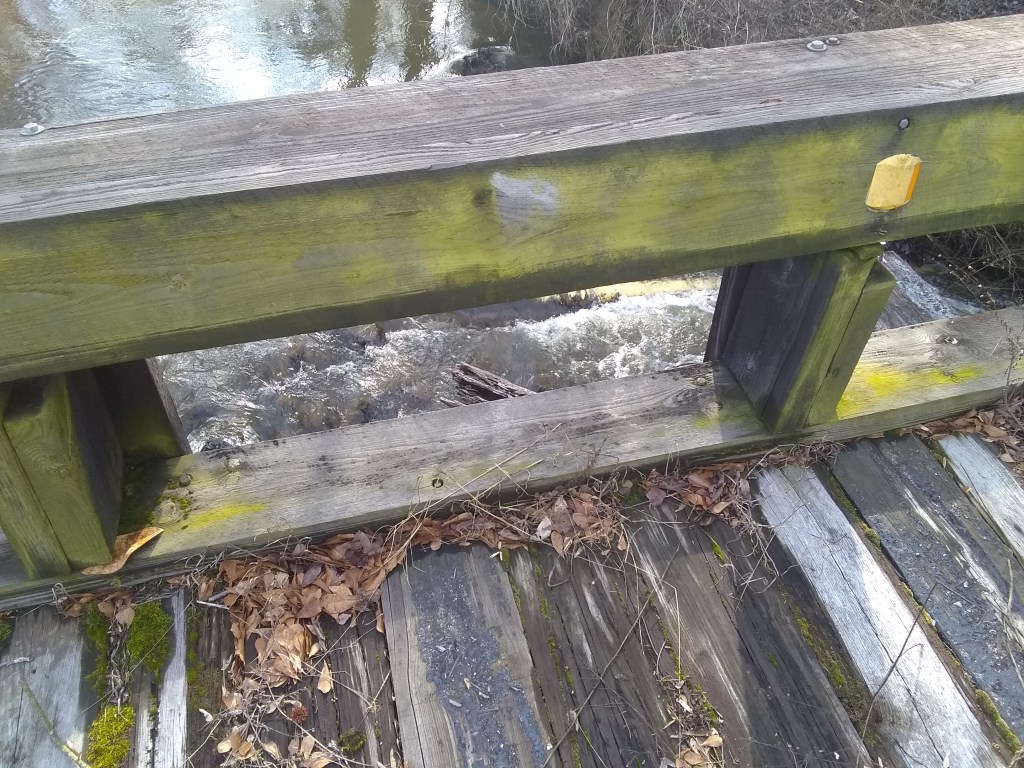
Here’s a few photos taken along my route:
Here’s what I’m currently listening to: The Third Deadly Sin, by Lawrence Sanders

Sanders was a tremendously talented writer.

Amazon abstract:

New York Times Bestseller: A retired cop hunts for a female serial killer no one would suspect in this “first-rate thriller . . . as good as you can get” (The New York Times).

By day, she’s a middle-aged secretary no one would look at twice. But by night, dressed in a midnight-black wig, a skin-tight dress, and spike heels, she’s hard to miss. Inside her leather shoulder bag are keys, cash, mace, and a Swiss Army knife. She prowls smoky hotel bars for prey. The first victim—a convention guest at an upscale Manhattan hotel—is found with multiple stab wounds to the neck and genitals. By the time retired police detective chief Edward Delaney hears about the case from an old colleague, the Hotel Ripper has already struck twice. Unable to resist the puzzle, Delaney follows the clues and soon realizes he’s looking for a woman. As the grisly slayings continue, seizing the city in a chokehold of panic, Delaney must stop the madwoman before she kills again.

A Sample Five Star Review

M. G Watson

VINE VOICE

5.0 out of 5 stars Third Time’s the Charm

Reviewed in the United States on May 15, 2015

Verified Purchase

It is arguable that Lawrence Sanders never rose to greater heights as a prose stylist, suspense-writer or storyteller than he did with THE THIRD DEADLY SIN, the penultimate novel in his “deadly sin” series of books and the fourth of five to feature crusty, sandwich-obsessed Edward X. Delaney as a protagonist. Though once referred to as “Mr. Bestseller” and nearly as prolific in his day as Stephen King, Sanders seems to be forgotten now, except for his “McNally” series which was hardly representative of his best work; but at his best he was both compulsively readable and immensely satisfying, and this novel is both.

Zoe Kohler is the world’s most boring woman. Hailing from a small town somewhere in the Midwest, divorced from a husband who treated her like she was invisible, virtually friendless, and stuck in a mindless, dead-end job in the security office of an old hotel in Manhattan, she worries incessantly about her health and indulges in only one hobby: murder. Sexing herself up every Friday night, Zoe picks up unsuspecting businessmen attending conventions in different hotels around town, and delivers to each the same grisly fate: a Swiss Army knife, first to the throat and then to the jewels. But because nobody ever notices the world’s most boring woman, nobody suspects her, leaving Zoe free to indulge her hobby — over and over and over again.

Edward X. Delaney used to be a cop — and not just any cop, but the NYPD’s Chief of Detectives. Now, of course, he’s just a bored retiree, living in a Manhattan brownstone with this second wife. So when his former “rabbi” in the Department, Deputy Commissioner Ivar Thorsen, asks him to help investigate a series of baffling murders being committed in hotels around the city, Delaney agrees, but has little idea what he’s getting into: a search for a faceless, motiveless “repeater” (1970s slang for serial killer) whose vicious talents with a short-bladed knife are wreaking havoc with New York’s once-thriving convention trade. Acting as an unofficial adviser to the “Hotel Ripper” task force, Delaney begins to suspect that male prejudices, including his own, may be blinding his fellow detectives to the possibility of that the Ripper may not be a man. But he has no suspects, no witnesses, no fingerprints, and no hard evidence. Only instincts. And a growing pile of victims.

THE THIRD DEADLY SIN is a very attractive suspense novel for many reasons. Aside from Sanders prose style, which is beautiful, memorable and incredibly evocative, it works on multiple levels. Firstly, the character of Zoe Kohler. She is at once both a pitiable loser, struggling with health problems and sexist attitudes at work a burgeoning relationship with a sweet and unsuspecting man…and a remorseless, relentless killer, who hunts men for the sheer thrill of it. Second, Edward X. Delaney. This crusty, hard-nosed, sandwich-obsessed detective is neither sexy, flashy, nor gifted with any great deductive genius: he’s simply like a boulder that, starting slowly, gathers investigative momentum until he crushes just about everyone in his path, yet at the same time possesses a sensitivity — largely through his wife’s softening influence — that allows him more nuances than a typical, cigar-chewing, old school detective. And this leads me to the books third major strength, which is its examination of sexual attitudes, gender roles and (unintentionally) police procedure during the period it was written — about 35 years ago. At that time the pathology of serial killers was scarcely understood, forensic science still in its infancy, and the idea of gender equality more of a punchline than a serious idea. Delaney, an aging Irish cop with flat feet, is both brimming with cheauvanistic, patronizing, old-school attitudes and open to the possibility that those attitudes may be wrong.

No novel is perfect, of course, and this one is no exception. Sanders sometimes makes small but basic errors in matters of police procedure, slang and etiquette; the sort of mistakes which are the result of never having been a cop himself. Occasionally he tries too hard to make characters colorful, giving them a contrived rather than a naturalistic feel; and sometimes his dialogue and description betray his overwhelming love of the English language and end up sounding pretentious or, coming out of the mouths of certain characters, simply unrealistic. (This also leads him to over-write scenes with minor characters, such as Zoe’s doctor.) Most of the criticisms I can mount a this book, however, fall in the “nitpicking” category, and even when taken in the aggregate fail to outweigh all of its many pleasures.

THE THIRD DEADLY SIN may or may not have been Sanders’ best book (you could make a case for THE SIXTH COMMANDMENT or THE SECOND DEADLY SIN or THE ANDERSON TAPES or various others). It may not even be his best suspense novel. But for my money it is not merely a good read but equally satisfying upon each subsequent reading, which is about the highest praise I can give to an author’s work. So: buy it, make yourself a sandwich, and sit down to this half-forgotten but deservedly remembered author. Murder and mayhem have never been so fun.

02/15/23 Biking & Listening

Biking is something else I both love and hate. It takes a lot of effort but does provide good exercise and most days over an hour to listen to a good book or podcast. I especially like having ridden.

Here’s my bike, a Rockhopper by Specialized. I purchased it November 2021 from Venture Out in Guntersville; Mike is top notch! So is the bike, and the ‘old’ man seat I salvaged from an old Walmart bike.

Here’s a link to today’s bike ride. I obviously favor my pistol route.

Here’s a few photos taken along my route:
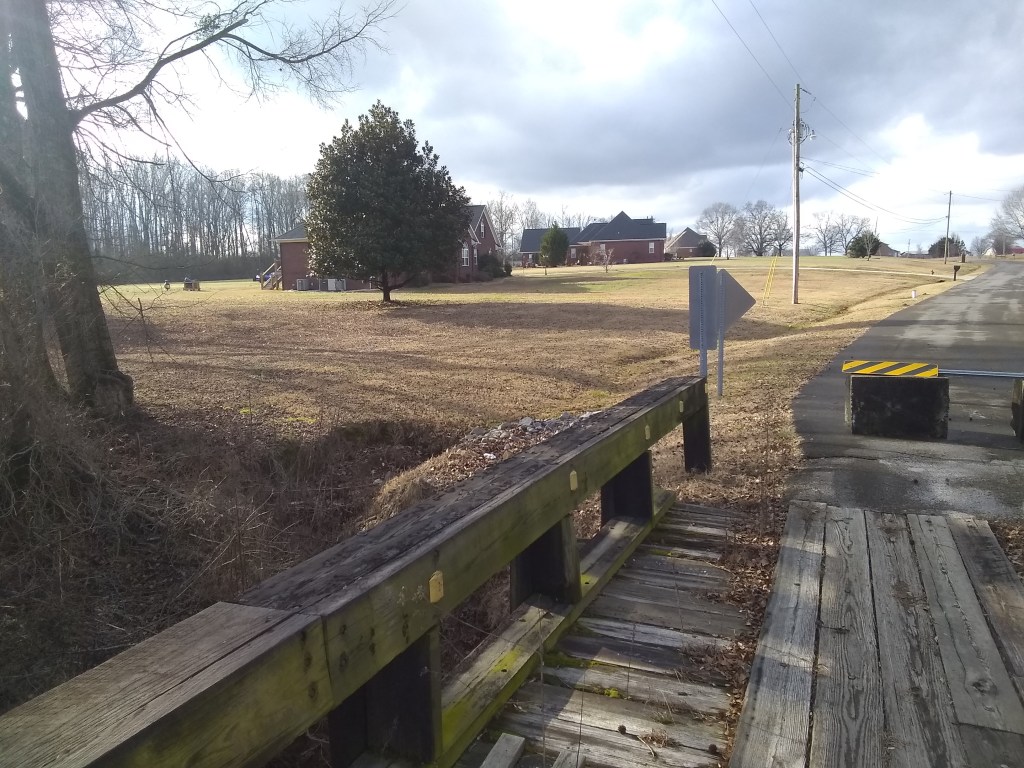
Here’s what I’m currently listening to (via Spotify):

MAKING SENSE OF FREE WILL–Episode 5 of The Essential Sam Harris

Here’s a link to this podcast.

Here’s another link to this podcast.

Abstract:

February 14, 2023

In this episode, we examine the timeless question of “free will”: what constitutes it, what is meant by it, what ought to be meant by it, and, of course, whether we have it at all. We start with the neuroscientist Robert Sapolsky who begins to deflate the widely held intuition and assumption of “libertarian free will” by drawing out a mechanistic and determined description of the universe.

We then hear from the philosopher who has long been Sam’s intellectual wrestling opponent on this subject, Daniel Dennett. Dennett and Sam spar about definitional and epistemological frameworks of what Dennett insists is “free will,” and what Sam contends could never be.

The author and physicist Sean Carroll then engages Sam with more attempts to find a philosophically defensible notion of free will by leaning on the unknowable nature of the universe revealed by quantum mechanics. We then listen in on Sam’s engagement with the mathematician and author Judea Pearl who focuses on matters of causation to tease out a freedom of will.

After a historical review of Princess Elizabeth’s famous exchanges with Rene Descartes, we hear from the biologist Jerry Coyne, who firmly agrees with Sam that a deterministic picture of reality leaves absolutely no room for anything like free will.

We then hear from the curiously entertaining mind of comedian and producer Ricky Gervais who was thinking about free will while taking a bath when he decided to phone Sam.

We conclude with Sam’s own response to concerns that an erasure of free will inevitably result in fatalism, loss of meaning, and passive defeat. Sam insists that the loss of free will actually pushes us in the opposite direction where we begin to see hatred and vengeance as incoherent and start to connect with a deeper and truer sense of genuine compassion.

02/14/23 Biking & Listening

Biking is something else I both love and hate. It takes a lot of effort but does provide good exercise and most days over an hour to listen to a good book or podcast. I especially like having ridden.

Here’s my bike, a Rockhopper by Specialized. I purchased it November 2021 from Venture Out in Guntersville; Mike is top notch! So is the bike, and the ‘old’ man seat I salvaged from an old Walmart bike.

Here’s a link to today’s bike ride. I obviously favor my pistol route.

Here’s a few photos taken along my route:

Here’s what I’m currently listening to (via Spotify):

MAKING SENSE OF FREE WILL–Episode 5 of The Essential Sam Harris

Here’s a link to this podcast.

Here’s another link to this podcast.

Abstract:

February 14, 2023

In this episode, we examine the timeless question of “free will”: what constitutes it, what is meant by it, what ought to be meant by it, and, of course, whether we have it at all. We start with the neuroscientist Robert Sapolsky who begins to deflate the widely held intuition and assumption of “libertarian free will” by drawing out a mechanistic and determined description of the universe.

We then hear from the philosopher who has long been Sam’s intellectual wrestling opponent on this subject, Daniel Dennett. Dennett and Sam spar about definitional and epistemological frameworks of what Dennett insists is “free will,” and what Sam contends could never be.

The author and physicist Sean Carroll then engages Sam with more attempts to find a philosophically defensible notion of free will by leaning on the unknowable nature of the universe revealed by quantum mechanics. We then listen in on Sam’s engagement with the mathematician and author Judea Pearl who focuses on matters of causation to tease out a freedom of will.

After a historical review of Princess Elizabeth’s famous exchanges with Rene Descartes, we hear from the biologist Jerry Coyne, who firmly agrees with Sam that a deterministic picture of reality leaves absolutely no room for anything like free will.

We then hear from the curiously entertaining mind of comedian and producer Ricky Gervais who was thinking about free will while taking a bath when he decided to phone Sam.

We conclude with Sam’s own response to concerns that an erasure of free will inevitably result in fatalism, loss of meaning, and passive defeat. Sam insists that the loss of free will actually pushes us in the opposite direction where we begin to see hatred and vengeance as incoherent and start to connect with a deeper and truer sense of genuine compassion.

02/13/23 Biking & Listening

Biking is something else I both love and hate. It takes a lot of effort but does provide good exercise and most days over an hour to listen to a good book or podcast. I especially like having ridden.

Here’s my bike, a Rockhopper by Specialized. I purchased it November 2021 from Venture Out in Guntersville; Mike is top notch! So is the bike, and the ‘old’ man seat I salvaged from an old Walmart bike.

Here’s a link to today’s bike ride. Four and a half hours dealing with a plumbing issue limited today’s ride.

Here’s a few photos taken along my route:

Here’s what I’m currently listening to: The Third Deadly Sin, by Lawrence Sanders

Sanders was a tremendously talented writer.

Amazon abstract:

New York Times Bestseller: A retired cop hunts for a female serial killer no one would suspect in this “first-rate thriller . . . as good as you can get” (The New York Times).

By day, she’s a middle-aged secretary no one would look at twice. But by night, dressed in a midnight-black wig, a skin-tight dress, and spike heels, she’s hard to miss. Inside her leather shoulder bag are keys, cash, mace, and a Swiss Army knife. She prowls smoky hotel bars for prey. The first victim—a convention guest at an upscale Manhattan hotel—is found with multiple stab wounds to the neck and genitals. By the time retired police detective chief Edward Delaney hears about the case from an old colleague, the Hotel Ripper has already struck twice. Unable to resist the puzzle, Delaney follows the clues and soon realizes he’s looking for a woman. As the grisly slayings continue, seizing the city in a chokehold of panic, Delaney must stop the madwoman before she kills again.

A Sample Five Star Review

M. G Watson

VINE VOICE

5.0 out of 5 stars Third Time’s the Charm

Reviewed in the United States on May 15, 2015

Verified Purchase

It is arguable that Lawrence Sanders never rose to greater heights as a prose stylist, suspense-writer or storyteller than he did with THE THIRD DEADLY SIN, the penultimate novel in his “deadly sin” series of books and the fourth of five to feature crusty, sandwich-obsessed Edward X. Delaney as a protagonist. Though once referred to as “Mr. Bestseller” and nearly as prolific in his day as Stephen King, Sanders seems to be forgotten now, except for his “McNally” series which was hardly representative of his best work; but at his best he was both compulsively readable and immensely satisfying, and this novel is both.

Zoe Kohler is the world’s most boring woman. Hailing from a small town somewhere in the Midwest, divorced from a husband who treated her like she was invisible, virtually friendless, and stuck in a mindless, dead-end job in the security office of an old hotel in Manhattan, she worries incessantly about her health and indulges in only one hobby: murder. Sexing herself up every Friday night, Zoe picks up unsuspecting businessmen attending conventions in different hotels around town, and delivers to each the same grisly fate: a Swiss Army knife, first to the throat and then to the jewels. But because nobody ever notices the world’s most boring woman, nobody suspects her, leaving Zoe free to indulge her hobby — over and over and over again.

Edward X. Delaney used to be a cop — and not just any cop, but the NYPD’s Chief of Detectives. Now, of course, he’s just a bored retiree, living in a Manhattan brownstone with this second wife. So when his former “rabbi” in the Department, Deputy Commissioner Ivar Thorsen, asks him to help investigate a series of baffling murders being committed in hotels around the city, Delaney agrees, but has little idea what he’s getting into: a search for a faceless, motiveless “repeater” (1970s slang for serial killer) whose vicious talents with a short-bladed knife are wreaking havoc with New York’s once-thriving convention trade. Acting as an unofficial adviser to the “Hotel Ripper” task force, Delaney begins to suspect that male prejudices, including his own, may be blinding his fellow detectives to the possibility of that the Ripper may not be a man. But he has no suspects, no witnesses, no fingerprints, and no hard evidence. Only instincts. And a growing pile of victims.

THE THIRD DEADLY SIN is a very attractive suspense novel for many reasons. Aside from Sanders prose style, which is beautiful, memorable and incredibly evocative, it works on multiple levels. Firstly, the character of Zoe Kohler. She is at once both a pitiable loser, struggling with health problems and sexist attitudes at work a burgeoning relationship with a sweet and unsuspecting man…and a remorseless, relentless killer, who hunts men for the sheer thrill of it. Second, Edward X. Delaney. This crusty, hard-nosed, sandwich-obsessed detective is neither sexy, flashy, nor gifted with any great deductive genius: he’s simply like a boulder that, starting slowly, gathers investigative momentum until he crushes just about everyone in his path, yet at the same time possesses a sensitivity — largely through his wife’s softening influence — that allows him more nuances than a typical, cigar-chewing, old school detective. And this leads me to the books third major strength, which is its examination of sexual attitudes, gender roles and (unintentionally) police procedure during the period it was written — about 35 years ago. At that time the pathology of serial killers was scarcely understood, forensic science still in its infancy, and the idea of gender equality more of a punchline than a serious idea. Delaney, an aging Irish cop with flat feet, is both brimming with cheauvanistic, patronizing, old-school attitudes and open to the possibility that those attitudes may be wrong.

No novel is perfect, of course, and this one is no exception. Sanders sometimes makes small but basic errors in matters of police procedure, slang and etiquette; the sort of mistakes which are the result of never having been a cop himself. Occasionally he tries too hard to make characters colorful, giving them a contrived rather than a naturalistic feel; and sometimes his dialogue and description betray his overwhelming love of the English language and end up sounding pretentious or, coming out of the mouths of certain characters, simply unrealistic. (This also leads him to over-write scenes with minor characters, such as Zoe’s doctor.) Most of the criticisms I can mount a this book, however, fall in the “nitpicking” category, and even when taken in the aggregate fail to outweigh all of its many pleasures.

THE THIRD DEADLY SIN may or may not have been Sanders’ best book (you could make a case for THE SIXTH COMMANDMENT or THE SECOND DEADLY SIN or THE ANDERSON TAPES or various others). It may not even be his best suspense novel. But for my money it is not merely a good read but equally satisfying upon each subsequent reading, which is about the highest praise I can give to an author’s work. So: buy it, make yourself a sandwich, and sit down to this half-forgotten but deservedly remembered author. Murder and mayhem have never been so fun.

02/12/23 Biking & Listening

Biking is something else I both love and hate. It takes a lot of effort but does provide good exercise and most days over an hour to listen to a good book or podcast. I especially like having ridden.

Here’s my bike, a Rockhopper by Specialized. I purchased it November 2021 from Venture Out in Guntersville; Mike is top notch! So is the bike, and the ‘old’ man seat I salvaged from an old Walmart bike.

Here’s a link to today’s bike ride. I obviously favor my pistol route.

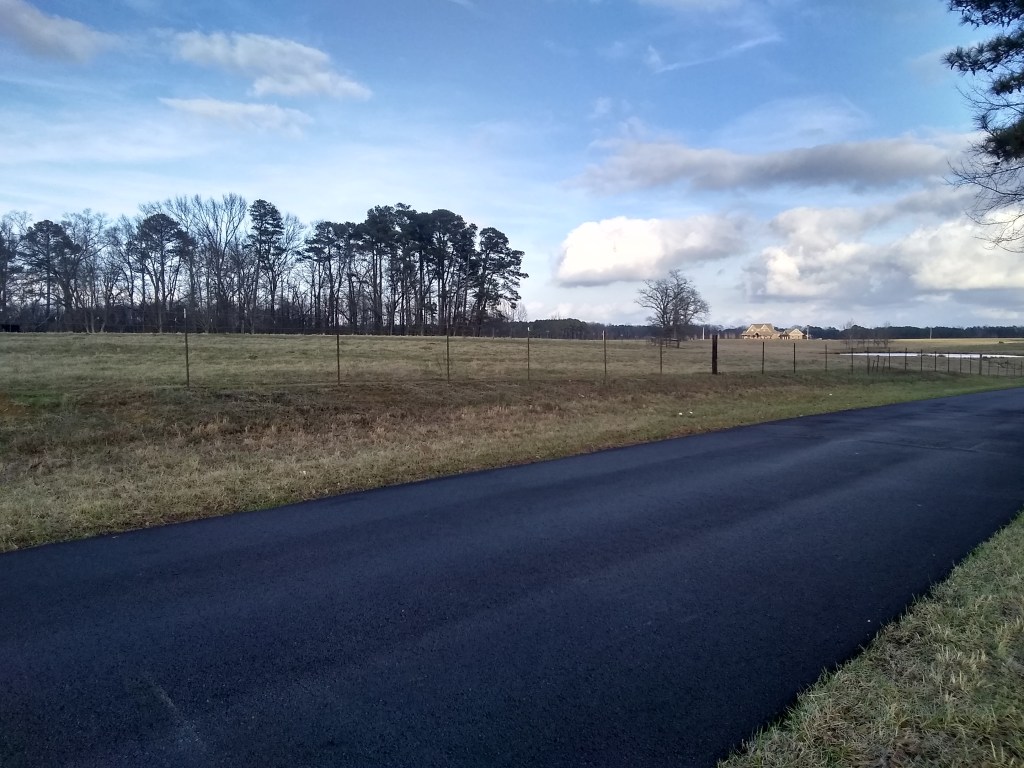
Here’s a few photos taken along my route:
Here’s what I’m currently listening to: The Third Deadly Sin, by Lawrence Sanders

Sanders was a tremendously talented writer.

Amazon abstract:

New York Times Bestseller: A retired cop hunts for a female serial killer no one would suspect in this “first-rate thriller . . . as good as you can get” (The New York Times).

By day, she’s a middle-aged secretary no one would look at twice. But by night, dressed in a midnight-black wig, a skin-tight dress, and spike heels, she’s hard to miss. Inside her leather shoulder bag are keys, cash, mace, and a Swiss Army knife. She prowls smoky hotel bars for prey. The first victim—a convention guest at an upscale Manhattan hotel—is found with multiple stab wounds to the neck and genitals. By the time retired police detective chief Edward Delaney hears about the case from an old colleague, the Hotel Ripper has already struck twice. Unable to resist the puzzle, Delaney follows the clues and soon realizes he’s looking for a woman. As the grisly slayings continue, seizing the city in a chokehold of panic, Delaney must stop the madwoman before she kills again.

A Sample Five Star Review

M. G Watson

VINE VOICE

5.0 out of 5 stars Third Time’s the Charm

Reviewed in the United States on May 15, 2015

Verified Purchase

It is arguable that Lawrence Sanders never rose to greater heights as a prose stylist, suspense-writer or storyteller than he did with THE THIRD DEADLY SIN, the penultimate novel in his “deadly sin” series of books and the fourth of five to feature crusty, sandwich-obsessed Edward X. Delaney as a protagonist. Though once referred to as “Mr. Bestseller” and nearly as prolific in his day as Stephen King, Sanders seems to be forgotten now, except for his “McNally” series which was hardly representative of his best work; but at his best he was both compulsively readable and immensely satisfying, and this novel is both.

Zoe Kohler is the world’s most boring woman. Hailing from a small town somewhere in the Midwest, divorced from a husband who treated her like she was invisible, virtually friendless, and stuck in a mindless, dead-end job in the security office of an old hotel in Manhattan, she worries incessantly about her health and indulges in only one hobby: murder. Sexing herself up every Friday night, Zoe picks up unsuspecting businessmen attending conventions in different hotels around town, and delivers to each the same grisly fate: a Swiss Army knife, first to the throat and then to the jewels. But because nobody ever notices the world’s most boring woman, nobody suspects her, leaving Zoe free to indulge her hobby — over and over and over again.

Edward X. Delaney used to be a cop — and not just any cop, but the NYPD’s Chief of Detectives. Now, of course, he’s just a bored retiree, living in a Manhattan brownstone with this second wife. So when his former “rabbi” in the Department, Deputy Commissioner Ivar Thorsen, asks him to help investigate a series of baffling murders being committed in hotels around the city, Delaney agrees, but has little idea what he’s getting into: a search for a faceless, motiveless “repeater” (1970s slang for serial killer) whose vicious talents with a short-bladed knife are wreaking havoc with New York’s once-thriving convention trade. Acting as an unofficial adviser to the “Hotel Ripper” task force, Delaney begins to suspect that male prejudices, including his own, may be blinding his fellow detectives to the possibility of that the Ripper may not be a man. But he has no suspects, no witnesses, no fingerprints, and no hard evidence. Only instincts. And a growing pile of victims.

THE THIRD DEADLY SIN is a very attractive suspense novel for many reasons. Aside from Sanders prose style, which is beautiful, memorable and incredibly evocative, it works on multiple levels. Firstly, the character of Zoe Kohler. She is at once both a pitiable loser, struggling with health problems and sexist attitudes at work a burgeoning relationship with a sweet and unsuspecting man…and a remorseless, relentless killer, who hunts men for the sheer thrill of it. Second, Edward X. Delaney. This crusty, hard-nosed, sandwich-obsessed detective is neither sexy, flashy, nor gifted with any great deductive genius: he’s simply like a boulder that, starting slowly, gathers investigative momentum until he crushes just about everyone in his path, yet at the same time possesses a sensitivity — largely through his wife’s softening influence — that allows him more nuances than a typical, cigar-chewing, old school detective. And this leads me to the books third major strength, which is its examination of sexual attitudes, gender roles and (unintentionally) police procedure during the period it was written — about 35 years ago. At that time the pathology of serial killers was scarcely understood, forensic science still in its infancy, and the idea of gender equality more of a punchline than a serious idea. Delaney, an aging Irish cop with flat feet, is both brimming with cheauvanistic, patronizing, old-school attitudes and open to the possibility that those attitudes may be wrong.

No novel is perfect, of course, and this one is no exception. Sanders sometimes makes small but basic errors in matters of police procedure, slang and etiquette; the sort of mistakes which are the result of never having been a cop himself. Occasionally he tries too hard to make characters colorful, giving them a contrived rather than a naturalistic feel; and sometimes his dialogue and description betray his overwhelming love of the English language and end up sounding pretentious or, coming out of the mouths of certain characters, simply unrealistic. (This also leads him to over-write scenes with minor characters, such as Zoe’s doctor.) Most of the criticisms I can mount a this book, however, fall in the “nitpicking” category, and even when taken in the aggregate fail to outweigh all of its many pleasures.

THE THIRD DEADLY SIN may or may not have been Sanders’ best book (you could make a case for THE SIXTH COMMANDMENT or THE SECOND DEADLY SIN or THE ANDERSON TAPES or various others). It may not even be his best suspense novel. But for my money it is not merely a good read but equally satisfying upon each subsequent reading, which is about the highest praise I can give to an author’s work. So: buy it, make yourself a sandwich, and sit down to this half-forgotten but deservedly remembered author. Murder and mayhem have never been so fun.

02/10/23 Biking & Listening

Biking is something else I both love and hate. It takes a lot of effort but does provide good exercise and most days over an hour to listen to a good book or podcast. I especially like having ridden.

Here’s my bike, a Rockhopper by Specialized. I purchased it November 2021 from Venture Out in Guntersville; Mike is top notch! So is the bike, and the ‘old’ man seat I salvaged from an old Walmart bike.

Here’s a link to today’s bike ride. I obviously favor my pistol route.

Here’s a few photos taken along my route:

Here’s what I’m currently listening to: The Third Deadly Sin, by Lawrence Sanders

Sanders was a tremendously talented writer.

Amazon abstract:

New York Times Bestseller: A retired cop hunts for a female serial killer no one would suspect in this “first-rate thriller . . . as good as you can get” (The New York Times).

By day, she’s a middle-aged secretary no one would look at twice. But by night, dressed in a midnight-black wig, a skin-tight dress, and spike heels, she’s hard to miss. Inside her leather shoulder bag are keys, cash, mace, and a Swiss Army knife. She prowls smoky hotel bars for prey. The first victim—a convention guest at an upscale Manhattan hotel—is found with multiple stab wounds to the neck and genitals. By the time retired police detective chief Edward Delaney hears about the case from an old colleague, the Hotel Ripper has already struck twice. Unable to resist the puzzle, Delaney follows the clues and soon realizes he’s looking for a woman. As the grisly slayings continue, seizing the city in a chokehold of panic, Delaney must stop the madwoman before she kills again.

A Sample Five Star Review

M. G Watson

VINE VOICE

5.0 out of 5 stars Third Time’s the Charm

Reviewed in the United States on May 15, 2015

Verified Purchase

It is arguable that Lawrence Sanders never rose to greater heights as a prose stylist, suspense-writer or storyteller than he did with THE THIRD DEADLY SIN, the penultimate novel in his “deadly sin” series of books and the fourth of five to feature crusty, sandwich-obsessed Edward X. Delaney as a protagonist. Though once referred to as “Mr. Bestseller” and nearly as prolific in his day as Stephen King, Sanders seems to be forgotten now, except for his “McNally” series which was hardly representative of his best work; but at his best he was both compulsively readable and immensely satisfying, and this novel is both.

Zoe Kohler is the world’s most boring woman. Hailing from a small town somewhere in the Midwest, divorced from a husband who treated her like she was invisible, virtually friendless, and stuck in a mindless, dead-end job in the security office of an old hotel in Manhattan, she worries incessantly about her health and indulges in only one hobby: murder. Sexing herself up every Friday night, Zoe picks up unsuspecting businessmen attending conventions in different hotels around town, and delivers to each the same grisly fate: a Swiss Army knife, first to the throat and then to the jewels. But because nobody ever notices the world’s most boring woman, nobody suspects her, leaving Zoe free to indulge her hobby — over and over and over again.

Edward X. Delaney used to be a cop — and not just any cop, but the NYPD’s Chief of Detectives. Now, of course, he’s just a bored retiree, living in a Manhattan brownstone with this second wife. So when his former “rabbi” in the Department, Deputy Commissioner Ivar Thorsen, asks him to help investigate a series of baffling murders being committed in hotels around the city, Delaney agrees, but has little idea what he’s getting into: a search for a faceless, motiveless “repeater” (1970s slang for serial killer) whose vicious talents with a short-bladed knife are wreaking havoc with New York’s once-thriving convention trade. Acting as an unofficial adviser to the “Hotel Ripper” task force, Delaney begins to suspect that male prejudices, including his own, may be blinding his fellow detectives to the possibility of that the Ripper may not be a man. But he has no suspects, no witnesses, no fingerprints, and no hard evidence. Only instincts. And a growing pile of victims.

THE THIRD DEADLY SIN is a very attractive suspense novel for many reasons. Aside from Sanders prose style, which is beautiful, memorable and incredibly evocative, it works on multiple levels. Firstly, the character of Zoe Kohler. She is at once both a pitiable loser, struggling with health problems and sexist attitudes at work a burgeoning relationship with a sweet and unsuspecting man…and a remorseless, relentless killer, who hunts men for the sheer thrill of it. Second, Edward X. Delaney. This crusty, hard-nosed, sandwich-obsessed detective is neither sexy, flashy, nor gifted with any great deductive genius: he’s simply like a boulder that, starting slowly, gathers investigative momentum until he crushes just about everyone in his path, yet at the same time possesses a sensitivity — largely through his wife’s softening influence — that allows him more nuances than a typical, cigar-chewing, old school detective. And this leads me to the books third major strength, which is its examination of sexual attitudes, gender roles and (unintentionally) police procedure during the period it was written — about 35 years ago. At that time the pathology of serial killers was scarcely understood, forensic science still in its infancy, and the idea of gender equality more of a punchline than a serious idea. Delaney, an aging Irish cop with flat feet, is both brimming with cheauvanistic, patronizing, old-school attitudes and open to the possibility that those attitudes may be wrong.

No novel is perfect, of course, and this one is no exception. Sanders sometimes makes small but basic errors in matters of police procedure, slang and etiquette; the sort of mistakes which are the result of never having been a cop himself. Occasionally he tries too hard to make characters colorful, giving them a contrived rather than a naturalistic feel; and sometimes his dialogue and description betray his overwhelming love of the English language and end up sounding pretentious or, coming out of the mouths of certain characters, simply unrealistic. (This also leads him to over-write scenes with minor characters, such as Zoe’s doctor.) Most of the criticisms I can mount a this book, however, fall in the “nitpicking” category, and even when taken in the aggregate fail to outweigh all of its many pleasures.

THE THIRD DEADLY SIN may or may not have been Sanders’ best book (you could make a case for THE SIXTH COMMANDMENT or THE SECOND DEADLY SIN or THE ANDERSON TAPES or various others). It may not even be his best suspense novel. But for my money it is not merely a good read but equally satisfying upon each subsequent reading, which is about the highest praise I can give to an author’s work. So: buy it, make yourself a sandwich, and sit down to this half-forgotten but deservedly remembered author. Murder and mayhem have never been so fun.

02/09/23 Biking & Listening

Biking is something else I both love and hate. It takes a lot of effort but does provide good exercise and most days over an hour to listen to a good book or podcast. I especially like having ridden.

Here’s my bike, a Rockhopper by Specialized. I purchased it November 2021 from Venture Out in Guntersville; Mike is top notch! So is the bike, and the ‘old’ man seat I salvaged from an old Walmart bike.

Here’s a link to today’s bike ride. I obviously favor my pistol route.

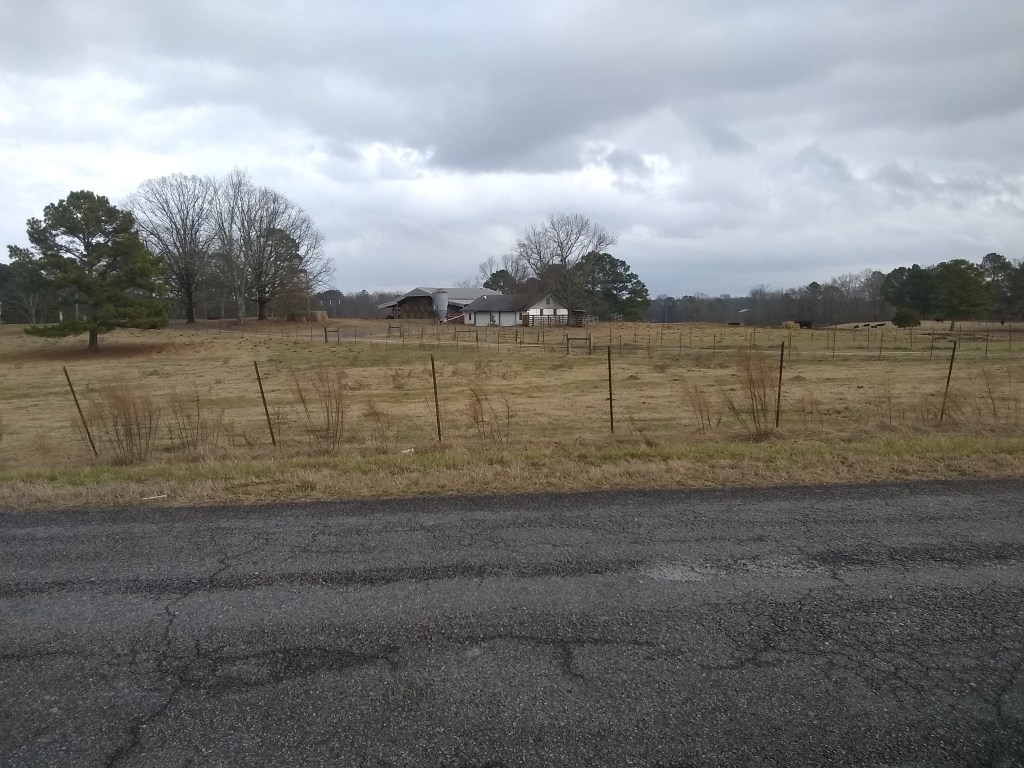
Here’s a few photos taken along my route:
Here’s what I’m currently listening to: The Third Deadly Sin, by Lawrence Sanders

Sanders was a tremendously talented writer.

Amazon abstract:

New York Times Bestseller: A retired cop hunts for a female serial killer no one would suspect in this “first-rate thriller . . . as good as you can get” (The New York Times).

By day, she’s a middle-aged secretary no one would look at twice. But by night, dressed in a midnight-black wig, a skin-tight dress, and spike heels, she’s hard to miss. Inside her leather shoulder bag are keys, cash, mace, and a Swiss Army knife. She prowls smoky hotel bars for prey. The first victim—a convention guest at an upscale Manhattan hotel—is found with multiple stab wounds to the neck and genitals. By the time retired police detective chief Edward Delaney hears about the case from an old colleague, the Hotel Ripper has already struck twice. Unable to resist the puzzle, Delaney follows the clues and soon realizes he’s looking for a woman. As the grisly slayings continue, seizing the city in a chokehold of panic, Delaney must stop the madwoman before she kills again.

A Sample Five Star Review

M. G Watson

VINE VOICE

5.0 out of 5 stars Third Time’s the Charm

Reviewed in the United States on May 15, 2015

Verified Purchase

It is arguable that Lawrence Sanders never rose to greater heights as a prose stylist, suspense-writer or storyteller than he did with THE THIRD DEADLY SIN, the penultimate novel in his “deadly sin” series of books and the fourth of five to feature crusty, sandwich-obsessed Edward X. Delaney as a protagonist. Though once referred to as “Mr. Bestseller” and nearly as prolific in his day as Stephen King, Sanders seems to be forgotten now, except for his “McNally” series which was hardly representative of his best work; but at his best he was both compulsively readable and immensely satisfying, and this novel is both.

Zoe Kohler is the world’s most boring woman. Hailing from a small town somewhere in the Midwest, divorced from a husband who treated her like she was invisible, virtually friendless, and stuck in a mindless, dead-end job in the security office of an old hotel in Manhattan, she worries incessantly about her health and indulges in only one hobby: murder. Sexing herself up every Friday night, Zoe picks up unsuspecting businessmen attending conventions in different hotels around town, and delivers to each the same grisly fate: a Swiss Army knife, first to the throat and then to the jewels. But because nobody ever notices the world’s most boring woman, nobody suspects her, leaving Zoe free to indulge her hobby — over and over and over again.

Edward X. Delaney used to be a cop — and not just any cop, but the NYPD’s Chief of Detectives. Now, of course, he’s just a bored retiree, living in a Manhattan brownstone with this second wife. So when his former “rabbi” in the Department, Deputy Commissioner Ivar Thorsen, asks him to help investigate a series of baffling murders being committed in hotels around the city, Delaney agrees, but has little idea what he’s getting into: a search for a faceless, motiveless “repeater” (1970s slang for serial killer) whose vicious talents with a short-bladed knife are wreaking havoc with New York’s once-thriving convention trade. Acting as an unofficial adviser to the “Hotel Ripper” task force, Delaney begins to suspect that male prejudices, including his own, may be blinding his fellow detectives to the possibility of that the Ripper may not be a man. But he has no suspects, no witnesses, no fingerprints, and no hard evidence. Only instincts. And a growing pile of victims.

THE THIRD DEADLY SIN is a very attractive suspense novel for many reasons. Aside from Sanders prose style, which is beautiful, memorable and incredibly evocative, it works on multiple levels. Firstly, the character of Zoe Kohler. She is at once both a pitiable loser, struggling with health problems and sexist attitudes at work a burgeoning relationship with a sweet and unsuspecting man…and a remorseless, relentless killer, who hunts men for the sheer thrill of it. Second, Edward X. Delaney. This crusty, hard-nosed, sandwich-obsessed detective is neither sexy, flashy, nor gifted with any great deductive genius: he’s simply like a boulder that, starting slowly, gathers investigative momentum until he crushes just about everyone in his path, yet at the same time possesses a sensitivity — largely through his wife’s softening influence — that allows him more nuances than a typical, cigar-chewing, old school detective. And this leads me to the books third major strength, which is its examination of sexual attitudes, gender roles and (unintentionally) police procedure during the period it was written — about 35 years ago. At that time the pathology of serial killers was scarcely understood, forensic science still in its infancy, and the idea of gender equality more of a punchline than a serious idea. Delaney, an aging Irish cop with flat feet, is both brimming with cheauvanistic, patronizing, old-school attitudes and open to the possibility that those attitudes may be wrong.

No novel is perfect, of course, and this one is no exception. Sanders sometimes makes small but basic errors in matters of police procedure, slang and etiquette; the sort of mistakes which are the result of never having been a cop himself. Occasionally he tries too hard to make characters colorful, giving them a contrived rather than a naturalistic feel; and sometimes his dialogue and description betray his overwhelming love of the English language and end up sounding pretentious or, coming out of the mouths of certain characters, simply unrealistic. (This also leads him to over-write scenes with minor characters, such as Zoe’s doctor.) Most of the criticisms I can mount a this book, however, fall in the “nitpicking” category, and even when taken in the aggregate fail to outweigh all of its many pleasures.

THE THIRD DEADLY SIN may or may not have been Sanders’ best book (you could make a case for THE SIXTH COMMANDMENT or THE SECOND DEADLY SIN or THE ANDERSON TAPES or various others). It may not even be his best suspense novel. But for my money it is not merely a good read but equally satisfying upon each subsequent reading, which is about the highest praise I can give to an author’s work. So: buy it, make yourself a sandwich, and sit down to this half-forgotten but deservedly remembered author. Murder and mayhem have never been so fun.

02/08/23 Biking & Listening

Biking is something else I both love and hate. It takes a lot of effort but does provide good exercise and most days over an hour to listen to a good book or podcast. I especially like having ridden.

Here’s my bike, a Rockhopper by Specialized. I purchased it November 2021 from Venture Out in Guntersville; Mike is top notch! So is the bike, and the ‘old’ man seat I salvaged from an old Walmart bike.

Here’s a link to today’s bike ride. I obviously favor my pistol route.

Here’s a few photos taken along my route:

Here’s what I’m currently listening to: Essays After Eighty, by Donald Hall

Amazon abstract:

The former U.S. Poet Laureate contemplates life, death, and the view from his window in these “alternately lyrical and laugh-out-loud funny” essays (The New York Times).

From an early age, Donald Hall dedicated his life to the written word. In his long and celebrated career, he was an accomplished poet, essayist, memoirist, dramatist, and children’s author. Now, in the “unknown, unanticipated galaxy” of very old age, his essays continue to startle, move, and delight.
 
In Essays After Eighty, Hall ruminates on his past: “thirty was terrifying, forty I never noticed because I was drunk, fifty was best with a total change of life, sixty extended the bliss of fifty . . .” He also addresses his present:  “When I turned eighty and rubbed testosterone on my chest, my beard roared like a lion and gained four inches.” Most memorably, Hall writes about his enduring love affair with his ancestral Eagle Pond Farm and with the writing life that sustains him every day: “Yesterday my first nap was at 9:30 a.m., but when I awoke I wrote again.”
 
“Deliciously readable…Donald Hall, if abandoned by the muse of poetry, has wrought his prose to a keen autumnal edge.” —The Wall Street Journal

02/07/23 Biking & Listening

Biking is something else I both love and hate. It takes a lot of effort but does provide good exercise and most days over an hour to listen to a good book or podcast. I especially like having ridden.

Here’s my bike, a Rockhopper by Specialized. I purchased it November 2021 from Venture Out in Guntersville; Mike is top notch! So is the bike, and the ‘old’ man seat I salvaged from an old Walmart bike.

Here’s a link to today’s bike ride. I obviously favor my pistol route.

Here’s a few photos taken along my route:

Here’s what I’m currently listening to: Essays After Eighty, by Donald Hall

Amazon abstract:

The former U.S. Poet Laureate contemplates life, death, and the view from his window in these “alternately lyrical and laugh-out-loud funny” essays (The New York Times).

From an early age, Donald Hall dedicated his life to the written word. In his long and celebrated career, he was an accomplished poet, essayist, memoirist, dramatist, and children’s author. Now, in the “unknown, unanticipated galaxy” of very old age, his essays continue to startle, move, and delight.
 
In Essays After Eighty, Hall ruminates on his past: “thirty was terrifying, forty I never noticed because I was drunk, fifty was best with a total change of life, sixty extended the bliss of fifty . . .” He also addresses his present:  “When I turned eighty and rubbed testosterone on my chest, my beard roared like a lion and gained four inches.” Most memorably, Hall writes about his enduring love affair with his ancestral Eagle Pond Farm and with the writing life that sustains him every day: “Yesterday my first nap was at 9:30 a.m., but when I awoke I wrote again.”
 
“Deliciously readable…Donald Hall, if abandoned by the muse of poetry, has wrought his prose to a keen autumnal edge.” —The Wall Street Journal