06/16/23 Biking & Listening to The Dictionary of Lost Words

Biking is something else I both love and hate. It takes a lot of effort but does provide good exercise and most days over an hour to listen to a good book or podcast. I especially like having ridden.

Here’s my bike, a Rockhopper by Specialized. I purchased it November 2021 from Venture Out in Guntersville; Mike is top notch! So is the bike, and the ‘old’ man seat I salvaged from an old Walmart bike.

Here’s a link to today’s bike ride.


Something to consider if you’re not already cycling.

I encourage you to start riding a bike, no matter your age. Check out these groups:

Cycling for those aged 70+(opens in a new tab)

Solitary Cycling(opens in a new tab)

Remember,
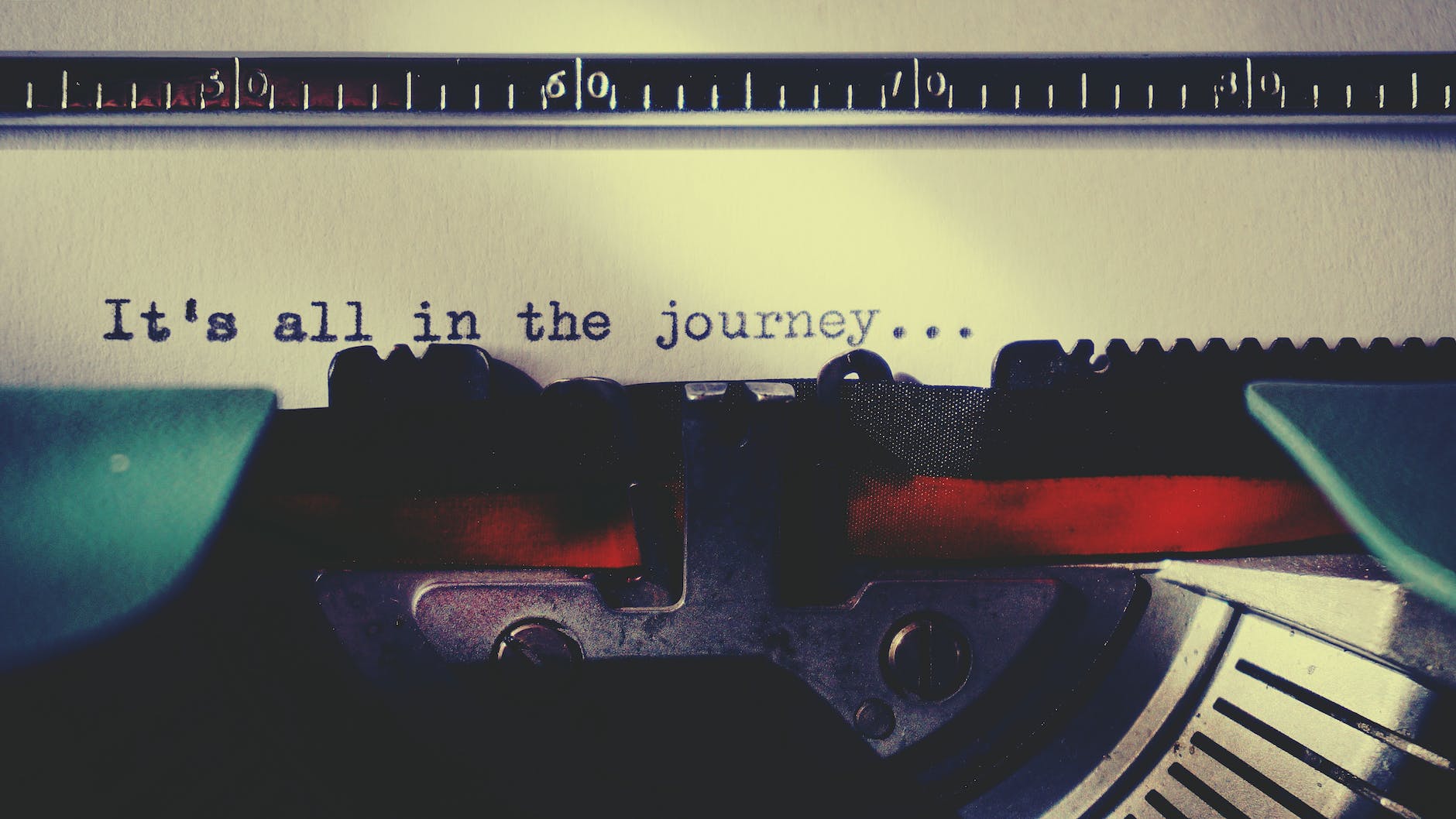
Photo by Suzy Hazelwood on Pexels.com

Here’s what I’m listening to: The Dictionary of Lost Words, by Pip Williams

Amazon abstract:

NEW YORK TIMES BESTSELLER • REESE’S BOOK CLUB PICK • “Delightful . . . [a] captivating and slyly subversive fictional paean to the real women whose work on the Oxford English Dictionary went largely unheralded.”—The New York Times Book Review

“A marvelous fiction about the power of language to elevate or repress.”—Geraldine Brooks, 
New York Times bestselling author of People of the Book

Esme is born into a world of words. Motherless and irrepressibly curious, she spends her childhood in the Scriptorium, an Oxford garden shed in which her father and a team of dedicated lexicographers are collecting words for the very first Oxford English Dictionary. Young Esme’s place is beneath the sorting table, unseen and unheard. One day a slip of paper containing the word bondmaid flutters beneath the table. She rescues the slip and, learning that the word means “slave girl,” begins to collect other words that have been discarded or neglected by the dictionary men.

As she grows up, Esme realizes that words and meanings relating to women’s and common folks’ experiences often go unrecorded. And so she begins in earnest to search out words for her own dictionary: the Dictionary of Lost Words. To do so she must leave the sheltered world of the university and venture out to meet the people whose words will fill those pages.

Set during the height of the women’s suffrage movement and with the Great War looming, The Dictionary of Lost Words reveals a lost narrative, hidden between the lines of a history written by men. Inspired by actual events, author Pip Williams has delved into the archives of the Oxford English Dictionary to tell this highly original story. The Dictionary of Lost Words is a delightful, lyrical, and deeply thought-provoking celebration of words and the power of language to shape the world.

WINNER OF THE AUSTRALIAN BOOK INDUSTRY AWARD


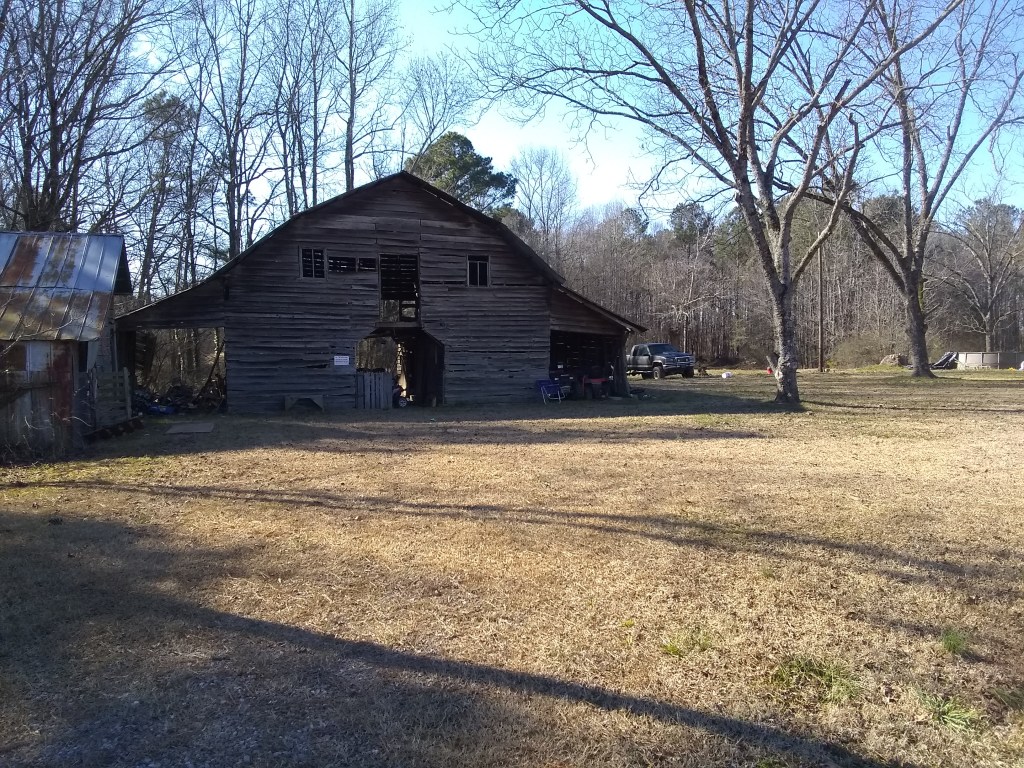
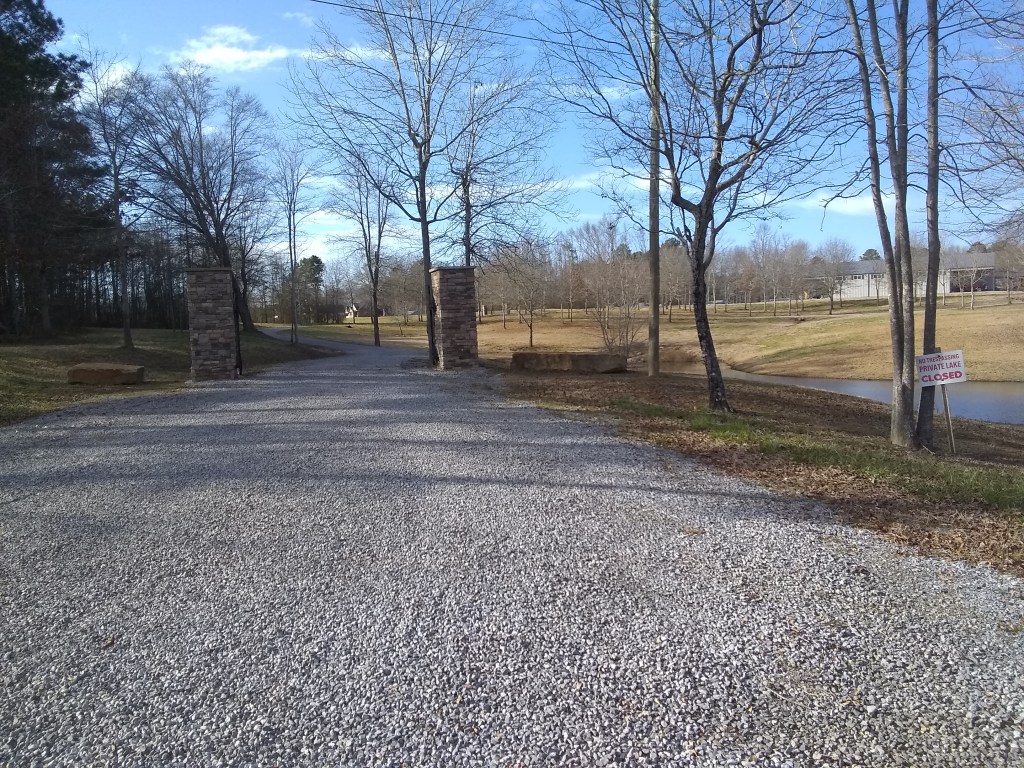
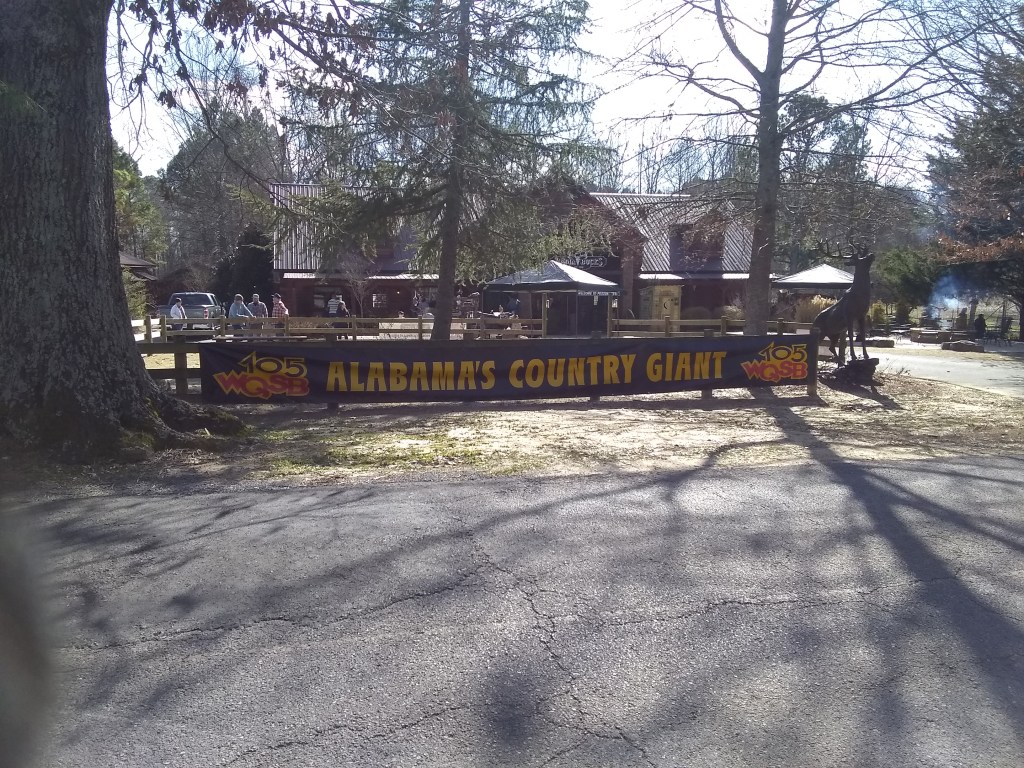
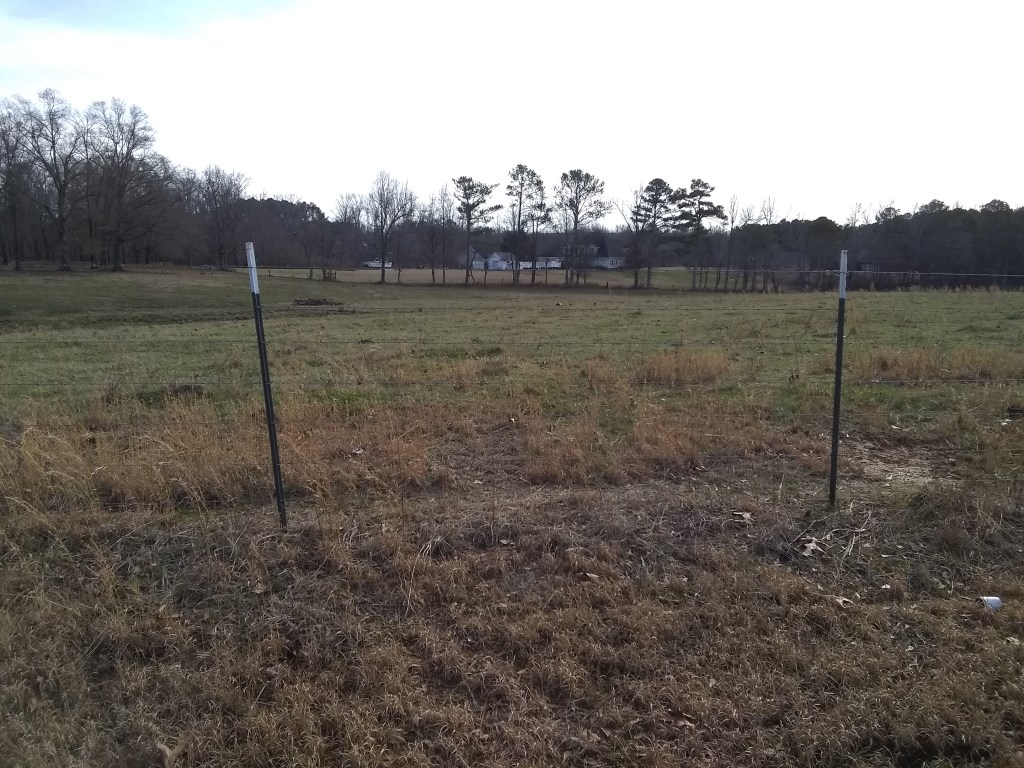
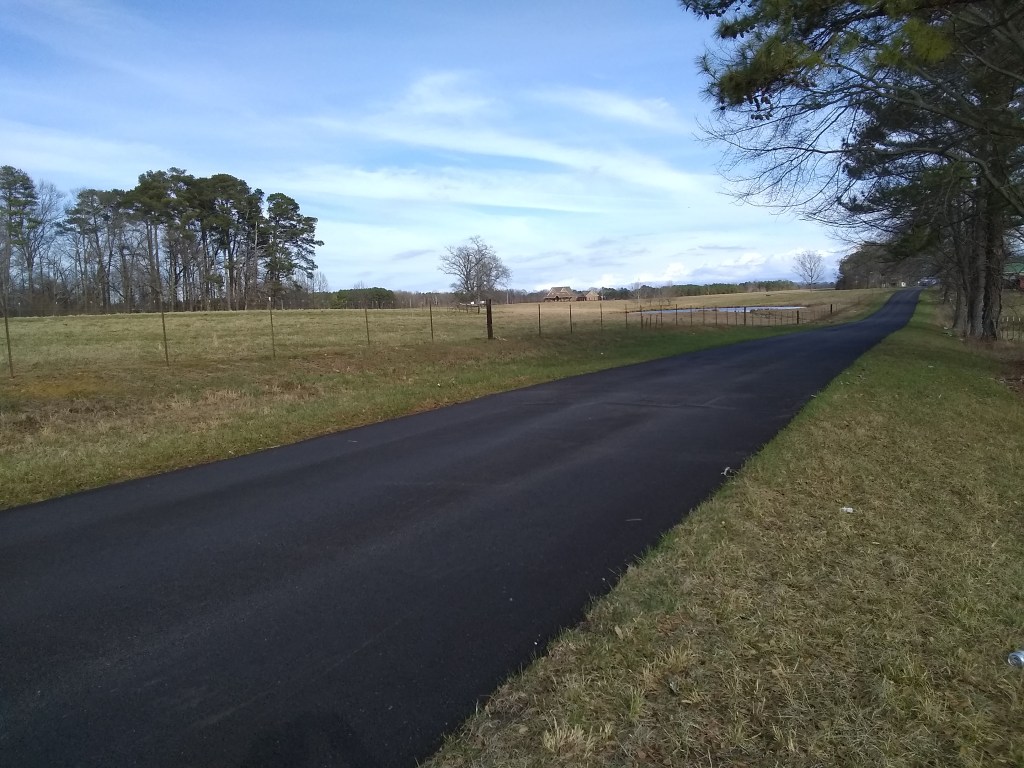
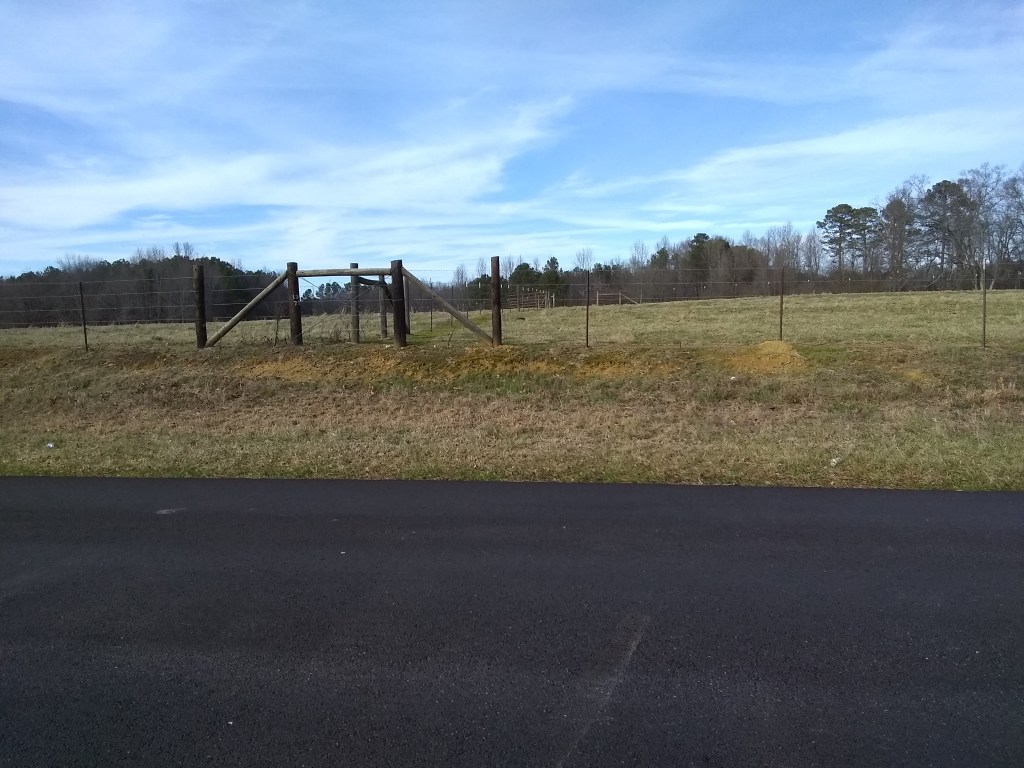
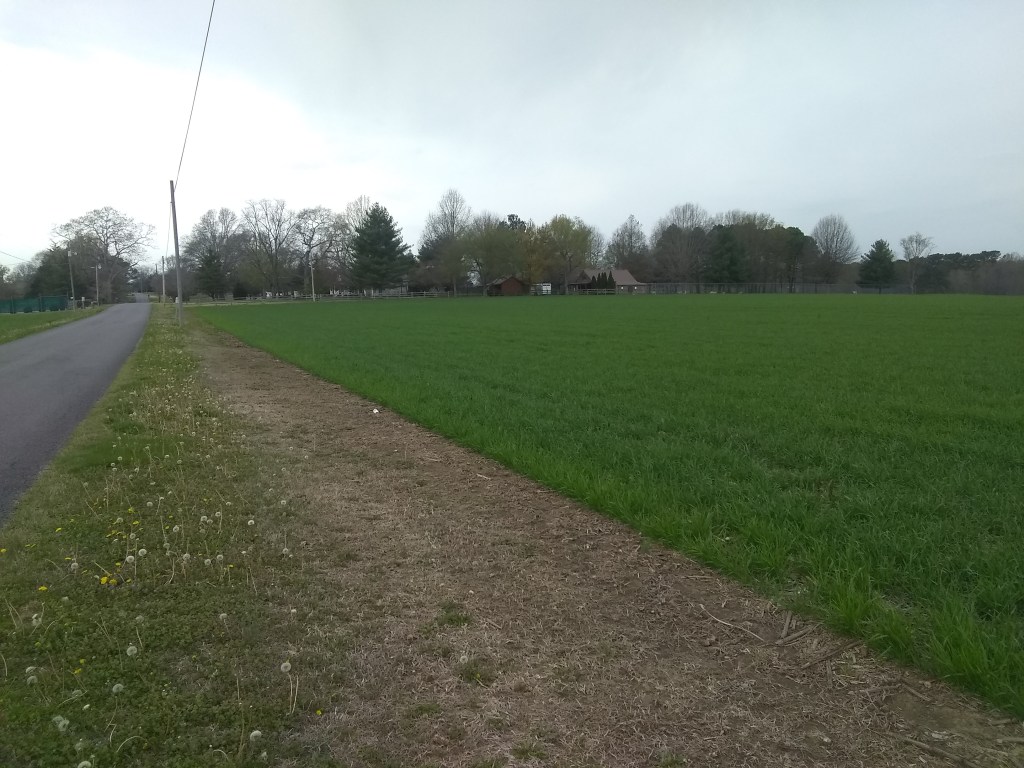
Here’s a few photos from along my pistol route:

06/15/23 Biking & Listening to The Dictionary of Lost Words

Biking is something else I both love and hate. It takes a lot of effort but does provide good exercise and most days over an hour to listen to a good book or podcast. I especially like having ridden.

Here’s my bike, a Rockhopper by Specialized. I purchased it November 2021 from Venture Out in Guntersville; Mike is top notch! So is the bike, and the ‘old’ man seat I salvaged from an old Walmart bike.

Here’s a link to today’s bike ride.


Something to consider if you’re not already cycling.

I encourage you to start riding a bike, no matter your age. Check out these groups:

Cycling for those aged 70+(opens in a new tab)

Solitary Cycling(opens in a new tab)

Remember,

Photo by Suzy Hazelwood on Pexels.com

Here’s what I’m listening to: The Dictionary of Lost Words, by Pip Williams

Amazon abstract:

NEW YORK TIMES BESTSELLER • REESE’S BOOK CLUB PICK • “Delightful . . . [a] captivating and slyly subversive fictional paean to the real women whose work on the Oxford English Dictionary went largely unheralded.”—The New York Times Book Review

“A marvelous fiction about the power of language to elevate or repress.”—Geraldine Brooks, 
New York Times bestselling author of People of the Book

Esme is born into a world of words. Motherless and irrepressibly curious, she spends her childhood in the Scriptorium, an Oxford garden shed in which her father and a team of dedicated lexicographers are collecting words for the very first Oxford English Dictionary. Young Esme’s place is beneath the sorting table, unseen and unheard. One day a slip of paper containing the word bondmaid flutters beneath the table. She rescues the slip and, learning that the word means “slave girl,” begins to collect other words that have been discarded or neglected by the dictionary men.

As she grows up, Esme realizes that words and meanings relating to women’s and common folks’ experiences often go unrecorded. And so she begins in earnest to search out words for her own dictionary: the Dictionary of Lost Words. To do so she must leave the sheltered world of the university and venture out to meet the people whose words will fill those pages.

Set during the height of the women’s suffrage movement and with the Great War looming, The Dictionary of Lost Words reveals a lost narrative, hidden between the lines of a history written by men. Inspired by actual events, author Pip Williams has delved into the archives of the Oxford English Dictionary to tell this highly original story. The Dictionary of Lost Words is a delightful, lyrical, and deeply thought-provoking celebration of words and the power of language to shape the world.

WINNER OF THE AUSTRALIAN BOOK INDUSTRY AWARD


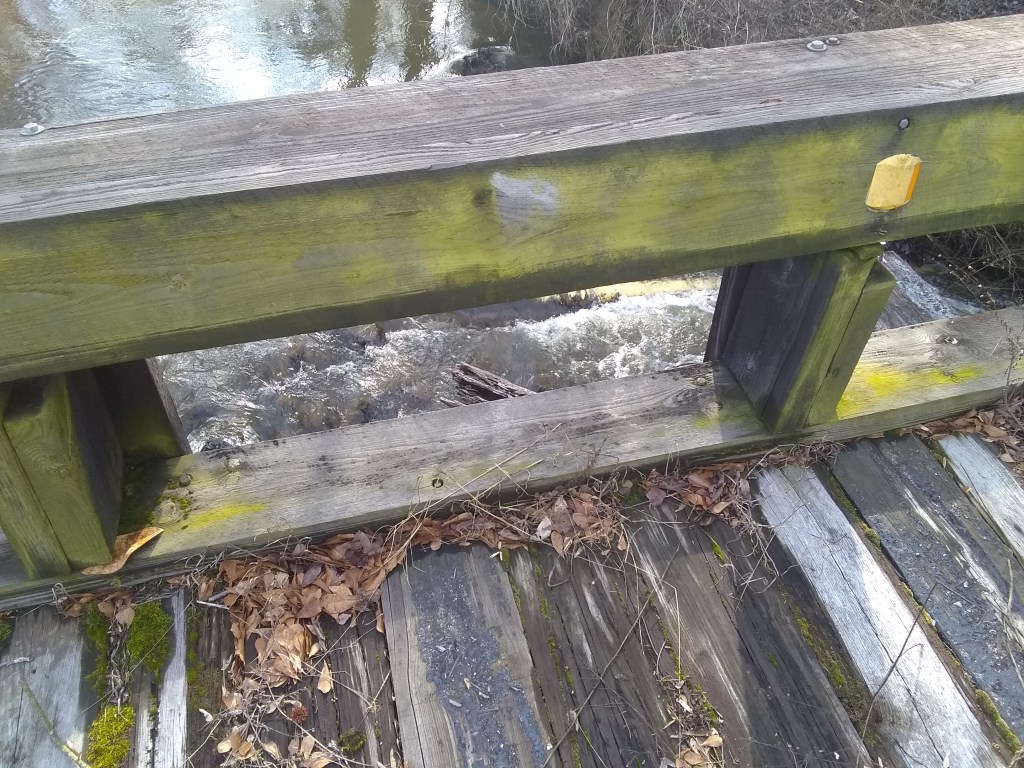
Here’s a few photos from along my pistol route:
06/14/23 Biking & Listening to The Dictionary of Lost Words

Biking is something else I both love and hate. It takes a lot of effort but does provide good exercise and most days over an hour to listen to a good book or podcast. I especially like having ridden.

Here’s my bike, a Rockhopper by Specialized. I purchased it November 2021 from Venture Out in Guntersville; Mike is top notch! So is the bike, and the ‘old’ man seat I salvaged from an old Walmart bike.

Here’s a link to today’s bike ride.


Something to consider if you’re not already cycling.

I encourage you to start riding a bike, no matter your age. Check out these groups:

Cycling for those aged 70+(opens in a new tab)

Solitary Cycling(opens in a new tab)

Remember,

Photo by Suzy Hazelwood on Pexels.com

Here’s what I’m listening to: The Dictionary of Lost Words, by Pip Williams

Amazon abstract:

NEW YORK TIMES BESTSELLER • REESE’S BOOK CLUB PICK • “Delightful . . . [a] captivating and slyly subversive fictional paean to the real women whose work on the Oxford English Dictionary went largely unheralded.”—The New York Times Book Review

“A marvelous fiction about the power of language to elevate or repress.”—Geraldine Brooks, 
New York Times bestselling author of People of the Book

Esme is born into a world of words. Motherless and irrepressibly curious, she spends her childhood in the Scriptorium, an Oxford garden shed in which her father and a team of dedicated lexicographers are collecting words for the very first Oxford English Dictionary. Young Esme’s place is beneath the sorting table, unseen and unheard. One day a slip of paper containing the word bondmaid flutters beneath the table. She rescues the slip and, learning that the word means “slave girl,” begins to collect other words that have been discarded or neglected by the dictionary men.

As she grows up, Esme realizes that words and meanings relating to women’s and common folks’ experiences often go unrecorded. And so she begins in earnest to search out words for her own dictionary: the Dictionary of Lost Words. To do so she must leave the sheltered world of the university and venture out to meet the people whose words will fill those pages.

Set during the height of the women’s suffrage movement and with the Great War looming, The Dictionary of Lost Words reveals a lost narrative, hidden between the lines of a history written by men. Inspired by actual events, author Pip Williams has delved into the archives of the Oxford English Dictionary to tell this highly original story. The Dictionary of Lost Words is a delightful, lyrical, and deeply thought-provoking celebration of words and the power of language to shape the world.

WINNER OF THE AUSTRALIAN BOOK INDUSTRY AWARD


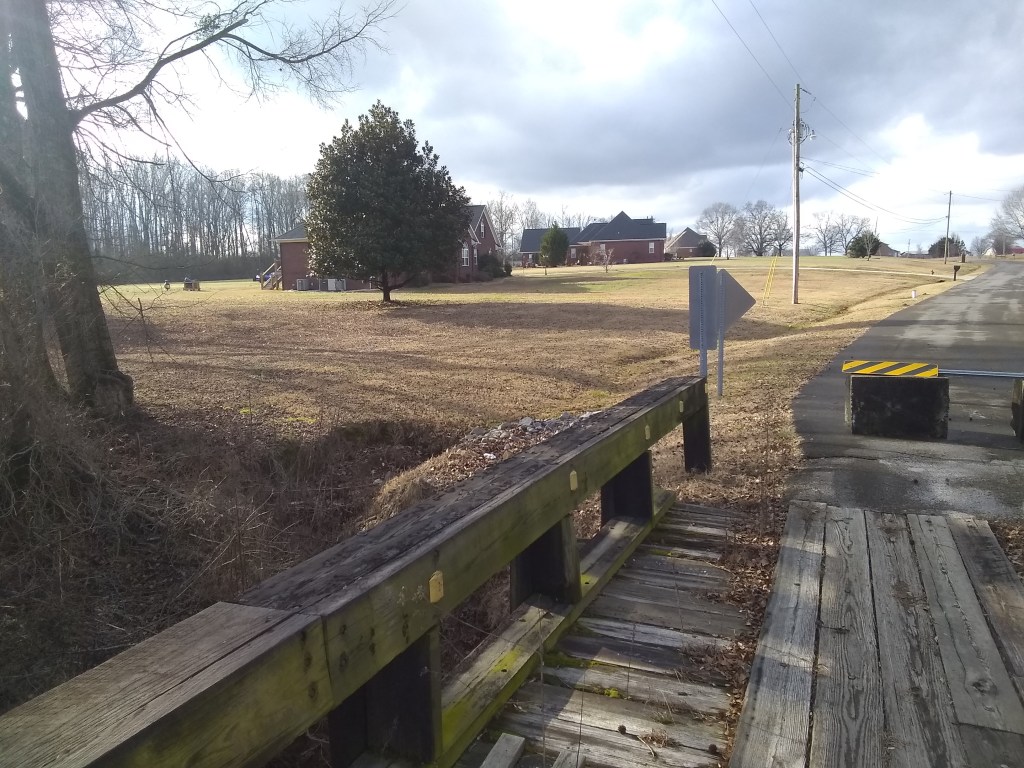
Here’s a few photos from along my pistol route:
06/13/23 Biking & Listening to The Dictionary of Lost Words

Biking is something else I both love and hate. It takes a lot of effort but does provide good exercise and most days over an hour to listen to a good book or podcast. I especially like having ridden.

Here’s my bike, a Rockhopper by Specialized. I purchased it November 2021 from Venture Out in Guntersville; Mike is top notch! So is the bike, and the ‘old’ man seat I salvaged from an old Walmart bike.

Here’s a link to today’s bike ride. Some rain.


Something to consider if you’re not already cycling.

I encourage you to start riding a bike, no matter your age. Check out these groups:

Cycling for those aged 70+(opens in a new tab)

Solitary Cycling(opens in a new tab)

Remember,

Photo by Suzy Hazelwood on Pexels.com

Here’s what I’m listening to: The Dictionary of Lost Words, by Pip Williams

Amazon abstract:

NEW YORK TIMES BESTSELLER • REESE’S BOOK CLUB PICK • “Delightful . . . [a] captivating and slyly subversive fictional paean to the real women whose work on the Oxford English Dictionary went largely unheralded.”—The New York Times Book Review

“A marvelous fiction about the power of language to elevate or repress.”—Geraldine Brooks, 
New York Times bestselling author of People of the Book

Esme is born into a world of words. Motherless and irrepressibly curious, she spends her childhood in the Scriptorium, an Oxford garden shed in which her father and a team of dedicated lexicographers are collecting words for the very first Oxford English Dictionary. Young Esme’s place is beneath the sorting table, unseen and unheard. One day a slip of paper containing the word bondmaid flutters beneath the table. She rescues the slip and, learning that the word means “slave girl,” begins to collect other words that have been discarded or neglected by the dictionary men.

As she grows up, Esme realizes that words and meanings relating to women’s and common folks’ experiences often go unrecorded. And so she begins in earnest to search out words for her own dictionary: the Dictionary of Lost Words. To do so she must leave the sheltered world of the university and venture out to meet the people whose words will fill those pages.

Set during the height of the women’s suffrage movement and with the Great War looming, The Dictionary of Lost Words reveals a lost narrative, hidden between the lines of a history written by men. Inspired by actual events, author Pip Williams has delved into the archives of the Oxford English Dictionary to tell this highly original story. The Dictionary of Lost Words is a delightful, lyrical, and deeply thought-provoking celebration of words and the power of language to shape the world.

WINNER OF THE AUSTRALIAN BOOK INDUSTRY AWARD


Here’s a few photos from along my pistol route:

06/12/23 Biking & Listening to The Dictionary of Lost Words

Biking is something else I both love and hate. It takes a lot of effort but does provide good exercise and most days over an hour to listen to a good book or podcast. I especially like having ridden.

Here’s my bike, a Rockhopper by Specialized. I purchased it November 2021 from Venture Out in Guntersville; Mike is top notch! So is the bike, and the ‘old’ man seat I salvaged from an old Walmart bike.

Here’s a link to today’s bike ride. I call this my pistol route.


Something to consider if you’re not already cycling.

I encourage you to start riding a bike, no matter your age. Check out these groups:

Cycling for those aged 70+(opens in a new tab)

Solitary Cycling(opens in a new tab)

Remember,

Photo by Suzy Hazelwood on Pexels.com

Here’s what I’m listening to: The Dictionary of Lost Words, by Pip Williams

Amazon abstract:

NEW YORK TIMES BESTSELLER • REESE’S BOOK CLUB PICK • “Delightful . . . [a] captivating and slyly subversive fictional paean to the real women whose work on the Oxford English Dictionary went largely unheralded.”—The New York Times Book Review

“A marvelous fiction about the power of language to elevate or repress.”—Geraldine Brooks, 
New York Times bestselling author of People of the Book

Esme is born into a world of words. Motherless and irrepressibly curious, she spends her childhood in the Scriptorium, an Oxford garden shed in which her father and a team of dedicated lexicographers are collecting words for the very first Oxford English Dictionary. Young Esme’s place is beneath the sorting table, unseen and unheard. One day a slip of paper containing the word bondmaid flutters beneath the table. She rescues the slip and, learning that the word means “slave girl,” begins to collect other words that have been discarded or neglected by the dictionary men.

As she grows up, Esme realizes that words and meanings relating to women’s and common folks’ experiences often go unrecorded. And so she begins in earnest to search out words for her own dictionary: the Dictionary of Lost Words. To do so she must leave the sheltered world of the university and venture out to meet the people whose words will fill those pages.

Set during the height of the women’s suffrage movement and with the Great War looming, The Dictionary of Lost Words reveals a lost narrative, hidden between the lines of a history written by men. Inspired by actual events, author Pip Williams has delved into the archives of the Oxford English Dictionary to tell this highly original story. The Dictionary of Lost Words is a delightful, lyrical, and deeply thought-provoking celebration of words and the power of language to shape the world.

WINNER OF THE AUSTRALIAN BOOK INDUSTRY AWARD


Here’s a few photos from along my pistol route:

06/11/23 Biking & Listening to The Dictionary of Lost Words

Biking is something else I both love and hate. It takes a lot of effort but does provide good exercise and most days over an hour to listen to a good book or podcast. I especially like having ridden.

Here’s my bike, a Rockhopper by Specialized. I purchased it November 2021 from Venture Out in Guntersville; Mike is top notch! So is the bike, and the ‘old’ man seat I salvaged from an old Walmart bike.

Here’s a link to today’s bike ride. I call this my pistol route.


Something to consider if you’re not already cycling.

I encourage you to start riding a bike, no matter your age. Check out these groups:

Cycling for those aged 70+(opens in a new tab)

Solitary Cycling(opens in a new tab)

Remember,

Photo by Suzy Hazelwood on Pexels.com

Here’s what I’m listening to: The Dictionary of Lost Words, by Pip Williams

Amazon abstract:

NEW YORK TIMES BESTSELLER • REESE’S BOOK CLUB PICK • “Delightful . . . [a] captivating and slyly subversive fictional paean to the real women whose work on the Oxford English Dictionary went largely unheralded.”—The New York Times Book Review

“A marvelous fiction about the power of language to elevate or repress.”—Geraldine Brooks, 
New York Times bestselling author of People of the Book

Esme is born into a world of words. Motherless and irrepressibly curious, she spends her childhood in the Scriptorium, an Oxford garden shed in which her father and a team of dedicated lexicographers are collecting words for the very first Oxford English Dictionary. Young Esme’s place is beneath the sorting table, unseen and unheard. One day a slip of paper containing the word bondmaid flutters beneath the table. She rescues the slip and, learning that the word means “slave girl,” begins to collect other words that have been discarded or neglected by the dictionary men.

As she grows up, Esme realizes that words and meanings relating to women’s and common folks’ experiences often go unrecorded. And so she begins in earnest to search out words for her own dictionary: the Dictionary of Lost Words. To do so she must leave the sheltered world of the university and venture out to meet the people whose words will fill those pages.

Set during the height of the women’s suffrage movement and with the Great War looming, The Dictionary of Lost Words reveals a lost narrative, hidden between the lines of a history written by men. Inspired by actual events, author Pip Williams has delved into the archives of the Oxford English Dictionary to tell this highly original story. The Dictionary of Lost Words is a delightful, lyrical, and deeply thought-provoking celebration of words and the power of language to shape the world.

WINNER OF THE AUSTRALIAN BOOK INDUSTRY AWARD


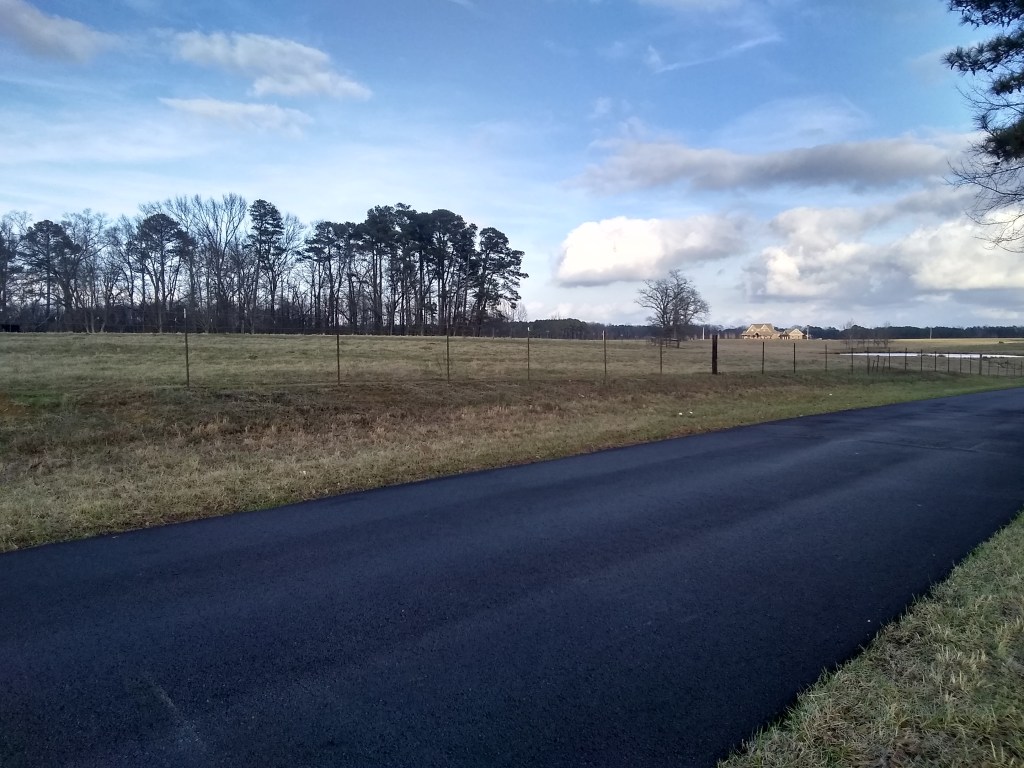
Here’s a few photos from along my pistol route:
06/10/23 Biking & Listening to The Dictionary of Lost Words

Biking is something else I both love and hate. It takes a lot of effort but does provide good exercise and most days over an hour to listen to a good book or podcast. I especially like having ridden.

Here’s my bike, a Rockhopper by Specialized. I purchased it November 2021 from Venture Out in Guntersville; Mike is top notch! So is the bike, and the ‘old’ man seat I salvaged from an old Walmart bike.

Here’s a link to today’s bike ride.

Here’s what I’m listening to: The Dictionary of Lost Words, by Pip Williams

Amazon abstract:

NEW YORK TIMES BESTSELLER • REESE’S BOOK CLUB PICK • “Delightful . . . [a] captivating and slyly subversive fictional paean to the real women whose work on the Oxford English Dictionary went largely unheralded.”—The New York Times Book Review

“A marvelous fiction about the power of language to elevate or repress.”—Geraldine Brooks, 
New York Times bestselling author of People of the Book

Esme is born into a world of words. Motherless and irrepressibly curious, she spends her childhood in the Scriptorium, an Oxford garden shed in which her father and a team of dedicated lexicographers are collecting words for the very first Oxford English Dictionary. Young Esme’s place is beneath the sorting table, unseen and unheard. One day a slip of paper containing the word bondmaid flutters beneath the table. She rescues the slip and, learning that the word means “slave girl,” begins to collect other words that have been discarded or neglected by the dictionary men.

As she grows up, Esme realizes that words and meanings relating to women’s and common folks’ experiences often go unrecorded. And so she begins in earnest to search out words for her own dictionary: the Dictionary of Lost Words. To do so she must leave the sheltered world of the university and venture out to meet the people whose words will fill those pages.

Set during the height of the women’s suffrage movement and with the Great War looming, The Dictionary of Lost Words reveals a lost narrative, hidden between the lines of a history written by men. Inspired by actual events, author Pip Williams has delved into the archives of the Oxford English Dictionary to tell this highly original story. The Dictionary of Lost Words is a delightful, lyrical, and deeply thought-provoking celebration of words and the power of language to shape the world.

WINNER OF THE AUSTRALIAN BOOK INDUSTRY AWARD


Here’s a few photos from along my pistol route:

06/09/23 Biking & Listening to The Dictionary of Lost Words

Biking is something else I both love and hate. It takes a lot of effort but does provide good exercise and most days over an hour to listen to a good book or podcast. I especially like having ridden.

Here’s my bike, a Rockhopper by Specialized. I purchased it November 2021 from Venture Out in Guntersville; Mike is top notch! So is the bike, and the ‘old’ man seat I salvaged from an old Walmart bike.

Here’s a link to today’s bike ride.

Here’s what I’m listening to: The Dictionary of Lost Words, by Pip Williams

Amazon abstract:

NEW YORK TIMES BESTSELLER • REESE’S BOOK CLUB PICK • “Delightful . . . [a] captivating and slyly subversive fictional paean to the real women whose work on the Oxford English Dictionary went largely unheralded.”—The New York Times Book Review

“A marvelous fiction about the power of language to elevate or repress.”—Geraldine Brooks, 
New York Times bestselling author of People of the Book

Esme is born into a world of words. Motherless and irrepressibly curious, she spends her childhood in the Scriptorium, an Oxford garden shed in which her father and a team of dedicated lexicographers are collecting words for the very first Oxford English Dictionary. Young Esme’s place is beneath the sorting table, unseen and unheard. One day a slip of paper containing the word bondmaid flutters beneath the table. She rescues the slip and, learning that the word means “slave girl,” begins to collect other words that have been discarded or neglected by the dictionary men.

As she grows up, Esme realizes that words and meanings relating to women’s and common folks’ experiences often go unrecorded. And so she begins in earnest to search out words for her own dictionary: the Dictionary of Lost Words. To do so she must leave the sheltered world of the university and venture out to meet the people whose words will fill those pages.

Set during the height of the women’s suffrage movement and with the Great War looming, The Dictionary of Lost Words reveals a lost narrative, hidden between the lines of a history written by men. Inspired by actual events, author Pip Williams has delved into the archives of the Oxford English Dictionary to tell this highly original story. The Dictionary of Lost Words is a delightful, lyrical, and deeply thought-provoking celebration of words and the power of language to shape the world.

WINNER OF THE AUSTRALIAN BOOK INDUSTRY AWARD


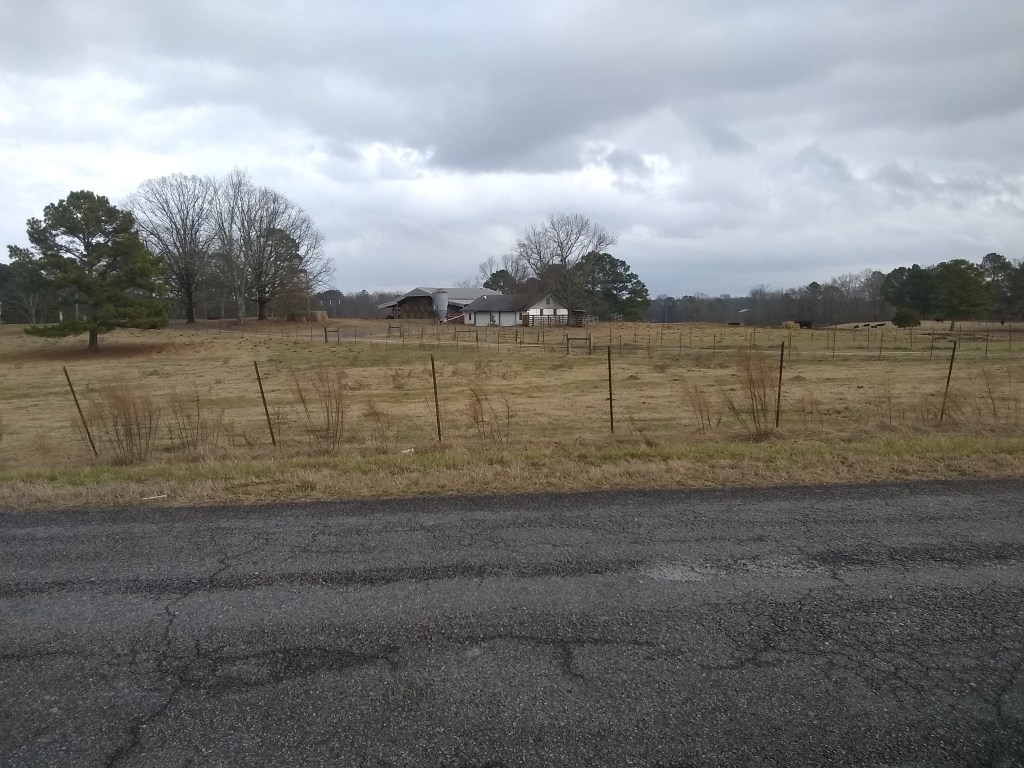
Here’s a few photos from along my pistol route:
06/08/23 Biking & Listening

Biking is something else I both love and hate. It takes a lot of effort but does provide good exercise and most days over an hour to listen to a good book or podcast. I especially like having ridden.

Here’s my bike, a Rockhopper by Specialized. I purchased it November 2021 from Venture Out in Guntersville; Mike is top notch! So is the bike, and the ‘old’ man seat I salvaged from an old Walmart bike.

Here’s a link to today’s bike ride.

Here’s what I’m listening to: The Moral Arc, by Michael Shermer

Amazon abstract:

Bestselling author Michael Shermer’s exploration of science and morality that demonstrates how the scientific way of thinking has made people, and society as a whole, more moral

From Galileo and Newton to Thomas Hobbes and Martin Luther King, Jr., thinkers throughout history have consciously employed scientific techniques to better understand the non-physical world. The Age of Reason and the Enlightenment led theorists to apply scientific reasoning to the non-scientific disciplines of politics, economics, and moral philosophy. Instead of relying on the woodcuts of dissected bodies in old medical texts, physicians opened bodies themselves to see what was there; instead of divining truth through the authority of an ancient holy book or philosophical treatise, people began to explore the book of nature for themselves through travel and exploration; instead of the supernatural belief in the divine right of kings, people employed a natural belief in the right of democracy.

In The Moral Arc, Shermer will explain how abstract reasoning, rationality, empiricism, skepticism–scientific ways of thinking–have profoundly changed the way we perceive morality and, indeed, move us ever closer to a more just world.


Here’s a few photos from along my pistol route:

06/07/23 Biking & Listening

Biking is something else I both love and hate. It takes a lot of effort but does provide good exercise and most days over an hour to listen to a good book or podcast. I especially like having ridden.

Here’s my bike, a Rockhopper by Specialized. I purchased it November 2021 from Venture Out in Guntersville; Mike is top notch! So is the bike, and the ‘old’ man seat I salvaged from an old Walmart bike.

Here’s a link to today’s bike ride.

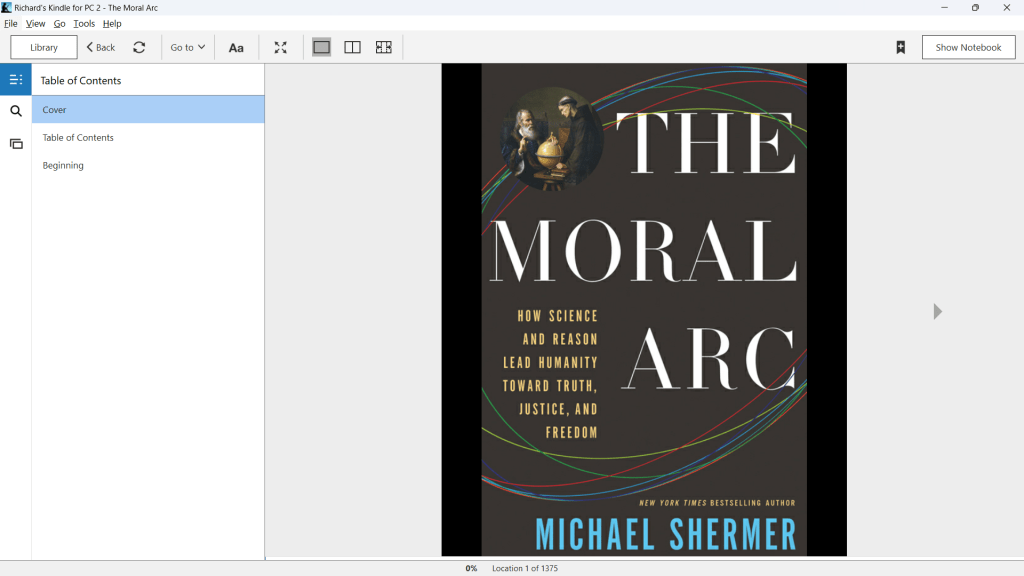
Here’s what I’m listening to: The Moral Arc, by Michael Shermer
Amazon abstract:

Bestselling author Michael Shermer’s exploration of science and morality that demonstrates how the scientific way of thinking has made people, and society as a whole, more moral

From Galileo and Newton to Thomas Hobbes and Martin Luther King, Jr., thinkers throughout history have consciously employed scientific techniques to better understand the non-physical world. The Age of Reason and the Enlightenment led theorists to apply scientific reasoning to the non-scientific disciplines of politics, economics, and moral philosophy. Instead of relying on the woodcuts of dissected bodies in old medical texts, physicians opened bodies themselves to see what was there; instead of divining truth through the authority of an ancient holy book or philosophical treatise, people began to explore the book of nature for themselves through travel and exploration; instead of the supernatural belief in the divine right of kings, people employed a natural belief in the right of democracy.

In The Moral Arc, Shermer will explain how abstract reasoning, rationality, empiricism, skepticism–scientific ways of thinking–have profoundly changed the way we perceive morality and, indeed, move us ever closer to a more just world.


Here’s a few photos from along my pistol route: