12/04/23 Biking & Listening

Here’s today’s bike ride metrics. Temperature at beginning of ride: 52 degrees. Clear blue skies; a little windy.


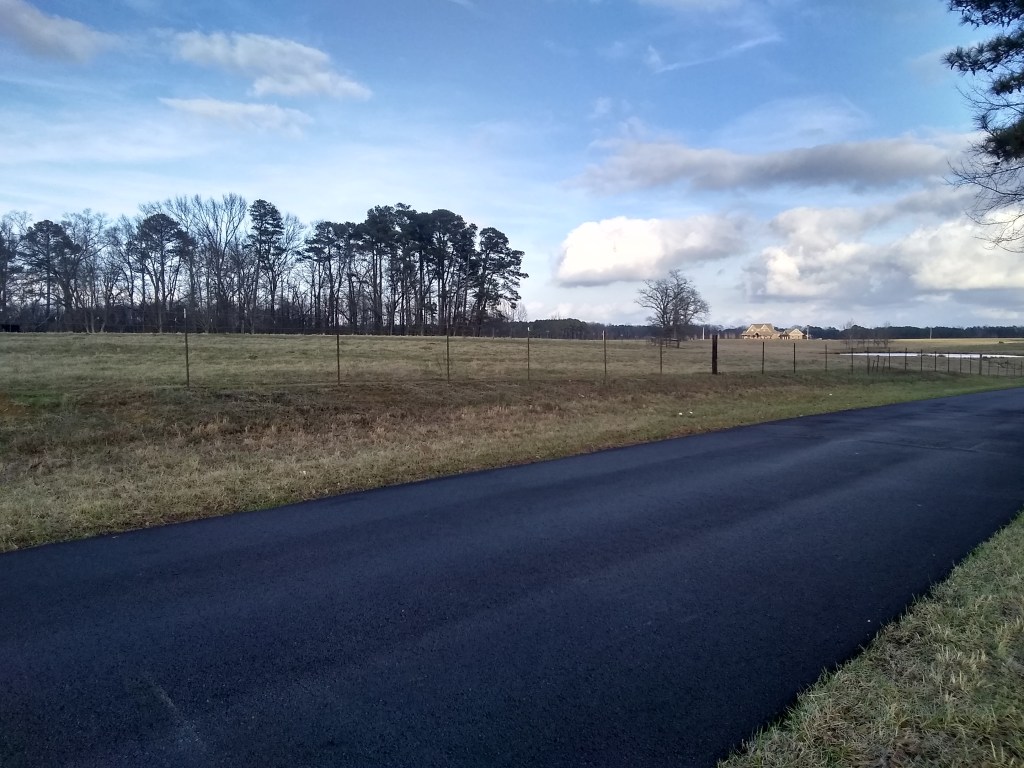
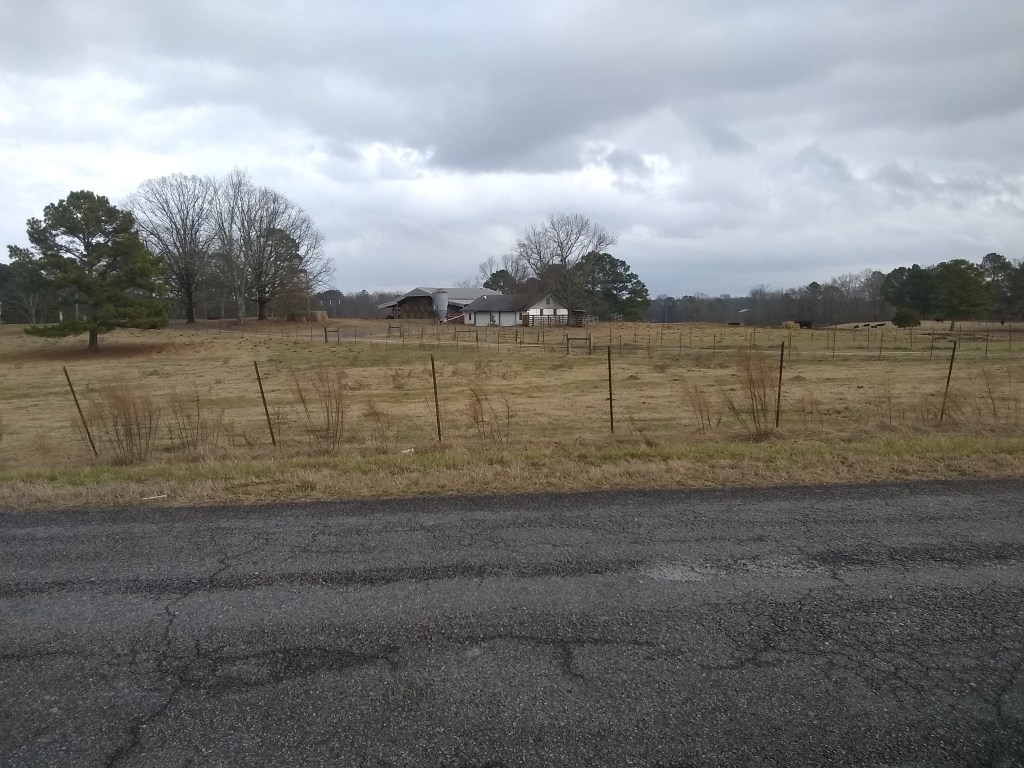
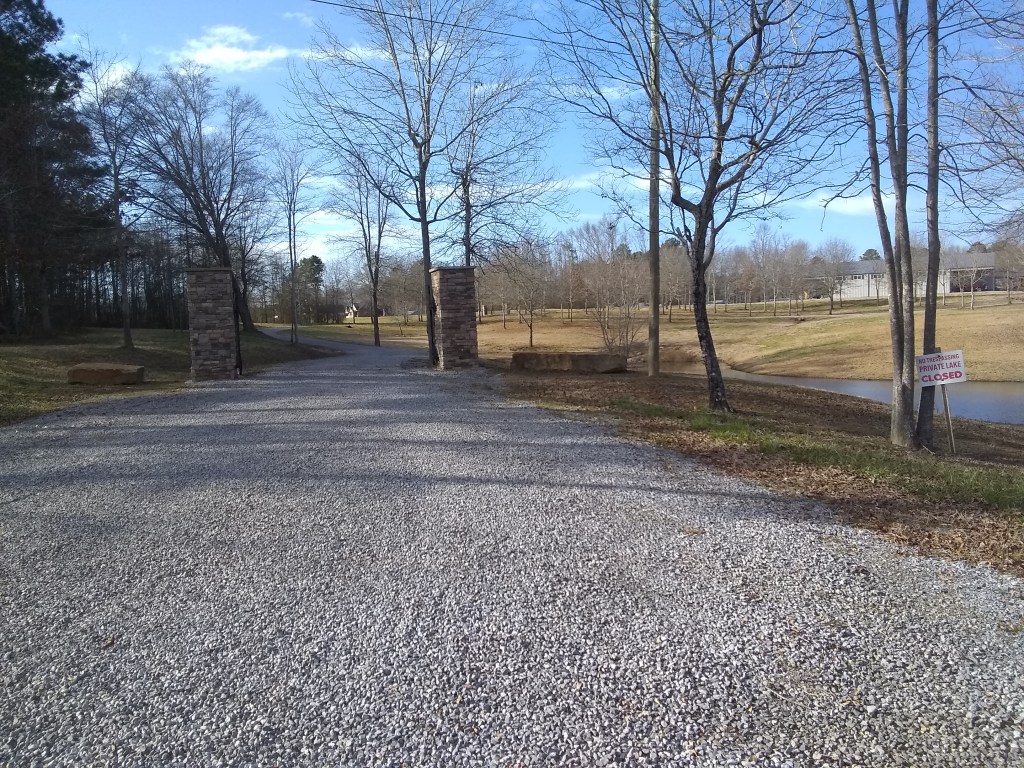
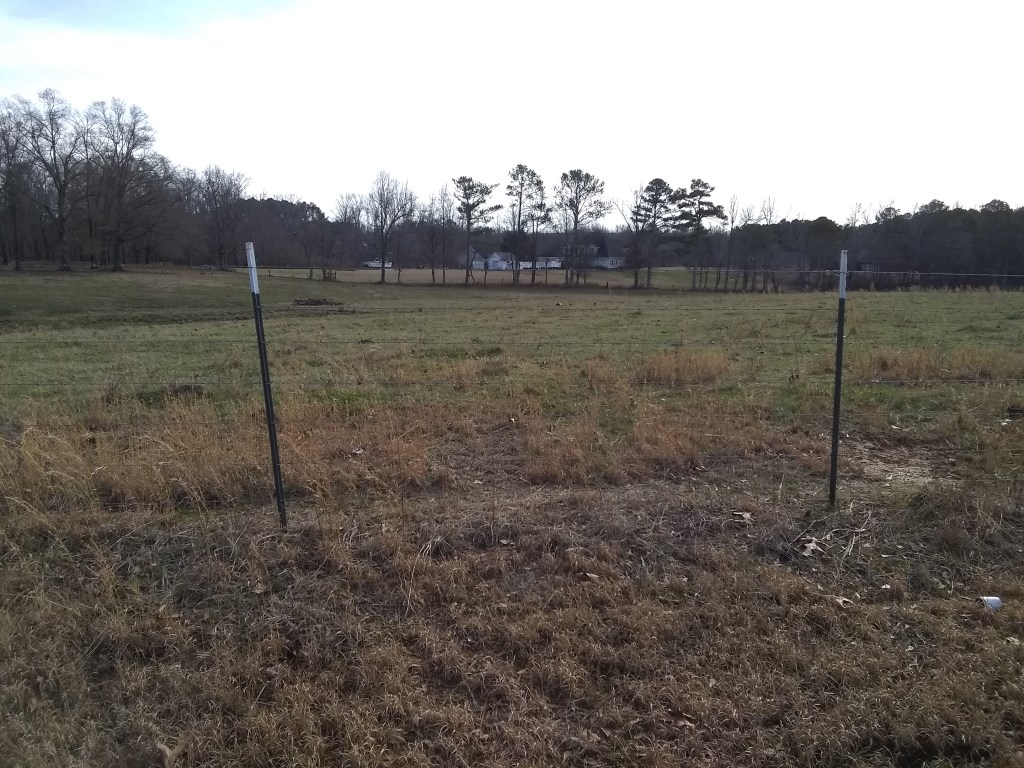
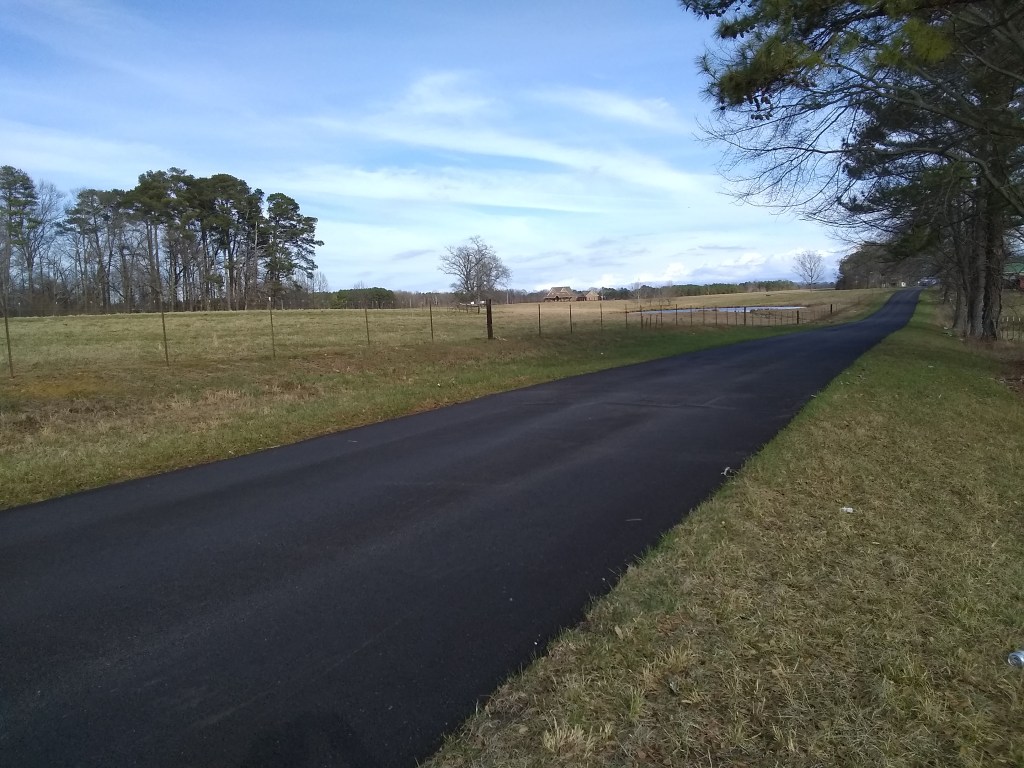
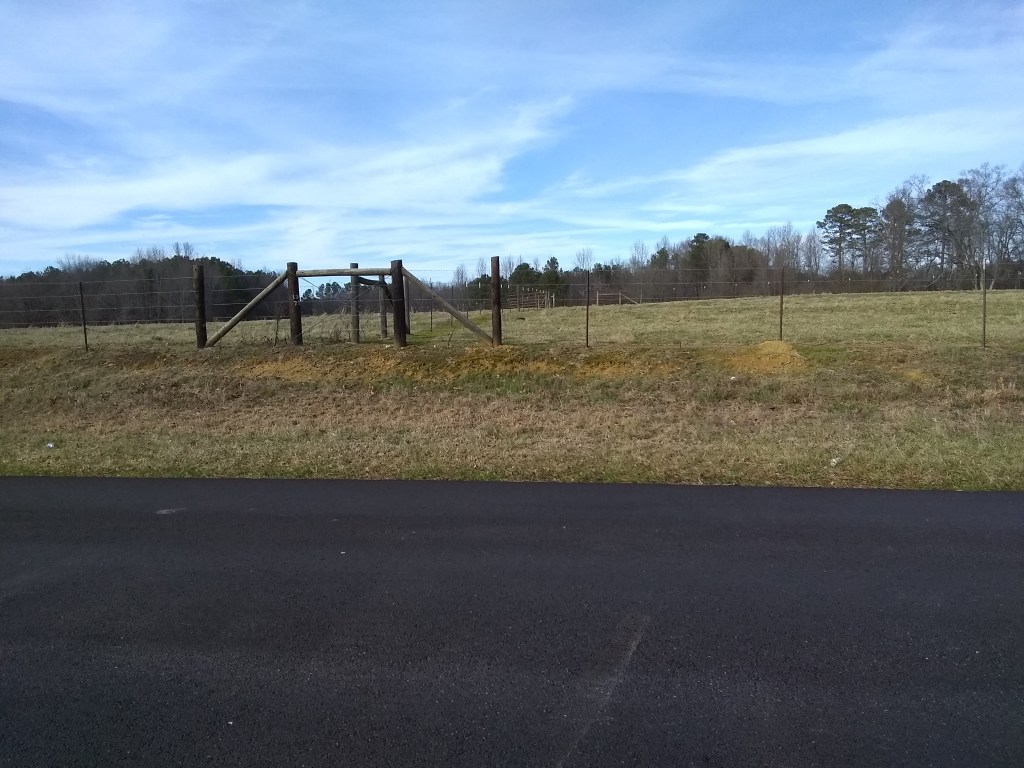
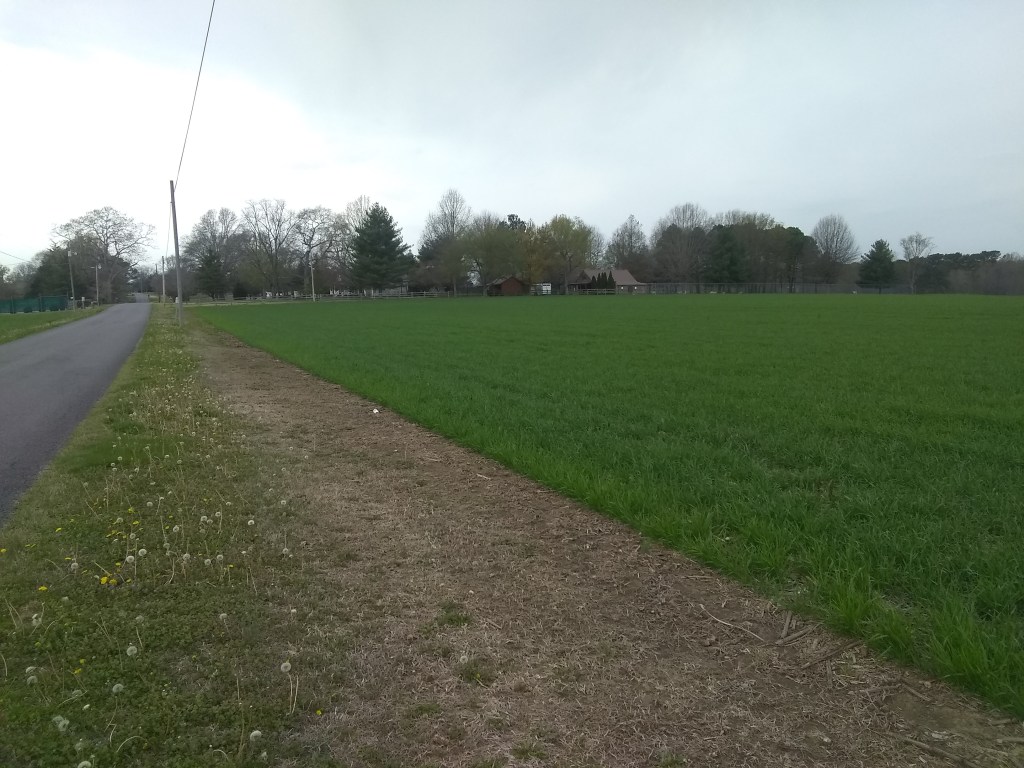
Photos from today’s ride:

None.

Why I ride:

Biking is something I both love and hate. The conflicting emotions arise from the undeniable physical effort it demands. However, this exertion is precisely what makes it an excellent form of exercise. Most days, I dedicate over an hour to my cycling routine, and in doing so, I’ve discovered a unique opportunity to enjoy a good book or podcast. The rhythmic pedaling and the wind against my face create a calming backdrop that allows me to fully immerse myself in the content. In these moments, the time spent on the bike seems worthwhile, as I can’t help but appreciate the mental and physical rewards it offers.

I especially like having ridden. The post-biking feeling is one of pure satisfaction. The endorphin rush, coupled with a sense of accomplishment, makes the initial struggle and fatigue worthwhile. As I dismount and catch my breath, I relish the sensation of having conquered the challenge, both physically and mentally. It’s a reminder that the things we sometimes love to hate can often be the ones that bring us the most fulfillment. In the end, the love-hate relationship with biking only deepens my appreciation for the sport, as it continually pushes me to overcome my own limitations and embrace the rewards that follow the effort.


Why you should ride:

Encourages Relaxation:

Cycling is not just a form of physical exercise; it also has a profound ability to encourage relaxation. Here are various ways in which cycling contributes to a relaxed state of mind and body:

  • Physical Activity and Stress Reduction: Engaging in physical activities like cycling can reduce the body’s stress responses. Exercise triggers the release of endorphins, the body’s natural painkillers and mood elevators, which promote relaxation. The physical effort of cycling also helps to use up the energy created by stress, aiding in calming the body.
  • Rhythmic Pedaling as a Meditative Practice: The repetitive nature of cycling, with its steady, rhythmic pedaling, can have a meditative effect. This rhythmic motion can help focus the mind, drawing attention away from stressful thoughts and allowing a sense of calm.
  • Outdoor and Nature Exposure: Cycling outdoors, especially in natural or scenic settings, can enhance relaxation. Being in nature is known to reduce stress and promote a sense of peace. The sights, sounds, and smells of the outdoors can be very soothing.
  • Mindfulness and Presence: Cycling requires a level of present-moment awareness, which is a key aspect of mindfulness. Practicing mindfulness has been shown to reduce stress and promote relaxation. When cycling, the focus on the immediate environment and bodily sensations can help achieve this state.
  • Cardiovascular Health Benefits: Regular cycling improves cardiovascular health, which can help in reducing tension in the body. A healthier heart and circulatory system can contribute to a more relaxed state overall.
  • Reduces Mental Clutter: A bike ride offers a break from daily routines and responsibilities, providing an opportunity to clear the mind. This mental break can be refreshing and relaxing, especially after a long day or during stressful periods.
  • Social Relaxation: For those who enjoy group rides, the social aspect of cycling can be relaxing. Social interactions and the sense of community found in cycling groups can contribute to overall relaxation and well-being.
  • Achievement and Satisfaction: Completing a challenging ride or reaching a cycling goal can bring about a sense of achievement and satisfaction. This positive feeling can promote a relaxed state, as it counters feelings of stress and anxiety.
  • End of Ride Relaxation Response: After a cycling session, the body often experiences a natural relaxation response. The decrease in physical activity coupled with the sense of accomplishment can lead to a profound state of relaxation.
  • Improves Sleep Quality: As cycling improves sleep quality, it indirectly promotes relaxation. Better sleep means the body is better rested and more capable of handling stress, leading to a more relaxed state during waking hours.

In summary, cycling’s ability to encourage relaxation is multifaceted, combining physical, mental, and emotional elements. By incorporating regular cycling into one’s lifestyle, it’s possible to cultivate a more relaxed state of being, beneficial for overall health and well-being.


Please watch

Here’s a couple of links to groups I like. Hopefully, they’ll encourage you to start riding a bike, no matter your age.

Cycling for those aged 70+(opens in a new tab)


Solitary Cycling(opens in a new tab)


My bike:

A Rockhopper by Specialized. I purchased it November 2021 from Venture Out in Guntersville; Mike is top notch! So is the bike. The ‘old’ man seat was salvaged from an old Walmart bike. Seat replaced with new one from Venture Out.


What I’m listening to:

NON-FICTION

20 Master Plots: And How to Build Them, by Ronald B. Tobias

Give your story a solid foundation – a plot that engages readers from start to finish!

The best stories linger in the hearts and minds of readers for decades. These tales gain their power through plots that connect with the audience on both an emotional and intellectual level.

Ronald B. Tobias details these 20 time-tested plots. Each is discussed and analyzed, illustrating how a successful plot integrates all the elements of a story. Tobias then reveals how to use these plots effectively in your own work.

Tobias then goes to the next level, describing how to choose and develop plot in fiction. He reveals how to craft plot for any subject matter so that you develop your work evenly and effectively. As a result, your fiction will be more cohesive and convincing, making your story unforgettable for readers everywhere.

Blinkist book summaries:

None today.

FICTION

Novel:


Amazon abstract:

NATIONAL BESTSELLER • The Girl with the Dragon Tattoo series continues: Lisbeth Salander must face the most important battle of her life, and will finally put her past to rest in this thriller that will “leave Salander’s legion of followers clamoring for more” (The Wall Street Journal). • Also known as the Millennium series

Mikael Blomkvist is trying to reach Lisbeth Salander—the fierce, unstoppable girl with the dragon tattoo. He needs her help unraveling the identity of a man who died with Blomkvist’s phone number in his pocket—a man who does not exist in any official records and whose garbled last words hinted at knowledge that would be dangerous to important people. But Lisbeth has disappeared. She’s sold her apartment in Stockholm. She’s gone dark. She’s told no one where she is. And no one is aware that at long last she’s got her primal enemy, her twin sister, Camilla, squarely in her sights.

Look for the latest book in the Girl with the Dragon Tattoo series, The Girl in the Eagle’s Talons, coming soon!


Podcasts:

None today.

Waking Up app series/courses:

None today.


Here’s a few photos from previous riding adventures:

12/03/23 Biking & Listening

Here’s today’s bike ride metrics. Temperature at beginning of ride: 62 degrees. Clear blue skies.


Photos from today’s ride:

None.

Why I ride:

Biking is something I both love and hate. The conflicting emotions arise from the undeniable physical effort it demands. However, this exertion is precisely what makes it an excellent form of exercise. Most days, I dedicate over an hour to my cycling routine, and in doing so, I’ve discovered a unique opportunity to enjoy a good book or podcast. The rhythmic pedaling and the wind against my face create a calming backdrop that allows me to fully immerse myself in the content. In these moments, the time spent on the bike seems worthwhile, as I can’t help but appreciate the mental and physical rewards it offers.

I especially like having ridden. The post-biking feeling is one of pure satisfaction. The endorphin rush, coupled with a sense of accomplishment, makes the initial struggle and fatigue worthwhile. As I dismount and catch my breath, I relish the sensation of having conquered the challenge, both physically and mentally. It’s a reminder that the things we sometimes love to hate can often be the ones that bring us the most fulfillment. In the end, the love-hate relationship with biking only deepens my appreciation for the sport, as it continually pushes me to overcome my own limitations and embrace the rewards that follow the effort.


Why you should ride:

Encourages Relaxation:

Cycling is not just a form of physical exercise; it also has a profound ability to encourage relaxation. Here are various ways in which cycling contributes to a relaxed state of mind and body:

  • Physical Activity and Stress Reduction: Engaging in physical activities like cycling can reduce the body’s stress responses. Exercise triggers the release of endorphins, the body’s natural painkillers and mood elevators, which promote relaxation. The physical effort of cycling also helps to use up the energy created by stress, aiding in calming the body.
  • Rhythmic Pedaling as a Meditative Practice: The repetitive nature of cycling, with its steady, rhythmic pedaling, can have a meditative effect. This rhythmic motion can help focus the mind, drawing attention away from stressful thoughts and allowing a sense of calm.
  • Outdoor and Nature Exposure: Cycling outdoors, especially in natural or scenic settings, can enhance relaxation. Being in nature is known to reduce stress and promote a sense of peace. The sights, sounds, and smells of the outdoors can be very soothing.
  • Mindfulness and Presence: Cycling requires a level of present-moment awareness, which is a key aspect of mindfulness. Practicing mindfulness has been shown to reduce stress and promote relaxation. When cycling, the focus on the immediate environment and bodily sensations can help achieve this state.
  • Cardiovascular Health Benefits: Regular cycling improves cardiovascular health, which can help in reducing tension in the body. A healthier heart and circulatory system can contribute to a more relaxed state overall.
  • Reduces Mental Clutter: A bike ride offers a break from daily routines and responsibilities, providing an opportunity to clear the mind. This mental break can be refreshing and relaxing, especially after a long day or during stressful periods.
  • Social Relaxation: For those who enjoy group rides, the social aspect of cycling can be relaxing. Social interactions and the sense of community found in cycling groups can contribute to overall relaxation and well-being.
  • Achievement and Satisfaction: Completing a challenging ride or reaching a cycling goal can bring about a sense of achievement and satisfaction. This positive feeling can promote a relaxed state, as it counters feelings of stress and anxiety.
  • End of Ride Relaxation Response: After a cycling session, the body often experiences a natural relaxation response. The decrease in physical activity coupled with the sense of accomplishment can lead to a profound state of relaxation.
  • Improves Sleep Quality: As cycling improves sleep quality, it indirectly promotes relaxation. Better sleep means the body is better rested and more capable of handling stress, leading to a more relaxed state during waking hours.

In summary, cycling’s ability to encourage relaxation is multifaceted, combining physical, mental, and emotional elements. By incorporating regular cycling into one’s lifestyle, it’s possible to cultivate a more relaxed state of being, beneficial for overall health and well-being.


Please watch

Here’s a couple of links to groups I like. Hopefully, they’ll encourage you to start riding a bike, no matter your age.

Cycling for those aged 70+(opens in a new tab)


Solitary Cycling(opens in a new tab)


My bike:

A Rockhopper by Specialized. I purchased it November 2021 from Venture Out in Guntersville; Mike is top notch! So is the bike. The ‘old’ man seat was salvaged from an old Walmart bike. Seat replaced with new one from Venture Out.


What I’m listening to:

Novel:


Amazon abstract:

NATIONAL BESTSELLER • The Girl with the Dragon Tattoo series continues: Lisbeth Salander must face the most important battle of her life, and will finally put her past to rest in this thriller that will “leave Salander’s legion of followers clamoring for more” (The Wall Street Journal). • Also known as the Millennium series

Mikael Blomkvist is trying to reach Lisbeth Salander—the fierce, unstoppable girl with the dragon tattoo. He needs her help unraveling the identity of a man who died with Blomkvist’s phone number in his pocket—a man who does not exist in any official records and whose garbled last words hinted at knowledge that would be dangerous to important people. But Lisbeth has disappeared. She’s sold her apartment in Stockholm. She’s gone dark. She’s told no one where she is. And no one is aware that at long last she’s got her primal enemy, her twin sister, Camilla, squarely in her sights.

Look for the latest book in the Girl with the Dragon Tattoo series, The Girl in the Eagle’s Talons, coming soon!


Blinkist nonfiction book summaries:

None today.

Podcasts:

Waking Up app series/courses:

None today.


Here’s a few photos from previous riding adventures:

12/02/23 Biking & Listening

Here’s today’s bike ride metrics. Temperature at beginning of ride: 62 degrees. Rain. Wind calm.


Photos from today’s ride:

Why I ride:

Biking is something I both love and hate. The conflicting emotions arise from the undeniable physical effort it demands. However, this exertion is precisely what makes it an excellent form of exercise. Most days, I dedicate over an hour to my cycling routine, and in doing so, I’ve discovered a unique opportunity to enjoy a good book or podcast. The rhythmic pedaling and the wind against my face create a calming backdrop that allows me to fully immerse myself in the content. In these moments, the time spent on the bike seems worthwhile, as I can’t help but appreciate the mental and physical rewards it offers.

I especially like having ridden. The post-biking feeling is one of pure satisfaction. The endorphin rush, coupled with a sense of accomplishment, makes the initial struggle and fatigue worthwhile. As I dismount and catch my breath, I relish the sensation of having conquered the challenge, both physically and mentally. It’s a reminder that the things we sometimes love to hate can often be the ones that bring us the most fulfillment. In the end, the love-hate relationship with biking only deepens my appreciation for the sport, as it continually pushes me to overcome my own limitations and embrace the rewards that follow the effort.


Why you should ride:

Encourages Relaxation:

Cycling is not just a form of physical exercise; it also has a profound ability to encourage relaxation. Here are various ways in which cycling contributes to a relaxed state of mind and body:

  • Physical Activity and Stress Reduction: Engaging in physical activities like cycling can reduce the body’s stress responses. Exercise triggers the release of endorphins, the body’s natural painkillers and mood elevators, which promote relaxation. The physical effort of cycling also helps to use up the energy created by stress, aiding in calming the body.
  • Rhythmic Pedaling as a Meditative Practice: The repetitive nature of cycling, with its steady, rhythmic pedaling, can have a meditative effect. This rhythmic motion can help focus the mind, drawing attention away from stressful thoughts and allowing a sense of calm.
  • Outdoor and Nature Exposure: Cycling outdoors, especially in natural or scenic settings, can enhance relaxation. Being in nature is known to reduce stress and promote a sense of peace. The sights, sounds, and smells of the outdoors can be very soothing.
  • Mindfulness and Presence: Cycling requires a level of present-moment awareness, which is a key aspect of mindfulness. Practicing mindfulness has been shown to reduce stress and promote relaxation. When cycling, the focus on the immediate environment and bodily sensations can help achieve this state.
  • Cardiovascular Health Benefits: Regular cycling improves cardiovascular health, which can help in reducing tension in the body. A healthier heart and circulatory system can contribute to a more relaxed state overall.
  • Reduces Mental Clutter: A bike ride offers a break from daily routines and responsibilities, providing an opportunity to clear the mind. This mental break can be refreshing and relaxing, especially after a long day or during stressful periods.
  • Social Relaxation: For those who enjoy group rides, the social aspect of cycling can be relaxing. Social interactions and the sense of community found in cycling groups can contribute to overall relaxation and well-being.
  • Achievement and Satisfaction: Completing a challenging ride or reaching a cycling goal can bring about a sense of achievement and satisfaction. This positive feeling can promote a relaxed state, as it counters feelings of stress and anxiety.
  • End of Ride Relaxation Response: After a cycling session, the body often experiences a natural relaxation response. The decrease in physical activity coupled with the sense of accomplishment can lead to a profound state of relaxation.
  • Improves Sleep Quality: As cycling improves sleep quality, it indirectly promotes relaxation. Better sleep means the body is better rested and more capable of handling stress, leading to a more relaxed state during waking hours.

In summary, cycling’s ability to encourage relaxation is multifaceted, combining physical, mental, and emotional elements. By incorporating regular cycling into one’s lifestyle, it’s possible to cultivate a more relaxed state of being, beneficial for overall health and well-being.


Please watch

Here’s a couple of links to groups I like. Hopefully, they’ll encourage you to start riding a bike, no matter your age.

Cycling for those aged 70+(opens in a new tab)


Solitary Cycling(opens in a new tab)


My bike:

A Rockhopper by Specialized. I purchased it November 2021 from Venture Out in Guntersville; Mike is top notch! So is the bike. The ‘old’ man seat was salvaged from an old Walmart bike. Seat replaced with new one from Venture Out.


What I’m listening to:

Novel:


Amazon abstract:

NATIONAL BESTSELLER • The Girl with the Dragon Tattoo series continues: Lisbeth Salander must face the most important battle of her life, and will finally put her past to rest in this thriller that will “leave Salander’s legion of followers clamoring for more” (The Wall Street Journal). • Also known as the Millennium series

Mikael Blomkvist is trying to reach Lisbeth Salander—the fierce, unstoppable girl with the dragon tattoo. He needs her help unraveling the identity of a man who died with Blomkvist’s phone number in his pocket—a man who does not exist in any official records and whose garbled last words hinted at knowledge that would be dangerous to important people. But Lisbeth has disappeared. She’s sold her apartment in Stockholm. She’s gone dark. She’s told no one where she is. And no one is aware that at long last she’s got her primal enemy, her twin sister, Camilla, squarely in her sights.

Look for the latest book in the Girl with the Dragon Tattoo series, The Girl in the Eagle’s Talons, coming soon!


Blinkist nonfiction book summaries:

None today.

Podcasts:

Waking Up app series/courses:

None today.


Here’s a few photos from previous riding adventures:

12/01/23 Biking & Listening

Here’s today’s bike ride metrics. Temperature at beginning of ride: 52 degrees. Cloudy and a slight drizzle. Wind calm.


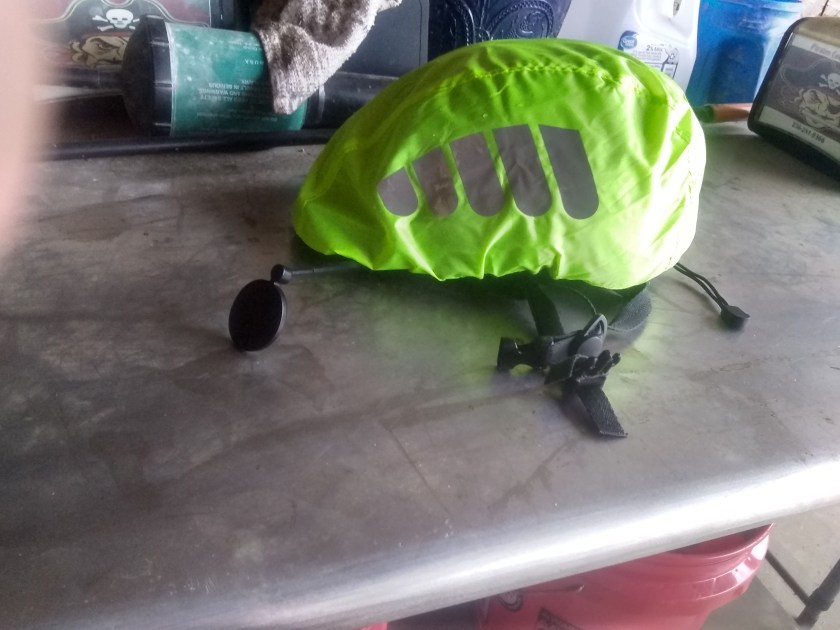
Photos from today’s ride:

New helmet cover.

Why I ride:

Biking is something I both love and hate. The conflicting emotions arise from the undeniable physical effort it demands. However, this exertion is precisely what makes it an excellent form of exercise. Most days, I dedicate over an hour to my cycling routine, and in doing so, I’ve discovered a unique opportunity to enjoy a good book or podcast. The rhythmic pedaling and the wind against my face create a calming backdrop that allows me to fully immerse myself in the content. In these moments, the time spent on the bike seems worthwhile, as I can’t help but appreciate the mental and physical rewards it offers.

I especially like having ridden. The post-biking feeling is one of pure satisfaction. The endorphin rush, coupled with a sense of accomplishment, makes the initial struggle and fatigue worthwhile. As I dismount and catch my breath, I relish the sensation of having conquered the challenge, both physically and mentally. It’s a reminder that the things we sometimes love to hate can often be the ones that bring us the most fulfillment. In the end, the love-hate relationship with biking only deepens my appreciation for the sport, as it continually pushes me to overcome my own limitations and embrace the rewards that follow the effort.


Why you should ride:

Improves Sleep Quality:

Cycling can have a significant positive impact on sleep quality. Here’s how this activity helps in enhancing the quality of rest:

  • Physical Exhaustion Leads to Better Sleep: Regular cycling, especially when done at a moderate to high intensity, can lead to physical tiredness, which can help you fall asleep faster and enjoy a deeper sleep. Physical activity, like cycling, uses energy and promotes the need for restorative sleep.
  • Reduces Stress and Anxiety: Cycling’s ability to reduce stress and anxiety can have a direct impact on sleep quality. High stress and anxiety levels are known to disrupt sleep patterns. By alleviating these issues, cycling can facilitate a more relaxed state conducive to good sleep.
  • Balances Circadian Rhythms: Exposure to natural light during outdoor cycling helps regulate the body’s circadian rhythms (the internal body clock that controls sleep-wake cycles). Regular exposure to daylight, particularly in the morning, can help normalize sleep patterns.
  • Reduces Sleep Apnea and Insomnia: Regular physical activities like cycling can reduce symptoms of sleep disorders such as sleep apnea and insomnia. By improving cardiovascular health and reducing weight, cycling can lead to more regular breathing patterns and a reduction in sleep disturbances.
  • Increases Deep Sleep: Exercise such as cycling increases the time spent in deep sleep, the most physically restorative sleep phase. Deep sleep helps to bolster the immune system, supports cardiac health, and controls stress and anxiety.
  • Regulates Body Temperature: Post-exercise drop in body temperature can help to facilitate sleep. After cycling, as the body’s temperature gradually lowers, it can signal the body that it’s time to sleep.
  • Improves Mental Health: Given cycling’s benefits for mental health, including the reduction of symptoms of depression and anxiety, it can indirectly contribute to better sleep. Good mental health is a key component in achieving quality sleep.
  • Lifestyle Regulation: Regular cyclists often adopt healthier lifestyles, including better diet and sleep routines. A healthier overall lifestyle contributes to improved sleep quality.
  • Relieves Chronic Pain: For individuals suffering from chronic pain, cycling’s role in pain reduction can lead to improved sleep. Pain is a common cause of disrupted sleep, and by alleviating pain, cycling can contribute to more restful nights.
  • Enhances Relaxation: Cycling, particularly at a moderate intensity, can be quite relaxing. This relaxation effect can extend into the evening, helping to prepare the body and mind for sleep.
  • Boosts Sleep-promoting Hormones: Physical activity like cycling can increase the production of sleep-promoting hormones like melatonin, especially when done in natural light. Melatonin is a key hormone in regulating the sleep-wake cycle.

In conclusion, cycling can be an effective way to improve sleep quality through a combination of physical exertion, reduction in mental health symptoms, regulation of biological rhythms, and promotion of a healthier lifestyle. Good quality sleep is essential for overall health and well-being, and cycling can play a crucial role in achieving this.


Please watch

Here’s a couple of links to groups I like. Hopefully, they’ll encourage you to start riding a bike, no matter your age.

Cycling for those aged 70+(opens in a new tab)


Solitary Cycling(opens in a new tab)


My bike:

A Rockhopper by Specialized. I purchased it November 2021 from Venture Out in Guntersville; Mike is top notch! So is the bike. The ‘old’ man seat was salvaged from an old Walmart bike. Seat replaced with new one from Venture Out.


What I’m listening to:

Novel:


Amazon abstract:

NATIONAL BESTSELLER • The Girl with the Dragon Tattoo series continues: Lisbeth Salander must face the most important battle of her life, and will finally put her past to rest in this thriller that will “leave Salander’s legion of followers clamoring for more” (The Wall Street Journal). • Also known as the Millennium series

Mikael Blomkvist is trying to reach Lisbeth Salander—the fierce, unstoppable girl with the dragon tattoo. He needs her help unraveling the identity of a man who died with Blomkvist’s phone number in his pocket—a man who does not exist in any official records and whose garbled last words hinted at knowledge that would be dangerous to important people. But Lisbeth has disappeared. She’s sold her apartment in Stockholm. She’s gone dark. She’s told no one where she is. And no one is aware that at long last she’s got her primal enemy, her twin sister, Camilla, squarely in her sights.

Look for the latest book in the Girl with the Dragon Tattoo series, The Girl in the Eagle’s Talons, coming soon!


Blinkist nonfiction book summaries:

Emotional Intelligence, by Daniel Goleman.

Podcasts:

Waking Up app series/courses:

None today.


Here’s a few photos from previous riding adventures:

11/30/23 Biking & Listening

Here’s today’s bike ride metrics. Temperature at beginning of ride: 50 degrees. Brilliant sun with beautiful blue sky, but a little windy.


Photos from today’s ride:

None today.

Why I ride:

Biking is something I both love and hate. The conflicting emotions arise from the undeniable physical effort it demands. However, this exertion is precisely what makes it an excellent form of exercise. Most days, I dedicate over an hour to my cycling routine, and in doing so, I’ve discovered a unique opportunity to enjoy a good book or podcast. The rhythmic pedaling and the wind against my face create a calming backdrop that allows me to fully immerse myself in the content. In these moments, the time spent on the bike seems worthwhile, as I can’t help but appreciate the mental and physical rewards it offers.

I especially like having ridden. The post-biking feeling is one of pure satisfaction. The endorphin rush, coupled with a sense of accomplishment, makes the initial struggle and fatigue worthwhile. As I dismount and catch my breath, I relish the sensation of having conquered the challenge, both physically and mentally. It’s a reminder that the things we sometimes love to hate can often be the ones that bring us the most fulfillment. In the end, the love-hate relationship with biking only deepens my appreciation for the sport, as it continually pushes me to overcome my own limitations and embrace the rewards that follow the effort.


Why you should ride:

Helps Control Depression Symptoms:

Cycling can be a beneficial activity for individuals dealing with depression, providing both physical and psychological benefits that can help alleviate symptoms. Here’s a deeper look into how cycling helps in controlling depression symptoms:

  • Endorphin Release: Similar to its role in reducing anxiety, cycling leads to the release of endorphins, the body’s natural mood elevators. These biochemicals are known for their role in pain relief and can induce a feeling of well-being, helping to mitigate depressive symptoms.
  • Increased Dopamine and Serotonin: Regular cycling boosts the levels of neurotransmitters like dopamine and serotonin, which are often deficient in people with depression. These neurotransmitters play a crucial role in regulating mood, and their increased levels can lead to improved mood states.
  • Physical Health Benefits: Improved physical health through regular cycling can positively affect mental health. Physical activity helps in regulating sleep patterns, reducing weight, and improving overall bodily function, all of which can have positive effects on mood and help ease depression symptoms.
  • Reduced Inflammation: Regular exercise, including cycling, can reduce bodily inflammation, which has been linked to depression. By reducing inflammation, cycling can play a role in alleviating depressive symptoms.
  • Stress Reduction: Cycling is effective in lowering the body’s stress hormones, such as cortisol, which can be elevated in individuals with depression. By reducing stress, cycling can help in creating a more balanced mental state.
  • Cognitive Function Enhancement: Exercise, including cycling, has been shown to improve cognitive function, which can be impaired in depression. Improved cognition can lead to better coping strategies and decision-making, which can help in managing depression.
  • Social Interaction and Support: Group cycling or participating in cycling clubs can offer social support, which is crucial for those dealing with depression. The feeling of belonging and the social interaction involved can provide emotional support and a sense of community.
  • Increased Self-Esteem and Mastery: Setting and achieving cycling goals, whether it’s increasing distance, improving speed, or mastering a new route, can boost self-esteem and provide a sense of accomplishment. These feelings can counteract some of the helplessness or low self-esteem associated with depression.
  • Mindfulness and Present Moment Awareness: The focus required in cycling promotes mindfulness and present moment awareness. This can help individuals with depression to break the cycle of negative, ruminative thought patterns that often accompany the condition.
  • Exposure to Sunlight and Nature: Cycling outdoors, particularly in natural settings, can provide exposure to sunlight, which helps in Vitamin D production and has mood-lifting effects. Natural environments have been shown to have therapeutic effects, reducing symptoms of depression.
  • Routine and Structure: Incorporating cycling into a daily or weekly routine can provide a sense of structure, which can be beneficial for people with depression. Regular routines are known to help create a sense of normalcy and purpose.

In summary, cycling addresses several aspects of depression, from the biochemical to the psychological and social. While it is not a substitute for professional treatment, it can be a valuable complementary activity for those managing depression. Regular cycling can offer a natural and effective way to help control symptoms and improve overall mental health.


Please watch

Here’s a couple of links to groups I like. Hopefully, they’ll encourage you to start riding a bike, no matter your age.

Cycling for those aged 70+(opens in a new tab)


Solitary Cycling(opens in a new tab)


My bike:

A Rockhopper by Specialized. I purchased it November 2021 from Venture Out in Guntersville; Mike is top notch! So is the bike. The ‘old’ man seat was salvaged from an old Walmart bike. Seat replaced with new one from Venture Out.


What I’m listening to:

Novel:


Amazon abstract:

NATIONAL BESTSELLER • The Girl with the Dragon Tattoo series continues: Lisbeth Salander must face the most important battle of her life, and will finally put her past to rest in this thriller that will “leave Salander’s legion of followers clamoring for more” (The Wall Street Journal). • Also known as the Millennium series

Mikael Blomkvist is trying to reach Lisbeth Salander—the fierce, unstoppable girl with the dragon tattoo. He needs her help unraveling the identity of a man who died with Blomkvist’s phone number in his pocket—a man who does not exist in any official records and whose garbled last words hinted at knowledge that would be dangerous to important people. But Lisbeth has disappeared. She’s sold her apartment in Stockholm. She’s gone dark. She’s told no one where she is. And no one is aware that at long last she’s got her primal enemy, her twin sister, Camilla, squarely in her sights.

Look for the latest book in the Girl with the Dragon Tattoo series, The Girl in the Eagle’s Talons, coming soon!


Blinkist nonfiction book summaries:

Bird by Bird, by Anne Lamott.

Wired for Story, by Lisa Cron.

Podcast episodes:

Waking Up app series/courses:

None today.


Here’s a few photos from previous riding adventures:

11/29/23 Biking & Listening

Here’s today’s bike ride metrics. Temperature at beginning of ride: 45 degrees. Brilliant sun with beautiful blue sky, but a little windy.


Photos from today’s ride

None today.

Why I ride

Biking is something I both love and hate. The conflicting emotions arise from the undeniable physical effort it demands. However, this exertion is precisely what makes it an excellent form of exercise. Most days, I dedicate over an hour to my cycling routine, and in doing so, I’ve discovered a unique opportunity to enjoy a good book or podcast. The rhythmic pedaling and the wind against my face create a calming backdrop that allows me to fully immerse myself in the content. In these moments, the time spent on the bike seems worthwhile, as I can’t help but appreciate the mental and physical rewards it offers.

I especially like having ridden. The post-biking feeling is one of pure satisfaction. The endorphin rush, coupled with a sense of accomplishment, makes the initial struggle and fatigue worthwhile. As I dismount and catch my breath, I relish the sensation of having conquered the challenge, both physically and mentally. It’s a reminder that the things we sometimes love to hate can often be the ones that bring us the most fulfillment. In the end, the love-hate relationship with biking only deepens my appreciation for the sport, as it continually pushes me to overcome my own limitations and embrace the rewards that follow the effort.


Why you should ride

Reduces Anxiety:

Regular cycling can play a significant role in reducing anxiety, offering both immediate and long-term benefits. Here’s how it contributes to managing and alleviating symptoms of anxiety:

  • Physical Activity and Anxiety Reduction: Engaging in physical exercise like cycling has been shown to reduce overall levels of tension, elevate and stabilize mood, improve sleep, and improve self-esteem. Even five minutes of aerobic exercise can stimulate anti-anxiety effects.
  • Endorphins and Neurotransmitters: Cycling stimulates the production of endorphins, the body’s natural feel-good neurotransmitters. Additionally, it increases the levels of other neurotransmitters like serotonin and dopamine, which are often low in individuals with anxiety. This biochemical boost can lead to a reduction in anxiety symptoms.
  • Stress Hormone Reduction: Regular physical activity, such as cycling, lowers the body’s stress hormones, like cortisol and adrenaline, over time. Lower levels of these hormones can lead to a reduction in anxiety.
  • Improved Sleep Patterns: Cycling can help regulate your sleep patterns, which can be particularly beneficial for those whose anxiety disrupts their sleep. Better sleep not only helps reduce anxiety levels but also improves overall health.
  • Mindfulness and Focus: Cycling requires a level of focus and presence, which can act as a form of mindfulness exercise. This focus on the present moment can be a powerful tool in managing anxiety, as it shifts attention away from anxious thoughts.
  • Sense of Control and Mastery: Learning new skills and improving cycling performance can provide a sense of control and mastery. For individuals with anxiety, this sense of achievement and the ability to set and meet goals can be empowering and anxiety-reducing.
  • Social Interaction: If you cycle in groups or join a cycling community, the social interaction and support can be therapeutic. Social engagement can alleviate feelings of anxiety and provide a sense of belonging.
  • Nature and Outdoor Exposure: Cycling outdoors, especially in green spaces, can reduce anxiety levels. Nature exposure has been linked to decreased rumination (repetitive, negative thoughts) and reduced activity in the subgenual prefrontal cortex, a brain area related to mental illness.
  • Routine and Structure: Having a routine can be beneficial for people with anxiety. Regular cycling provides structure and a sense of predictability, which can help alleviate feelings of anxiety.
  • Distraction and Diversion: Cycling can offer a healthy distraction from the everyday stressors and worries that fuel anxiety. Engaging in a physical activity that you enjoy can be a form of diversion that allows your mind to take a break from anxious thoughts.
  • Cardiovascular Fitness and Anxiety: Improved cardiovascular fitness through cycling can also lead to reduced symptoms of anxiety. A healthy heart and lungs are linked to overall health, which includes mental health.

Incorporating cycling into a regular routine can thus be a valuable part of a comprehensive approach to managing anxiety. It provides both physiological and psychological benefits that contribute to reduced anxiety levels.


Please watch

Here’s a couple of links to groups I like. Hopefully, they’ll encourage you to start riding a bike, no matter your age.

Cycling for those aged 70+(opens in a new tab)


Solitary Cycling(opens in a new tab)


My bike

A Rockhopper by Specialized. I purchased it November 2021 from Venture Out in Guntersville; Mike is top notch! So is the bike. The ‘old’ man seat was salvaged from an old Walmart bike. Seat replaced with new one from Venture Out.


What I’m listening to

Novel:


Amazon abstract:

NATIONAL BESTSELLER • The Girl with the Dragon Tattoo series continues: Lisbeth Salander must face the most important battle of her life, and will finally put her past to rest in this thriller that will “leave Salander’s legion of followers clamoring for more” (The Wall Street Journal). • Also known as the Millennium series

Mikael Blomkvist is trying to reach Lisbeth Salander—the fierce, unstoppable girl with the dragon tattoo. He needs her help unraveling the identity of a man who died with Blomkvist’s phone number in his pocket—a man who does not exist in any official records and whose garbled last words hinted at knowledge that would be dangerous to important people. But Lisbeth has disappeared. She’s sold her apartment in Stockholm. She’s gone dark. She’s told no one where she is. And no one is aware that at long last she’s got her primal enemy, her twin sister, Camilla, squarely in her sights.

Look for the latest book in the Girl with the Dragon Tattoo series, The Girl in the Eagle’s Talons, coming soon!


Blinkist nonfiction book summaries

None today.

Podcast episodes:

Waking Up app series/courses:

None today.


Here’s a few photos from previous riding adventures:

11/28/23 Biking & Listening

Here’s today’s bike ride metrics. Temperature at beginning of ride: 45 degrees. Brilliant sun with beautiful blue sky, but a little windy.


Photos from today’s ride

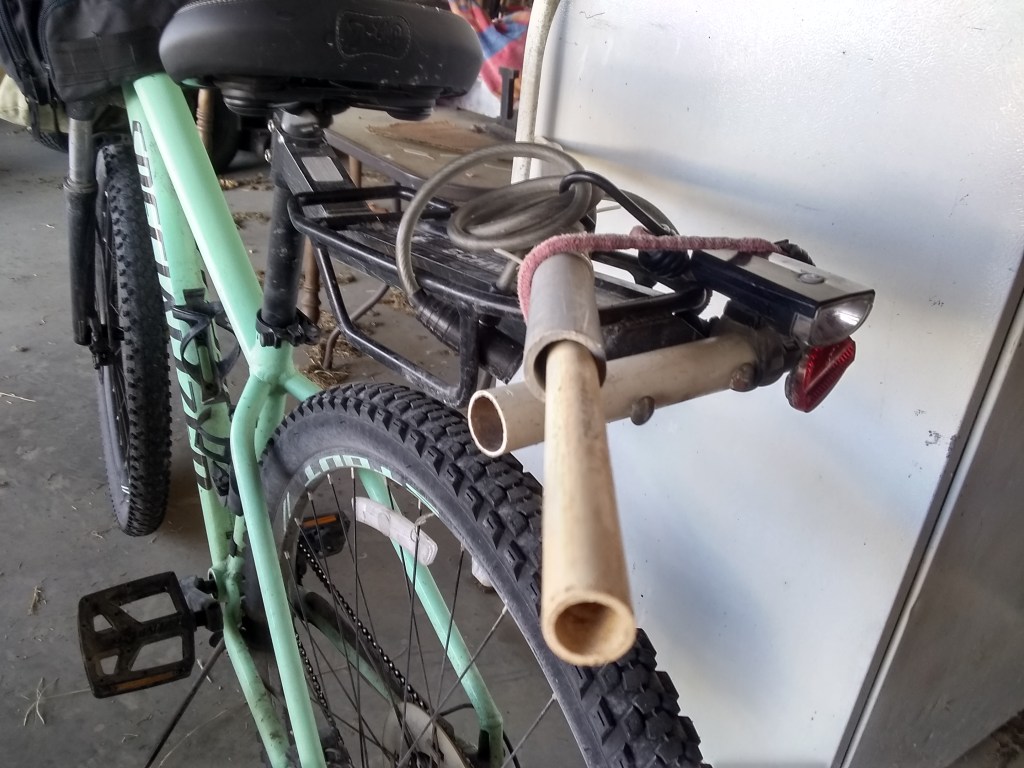
I’m a rigger.

Why I ride

Biking is something I both love and hate. The conflicting emotions arise from the undeniable physical effort it demands. However, this exertion is precisely what makes it an excellent form of exercise. Most days, I dedicate over an hour to my cycling routine, and in doing so, I’ve discovered a unique opportunity to enjoy a good book or podcast. The rhythmic pedaling and the wind against my face create a calming backdrop that allows me to fully immerse myself in the content. In these moments, the time spent on the bike seems worthwhile, as I can’t help but appreciate the mental and physical rewards it offers.

I especially like having ridden. The post-biking feeling is one of pure satisfaction. The endorphin rush, coupled with a sense of accomplishment, makes the initial struggle and fatigue worthwhile. As I dismount and catch my breath, I relish the sensation of having conquered the challenge, both physically and mentally. It’s a reminder that the things we sometimes love to hate can often be the ones that bring us the most fulfillment. In the end, the love-hate relationship with biking only deepens my appreciation for the sport, as it continually pushes me to overcome my own limitations and embrace the rewards that follow the effort.


Why you should ride

Enhances the Sense of Well-being:

Cycling can profoundly enhance an individual’s overall sense of well-being. This sense of well-being goes beyond the temporary ‘feel good’ state; it encapsulates a deeper and more sustained level of contentment and life satisfaction. Here’s a look at how cycling contributes to this state:

  • Connection with the Environment: Cycling, particularly outdoors, allows for an immersive experience with the environment. This connection to the outdoors and nature can significantly contribute to a person’s sense of well-being. Being outside and engaging with the landscape allows for a grounding experience that can help one feel more in tune with the world around them.
  • Improvement in Physical Health: There is a strong link between physical health and well-being. Regular cycling helps improve cardiovascular health, build muscle, and control weight, which in turn contributes to better physical health and a stronger sense of well-being.
  • Sense of Autonomy and Freedom: The ability to hop on a bike and go wherever you choose can instill a powerful sense of freedom and autonomy. This feeling can be especially potent in urban environments where traffic and congestion can make people feel trapped. Cycling offers an alternative that is not only efficient but also provides a liberating experience.
  • Mindfulness and Presence: The focus required when cycling — from navigating the road to maintaining balance — encourages a state of mindfulness. This practice of being present can significantly reduce levels of stress and anxiety, contributing to an enhanced sense of well-being.
  • Regular Routine and Exercise: Establishing a routine that includes regular exercise like cycling can provide structure and purpose to one’s day or week. This consistency is beneficial for mental health, as it can help to combat feelings of aimlessness or uncertainty.
  • Social Connection: For many, cycling is a social activity. Whether it’s joining a cycling club or participating in group rides, the social aspect of cycling can foster a sense of community and belonging, which is essential for well-being.
  • Accomplishment and Progress: Setting and achieving goals is a key part of cycling. Whether it’s increasing the distance of rides or improving speed, the progress made is tangible. This sense of accomplishment feeds into a person’s self-efficacy and contributes to their overall well-being.
  • Mental Respite: Cycling can provide a break from the mental clutter of everyday life. This respite is vital for mental recovery and can help maintain a balanced perspective on life’s challenges.
  • Reduction in Negative Health Behaviors: Regular cycling can also lead to a reduction in negative health behaviors, such as sedentary living and poor dietary choices. By promoting a healthier lifestyle, cycling helps prevent the onset of health conditions associated with these behaviors, enhancing one’s well-being.
  • Balance in Life Domains: Cycling can help balance various life domains — physical, emotional, social, and sometimes even spiritual. This balance is crucial for a holistic sense of well-being.

In essence, the well-being derived from cycling is multifaceted, affecting the cyclist’s physical health, emotional state, social life, and overall lifestyle. The compound effect of these benefits contributes to a deeper and more sustainable sense of well-being, making cycling not just an exercise for the body, but also nourishment for the soul.


Please watch

Here’s a couple of links to groups I like. Hopefully, they’ll encourage you to start riding a bike, no matter your age.

Cycling for those aged 70+(opens in a new tab)


Solitary Cycling(opens in a new tab)


My bike

A Rockhopper by Specialized. I purchased it November 2021 from Venture Out in Guntersville; Mike is top notch! So is the bike. The ‘old’ man seat was salvaged from an old Walmart bike. Seat replaced with new one from Venture Out.


What I’m listening to

Novel:


Amazon abstract:

NATIONAL BESTSELLER • The Girl with the Dragon Tattoo series continues: Lisbeth Salander must face the most important battle of her life, and will finally put her past to rest in this thriller that will “leave Salander’s legion of followers clamoring for more” (The Wall Street Journal). • Also known as the Millennium series

Mikael Blomkvist is trying to reach Lisbeth Salander—the fierce, unstoppable girl with the dragon tattoo. He needs her help unraveling the identity of a man who died with Blomkvist’s phone number in his pocket—a man who does not exist in any official records and whose garbled last words hinted at knowledge that would be dangerous to important people. But Lisbeth has disappeared. She’s sold her apartment in Stockholm. She’s gone dark. She’s told no one where she is. And no one is aware that at long last she’s got her primal enemy, her twin sister, Camilla, squarely in her sights.

Look for the latest book in the Girl with the Dragon Tattoo series, The Girl in the Eagle’s Talons, coming soon!


Blinkist nonfiction book summaries

None today.

Podcast episodes:

Waking Up app series/courses:

None today.


Here’s a few photos from previous riding adventures:

11/27/23 Biking & Listening

Here’s today’s bike ride metrics. Temperature at beginning of ride: 38 degrees. Brilliant sun with beautiful blue sky.


Photos from today’s ride

none

Why I ride

Biking is something I both love and hate. The conflicting emotions arise from the undeniable physical effort it demands. However, this exertion is precisely what makes it an excellent form of exercise. Most days, I dedicate over an hour to my cycling routine, and in doing so, I’ve discovered a unique opportunity to enjoy a good book or podcast. The rhythmic pedaling and the wind against my face create a calming backdrop that allows me to fully immerse myself in the content. In these moments, the time spent on the bike seems worthwhile, as I can’t help but appreciate the mental and physical rewards it offers.

I especially like having ridden. The post-biking feeling is one of pure satisfaction. The endorphin rush, coupled with a sense of accomplishment, makes the initial struggle and fatigue worthwhile. As I dismount and catch my breath, I relish the sensation of having conquered the challenge, both physically and mentally. It’s a reminder that the things we sometimes love to hate can often be the ones that bring us the most fulfillment. In the end, the love-hate relationship with biking only deepens my appreciation for the sport, as it continually pushes me to overcome my own limitations and embrace the rewards that follow the effort.


Why you should ride

To increase self-esteem

Riding a bike on a regular basis can lead to dramatic improvements in self-esteem. As we pedal down the street, breeze in our hair, the physical and mental benefits accumulate in ways that profoundly impact how we view ourselves.

On a physical level, cycling strengthens our cardiovascular system, burns calories, and tones core and leg muscles. The sight and feeling of our body transforming, becoming stronger, leaner, and healthier fosters an innate sense of pride. The boost in endorphins and energy makes us feel more vibrant and enthusiastic in tackling other goals. We carry ourselves with more confidence as our posture and physical abilities improve.

The act itself of biking also builds self-esteem. It represents personal accomplishment to bike mile after mile. As we track distance and improve personal bests, we feel empowered seeing hard work pay off. There’s also freedom and independence realized atop two wheels on an open road or bike trail. Feelings of self-reliance translate into improved self-worth.

Pushing past mental barriers and physical discomfort in order to bike builds grit and resilience. We face fears, withstand pain, and refuse to quit. The experience, repeated regularly, makes us see ourselves as determined and strong. It redefines limits on what we can achieve.

In all these ways, the simple act of hopping on a bike and pedaling leads to radical self-transformation from the inside-out. As fitness increases, so does assurance in our skills, abilities, strength, and worth. The boost in confidence changes how we carry ourselves in the world and the belief we have in our inner resources.


Here’s a couple of links to groups I like. Hopefully, they’ll encourage you to start riding a bike, no matter your age.

Cycling for those aged 70+(opens in a new tab)


Solitary Cycling(opens in a new tab)


My bike

A Rockhopper by Specialized. I purchased it November 2021 from Venture Out in Guntersville; Mike is top notch! So is the bike. The ‘old’ man seat was salvaged from an old Walmart bike (update: seat replaced, new photo to follow, someday).


What I’m listening to

Novel:


Amazon abstract:

NATIONAL BESTSELLER • The Girl with the Dragon Tattoo series continues: Lisbeth Salander must face the most important battle of her life, and will finally put her past to rest in this thriller that will “leave Salander’s legion of followers clamoring for more” (The Wall Street Journal). • Also known as the Millennium series

Mikael Blomkvist is trying to reach Lisbeth Salander—the fierce, unstoppable girl with the dragon tattoo. He needs her help unraveling the identity of a man who died with Blomkvist’s phone number in his pocket—a man who does not exist in any official records and whose garbled last words hinted at knowledge that would be dangerous to important people. But Lisbeth has disappeared. She’s sold her apartment in Stockholm. She’s gone dark. She’s told no one where she is. And no one is aware that at long last she’s got her primal enemy, her twin sister, Camilla, squarely in her sights.

Look for the latest book in the Girl with the Dragon Tattoo series, The Girl in the Eagle’s Talons, coming soon!


Blinkist nonfiction book summaries

Thinking, Fast and Slow, by Daniel Kahneman

Podcast episodes:

None today.

Waking Up app series/courses:

None today.


Here’s a few photos from previous riding adventures:
11/26/23 Biking & Listening

Here’s today’s bike ride metrics. Temperature at beginning of ride: 50 degrees. Light rain.


From today’s ride

Why I ride

Biking is something I both love and hate. The conflicting emotions arise from the undeniable physical effort it demands. However, this exertion is precisely what makes it an excellent form of exercise. Most days, I dedicate over an hour to my cycling routine, and in doing so, I’ve discovered a unique opportunity to enjoy a good book or podcast. The rhythmic pedaling and the wind against my face create a calming backdrop that allows me to fully immerse myself in the content. In these moments, the time spent on the bike seems worthwhile, as I can’t help but appreciate the mental and physical rewards it offers.

I especially like having ridden. The post-biking feeling is one of pure satisfaction. The endorphin rush, coupled with a sense of accomplishment, makes the initial struggle and fatigue worthwhile. As I dismount and catch my breath, I relish the sensation of having conquered the challenge, both physically and mentally. It’s a reminder that the things we sometimes love to hate can often be the ones that bring us the most fulfillment. In the end, the love-hate relationship with biking only deepens my appreciation for the sport, as it continually pushes me to overcome my own limitations and embrace the rewards that follow the effort.


Why you should ride

To improve Mood Through the Release of Endorphins:

Cycling can significantly uplift one’s mood, and this is closely linked to the body’s production of endorphins during physical activity. Here’s how the process works and why it’s beneficial:

  • Endorphin Release: When you engage in cycling, your body’s response to the physical exertion is to produce endorphins. These are neurotransmitters that the brain releases during prolonged, continuous workouts of moderate to high intensity. They interact with receptors in the brain that reduce your perception of pain and trigger a positive feeling in the body, similar to that of morphine.
  • Natural High: Often referred to as a “natural high,” the endorphins released during cycling can lead to an improvement in mood, a feeling of euphoria, and a more positive outlook on life. This state can be particularly helpful for combating the negative thoughts and feelings associated with anxiety and depression.
  • Stress and Anxiety Reduction: The mood-boosting effect of endorphins is accompanied by a decrease in stress hormones, such as cortisol and adrenaline. This biochemical shift helps alleviate stress and anxiety, creating a more tranquil mental state post-ride.
  • Increased Self-Esteem: Regular boosts in endorphin levels can lead to improvements in self-esteem and self-worth. As you meet cycling goals or simply enjoy the ride, the accompanying endorphin rush reinforces a sense of accomplishment and positivity.
  • Pain Relief: Endorphins also act as analgesics, which means they diminish the perception of pain. They bind to the same neuron receptors as pain medicines but without the addiction and side effects. This can be particularly beneficial for people with chronic pain conditions, as regular cycling can help manage pain and improve quality of life.
  • Improved Cognitive Function: The endorphins released during cycling do more than just improve mood; they also help enhance cognitive functions. They can increase alertness, improve concentration, and help keep the mind sharp.
  • Social Well-being: If you cycle in a group, the shared experience can amplify the endorphin release. Social interactions during group rides can lead to a greater sense of happiness and fulfillment, adding to the mood-lifting effects of endorphins.
  • Long-term Benefits: The mood enhancement from endorphins isn’t just a short-term effect. Regular cycling can contribute to long-term mood stability. It’s often prescribed as part of treatment plans for those with depression and mood disorders because of its ability to produce consistent and predictable mood improvements.

In summary, cycling is not only a physical activity but also a powerful tool for mental health maintenance. The release of endorphins during a ride can help create a more optimistic mental state, combat feelings of depression and anxiety, and foster a general sense of well-being.


Here’s a couple of links to groups I like. Hopefully, they’ll encourage you to start riding a bike, no matter your age.

Cycling for those aged 70+(opens in a new tab)


Solitary Cycling(opens in a new tab)


My bike

A Rockhopper by Specialized. I purchased it November 2021 from Venture Out in Guntersville; Mike is top notch! So is the bike. The ‘old’ man seat was salvaged from an old Walmart bike (update: seat replaced, new photo to follow, someday).


What I’m listening to

Novel:


Amazon abstract:

NATIONAL BESTSELLER • The Girl with the Dragon Tattoo series continues: Lisbeth Salander must face the most important battle of her life, and will finally put her past to rest in this thriller that will “leave Salander’s legion of followers clamoring for more” (The Wall Street Journal). • Also known as the Millennium series

Mikael Blomkvist is trying to reach Lisbeth Salander—the fierce, unstoppable girl with the dragon tattoo. He needs her help unraveling the identity of a man who died with Blomkvist’s phone number in his pocket—a man who does not exist in any official records and whose garbled last words hinted at knowledge that would be dangerous to important people. But Lisbeth has disappeared. She’s sold her apartment in Stockholm. She’s gone dark. She’s told no one where she is. And no one is aware that at long last she’s got her primal enemy, her twin sister, Camilla, squarely in her sights.

Look for the latest book in the Girl with the Dragon Tattoo series, The Girl in the Eagle’s Talons, coming soon!


Blinkist nonfiction book summaries

Sapiens by, Yuval Noah Harari

The Stranger in the Woods, by Michael Finkel

Podcast episodes:

None today.

Waking Up app series/courses:

None today.


Here’s a few photos from previous riding adventures:
11/25/23 Biking & Listening

Here’s today’s bike ride. Temperature at beginning: 52 degrees.


From today’s ride

Why I ride

Biking is something I both love and hate. The conflicting emotions arise from the undeniable physical effort it demands. However, this exertion is precisely what makes it an excellent form of exercise. Most days, I dedicate over an hour to my cycling routine, and in doing so, I’ve discovered a unique opportunity to enjoy a good book or podcast. The rhythmic pedaling and the wind against my face create a calming backdrop that allows me to fully immerse myself in the content. In these moments, the time spent on the bike seems worthwhile, as I can’t help but appreciate the mental and physical rewards it offers.

I especially like having ridden. The post-biking feeling is one of pure satisfaction. The endorphin rush, coupled with a sense of accomplishment, makes the initial struggle and fatigue worthwhile. As I dismount and catch my breath, I relish the sensation of having conquered the challenge, both physically and mentally. It’s a reminder that the things we sometimes love to hate can often be the ones that bring us the most fulfillment. In the end, the love-hate relationship with biking only deepens my appreciation for the sport, as it continually pushes me to overcome my own limitations and embrace the rewards that follow the effort.


Why you should ride

To reduce stress levels:

Regular cycling can act as a powerful stress reliever for several reasons:

  • Physical Exercise: Engaging in physical activity like cycling triggers the release of endorphins, often referred to as the body’s natural painkillers and mood elevators. These biochemical changes in the brain can provide a natural ‘high’, commonly known as the “runner’s high,” which is also attainable through cycling.
  • Rhythm and Repetition: The rhythmic nature of cycling – the consistent pedaling motion – has a calming effect, much like a meditation practice. This rhythmic repetition can help shift focus away from stressors and channel attention into the physical sensation of movement, which can be therapeutic.
  • Outdoor Environment: Cycling outdoors exposes individuals to sunlight, which helps regulate the body’s natural circadian rhythms, improves sleep, and can increase the body’s production of vitamin D. Exposure to daylight, especially in the morning, can reduce levels of the stress hormone cortisol.
  • Engagement with Surroundings: When cycling, especially in scenic environments, the sensory experience – seeing the landscape, smelling the air, feeling the breeze – can promote mindfulness and presence in the moment, reducing rumination and worry that often accompany stress.
  • Escape from Stressors: A bike ride provides an opportunity to take a break from stressful environments or situations. It offers a temporary escape that allows for mental recovery and perspective-gaining, which is essential in managing chronic stress.
  • Cardiovascular Health: Stress can have direct effects on cardiovascular health, and cycling, being an excellent cardiovascular exercise, helps lower blood pressure and heart rate in the long term, which are often elevated due to stress.
  • Social Interaction: For those who cycle in groups, the social interaction that accompanies it can further reduce stress. Social support is a well-known buffer against stress, and group rides or community cycling events can foster a sense of belonging and collective enjoyment.
  • Achievement and Confidence: Completing a challenging ride or achieving a personal milestone in cycling can enhance one’s confidence and self-esteem. Setting and reaching goals through cycling can give a sense of accomplishment that can combat feelings of stress and anxiety.
  • Improved Sleep: Regular cycling, by virtue of physical exertion and stress reduction, can contribute to better sleep patterns. Quality sleep is one of the most effective stress management tools, as it allows the body and mind to recover and regenerate.
  • Distraction: Cycling demands a level of concentration – navigating the terrain, maintaining balance, and sometimes, strategizing in traffic. This required focus can serve as a distraction, allowing a person to take a mental break from stress-inducing thoughts or tasks.

By incorporating cycling into one’s routine, it becomes a sustainable stress management practice. The benefits are not just immediate in terms of the post-exercise feeling of relaxation, but also cumulative, as regular cycling can contribute to a more balanced and less stress-reactive nervous system over time.

Here’s a couple of links to groups I like. Hopefully, they’ll encourage you to start riding a bike, no matter your age.

Cycling for those aged 70+(opens in a new tab)


Solitary Cycling(opens in a new tab)


My bike

A Rockhopper by Specialized. I purchased it November 2021 from Venture Out in Guntersville; Mike is top notch! So is the bike. The ‘old’ man seat was salvaged from an old Walmart bike (update: seat replaced, new photo to follow, someday).


What I’m listening to

Novel:


Amazon abstract:

NATIONAL BESTSELLER • The Girl with the Dragon Tattoo series continues: Lisbeth Salander must face the most important battle of her life, and will finally put her past to rest in this thriller that will “leave Salander’s legion of followers clamoring for more” (The Wall Street Journal). • Also known as the Millennium series

Mikael Blomkvist is trying to reach Lisbeth Salander—the fierce, unstoppable girl with the dragon tattoo. He needs her help unraveling the identity of a man who died with Blomkvist’s phone number in his pocket—a man who does not exist in any official records and whose garbled last words hinted at knowledge that would be dangerous to important people. But Lisbeth has disappeared. She’s sold her apartment in Stockholm. She’s gone dark. She’s told no one where she is. And no one is aware that at long last she’s got her primal enemy, her twin sister, Camilla, squarely in her sights.

Look for the latest book in the Girl with the Dragon Tattoo series, The Girl in the Eagle’s Talons, coming soon!


Blinkist summary

The Science of Storytelling, by Will Storr

Podcast episodes:

Waking Up app series/courses:

Nothing today.


Here’s a few photos from previous riding adventures: