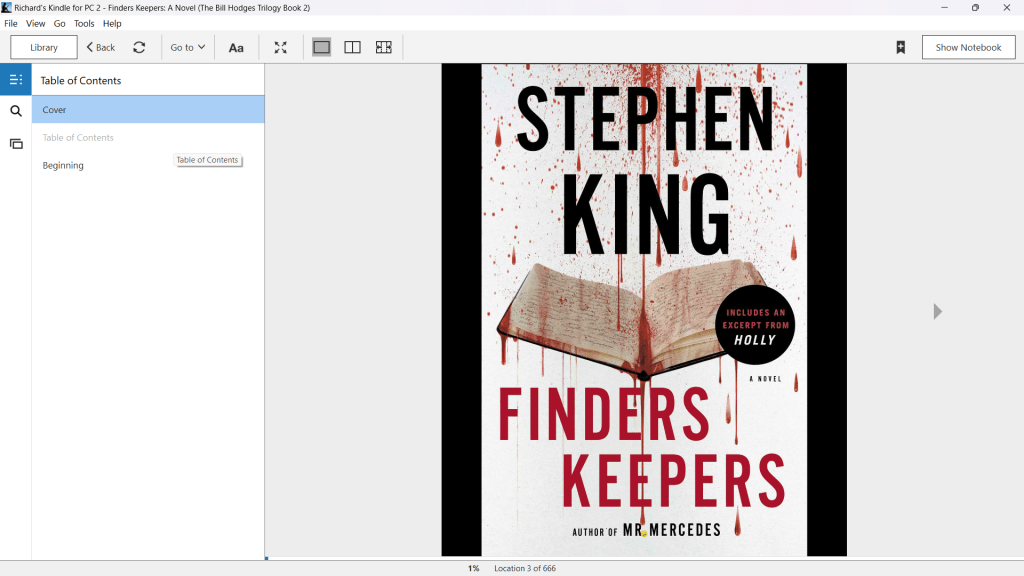
09/15/23 Biking & Listening

Biking is something else I both love and hate. It takes a lot of effort but does provide good exercise and most days over an hour to listen to a good book or podcast. I especially like having ridden.

Here’s my bike, a Rockhopper by Specialized. I purchased it November 2021 from Venture Out in Guntersville; Mike is top notch! So is the bike, and the ‘old’ man seat I salvaged from an old Walmart bike.

Here’s a link to today’s bike ride.


Something to consider if you’re not already cycling.

I encourage you to start riding a bike, no matter your age. Check out these groups:

Cycling for those aged 70+(opens in a new tab)

Solitary Cycling(opens in a new tab)

Remember,

Photo by Suzy Hazelwood on Pexels.com

Novel listening: End of Watch by Stephen King

Abstract: End of Watch

The fabulously suspenseful and “smashing” (The New York Times Book Review) final novel in the Bill Hodges trilogy from the #1 New York Times bestselling author of Mr. Mercedes and Finders Keepers!

For nearly six years, in Room 217 of the Lakes Region Traumatic Brain Injury Clinic, Brady Hartsfield has been in a persistent vegetative state. A complete recovery seems unlikely for the insane perpetrator of the “Mercedes Massacre,” in which eight people were killed and many more maimed for life. But behind the vacant stare, Brady is very much awake and aware, having been pumped full of experimental drugs…scheming, biding his time as he trains himself to take full advantage of the deadly new powers that allow him to wreak unimaginable havoc without ever leaving his hospital room. Brady Hartsfield is about to embark on a new reign of terror against thousands of innocents, hell-bent on taking revenge against anyone who crossed his path—with retired police detective Bill Hodges at the very top of that long list….

Podcasts listened to


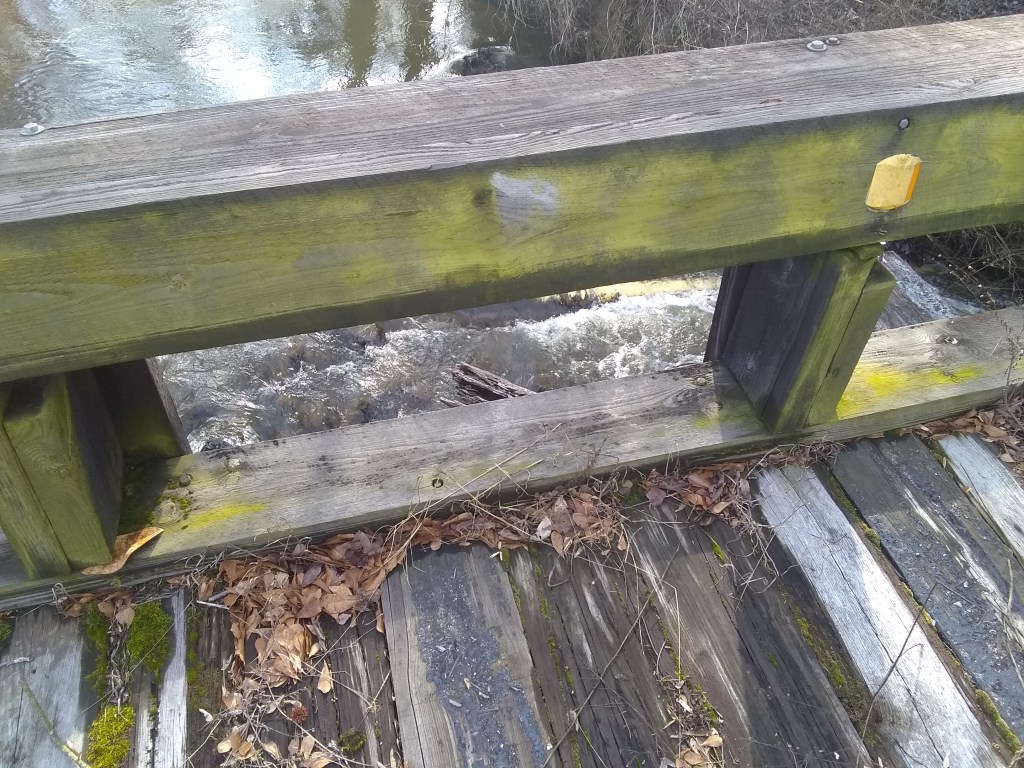
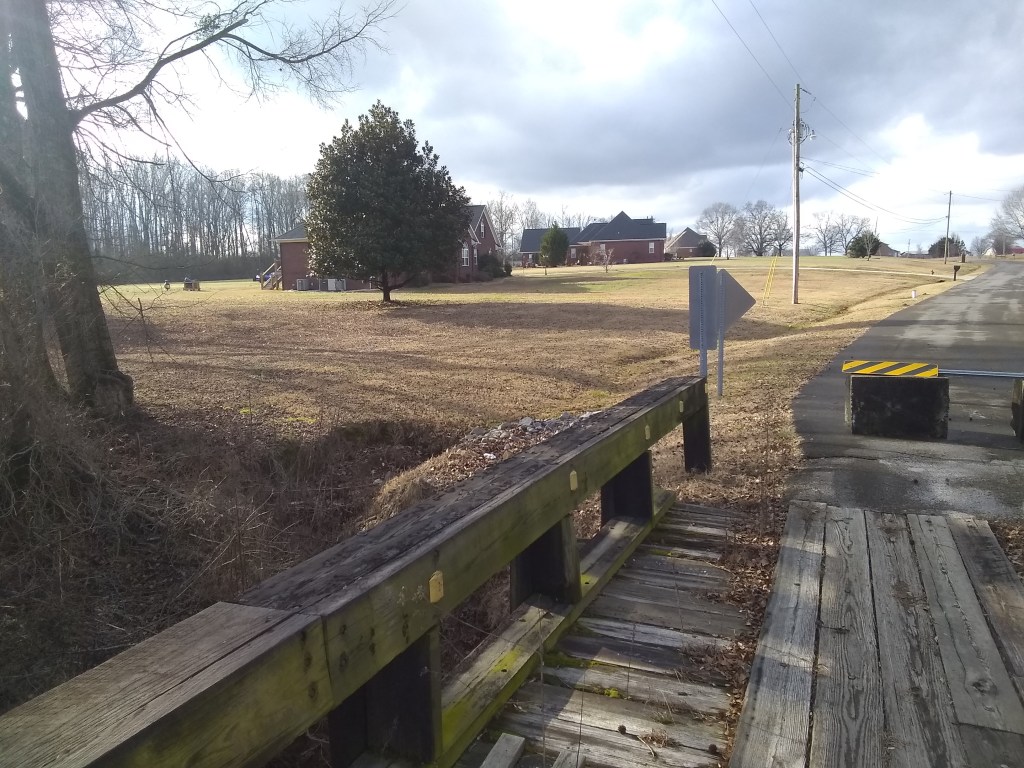
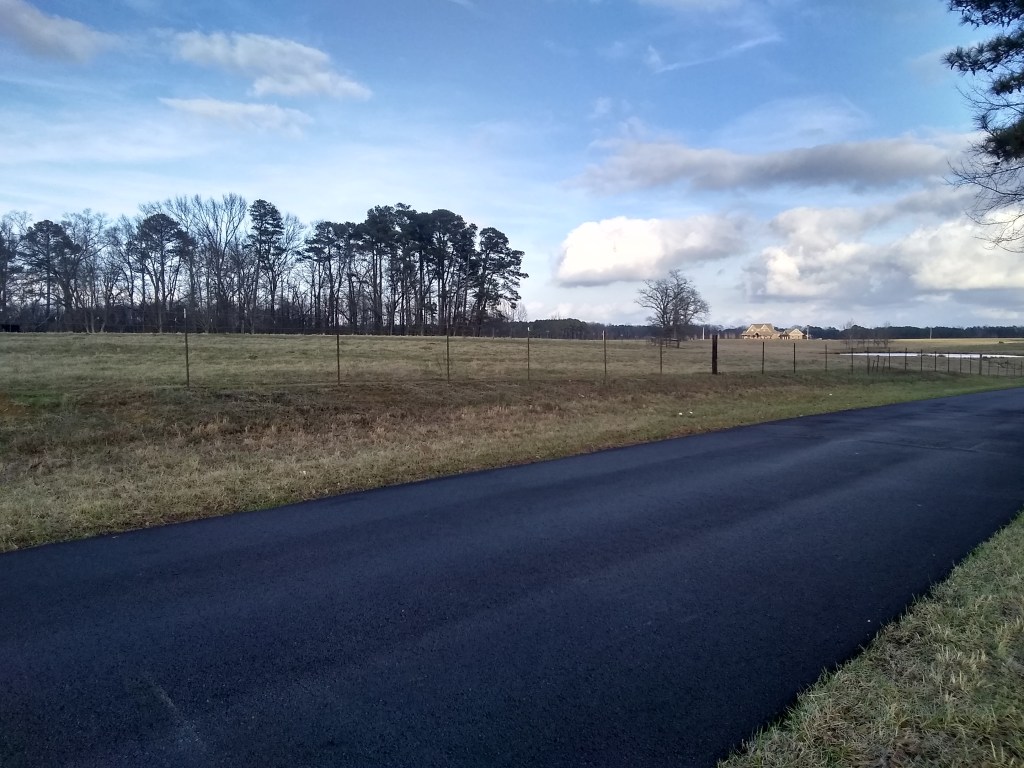
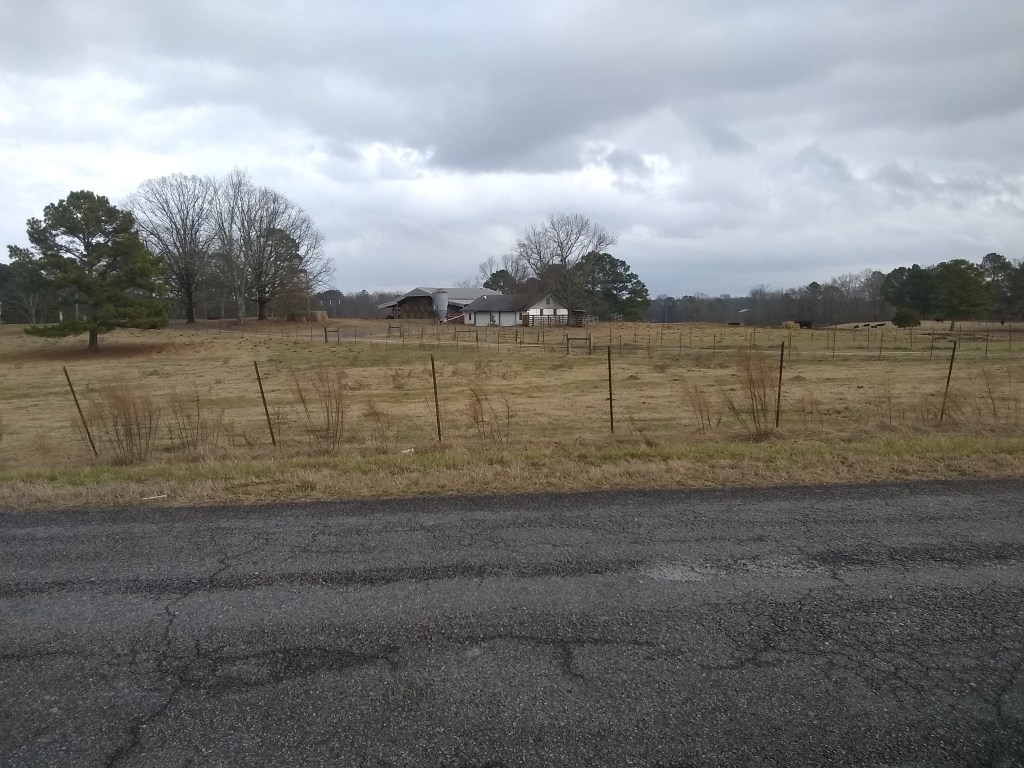
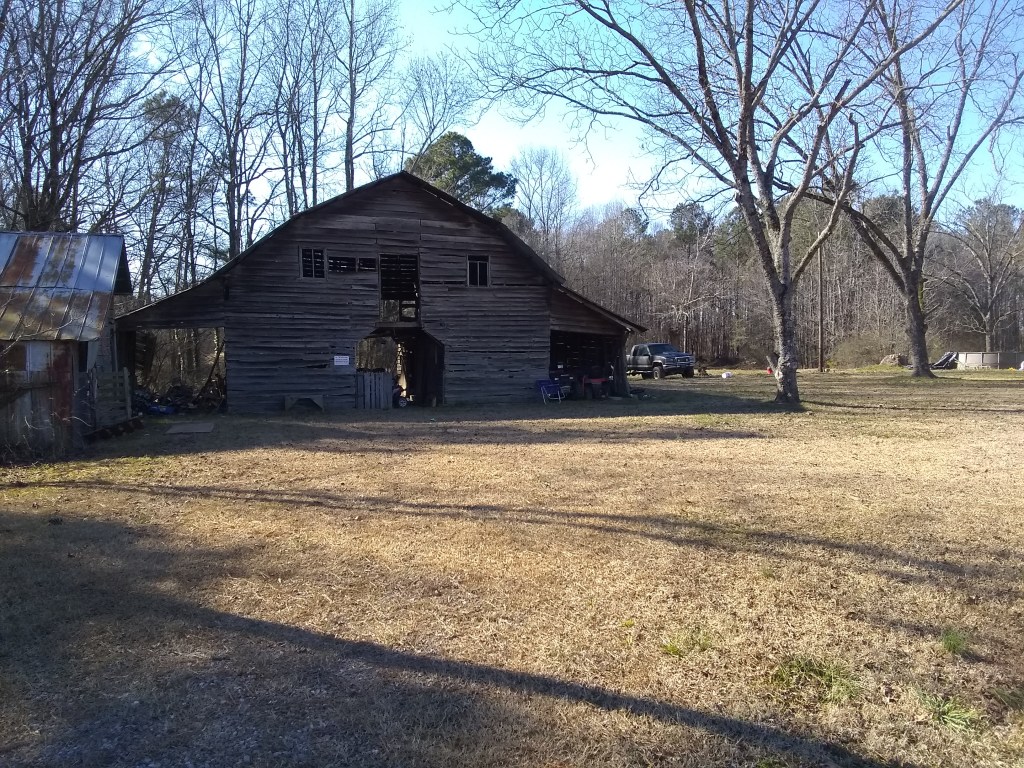
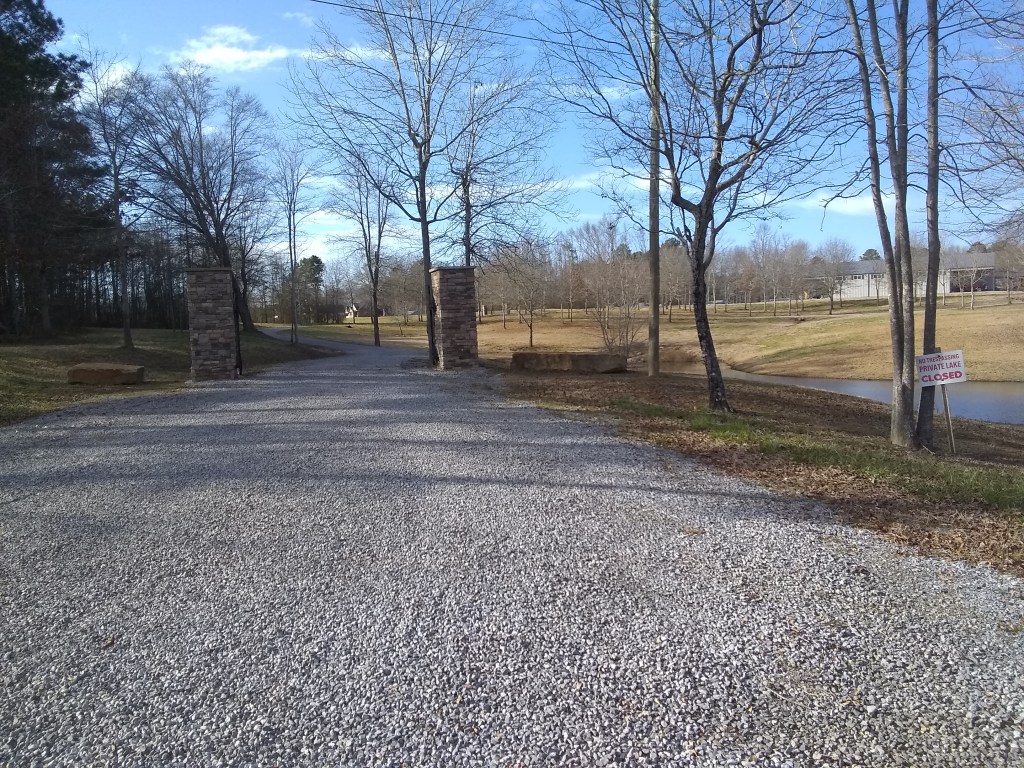
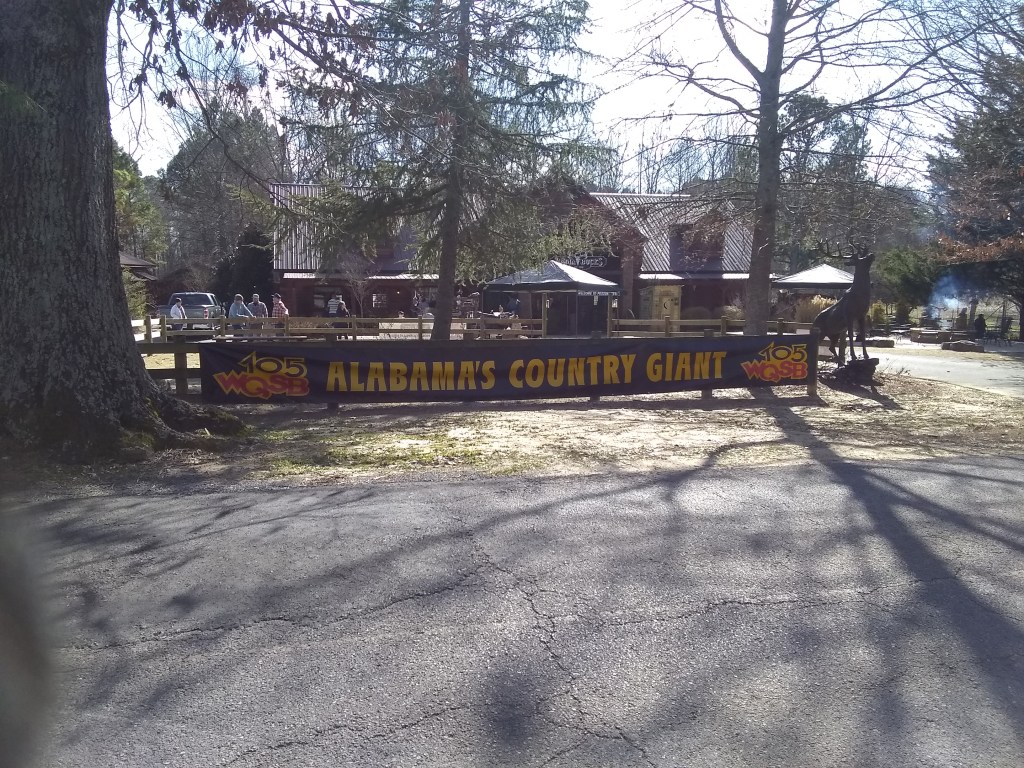
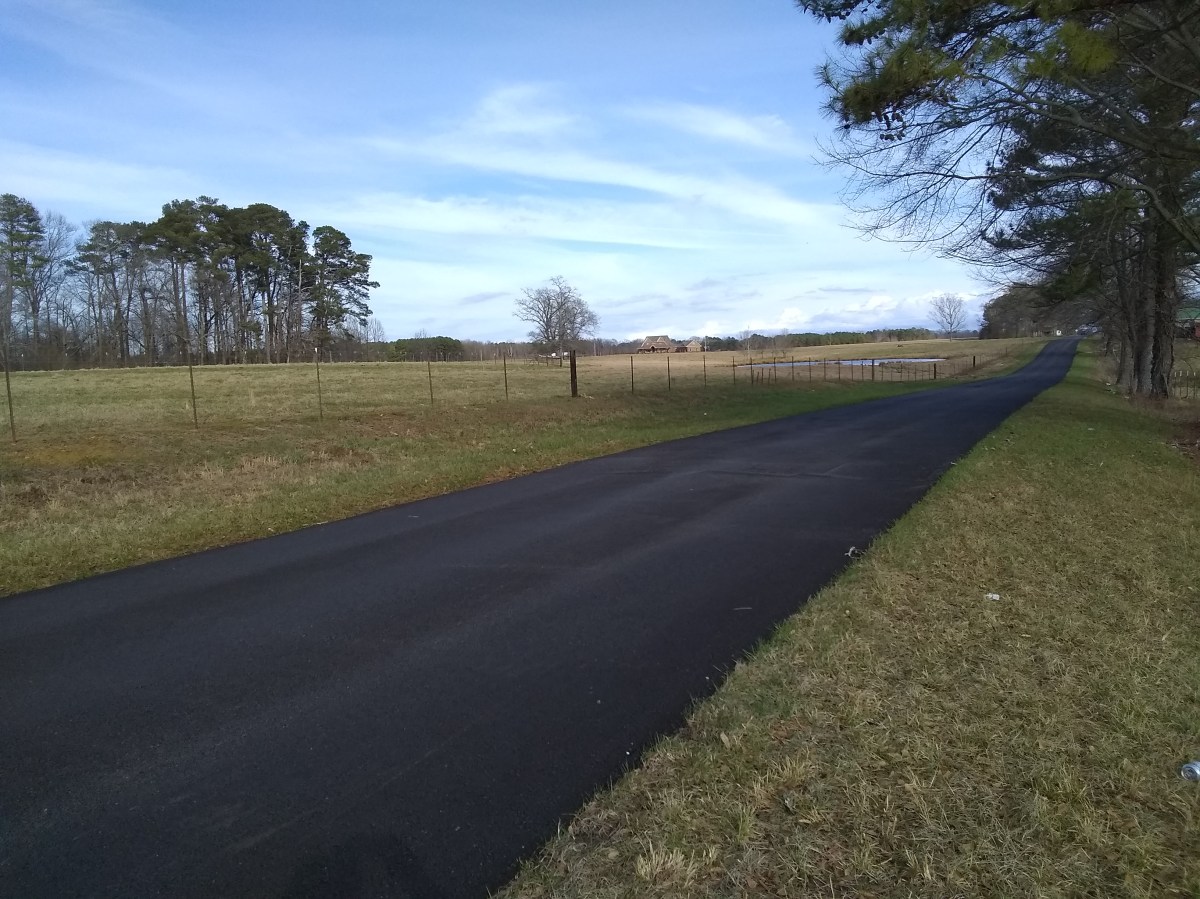
Here’s a few photos from along my pistol route:

The Boaz Stranger–Chapter 59

Kyla called late Friday afternoon with another update. She had just gotten off the phone with Connor Ford and had plenty to share. Kyla didn’t know how he’d obtained his information, but assumed it was through his connections to Sheriff’s Detective Mark Hale and the DA’s Chief Investigator Avery Proctor.

Ray died at 10:08 this morning. Although UAB had operated three times to repair internal damages, it was sepsis that caused his death. What started Tuesday as a treatable and controllable staph infection had entered his bloodstream on Wednesday and rocketed into full-blown sepsis by midday yesterday. Ray lost the battle today, two hours before Jane was released from the hospital and three hours before she called DA Pam Garrison to request a meeting.

The news of Ray’s death was unwelcome. I wanted him alive but locked in an 8 x 8-foot jail cell for the next twenty or thirty years.

The better news Kyla shared was that Jane had made a confession. Of sorts. My immediate thought was that Jane’s willingness to talk was prompted by Ray’s death and her knowledge that he was no longer a threat to her survival.

Jane first confessed to helping Ray disable his ankle monitor but swore she did not know what he intended to do. However, what she had witnessed at the entrance to Dogwood Trail convinced her Ray had killed Billy and Buddy James.

Jane then admitted to tipping Ray off prior to the execution of the search warrant that found his safe completely empty.

Kyla’s words, “I almost forgot. Jane had one central excuse for all her actions, even those I’ll share in a minute, that go all the way back to high school.”

I interrupted sis and inserted what I knew would be Jane’s excuse. “She blamed it all on Ray. Probably said she was under his spell and didn’t act of her free will.”

“Yep,” was Kyla’s response.

I then kept my mouth shut and listened. Over the next several minutes, I learned Jane had denied any involvement in Lillian’s disappearance, arguing vehemently that neither she nor Ted had said anything like what I’d included in my written statement to Officer Wilson. I couldn’t help but think my darling Lillian might not be missing if I’d followed my intellect, which had told me Jane was untrustworthy. My entire being yelled that Jane was a mortal enemy. I was at fault for Lillian’s disappearance, like I was for Kyle’s half-a-century ago.

What Jane divulged about Sharon Teague caught me by surprise. So far, this was the strongest threat to Jane’s freedom. She admitted helping Ray and Rachel kidnap the Albertville High School cheerleader and hide her inside Ronald Archer’s barn off Dogwood Trail. Their intent was to scare the girl into keeping her mouth shut about her and Ray’s pregnancy. The threesome intended to release Sharon within a few days once she assured them of her commitment to stay silent.

Two days later, she was dead. Possibly from a heart attack. All three, Ray, Rachel, and Jane, disposed of her body on the back side of the same farm, thinking no one would ever find her. What they didn’t know at the time was Kyle Bennett had followed them to Ronald’s barn during their last trip. From afar, Kyle had watched the trio move and bury the cheerleader’s lifeless body.

This event naturally required Jane to address the disappearance and ultimate death of Kyle. She easily admitted her role, even including her play-acting at King Street, dressed in Kyle’s clothes. She was careful to limit her exposure to what followed by describing that when the three of them, Ray, Rachel, and herself returned to the shed behind the ice plant, Kyle had disappeared. Rachel’s shocking statement, “Daddy, what have you done?” was Jane’s only clue that Rob Kern was the reason Kyle was no longer stripped to his underwear and tied inside the place they’d left him less than an hour earlier.

The bottom-line concerning Kyle was that his death was still a mystery. At least to Jane. Kyla relayed Jane was clear with DA Garrison that she had a belief, but no actual proof. Jane believed it was Rachel’s father who had taken Kyle, killed him, and disposed of his body, but she didn’t know this for a fact. She quickly answered the DA’s question about conversations she later had with her best friend. Jane swore Rachel never breathed a word about that night, at least to her. She believed with all her heart that Rachel carried the truth to her grave.

At 10:00 PM Friday night, I returned to Starbucks to see if I could gain a better perspective from the one I’d pondered inside the four walls of my Day’s Inn room. By midnight, after three cups of strong coffee, my mind was still in turmoil, not even considering the fate of my beautiful Lillian.

I exited Starbucks and started my eight-minute walk back to the hotel. It was raining. It was cold. I figuratively shook my head sideways as my head got soaked. I realized my two-month trip to Alabama hadn’t been fruitful, but one thing I felt confident about was who had kidnapped and killed Kyle. The fact Jane’s confession loosely aligned with Rosa’s brought credibility to my half-century old question. When I turned right on M & O Street, I had a confession of my own. Until Rosa died, I had convinced myself that it was Ray Archer who had ended Kyle’s life. Now, it seemed obvious I had been wrong. It was Rachel and her father. No wonder the woman who had captured my heart that day in Mrs. Stamps English class had killed herself.

I arrived at my room, drenched, and freezing. After a warm shower, I went to bed dreaming of what life with Lillian would have been like if we hadn’t broken up during my freshman year of college.

***

I tossed and turned all night. It was like I was driving a mountainous road, sleepy but knowing that if I dozed for a second or two, I would careen down the rocky hillside into a life-ending abyss.

At 7:30 am while in the bathroom splashing cold water on my face, my cell started ringing. I walked to the nightstand beside the bed. It was Detective Gass. My mind forewarned me with an image of Rachel lying in her casket at McClam Funeral Home in New Haven. “Hello.”

“Lee, this is Detective Gass. You need to sit and brace yourself. I have some bad news.” It’s funny how the mind works, always filling in knowledge gaps, redrafting hopes, and dreams. The most important thing now wasn’t that I’d find Lillian alive, but that she hadn’t suffered.

The only noise I made was long, sorrowful, and like the one I’d made when I’d found Rachel hanging from the basement ceiling: “oh no, please no, God no.”

“I’m so sorry and I apologize for not being there right now.”

I sat on the bed and interrupted Gass. “I made you promise you’d call the moment you had news.” The next few moments were a nightmare. I could feel my body revolting; it wanted to strike out and hit the wall. Something fully prepared to rip Alex Mandy’s heart out with my bare hands. But my mind was waging a uniquely different battle, that of sleep. Somehow, it knew I needed to concentrate on the road ahead, or I would die. The difference now versus my earlier mountain drive was there was a third element. I did want to die, but my mind didn’t know it, or was in its own battle against itself.

“Do you want me to send an officer for you?” Detective Gass asked. I could hear voices in the background. I couldn’t understand a single word. But I could still understand what was going on from the beeping noise. That was an ambulance backing up. Towards Lillian’s body.

“No, just tell me where you are.” Before I finished my statement, I realized the detective hadn’t told me Lillian was dead. “How did she die?” Those were the most painful four words I’d ever said.

“We’re not sure. She may have drowned.”

“Drowned. Again, where are you?”

“Meigs Falls. It’s about half-an-hour from the Day’s Inn.”

Gass said something else, but I didn’t comprehend. I was too busy booting up my laptop. “How did you find her?”

“Two early morning hikers. They had walked from the Meigs Creek Trailhead to the Falls and spotted her body in the water.”

I finally found the location on Google Maps. I don’t know how, but I asked additional questions. Detective Gass was patient and probably would have talked for hours if that was what I needed. I learned a young couple who had illegally camped by the creek a few hundred feet downstream from the Falls had found Lillian’s body two hours earlier. They had gotten up before daylight to disband camp. Seeing a body wedged between two trees a few feet from their pup tent shocked them.

Gass relayed that crime scene investigators theorized that whoever kidnapped Lillian had brought her to this location and may have hidden her body in the cave-like corridor behind where the plunging water meets the creek below.

“Are you sure it’s her?” was the last question I asked, although I knew the answer. Previously, I had sent him several recent photos of Lillian. Two were closeups.

“I am. We are. The coroner is here and agrees, but we need you to provide the ultimate confirmation.”

Detective Gass asked if I wanted an officer to come and drive me to the medical examiner’s office. Again, I declined. He gave me the address and shared his sorrow over my loss.

Somehow, I gathered my things, checked out of the hotel, and made the forty-minute trip through Pigeon Forge and on to Sevierville without hurting or killing myself or anyone else.

It was after nine before the ambulance arrived from Meigs Creek Trailhead and almost 9:30 before the examiner’s staff had Lillian’s body ready for my viewing and identification.

The moment the coroner pulled back the sheet, I saw her angelic face. I lost it and fell headfirst into the abyss.

09/14/23 Biking & Listening

Biking is something else I both love and hate. It takes a lot of effort but does provide good exercise and most days over an hour to listen to a good book or podcast. I especially like having ridden.

Here’s my bike, a Rockhopper by Specialized. I purchased it November 2021 from Venture Out in Guntersville; Mike is top notch! So is the bike, and the ‘old’ man seat I salvaged from an old Walmart bike.

Here’s a link to today’s bike ride.


Something to consider if you’re not already cycling.

I encourage you to start riding a bike, no matter your age. Check out these groups:

Cycling for those aged 70+(opens in a new tab)

Solitary Cycling(opens in a new tab)

Remember,

Photo by Suzy Hazelwood on Pexels.com

Novel listening: End of Watch by Stephen King

Abstract: End of Watch

The fabulously suspenseful and “smashing” (The New York Times Book Review) final novel in the Bill Hodges trilogy from the #1 New York Times bestselling author of Mr. Mercedes and Finders Keepers!

For nearly six years, in Room 217 of the Lakes Region Traumatic Brain Injury Clinic, Brady Hartsfield has been in a persistent vegetative state. A complete recovery seems unlikely for the insane perpetrator of the “Mercedes Massacre,” in which eight people were killed and many more maimed for life. But behind the vacant stare, Brady is very much awake and aware, having been pumped full of experimental drugs…scheming, biding his time as he trains himself to take full advantage of the deadly new powers that allow him to wreak unimaginable havoc without ever leaving his hospital room. Brady Hartsfield is about to embark on a new reign of terror against thousands of innocents, hell-bent on taking revenge against anyone who crossed his path—with retired police detective Bill Hodges at the very top of that long list….

Podcasts listened to


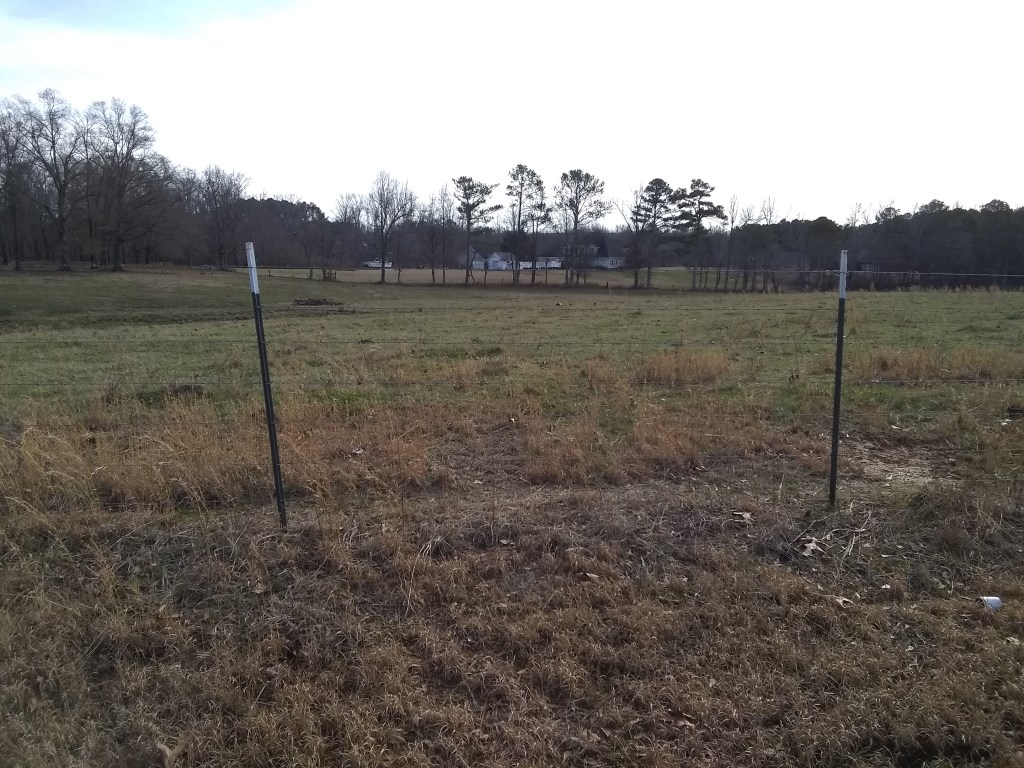
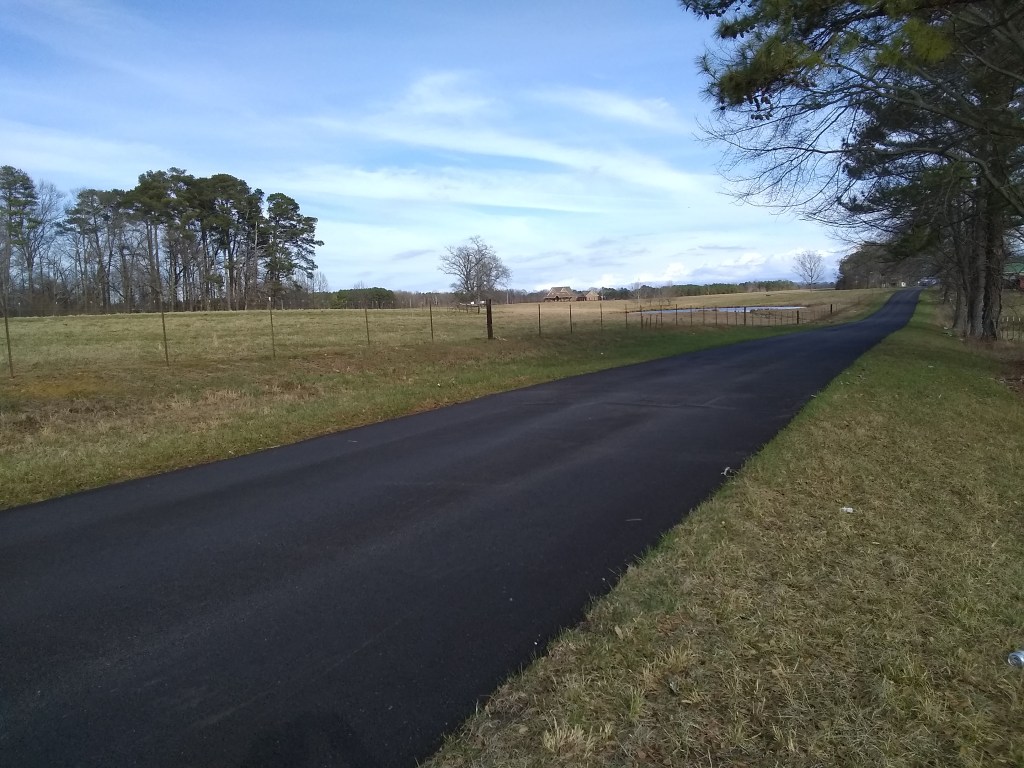
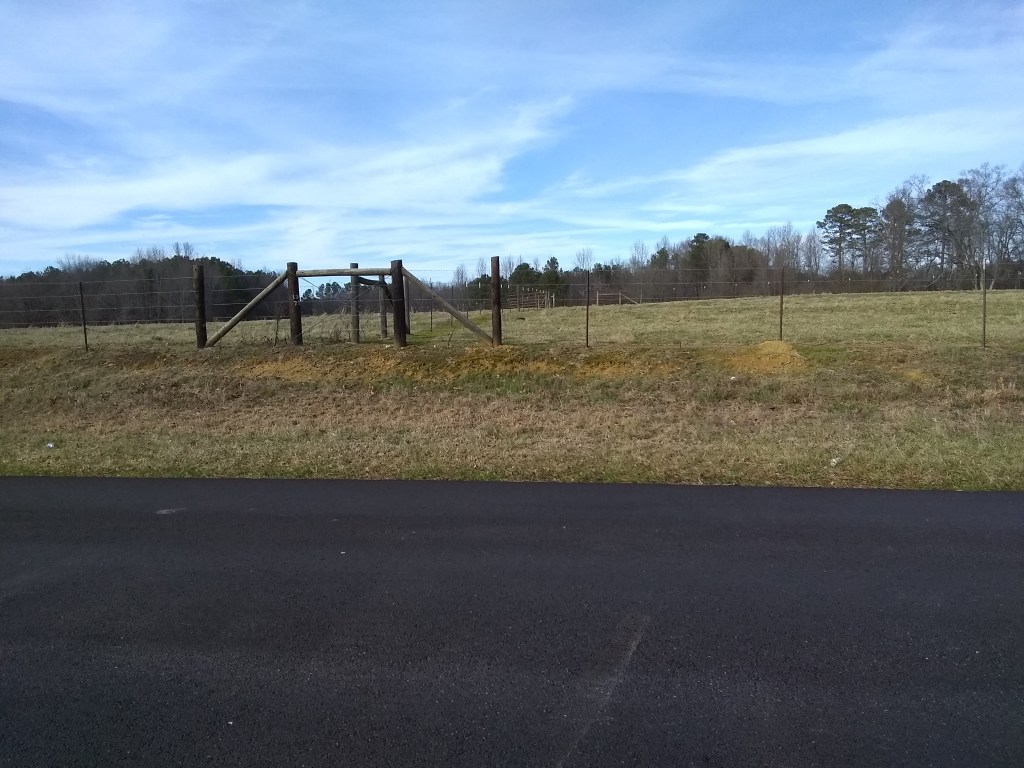
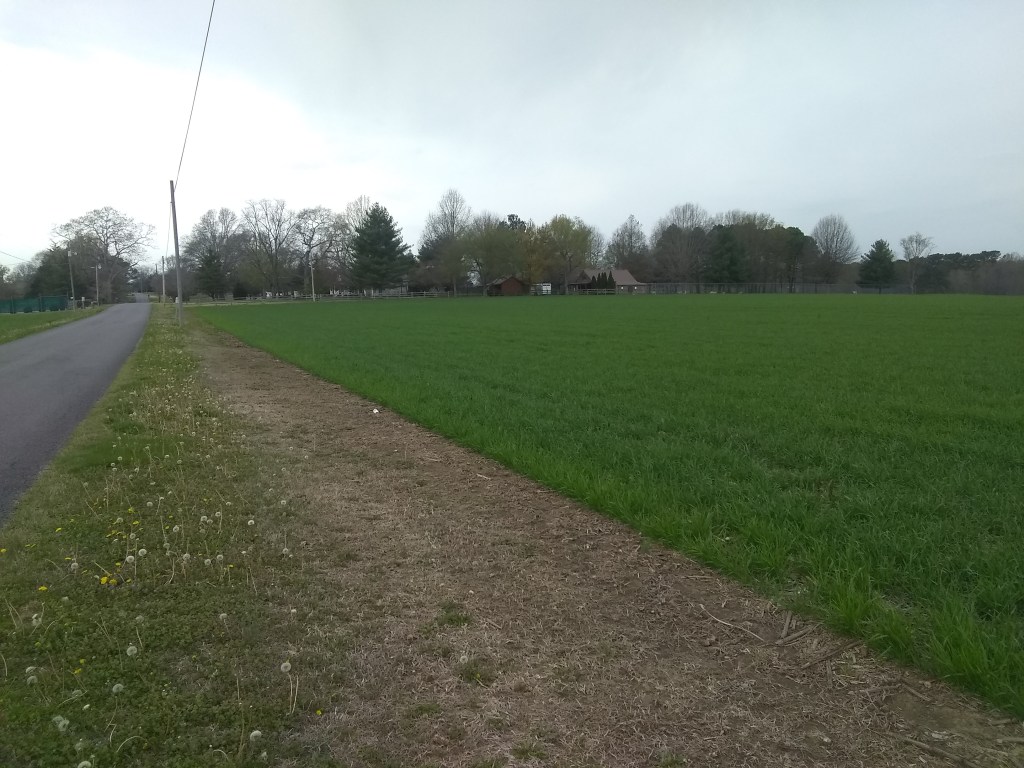
Here’s a few photos from along my pistol route:

The Boaz Stranger–Chapter 58

I ignored the row of rocking chairs and entered the Lodge’s foyer. I approached a young black man—Curtis, per his name tag—at the information desk across the large reception area. He was kind and respectful toward my plight and request but lacked the authority to grant access to the security tapes. Instead, he passed me over to the manager, a Mr. Ogle, who wouldn’t arrive until 6:00 AM. “You’ll like him, and he’ll try to help. He’s the great, grandson of our founder.”

I thanked him and followed a sign pointing to the continental breakfast around the corner. Although my appetite had waned after my camera discovery, I still ate two biscuits with gravy, four slices of bacon, and a heaping portion of scrambled eggs. I think the coffee was the best I’ve ever had. I refilled my Styrofoam cup and walked outside to a stiff, uncomfortable rocking chair to wait until the manager arrived.

At 6:05, I joined Curtis at the front desk. He immediately introduced me to Austin Ogle, a man I guessed to be in his mid-forties. Tall and muscular with an untamed shock of black hair, he reminded me of Randall Radford, a high school classmate and member of the Flaming Five, a superstar team of basketball players who’d broken every record in the books.

“Curtis shared your situation. I’m sorry and want to help any way I can.” This type of empathy was rare in my experience. Rachel would label it as “miraculous.” In less than five minutes, Austin led me to a large conference room beside his office and installed a laptop computer before me. “This is a listing of camera number five’s Sunday recordings, in one-hour increments.” He said, pointing to a column on the left side of the screen. “Just click on the ones you want to watch.” Before leaving, my host shared his cell number and encouraged me to call if I needed help.

I immediately scrolled to the 7:00 to 7:59 PM hour and clicked PLAY. After fast-forwarding to 7:40, I waited. My hope was the Lodge’s camera—camera number five—would capture The Peddler Steakhouse’s parking lot and I could spot the man in a black overcoat who’d joined Lillian in returning to Stella and their back wall table. I knew from the Peddler’s inside camera—thanks to Chief Rickles—the two had entered that view at 7:55. I believed it likely he’d arrived by vehicle a few minutes earlier and, hopefully, parked in plain sight.

I spent the next ten minutes watching five or six couples exit The Peddler and only one couple enter. The shorter man in shorts and hiking boots wore a waist length ski jacket, and the taller woman anchored arm-in-arm at his side wore a snow-white dress my late wife called a jumper.

I lost my train of thought as I pondered why Rachel had appeared twice in my subconscious since I’d arrived at the Lodge. I was alternating between two plausible theories when I saw a tan colored SUV whose size reminded me of Ray’s Suburban pull into the perfect spot from camera five’s viewpoint. A man exited the driver’s side door and donned a black overcoat and matching hat. The passenger doors remained shut. The camera’s timer read, “7:46 PM.”

The man first started walking toward The Peddler’s entrance but suddenly returned to his vehicle. I couldn’t see his face given the hat and the downward angle of his head. Before opening the door, he stopped and scanned the parking lot, spending several seconds looking toward the Lodge’s front entrance. This was my landmark opportunity.

I clicked pause and removed my iPhone from the inside pocket of my jacket. I opened PHOTOS and scrolled to a shot of Alex Mandy Connor Ford had sent me during my twelve-hour nap. He’d somehow finagled it out of either Alex’s wife or Ted King. Connor wasn’t much of a chit-chatter.

I reactivated the recording. The man standing beside the tan SUV removed his hat and glasses (Rachel: “miraculous”) and intensified his stare. It was as though he had spotted the camera in the Lodge’s eve underneath the gabled dormer and wanted to share his identity. I compared his image to the photo on my iPhone. It had to be Alex Mandy.

He re-donned his hat, opened the driver’s door, and removed what had to be a pack of cigarettes since he lit one after re-closing the door. He smoked while ambling toward The Peddler’s front entrance. At 7:51, the man disappeared from the camera’s view. I imagined him taking his last draw and placing his stub in a disposal container all restaurants seemed to have. He would have entered through the giant double front doors, slid on his glasses if he hadn’t already, and walked to the restrooms. Maybe he’d seen Lillian exiting the Ladies restroom, and followed her back to Stella, seated and staring at the creek. I knew ‘Greg’ was Alex Mandy, and he was the key to finding Lillian.

It took five minutes to record on my iPhone what I’d just seen. I sent Austin a thank-you text and announced I’d found invaluable information. In my second text, I begged him to preserve camera five’s Sunday recordings, especially the 7:00 to 7:59 hour. I also disclosed I was leaving and would be in touch after I met with Chief Rickles.

***

It was 8:20 AM when I arrived the second time at the Gatlinburg Police Department. I had tried, unsuccessfully, to call Chief Rickles during my drive. I was sent to voicemail.

The receptionist told me he was in Knoxville on committee assignment planning the upcoming annual conference of the International Association of Chiefs of Police. Thankfully, he had left his apologies and instructions for me to contact Detective Tony Gass if I called or dropped by during his absence.

Gass was also unavailable. Something about a crime scene at a local grocery store. I briefly shared my dilemma with the sweet and kind receptionist and wrote a description of what I’d learned from the Bearskin Lodge, along with my cell number. She promised to relay my message. Like Curtis, she provided a sympathetic ear and a similar declaration: “Detective Gass will return your call and do everything possible to help you find Lillian and those responsible for her disappearance.” I was both disappointed and encouraged when I departed the police station.

Although Detective Gass and I talked multiple times over the next three days, they were ultimately a bust. This didn’t mean there weren’t positive steps taken. The detective used his friendship with The Peddler Steakhouse’s owner to start a newspaper and radio station blitz of Lillian’s disappearance. Austin, from the Lodge, soon joined the effort and offered a one-hundred-thousand-dollar reward for information that led to Lillian’s discovery. Unfortunately, none of the dozens of fantastical stories from locals looking for a quick hundred grand panned into anything helpful.

However, there was one discovery that provided Detective Gass and his team an evidential trail. It was a security camera at Laurel Point Resort, the very place Jane had mentioned at the campfire in describing ‘preacher man’s’ itinerary. The video showed a man who had to be Alex Mandy, entering and exiting the Laurel Point parking lot and exchanging his tan colored SUV for a white Ford Ranger. This had taken place on Sunday night a few minutes before midnight. To me, this was anything but positive. It was a heavy hammer blow to my growing fear and terror, made worse by me being an attorney. The fact pattern my legal mind—a veteran reader of hundreds if not thousands of criminal cases—painted was leading to a horrible conclusion. Regardless of how much I tried, I couldn’t ignore the signals. All pointed to the worst possible outcome.

Equally bad was the delayed news from the Day’s Inn hotel where I was staying and where I was convinced Lillian had been abducted. According to hotel management, their entire security system had shut down Sunday evening at 8:00 PM. They couldn’t explain why or how but believed it was the work of a hacker. I couldn’t help but think about Stella Newsome and Alex Mandy, aka ‘preacher man,’ wondering if they might be responsible for the security breach. How on earth could the pair have simply vanished? Thank goodness, Detective Gass was also working that angle. All this was truly unbelievable. I literally cried to Rachel for a miracle.

From Wednesday through Friday, it felt like I was riding a roller coaster, the fairground ride I’d always hated. Although I talked with Detective Gass multiple times per day, there was never a time I felt anything but fear and terror and desired the nightmare to end. The only relief I discovered, if that’s what you call it, was while sitting at Starbucks in the chair and at the table I imagined Lillian would have sat during our Sunday night 9:00 phone conversation. Assuming things hadn’t gone so tragically wrong.

09/13/23 Biking & Listening

Biking is something else I both love and hate. It takes a lot of effort but does provide good exercise and most days over an hour to listen to a good book or podcast. I especially like having ridden.

Here’s my bike, a Rockhopper by Specialized. I purchased it November 2021 from Venture Out in Guntersville; Mike is top notch! So is the bike, and the ‘old’ man seat I salvaged from an old Walmart bike.

Here’s a link to today’s bike ride.


Something to consider if you’re not already cycling.

I encourage you to start riding a bike, no matter your age. Check out these groups:

Cycling for those aged 70+(opens in a new tab)

Solitary Cycling(opens in a new tab)

Remember,

Photo by Suzy Hazelwood on Pexels.com

Novel listening: End of Watch by Stephen King

Abstract: End of Watch

The fabulously suspenseful and “smashing” (The New York Times Book Review) final novel in the Bill Hodges trilogy from the #1 New York Times bestselling author of Mr. Mercedes and Finders Keepers!

For nearly six years, in Room 217 of the Lakes Region Traumatic Brain Injury Clinic, Brady Hartsfield has been in a persistent vegetative state. A complete recovery seems unlikely for the insane perpetrator of the “Mercedes Massacre,” in which eight people were killed and many more maimed for life. But behind the vacant stare, Brady is very much awake and aware, having been pumped full of experimental drugs…scheming, biding his time as he trains himself to take full advantage of the deadly new powers that allow him to wreak unimaginable havoc without ever leaving his hospital room. Brady Hartsfield is about to embark on a new reign of terror against thousands of innocents, hell-bent on taking revenge against anyone who crossed his path—with retired police detective Bill Hodges at the very top of that long list….

Podcasts listened to


Here’s a few photos from along my pistol route:

The Boaz Stranger–Chapter 57

For thirty minutes, I fought tears and terror, knowing I had to stay focused. Thinking was my only weapon to battle the emotional roller-coaster I was riding.

I tried to create a narrative of what I’d heard at the fire ring. There were two conclusions I could reach. First, Jane’s loyalty is rooted inside Ray’s camp. Second, Lillian’s trip to Gatlinburg had been a setup. It was a scheme to get her away from Boaz and into harm’s way. This was confirmed by Jane and Mandy, the preacher man trailing along, creating what they believed was an impenetrable web of secrecy and distortion given all the car renting and swapping they had done. I knew Ray was behind it all. He had the most to lose, a half-billion dollars and a share of Rylan’s future profits. And this didn’t include the freedom he stood to lose if Lillian and I had our way.

***

I drove another couple of miles and saw the Hammondville/Valley Head exit. This was the area where they found the bodies of Buddy and Billy James. Although I couldn’t prove it, my gut told me Ray was their killer. He had to be. I wondered if greaser Alex Mandy had helped. If I’d heard correctly, this was the area Jane’s Impala was parked, waiting on preacher man’s return from Gatlinburg. I fought the urge to exit and explore.

My iPhone rang. It was Connor. At the police station, I had asked Micaden to call him. “Hello.”

“How are you making it?” I could hear the sincerity in his voice.

“I’m a basket case. I assume Micaden filled you in?”

“Yep. I have a feeling your intuition is right.” I could hear chatter and the rattling of plates in the background.

“Why?” Connor had learned something.

“I just left Sylvia Mandy’s house. Alex wasn’t there.”

“Surprise.” The man was in route from Gatlinburg to Valley Head. “I know you asked about his whereabouts.”

“I did. In fact, I believe she was telling me the truth.”

“Uh?” I could visualize a spouse not being totally open.

“What she believed to be the truth. She said he had preached the first service of a revival in Knoxville and wouldn’t be home until Thursday.”

“So, Mandy’s bullshitting her and she’s totally in the dark?” I couldn’t help but think of Rachel and all her secrets. “What about a cell number?”

“She gave it to me, but he won’t answer.” I heard a server ask Connor for his order. “Hold on Lee, I’m at the Huddle House.” While waiting, Kyla called. I let it go to voicemail. After ordering enough food for three people, Connor returned. “After I eat, I’m headed to Ted King’s house. The bastard denied everything when I called him an hour ago. He’s not getting off that easy.”

“I’d appreciate you keeping me updated.”

“I will. Promise.” I heard a familiar voice asking if he could join Connor. “Hey Lee, I have to go.”

“Okay, talk later.” I ended the call and concluded the voice was that of Officer D. Wilson.

I wanted to call Sylvia Mandy myself and ask her the name of the Knoxville church where her husband was preaching a revival, but I knew that was a lie and a dead end. Instead, I returned Kyla’s call.

***

“Hey brother. How are you?”

“Devastated. Destroyed. Dying. All these things and worse if I don’t find Lillian.” It was far worse than when Rachel killed herself. I loved her, but not like Lillian. The difference was intimacy. And the fact Lillian wanted to live and be together forever.

“I’m so sorry you’re going through this. It’s the worst thing I’ve ever experienced, and I cannot imagine what it’s doing to you.” Kyla was serious, but that didn’t ease my pain.

“What have you learned?” As I was at Harding Hillside scrambling to leave for Gatlinburg, I’d shared with Kyla the night’s details, and asked her to go on the offensive, including a visit to the hospital. I knew it was a long shot, but I needed to know how Jane would respond to my accusations that she was a liar and responsible for Lillian’s disappearance.

“Ray’s critical. The hospital airlifted him to UAB. Jane’s in recovery after shoulder surgery. Something about blood vessel damage.”

“So, the bitch is going to live?” I was certain Jane and Ray had plotted the pilfering of his safe and the disappearance of everything she’d discovered.

“Seems that way. A nurse told me I should be able to see her at daylight.” I heard the hospital’s intercom in the background, something about needing housekeeping in the E.R.

“You see any police or deputies?”

“No, not since Ray took off.” Kyla paused. “Lee, here’s something that might be helpful. I’m not sure.”

“What?” Traffic in Chattanooga was terrible even though it was the middle of the night.

“After I arrived, Jane was in the E.R. and attracting a ton of nurses and doctors. I went to see Audrey Creely, you know, my neighbor. She’s been in ICU for several days. After my visit, I asked an ICU nurse if she knew when Stella would return. Her response surprised me.”

“How so?”

“I could tell by the nurse’s tone, short and nippy, she and Stella weren’t the best of friends.”

“Tell me what she said.”

“‘Thankfully, never.’ Her words.”

“What did that mean? Did you ask?”

“Well, of course. Just listen.”

“Just give it to me. Don’t turn this into a script.”

“According to Deidre, Stella’s last day was Friday. She’d worked out her two-week notice. Deidre says there’s a man in the picture. Here’s another quote, ‘Stella seems to ignore two key questions, the man is married, and he’s a preacher.’”

“Deidre said that, exactly?”

“Yes, and, she added a third problem.”

“What’s that?”

“The man said they would travel, and she wouldn’t have to work. Apparently, Deidre has some personal experience with one or more of these issues.”

“Thanks sis, that’s helpful. It probably explains why Stella isn’t returning my calls.” My question of whether she’s involved with Lillian’s disappearance is answered. Or so it seems.

“Lee, I’ve got to go. There’s a police officer, a D. Wilson, wanting to ask me some questions. Keep me posted. Please?”

“I will and you too.”

I fell into a funk as the miles rolled by. I tried at least ten radio stations to dissipate my anger, fear, and depression. Nothing seemed to help.

It was four-thirty AM when I drove into the Day’s Inn. I had made it in four hours, despite a half-hour nap at the Tennessee Welcome Center and slow traffic in Chattanooga.

***

It took less than five minutes to fail my first mission. The desk clerk rejected my request to see Room 239, saying it was a crime scene and off-limits. I didn’t like being told no, so I thanked the thick-glassed woman and retraced my steps to the front doors. At the last minute, I caught sight of the restrooms in the far corner. After pretending for as long as I could, I exited and slinked my way to the stairwell. The clerk never looked away from her computer monitor. On the second floor, I failed just as much. There was a police officer standing in the hallway in front of the entrance to Room 239. He wouldn’t answer the simplest of questions, so I went to find his boss.

During my three-mile drive to the police station, I recalled last night’s call to Micaden and how much I appreciated his availability and willingness to help, even considering his near discourteous nature. Besides suggesting he call Connor Ford, Micaden had promised to call the Gatlinburg Police Department and pave my way. Hopefully to find some genuine answers.

Braden Rickles was the police chief, middle-aged, tall, thin, and sporting a handlebar mustachio. He greeted me personally and welcomed me back to his office without delay. Not thinking, and certainly inconsiderate on my part, I complained about what I’d experienced at the Day’s Inn. The chief apologized for my trouble and revealed that I should have called, and he would have provided clearance. The reason was that the County’s crime scene investigators had already come and gone. Rickles explained: when he received the call from Micaden, he realized the urgency of the situation and decided to take charge of the investigation.

The first thing he’d done was to activate what he called his ‘48-hour plan.’ This was the Gatlinburg P.D.’s procedure in handling missing persons. Rickles directed officers to follow the alleged victim’s (Lillian’s) path while she’d been in Gatlinburg. I was glad I had shared these locations with Micaden. The officers had gone to the Day’s Inn, The Peddler Steakhouse, both the lower and upper parts of Ober Gatlinburg, and the Starbuck’s coffee shop. They had requested security camera footage and were attempting to interview every employee who was on duty during the time Lillian would have been present at their location. Although I didn’t know if Lillian had gone there, I’d also shared with Micaden what I’d heard at the campfire about Laurel Point Resort.

The only thing remotely relevant so far was footage provided by The Peddler Steakhouse. Rickles was quick to respond affirmatively when I asked if I could watch it. He modeled the behavior of a man who was trying his best to put himself in my shoes.

The clip was clear, and from the best angle I could have wanted. Lillian and Stella (I assume it was her but all I could see was the back of her head) sat at a small four-place table along a row of large windows at, what I figured from a brochure Chief Rickles provided, the back of the restaurant. Outside was a beautiful creek running parallel to the row of windows.

For an hour I was alone with my dear Lillian, Rickles having to respond to several officer phone calls. It didn’t appear there was a lot of conversation between the two women. After the server delivered their food, they ate in silence. Stella chewed her food while she stared at the fast-flowing creek.

At 7:44 PM Lillian laid aside her fork, stood, and walked away. I assume to go to the restroom. It was 7:55 before she returned, and she wasn’t alone. Lillian took her seat. The man, dressed in a black overcoat with matching hat, stood to Lillian’s right and Stella’s left. I couldn’t see his face, but in his two-minute presence, I thought I glimpsed a pair of eyeglasses. At 7:58 PM, Stella and the unidentified man exited, leaving Lillian alone. She removed and activated her cell from a bag on the chair beside her. She read for thirty seconds and then sent one, maybe two, texts. It was 8:03 when she moved out of the camera’s view.

Chief Rickles must have been watching me through the one-way glass. He entered and answered my unstated question. They did not capture Lillian on any other camera at The Peddler from 7:30 to 8:30 pm. Although an officer was now reviewing footage of all the places I believed Lillian to have visited, I didn’t expect any good news. If that’s what I would call it.

At 7:15, Chief Rickles suggested I get some rest. I think I would have stayed for an infinite number of hours just to be near Lillian. I’d watched the thirty-minute clip four times. Along with Rickles, but in separate cars, I left for the Day’s Inn with the deeply troubling feeling that I would never see Lillian again.

During my return drive to the hotel, I made my umpteenth attempt to reach Stella by phone. Again, she didn’t answer. This was troubling. Either someone had kidnapped her like Lillian, or she was part of the criminal conspiracy. I doubted if it was anything as innocent and trivial as “my phone battery died.”

The same officer was standing outside Room 239. This time he smiled and stepped aside, relaying he’d spoken with Chief Rickles. He even said, “take your time and, I’m sorry you’re going through this.”

I walked into the small foyer. The bathroom was to my right but what caught my attention was an open suitcase on a low-slung chest of drawers next to a TV across from the room’s second queen-size bed. This one perfectly made up. At first glance, I knew this was Lillian’s suitcase unless Stella had an identical one.

It took five seconds to find out it was Lillian’s. I knew her clothes. And I now knew someone else had rummaged through them since they were tossed about. I removed each piece and laid them on what I assumed was Lillian’s bed. The other one had the bed spread turned down with a rumbled pillow. I assumed that was Stella’s.

Halfway through my suitcase search, I realized there was nothing else in the room. No suitcase for Stella. I walked to the bathroom and found Lillian’s flowery makeup bag she had purchased from Amazon in anticipation of our trip to New Haven.

After a thorough search, I returned to Lillian’s suitcase and realized the Crime Scene team had gone through every item in the room. My mind was in slow gear. I was not thinking sharp and crisp like I normally do. I continued removing Lillian’s clothing and was about to refold and return the items.

That’s when I noticed the message Lillian had left me. At the bottom of the suitcase was her redbird broach, the one I’d given her in high school. I knew she took extraordinary care of what she claimed was her most prized possession.

All I could see in my mind’s eye was someone had abducted her from this room, or something had spooked her into believing she was being followed, or that she was otherwise in fear for her life. She had removed the redbird and tossed it into her suitcase. The Crime Scene person’s pilfering or my own had caused it to tumble to the bottom of Lillian’s suitcase.

I spent a wasted fifteen minutes inspecting every nook and cranny before returning to the front desk and securing a room for myself. I didn’t want to go to sleep, but my body was screaming for rest. And that’s what I did for twelve hours until I awoke at 3:30 AM Tuesday morning hungry as a bear.

***

I quickly showered and dressed. I called the front desk to ask about the hotel’s continental breakfast and was told it started at 6:30. My stomach reminded me that was too long to wait. Since I really didn’t want to drive anywhere, I sat at the small table next to the balcony and did a Google search on my iPhone to find the nearest restaurant open at this early hour.

I soon learned my best option was the Bearskin Lodge. It’s to the right of The Peddler Steakhouse which is directly across from the Day’s Inn. I clicked on the link. A full breakfast buffet started at 5:00 AM. Surely, I could wait an hour. After reviewing a gallery of photos, I decided to walk across the street and sit in one of the rocking chairs outside the Lodge’s entrance.

My direct path to the chairs was diagonally across the left quadrant of The Peddler’s parking lot. I couldn’t help but stare at the front entrance and imagine what had happened to Lillian. After completing her meal, she returned to her room at the Day’s Inn. How else would her Red Bird wind up in her suitcase?

My too-long view of The Peddler’s front entrance caused me to nearly trip as I walked into a narrow band of shrubbery separating the two parking lots. When I regained my balance, I heard a bird flitting about a large bush I guessed was Rhododendron or Mountain Laurel. It started singing. I stopped and spotted it, now higher in a nearby tree. Of all things, it was a redbird, a male, beautifully red and making music in two to three second bursts. It sounded like it was saying “cheer, cheer, cheer,” or “birdie, birdie, birdie.” I imagined this might be a code to warn its nearby mates.

I continued to walk, alternating my gaze between my feet for stability and upwards toward the redbird. After three additional steps, I was in the Lodge’s parking lot. The redbird flew higher to the tiptop corner of a large dormer on the right side of the Lodge’s fifth floor. I stopped, kept staring for several seconds, and froze in place. There was a security camera beneath the eve where the beautiful redbird was sitting. Its view had to include most of the The Peddler’s parking lot. Instantly, I knew my mission.

The 2020 election was neither stolen nor rigged: A primer

Here’s the link to this article.

Analysis by Philip Bump National columnist

September 15, 2022 at 5:09 p.m. EDT

A professor at a university in Utah issued an appeal this week: Is there a resource that he can present to students to dispel them of the idea that the 2020 election was stolen?

Why people believe that the presidential contest was tainted by fraud is often complex and fundamentally detached from the available evidence. It must necessarily be; there is no good evidence that anything more than a scattered handful of fraudulent votes were cast. But the point is well-taken. As someone who has tracked scores of claims over the past 22 months, I am not aware of any compendium explaining that lack of evidence.

Keeping up with politics is easy with The 5-Minute Fix Newsletter, in your inbox weekdays.

So allow this article to serve as one.

Sign up for How To Read This Chart, a weekly data newsletter from Philip Bump

I’ve broken this out into three sections: Why claims of fraud emerged, why we can be confident that the election wasn’t stolen and why we can be confident that the election wasn’t “rigged.”

Why claims of fraud emerged

It’s useful to begin by explaining how this all started.

In spring 2020, the coronavirus shutdowns began just as political primaries were gearing up. States concerned about causing outbreaks of infections began bolstering mail-in voting systems, immediately triggering a backlash from Donald Trump. If the country were to increase mail-in voting, he said in late March, “you’d never have a Republican elected in this country again.”

This began a months-long effort to undercut and disparage mail ballots as inherently suspect, lest more Democrats cast ballots. Numerous articles and analyses debunked the idea, but Trump — trailing in the polls — amplified it repeatedly.

As Election Day neared, Trump’s complaints crystallized into a quiet plan. Having helped widen a partisan divide in how people voted — Democrats by mail and Republicans at polling places — Trump and his allies recognized that Republican votes would be counted more quickly in many states and reported first. That would give the impression that he had a big lead that was only later eroded by votes for Joe Biden, allowing Trump to claim (as Florida Gov. Rick Scott (R) had in 2018) that the election was being stolen. So if things were close, he’d just announce his victory at the outset.

The election was relatively close. Trump and his allies tried to claim that vote counting should stop, according to the plan, but it didn’t work. As it turned out, though, his incessant claims about fraud had made it easy to convince his base that the election was stolen anyway — facilitating his multipronged effort to retain power despite his loss.

His argument about rampant fraud was so successful that, in polling conducted by Fox News this month, half of Republicans say that they have no confidence at all that votes were cast legitimately and counted accurately in 2020. Republican primary candidates found it useful to echo the idea that the election was stolen both because it often earned a Trump endorsement and because it’s what the Republican primary electorate wanted to hear.

In other words, a lot of the claims of fraud are inherently self-serving and cynical. Consider Don Bolduc, the Republican nominee for Senate in New Hampshire. During the primary he was adamant in arguing that the election was stolen. Then he won the primary and moved to the general election. In short order, he repented.

Claims of fraud, seemingly propagated in this case for political utility, had served their purpose.

Why we can be confident that the election wasn’t stolen

Let’s now assess those claims more broadly.

The best starting point is to note that there has been no — zero, nada, none — demonstrated, credible example of even a small-scale systematic effort to illegally cast votes. There have been a few dozen isolated arrests, generally of people illegally casting ballots for themselves or family members. In fact, the Associated Press contacted elections administrators in each swing state more than a year after the election, learning that, at most, there were a few hundred questionable ballots cast. In total. Across all of the states. Out of millions cast.

There are few better examples of the proper use of Occam’s razor than to therefore dismiss any idea that rampant fraud occurred. The idea that some systemic, multistate effort to rig the election occurred without detection nearly two years later — in an environment where there’s millions to be made exposing one — is simply noncredible in the face of the alternative: There was no such effort.

Of course, there is no shortage of claims about alleged fraud floating out there. These fall into one of three categories: claims that depend on vague statistical analyses, claims that depend on unseen evidence and claims that have already been debunked or explained.

Before presenting examples of each variety, it’s worth pointing to one of the most robust assessments of fraud claims. In July, a group of Republican officials released a lengthy report documenting and debunking each of the lawsuits filed by Trump and his allies in the wake of the election. It covers a lot of ground. The odds are good that if you’ve heard some claim about fraud or “rigging” (see below), it’s addressed in that document.

Now, instead of debunking each of the common allegations about fraud, I’ll simply list them and link to places where you can read more detailed analyses of why each is inaccurate.

Claims that depend on vague statistical analyses

Claims that depend on unseen evidence

  • There is no evidence that foreign actors somehow changed votes over the internet, as MyPillow CEO Mike Lindell has repeatedly claimed.
  • There is no evidence that nonprofits collected illegal ballots that were then distributed to drop boxes by paid staffers, as alleged in the film “2000 Mules.” The purported evidence that was presented in that film is either falsecontrived or misleading.
  • Various audits of electronic voting machines have found no evidence of improprieties. In fact, swing-state counties in which Dominion Voting Systems machines were used mostly voted for Trump.

Claims that have already been debunked or explained

There are probably examples I’m forgetting. If so, please email.

One common response to delineations like this is that of course the media/the government/the FBI are going to claim that their analysis showed no fraud. After all, you can’t have a healthy conspiracy without a gaggle of conspirators.

So we back up a step. To assume that I’m in on the con along with all of the other sources linked above is to postulate a system involving thousands or tens of thousands of people, all of whom have agreed to stay silent simply to protect Biden. Or, at least, that hundreds of people in the government have all kept quiet about agreeing to mislead the public, despite the obvious financial and moral rewards for revealing a part in such a scheme.

Occam’s razor. Who has more reason to make dishonest claims about the election, the guy trying to get people to watch his movie claiming fraud or the guy who works for a privately owned newspaper? Who is more credible on the likelihood of fraud, independent researchers or a former president eager to maintain his grip on his base?

Why we can be confident that the election wasn’t ‘rigged’

Because Donald Trump’s claims about fraud were so hard to defend, a different narrative emerged among those wishing to appeal both to Trump voters and to reality. The election may not have been stolen, exactly, but it was rigged.

The argument has two prongs. The first is that states intentionally loosened voting rules and encouraged turnout in ways that hurt Trump. The second is that the whole system — technology companies, the media, the left — arrayed against Trump to hurt his reelection chances.

It is obviously true that states made it easier to vote remotely in 2020. We’ve been over this; there was a new virus spreading and state leaders wanted to limit the number of crowded polling places. The argument, though, is that the virus was used as a pretext for making it easier to vote.

This, by itself, is revealing. There have been various arguments made about how states or counties or outside groups created opportunities for more people to vote. Sometimes, the intent is explicitly to poison perceptions of the election, as with the insistence on calling funding for expanded voting access from Meta CEO Mark Zuckerberg “Zuckerbucks,” as though Facebook itself was trying to influence the outcome. But at their heart, these arguments depend on the idea that having more legal voters cast ballots in good faith is bad. That putting a drop box that hadn’t been approved by the legislature in a place where fewer people tend to vote — and where most voters are Democrats — is a grotesque effort to steal an election. Instead, of course, one might see it as an effort to unrig a system in which barriers to voting are removed and democracy bolstered.

In some cases, state officials instituted new processes for voting that were challenged by Republicans or the Trump campaign as being in conflict with state constitutions or legislative authority. This was often cited as a reason to reject the election results. But as the chief justice of the Pennsylvania Supreme Court put it when such a case was presented to him: “there has been too much good-faith reliance, by the electorate, on the no-excuse mail-in voting regime” to warrant tossing out the ballots. In other words, it’s silly to suggest that people told they could legally vote using mail-in ballots should see those votes thrown out and the overall results overturned because the loser of the election later raised an objection.

Then there’s the claim that the system worked against Trump. At times, this is argued with specifics, such as that the decision by social media companies to limit sharing of a story about Hunter Biden’s laptop affected the results. (This claim is often tied to a partisan, loaded survey.) But often it’s just offered generally; how could Trump win with the entire political and media culture arrayed against him? This is essentially unfalsifiable, so there’s not much more to say about it other than that this perceived bias itself often crumbles on close consideration.

There are various other after-the-fact claims about impropriety that have been debunked (there were no secret illegal ballots stashed under a table in Georgia) or dismissed (covering windows as votes were counted in Michigan was a function of a law barring videotaping the process). This was obviously part of Trump’s post-election plan, too: generate enough reports of smoke that people assumed there must be a fire. It was long the case that Trump would make contradictory claims about a situation, throwing out a large number of assertions with the understanding that he only needed people to believe one to take his side. The post-election period had thousands.

Those should not distract from the simple truth at play.

Donald Trump had reason to claim that the election was going to be stolen and later that it was.

There’s been no evidence of any large-scale effort to steal votes. There have been no rampant arrests; no one has come forward to expose such a system. This is true despite the enormous amount of scrutiny paid to the election results in nearly every state.

At the same time, there’s an obvious explanation for why Trump lost: People turned out in record numbers to vote and often did so to express approval or disapproval of Trump himself. How did Biden get 18 percent more votes in 2020 than Barack Obama did in 2008? In part because the population grew by 9 percent. But in part because Donald Trump was deeply polarizing and, as in 2018, voters wanted to send him a message.

The message was not received.

By Philip Bump

Philip Bump is a Post columnist based in New York. He writes the newsletter How To Read This Chart and is the author of The Aftermath: The Last Days of the Baby Boom and the Future of Power in America. Twitter

09/12/23 Biking & Listening

Biking is something else I both love and hate. It takes a lot of effort but does provide good exercise and most days over an hour to listen to a good book or podcast. I especially like having ridden.

Here’s my bike, a Rockhopper by Specialized. I purchased it November 2021 from Venture Out in Guntersville; Mike is top notch! So is the bike, and the ‘old’ man seat I salvaged from an old Walmart bike.

Here’s a link to today’s bike ride.


Something to consider if you’re not already cycling.

I encourage you to start riding a bike, no matter your age. Check out these groups:

Cycling for those aged 70+(opens in a new tab)

Solitary Cycling(opens in a new tab)

Remember,

Photo by Suzy Hazelwood on Pexels.com

Novel listening: Finders Keepers by Stephen King

Abstract of Finders Keepers

The second book in Stephen King’s Bill Hodges trilogy (Mr. MercedesFinders KeepersEnd of Watch)—now an AT&T Audience Original Series!

“Stephen King’s superb stay-up-all-night thriller is a sly tale of literary obsession that recalls the themes of his classic 1987 novel Misery” (The Washington Post)—the #1 New York Times bestseller about the power of storytelling, starring the same trio of unlikely and winning heroes Stephen King introduced in Mr. Mercedes.

“Wake up, genius.” So announces deranged fan Morris Bellamy to iconic author John Rothstein, who once created the famous character Jimmy Gold and hasn’t released anything since. Morris is livid, not just because his favorite writer has stopped publishing, but because Jimmy Gold ended up as a sellout. Morris kills his idol and empties his safe of cash, but the real haul is a collection of notebooks containing John Rothstein’s unpublished work…including at least one more Jimmy Gold novel. Morris hides everything away—the money and the manuscripts no one but Gold ever saw—before being locked up for another horrific crime. But upon Morris’s release thirty-five years later, he’s about to discover that teenager Pete Saubers has already found the stolen treasure—and no one but former police detective Bill Hodges, along with his trusted associates Holly Gibney and Jerome Robinson, stands in the way of his vengeance…

Not since Misery has Stephen King played with the notion of a reader and murderous obsession, filled with “nail biting suspense that’s the hallmark of [his] best work” (Publishers Weekly).

Podcasts listened to


Here’s a few photos from along my pistol route:

Freedom requires education: There’s no choice without knowledge

Here’s the link to this article.

Avatar photoby ADAM LEE

SEP 07, 2023

Two doors of weathered wood side by side in a stone wall | Freedom requires education: There's no choice without knowledge
Credit: Tim Green/Flickr, CC BY 2.0

Overview:

If you want to be free, you have to have an understanding of the choices. Conservatives who push book bans and rage against pluralistic education are fighting against their own stated goal.

Reading Time: 4 MINUTES

[Previous: No one has the right to starve a child’s mind]

Imagine you find yourself in a room, facing two doors.

One door is rough, weathered wood. The other is made of boards polished smooth.

There’s carved writing on both, but it’s in a language you don’t read, in characters you’ve never seen. There are chains of intricate symbols inlaid into the frames in gold and silver, but they’re utterly meaningless to you.

There’s just one thing you know. One door is the entry into a golden existence: a long life of peace, ease and good health, full of friends and love. The other opens onto a dark and gloomy road: a hard life of unhappiness, suffering, misery, loneliness, and early death.

Knowing that your fate is riding on the choice, which door would you pick?

The cosmic shell game

The correct answer—assuming you’re a rational skeptic—is that this isn’t a choice at all.

Making a choice implies reasons for doing one thing rather than another. You have to have some background knowledge, some way to evaluate which of the options before you is better. If you could read the language carved on the doors, or if you recognized any of the symbols, you might be able to make a better-than-chance judgment about the correct one. Without this knowledge, picking either door would be a blind guess. You might as well flip a coin.

Of course, in real life, we’re in an even worse place than this pared-down hypothetical. In the real world, there are more than just two doors. There are thousands, each one densely covered with their own writing and their own symbols (notwithstanding the evangelists who think there are only two choices: “My Religion” and “Everything Else”). In addition to that, each door is surrounded by a dense crowd of people yelling that their door is the one true way to happiness and all the others are pretenders.

Making a choice implies reasons for doing one thing rather than another.

Longtime readers may remember this as the scenario in my essay “The Cosmic Shell Game“. It’s a potent reason to distrust the truth claims of religious believers. No one can investigate all these options, and very few people even try. Instead, most people choose the faith they belong to because of an accident of birth. Their decision is effectively random, no more trustworthy than flipping a coin.

This argument doesn’t just apply to religions. It works equally well as a metaphor for philosophies, nationalities, political ideologies, and every other major life decision where making one choice forecloses others. How can anyone make any trustworthy or informed choices about anything, when the space of possibility is so large as to be unnavigable?

The lay of the land

It’s impossible to study every religion, philosophy and ideology in the universe to make a definitive ranking. Nevertheless, that doesn’t mean there’s no point in trying. We’ll never have perfect knowledge, but we can always gain more knowledge. And the more knowledge we have, the better the choices we can make. It’s like trying to hike across uncharted territory. Even if you don’t have a complete map, the more you know about the lay of the land, the better able you are to find a safe path.

This goes for every field of inquiry. The more you know about history, the more you can avoid repeating the mistakes of the past. The more you know about science, the less likely you are to hold a belief that was already tested and disproven. The more you know about culture, the more capable you are of judging what is or isn’t natural for humans.

The more you know about culture, the more capable you are of judging what is or isn’t natural for humans.

For best results, this knowledge should be a broad cross-section of humanity, not limited to one gender or one race or one religion or one country. It’s the same reason why diverse groups make better decisions: it’s less likely that everyone has the same blind spots, so one person will see what another overlooks. You can achieve the same effect as an individual by stocking your mind with the widest possible selection of human thought and knowledge.

That’s why pluralism is so important in education. It’s the answer to conservatives who think it’s an underhanded liberal ploy—a way to instill leftist values to the exclusion of all others. Actually, it’s just an acknowledgment of a basic fact of reality: it’s really complicated, and figuring stuff out is hard!

Knowledge sets you free

Conservatives say that freedom is their number one value, the thing they care about above all else. Fair enough. Here’s what I say to that: Freedom is only truly possible for an educated person—and the more education you have, the more free you are.

Anyone can be “free” in the wild-animal sense of pursuing immediate desires without constraint. But the truest, most uniquely human kind of freedom is the ability to make decisions that steer the course of your life. Just as in the two-doors analogy, that kind of freedom is only possible when you have the knowledge to make responsible choices. Otherwise, it’s just random guessing or blindly following the path presented by birth or society.

It’s knowledge that sets you free: both self-knowledge, and knowledge about the world.

If you had a kitchen cabinet full of cans, some of which were nutritious and some were poison—but you had no way of knowing which is which—would you boast about your “freedom” to pick any one you felt like? Of course not, because no one values the freedom of ignorance or the freedom to plunge blindly into danger. The only kind of freedom anyone wants is the freedom to choose right—whatever you believe the right choice to be.

It’s knowledge that sets you free: both self-knowledge, and knowledge about the world. It’s knowledge that gives you the power to shake off indoctrination, recognize fallacies for what they are, and choose the worldview whose claims are borne out by evidence.

The Boaz Stranger–Chapter 56

I used the fading glow of the campfire to make my way to a point I felt safe to turn on the flashlight. The terrain wouldn’t be that bad if I could take my time, but that wasn’t an option. I ran as fast as I could, slowing only to climb over fallen logs and to duck underneath low hanging limbs.

Although I tried, I couldn’t stop analyzing the situation I was in. I figured Ted would follow a similar path, but not at my pace. It was Ray I had to worry about. According to my quick calculations, it would take him and Jane only two minutes to reach his Suburban and drive Ted’s long driveway to Bruce Road. It would take another fifteen seconds to reach Bethsaida Road and make a right turn. Maybe twenty-five seconds to arrive at Simpson Street.

I broke out into a cold sweat, and it wasn’t from my running or the cool weather. There was no way I could reach my Hyundai before Ray and Jane arrived at the Clausen’s. I could forget making a get-a-way without being seen. There was only one way out, Simpson Road, and that’s the exact path they were on right now.

I was a little over halfway to my car and was moving too fast to manage a steep bank. I fell face forward, sliding twenty feet before ending sideways in the ice-cold creek. Thankfully, the water was only inches deep. I used both hands to pry myself upward and realized I’d lost the flashlight. My handkerchief was in my back pocket. I removed it, dried off my hands, and retrieved my iPhone from my front left pocket, hoping it had survived my fall. It worked. I activated the Flashlight App but still couldn’t find my Walmart flashlight. I couldn’t afford to waste any more time. If it hadn’t been for the moonlight, it would have taken an extra five minutes to reach my car.

The moment I exited the woods, I saw Ray’s Suburban nudged against the Hyundai’s rear bumper. Even with the Clausen’s streetlight, I didn’t see Ray. Maybe he had gone into the woods looking for me. I walked as fast as I could thirty feet to my driver’s side door. The second I placed my hand on the handle, I heard his voice several feet behind. “You fucking bastard.” I turned and saw him entering the shadows of the streetlight. I froze, not knowing what to do. “You fucking bastard.” He kept repeating himself. I thought of the H & K underneath my seat and leaned into my open door. 

I grabbed the pistol, stood and swiveled in one move. That’s when Ray’s right fist cocked my left eye. I fell backwards, slouching into the front seat with the H & K landing on the floorboard. The pain in my head was like none I’d ever experienced. And I thought the Walmart scene was bad.

“Get up you fucking loser.” Ray gave me no choice. With both hands, he grabbed my jacket below my collarbones, lifting me like I was a sack of groceries. Out of my right eye, I saw Jane for the first time. She was less than ten feet away, her back to the woods. All of this was happening fast, but somehow it felt like slow motion. She raised her right hand and pointed toward the Clausen’s.

“Ray, Barry, he’s got a gun.” At first, my confusion led me to believe she was referring to my gun. That’s when I heard the first shot. Ray released his grip on my shoulders and turned to his right. I swiveled to my left so I could see out of my right eye. A short, pudgy and balding guy who I assumed was Barry Clausen was running our way with a rifle pointed more at Ray than anybody. Behind Barry, fifty feet, was an expensive car. A Mercedes, I think.

I knelt on one knee and felt for the H & K behind me on the front floorboard. Ray was quick as a cat. In the seconds since I’d seen Jane point and announce Barry’s presence, Ray had simultaneously crouched and removed a pistol from his rear waste band.

Two shots rang out together. My hand located my pistol, and I slid a round into the chamber maintaining my kneeling position, somewhat protected from Ray by the driver’s side door. 

Jane screamed. It was more of a loud moan than anything. I looked through the glass window and saw her fall backwards. That’s when Ray stood and pointed his pistol towards me. Here’s for stealing my wife. He didn’t hesitate. The bullet shattered the Hundyai’s window and missed my right ear by only a hair’s width. I fell to my left and somehow fired the H & K. I hit Ray with my first shot.

He slumped to one knee, clutching his stomach with both hands before reaching for his pistol five feet in front of him. I got to my feet and kicked his gun away as Ray collapsed onto his right side. 

That’s when I heard a siren and saw the bodies. To my left, Barry was lying on his back, his rifle at his feet. To my right, Jane was also on her back, but she was moving, albeit slightly. I raced to her as I estimated the siren had just turned onto Simpson Street and would arrive in fifteen seconds. 

Jane was bleeding from her right shoulder. Thankfully, it wasn’t a deadly wound, but given her moaning, I knew she believed otherwise. “Help is coming, lie still.” I applied pressure to her wound and heard a woman’s voice.

“Oh my God, he’s dead.” I turned my head and saw a woman on both knees beside Barry’s body. Her crying seemed artificial. It had to be Vanessa Clausen.

***

A City of Boaz police car and two ambulances arrived at 7:13, according to my iPhone. While Jane and Ray were being attended to by the paramedics, a D. Wilson ordered me away from my car while his associate, an E. White, commandeered Vanessa Clausen.

Neither officer knew who to trust, so they put the woman and me in handcuffs and started lobbing questioning. Once Wilson saw my swollen eye, he became more sympathetic. “I’ll transport you to the Emergency Room to get you checked out, then we’ll need to go to the police station.”

“I understand.” I said, feeling like I could pass out at any moment.

White did the same with Vanessa even though she showed no signs of injury. With me in the back seat as Wilson followed White’s car, I volunteered what had happened. The only thing Wilson would say was, “it’s a good thing, for you at least, that we received an anonymous tip.” He wouldn’t say who it was, but Orin Russell came to mind. I didn’t think it likely Ted would have tipped off the police since he had never arrived at the Clausen’s.

Upon arrival at the Emergency Room, they took me to an exam room, accompanied by Wilson. We waited for nearly an hour before he finally agreed for me to call Lillian. She didn’t answer. Maybe it was because it was 8:45, three-quarters of an hour after our scheduled call. All I could do was assume she had fallen asleep when she returned to her room. I knew she wouldn’t trail along as Stella met up with the Greg fellow.

The Emergency Room doctor, the same Dr. Clifton who had attended to Lillian and that I’d talked with, finally checked on me at 9:20. By 11:30 PM I exited the police station and climbed into my shattered-window Hyundai, thankful E. White and another officer had transported it from the Clausen’s. And, more thankful for Micaden Tanner. He’d responded to my call from the police station and come to Interrogation Room #2. Although it had taken quite a while, Micaden had persuaded Officer Wilson that my story was credible.

Just as I waved at Micaden in his truck and pulled out of the parking lot onto Highway 205, my iPhone rang. I didn’t recognize the number but answered it anyway. “Hello.”

“Is this Lee?” The woman’s voice was high pitched.

“It is, who’s calling?”

“Lee, this is Stella and I have some bad news.”

Her voice, now frantic. “Tell me, what’s happened?” I replied, a sick feeling engulfed my gut.

“Lillian has disappeared.”

“What do you mean, disappeared?”

“She wasn’t at Starbucks at 10:30, as promised. I arrived on time, but Lillian wasn’t there. After waiting fifteen minutes, I called, but she didn’t answer. I waited another hour before walking back to our room. She wasn’t there either. For the next two hours, I walked back and forth between our hotel and the coffee shop, trying to call Lillian every few minutes. Finally, around midnight, she answered, or that’s what I thought. She said nothing. I kept calling her name. I swear I could hear breathing, like a man, like he was listening to me but wasn’t saying anything. And he didn’t.”

Stella and I talked the entire time I drove to Kyla’s. Somehow, I knew something was wrong. It was like I was living a nightmare. My mind kept telling me I had to do something if I ever wanted to see Lillian alive again.

A few minutes before 1:00 AM, I turned Kyla’s Silverado left onto the I-59 entrance ramp at Collinsville. My intended destination, Gatlinburg, Tennessee.