09/26/23 Biking & Listening

Here’s a link to today’s bike ride.

Why I ride

Biking is something I both love and hate. The conflicting emotions arise from the undeniable physical effort it demands. However, this exertion is precisely what makes it an excellent form of exercise. Most days, I dedicate over an hour to my cycling routine, and in doing so, I’ve discovered a unique opportunity to enjoy a good book or podcast. The rhythmic pedaling and the wind against my face create a calming backdrop that allows me to fully immerse myself in the content. In these moments, the time spent on the bike seems worthwhile, as I can’t help but appreciate the mental and physical rewards it offers.

I especially like having ridden. The post-biking feeling is one of pure satisfaction. The endorphin rush, coupled with a sense of accomplishment, makes the initial struggle and fatigue worthwhile. As I dismount and catch my breath, I relish the sensation of having conquered the challenge, both physically and mentally. It’s a reminder that the things we sometimes love to hate can often be the ones that bring us the most fulfillment. In the end, the love-hate relationship with biking only deepens my appreciation for the sport, as it continually pushes me to overcome my own limitations and embrace the rewards that follow the effort.

My bike

A Rockhopper by Specialized. I purchased it November 2021 from Venture Out in Guntersville; Mike is top notch! So is the bike. The ‘old’ man seat was salvaged from an old Walmart bike (update: seat replaced, new photo to follow, someday).


Something to consider if you’re not already cycling.

I encourage you to start riding a bike, no matter your age. Check out these groups:

Cycling for those aged 70+(opens in a new tab)

Solitary Cycling(opens in a new tab)

Remember,

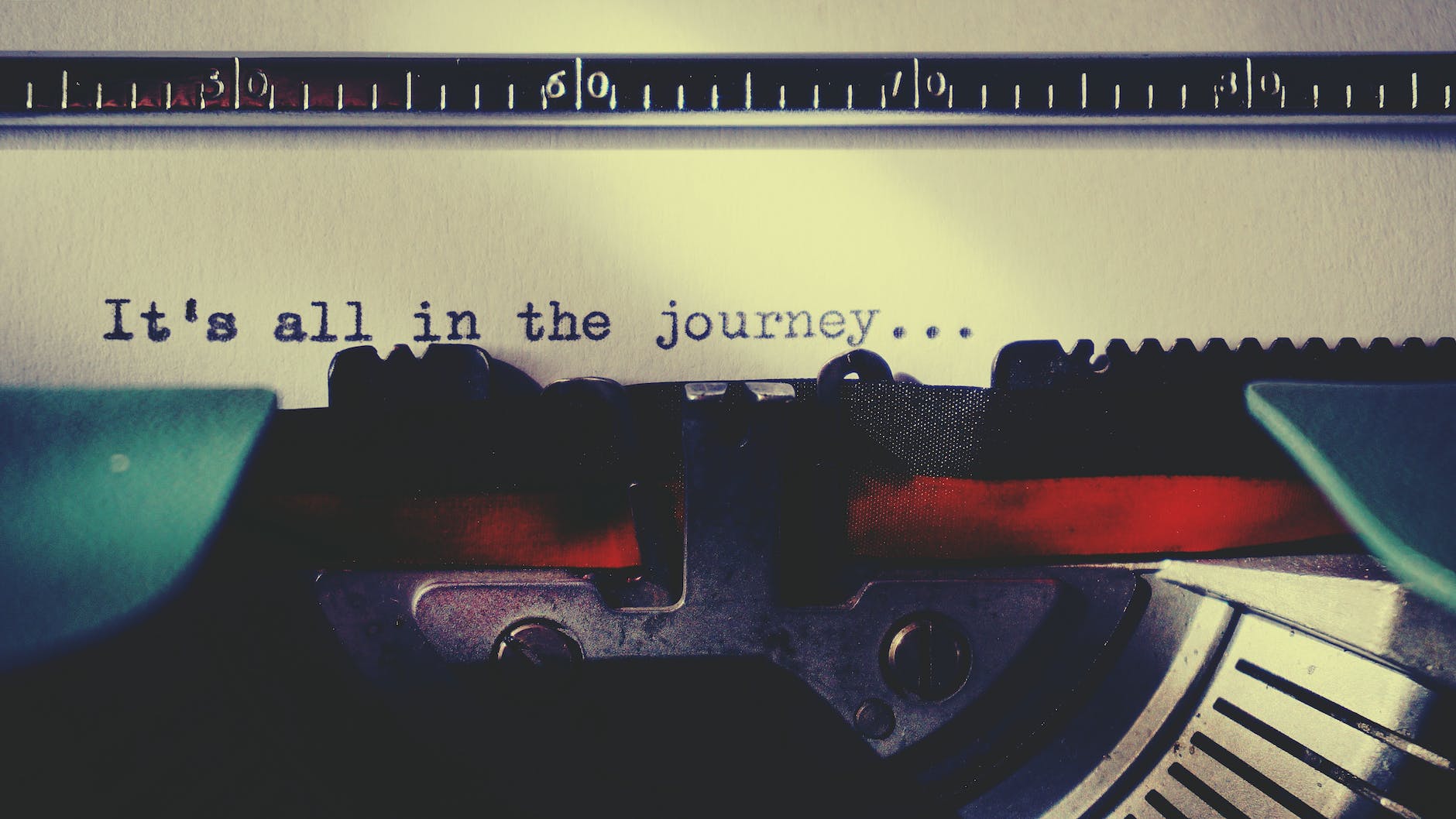
Photo by Suzy Hazelwood on Pexels.com

Podcasts listened to


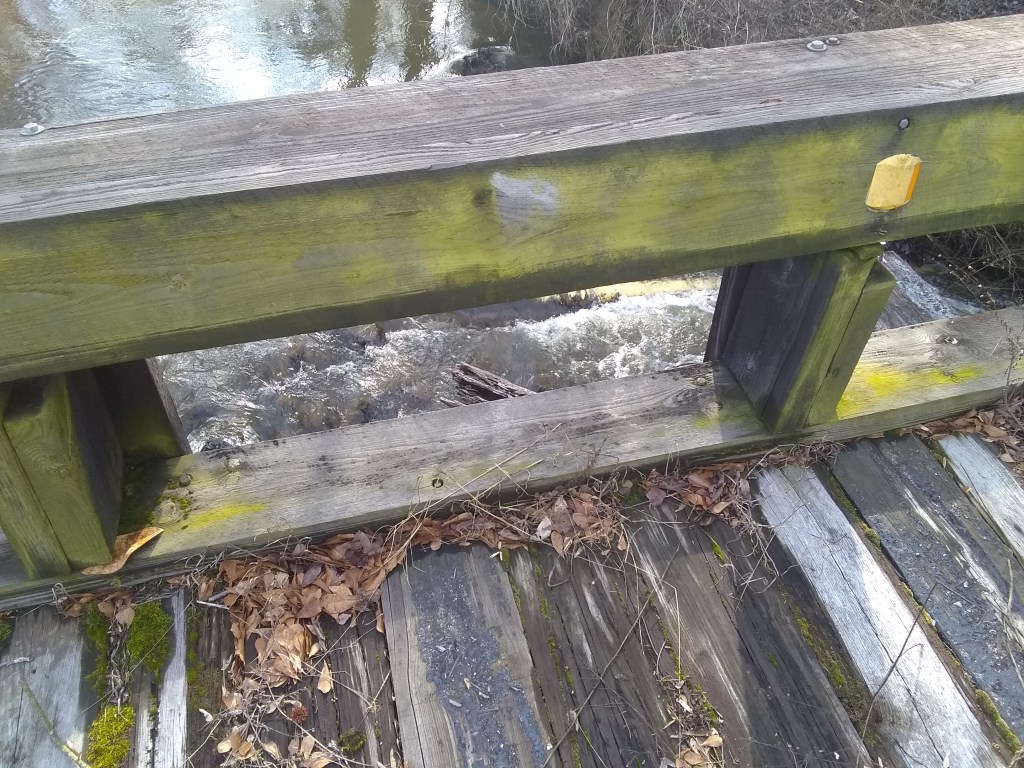
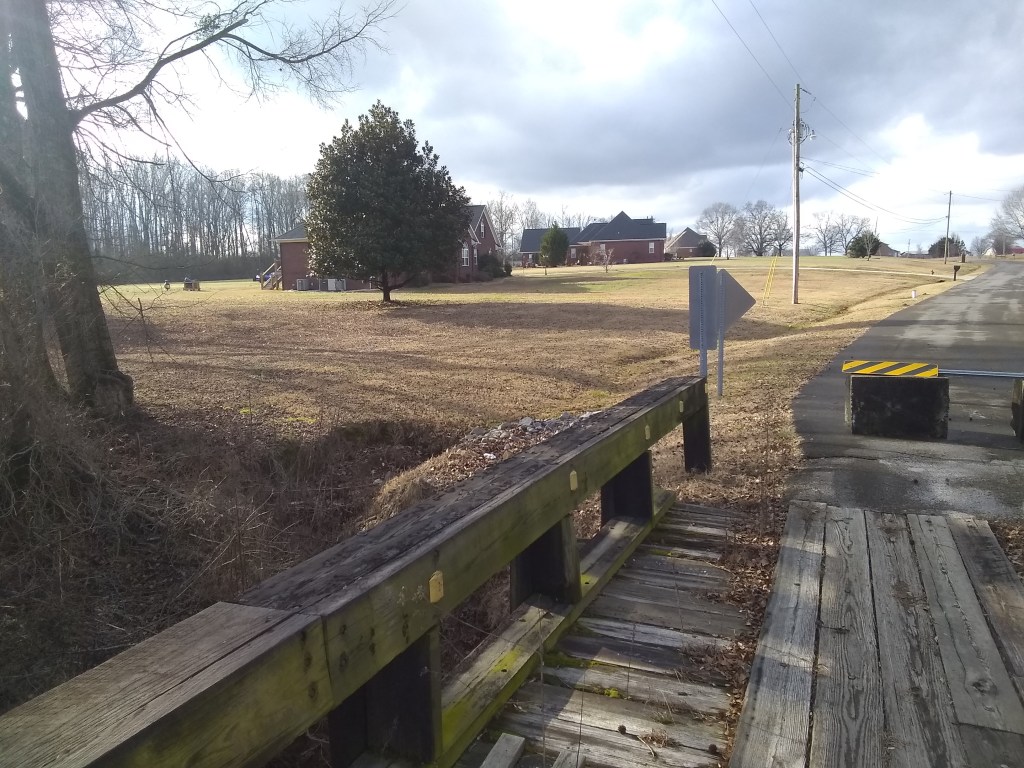
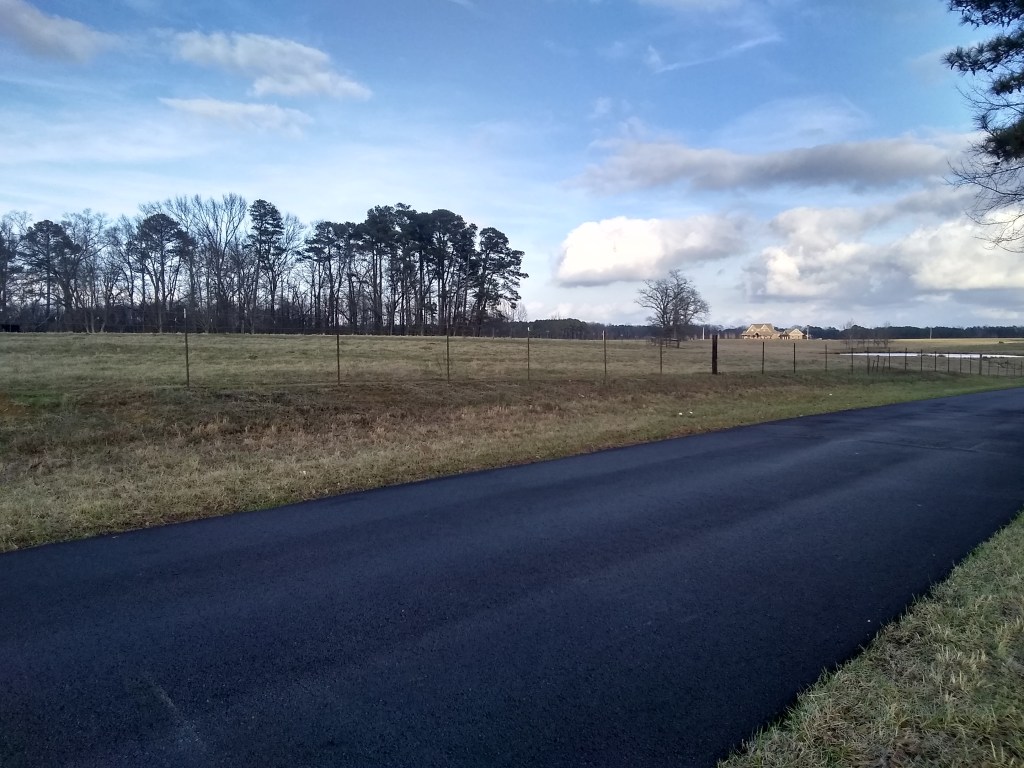
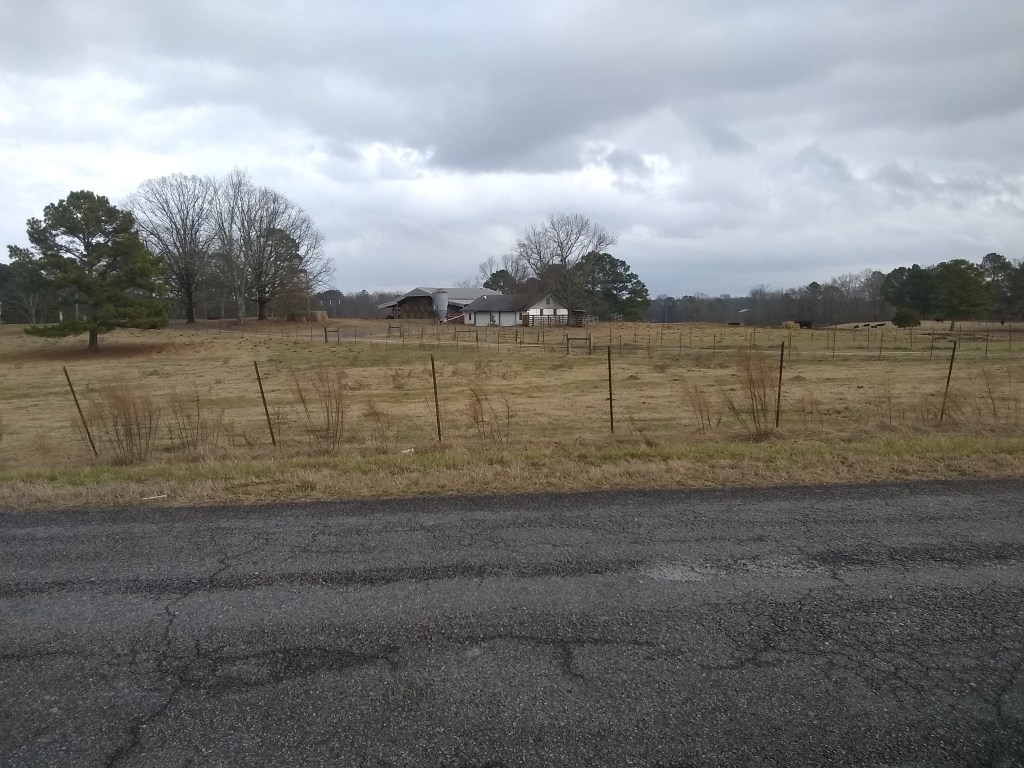
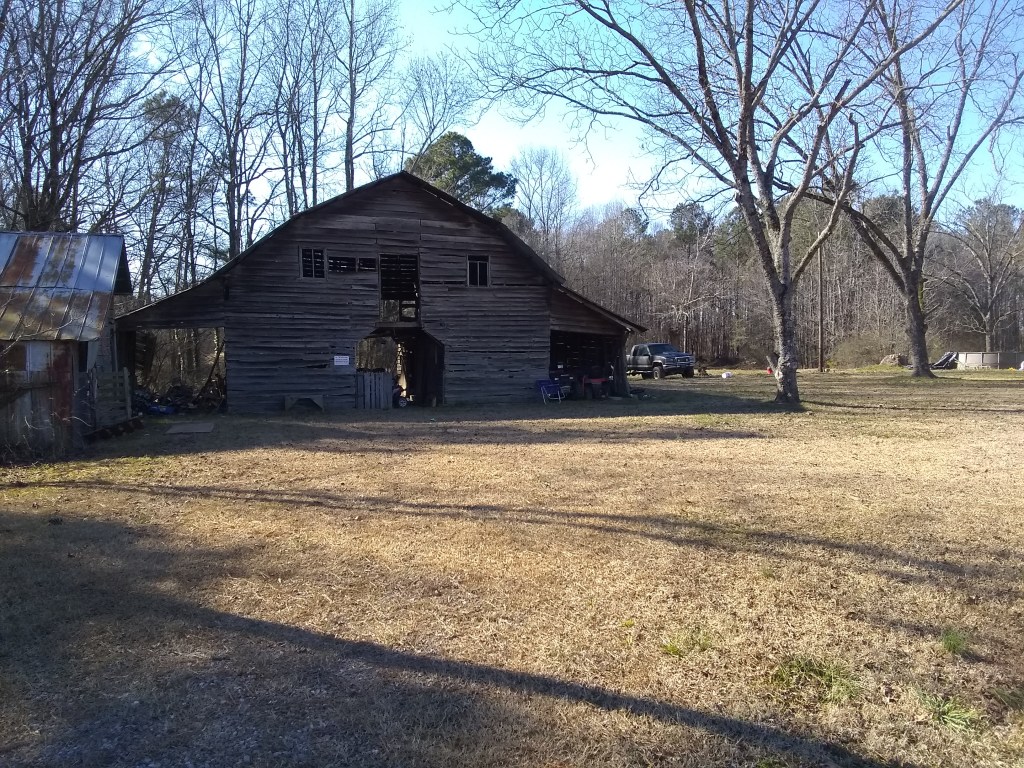
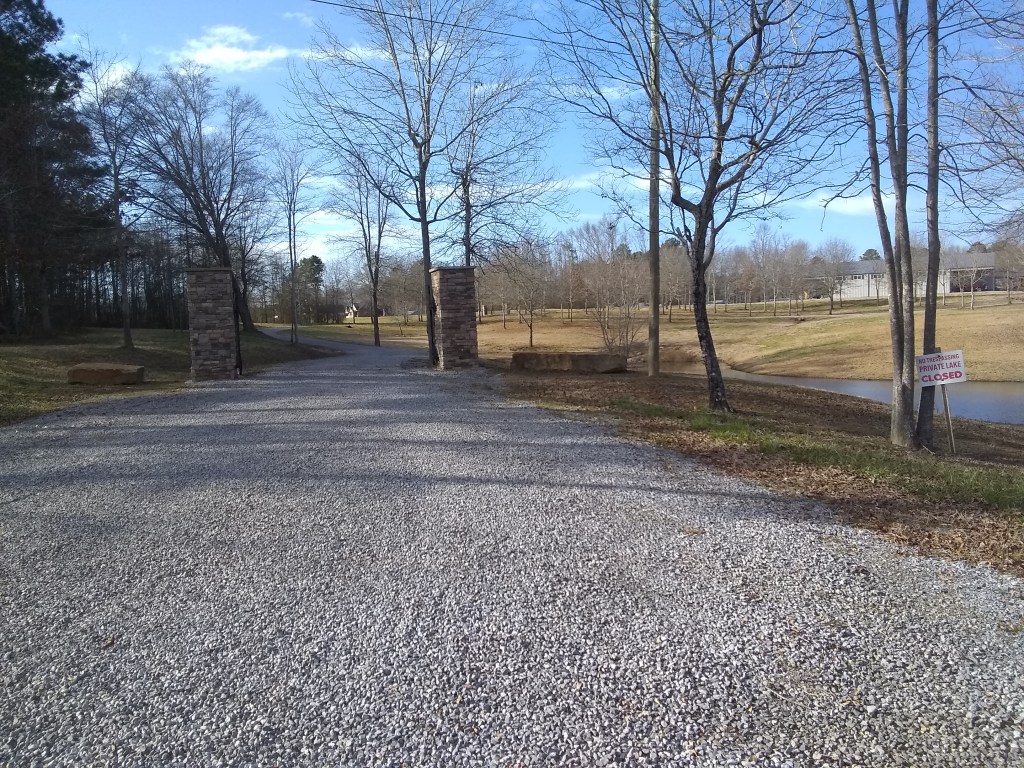
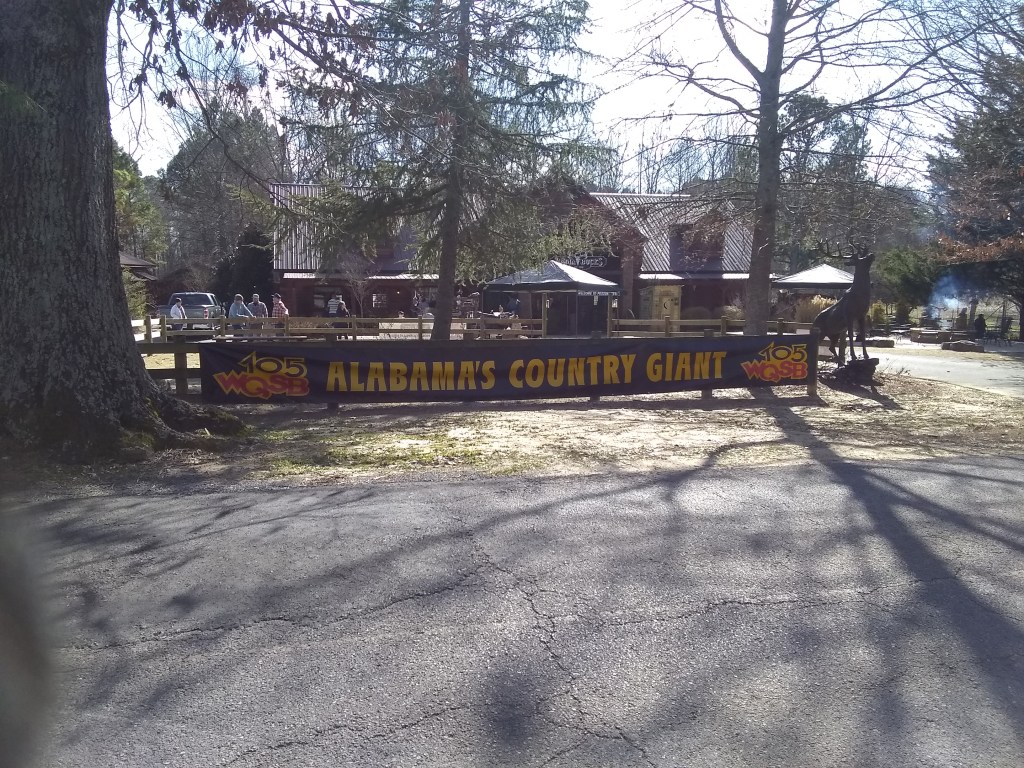
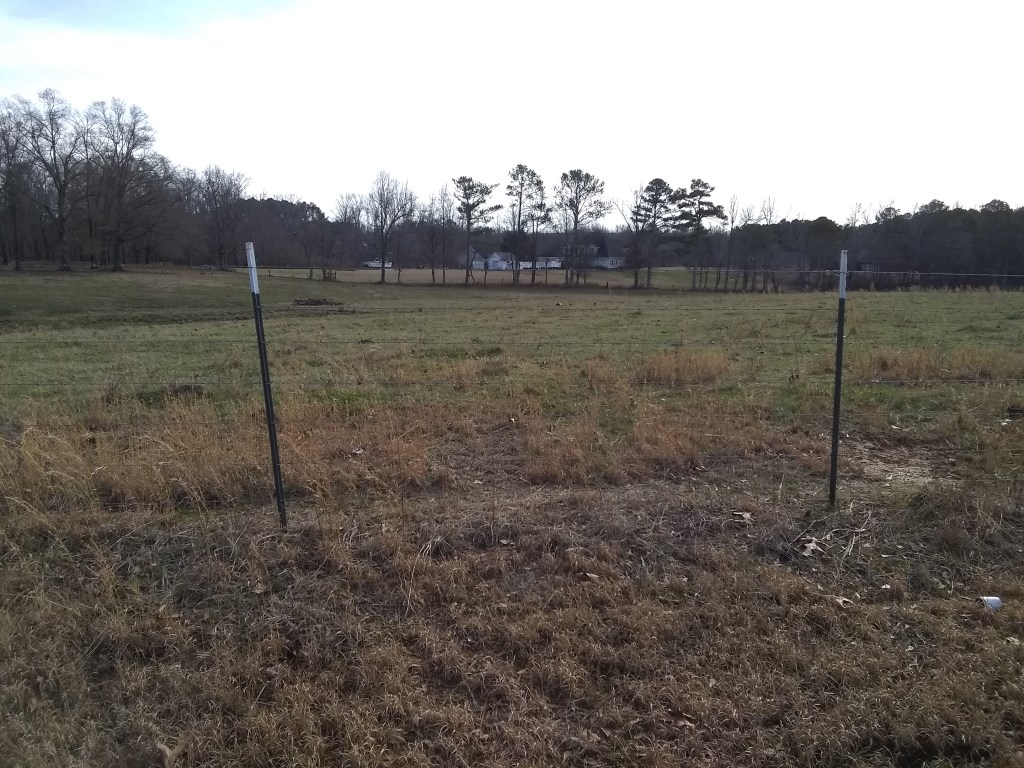
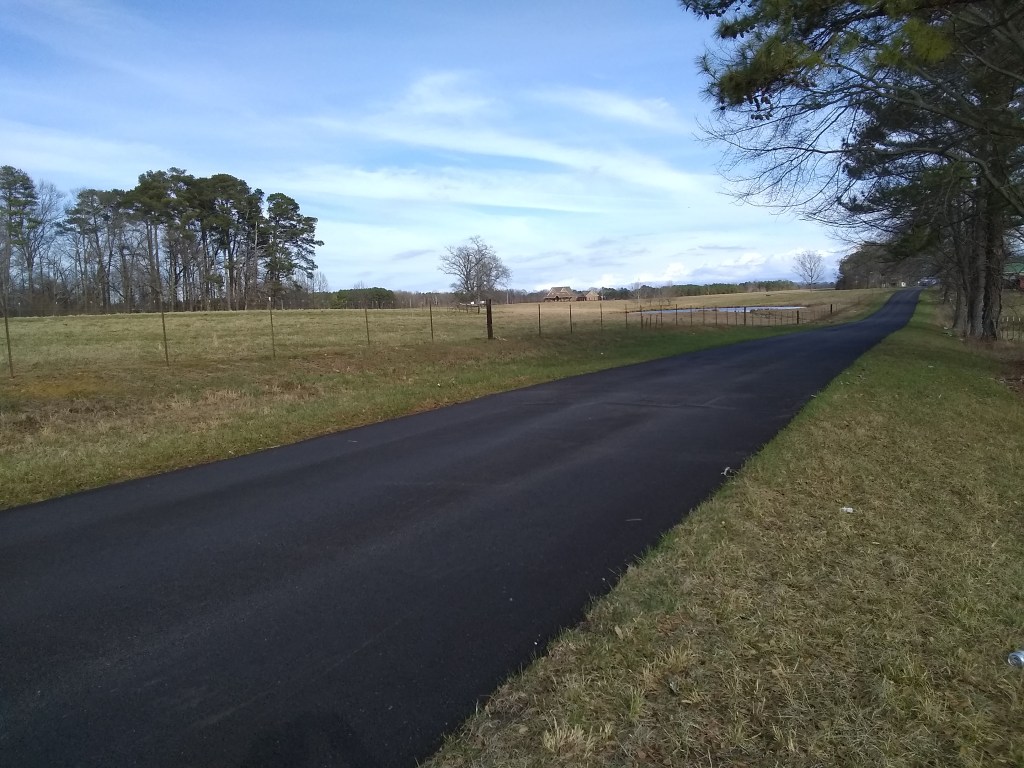
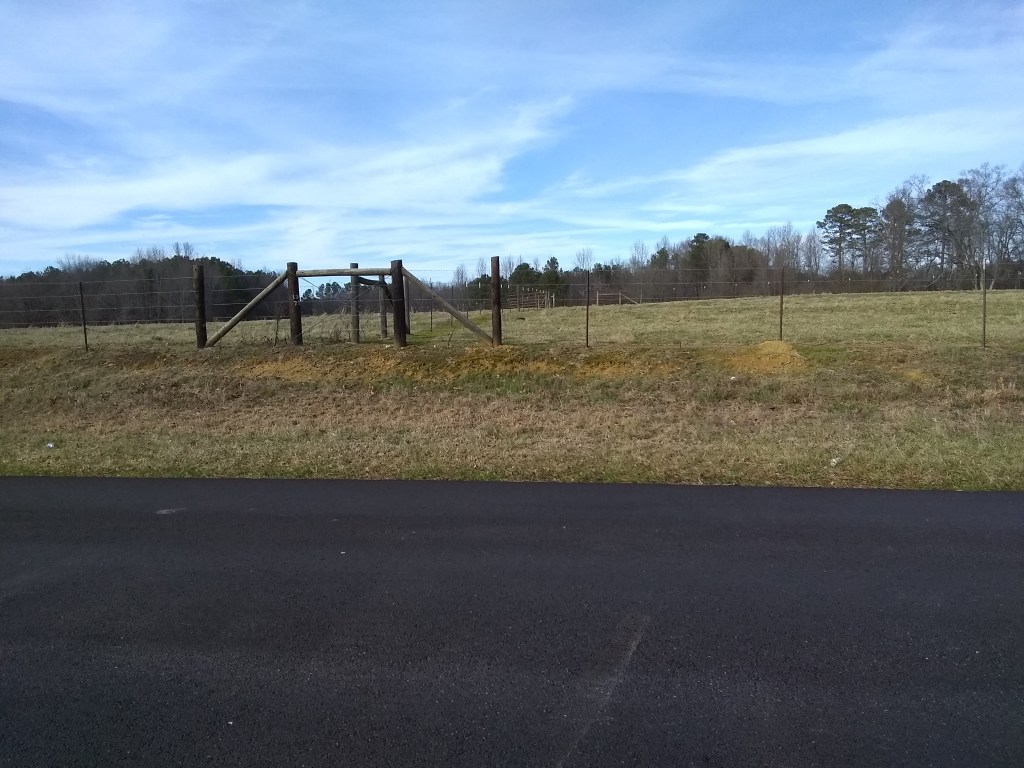
Here’s a few photos from along my pistol route:

Former Southern Baptist leader: My sexual misconduct is “nobody else’s business”

Here’s the link to this article.

Johnny Hunt, who condemned same-sex marriage, says his own infidelity is a private matter

HEMANT MEHTA

SEP 25, 2023

This newsletter is free, but it’s only able to sustain itself due to the support I receive from a small percentage of regular readers. Would you please consider becoming one of those supporters? You can use the button below to subscribe to Substack or use my usual Patreon page!

Upgrade to paid


The religious hypocrisy of a former Southern Baptist Convention leader is center stage in an ongoing lawsuit, arguing that one man’s private sins shouldn’t be fodder for public allegations.

It all stems back to revelations from 2022 about the SBC, in which we learned that, over the previous decade, more than 250 SBC staffers or volunteers had been “charged with sex crimes” against more than 700 victims. We also learned in the SBC’s own investigation that a private list of alleged predators (that wasn’t shared with member churches) included “703 abusers, with 409 believed to be SBC-affiliated.” The situation was so bad that the Department of Justice announced it was investigating “multiple SBC entities,” though not specific individuals, about their mishandling of sexual abuse cases. That investigation is ongoing.

But the relevant part of that document for today’s story was the allegation about former SBC president Johnny Hunt.

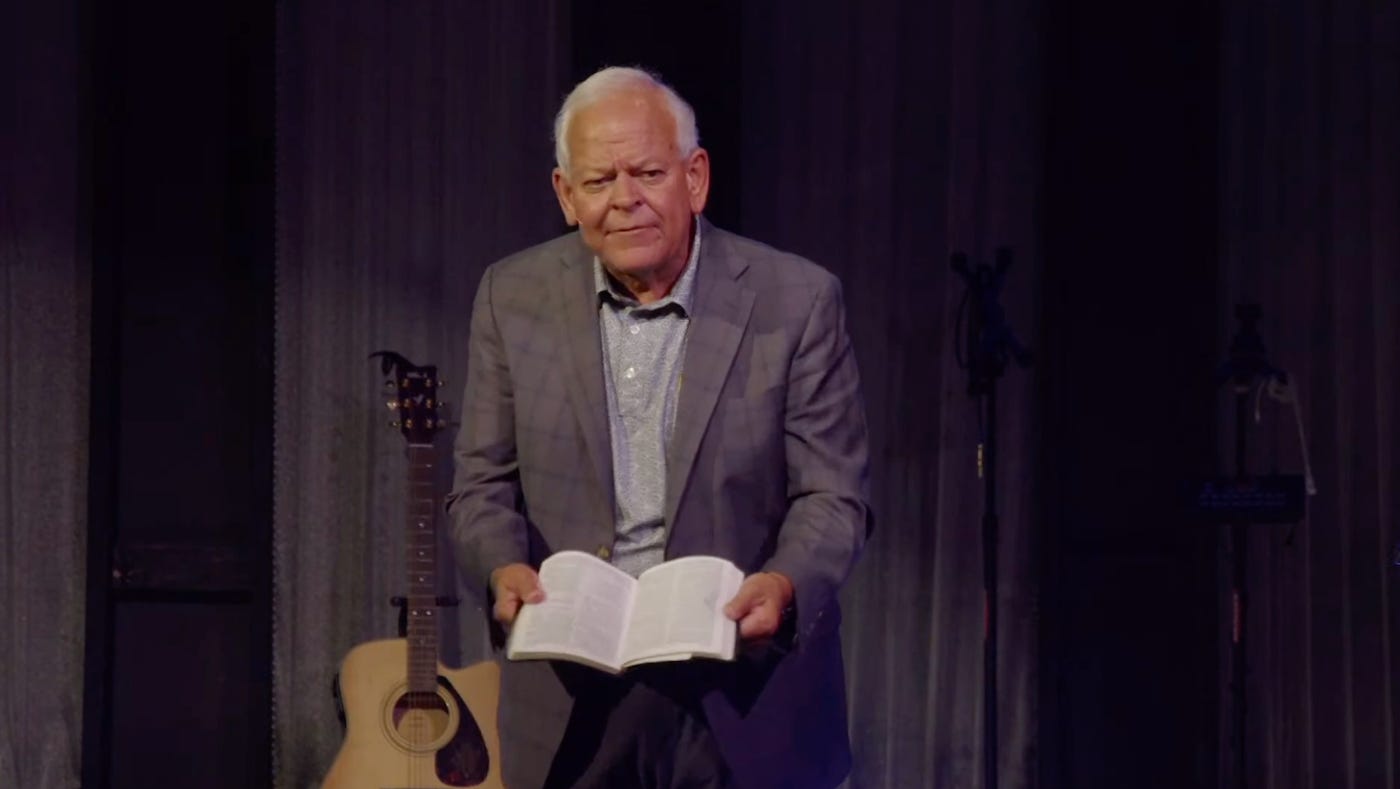
Johnny Hunt delivers a sermon on August 6, 2023 (screenshot via YouTube)

According to page 149, another pastor and his wife reported that Hunt, who ran the SBC from 2008-2010, “had sexually assaulted the wife on July 25, 2010.” (That would have been shortly after Hunt completed his second one-year term.)

Hunt, the report said, “groomed the couple with flattery and promises of help in ministry.” At the SBC’s annual meeting that year, Hunt invited the couple to spend time with his family at a beach where he was spending his planned sabbatical. They grew closer and, at a later date, the woman stayed alone at a condo that Hunt recommended. Unbeknownst to her, he was right next door.

One night, when both of them were alone, he invited her back to his place. It took a dark turn from there:

Dr. Hunt then moved towards Survivor and proceeded to pull her shorts down, turn her over and stare at her bare backside. He made sexual remarks about her body and things he had imagined about her. During this time, Survivor felt frozen. Survivor said these were some of the longest moments of her life. She mustered the courage to ask him could she turn back over, and Dr. Hunt said yes. When she turned back over, she began to pull up her shorts. Dr. Hunt then pinned her to the couch, got on top of her, and pulled up her shirt. He sexually assaulted her with his hands and mouth. Suddenly, Dr. Hunt stopped and then stood up. Survivor pulled down her shirt. Survivor said she did not want him to ruin his ministry, at which he responded he did not want to ruin hers. But he then forced himself on her again by groping her, trying to pull her shirt down, and violently kissing her. Survivor did not reciprocate, but rather stood eyes open and very stiff, hoping he would just stop and leave. He finally stopped and left.

The victim said that Hunt spoke to her shortly after that and told her “he would like to have sex with her three times a day.”

It was only the next morning that he apologized, begged for forgiveness, and asked for her to keep this a secret.

Hunt was scheduled to return to preach at his home church in Georgia following his sabbatical, but he soon announced he would be extending his break “citing physical and emotional exhaustion”

Bob Smietana of Religion News Service explains what happened after that:

Without telling his congregation — or the millions of Southern Baptists he had represented as their president — Hunt went through a secret restoration process that included counseling sessions with the woman he had fondled and her husband. He then returned to the pulpit.

For a dozen years, no one was the wiser. Hunt retired from First Baptist in 2019 and took on a new role as a senior vice president for the SBC’s North American Mission Board and continued his busy and often lucrative career as a preacher and public speaker.

Life is good when you’re an alleged sexual abuser who belongs to a religious denomination with a history of ignoring sexual abuse.

Again, all that occurred in 2010. The details of the alleged assault weren’t publicized until that report came out in 2022. Until that report was made public, it was all but impossible to connect the dots to understand the real reason for Hunt’s extended leave.

Hunt initially denied those allegations. He then claimed everything was consensual. But by the end of 2022, after going through another “restoration” program, Hunt was declared “eligible to return to professional ministry.” He returned to the pulpit earlier this year.

There were never any criminal charges filed against him. His professional career didn’t suffer any real hits. It was like the SBC didn’t really care. (Surprise.)

But Hunt seems determined to get the last word here, so this past spring, he filed a defamation lawsuit against the SBC saying they ruined his life by including him in the report. The encounter, his lawyers explained, “involved only kissing and some awkward fondling.” Infidelity, sure, but not assault. Plus, Hunt was no longer the SBC president at the time, just a civilian. Including him in the report was nothing more than a “strategic decision to deflect attention from the SBC’s historical failure to take aggressive steps to respond to reports of child sex abuse and other sex crimes in its past.”

“Pastor Johnny was not the president of the SBC or a member of the Executive Committee at the time of the incident,” they wrote in a memorandum, opposing the denomination’s attempts to have the case dismissed. “He was merely a private citizen whose marital fidelity was nobody else’s business.”

That’s the sort of sentence that will give your eyes a workout as they roll back.

First of all, citing the SBC’s “historical failure” to deal with sex abuse as an excuse for them coming after him is wild considering that Hunt was the leader of the SBC at a time when many of those failures were occurring. He’s blaming the SBC, which he led, for not doing enough to stop guys like himself.

The defamation argument is also absurd. He was a public figure. He was the immediate past president of the SBC. He was a hypocrite. He was a part of the abuse that the SBC swept under the rug. There’s no evidence that the allegations were made by people who secretly knew they were untrue (which is the whole idea of defamation).

But setting that aside, it’s ludicrous that a preacher who made everyone else’s sex life his business now demands privacy regarding his alleged assault.

As Smietana points out, Hunt was one of the signers of the 2017 Nashville Statement, which declared marriage could only be between a man and a woman, that all married couples needed to be monogamous, and that transgender people didn’t exist.

He also signed the SBC Ethics & Religious Liberty Commission’s “Statement on Marriage” written in response to the Supreme Court’s Obergefell ruling, which said the decision was the result of “marriage’s decline through divorce, cohabitation, and a worldview of almost limitless sexual freedom.”

Finally, it’s deeply ironic that in 2008, at the same convention when Hunt was elected SBC president, the SBC Executive Committee condemned sexual abuse in all forms:

“The Southern Baptist Convention is on record for having stood strongly against sexual abuse. We have long condemned those who would use our churches as a hunting ground for their own sick and selfish pleasure,” Chapman said. “At the same time, sexual abuse is a growing crisis in this nation and we must continue to do everything within our power to stop this horrendous crime. Even though the number of Southern Baptist ministers who are sexual predators may seem to be relatively small, we must be on watch and take immediate action against those who prey on the most innocent among us. One sexual predator in our midst is one too many!

We gotta stop the sex predators! Now everyone please clap for the new guy in charge, Johnny Hunt!

Notice how they acted like Southern Baptist predators were few and far between even though sexual abuse was rampant in the culture. Meanwhile they elected a man was was two years away from being credibly accused of that same behavior. They were also in the midst of covering up their own behavior, as the 2022 report would later reveal.

If Hunt wasn’t an anti-LGBTQ preacher who made sexual ethics a focal point in his personal ministry, maybe this wouldn’t have to be a public story… though I would argue it still deserved to be taken seriously because (1) if the allegations were true, it would be a serious crime and (2) he used his religious authority to gain unearned trust from another woman.

It important to remember that Hunt has always pushed the false idea that a Christian ethic means taking the moral high road. Yet he’s a living example of how Christianity can sometimes just be an excuse to cover up bad behavior. He implied that those who reject his belief system are more likely to be sinners worthy of condemnation while never taking those beliefs seriously himself. He acted like his marriage was worthy of praise while treating monogamous same-sex couples as if they were being led by the devil.

He’s not the only Christian leader who turned out to be a complete hypocrite. Ted Haggard and Jerry Falwell, Jr. had their reputations destroyed for similar reasons. (At least they were never accused of assault.) But Hunt seems intent on making sure this story stays in the public eye by making the idiotic argument that it never should have been told.

To be fair, that may be the most Southern Baptist thing about him.

God and Girl–Chapter 10

God and Girl is my first novel, written in 2015. I'll post it, a chapter a day, over the next few weeks.

The first week of school had finally ended last night a little before midnight when Ellen and I uploaded our Biology paper to Blackboard. We had worked separately throughout the week, doing our own readings and making our own notes and rudimentary outlines. We came together at her house right after school yesterday afternoon. Between a long afternoon and early evening of making chocolate chip cookies, watching Ellen on TV—my Ellen’s hero of a sort—and a nap on my Ellen’s bed, we finally settled down to serious and diligent attention to our team project. Our essay wound up being 1997 words and many of them were difficult to write because they made me acknowledge head-on, for the first time in quite a while, that I was at a crossroads in my life. I was now solidly on a journey, on a pathway with Ellen’s hand in mine—I hoped— and this path was far down the hill from the path I had been on, or at least I thought I had been on all my life. After completing our paper, I realized the only thing that had truly kept me on the upper pathway was my Dad’s strong and relentless hand of faith.

After pressing the SUBMIT button, Ellen and I realized we were exhausted. We fell across her bed and were both in our dreams before we could exchange a verse of poetry or ponder the progress we both believed the week’s walk had produced.

Mom picked me up at 8:30 Saturday morning. My first night at Ellen’s was now just a memory.

After helping Mom dust and vacuum half the house including the den, the kitchen, and my room, I felt like a bike ride. I rode to my secret spot at the City Park, beneath the big oak trees and huddled up against my protective rock.  I could now, confidently and securely, open my mind and heart to God if He wanted to hear. I believed He could because I believed He existed, and borrowing a little faith from my Dad, I believed He cared for me.

How had I arrived at this point in my life? And where, exactly was that? Right now, it sure felt like I was in full rebellion against my family and my faith, that I was chasing after Satan, after a most vile and putrid way of life, one that most American people found abhorrent.

Mom had always said to be rational. So, what am I missing here, if anything? The debater herself, she had always used that method to help me learn, and my siblings, especially Jacob. When we were younger, not even that long ago, when we were arguing, she would set us down and set up a mock debate. She made us take the other’s position and argue for it. She would make us stand up at a make-shift podium and she would moderate. Many, many times this process helped. It didn’t always change my mind or Jacob’s, but it seemed to at least put each of us in an enlightenment zone where we were seeing farther, understanding the other’s position just a little more. Mom’s debates seemed to bring a sort of wisdom.

What is the opposite side of where my life is? I have been living a lie. I have had no choice in my life so far. I have been living in a Bible believing, some would say Bible-thumping, home and church where I have had to play a role, act a part. I have in a sense been brainwashed. And now, since I am older and have a lot more freedom to think and ponder and explore my feelings, I am being drawn by a different ‘gospel.’ It is one that feels more like swimming downstream instead of swimming as Christianity has felt for quite some time.

But, I must admit this downstream swimming is a little scary. Things are passing by much faster. Rules, principles, methods, structures seem to pass through my sight quickly or they don’t exist. Growing up in church, especially one where your dad is the pastor, is in a sense, safe. It is a protected place. It is kind of like a place where you don’t have to think too much, especially after you have heard the more popular Bible stories—Noah’s flood, Moses’ parting the Red Sea, Jesus raising Lazarus from the dead—you can virtually coast through. Maybe it isn’t like this for Dad, because he is our leader, and probably must keep revisiting the stories to learn little nuances that can be used to spur members to more generosity or more evangelizing the world. No doubt, at least until one grows up and has her own family, the church cups you gently in its hands and sings sweet songs to you easily allowing you to fall into a satisfying trance far removed from the world’s battlefield where decision making can cost you your life.

Maybe it boils down to the meaning of love. That one phrase, ‘I love you Lord Jesus,’ I have said and sung in youth group meetings, with hands held up, each equally positioned beside and in front of my head. And, I meant it. Or, I thought I did. Or, maybe I never thought, truly thought, about whether I meant it or not.

‘I love you Ellen.’ I had not actually, verbally, told Ellen–well, these words are written in a poem I shared with her.  Either way, I do love Ellen and I don’t have to think about it. I know how I feel in my heart. I see her, I feel her, and when I am close to her, I smell her–oh, the many scents of Ellen, the clean and simple smell of her hair, skin, and cheeks, to the elegant and complex smell of Juicy Couture on her wrists.  These smells dance their way to my nose, my mind, my heart, and I’m transported with her to a mountain valley filled with wild berries, caramel woods, honeysuckle, and jasmine, the both of us, together, running, laughing, singing, and dancing.

Poetry has provided me a crash course in Ellen, in how she thinks, in what she thinks. She is a beautiful soul, a complex soul indeed, but one who loves simplicity and truth, one unafraid of life and what it may send her way. She is open and honest and willing to share her thoughts about life and how it started and how we got here, even if these thoughts exclude a supernatural God.

I lay my head back against my rock and look up to the bright sun. I close my eyes but still see the sun. It remains bright for as long as I keep my mind focused. I see God standing on the left side of the sun, and Ellen standing on the right side. They seem to be looking directly at me for a while and then they turn and look at each other. I lose my focus and fall asleep.

I am suddenly awakened by two crows fighting right above me, well, right above the trees over me. I see them circling and speculate they were arguing over whether I was dead or not. I look at my iPhone and note that I had been sort of dead for over an hour. I get up, hike back to my bike, and return home.

“How was your ride?” Mom asked as I walked in the door.

“Short for miles driven, but light years for thoughts pursued.”

“I myself decided to nap instead of doing either. With your dad playing golf with Phillip, and Rachel and Jacob at the movies, I decided the couch needed my attention.” Mom said.

“Could we talk, since we have this time to ourselves?” I said.

“Honey, you know I am always here for you and always open to talking. What’s on your mind?”

“Mom, thanks for always being such a good friend and being easy to talk to. But, I’m scared that you will be shocked at what I’m going to tell you, and I’m scared you will tell Dad.” I said.

“Baby, you know I can’t promise you up front whether I will tell your father. I must wait until after I hear you. You know that has always been our deal. I want you to continue to know that you can trust my judgment.”

“Okay, I do. Mom, I am in love with someone. And, I feel I am falling out of love with someone else.”

“Maybe that is natural. That probably happens to everyone growing up honey. I guess I didn’t realize that you were already in love.” Mom said.

“Well, here is the scary part. I feel I’m sliding away from God, I called it falling out of love. And, at least in part, this falling is being caused by another falling–that other one I spoke of, falling in love with someone else.”

“So, let me see if I follow. You believe your new love is affecting how you feel about your relationship with God. Correct?” Mom said.

“Yes.”

“It seems there is more to this new love than just a crush on a boy in Poetry class.” Mom said.

“That would be true.”

“Oh honey, does this mean that you are doing things with this new boyfriend that you shouldn’t be doing?” Mom said.

“Kind of, but it’s not exactly what you are thinking. I am not having sexual intercourse.”

“Baby, let me tell you a little story. I ask that you not tell your dad.” Mom said.

“Funny. And sorry, I cannot promise you that until I hear what you have to say.  You will just have to trust my judgment.”  I said.

“I guess I deserved that. I do trust your judgment so here goes. When I was in the ninth grade I met this older boy.  He was two or three years older than me. He was my first real boyfriend. Oh yes, I had middle school boyfriends, just crushes. This boy, I’ll call him John, was kind, gentle, and funny. I fell deeply in love with him. I truly believed then, and still believe today, that it was the real deal. We spent a lot of time together. My mom and dad were good parents in a way, but they were rather dumb about flexibility and freedom they had allowed in my young life. They did impose a curfew, but they allowed me unsupervised freedom with John. John, as I said was older, and he had a car. I’m ashamed to tell you that our relationship evolved, or I guess you could say, devolved, into a sexual relationship. Unfortunately for me, this further anchored my love to John. I believed him when he said he loved me. I believed him when he said he wanted us together forever. At no time in my life have I ever been happier. But, please hear this, it was a false happiness. I soon found out how false. After a year or so with John and a deeply satisfying sexual relationship, my real happiness ended. One day I was walking home from school and I saw John in his car, with Laura sitting right up against him. That night John called me and told me he thought we needed to date other people ‘to make sure that we are right for each other for the rest of our lives.’ I was absolutely devastated.” Mom said.

“And you have never told Dad this?” I said.

“No, I thought it was best he didn’t know. I thought it was best for me. I believed that if I told him that he might leave me. So, I’ve kept this a secret from him all these years.” Mom said.

“Please know Mom that I will never tell Dad.”

“I kind of felt you would say that. I am so glad we have such a beautiful relationship. Let me tell you something else. I know now, and have known for a very long time, that my relationship with John was wrong. But, it also taught me a lesson as to how easy we can be deceived. Recall I spoke of happiness. Yes, I was happy.  If I had the right relationship with my mom I could have talked to her, but I would have been totally truthful by telling her I was happy. I probably would have been so bold and confident to tell her that John and I would be married someday. My feelings had gotten the best of me. And, unlike you, I didn’t have God in my life. I didn’t have church in my life.

Baby, I can tell you all day that what you think you have with this young man is not true love, that it is passing, and that someday you are going to regret what you are doing, but you won’t hear me. Because you can’t.” Mom said.

“You are probably right, but there is more to my story than what I’ve said so far. And, this is the really hard thing to tell you. Oh, for my story to be as simple as yours.”

“Now, I’m really confused.” Mom said.

“Mom, my boyfriend is not a boy. I have a girlfriend like you had a boyfriend.”

“I’m afraid I’m still confused. I’m hoping my hearing is off today.

Did you say you are in love with a girl?” Mom said.

“Yes, I am in love with Ellen Ayers.”

“Mom, Rachel sat with Luke Ragsdale at the movies.” Jacob said as he and Rachel burst into the kitchen from the garage with Rachel trying to slap him or cover his mouth.”

“We will talk more later. For now, I won’t tell your Dad any of this.” Mom said softly as we walked toward the kitchen with Mom reaching out for support as we passed couches, chairs, and small and large cabinets.

09/25/23 Biking & Listening

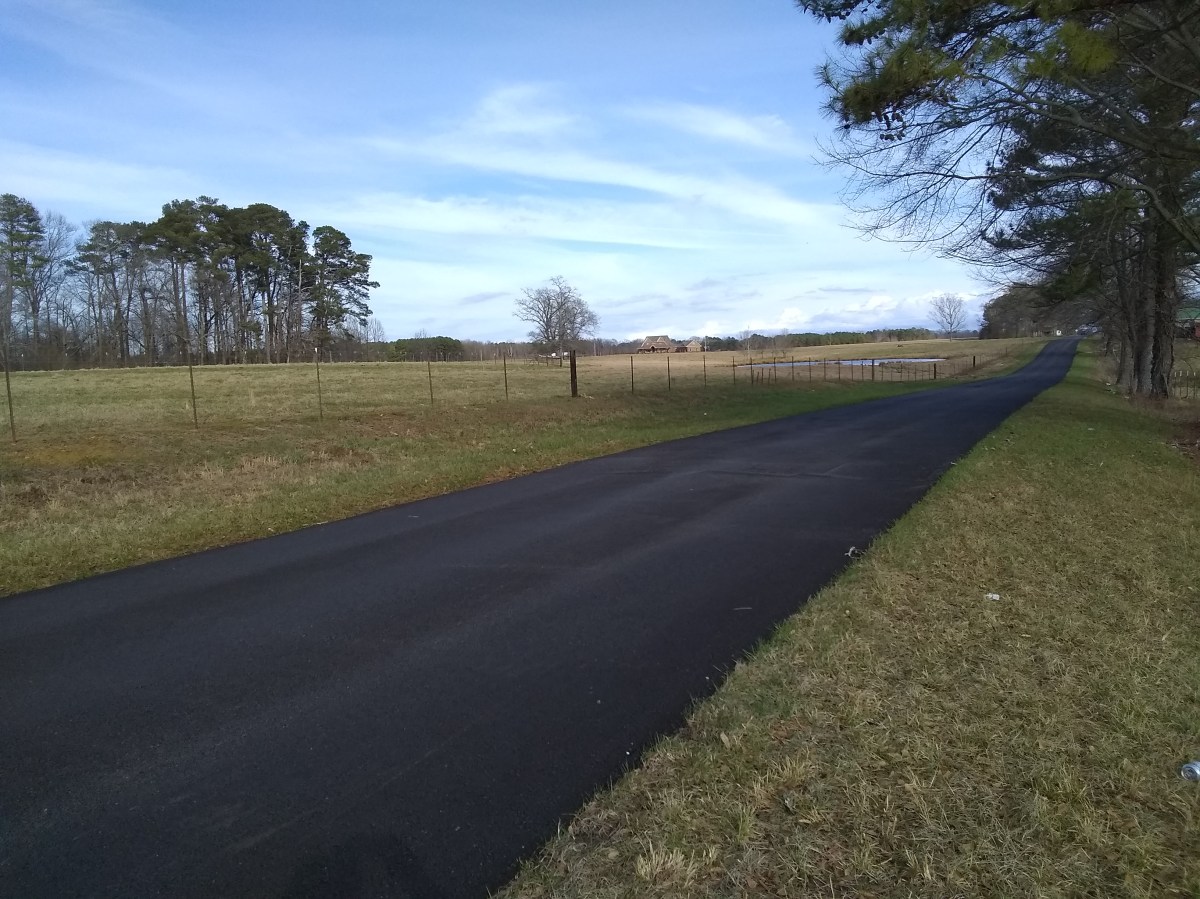
Here’s a link to today’s bike ride.

Why I ride

Biking is something I both love and hate. The conflicting emotions arise from the undeniable physical effort it demands. However, this exertion is precisely what makes it an excellent form of exercise. Most days, I dedicate over an hour to my cycling routine, and in doing so, I’ve discovered a unique opportunity to enjoy a good book or podcast. The rhythmic pedaling and the wind against my face create a calming backdrop that allows me to fully immerse myself in the content. In these moments, the time spent on the bike seems worthwhile, as I can’t help but appreciate the mental and physical rewards it offers.

I especially like having ridden. The post-biking feeling is one of pure satisfaction. The endorphin rush, coupled with a sense of accomplishment, makes the initial struggle and fatigue worthwhile. As I dismount and catch my breath, I relish the sensation of having conquered the challenge, both physically and mentally. It’s a reminder that the things we sometimes love to hate can often be the ones that bring us the most fulfillment. In the end, the love-hate relationship with biking only deepens my appreciation for the sport, as it continually pushes me to overcome my own limitations and embrace the rewards that follow the effort.

My bike

A Rockhopper by Specialized. I purchased it November 2021 from Venture Out in Guntersville; Mike is top notch! So is the bike. The ‘old’ man seat was salvaged from an old Walmart bike (update: seat replaced, new photo to follow, someday).


Something to consider if you’re not already cycling.

I encourage you to start riding a bike, no matter your age. Check out these groups:

Cycling for those aged 70+(opens in a new tab)

Solitary Cycling(opens in a new tab)

Remember,

Photo by Suzy Hazelwood on Pexels.com

Podcasts listened to


Here’s a few photos from along my pistol route:

GUESSINGS ABOUT GOD: Robert Conner’s review of new book by David Madison, PhD Biblical Studies

Here’s the link to this article.

By David Madison at 9/24/2023

Books that question the validity of Christian belief and the historicity of New Testament stories appear regularly these days and they raise quite a few uncomfortable questions. Did Jesus really say the things attributed to him? Was Jesus even a real person? Did the gospel writers simply make up accounts of miracles like the virgin birth? Can we harmonize the contradictory resurrection stories? Do the gospels, written decades after the life of Jesus, record any eyewitness evidence? Who actually wrote the gospels? The gospel authors never identify themselves in their texts or speak in the first person—did they even meet Jesus? Over a century of critical study of the New Testament has raised many such thorny problems.

In the newly-released Guessing About God, David Madison and Tim Sledge take a common-sense approach to a discussion of Christian belief. Although many counter-apologetic works assume some familiarity with psychology, biblical criticism, church history or philosophy, Madison asks little more of the reader than a degree of open-mindedness, access to a Bible, some familiarity with the Christian liturgy, and a willingness to argue in good faith. Like Madison, I spent part of my childhood in Indiana: “Christianity was in the drinking water where I grew up…God was just there, a given.” Questioning what is taken for granted is often painful and occurs in stages, a process tacitly acknowledged by Madison’s thoughtful and empathetic approach.

For the people of the Bible, Yahweh was never far away—an animal ritually slaughtered and burned produced “an aroma pleasing to the Lord.” (Leviticus 3:5, 16) God was close enough to Earth to smell the smoke of sacrifice, to hear the prayers, receive the praise, and observe the actions of his worshippers. The biblical God “makes the clouds his chariot and rides on the wings of the wind.” (Psalm 104:3) Yahweh even accompanies his followers into battle: “God is the one who goes with you to fight for you against your enemies to give you victory.” (Deuteronomy 20:4) However, as Madison points out, these days the God of the Bible is nowhere to be found. Modern theologians are forced to claim that God is “outside space and time,” an assertion that would have been quite incomprehensible to the Bible authors who clearly write about a God that has both location and history.

“If, say, the Space Shuttle were sent speeding toward Alpha Centauri at about 18,000 miles per hour, the journey would take about 80,000 years. And that’s to the nearest star!” Humanity no longer inhabits the biblical microcosm where “all the kingdoms of the world and their splendor” can be viewed from the top of “a very high mountain.” (Matthew 4:8) Indeed, the incomprehensible vastness of the universe threatens to reduce the biblical world and its gods to an invisible, irrelevant speck.

In “Problem 2 — The Bible Disproves Itself,” Madison discusses what I regard as the most fundamental problem of religious belief: sacred books as self-authenticating documents. Philosophy, history, or probability aside, “proving the Bible’s authenticity by quoting from the Bible is closed-loop reasoning…no document on the planet can be self-authenticating.” Truth claims made for a sacred book cannot be substantiated simply by quoting from that book. “This irony is not lost on atheists. The theists, in fact, are among those who deny that the Word of God comes in book form—when it’s the other guy’s book. They are like kids in a playground taunting others, ‘My book is holier than yours!’”

As Madison notes, “Without question, the Bible is the most researched and minutely studied book ever written. There are countless books, articles, scholarly journals, doctoral dissertations, and sermons about the Bible.” Bible study is an industry: “Most lay people, the average individuals in the pews, are unaware that thousands of scholars make their living studying and writing about the Bible.” Likely few believers have reflected on the economic implications of seminaries and departments of religion in secular universities, the Christian broadcasting and publishing empires, or multi-millionaire celebrity preachers with private jets. Religious conviction aside, churches are big business, motivation enough to keep theologizing, philosophizing, preaching, broadcasting and publishing. For many thousands, religious belief is a matter of employment.

The third section of Guessing About God addresses the vexed question of vetting the bona fides of sinless Jesus: “Let’s suppose that in the course of your research, you found that no information was available on this man’s life between the ages of 13 and 29. Wouldn’t this give you pause?” In point of fact, it is well known among scholars that apart from the New Testament, no contemporary evidence confirms the life and career of Jesus of Nazareth. Which raises some additional questions: “Are the Gospels accurate in their portrayal of Jesus? Is their content reliable? Are they history, or something else?”

Until relatively recently, even skeptics thought the gospel accounts retained some historical core of information based on oral traditions about Jesus. It is now known with near certainty that Mark was the first gospel written and that it is a literary construct “that has nothing to do with contemporaneous documentation.” In short, we are back to self-authenticating stories again, a claim that simply won’t bear examination. “It’s no surprise that many church leaders have about as much use for Bible scholars as laypeople do. The task of such leaders is to keep the Jesus brand alive.” 

The third section confronts the reader with the present state of the Jesus Studies debate: “Enter stage left The Mythicists. The people-of-faith New Testament scholars, those who cling to Jesus, even if only by a thread, now face a phalanx of scholars who argue that the whole story of Jesus could be fiction.” At this point, Madison focuses on the best internal support for the mythicist position generally: “In the earliest of the New Testament documents, penned long before the Gospels, Jesus of Nazareth isn’t there. That is, the epistles of Paul and others don’t speak at all about Jesus of Nazareth. Their focus is a divine Christ. There seems to be no awareness of Jesus’s preaching and parables, his miracles, his disputes with religious authorities, or even the Passion narratives. It’s almost as if the real Jesus hadn’t been invented yet, which would not happen until the Gospels had been created.” 

Paul is perfectly clear about the source of his gospel: “For I did not receive it from any man, nor was I taught it, but I received it through a revelation of Jesus Christ.” (Galatians 1:12) This statement is not a confession; it’s self-satisfied boasting. Paul and his house churches had little use for a historical Jesus: “Even though we once regarded Christ according to the flesh, we regard him thus no longer.” (2 Corinthians 5:16) If this represented the attitude of the primitive church, there is even less reason to expect that believers treasured and transmitted details of Jesus’ life or that those details would eventually be enshrined in the text of the gospels. 
I’m in complete agreement with Madison’s conclusion: “The managers of the Christian brand have to hold onto the Gospels for dear life and to believe there must be shreds of evidence in Gospels to underwrite the reality of Jesus. If the Jesus-was-real folks want to paint themselves into this corner, that’s fine with me. I’m delighted with the Gospels as the playing field. I want to stick with the Gospels. They are the best tool for showing that the case for a credible Jesus is weak.”

In his final section, “How I Came to Write this Book,” Madison describes his personal transition from young Bible geek to the emergence of doubts based on deeper knowledge and reflection, to the rejection of his former belief entirely. There are several similarities between my story and the story of David Madison. Although I didn’t pursue an advanced degree in Biblical Studies, I deconverted after two years of university study, convinced that religious belief is without any factual basis. As the number of believers continues to plunge and enrollment in seminaries drops, it appears many more former adherents will be making the trek from conviction to unbelief. For such travelers, Guessing About God will prove a welcome guidebook.

Robert Conner is the author of The Death of Christian BeliefThe Jesus Cult: 2000 Years of the Last DaysApparitions of Jesus: The Resurrection as Ghost StoryThe Secret Gospel of Markand Magic in Christianity: From Jesus to the Gnostics.

God and Girl–Chapter 9

God and Girl is my first novel, written in 2015. I'll post it, a chapter a day, over the next few weeks.

Monday morning was a monsoon. Mom dropped me off at school and my second shower was much faster than my first one earlier this morning. As we were leaving home Mom had offered me my raincoat and an umbrella but cool me, ninth grader me, budding adult me, refused.

I headed to the left down the long hallway towards the gym to pick up all my textbooks. This is somewhat of a tradition here at Boaz High. The worst part of it is to be here by 7:00 a.m.  I’m not sure when it got started but the teachers work all weekend to set this up. Tables are arranged alphabetically in a semicircle around the basketball court with mounds of books behind each table. The students find their table and pick up all their books. Lucky for me I had not refused to bring an empty backpack to hold all my books.

I packed them in tightly and left to find my locker. It was on first floor–all lockers on first floor are for ninth and tenth graders. Lockers on the second floor are for eleventh and twelfth graders. Classrooms follow this schema also. After finding my locker I unloaded all my books except my Biology textbook for first period.  Dr. Ayers here I come. As I walked down the hall to my classroom I couldn’t help but wonder if Ellen would be in my Biology class.

I didn’t have to wonder very long. When I walked in, she was standing with Ryan and Lisa at the back of the classroom. I laid my books and notepad on a desk and walked back to them taking in the sight as much as possible without being totally conspicuous. Ellen wore perfect-fitting jeans and an elegant, black silk blouse not too tight but tight enough to reveal her mature bust line. And, pink Reiker’s shoes. I couldn’t believe we both had on the exact color and brand of shoes.

“Hey Ruthie,” Ryan said giving me the stare down as though he was warning me or telling me to tread carefully with what you say.

“Hi to you Ryan, and to all.” I said.

“Look at the blackboard.” Lisa said.

I did, and it said, “Select a team-mate to work with on projects. This obviously needs to be someone you can work with in a productive way.”

“Ryan and I are now steady friends, like boyfriend and girlfriend, and, well obviously, we are now Biology class team-mates.” Lisa said.

“We were hoping you and Ellen would agree to be team-mates. What do you think?” Ryan asked me.

“Fine by me.” I said looking at Ellen. “Is that okay with you?” I asked, looking at Ellen.

“Of course, I’d love to be your team-mate. I just wanted to make sure you were okay spending time together working on Biology work, especially since you haven’t known me for very long.  I was afraid I might have scared you the other night sitting by the fire.” Ellen said.

“I think I know you well enough.” I said to Ellen, looking deep into her eyes. “I wasn’t scared at all, still not.”

“Okay everyone, it’s time to begin, please take a seat.” Dr. Ayers said with a strong and confident voice.

There were thirty students in class. After introducing herself, Dr.

Ayers made sure everyone had a Syllabus.

“Biology is a very difficult course, but a very enjoyable course if you allow it to be. I have high expectations for each of you. I ask you to take seriously my requirement—you can see all of them in the syllabus— to invest a solid hour per day outside class studying. It is imperative that you keep up. If you feel you are falling behind, please see me immediately.” She said.

“You should have a team-mate by now if you read what’s written on the blackboard behind me. If not, before you leave today, please make sure you and one other student here in this classroom agree to work together as team-mates. The purpose of teams is two-fold, although we could think of many other sound reasons. First, each student will have someone to help keep them motivated to work at a high level. Second, each student will have someone to discuss the issues with. This will help each student see that they don’t have a lock on all the good ideas, that there is another side to the issue, that their own ideas may be elementary or even wrong, and that it is important to be able to openly discuss things without fearing embarrassment or ignorance.” Dr. Ayers said.

“You will notice in your Syllabus that we will be using Blackboard, the electronic version that is. Many of you may be unfamiliar with Blackboard. I have provided detailed instructions on how to set-up your account and how to sign in—see your Syllabus. Briefly, Blackboard is like Facebook, but for the classroom.  In Blackboard, you will post your written assignments, you will ask me questions, you will take certain exams, and you will engage in discussions with your other classmates just like you will here in our physical classroom. Please follow the instructions carefully, including those dealing with teams and submitting team-work through Blackboard.

I was beginning to panic but Dr. Ayers continued, “Let’s close out today’s class with an assignment. You should have completed your reading assignment for today in Why Evolution is True, the book supplement that you were given when you registered last Monday or Tuesday. I suspect that most of you are not quite ready to fully discuss the Introduction or Chapter One. So, I’m giving you a team assignment. Each team is to write an essay, not to exceed two-thousand words, on what evolution is and why it should be taught in public schools. Please post your essays to Blackboard no later than this Friday at midnight. Again, I am delighted to be your Biology teacher and look forward to knowing each one of you. I hope you have a nice day.” Dr. Ayers said.

I made it through my other morning classes, English, Algebra I, and World History. Lunch was a circus. Two years ago, the City School Board built a new lunchroom. The cafeteria is big, so big I think it could hold the entire school, all one-thousand students, at once. I bought a salad and a bottle of water and didn’t attempt to find a friend or two to eat with. I thought of Ellen but knew she wouldn’t be here. When leaving Biology class this morning I overheard her mom, aka Dr. Ayers, tell her that she would see her at lunch and that it would be a surprise. From that overheard conversation, I assumed they would be eating in the Biology classroom or in Dr. Ayers office in the faculty suite on second floor. I finally decided to eat alone at an empty table next to a large group of teachers. I guess no other students wanted to sit here. I didn’t really blame them, but I just wanted to be alone.

As I finished my salad I felt in my back pocket for my envelope. It was there, thankfully. I felt very hesitant about giving my poem to Ellen, but I revisited my thoughts of what it contained and knew I had no choice. I absolutely knew how I felt about Ellen and knew it was time to be bold and confident in my feelings for her and my growing recognition of who I was becoming.

I walked out of the lunch room and headed to Poetry class.

Ellen was already there when I arrived. I walked in and looked at her.

“I saved you a seat right here. I hope that is okay with you.” Ellen said as soon as I looked at her.

“Wonderful.” I said. As I put my bag under my desk I sat down and turned to Ellen. There was no one else close to us.  There was only a handful of other students in the class at all, and they were all hovered by a book cart in the back of the room. “I’ve been thinking a lot about our time at the fire Saturday night.” I told Ellen.

“Me too. I loved us talking about poetry.” Ellen said looking at me and smiling, not a sheepish grin, but a simple smile with an oddly curling lower lip.  It was a sly little smile.

“I hope you don’t mind me giving you this.” I said, pulling out the envelope from my back pocket.

“That’s not a pink slip in there is it. Already?” Ellen asked.  “You already telling me I’m fired?”

“No silly, it’s a poem I wrote you yesterday after lunch.  I tried taking a nap, but all I could do was think of you and the night before at the fire. So, I got up, went to my desk, and wrote this … for you.” I said. “Please know it is so very uncomfortable and unusual for me to be this bold.”

“Maybe that can be something good for you.  Thanks a lot for the poem.” Ellen said. “I can’t wait to read it.”

“Maybe not read it now? Maybe just wait and read it later?” I asked, fearing embarrassment coming if she opened it up right now and read it.

“Whatever you want, I will move the world to do.” Ellen said.

“Beautiful words from a beautiful mind.” I said.

“Hello, everyone, could I have your attention?” I heard Mr. Johnson say from the front of the room.

“I’m Mr. Johnson. Let’s jump right in. ‘Poetry is just the evidence of life. If your life is burning well, poetry is just the ash.’  That’s a quote from Leonard Cohen.”  Mr. Johnson said.

“Let’s talk about that just a little. Poetry is ‘evidence of life.’ Someone, talk to me about what that means to you. But, before you respond, you must know the first rule of poetry. There are no rules. Therefore, your response here will be right.” He said.

Clark Benson raised his hand and said before Mr. Johnson could acknowledge him, “evidence is something we can see, feel, touch, smell, or hear. They talk a lot about evidence on Law and Order and NCIS and other law shows like that on TV.”

“Good, very good.” Mr. Johnson said. “And as to the second part of our focus phrase, ‘life.’ Who will share a thought about that?”

“Life is more than what we can know or acknowledge with just our senses, life is certainly my breath I exhale onto a mirror or glass. It is the dream I had the night before of climbing the imaginary mountain behind my house to sit closer to the stars. And, life can be my faith that love is real, mysterious, and exhilarating, even though I cannot see it or reach out and touch it like I would an apple or this desk.” Ellen said.

“Also, good.  Also, very good.” Mr. Johnson said. “Right for Clark, right for Ellen. And, thank you to you Clark and to you Ellen for speaking up, for speaking out. Make careful note here, it is imperative that we all hear from each other. This is a relatively small class, only nineteen students, which is also very good. Please do not be inhibited. Let’s support each other, listen to each other, encourage each other. This class can be the most fun class you have. Here, you get to be creative, you get to pursue creativity.  I want each of you to trust me that this class can inspire you to learn more about yourself and the world around you.

Think of this class as play instead of study.”  He continued.

“Please copy down Mr. Cohen’s words that I quoted earlier. They are up here on the blackboard. And, please ponder the second phrase. We didn’t discuss this part but think hard about what you want the ashes in your life to look like, and how big a pile of ashes you want to produce this year.” He said.

“I see we have about thirty more minutes in today’s class. I ask you to spend this time writing a poem. Whatever you write will be a poem, no matter what type writing you do. You can choose anything, just write. This will be just for you. I will not take up this writing. I will only see your writing if you choose to share it with me.” Mr. Johnson continued.

I took out my notepad and strained and struggled to write anything. I couldn’t help but be excited that Ellen still appeared to be interested in getting to know me. Maybe I should have written that.

A new friend is neat,

especially if in a seat,

right next to me,

especially if she is free,

to run with me in flowery fields, fast, hand-in-hand toward silky seals.

I giggled to myself. Here’s my poem. Mr. Johnson said whatever I wrote would be poetry. That seals it. A different seal.

The bell rang, and everyone left, including Mr. Johnson.  Ellen and I both got up from our seats and walked towards the door.

“Do you have a cell phone?” Ellen asked.

“Yes, do you?” I responded.

“Yes, I too am blessed with such an extraordinary device.” Ellen said.

Before we went our separate ways, we exchanged phone numbers.

“I can’t wait to read your poem.” Ellen said.

“I hope I haven’t said something that will either offend you or embarrass you.” I replied.

“I doubt that will be the case.” Ellen said. “See you later.”

“Bye for now.”

09/24/23 Biking & Listening

Here’s a link to today’s bike ride.

Why I ride

Biking is something I both love and hate. The conflicting emotions arise from the undeniable physical effort it demands. However, this exertion is precisely what makes it an excellent form of exercise. Most days, I dedicate over an hour to my cycling routine, and in doing so, I’ve discovered a unique opportunity to enjoy a good book or podcast. The rhythmic pedaling and the wind against my face create a calming backdrop that allows me to fully immerse myself in the content. In these moments, the time spent on the bike seems worthwhile, as I can’t help but appreciate the mental and physical rewards it offers.

I especially like having ridden. The post-biking feeling is one of pure satisfaction. The endorphin rush, coupled with a sense of accomplishment, makes the initial struggle and fatigue worthwhile. As I dismount and catch my breath, I relish the sensation of having conquered the challenge, both physically and mentally. It’s a reminder that the things we sometimes love to hate can often be the ones that bring us the most fulfillment. In the end, the love-hate relationship with biking only deepens my appreciation for the sport, as it continually pushes me to overcome my own limitations and embrace the rewards that follow the effort.

My bike

A Rockhopper by Specialized. I purchased it November 2021 from Venture Out in Guntersville; Mike is top notch! So is the bike. The ‘old’ man seat was salvaged from an old Walmart bike (update: seat replaced, new photo to follow, someday).


Something to consider if you’re not already cycling.

I encourage you to start riding a bike, no matter your age. Check out these groups:

Cycling for those aged 70+(opens in a new tab)

Solitary Cycling(opens in a new tab)

Remember,

Photo by Suzy Hazelwood on Pexels.com

Podcasts listened to


Here’s a few photos from along my pistol route:

God Is Okay with Abortion—Devout Christians Tell Us So

Here’s the link to this article.

By David Madison at 9/22/2023

Without intending to!

A member of the congregation is hospitalized with cancer. So fellow parishioners organize prayer marathons to plead with their god to intervene—and it works! So they claim when their friend’s cancer has been defeated, after considerable intervention by medical professionals. What a relief that god granted their wish. 

But what are the implications of this belief? It’s a good idea to think it through.

In fact, this is an example of belief that sabotages the concept of a good god—for three reasons: (1) the guy in the next bed also had cancer, but there were no prayer marathons for him and he died. Didn’t god notice or care? An omnipotent god is influenced by prayer marathons? (2) In fact, if god is capable of curing cancer, why does he allow any cancers in the world? Why not get rid of the disease altogether—kick it off the planet? Stephen Fry was once asked what he would say to god when he dies, if god is, after all, real. His response: “Bone cancer in children? What’s that about? How dare you.” 

(3) The god-cures-cancer claim is based on the assumption that the all-knowing deity is aware of what’s happening inside our bodies. If we look at diseased cells or tissues (extracted during a biopsy) under a microscope, we can see the activity of the pathogens. Surgeons do this in their efforts to save the patient. The all-knowing deity sees it all without a microscope—and thus knows what has to be done to effect a cure. The prayer marathoners have no doubt that their god has these amazing powers of perception, this detailed knowledge of our biological mechanics. 

This is a logical extension of the certainty that their god is aware of everything that every human on the planet does or thinks. The hairs on our heads are numbered; not even a sparrow falls to earth without god being aware (Matthew 10:26-31); on the day of judgement, we’ll be held accountable for every careless word we utter (Matthew 12:36); if we don’t believe in Jesus we will suffer god’s wrath (John 3:36).  

But this confidence that god has detailed knowledge of what’s happening in our bodies at microscopic levels has major implications/complications. How can this god not know that a high percentage of fertilized human eggs never make it to maturity? That is, they abort naturally, either at the zygote or embryonic stage. In this 2012 DCB article by Jonathan MS Pearce, God Loves Abortion!, you’ll find statistics, as well as in this 2023 article on the March of Dimes website.    

What are the implications for theology? Pearce states the following:

“God is supposedly omnipotent, all-powerful; and omnibenevolent, all-loving. We also hear very often how terrible clinical abortions are. Now I don’t want to investigate clinical abortions per se but I do want to look at the standards that Christians adopt when approaching abortion, and then when they evaluate their perfect God. The general approach, rightly or wrongly, is that abortion is the murder of human beings. If this is the case, then the death, at the hands of other humans, of any and every embryo from blastocyst onwards, is bad, abhorrent and so on.
 
“The reason for talking about this is twofold. Firstly, for people who critique abortion on religious grounds, it makes somewhat of a mockery of their arguments. Secondly, again from a religious perspective, it does make God look a little callous. Nay, brutal and unloving.”
 
How can a caring, loving god heal one cancer patient, while ignoring thousands of others? How can a caring, loving god—who knows the intricate details of human anatomy—fail to fix the problems that cause so much loss of life at the zygote and embryonic levels? 

The outrage against abortion is yet another symptom of horribly derailed theology. 

The Christian crusaders against abortion seem to be under the spell of an idealized concept of god that is far removed from the wrathful god portrayed in the Bible. In one episode of Call the Midwife, about mid-wife nuns in post-war London, we find the story of a pregnant woman who has been diagnosed with cancer. She is in anguish, certain that god is judging/punishing her for something she’s done. But the nun who is caring for her is confident that is not so: “I do not believe in a God who judges.” Clearly, this benevolent sister had not read her Bible.  

We find the violent arrival of the kingdom of god described in Mark 13, which includes the warning, “Woe to those who are pregnant and to those who are nursing infants in those days!” (v. 17) They will be among the casualties. In I Samuel 15, Yahweh orders Saul to commit genocide: “Now go and attack Amalek and utterly destroy all that they have; do not spare them, but kill both man and woman, child and infant, ox and sheep, camel and donkey.” (v. 3)

The Genesis flood story—Noah’s Ark—is genocide on a massive scale, carried out by god himself. The story is commonly sanitized for children by showing animals entering the ark, and featuring the rainbow at the end. Yet it is a horrifying story. If understood as an actual event—which so many Christians seem to do—the god who carried it out was not the least bit concerned with the toddlers and pregnant women who perished. Can we imagine anything more grotesque than an entertainment theme park designed to celebrate this genocide, namely Ken Ham’s Ark Encounter? Truly, derailed theology. Let’s bring the idea home: even the most devout people I know were deeply stressed in the wake of the 2004 Indian Ocean tsunami—a minor disaster compared to the Genesis flood. There was catastrophic loss of life, more than 200,000 killed. James A. Haught stated the obvious: 

“Horrible occurrences such as the Indian Ocean tsunami that drowned 100,000 children prove clearly that the universe isn’t administered by an all-loving invisible father. No compassionate creator would devise killer earthquake and hurricanes—or breast cancer for women and leukemia for children.”  (Religion Is Dying: Soaring Secularism in America and the West)

How can it be that the Christian god is outraged about abortions, when he tolerates massive deaths from natural disasters (on a planet he is credited with designing), and millions of abortions caused by bodily malfunctions? 

Devout conservatives are so sure that this the case, but then we run into the next major problem: how can their theology be verified? In fact, there are many Christians who are not so sure that abortion violates the will of god; who are far more sure that their god is concerned for women who, for a variety of reasons, are not ready for pregnancy and motherhood. But the fact is that no theologies can be verified. We ask believers—and we ask it repeatedly—to show us where we can find reliable, verifiable, objective evidence for the god(s) they worship, and for what these gods supposedly require of humans. 

We don’t ask this just out of idle curiosity. Devout folks, who are so sure of their theology, are determined to make it the basis for public policy. Even to the extent, in some cases we’ve heard recently, of making getting an abortion punishable by death. Christians should look around at the many different brands of their faith, and at other monotheisms. If Catholics held power and could set public policy, would Protestants welcome a ban on all contraceptives? If Muslims were suddenly in charge, would Christian women welcome mandatory hijab laws?   

Because of strident, unverifiable theologies, pushed with such fervor by their advocates, it’s been an uphill battle to achieve and preserve equal rights for people of different races, for women (for control over their own bodies) and for gay/lesbian/transgender citizens. Diversity should be welcomed, cheered, appreciated. We come up short in trying to find widely embraced theologies that support such diversity.

There is yet another factor that is rarely considered—and underappreciated: the last thing our endangered planet needs is more babies. Individual countries may fret about declining populations, but the bigger picture is a warning that more people is not a solution. We have been exploiting the planet’s resources for a long time, and there can be no doubt that climate change can be traced in large part to increased human demands and expectations. If there are genuine, credible reasons for women to seek abortions, then so be it. To help ease the burden on earth’s resources.

There has been a lot written about abortion on the Debunking Christianity Blog—check it out for a better understanding of the bad theology that drives the anti-abortion advocates.  

David Madison was a pastor in the Methodist Church for nine years, and has a PhD in Biblical Studies from Boston University. He is the author of two books, Ten ToughProblems in Christian Thought and Belief: a Minister-Turned-Atheist Shows Why You Should Ditch the Faith, now being reissued in several volumes, the first of which is Guessing About God (2023) and Ten Things Christians Wish Jesus Hadn’t Taught: And Other Reasons to Question His Words (2021). The Spanish translation of this book is also now available. 

His YouTube channel is here. At the invitation of John Loftus, he has written for the Debunking Christianity Blog since 2016.

The Cure-for-Christianity Library©, now with more than 500 titles, is here. A brief video explanation of the Library is here

God and Girl–Chapter 8

God and Girl is my first novel, written in 2015. I'll post it, a chapter a day, over the next few weeks.

“Good morning to all. Thanks for coming out to worship our Lord and Savior this glorious Sunday morning.” Dad said.

It was now my last day of summer vacation. Tomorrow, my 9th grade school year will begin. I have a feeling my old life is ending, my childhood even.  My race to adulthood will start. I am scared and excited.  Starting high school is not the pivotal moment here. I am speaking mainly of Ellen. She has walked into my life and already changed the computer in my mind and the heaven in my heart. Part of being scared is what I feel happening in my faith, my faith in God, and my faith in Dad.

This is scary because this has been my life so far. Was that my childhood? Were these things just a pacifier until I was ready to walk on my own?

“Ladies and gentlemen, we are at a key point in history, a major crossroads. Not since the days of slavery here in America have we, the church, and we Christians, faced such a threat to our religious freedom. We know that America dealt with slavery head on during the Civil War but also during the 1960’s. The result of the Civil War was legal freedom for slaves. But, it took over 100 years for real laws to provide real freedom to slaves. I’m speaking of the civil rights laws, including voting rights for blacks, in the 1960’s to truly make a difference for every black man and woman here in America.

Today, the tide is reversing. The law-making government is still in business. And now it is making laws to take away our civil rights and give so-called civil rights to homosexuals. Will these freedom-making laws start the next Civil War in America?

There is no argument that our Bible says that homosexuality is a sin. That is, if you believe the Bible. Let me ask you. Do you? Do you believe in an inerrant Bible?  Assuming we do believe in inerrant and infallible scripture, what difference does it make?  We have to ask ourselves, are we willing to die for our faith? In other words, the past is over, today is here.  Are we going to provide sufficient evidence for our persecutors, for our children’s children, that they could easily conclude we were in fact Christians?  This is where we are. We must decide if we are going to live out our faith, or continue to be satisfied being called a Christian, just showing up for church on Sunday morning.   Are we going to spend the rest of the week going about our daily lives without stepping onto the path where the enemy is steadily marching with laws, lasers, and loud chants that they will not be denied their right to marry?  Are we going to stand by the roadside and let the enemy steal a non-existent right to equal treatment under the law, including the right to be married by me right here in this church?

I said earlier today the tide is turning in reverse. Think with me carefully. Blacks are real people. They didn’t choose to be born black. They were born black because of God, because of God’s plan. They are of inherent value. They are just like we are. They are human. If we as whites have, as our Declaration of Independence says, inalienable rights, then blacks do too. For many reasons, blacks have been persecuted by whites.  We finally, after way too long a time, got it right. Yes, there is still racism, but much progress has been made to give blacks the respect they deserve. Now, don’t say that I am satisfied that blacks are treated today as equals with whites in every way. No, we have miles and miles to go. But, what was the catalyst that repositioned blacks to have the power to be treated as humans, equals with whites?  It was the law.

Note it is the law, American law, law as stated by the U.S. Supreme Court, that is now repositioning Christians and taking away our power, the power of religious freedom. The common argument out in secular land focuses on the homosexuals, the gays, that the new law is providing them with the right to be treated as equals. But, gays are not blacks. We have seen why blacks were being persecuted. Nowhere in scripture do you see that blacks are inferior, that they are not human, that to be black is a sin.  However, the Bible does say that homosexual behavior is sin. Ladies and gentlemen, we must stay with the Bible. Homosexuality is a sin. It is a behavior that a person chooses to engage in, like adultery or stealing.

What our government is doing, through its Supreme Court decision, is attacking our Bible. No, it is rewriting our Bible. It is saying that the Bible has it all wrong–that homosexual behavior is not a sin, that homosexuals have an inalienable right to be homosexuals, like blacks have an inalienable right to be blacks and be treated equally with whites. Our government is telling us Christians, that your day is over, that your beliefs are outdated and that things must change if we are going to progress.

Ladies and gentlemen, I see dark days ahead. The government, under pressure from the newly enlightened, will not stop their lawmaking with giving homosexuals a constitutional right to marry. I truly believe this is the tip of the iceberg. I believe your freedom to worship how you want is about to be denied, that public worship will become a thing of the past, that your only right to worship will be behind your bedroom door and silently in your heart. I believe that the Christian church as we know it is about to become the new slavery.   We Christians will be the new slaves. We will be told what to do, how to do it, and when to do it. Churches will no longer have their special privilege under our tax law. Our tax exemption will be destroyed.

What do we do? Do we sit by and let this happen? Or do we, like the early Christians, take a stand for what we believe?  Are we true Christians?

I have tried this morning to lay out my understanding of what is going on and what I believe is about to happen. Some of you, maybe many of you, will disagree. We can have disagreements over things that haven’t happened, things we might call speculations. But, friends, family, we absolutely know that the U.S. Supreme Court has already ruled that gays have a right, a constitutional right, to marry. This is not speculation. This alone should wake us up. This alone should motivate us to take a stand.

This is what I think we should do. I have been meeting and talking for several weeks with Doug Carter from the home office of the Southern Baptist Convention. We have delved deeply into what is going on. We have tried to come up with a response, a visible and vocal response to the Supreme Court’s decision. Here is what we propose.

We will organize a march from Boaz across the big bridge in Guntersville. Why a march? For one reason, it is symbolic. It symbolizes the Selma to Montgomery march led by Dr. Martin Luther King in 1965. That march was a march for black freedom. Let us never forget the opposition that those brave black men and women faced on that march and on the Edward Pettis Bridge when confronted by law enforcement and white citizens who used violence to try and turn back the marchers. But, they were defeated themselves, because of the faith and commitment of the black leaders and followers.

Our march will be for religious freedom, and we too may face opposition. I pray it not be violent opposition, but we must be willing to face even that. Hopefully, our church will not be alone on this march. We will be inviting every Christian church in the area to participate. We will also allow any other Christian church, those out of the area, to come and participate. What do we hope to accomplish? Exposure to begin with. But, the goal is to influence our nation and our leaders to return to Christ, to return to God’s law, thereby restoring religious freedom to this country, the very reason this country was founded.” Dad said.

In a strong sense, I am proud of my Dad. He is a man of conviction, a man of action. He is true to his beliefs. I am also scared. I can’t put my finger on it but all that Dad said in his sermon seems foreboding, like it is predicting something in my own life. A battle? My own battle? Hopefully, I am wrong. Hopefully, that feeling is just my stomach ready for Mom’s famous taco salad we plan to have today for lunch. How silly I am. That was the old me talking, the child in me refusing to die. Well, like it or not, my childhood days are over.

Mom’s taco salad was great as usual, even though I think I like it better with chicken instead of hamburger. Dad didn’t press things, hardly mentioning his sermon, although I did learn that Mom herself will be involved in helping organize Christian voters.  Mainly we talked about last minute things we needed to do to get ready for school tomorrow. After dessert, leftover peach cobbler from Thursday night, I came to my room. I needed a nap.

I lay across my bed, but the thoughts of Ellen flowed like the waves of water across Niagara Falls. I remembered last night’s talk about poetry and got excited that we would be together in Mr. Johnson’s Poetry class.  Journey to love was such a peaceful and satisfying phrase. I got up and sat at my desk and opened my poetry notebook to an empty page.

Where are you my love?

I am thinking of you.

Do you hear me?

Do you feel me?

How can I call you my love?

We have just met.

But, haven’t we known each other forever?

Wasn’t I there, silently, secretly, last winter when you were lonely, and longing to find me, longing to touch my face and kiss my lips?

Oh, my dearest Ellen, be honest with me, please have been honest with me last night by the fire.

Your words about a journey to love with me, with you, with us, were the start of our lives together.

I meant every word.

I pray you were wholly honest with me.

You have already changed my life and I have never held your hand, I have never lay in your lap and considered your blue eyes. I have never walked with you, swam with you, biked with you, but maybe I have.

Yes, my life has changed already by you smiling at me. You, all of you, the you that this world cannot contain, is penetrating my mind, it is shaking up old pillars of faith, I thought were immovable.

I am yours my dearest Ellen.

I give you every right to me.

I give you the right to love me. I give you the right to know me through and through.

I give you the right, us the right, to walk together, me with you, you with me, forward, hand in hand, arm in arm, heart in heart, no matter the fight, no matter the law, God’s or man’s.

I am reaching for you

my love,

reaching my hand

out to you.

Take it my love,

and let’s start our

journey to love.

Well, these words just came. Simple words, to some, silly words. But to me, words from my heart, words that I meant for sweet and lovely Ellen.

I rewrite my words, my poem, on good paper, heavy bond, and seal them up in a matching envelope, a white envelope, one of innocence and purity.

I will give it to Ellen tomorrow in poetry class.

09/23/23 Biking & Listening

Here’s a link to today’s bike ride.

Why I ride

Biking is something I both love and hate. The conflicting emotions arise from the undeniable physical effort it demands. However, this exertion is precisely what makes it an excellent form of exercise. Most days, I dedicate over an hour to my cycling routine, and in doing so, I’ve discovered a unique opportunity to enjoy a good book or podcast. The rhythmic pedaling and the wind against my face create a calming backdrop that allows me to fully immerse myself in the content. In these moments, the time spent on the bike seems worthwhile, as I can’t help but appreciate the mental and physical rewards it offers.

I especially like having ridden. The post-biking feeling is one of pure satisfaction. The endorphin rush, coupled with a sense of accomplishment, makes the initial struggle and fatigue worthwhile. As I dismount and catch my breath, I relish the sensation of having conquered the challenge, both physically and mentally. It’s a reminder that the things we sometimes love to hate can often be the ones that bring us the most fulfillment. In the end, the love-hate relationship with biking only deepens my appreciation for the sport, as it continually pushes me to overcome my own limitations and embrace the rewards that follow the effort.

My bike

A Rockhopper by Specialized. I purchased it November 2021 from Venture Out in Guntersville; Mike is top notch! So is the bike. The ‘old’ man seat was salvaged from an old Walmart bike (update: seat replaced, new photo to follow, someday).


Something to consider if you’re not already cycling.

I encourage you to start riding a bike, no matter your age. Check out these groups:

Cycling for those aged 70+(opens in a new tab)

Solitary Cycling(opens in a new tab)

Remember,

Photo by Suzy Hazelwood on Pexels.com

Podcasts listened to


Here’s a few photos from along my pistol route: