10/08/23 Biking & Listening

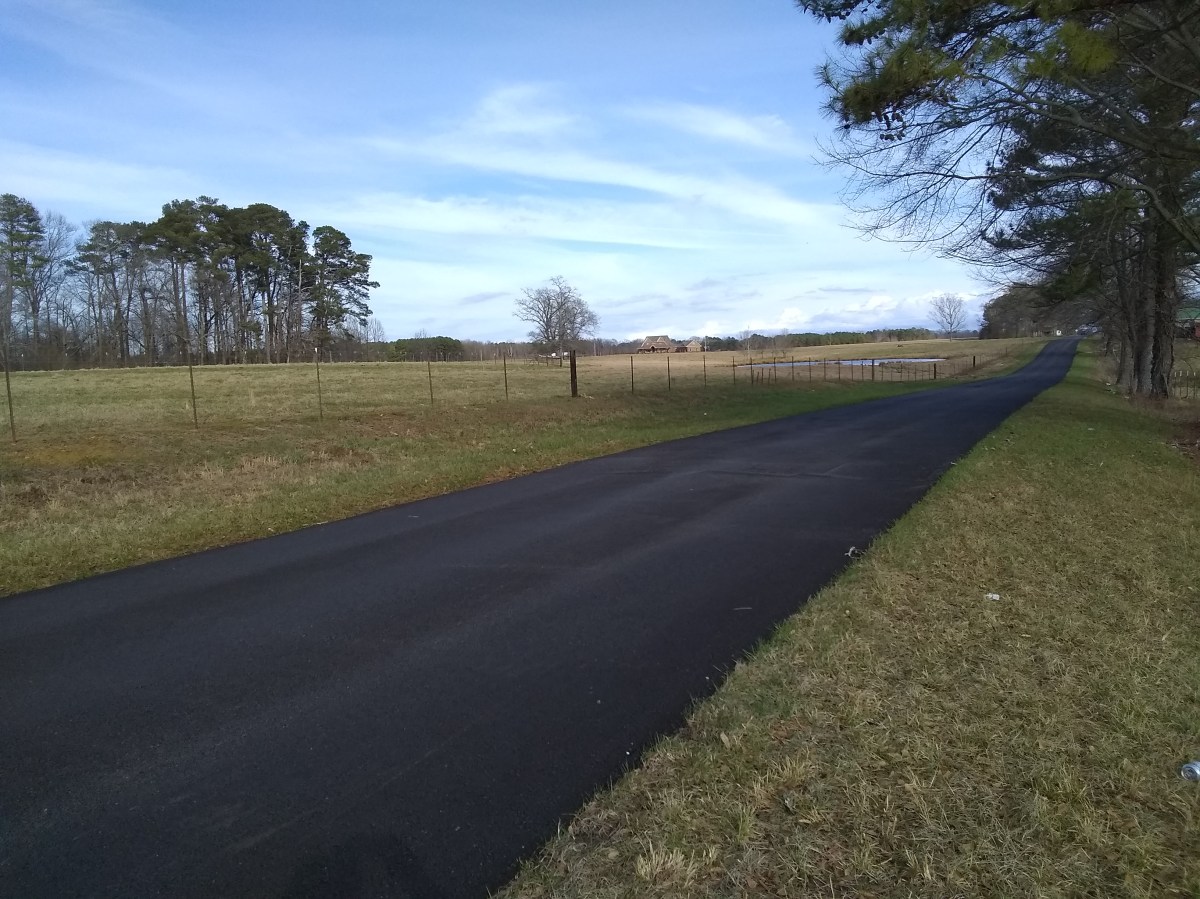
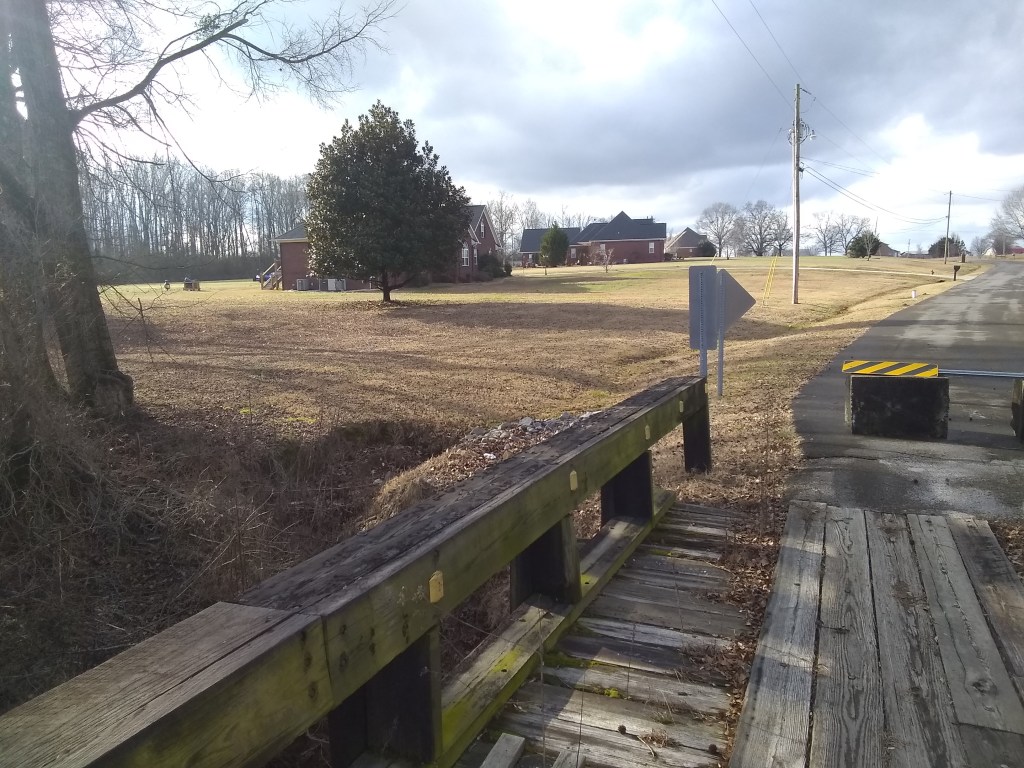
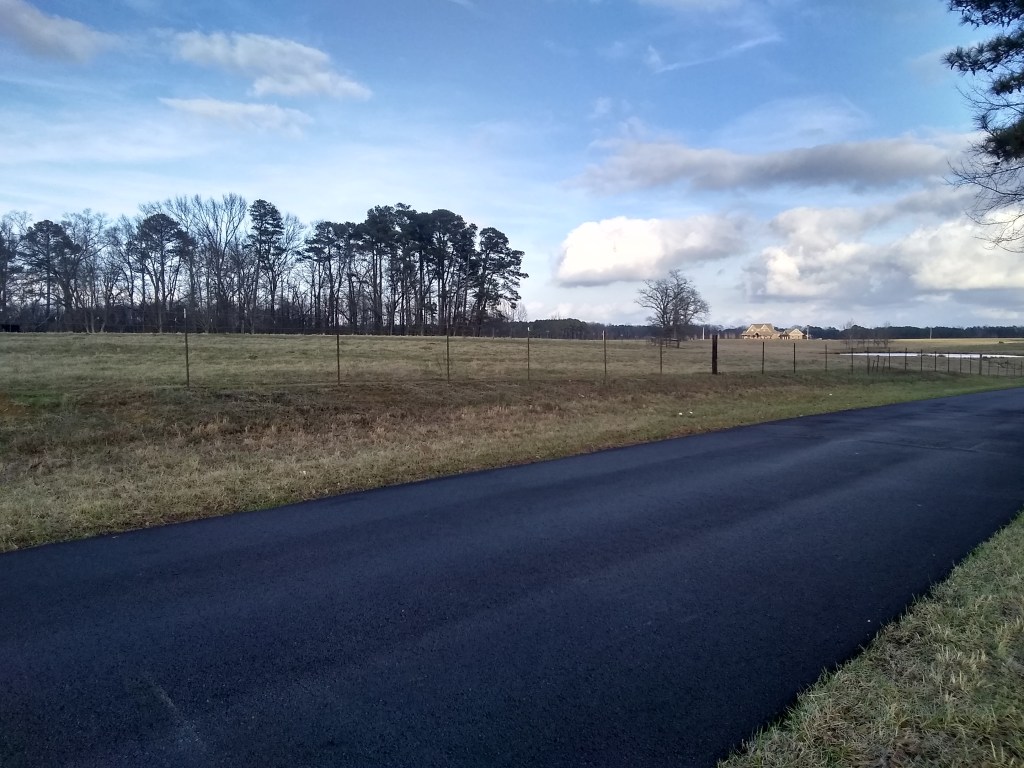
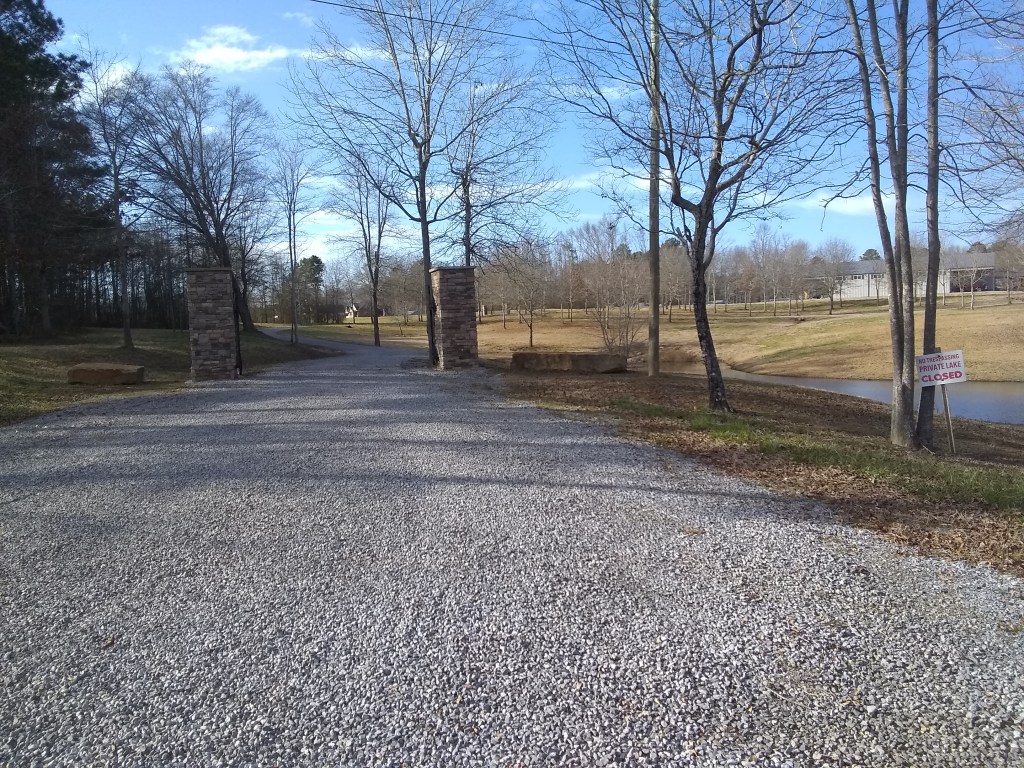
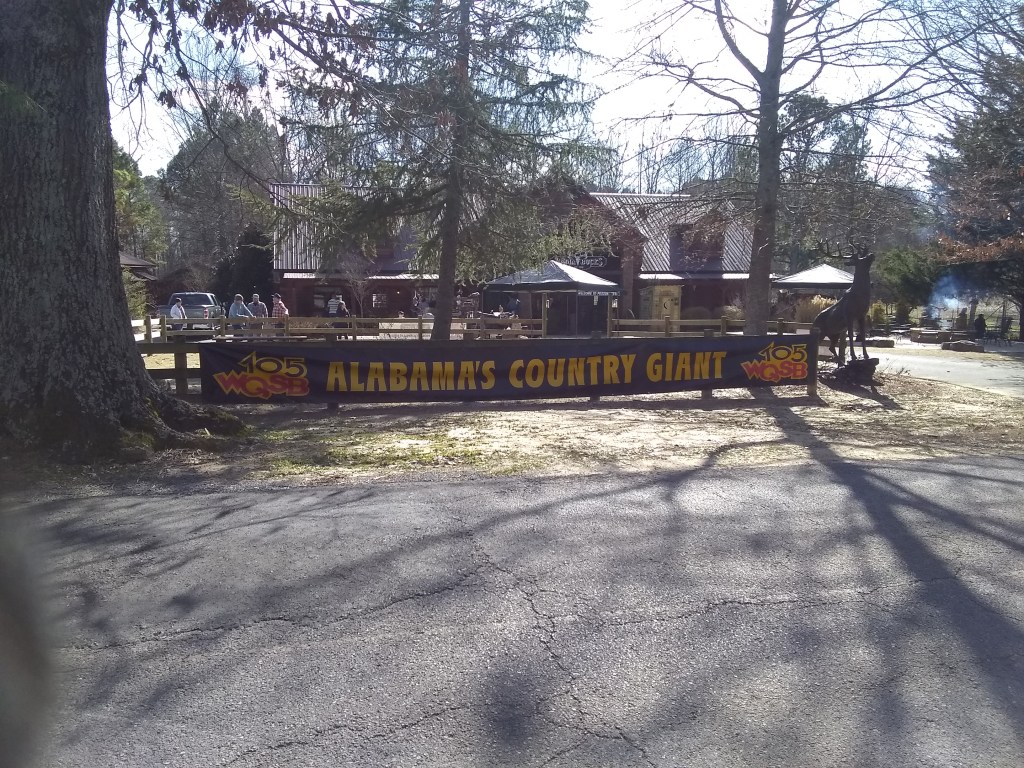
Here’s today’s bike ride.

Why I ride

Biking is something I both love and hate. The conflicting emotions arise from the undeniable physical effort it demands. However, this exertion is precisely what makes it an excellent form of exercise. Most days, I dedicate over an hour to my cycling routine, and in doing so, I’ve discovered a unique opportunity to enjoy a good book or podcast. The rhythmic pedaling and the wind against my face create a calming backdrop that allows me to fully immerse myself in the content. In these moments, the time spent on the bike seems worthwhile, as I can’t help but appreciate the mental and physical rewards it offers.

I especially like having ridden. The post-biking feeling is one of pure satisfaction. The endorphin rush, coupled with a sense of accomplishment, makes the initial struggle and fatigue worthwhile. As I dismount and catch my breath, I relish the sensation of having conquered the challenge, both physically and mentally. It’s a reminder that the things we sometimes love to hate can often be the ones that bring us the most fulfillment. In the end, the love-hate relationship with biking only deepens my appreciation for the sport, as it continually pushes me to overcome my own limitations and embrace the rewards that follow the effort.

My bike

A Rockhopper by Specialized. I purchased it November 2021 from Venture Out in Guntersville; Mike is top notch! So is the bike. The ‘old’ man seat was salvaged from an old Walmart bike (update: seat replaced, new photo to follow, someday).


Something to consider if you’re not already cycling.

I encourage you to start riding a bike, no matter your age. Check out these groups:

Cycling for those aged 70+(opens in a new tab)

Solitary Cycling(opens in a new tab)

Remember,

Photo by Suzy Hazelwood on Pexels.com

Memoir I’m listening to:

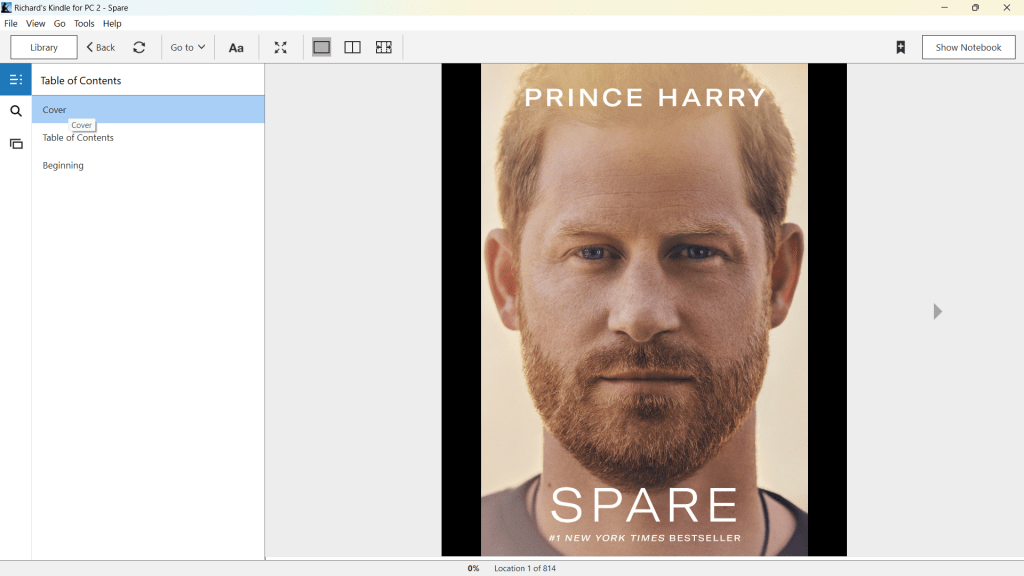
Spare by Prince Harry

Amazon abstract:

#1 NEW YORK TIMES BESTSELLER • Discover the global phenomenon that tells an unforgettable story of love, loss, and healing.

“Compellingly artful . . . [a] blockbuster memoir.”—The New Yorker

It was one of the most searing images of the twentieth century: two young boys, two princes, walking behind their mother’s coffin as the world watched in sorrow—and horror. As Princess Diana was laid to rest, billions wondered what Prince William and Prince Harry must be thinking and feeling—and how their lives would play out from that point on.

For Harry, this is that story at last.

Before losing his mother, twelve-year-old Prince Harry was known as the carefree one, the happy-go-lucky Spare to the more serious Heir. Grief changed everything. He struggled at school, struggled with anger, with loneliness—and, because he blamed the press for his mother’s death, he struggled to accept life in the spotlight.

At twenty-one, he joined the British Army. The discipline gave him structure, and two combat tours made him a hero at home. But he soon felt more lost than ever, suffering from post-traumatic stress and prone to crippling panic attacks. Above all, he couldn’t find true love. 

Then he met Meghan. The world was swept away by the couple’s cinematic romance and rejoiced in their fairy-tale wedding. But from the beginning, Harry and Meghan were preyed upon by the press, subjected to waves of abuse, racism, and lies. Watching his wife suffer, their safety and mental health at risk, Harry saw no other way to prevent the tragedy of history repeating itself but to flee his mother country. Over the centuries, leaving the Royal Family was an act few had dared. The last to try, in fact, had been his mother. . . .

For the first time, Prince Harry tells his own story, chronicling his journey with raw, unflinching honesty. A landmark publication, Spare is full of insight, revelation, self-examination, and hard-won wisdom about the eternal power of love over grief.


Novel I’m listening to:

Where the Crawdads Sing

Amazon abstract:

NOW A MAJOR MOTION PICTURE—The #1 New York Times bestselling worldwide sensation with more than 18 million copies sold, hailed by The New York Times Book Review as “a painfully beautiful first novel that is at once a murder mystery, a coming-of-age narrative and a celebration of nature.”

For years, rumors of the “Marsh Girl” have haunted Barkley Cove, a quiet town on the North Carolina coast. So in late 1969, when handsome Chase Andrews is found dead, the locals immediately suspect Kya Clark, the so-called Marsh Girl. But Kya is not what they say. Sensitive and intelligent, she has survived for years alone in the marsh that she calls home, finding friends in the gulls and lessons in the sand. Then the time comes when she yearns to be touched and loved. When two young men from town become intrigued by her wild beauty, Kya opens herself to a new life—until the unthinkable happens.

Where the Crawdads Sing is at once an exquisite ode to the natural world, a heartbreaking coming-of-age story, and a surprising tale of possible murder. Owens reminds us that we are forever shaped by the children we once were, and that we are all subject to the beautiful and violent secrets that nature keeps.

Podcasts I’m listening to:


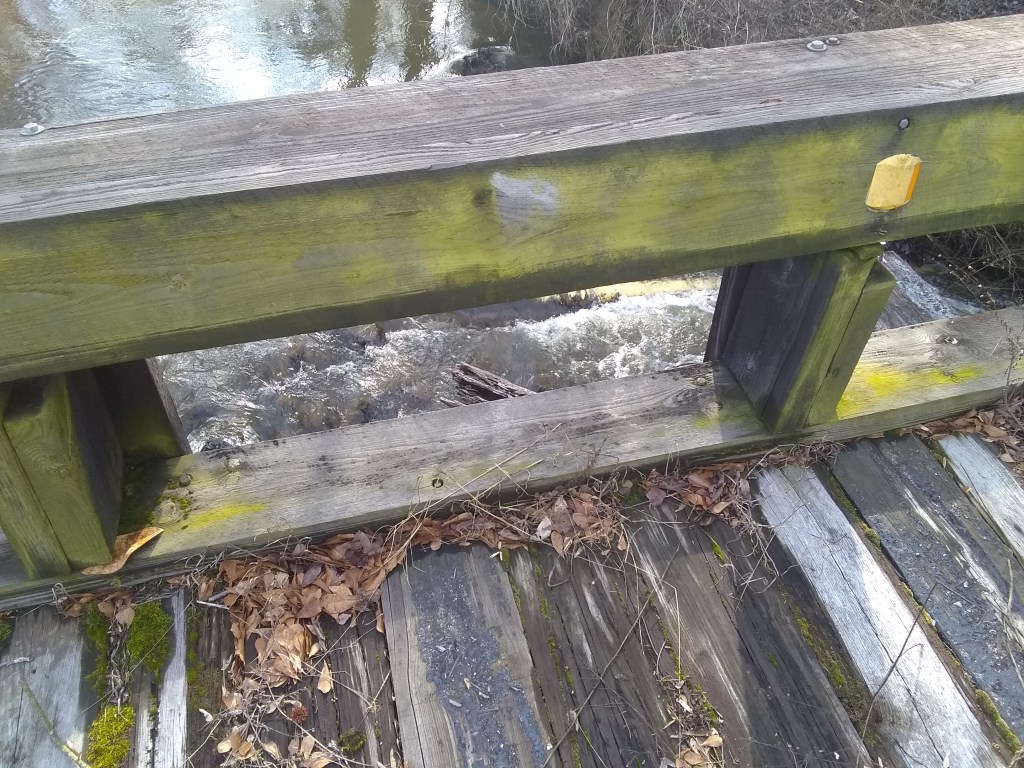
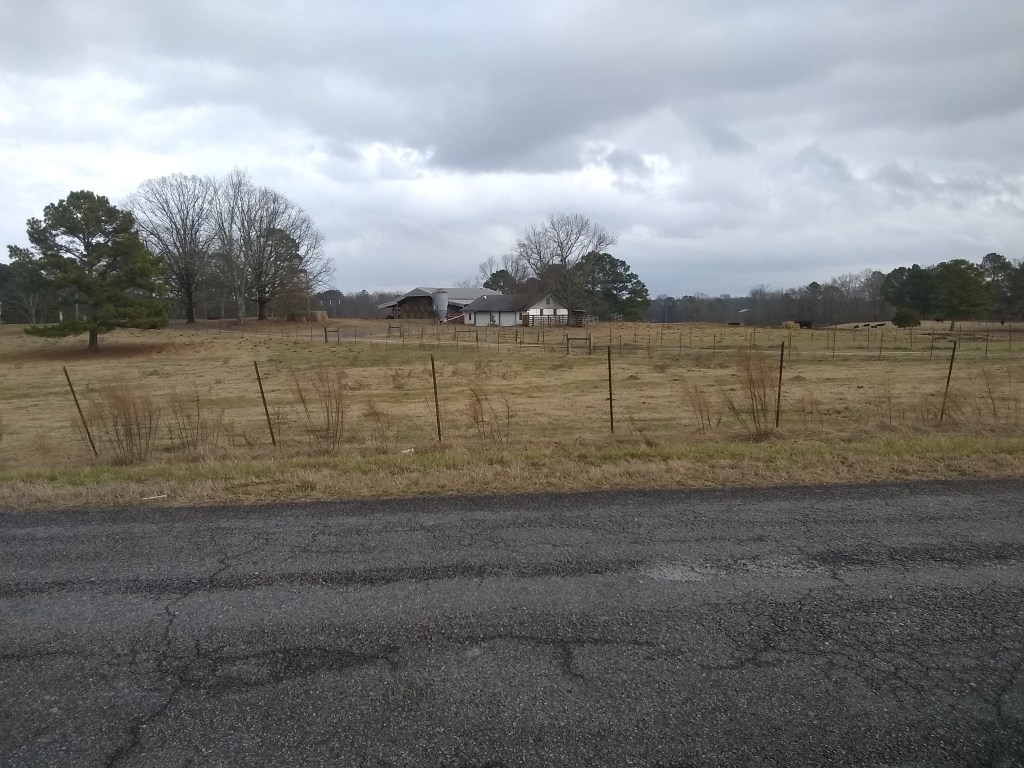
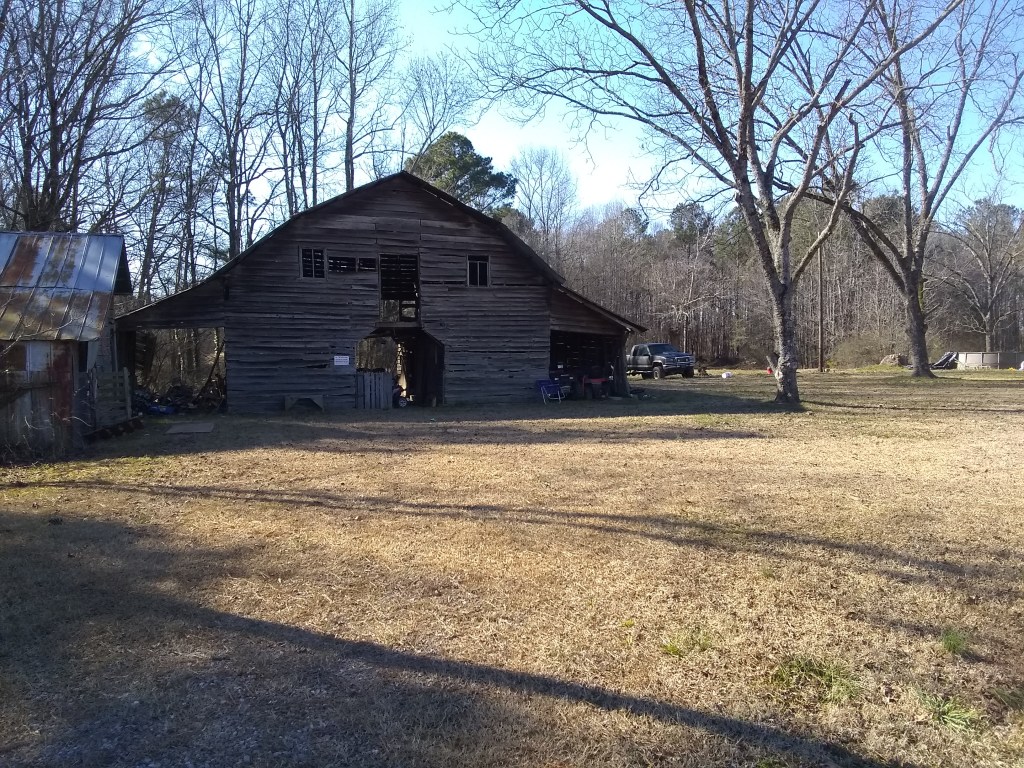
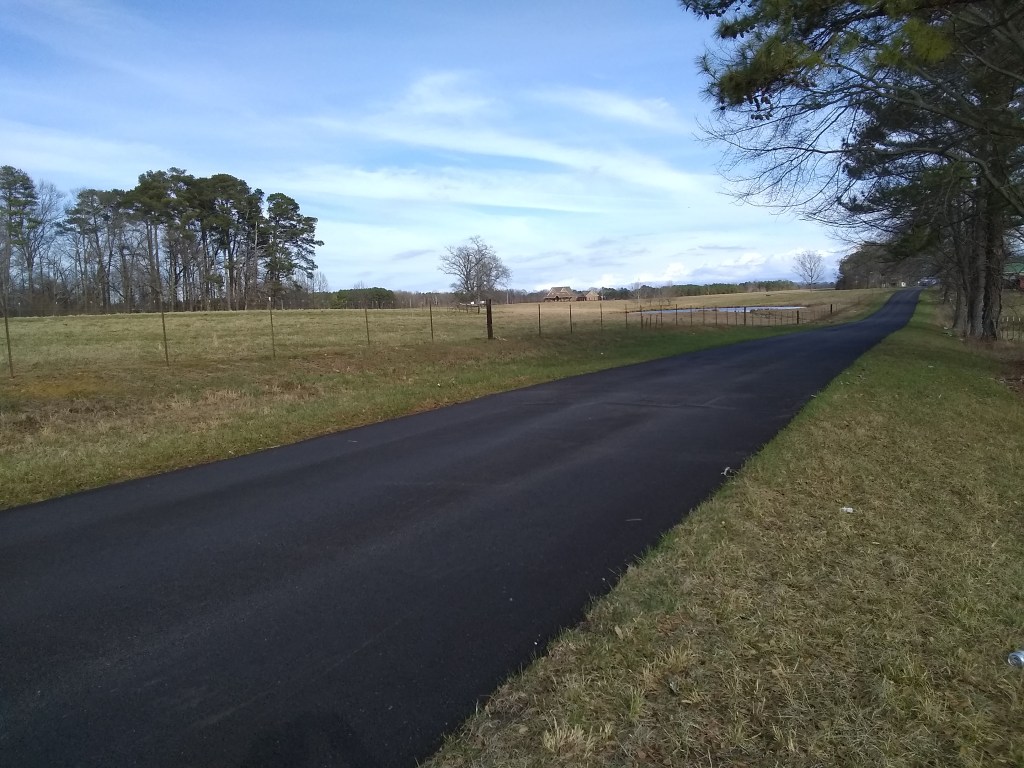
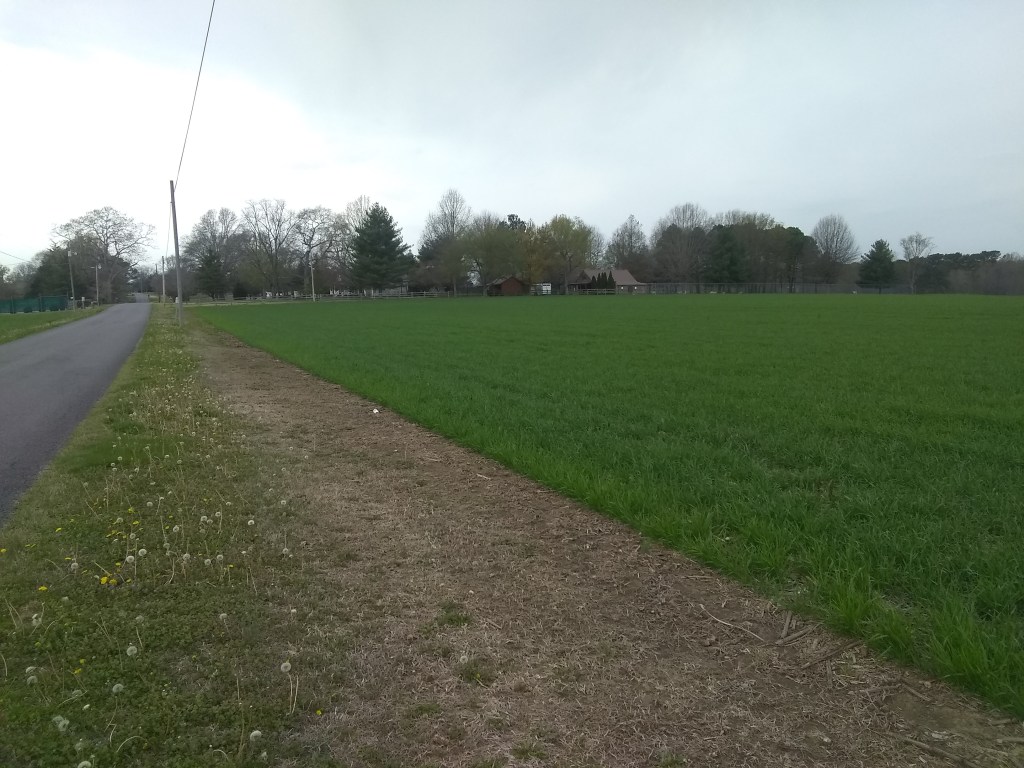
Here’s a few photos from along my pistol route:

The next frontier of book bans: Seahorses and talking crayons

Here’s the link to this article.

Avatar photoby ADAM LEE OCT 05, 2023

A scatter of colorful crayons | The next frontier of book bans: Seahorses and talking crayons
Dangerous and potentially subversive! (Pixabay) Credit: Pixabay

Overview:

Conservative parents demanding the banning of books and the censorship of schools have a worldview as fragile as glass. They can’t even tolerate the idea of children hearing that they might not be who or what society tells them they are.

Reading Time: 5 MINUTES

[Previous: Don’t be yourself]

Which comes first: the facts or the interpretation?

To those of us raised with a rational, scientific way of viewing the world, this is obvious. You should gather as much evidence as you can, determine what conclusion it best supports, and believe that. That way, you’re best likely to hold a worldview that accurately reflects reality.

However, religious conservatives have the opposite strategy.

They say that what you should do is first, decide what you want to believe; then make the facts conform to that, either by putting a particular spin on events, or simply omitting the ones that inconveniently contradict your preferred conclusion.

This shouldn’t be a controversial or insulting statement. This is something that religious conservatives are very open about. For example, the creationist organization Answers in Genesis says so themselves.

They argue, in postmodern, post-truth fashion, that evidence never proves one worldview over another and it’s all about what assumptions you start with, so you might as well pick the one that makes you feel the best. In their eyes, a universe where God exists and promises to reward the faithful is more comforting than a godless universe where humanity is on our own, so we should believe the former rather than the latter.

The “liberty” to read what I want you to read

This is a consistent theme in the behavior of right-wing groups like the Orwellian “Moms for Liberty,” which in reality is anti-liberty and anti-free-speech. They exist for the purpose of imposing their personal political beliefs on everyone. They want to control what should be taught in classrooms and what books should be available in libraries, and they want a heckler’s veto over any course material that makes any conservative upset.

In every school district where they pop up, they want to throw out books about racism and civil rights—whether it’s biographies of civil-rights icons like Ruby Bridges or Rosa Parks, or books about racism like The 1619 Project—because it might make white students feel guilty or ashamed to learn real history.

They only want kids to hear a sanitized, whitewashed version of the past where racism was the crime of a few misguided individuals, never a reflection of society as a whole, and everything was fixed and everyone was forgiven in the end. Even if that’s not what actually happened.

For example, in York, Pennsylvania:

“I am Rosa Parks” and “I am Martin Luther King, Jr.” … were two of more than 200 anti-racism books and resources suggested by the Central York School District’s diversity education committee last year. The Central York school board vetoed the entire list. In a clip from a meeting aired by CNN, which reported on student protests of the ban, members referred to the list of reading and educational material as “divisive” and “bad ideas.”

Banned are children’s picture books, K-5 books, middle and high school books, videos, webinars, and web links, including a memoir by Pakistani writer and activist Malala Yousafzai; a book by Supreme Court Justice Sonia Sotomayor; an adaptation of “Hidden Figures,” about Black female mathematicians at NASA; “Sulwe” by actress Lupita Nyong’o, about a little girl who fears her skin is too dark, and CNN’s “Sesame Street Town Hall” about racism.“His books on Rosa Parks and MLK were banned. Here’s what this South Florida author did.” Connie Ogle, The Miami Herald, 30 September 2021.

Or in Williamson County, Tennessee, which has become a hotbed of book censorship:

Community members and local advocacy organizations have come forward in disapproval of books like “Ruby Bridges Goes to School,” “Separate is Never Equal,” and “George vs. George,” their argument being that teaching about the darker aspects of racism in United States history isn’t appropriate in elementary grades.

…Steenman said that the mention of a “large crowd of angry white people who didn’t want Black children in a white school” too harshly delineated between Black and white people, and that the book didn’t offer “redemption” at its end.“Here’s what to know about the debate over ‘Wit & Wisdom’ curriculum in Williamson schools.” Anika Exum, The Tennesseean, 8 July 2021.

In that same district, conservatives objected to teaching kids the story of Galileo, because it makes the Catholic church look like the bad guy (!).

At one juncture, the group implores the school district to include more charitable descriptions of the Catholic Church when teaching a book about astronomer Galileo Galilei, who was persecuted by said church for suggesting that Earth revolves around the sun.

“Where is the HERO of the church?” the group’s spreadsheet asks, “to contrast with their mistakes?”“Far-Right Group Wants to Ban Kids From Reading Books on Male Seahorses, Galileo, and MLK.” Kelly Weill, The Daily Beast, 24 September 2021.

And, yes, they want to ban a kids’ book about seahorses, because it mentions that it’s the male seahorse that gets pregnant and gives birth:

Complainants stated during the hearing that there is “social conditioning” in the book, that there are concerns about the book and video “attempting to normalize that males can get pregnant” and the “suggestion that gender is fluid is too early” to be taught in first grade. It was stated that the book paired with the video is “indicative of an agenda”.

Please note: it’s not the book they object to, but the biological facts that the book describes. I can’t help but picture angry, censorious church ladies shielding their sons’ and daughters’ eyes from the seahorse exhibit at the aquarium. If they think seahorses are part of the LGBTQ agenda, isn’t their real complaint with God, who they believe created seahorses in this way?

This is a telling complaint, because it’s an explicit demand to censor reality so as not to conflict with ideology. If kids learn too much about the exuberant diversity of nature, it might give them the idea that our gender roles are cultural constructs and not universally applicable laws. And we can’t have that!

A crayon’s story

But I’ve saved the most absurd for last. According to this story on Daily Kos, the Charlotte-Mecklenburg school district in North Carolina has banned a book called Red: A Crayon’s Story, by Michael Hall, in response to parent complaints.

That title caught my eye because I know this book very well. I own a copy of it. I’ve read it to my son many times.

It’s a story about an anthropomorphic blue crayon who gets a red wrapper by mistake. His family, friends and teachers (who are also crayons) can’t look beneath the surface. They believe he must be red, because that’s what his label says.

When he tries to draw red things like strawberries or traffic lights, and, of course, fails… the other crayons double down. They insist that he can draw red things, if he just tries harder. They start gossiping that he must be lazy or slow or have something else wrong with him.

Eventually, he meets a friendly crayon who asks him to draw a blue picture. Having absorbed the messages society has placed upon him, he says he can’t. But the other crayon persuades him to try, and he succeeds beyond his wildest dreams. At last, he finds his true color. He’s so good at drawing blue things, the beauty of his art wins all the other crayons over and makes them realize they were wrong about him.

Yes, this is the book right-wingers are up in arms about.

Now you could, if you wanted to, read this as an allegory for gay or transgender people coming out of the closet… but come on. It’s a kids’ book about talking crayons. Its moral is about being true to yourself, but that’s all. It doesn’t demand any specific interpretation. If you persist in seeing it as a story about sexuality, it’s because that’s what you bring to it. (According to the author, it’s a metaphor for his diagnosis of dyslexia.)

Imagine what this says about the mindset of the book censors. They find it deeply threatening and subversive simply to say that you might not be who or what society tells you you are. Even in a story that says nothing about sexuality or gender, they can’t tolerate that. They want to keep any hint of that idea far away from the minds of children.

If these wannabe book-burners weren’t such a threat, they would be ludicrous. It’s a sign of how porcelain-fragile their worldview is that they can’t stand to have kids even consider making up their own minds about their identity. Their only hope, as shown by their own actions, is to raise children who never ask questions and never doubt anything they’re told.

God and Girl–Chapter 22

God and Girl is my first novel, written in 2015. I'll post it, a chapter a day, over the next few weeks.

It’s Friday, Algebra II is over straight up at 10:55 a.m., and the weather is glorious.  Having packed last night, we are ready.  Mentone, here we come.

Ellen’s parents let us drive on our own.  Ellen had turned 16 this past July and developed into a very capable driver.  Which, I shouldn’t doubt, since she was so responsible—an alert, attentive and obedient driver. To my surprise, Ellen had insisted that I drive.  She said I needed the practice for my upcoming driver’s license exam.

We couldn’t believe it had been a year since our first trip to Mentone. Last year, my 15th birthday, and now Ellen and I are here to celebrate my 16th birthday. This has the makings of an annual event, a real Ruthie/Ellen tradition.  But, more importantly, we are here together, to celebrate us, our lives.  We are so blessed that the stars so wonderfully aligned to open the door for us to have met, and for our hands to have joined.

We followed last year’s routine and went to the Wildflower Cafe after checking in and putting our luggage away in our room.  We both had the chicken salad plate.  We didn’t see Chaz, so we didn’t linger.  We returned to our room and started watching a Netflix movie on Ellen’s iPad but soon dozed off.

We woke up around 7:00 p.m., changed clothes and went outside to the porch and our swing.  Last year we had sat here snuggling under a dark green woolen blanket after we had listened to singer wannabees, and watched couples, old and young, sit by the big roaring fire, roast marshmallows, dance and kiss and kiss and dance on the browning grass and piling leaves in front of the make-shift stage.  Tonight, the music hasn’t started, but we see Chaz and his gang building a fire and lighting the grills.

We finally walk down off the porch and make us burgers, heaped with mayonnaise, ketchup, onion, tomatoes, pickles, and lettuce—just like we like them.  Ellen grabs two slices of sweet-potato pie and we sit down by the fire.  By now it has grown a little cool, so the heat of the fire is welcomed, and welcoming.  We cut up with Chaz and listen for hours as three or four sweet, but terrible young boys and girls try to sing. 

Finally, the Mountain Men (Chaz’ group) takes the stage.  

The Mountain Men do an unbelievably good job of treating us to songs from the group Alabama, including “Love in the First Degree,” and

“There’s a Fire in the Night.” By the time they start ‘Sweet Home Alabama’ we are out of our chairs and bumping butts on the dance floor—for some reason I’m not as intimidated this year.  We let loose in every way.  Ellen moves her hips and her head pulling back her long black curly hair as she puts her all into looking sexy for me.  We laugh and cry like never. But, it is ‘Touch Me When We’re Dancing’ that makes it feel so right, makes me feel like my heart, with victory flag in hand, has finally made it across a dry and lonely dessert and has reached the promised land.  I see my heart pull Ellen’s up on a rock and plant our flag. We are victorious.  We are in love. 

Play us a song we can slow dance on

We wanna hold each other

Play us a groove so we hardly move

Just let our hearts be together

Oh baby ’cause it feels so good

When we’re close like this

Whisper in my ear

And let me steal a kiss

Come on touch me when we’re dancing

You know you’ve got that lovin’ touch

Oh, touch me when we’re dancing

I wanna feel you when I’m fallin’ in love

Tonight’s the night and it feels so right

What my heart’s saying to me

You’re the one and I’ve waited so long

So, let your love flow through me

Oh baby ’cause it feels so good

We can be this close

You’ve got me up so high

I could fly coast to coast

Come on and touch me when we’re dancing

You know you’ve got that lovin’ touch

Oh, touch me when we’re dancing

I wanna feel you when I’m fallin’ in love.

I wish the dance had never ended.  Our hearts were together, the love flowed within us and between us, and Ellen’s sweet, soft fingers felt so good, so loving, as she touched me while we are dancing.

The dance did end.  It was nearly 2:00 a.m. when we fell asleep in each other’s arms laying sideways across our big King Size bed with deep, soft covers, kissing with even deeper, softer touches.

Contrary to what we had planned, we slept late Saturday morning.  It was almost 10:00 a.m. before we got up.  We shower separately this year, dress for the outdoors, stuff some apples and oranges from the dining room into our backpacks and head out the side door.  Since we had slept nearly three hours later than we had last year we decided to skip our stroll through the Antique Store and the many little craft booths set up all around Mentone.

“Hey, we are The Mountain Women, do you think we can sing like The Mountain Men?  We could start off with ‘Touch Me When We’re Dancing.’”  Ellen said to me as we biked next to each other as we headed to Desoto Falls Road and our Rock of Ages.

“No.  You can’t sing.  But you sure can dance.”  I said as Ellen rode on ahead of me, her long, black, curly hair sexily dancing in the wind from under her safety helmet. I just can’t forget our slow dance.  I just can’t stop humming: ‘You’ve got me up so high I could fly coast to coast.’

We finally landed at the trail head.  We walked our bikes fifty feet or so down the trail, and then twenty feet or so off the side where we lock them up, return to the main trail, and hike thirty minutes or so to our rock, Ellen stopping us three times attempting to tease me into repeating her dance moves from last night.  I refused three times.  She is the sexy one, the one with the rhythm.  She has all the moves, and her moves move me up so high.

When we arrive at our Rock of Ages, we set aside our backpacks and stand side by side and look out over the ravine.  Once again, we are standing in the middle of paradise.  We see nothing for miles and miles, nothing at all but an ocean flowing with various shades of gold, red, yellow, purple, black, orange, blue, brown, magenta, and pink. Fall has become, for both of us, our favorite time of the year.

The Fall season represents the harvest.  A time when farmers gather their crops after spending months and months of care, of tender loving care. In a sense, Ellen and I are farmers.  We planted a seed in each other’s hearts—well, somehow the seeds got planted, maybe it was fate, or, was it God?  Those seeds sprouted immediately.  Maybe the seeds had lain dormant many months, or many years, before in our hearts, before we met some fourteen plus months ago, all the time waiting for just the right rain to ignite life.  Ellen and I had cared for our seeds so lovingly, so tenderly, so gently, ever since.  We had used the best tools to nurture and grow our seeds.  Time, touch, and talk had been the best ones.  Each of these had been carefully oiled with just the right words.  We both loved words.  We both loved playing with words, even inventing new ones, ones that became vital to us, important to growing our relationship into a strong and vibrant plant.  Harvest.  Our investment in each other was producing a harvest.  We were now reaping rewards of investing time, touch, and talk.  We were today enjoying a fruitful connection, real chemistry, that overflows from the lab of love, erupting from those times, those touches, those talks that we had mixed so creatively and so spontaneously for over a year now.  It was beyond rich to have someone in my life who I could share my innermost thoughts, no matter what they were, good, bad, ugly, beautiful. I was beyond wealthy to have a companion, a partner, who held my hand and spurred my mind, who set my spirit ablaze to know, to learn, to seek, and to sort truth from lies and lies from truth.  Ellen was me and I was Ellen.  We could be vulnerable with each other, the ultimate form of intimacy.

“Have you ever seen anything more beautiful,” Ellen said.

“Yes, but not quite as outwardly colorful.”

“Oh, tell me my love, about your crush.” Ellen said.

“You goofball. You know Ryan is much more than a crush.”

“I knew it.  You have been teasing me, just faking it, all to learn of my secrets, my secrets for a happy life.”  Ellen said.

“Seriously my darling, the trees, the leaves, and the wind we see and hear all around us are as beautiful as it gets, but they are darkness compared to your light.  But, I do love you more when you are wearing your Thanksgiving sweater of many colors.”  I said.

“Ha ha.  How about an apple?”  Ellen said.

“Sounds great but don’t be tempting me.” Ellen grabs us each an apple from her backpack, and I take out a blanket from mine, and a sheet of paper.  We sit down, cross-legged on our blanket and share bites off each other’s apple. 

After Ellen takes the last bite of my apple I say, “look what I brought.”

“What, a diamond ring for me, all folded up in that sheet of paper.”  Ellen said.

“Not today, I’m sorry, but soon if that’s what you want, I’m game.  You know we have been calling our rock, our Rock of Ages, since we first discovered it last year.  So, I found the lyrics online the other night.  I thought it would be neat if we read it, even sang it, here today.” “Oh wonderful, now she’s gonna make me love Southern Gospel. I feel a breakup coming.”  Ellen said.

“No, no.  This song can have wonderful meaning for us.  For some reason, we named our rock after this song.  So, put on your poetry cap and let’s see what it means to you, and to me.  I unfolded the paper and began to read:

Rock of Ages, cleft for me,

Let me hide myself in Thee;

Let the water and the blood,

From Thy wounded side which flowed,

Be of sin the double cure,

Save from wrath and make me pure.

Not the labor of my hands

Can fulfill Thy law’s demands;

Could my zeal no respite knows,

Could my tears forever flow,

All for sin could not atone;

Thou must save, and Thou alone.

Nothing in my hand I bring,

Simply to Thy cross I cling;

Naked, come to Thee for dress;

Helpless, look to Thee for grace; Foul, I to the fountain fly; Wash me, Savior, or I die.

While I draw this fleeting breath,

When my eyes shall close in death,

When I rise to worlds unknown,

And behold Thee on Thy throne,

Rock of Ages, cleft for me,

Let me hide myself in Thee.”

“I actually like it.  Rock of Ages is obviously referring to the Christian Jesus.  He has come to take away our sins and save us with His cleansing blood.  For those He saves, He is their Rock of Ages–rock solid, strong, eternal.  To the saved, He is a hiding place and a bridge to the next world, the one after death.”  Ellen said.

“You either are a fast learner or you know more about Christianity than I thought.  Maybe you are not an infidel.”

“Well thanks.  Infidel?  If your Rock of Ages story is true, then I must admit it is interesting and kind of magnetic.  I surprisingly am drawn to it.  It has an appeal.  I love the rhythm, the pace, the story.  Can I have the sheet?  I’d like a copy to read later.  Who knows there may be something to that Christianity of your Dad’s—other than the stoning the homosexual part.”  Ellen said.

“Here you go. I’m glad you’re interested because I am too.  I just want to know the truth about life and love, our past, creation and evolving, our future, life beyond death.  Let’s make this search an important part of our journey to love.  Okay?”  I said.

“Sure thing.” Ellen said standing up while holding the paper with the song, turning and looking to me, still seated, like she was my teacher. “As long as you don’t start evangelizing me.  Now, listen to this.  Here is a version, my twist on the song. I think we can love it together, love it here today, and all our tomorrows.  I also have a unique twist that we can take with us beyond our lives here on earth, out into Always and Forever (bless their soul way over there deep in that cave), the great afterlife, if there is such a thing.  Now, listen my love and make careful notes:

Let me hide myself in Thee.

Nothing in my hand I bring.

That’s the first part.  That’s us, me hiding in you, you hiding in me.  We have each other and nothing else matters.  Just me and you, us and nature, hidden in this rock.

Now, when we can no longer come here to celebrate your birthday, that day far into the future if you must come here alone, please remember:

While I draw this fleeting breath, 

When my eyes shall close in death, 

When I rise to worlds unknown,

And behold Thee on Thy throne,

Rock of Ages, cleft for me,

Let me hide myself in Thee.

Even in death I will love and honor you, cherish you.  You will always be my special angel.  I will always and forever be beside you.”  Ellen said, and I cried.

“You know we have been studying a lot about human evolution.  I don’t think either one of us believes that the story of Adam and Eve as told in the Bible is a true story, that it actually happened, but is there something more important than whether that is really history?”  I asked. “Maybe, we are simply to use the Adam and Eve story, and all the other stories in the Bible as a source of meaning.”  Ellen said.

“So, what should we learn from Eve eating that apple and sharing with Adam?”

“Maybe, to watch out for temptations.  As the story goes, they were in a perfect place and had a perfect relationship.  That was a pretty good spot to be in, don’t you think?  Kind of like how I see us.  They let something come into their lives—represented by the apple—that wasn’t good, that drove a wedge between them.  I’m not sure what learning about their nakedness has to do with them, but they now had to deal with pain and hardship.  It would be hard for Eve to dance with Adam if she is bowed over with pain while having little Cain and Abel.  Also, Adam had to divert his attention to making a living.” Ellen said. 

“We can apply their lesson and learning to us today.  If we are not careful we might let children (don’t worry, I’m not ready for that), work, hobbies, friends, family, anything come in and crowd out our togetherness.  We must be serious about continuing to invest in us, invest real time and attention into caring for ourselves, our relationship, kind of like farmers must do all year round in producing a crop, a bountiful crop.  It takes more than planting and harvesting.  It takes the cold winter of planning for the upcoming spring.  It takes cold winter days in the barn, maintaining and refurbishing tools and equipment to be ready just at the right time, just when the seed needs sowing, the plant needs weeding, and the fruit needs gathering. Maybe Adam and Eve’s apple can be our symbol, our reminder that we need to always be alert to what can come crawling up beside us, inside our lives, to divert our attention from us as one, unto me as me, and you as you.”  

“I think you are right.  And, I know that is so much more important than folks, mostly Christians, getting bent out of shape over whether the Adam and Eve story, the whole Genesis creation story, took place 6,000 years ago.  When it comes down to it, we are humans, the smartest animal ever discovered.  We are not just humans, we are individuals, each needing special attention, each wanting and needing love.  Love is the answer.  If we all would just focus on that one thing and forget our differences, just take everyone for who they really are. 

Stop judging.”  Ellen said. 

“Christians say they believe the Bible and that it is God’s word.  But, the Bible has evolved.  What people believe about the Bible has evolved.  It’s funny that just as the Bible is against homosexuality and adultery, and it commands stoning for both the homosexual and the adulterer, we both know that the adulterer is given a free ‘get-out-of-jail’ card.  Christians and non-Christians alike divorce and remarry, just about in the same percentages.  But you don’t hear Christians up in arms over whether someone is an adulterer.  It seems Christians, not all, but many, just believe what they want.  They dislike homosexuals and want to stone them, maybe not literally, but figuratively.  The hatred is evident.  You know how my Dad feels, although I don’t think in any way that he hates homosexuals, but I do know that he has invested a lot of time in his “Take a Stand” program that really has just caused more division.  Dad should have focused simply on love, and how to bring homosexuals and every other person into our church and stop judging.”  I said.

“It seems we really haven’t learned a lot about love and caring for our fellow man since the dark ages.”  Ellen said.

“Get this.  You read my Biology paper about the Naledi’s.  How much more backward could you get?  They had no conveniences whatsoever.  They didn’t have a car, a house, clothes, a grocery store, a Walmart.  They only had what nature gave them, what was around them, dirt, rocks, water from a creek, trees, leaves, caves, and sticks.  Yet, they showed real love to each other.  And, we, modern man, have every convenience imaginable.  All man-made.  Maybe we have evolved into not needing love.  Maybe, we have forgotten how much we need love.  We sit alone, even though in the same room with a friend or family member, and read something on our iPads, even watch a movie, alone. 

We do this instead of talk or walk or build a fire and sit by it for hours talking about the stars, the wind, the rain.”  I said.

We continue to talk, continue sharing philosophy.  Soon we are laying back, using our backpacks for pillows and our talking slows to a crawl and then to silence.  I dream of little Ella’s body down deep inside the cave and I feel her spirit resting on my chest, her eyes, dark but tender, looking at me.  She is smiling.  I dream of her mom and dad, with no house, clothes, or pantry, spending every waking hour caring for the other.  The hardships they faced everyday were their reminder of how important and beautiful they were to each other.  They knew the value of their friends, family, neighbors—how they were all in this thing called life, in it together, interdependent.  

It seemed I dreamed for hours.  I woke up to Ellen’s kiss, soft, tender, genuine.

“Wake up.  It is 4:30, and it looks like rain.”  Ellen said.

“It can’t be that late.”  But it was I knew from looking at my watch.  We had been here since before noon.  “I hope you had good dreams as I did.” I said.

“Every moment with you is a dream come true.”  Ellen said.

“Oh, you are so good with words.  And, you know just when to say them, the order they roll off your lips is always perfect.”

“Funny, funny.  Let’s get going.  It’s starting to sprinkle.”  Ellen said.

By the time we unlocked our bikes the sprinkling had turned into a steady rain.  We didn’t have much choice but to ride as fast as we could back to the Inn.  As usual, Ellen led the way.

We were about half way back when I noticed Ellen staying straight while we were coming into a curve to our left.  I yelled out to her, but by the time I closed my mouth she was in a ditch thrown over her handlebars, never slowing down until she rolled into a big Rhododendron bush just beyond.  I stopped and threw my bike down just at the edge of the road and ran over to Ellen.  Her backpack had come off one arm but still was clinging to the other.  I pulled the backpack out of the way and turned her over.  She looked up at me with those darling blue eyes and smiled.

“What happened to you?”  I asked.

“I guess I just kind of dozed off.  I was so deep in thought I wasn’t paying attention.  But, I’m fine.”  Ellen said.

“You scared me to death.  Are you sure you are not hurt?” I said as Ellen sat up.

“I was deep in thought trying to figure out a way to get you in my arms, in this rain.  I just couldn’t wait until we got back to the Inn.”  Ellen said.

“That’s lovely, but you didn’t have to scare me so and be so dramatic.”

Ellen took my hands and pulled us both up. “Look, there’s an old barn.  Come on.” Ellen said as she started running toward an old red barn set back off the road behind the foundation of a house that looked like it had burned down years ago.

“Don’t we need to get our bikes and backpacks? I yell, over the roaring rain, as I run to catch up with Ellen.

“Spontaneity is a key fertilizer to real romance, real chemistry,” Ellen said as we ran inside the central section of the old fading barn.  The wood stalls looked prehistoric, fossilized almost, like something from Noah’s Ark.  The smell of mildew, and probably mold, hung heavy in the air.  It was drier inside but drops of water plunked down on my head from above, from a leaky metal roof, worn thin from years of rain, steam, and sun.  

“I guess down-pouring rain and soaked clothes is a necessary activator or trigger to make that fertilizer spur on love and kisses, romance and tenderness, dances and sexy looks.  Right?”  I said. “Oh, my dear sweet baby.  You are learning the science of romance.  I have full faith in you that I can mold and shape you for future spontaneity leadership.”  Ellen said.

“Well, I do love the teacher in you.  Do you have another lesson ready?  Or, have you used up all your spontaneity for today?”  I giggled.”

Ellen pulled me into her body, backing up against a dusty wooden and sagging stable gate.  I loved that we were so equal in height, even though she was a little taller than me.  Our lips touched, but we stopped, almost frozen, acting as though we were scared to kiss, scared to press our lips together.  Our eyes opened, and the dance began.  Without a word, I submitted.  She toyed with my upper lip with both her lips.  She sweetly and gently tilted up my head and kissed my neck from under my chin to under my left ear.  She lowered my head and this time played with my lower lip with her lips. Our eyes locked again, hers to mine, mine to hers.  Just as I thought she was about to speak, she pulled my head down to her shoulder and rubbed my back and stroked my hair.

We stood silently as the rain fell against the tin roof. The more I listened, the more I could discern a repeating pattern.  I leaned closer into Ellen’s shoulder and imagined the rain was playing a newly invented song, one just for us.  It, the rain, the rain’s brain, the rain’s owner, the new creature, the Rain, whoever, had woken to life as it had recognized the need for spontaneity.  The Rain wrote us a song, maybe borrowing a little from Augustus Montague Toplady’s 1763 song, Rock of Ages.  Story is, Toplady, a preacher, was traveling along the gorge when he was caught in a storm.  Finding shelter in a gap in the gorge, he was struck by the title and scribbled down the initial lyrics.

The Rain needed no further help from Toplady.  ‘Today, right now, this very moment, has been planned, it has been written in the stars for always and forever, since the beginning of time.  This moment is for you Ellen and you Ruthie.  Take your time, touch each other, talk to each other. For, neither of you will ever forget this time, the time in the rain, in the shelter of this old red barn, the one the house-fire couldn’t reach for it had a destiny.  No matter if you ever learn the truth of where you came from, what your life’s purpose is, or where you will spend eternity, you do know, right here, right now, that you are one.  The two of you no longer exist as individuals.  Ellen, you are hidden in Ruthie always.  Ruthie, you are hidden in Ellen, forever.  When one smiles the other smiles, when one is happy the other is happy, but when one is sad, the other spontaneously pulls her close and looks happily into her eyes, and when one is hurting, the other spontaneously throws down her bike and runs and pulls the hurting one in her arms and loves the pain away.’  

The rain finally begins to fade, and I opened my eyes for the first time since Ellen pulled my head down on her shoulder.  We had stood there for over an hour, silently, lovingly, our hearts joining hands committed to never letting go.  I raised my head and looked at Ellen’s face.  Her eyes were still closed, and she was smiling.

“We better get going.  I’m glad we have reflectors on our bikes.”  Ellen said as she took my hand and pulled me out into the darkness.

We slowly made our way back to the Inn, stripped down naked and both spent thirty minutes in the shower, giggling and listening to each other’s stomachs growl for food.

This year we were less formal in our attire for the Saturday night dinner, each opting for jeans and dark flowing blouses with pink collars, standing on three-inch stiletto heels.  We were giants and we were gorgeous, at least according to the many eyes that tracked our every move, as we followed Mrs. Bradford to our skinny little table against the back wall by the fireplace.  “Not again this year.”  We both said out loud as she walked away.  We someway ordered.  Then, we sat silent for what seemed an hour, of course, it wasn’t.  After our food arrived, we willed ourselves to love a plate of shrimp overlaying cuttlefish noodles, with cauliflower and smoky ‘duck ham’ on the side.

Afterword’s, we went outside and sat in our swing for a couple of hours before returning to our room and watching ‘The Best of Me,’ by Nicholas Sparks on Ellen’s iPad while cuddling in each other’s arms.  As the movie ended, Ellen fell asleep first, with my left arm across her side, and her back touching my stomach, my legs nestled into the back of hers.  As I listened to her breathe I thought of the song playing on top of the old red barn.  I thought of the burned-out foundation that once was a house, filled with children and loving parents.  A couple who once lay back to front, one asleep, one awake, with her listening to her partner’s breathing and hoping and praying that life would continue and forever remain the same.  At some point, I too fell asleep but feeling the heat from the roaring flames engulfing the house while standing with my children in the hallway of the old red barn watching the clapboard and shingled flesh of the house disintegrate while the weakening and glowing trusses and sidewalls crumbled to the ground finally melting into a pile of ash.

Sunday morning, we took our time getting up, showering, getting dressed, and eating a full southern breakfast while talking with Mrs. Bradford about the creativity involved with our clothing choices.  After breakfast, we loaded up our bags and our bikes and drove to DeSoto Falls Road and parked.  We had decided during the movie last night to come here and make some pictures of each other standing beside the trail-head and Ellen’s car, and hoping we could flag someone down to make a few pictures of the two of us together.

Our photo shoot was perfect in every way inspiring Ellen to take a thousand more snapshots as I drove us home.  “You definitely need the practice.” Ellen kept saying.

I drove us straight to Ellen’s and spent the rest of the day swimming and sitting by her pool.  Mom and Dad even let me miss church and stay until they picked me up.

“See you tomorrow.  I had a great weekend.  Our weekend could not have been better.”  I said walking to Dad’s car, turning around to make sure Ellen had heard me while she stood by her front door. I could see her smiling. And that was the perfect ending to the perfect weekend, my 16th birthday, spent with Ellen, spent with my once in life love.  It didn’t seem life could get any better.

10/07/23 Biking & Listening

Here’s today’s bike ride.

Why I ride

Biking is something I both love and hate. The conflicting emotions arise from the undeniable physical effort it demands. However, this exertion is precisely what makes it an excellent form of exercise. Most days, I dedicate over an hour to my cycling routine, and in doing so, I’ve discovered a unique opportunity to enjoy a good book or podcast. The rhythmic pedaling and the wind against my face create a calming backdrop that allows me to fully immerse myself in the content. In these moments, the time spent on the bike seems worthwhile, as I can’t help but appreciate the mental and physical rewards it offers.

I especially like having ridden. The post-biking feeling is one of pure satisfaction. The endorphin rush, coupled with a sense of accomplishment, makes the initial struggle and fatigue worthwhile. As I dismount and catch my breath, I relish the sensation of having conquered the challenge, both physically and mentally. It’s a reminder that the things we sometimes love to hate can often be the ones that bring us the most fulfillment. In the end, the love-hate relationship with biking only deepens my appreciation for the sport, as it continually pushes me to overcome my own limitations and embrace the rewards that follow the effort.

My bike

A Rockhopper by Specialized. I purchased it November 2021 from Venture Out in Guntersville; Mike is top notch! So is the bike. The ‘old’ man seat was salvaged from an old Walmart bike (update: seat replaced, new photo to follow, someday).


Something to consider if you’re not already cycling.

I encourage you to start riding a bike, no matter your age. Check out these groups:

Cycling for those aged 70+(opens in a new tab)

Solitary Cycling(opens in a new tab)

Remember,

Photo by Suzy Hazelwood on Pexels.com

Memoir I’m listening to:

Spare by Prince Harry

Amazon abstract:

#1 NEW YORK TIMES BESTSELLER • Discover the global phenomenon that tells an unforgettable story of love, loss, and healing.

“Compellingly artful . . . [a] blockbuster memoir.”—The New Yorker

It was one of the most searing images of the twentieth century: two young boys, two princes, walking behind their mother’s coffin as the world watched in sorrow—and horror. As Princess Diana was laid to rest, billions wondered what Prince William and Prince Harry must be thinking and feeling—and how their lives would play out from that point on.

For Harry, this is that story at last.

Before losing his mother, twelve-year-old Prince Harry was known as the carefree one, the happy-go-lucky Spare to the more serious Heir. Grief changed everything. He struggled at school, struggled with anger, with loneliness—and, because he blamed the press for his mother’s death, he struggled to accept life in the spotlight.

At twenty-one, he joined the British Army. The discipline gave him structure, and two combat tours made him a hero at home. But he soon felt more lost than ever, suffering from post-traumatic stress and prone to crippling panic attacks. Above all, he couldn’t find true love. 

Then he met Meghan. The world was swept away by the couple’s cinematic romance and rejoiced in their fairy-tale wedding. But from the beginning, Harry and Meghan were preyed upon by the press, subjected to waves of abuse, racism, and lies. Watching his wife suffer, their safety and mental health at risk, Harry saw no other way to prevent the tragedy of history repeating itself but to flee his mother country. Over the centuries, leaving the Royal Family was an act few had dared. The last to try, in fact, had been his mother. . . .

For the first time, Prince Harry tells his own story, chronicling his journey with raw, unflinching honesty. A landmark publication, Spare is full of insight, revelation, self-examination, and hard-won wisdom about the eternal power of love over grief.


Novel I’m listening to:

Where the Crawdads Sing

Amazon abstract:

NOW A MAJOR MOTION PICTURE—The #1 New York Times bestselling worldwide sensation with more than 18 million copies sold, hailed by The New York Times Book Review as “a painfully beautiful first novel that is at once a murder mystery, a coming-of-age narrative and a celebration of nature.”

For years, rumors of the “Marsh Girl” have haunted Barkley Cove, a quiet town on the North Carolina coast. So in late 1969, when handsome Chase Andrews is found dead, the locals immediately suspect Kya Clark, the so-called Marsh Girl. But Kya is not what they say. Sensitive and intelligent, she has survived for years alone in the marsh that she calls home, finding friends in the gulls and lessons in the sand. Then the time comes when she yearns to be touched and loved. When two young men from town become intrigued by her wild beauty, Kya opens herself to a new life—until the unthinkable happens.

Where the Crawdads Sing is at once an exquisite ode to the natural world, a heartbreaking coming-of-age story, and a surprising tale of possible murder. Owens reminds us that we are forever shaped by the children we once were, and that we are all subject to the beautiful and violent secrets that nature keeps.

Podcasts I’m listening to:


Here’s a few photos from along my pistol route:

You’re Sure You Know Jesus in Your Heart? Can You Verify That?

Here’s the link to this article.

By David Madison at 10/06/2023

Imagination plays a major role in religious certainty

The huge ecclesiastical bureaucracy has been in charge of promoting an idealized Jesus, hence it’s no wonder Christians are confident that they know Jesus in their hearts. They fail to notice that Jesus is a product, one that is presented in the most positive ways. The church has always gotten away with this because, for the most part, the laity can’t be bothered to look at the so-called evidence; that is, to verify what they’re told about Jesus. 

The supposed sources of Jesus knowledge are simply not valid. They are the equivalent of smoke and mirrors. The fervent promoters of Jesus—theologians and clergy, but beginning with the gospel authors—remind us of the man behind the curtain in The Wizard of Oz conjuring stories and fantasies. Let’s consider a few examples.

Visual Aids

For some reason, the faithful are okay with the idea that god is invisible. That’s just one step short of imaginary—but that’s another story for another time. Since Jesus was the part of god that became visible, it has been essential to depict Jesus in stained glass, statuary, paintings—in a wide range of art forms. But all of these depictions come out of the imaginations of artists, because in all of the New Testament—this is a puzzling deficiency of the gospels—Jesus is never described. Some Christians want to believe that the gospels are based on eyewitness reports, which makes it strange that descriptions of Jesus were not included. What did he look like? Was he tall or short, handsome or homely, thin or stout? 

So for centuries, the masters of visual aids have depicted Jesus as they imagined him. If you have a cherished image of the Jesus you know in your hearts, that is the result of artistic imagination. Michelangelo, Rembrandt, Caravaggio portrayed Jesus quite differently; an especially idealized   Catholic rendering probably holds greater appeal. 

Miracles Are Impressive, Right?

Holy heroes the world over, and through the centuries, have attracted followers because of the wonders they perform. And the Jesus whom Christians know in their hearts is no exception. The power of Jesus flowed through his garments, so that a sick woman who touched his hem was healed. He restored sight to a blind man by mixing his saliva with mud, and smearing it on the fellow’s eyes. He transferred demons from a man into a herd of pigs, and glowed on a mountaintop while chatting with Moses and Elijah. Changing water into wine, walking on water, raising Lazarus from the dead, feeding vast crowds with a few loaves and fishes—these were also in his repertoire of wonders. If you’re already supercharged with Jesus-belief, these stories stoke your enthusiasm. 

My challenge to believers is two-fold. 

(1)  Read all of these stories carefully, critically. Are they to be taken seriously? The problem, of course, is that the gospel writers failed to provide sufficient evidence (e.g., documentation) for those of us in the modern world to say, “Sure, these things happened as described.” A careful study of the Lazarus story provokes suspicion. It is found only in John’s gospel (chapter 11)—how were the other writers unaware of it? Jesus says he was glad he didn’t get there in time to save Lazarus, because he seemed eager to score points: this miracle illustrates that he is the resurrection and the life. It looks contrived—no surprise whatever in John’s gospel.                                                                                                                                 

   The Jesus enthusiasts should be aware that such gospel stories reflect the miracle folklore that existed in the ancient world. These were the things holy heroes did, so the gospel authors included them in their accounts. What is more probable: these were bona fide miracles—or borrowings from common folklore? In Jesus: Mything in Action, Volume 1, David Fitzgerald states to issue clearly:

“Like the pagan miracle workers, Jesus cast out demons and healed the blind, deaf, and mute with mud and spit, using the same spells, incantations and techniques taught in many popular Greek magic handbooks of the time.” (p.105)

(2)  Boasting about miracles to prove a god’s power is risky business; such claims present too many problems. For insights into this, I recommend Matt McCormick’s essay, “God Would Not Perform Miracles,” in John Loftus’ 2019 anthology, The Case Against Miracles. Why does an all-powerful, loving, caring god, who knows when even a sparrow falls to the group, put up with such massive suffering in the world? If it was god’s miracle that Jesus fed 5,000 people, why are there hungry people in the world today? If Jesus healed a blind man, why are there blind people anywhere today? McCormick states the theological dilemma precisely:

“…millions of people suffer horribly from disease, famine, cruelty, torture, genocide, and death. The occurrence of a finite miracle, in the midst of so many instances of unabated suffering, suggests that the being who is responsible doesn’t know about, doesn’t care about, or doesn’t have the power to address the others.”  (p. 67)

Jesus Is Cherished in Christian Hearts Because of What He Taught

This is where we hit the hardest brick wall. The clergy make a practice of reading nice, inspiring Jesus quotes from the pulpit. They’re not hard to find. Just do a Google search for good Jesus quotes. But the clergy in hard-nosed brands of Christianity—who hope to see god’s wrath visited on sinners—are far more inclined to rely on the dreadful Jesus quotes. Devout folks who don’t bother to read/study the gospels commonly fail to notice the dreadful quotes. 

I found myself wondering how Christians can be Jesus-followers when there is so much Jesus-script in the gospels that is so very bad. Because it is unnoticed! —churchgoers don’t make a habit of reading/studying the gospels. This reality prompted me to reread the gospels to find the Jesus quotes that most of the devout—I suspect—would disagree with and flatly reject. The result of this project was my 2021 book, Ten Things Christians Wish Jesus Hadn’t Taught. On the book’s website, BadThingsJesusTaught.com you’ll find a list of 292 Jesus quotes that so many Christians wouldn’t be thrilled with. There I have sorted them into four categories: Preaching About the End Time, Scary Extremism, Bad Advice & Bad Theology, and The Unreal Jesus of John’s Gospel. In the book, they’re sorted differently, into ten categories. 

Preaching About the End Time. In Mark’s gospel especially, the kingdom of god will arrive on earth soon, and there will be grim destruction, as depicted so graphically in Mark 13. 

Scary Extremism. In Matthew 10, we read that Jesus sent his disciples out to preach in villages, and he assured them: “If anyone will not welcome you or listen to your words, shake off the dust from your feet as you leave that house or town. Truly I tell you, it will be more tolerable for the land of Sodom and Gomorrah on the day of judgment than for that town” (vv.14-15). That’s extreme, as is the requirement that hatred of family is required for those who want to be followers of Jesus (Luke 14:26).

Bad Advice & Bad Theology. What a shame that the famous Sermon on the Mount includes a fair share of bad advice: don’t worry about what to wear or what to eat, and don’t store up treasures on earth. For so many modern Christians, this advice has no bearing on their lives. And a champion example of bad theology is found in John 6, where Jesus recommends ghoulish magic potions, i.e., eat his flesh and drink his blood, to gain eternal life. 

The Unreal Jesus of John’s Gospel. This Jesus with a colossal ego—so full of himself—is so unlike the Jesus we find in Mark, the first gospel. 

Chances are, the folks who know Jesus in their hearts haven’t paid much attention to these very negative aspects of the gospels, in fact, they’ve been guided away from such texts. Or have been convinced by clever apologists that the bad Jesus quotes aren’t that bad after all. So much energy of the clergy and theologians has to be devoted to making Jesus look good, when the gospels tell such a different story. Always bear in mind that the gospel authors were promoting the early Jesus cult, and ancient cult beliefs/fanaticisms are not shared by so many modern believers.   

Now for the second part of the brick wall that devout Christians face when they are so sure they know Jesus in their hearts. And this is even more problematic. We have no way—none whatever—of knowing what Jesus said. Every single scrap of Jesus-script in the gospels was created by the gospel authors. We are forced to this conclusion because the authors, writing decades later, don’t identify their sources: how did they find out what Jesus said? Devout scholars want to believe that “reliable oral tradition” did the trick, but this is speculation, guesswork; they have no way of verifying this claim. It doesn’t help that the author of John’s gospel (21:24)—the last to be written—mentions a disciple who “testifies to these things and has written them.” We need to see the documentation—not an anonymous author’s boast—and any novelist can create such characters.

The very devout who are sure that they know Jesus in their hearts can claim that this knowledge is guaranteed by the holy spirit—nothing else is necessary. This is a form of blind obedience to their imaginations: dammit, they just know it! And they might claim that “inspired scripture” is the source of their confidence. But oh dear, there is so much in the inspired gospels that works against this claim. Maybe it’s time for these folks to learn how critical thinking can be derailed by confirmation bias. Remember: what you feel in your heart is evidence for what you’re feeling. To back up any claim that you’re tuned in to cosmic realities, please show us where we can find reliable, verifiable, objective evidence.

David Madison was a pastor in the Methodist Church for nine years, and has a PhD in Biblical Studies from Boston University. He is the author of two books, Ten ToughProblems in Christian Thought and Belief: a Minister-Turned-Atheist Shows Why You Should Ditch the Faith, now being reissued in several volumes, the first of which is Guessing About God (2023) and Ten Things Christians Wish Jesus Hadn’t Taught: And Other Reasons to Question His Words (2021). The Spanish translation of this book is also now available. 

His YouTube channel is here. At the invitation of John Loftus, he has written for the Debunking Christianity Blog since 2016.

The Cure-for-Christianity Library©, now with more than 500 titles, is here. A brief video explanation of the Library is here

God and Girl–Chapter 21

God and Girl is my first novel, written in 2015. I'll post it, a chapter a day, over the next few weeks.

Mom dropped me off at Ellen’s around 8:00, right after youth group at church. We must complete this week’s science project no later than Thursday night since we are leaving for Mentone at 11:00 a.m. on Friday.  Therefore, I have come to Ellen’s Wednesday night, to stay as long as it takes to at least complete a first draft.  

“Let’s knock this paper out tonight even if we have to stay up all night.  I don’t want to work on it at all tomorrow night.”  Ellen said.

“Fine by me, I think I can talk Mom into letting me stay over.”  I said.

This week’s assignment was from Jerry Coyne’s book, Why Evolution is True, on how amphibians evolved from fish.  Ellen and I had earlier decided we wanted to study the fossil species, Tiktaalik roseae.  It is transitional between fish and amphibians and was discovered in 2004. 

“You start us off.”  Ellen said.

We normally attacked our team-assignment by both reading the materials before we got together, then we would just talk our way into the most relevant parts trying to develop a working knowledge that we could dialog about.

“Since I didn’t read the Chapter very closely, I’m going to quote some and paraphrase some for now.”  I said.

Ellen sat up straighter in her chair and cupped her hands behind her ears. 

“Around 360 million years ago there were tetrapods, four-footed vertebrates that walked on land.  Prior to then, say 30 million years earlier, the only vertebrates were fish. These tetrapods had flat heads and bodies, a neck, and strong legs and limbs. Kind of like modern-day amphibians.  But, they also had characteristics like much older fish, more like the lobe-finned fish. These fish had bony fins they used to hold themselves up off the bottom of a lake. The tetrapods also had scales, limb and head bones.

So, the key question is, how did fish with fins evolve into land dwelling amphibians which obviously had limbs for walking?  Okay, your turn.”  I said.

“Okay.  Evolution, as we have learned, is pretty good at predicting. The fossil record showed the lobe-finned fish but no land vertebrates around 390 million years ago but showed the land amphibians around 360 million years ago, so scientists knew they should find a transitional creature in between these times. And, that is what happened, although it took years of hard work to find these transitional fossils.

It was in the Canadian Arctic, Ellesmere Island, that scientists found the transitional fossil.  They called it Tiktaalik roseae.  It had gills, scales, and fins like a fish, but it also had a flattened head like a salamander, with eyes and nostrils, not on the side of the skull but on top. ‘This suggests that it lived in shallow water and could peer, and probably breathe, above the surface.  The fins had become more robust, allowing the animal to flex itself upward to help survey its surroundings. Like early amphibians, Tiktaalik had a neck.  Fish don’t have necks.  Their skulls join directly to their shoulders.’ And, to show its ability to move on land it had ribs to help in pumping air into its lungs.  Ribs also helped move oxygen from its gills.  Note, Tiktaalik could breathe with both lungs and gills. Also, it had big, stronger and fewer bones in its limbs than lobe-finned fish had in their fins.

At some point down the line the grandchildren of Tiktaalik had the courage to walk onto land on their strong ‘fin-limbs,’ for reasons such as finding food or avoiding enemies.  As we have learned, natural selection would continue to shape these transitional fossils into modern day amphibians if there was a benefit to living on land.”  Ellen said.

“I like this statement, it seems to be a good summary statement we might can use. ‘That first small step ashore proved a great leap for vertebrate-kind, ultimately leading to the evolution of every land-dwelling creature with a backbone.’  And, I might add, land-dwelling creatures including humans.”  I said.

“Okay, enough for now.  You know we do our best work in phases, with each around 30 minutes long.  So, it’s time to dance.”  Ellen said.

We slow-danced to Adele with each of us mouthing words to each other as our eyes stayed locked.  I could almost feel our hearts shedding their fins and their limbs, legs and all, and growing wings.  Our time, our touch, our talks, started off earth-bond, water and land, but now our romance was starting to fly.  I felt as though we were soaring above the earth, our wings touching so softly, so sweetly, so gently, on every down-stroke.  Having Ellen by my side, in my heart, and in every cell of my being was something more than what is possible if we had come from fish and Tiktaalik’s.  It was spiritual, heavenly, a fairy tale that came to live, instantly, from nothing, when we reached out to each other that night over a year ago at Ryan’s by the fire.  We didn’t even touch.  The reaching out had been more verbal, a word, words, and more visual, a look, looks.  No matter, the words and the looks electrified the instant they were launched.

Our thirty-minute dance lasted nearly an hour.  Then, we raced to her kitchen and spooned out two bowls of creamy/cheesy potatoes, sitting at her bar playing airplane with our spoons, feeding each other, laughing and giggling, sometimes unintentionally spewing potatoes onto the bar.  Finally, we literally slapped each other’s delirium and sleepiness away and trudged back up to her room.  We had a hard time getting back on track, evidenced by our silly and scary sketches and our human-like play-dough molds of Tiktaalik. “Okay, we have to focus.  If we want to leave school early on Friday to go to Mentone we must finish this thing tonight.  Get your laptop.  I’ll start off.  You just get some words down.” I said, because there was no way I would miss being in Mentone this weekend for my 16th birthday, and with my Always.

Two drafts and twenty edits later we were finished. At 4:15 a.m. we finally lay down for a two-hour nap.  We didn’t even care to push wads of paper and eight Popsicle sticks off the bed.

Almost asleep, I couldn’t help but be proud of our work. And, I was proud of Ellen.  Together, we had waded out into the murky water off Ellesmere Island and had seen for ourselves, learned for ourselves, a little more about where we came from, at least our bodies.  I was so proud of Ellen because she is so resilient, focused, tough, determined when she needed to be.  She is so in love with life and learning, and of course, me.  Yea.

Thursday was a very long day at school.  Ellen’s Mom woke us up when she was leaving at 6:30. She said for us to be ready to go by 8:15, that Ellen’s Dad was coming home from work to take us to school.  She said she would cover for both of us, especially since we were having a first period pep-rally for the football team that was still in the playoffs.

Someway we made it through the day without an ISS (in school suspension) nomination and were eager to head to Dairy Queen afterwards.  I don’t know why Ellen ordered a foot-long hot-dog with extra mustard and sour-kraut, but it sure did smell good, smelled better than it looked.  So, I bought one for myself, along with an Oreo Blizzard.  I guess last night’s marathon, and today’s lunch-skipping, spurred our appetites into pigdom.  It might have been the same two things that triggered our conversation for the next forty minutes.  Of course, it might have been all the sour-kraut.

“It seems rather clear that science has proven modern day humans and apes and chimps all descended from a common ancestor.  It also seems clear that amphibians evolved from fish, and birds evolved from dinosaurs.  There is just overwhelming evidence for evolution.  But my quest, our quest, is truth.  Just because evolution is real doesn’t mean there is no God and no afterlife.  I think evolution disproves the Bible in so many ways, just start in Genesis with Adam and Eve. Could it be that the Bible writers just got a few things wrong?” I said.

“When was the Bible written?”  Ellen asked.

“I’ve read that the Gospel of Mark was written around the year 70 AD, with the Gospels of Matthew and Luke written between 80 and 90 AD.  The Gospel of John was not written until sometime in the second century, although there is some who argue it was written at the end of the first century.  Others have said John was written by several different writers over a period of 25 to 30 years, that none of the words that Jesus purportedly says in John can be attributed to him.  Also, some say that none of the miracles written in John were performed by Jesus— like turning water into wine or feeding 5,000 people with five loaves of bread and two fish or raising Lazarus from the dead. In addition, some scholars say that many, if not most, of the characters in John are literary creations, that it was never intended by the writers for them to be taken as actual, living, breathing people.”  I said.

“Did Matthew, Mark, Luke, and John write their own gospels?”  Ellen asked.

“No, the Gospels were written by anonymous authors.  As we’ve seen, the gospels were written generations after Jesus’ crucifixion in what is thought to be the year 33 AD.  It is most likely that they were written by very educated men, smart scholars, in Greek, not Aramaic like the disciples spoke.  Most of the men and women living during this time were wholly ignorant peasants.  They certainly could not read or write.” I said.

“The writers of the Gospels may have been the brightest and smartest, the most educated, of their day, but I suspect they didn’t really know too much about evolution.  They had never met or heard of Lucy and the Naledi’s.  Right?”  Ellen said.

“Of course, you are right.  They likely hadn’t even heard of Adam and Eve.  There is argument among Biblical scholars as to when the Old Testament was written, and by whom.  Some say Genesis, or at least the creation story itself including the creation of Adam and Eve, was added to the Old Testament during the time the gospels were being written.  Until I started reading and researching these topics a couple of years ago, I had always believed that the Bible could be taken literally and that it was written by eye-witnesses pretty much, and that it was written by a lot of different writers, all separated in time and place, but all under the direct inspiration of the Holy Spirit.  It seems this is in no way true.  When you get to looking carefully you learn that even the Gospels have undergone many revisions since the first drafts.  Mark even had a new ending tacked onto it.   

As you say, all the writers of both the New and Old testaments knew so little about the world.  It is easy to see how they got a lot of things wrong, especially if science was involved at all.  

Does this mean there isn’t any truth in the Bible, that there is no God, no Jesus, no afterlife?”  I said.

“I think too many people think it is all or nothing when it comes to the Bible.  That you must either accept or reject the Bible.  You and I seem to be carving out a new path, a new way of thinking.  At least for us.  We certainly are no scholars.”  Ellen said.

“I agree we are not scholars, but we are curious, and we are creative.  I also agree that there is a better way, a third way of thinking that holds promise for me and you at least.

Why can’t we accept that evolution is true, that the Bible is a wonderful literary creation that is only partially true?  Those parts are relevant to today.  Just because the writers of the Gospels didn’t know about evolution they may have known something about Jesus even if they were not themselves eyewitnesses.  It is very believable that some truths can be passed down as oral tradition.”  I said.

“It seems the crucifixion is vitally important to Christianity.  It is the key, the absolute key.  I agree with you, writings can be false just like spoken words can, but also writings and spoken words can be true.  If Jesus died on a cross that is something people who witnessed it would remember and tell their wives and children about, over and over.  And, these children would grow up with that story and they would tell it to their children and it would become an oral tradition.  Obviously, parts of it would change but hopefully the core truth would be maintained.”  Ellen said.

“It seems a shame that modern day Christians—let me say, Southern Baptists because I have firsthand knowledge about them, including me—believe we have the absolute truth.  Don’t you think it is almost guaranteed that 2,000 years from now scholars, pastors, and church members, will have learned something, both about Christianity and the world?  It’s inevitable there will be zillions of more scientific discoveries.  I would also bet there will be new findings, maybe even some revelations.  It may be by then that a whole new Bible has been written and in it the story of Jesus being married. I guess we better not anticipate that a new Bible will reveal that Jesus was married to John.  Dad would just die.”  I said.

“What a thought.  I mean, to look 2,000 years down the road and compare the knowledge then to now.”  Ellen said.

“And let’s not ever forget that the Naledi believed in an afterlife.  Maybe, they didn’t, but they at a minimum had a burial ritual.  That need, that belief, came from somewhere.  I want to think I am close to believing, that they thought death was not the end of life.  And, get this, they had never heard the name of Jesus.”  I said.

“Or God.  At least not in any language any human in the past 100,000 years could understand.”  Ellen said.

“I want to continue pursuing our third way of thinking.”

10/06/23 Biking & Listening

Here’s today’s bike ride.

Why I ride

Biking is something I both love and hate. The conflicting emotions arise from the undeniable physical effort it demands. However, this exertion is precisely what makes it an excellent form of exercise. Most days, I dedicate over an hour to my cycling routine, and in doing so, I’ve discovered a unique opportunity to enjoy a good book or podcast. The rhythmic pedaling and the wind against my face create a calming backdrop that allows me to fully immerse myself in the content. In these moments, the time spent on the bike seems worthwhile, as I can’t help but appreciate the mental and physical rewards it offers.

I especially like having ridden. The post-biking feeling is one of pure satisfaction. The endorphin rush, coupled with a sense of accomplishment, makes the initial struggle and fatigue worthwhile. As I dismount and catch my breath, I relish the sensation of having conquered the challenge, both physically and mentally. It’s a reminder that the things we sometimes love to hate can often be the ones that bring us the most fulfillment. In the end, the love-hate relationship with biking only deepens my appreciation for the sport, as it continually pushes me to overcome my own limitations and embrace the rewards that follow the effort.

My bike

A Rockhopper by Specialized. I purchased it November 2021 from Venture Out in Guntersville; Mike is top notch! So is the bike. The ‘old’ man seat was salvaged from an old Walmart bike (update: seat replaced, new photo to follow, someday).


Something to consider if you’re not already cycling.

I encourage you to start riding a bike, no matter your age. Check out these groups:

Cycling for those aged 70+(opens in a new tab)

Solitary Cycling(opens in a new tab)

Remember,

Photo by Suzy Hazelwood on Pexels.com

Memoir I’m listening to:

Spare by Prince Harry

Amazon abstract:

#1 NEW YORK TIMES BESTSELLER • Discover the global phenomenon that tells an unforgettable story of love, loss, and healing.

“Compellingly artful . . . [a] blockbuster memoir.”—The New Yorker

It was one of the most searing images of the twentieth century: two young boys, two princes, walking behind their mother’s coffin as the world watched in sorrow—and horror. As Princess Diana was laid to rest, billions wondered what Prince William and Prince Harry must be thinking and feeling—and how their lives would play out from that point on.

For Harry, this is that story at last.

Before losing his mother, twelve-year-old Prince Harry was known as the carefree one, the happy-go-lucky Spare to the more serious Heir. Grief changed everything. He struggled at school, struggled with anger, with loneliness—and, because he blamed the press for his mother’s death, he struggled to accept life in the spotlight.

At twenty-one, he joined the British Army. The discipline gave him structure, and two combat tours made him a hero at home. But he soon felt more lost than ever, suffering from post-traumatic stress and prone to crippling panic attacks. Above all, he couldn’t find true love. 

Then he met Meghan. The world was swept away by the couple’s cinematic romance and rejoiced in their fairy-tale wedding. But from the beginning, Harry and Meghan were preyed upon by the press, subjected to waves of abuse, racism, and lies. Watching his wife suffer, their safety and mental health at risk, Harry saw no other way to prevent the tragedy of history repeating itself but to flee his mother country. Over the centuries, leaving the Royal Family was an act few had dared. The last to try, in fact, had been his mother. . . .

For the first time, Prince Harry tells his own story, chronicling his journey with raw, unflinching honesty. A landmark publication, Spare is full of insight, revelation, self-examination, and hard-won wisdom about the eternal power of love over grief.


Novel I’m listening to:

Where the Crawdads Sing

Amazon abstract:

NOW A MAJOR MOTION PICTURE—The #1 New York Times bestselling worldwide sensation with more than 18 million copies sold, hailed by The New York Times Book Review as “a painfully beautiful first novel that is at once a murder mystery, a coming-of-age narrative and a celebration of nature.”

For years, rumors of the “Marsh Girl” have haunted Barkley Cove, a quiet town on the North Carolina coast. So in late 1969, when handsome Chase Andrews is found dead, the locals immediately suspect Kya Clark, the so-called Marsh Girl. But Kya is not what they say. Sensitive and intelligent, she has survived for years alone in the marsh that she calls home, finding friends in the gulls and lessons in the sand. Then the time comes when she yearns to be touched and loved. When two young men from town become intrigued by her wild beauty, Kya opens herself to a new life—until the unthinkable happens.

Where the Crawdads Sing is at once an exquisite ode to the natural world, a heartbreaking coming-of-age story, and a surprising tale of possible murder. Owens reminds us that we are forever shaped by the children we once were, and that we are all subject to the beautiful and violent secrets that nature keeps.

Podcasts I’m listening to:


Here’s a few photos from along my pistol route:

10/05/23 Biking & Listening

Today’s ride was in two parts: part A and part B.

Why I ride

Biking is something I both love and hate. The conflicting emotions arise from the undeniable physical effort it demands. However, this exertion is precisely what makes it an excellent form of exercise. Most days, I dedicate over an hour to my cycling routine, and in doing so, I’ve discovered a unique opportunity to enjoy a good book or podcast. The rhythmic pedaling and the wind against my face create a calming backdrop that allows me to fully immerse myself in the content. In these moments, the time spent on the bike seems worthwhile, as I can’t help but appreciate the mental and physical rewards it offers.

I especially like having ridden. The post-biking feeling is one of pure satisfaction. The endorphin rush, coupled with a sense of accomplishment, makes the initial struggle and fatigue worthwhile. As I dismount and catch my breath, I relish the sensation of having conquered the challenge, both physically and mentally. It’s a reminder that the things we sometimes love to hate can often be the ones that bring us the most fulfillment. In the end, the love-hate relationship with biking only deepens my appreciation for the sport, as it continually pushes me to overcome my own limitations and embrace the rewards that follow the effort.

My bike

A Rockhopper by Specialized. I purchased it November 2021 from Venture Out in Guntersville; Mike is top notch! So is the bike. The ‘old’ man seat was salvaged from an old Walmart bike (update: seat replaced, new photo to follow, someday).


Something to consider if you’re not already cycling.

I encourage you to start riding a bike, no matter your age. Check out these groups:

Cycling for those aged 70+(opens in a new tab)

Solitary Cycling(opens in a new tab)

Remember,

Photo by Suzy Hazelwood on Pexels.com

Memoir I’m listening to:

Spare by Prince Harry

Amazon abstract:

#1 NEW YORK TIMES BESTSELLER • Discover the global phenomenon that tells an unforgettable story of love, loss, and healing.

“Compellingly artful . . . [a] blockbuster memoir.”—The New Yorker

It was one of the most searing images of the twentieth century: two young boys, two princes, walking behind their mother’s coffin as the world watched in sorrow—and horror. As Princess Diana was laid to rest, billions wondered what Prince William and Prince Harry must be thinking and feeling—and how their lives would play out from that point on.

For Harry, this is that story at last.

Before losing his mother, twelve-year-old Prince Harry was known as the carefree one, the happy-go-lucky Spare to the more serious Heir. Grief changed everything. He struggled at school, struggled with anger, with loneliness—and, because he blamed the press for his mother’s death, he struggled to accept life in the spotlight.

At twenty-one, he joined the British Army. The discipline gave him structure, and two combat tours made him a hero at home. But he soon felt more lost than ever, suffering from post-traumatic stress and prone to crippling panic attacks. Above all, he couldn’t find true love. 

Then he met Meghan. The world was swept away by the couple’s cinematic romance and rejoiced in their fairy-tale wedding. But from the beginning, Harry and Meghan were preyed upon by the press, subjected to waves of abuse, racism, and lies. Watching his wife suffer, their safety and mental health at risk, Harry saw no other way to prevent the tragedy of history repeating itself but to flee his mother country. Over the centuries, leaving the Royal Family was an act few had dared. The last to try, in fact, had been his mother. . . .

For the first time, Prince Harry tells his own story, chronicling his journey with raw, unflinching honesty. A landmark publication, Spare is full of insight, revelation, self-examination, and hard-won wisdom about the eternal power of love over grief.


Novel I’m listening to:

Where the Crawdads Sing

Amazon abstract:

NOW A MAJOR MOTION PICTURE—The #1 New York Times bestselling worldwide sensation with more than 18 million copies sold, hailed by The New York Times Book Review as “a painfully beautiful first novel that is at once a murder mystery, a coming-of-age narrative and a celebration of nature.”

For years, rumors of the “Marsh Girl” have haunted Barkley Cove, a quiet town on the North Carolina coast. So in late 1969, when handsome Chase Andrews is found dead, the locals immediately suspect Kya Clark, the so-called Marsh Girl. But Kya is not what they say. Sensitive and intelligent, she has survived for years alone in the marsh that she calls home, finding friends in the gulls and lessons in the sand. Then the time comes when she yearns to be touched and loved. When two young men from town become intrigued by her wild beauty, Kya opens herself to a new life—until the unthinkable happens.

Where the Crawdads Sing is at once an exquisite ode to the natural world, a heartbreaking coming-of-age story, and a surprising tale of possible murder. Owens reminds us that we are forever shaped by the children we once were, and that we are all subject to the beautiful and violent secrets that nature keeps.

Podcasts I’m listening to:


Here’s a few photos from along my pistol route:

God and Girl–Chapter 20

God and Girl is my first novel, written in 2015. I'll post it, a chapter a day, over the next few weeks.

“I have a special assignment for you.” Mr. Johnson said as the bell rang.

“I started this last year and believe it can be quite meaningful for you.  And, it is a good way for you to stretch your creativity.  I trust it will cause you to really think.

Here is an overview.  Also, in a few minutes I will hand out a sheet describing your assignment in more detail.  

I want you to assume that you have died and that you are still conscious.  You can imagine that you have gone to Heaven or to some other place.  Or, you can imagine that you are lying in your casket.  You think of someone.  It is the one special person you know and whom you have a unique relationship with here now in this life.  This can be a parent, a sibling, a cousin, a classmate, or a former or current friend.  You pick but take the time to think of the one person who you need to come back to and have one final talk.  Assume you yourself will not be able to come back, at least in bodily form, but that you will mail or otherwise transport your words back to that person.

Obviously, you are to create a poem.  You may follow any form you want. It most likely will be free form prose, but you can decide what you like most.  Your poem can be any length, but please no more than 10 pages.  I do have to read them all.

Your poems are due no later than the Wednesday before

Thanksgiving. Please submit your work to me through Blackboard.

Please spend the rest of the class in private contemplation of your assignment.  Please no talking.  This is a very individual assignment.  Try to make this as real as possible.  I believe this will greatly improve the quality of your work.

Joanie, would you give one of these to everyone?”  Mr. Johnson said handing her a stack of papers.  

I sat quietly across from Ellen and looked over at her.  Our eyes met, and we smiled but we didn’t say anything, just as Mr. Johnson had instructed.

He had a policy starting with the first-class last year.  If you are working here in class on an assignment, you can move to any empty seat in the room.  He knew that the fewer distractions around us, the better our ability to get in the poetry zone, he liked to call it.

I took my notepad and pen and went to the back of the room next to a large window.  I turned my chair around, so I could have the sun’s light warm my face, and maybe inspire me to where I needed to go with this interesting but somewhat troubling assignment.  I faced the window and the sun with my eyes closed.  I had closed my eyes, so I wouldn’t be distracted by all the outside activity.

The room was quiet, a little eerie. The sun was much warmer than I had thought it would be.  It was as though the rays coming through the window were being magnified. I even began to sweat just a little, which was unusual for me.  I removed my sweater, but I didn’t back away from the window.  I had learned that sometimes in pursuing my poetry I encountered life more intensely.  Maybe it was just me being more observant.  Either way, I liked using nature, or allowing nature to be itself, to reveal itself to me in new ways.  

It reminded me of the time I was at the City Park, in my secret spot.  It was a Sunday afternoon and I hiked up the steep hill that was behind me.  I had done this a million times before.  That day I was troubled about what my Mom had told me, how when she was young she had fallen in love with a guy and they had a sexual relationship.  Mom was very young, in the ninth grade—like me.  I was wanting to write about this because it was so dominating my thoughts.  That’s when I decided to take my little hike, hoping to spur my memory and my imagination.

As I started up the hill, I decided that I would go blind, that I would pretend I was blind.  I took the bandana that was around my neck and blindfolded myself.  I didn’t think I was being too risky because I knew this patch of woods.  I started back walking but was nearly overcome with a sense of newness, of almost being in another world.  And in fact, I was.  I was in a world, a dark world, where rocks and trees are moving, jumping here and there, of low hanging limbs crawling, and spider webs lunging at my nose and eyes. I had become unstable, unbalanced, so I stopped next to a tree that had reached out and touched my hand as I was feeling forward for something similar and substantial.  The tree was probably six or eight inches in diameter.  I didn’t know what type of tree it was, but it had mountains and valleys, pointed and steep.  These vertical grooves were always there, always when I had come before, without blindfold.  Maybe I had touched this tree a million times.  But never noticed how perfect the ridges.  It was as though the tree held itself out to the world as a straight and narrow tree with its skin, its bark, being much like the other trees around it, around it in its neighborhood.  I imagined this tree had some secrets down in one or more of its valleys.  I tried but my fingers were all too wide, too thick, to feel down between the bark ridges, down into the valleys.  But, I knew they were there.  What secrets did they hold?  Would the neighboring trees be shocked to learn of this tree’s secrets?

I couldn’t help but think again of Mom.  I even felt naive.  Why had I never learned this lesson before? The lesson that we really don’t know those around us very well at all.  Yes, we know she, speaking of mom, is kind, gentle, encouraging, loving, a great cook, a faithful wife, a committed and dedicated professional teacher.  I’ve heard serial killers have this side to them.  Gosh, I’m not thinking Mom is a serial killer.  What about Dad?  What would I be shocked to learn about him?  What about Ryan and Lisa and Sarah?  Oh my, what about Ellen?  Do I really, truly know my sweet Ellen?  My mind raced.  It seems to do that when it was put on a thought slide.  Is Ellen a serial killer?  Seriously, what is the most shocking secret that Ellen keeps locked down in her heart, way back in the dark dungeon, deeper than the chamber where little Ella enjoys her eternal sleep?

“Ruthie, Ruthie, it’s time to go.”  Ellen said as I returned from the hill above the City Park.  The sun had done its thing.  I was sweating as though I had hiked up and down that hillside a dozen times.  The sun’s inspiration had led me down a surprising path, not one that I would have guessed when I first sat down.  It seemed like I had wasted the last thirty minutes.  It seemed I had gotten off on a tangent.  I was disappointed that I hadn’t made any progress in finding a good direction to pursue my ‘After Death’ poem.

“You look like you’ve been running.”  Ellen said.  “Or, have you been dreaming of me?  I do have a way of getting you to sweat.  Ha, ha.”

I got up, walked over for my backpack, and walked out into the hall.  Ellen followed asking me what had gotten me so worked up.  “Later my love, remember Mr. Johnson’s instructions, this is a very private assignment.  At least for now.  Once it is complete, I suspect we will share our creations.  I know I will.  And, I hope you will too.  I must grab a book from my locker.  I’ll meet you at your car in a few minutes.” “Okay, I’ll be waiting.”  Ellen said.

I had to have a few minutes to myself.  I felt I had to put a bookend on what I was thinking when I was ‘awakened’ by Ellen.  The question I hadn’t posed but now had to, just as always when I am deep in thought.  What does this mean?  I was referring to my blindfolded walk, and more specifically, the tree’s secrets, Mom’s secrets, my question of Ellen’s secrets.  Is this what I am to draw from that walk?  Is this something I need to pursue in my ‘After Death’ poem?  I don’t really know yet, but I must engage with it in writing.  I never know for sure until I have written about it.  It’s like I don’t know what my thoughts truly are until I have played around with them on paper—just like Virginia Woolf I guess.

I grabbed my World History textbook from my locker and walked to Ellen’s car in the parking lot. 

“The usual?”  Ellen asked.

“Always and Forever.”  I said.  For several months, we had been going to Dairy Queen after school.  It had become a ritual, more like a tradition. A Butterfinger Blizzard was calling my name.

Ellen dropped me off at home a little before 5:00.  Dad was already home.  Early for a Thursday.

Mom had her usual great supper prepared.  And for me, a salad.  She didn’t much like me having my dessert before dinner, but she chose her battles carefully.

It has always been a requirement that whoever is home at meal times must eat together.  I sat down and poured a ‘quart’ of Ranch dressing over my salad while Mom passed the cheese-less broccoli to Dad.

“Honey, how was your meeting?” Mom asked Dad.

“Pretty standard.  I met with six pastors from Walton County, Georgia.  All but one of them was from Monroe, the county seat.  It is about half-way between Atlanta and Athens. The churches with the most interest were First Baptist, Grace, Faith, and Calvary Baptist churches. I laid out the entire ‘Take a Stand’ program.  They said they intended to encourage the Walton County Baptist Association to call a special meeting of all 110 churches to discuss adopting ‘Take a Stand.’  Dad said.

“Do you think your marches, literature distribution, talk show appearances, and social media blitzes are doing any good?”  I asked.

“I have to believe they are.  Certainly, we are raising awareness of the attack on our religious liberties.”  Dad said.

“From what I hear and see on the news, you are doing a good job of isolating the church, of building a wall between the church and the world.  It certainly seems the world is moving away from the church and towards less judging and more acceptance and love.”  I said.

“Sounds like you are getting more and more entrenched in the homosexuality philosophy and rejecting your faith.”  Dad said.

“No Dad, I’m searching for the truth.  And, the more I read and study, the less importance I find in holding on to the idea that stories such as Adam and Eve, and Noah’s Ark, in the Bible are historic facts.  What I see is that one group of people, the group that should know better, your group Dad, is creating a caste system.  You are saying that Christians have all knowledge and they, therefore are superior to homosexuals and anyone else who doesn’t believe like you do.”  I said.

“Honey, do you think the grouper is too spicy?” Mom said to throw a stick into the racing wheel that was spinning hotter and hotter.  “Truce you two.  I am setting down a new rule.  It is now off limits to discuss politics or religion or anything similar at meal times.  My food, as good as it is, is not enjoyed when we are disagreeing and arguing.  I’m serious.”  
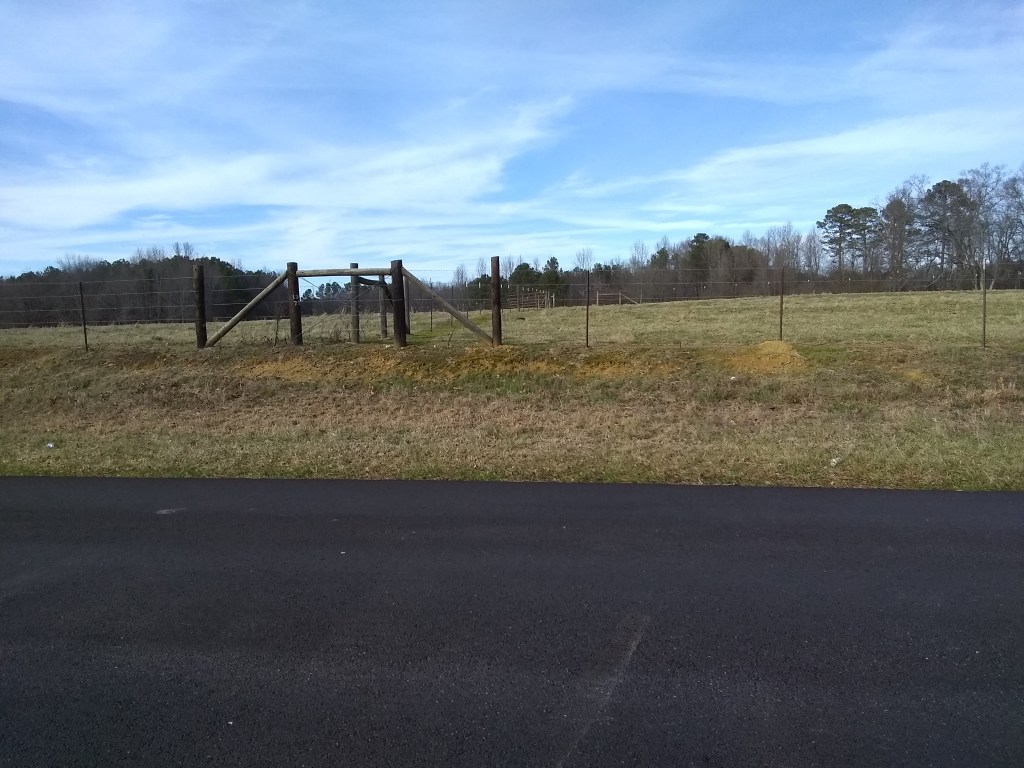
“Okay, I agree.”  Dad said.  “But, when can Ruthie and I debate this world-changing issue?”

“On your own time.  The two of you need to spend more time together anyway.  You might find that there is some common ground between you, if you would both set aside your pride and truly listen to each other.”  Mom said like a true political science professor.

“Okay Mom.  I agree too.  I truly must go now.  I have school projects to attend to.  Dad, don’t worry. I still love you, even though you are a bigot.  Ha, ha.”

“Thanks darling.  I love you too.  As I always say, infidels need love too.”  Dad added.

God and Girl–Chapter 19

God and Girl is my first novel, written in 2015. I'll post it, a chapter a day, over the next few weeks.

Dr. Ayers loved my paper and gave me an A.  My Fall semester grade was also an A, as it was in all my classes.

The holidays came and went as winter continued.  Ellen and I had carefully built a deep and wide foundation for our relationship.  Our daily patterns and routines became predictable, but our ways of expressing our love were quite spontaneous, quite new every day.  Thoughtfulness was not simply a characteristic of our relationship, but it was a mighty mission.  One of us was always surprising the other with a sweet note, a goofy, but love-enlightening text, or an ugly shirt, purse, or pair of shoes from The Sand Mountain Thrift store, with the clothing item always finding a unique way of showing up—in the mail, in an icebox sat by the front door, hung outside a window, or crammed into a school locker.  We were both masters of thoughtfulness.  We were both missionaries, even though our mission was not religious, we were just as zealous.

Our ninth-grade year came to an end with straight A’s for both in all subjects.  Ellen and I spent our summer riding bikes, swimming, eating and more eating, and sharing trips with our parents to beaches and mountains.  The roots of our love grew deeper and deeper with every summer rain.  Summer started with a slow jog, but ultimately raced to the finish line.   

Our tenth-grade year seemed to start as suddenly as our ninth grade had ended.  World History became American History, and Algebra I became Algebra II.  Thankfully, Biology, English Literature, and Poetry continued.  Art was gone.  I had lost interest, as it seemed to divert my attention away from my poetry.  Thank the universe for poetry.  Without it, the big bang would have gone bust.

I have known Ellen now for over a year.  Today, she holds my heart, molds my mind, bolds my hope, and rolls my imagination a zillion times more than just yesterday.  She lives inside every cell of my being.  I can’t imagine life without the gorgeous and glorious Ellen.  There would be no life without my one and only Ellen.