
Definitely worth a listen.
Author: Richard L. Fricks
Writer. Observer. Builder. I write from a life shaped by attention, simplicity, and living without a script—through reflective essays, long-form inquiry, and fiction rooted in ordinary lives. I live in rural Alabama, where writing, walking, and building small, intentional spaces are part of the same practice.
The Boaz Scorekeeper–Prologue
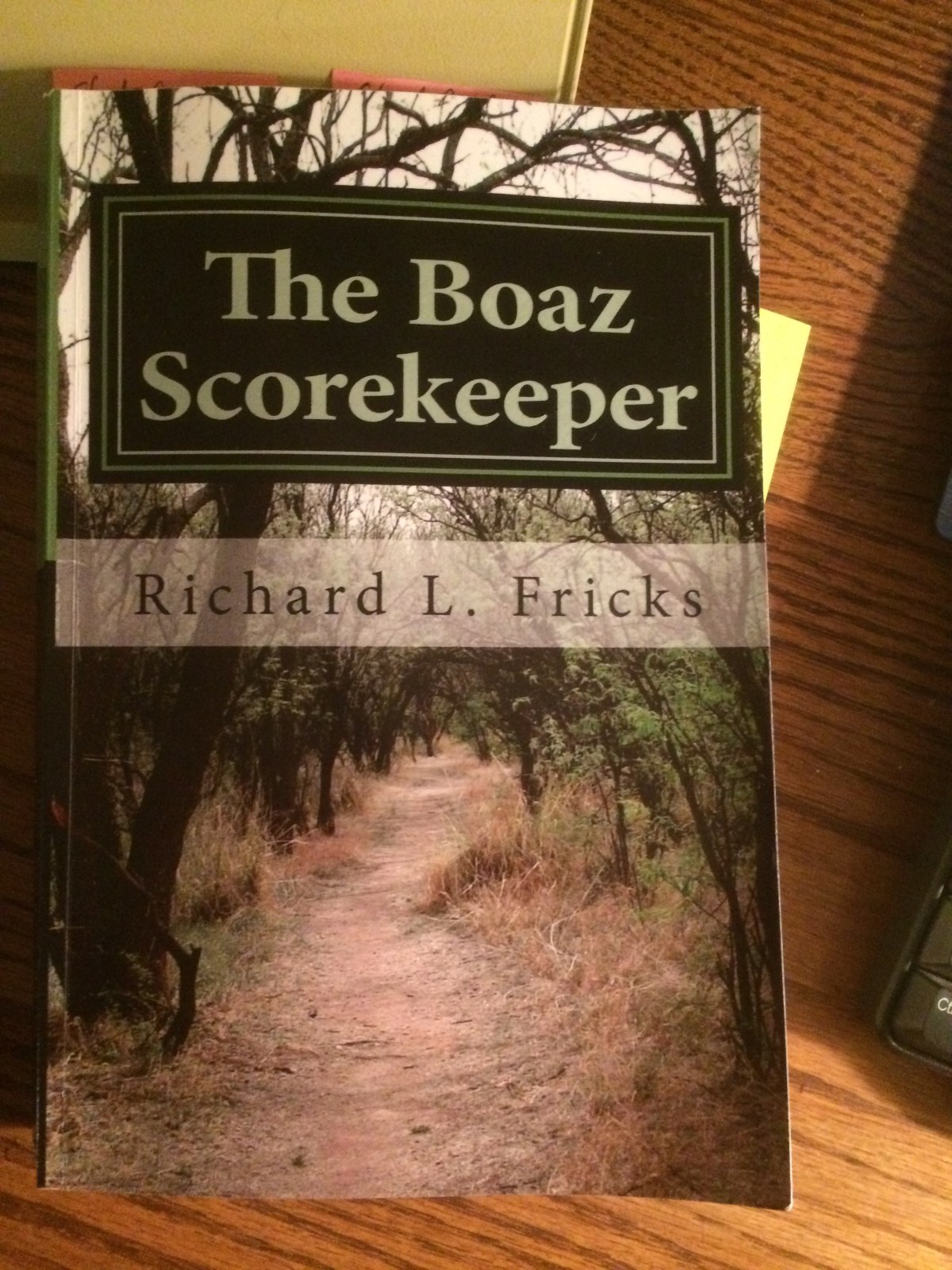
The Boaz Scorekeeper, written in 2017, is my second novel. I'll post it, a chapter a day, over the next few weeks.
Kaden Tanner was awakened by a phone call at 6:00 a.m. Monday morning. It was his father, Lewis, telling him his grandfather had passed away. Micaden Lewis Tanner was dead at 96, twelve days short of his 97th birthday. Claire, his live-in caregiver, had found him at 5:00 a.m. sitting in his bedroom chair when she brought him his morning coffee. There was no sign of struggle. It appeared he had just gone to sleep.
Lewis shared how he had spoken over the phone with his father last night as he did every night. He heard nothing that alarmed him. He was encouraged. Micaden had said his cold was better and he and Claire were driving to Huntsville today to take in the City’s Christmas lights.
Kaden told his father he would book a flight to Huntsville but could be delayed. Last night, both LaGuardia and Reagan Airports canceled flights in and out of New York City because of a blinding snowstorm. Lewis encouraged Kaden to try his best to arrive in Boaz before 9:00 a.m. Wednesday morning if possible, reminding him that Micaden might be dead, but his control continued. Nearly five years ago, Micaden had announced his funeral plans. Actually, he had shared his lack of funeral plans. He had asked to be cremated without any type of service or memorial, with his ashes scattered over his garden. At the same time, Micaden had revealed that he had instructed his law partners to choreograph an old-fashioned, will-reading ceremony three days after he passed.
After hanging up with his father, Kaden lay back and reminisced. Nearly a century before, 1954 to be exact, Micaden Lewis Tanner was born in a small country home, three miles outside Boaz, Alabama. His parents were hardworking Scots-Irish Americans with his father toiling at Boaz Spinning Mills by night and, between naps, helping Micaden’s Mother and his grandparents maintain a farm by day—all, simply to eke out a living. Micaden had an uneventful youth throughout his elementary and secondary school days up until the night of his Boaz High School graduation. Kaden decided not to even think about that.
Micaden was a decent athlete and an excellent student at Boaz High School. He graduated in 1972 and went on to Emory University in Atlanta earning an undergraduate degree in English. In 1980, he completed his law degree from Emory’s School of Law. Micaden practiced law in Atlanta with the firm of Downs, Gambol, and Stevens for nearly twenty years before returning to Boaz and joining Matt Bearden’s law practice. After a few years of general practice, Micaden found his passion to be criminal defense. Until 2045 when he retired, Micaden was an accomplished and highly sought-after capital murder defense attorney all throughout North and Central Alabama.
Kaden recalled his growing up years. He and his Father lived in a mobile home on the backside of Hickory Hollow, Micaden’s hundred-acre farm eight miles outside Boaz. Lewis’s wife, Kaden’s mother, had been killed in a car wreck leaving Lewis to raise two-year-old Kaden. Lewis did the best he could but his truck-driving job took him out of town, usually just for the work week, but sometimes two or more weeks at a time. Micaden and his wife Karla became Kaden’s parents by default. Kaden believed he received a dual education living with his grandparents. Micaden encouraging him to think critically, and Karla inspiring him to root his life in the Christian faith.
Kaden’s flight was delayed until late Tuesday night but arrived at Huntsville International Airport at midnight. He drove his rental car to Boaz and Hickory Hollow. He crept inside and up to his old room without waking his Father. At 7:30 a.m., he awoke to the smell of bacon, cheese-eggs, and burnt toast. He and Lewis ate a hardy breakfast and speculated what, if any, surprises Micaden may have waiting for them at the law offices of Bearden, Tanner, Nixon, and Martin.
The first surprise was Micaden’s choice to leave Hickory Hollow to Kaden rather than Lewis. Instead, Lewis received the lake house in Guntersville and enough cash to greatly improve his retirement years. Kaden knew Lewis was not disappointed with his Father’s wishes. According to Micaden, Lewis had never been a true outdoorsman. He had preferred fishing and sailing more than gardening, wood-splitting, and raising cattle and horses. The second surprise was a bequest to Kaden of 80 acres described as Oak Hollow. Neither Kaden nor Lewis had ever heard of it. The last surprise Attorney Trevor Nixon read was Micaden’s bequest to Kaden of a safety deposit box at The Exchange Bank of Gadsden. Lewis and Kaden had both known about and had access to Micaden’s box at First State Bank of Boaz. But again, neither had heard of the box in Gadsden. Nixon handed Kaden a key to the Gadsden box.
After leaving the law office Kaden dropped his Father off at Hickory Hollow and drove to Gadsden. The safety deposit box contained a letter and a book. The author of The Boaz Scorekeeper was Micaden Lewis Tanner. Kaden removed the book and turned to the copyright page, noticing the book had been self-published in 2046. He laid the book on a small table, took out the letter, and sat down to read. Kaden recognized his Grandfather’s writing on the outside of the envelope, “Kaden Lewis Tanner.”
The letter was also hand-written by Micaden: “Kaden, I trust you continue to prosper in New York as an intellectual property attorney and an aspiring writer. Well, life is over for me. If it weren’t, you wouldn’t be reading this letter. We both know what a wonderful relationship we have always had, especially throughout your growing up years. I believe it was built day by day as you grew up and we spent time talking as we enjoyed the outdoors at Hickory Hollow. Our ability to be open with each other allowed us to explore topics that most people run from, but now I must confess. I have not been totally forthright with you and I am ashamed. By reading The Boaz Scorekeeper you will learn things about me that will shock you. My hope is that you can come to understand why I did what I did. I ask you to keep this book and its contents secret but it is your choice. By the way, you have the only copy of my book. I love you Kaden and hope you keep pursuing your own life’s meaning.”
Another bank customer came into the vault. Kaden pushed the book and the letter into the leather bag he had brought with him. He left the bank and drove to Hickory Hollow, greeted a half-sleeping Lewis on the couch in the den, and went to Micaden’s book-filled library to read The Boaz Scorekeeper.
10/14/23 Biking & Listening
Why I ride
Biking is something I both love and hate. The conflicting emotions arise from the undeniable physical effort it demands. However, this exertion is precisely what makes it an excellent form of exercise. Most days, I dedicate over an hour to my cycling routine, and in doing so, I’ve discovered a unique opportunity to enjoy a good book or podcast. The rhythmic pedaling and the wind against my face create a calming backdrop that allows me to fully immerse myself in the content. In these moments, the time spent on the bike seems worthwhile, as I can’t help but appreciate the mental and physical rewards it offers.
I especially like having ridden. The post-biking feeling is one of pure satisfaction. The endorphin rush, coupled with a sense of accomplishment, makes the initial struggle and fatigue worthwhile. As I dismount and catch my breath, I relish the sensation of having conquered the challenge, both physically and mentally. It’s a reminder that the things we sometimes love to hate can often be the ones that bring us the most fulfillment. In the end, the love-hate relationship with biking only deepens my appreciation for the sport, as it continually pushes me to overcome my own limitations and embrace the rewards that follow the effort.
My bike

A Rockhopper by Specialized. I purchased it November 2021 from Venture Out in Guntersville; Mike is top notch! So is the bike. The ‘old’ man seat was salvaged from an old Walmart bike (update: seat replaced, new photo to follow, someday).
Something to consider if you’re not already cycling.
I encourage you to start riding a bike, no matter your age. Check out these groups:
Cycling for those aged 70+(opens in a new tab)
Solitary Cycling(opens in a new tab)
Remember,

Memoir I’m listening to:
Spare by Prince Harry
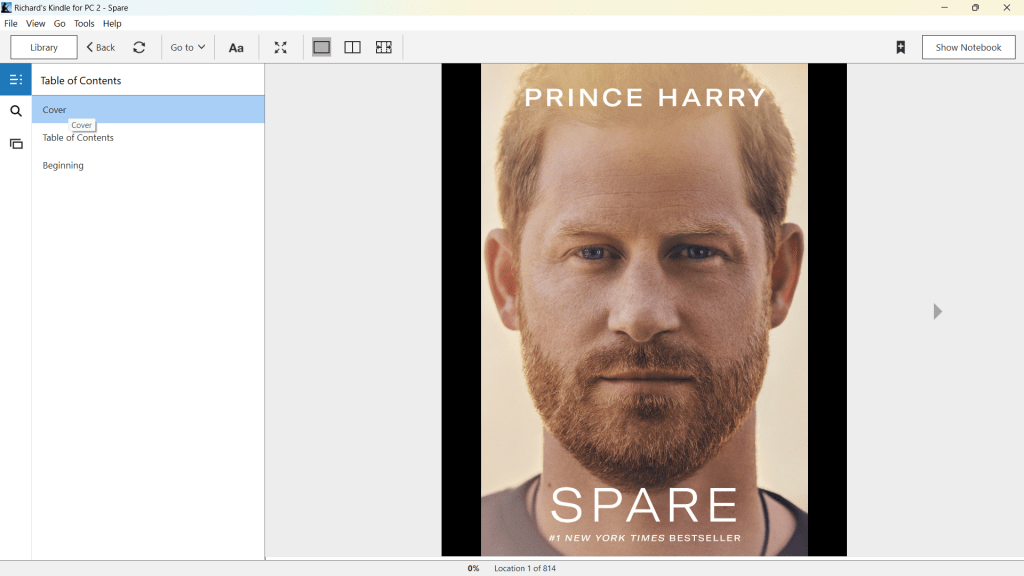
Amazon abstract:
#1 NEW YORK TIMES BESTSELLER • Discover the global phenomenon that tells an unforgettable story of love, loss, and healing.
“Compellingly artful . . . [a] blockbuster memoir.”—The New Yorker
It was one of the most searing images of the twentieth century: two young boys, two princes, walking behind their mother’s coffin as the world watched in sorrow—and horror. As Princess Diana was laid to rest, billions wondered what Prince William and Prince Harry must be thinking and feeling—and how their lives would play out from that point on.
For Harry, this is that story at last.
Before losing his mother, twelve-year-old Prince Harry was known as the carefree one, the happy-go-lucky Spare to the more serious Heir. Grief changed everything. He struggled at school, struggled with anger, with loneliness—and, because he blamed the press for his mother’s death, he struggled to accept life in the spotlight.
At twenty-one, he joined the British Army. The discipline gave him structure, and two combat tours made him a hero at home. But he soon felt more lost than ever, suffering from post-traumatic stress and prone to crippling panic attacks. Above all, he couldn’t find true love.
Then he met Meghan. The world was swept away by the couple’s cinematic romance and rejoiced in their fairy-tale wedding. But from the beginning, Harry and Meghan were preyed upon by the press, subjected to waves of abuse, racism, and lies. Watching his wife suffer, their safety and mental health at risk, Harry saw no other way to prevent the tragedy of history repeating itself but to flee his mother country. Over the centuries, leaving the Royal Family was an act few had dared. The last to try, in fact, had been his mother. . . .
For the first time, Prince Harry tells his own story, chronicling his journey with raw, unflinching honesty. A landmark publication, Spare is full of insight, revelation, self-examination, and hard-won wisdom about the eternal power of love over grief.
Novel I’m listening to:
Where the Crawdads Sing

Amazon abstract:
NOW A MAJOR MOTION PICTURE—The #1 New York Times bestselling worldwide sensation with more than 18 million copies sold, hailed by The New York Times Book Review as “a painfully beautiful first novel that is at once a murder mystery, a coming-of-age narrative and a celebration of nature.”
For years, rumors of the “Marsh Girl” have haunted Barkley Cove, a quiet town on the North Carolina coast. So in late 1969, when handsome Chase Andrews is found dead, the locals immediately suspect Kya Clark, the so-called Marsh Girl. But Kya is not what they say. Sensitive and intelligent, she has survived for years alone in the marsh that she calls home, finding friends in the gulls and lessons in the sand. Then the time comes when she yearns to be touched and loved. When two young men from town become intrigued by her wild beauty, Kya opens herself to a new life—until the unthinkable happens.
Where the Crawdads Sing is at once an exquisite ode to the natural world, a heartbreaking coming-of-age story, and a surprising tale of possible murder. Owens reminds us that we are forever shaped by the children we once were, and that we are all subject to the beautiful and violent secrets that nature keeps.
Podcasts I’m listening to:
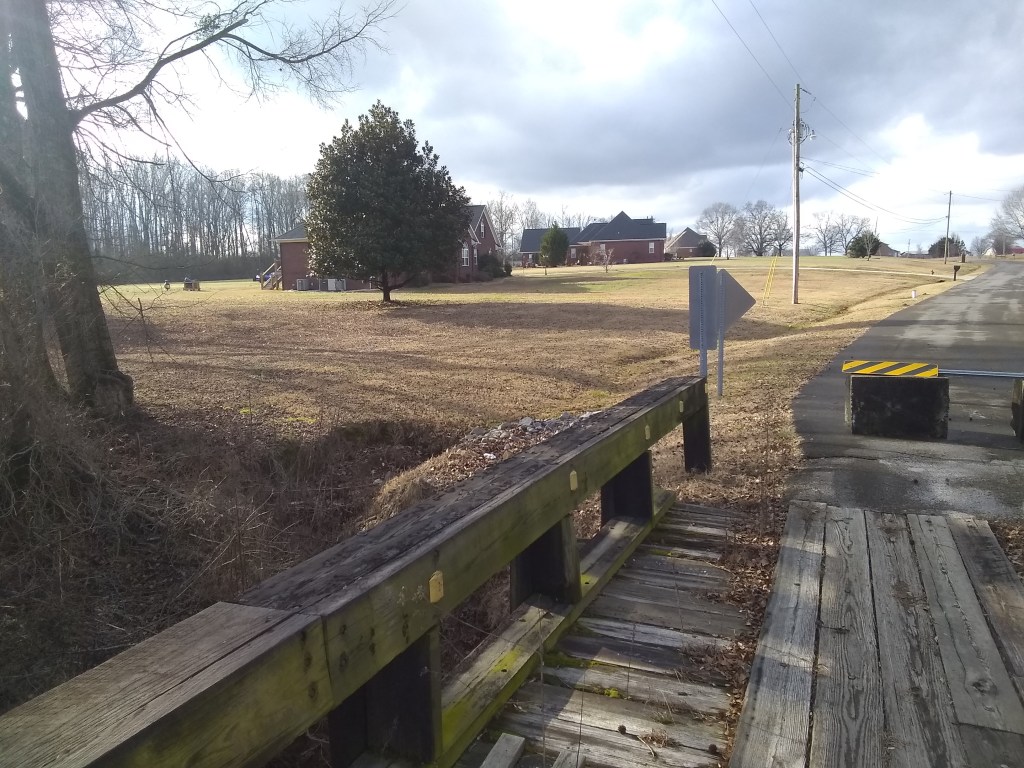
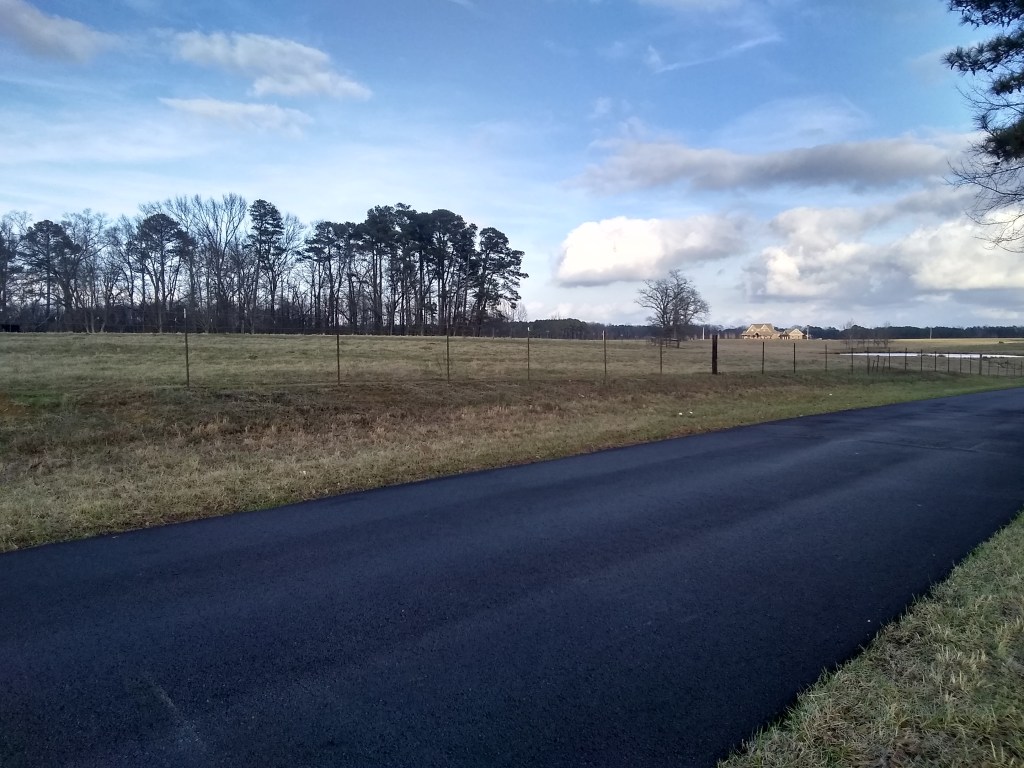
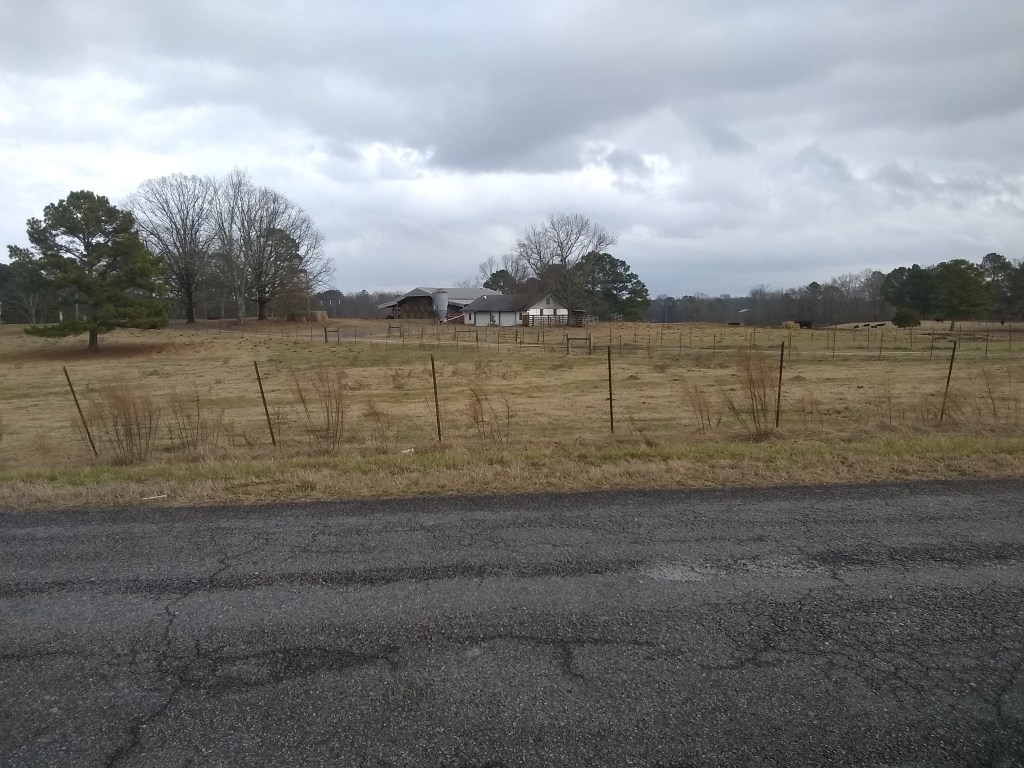
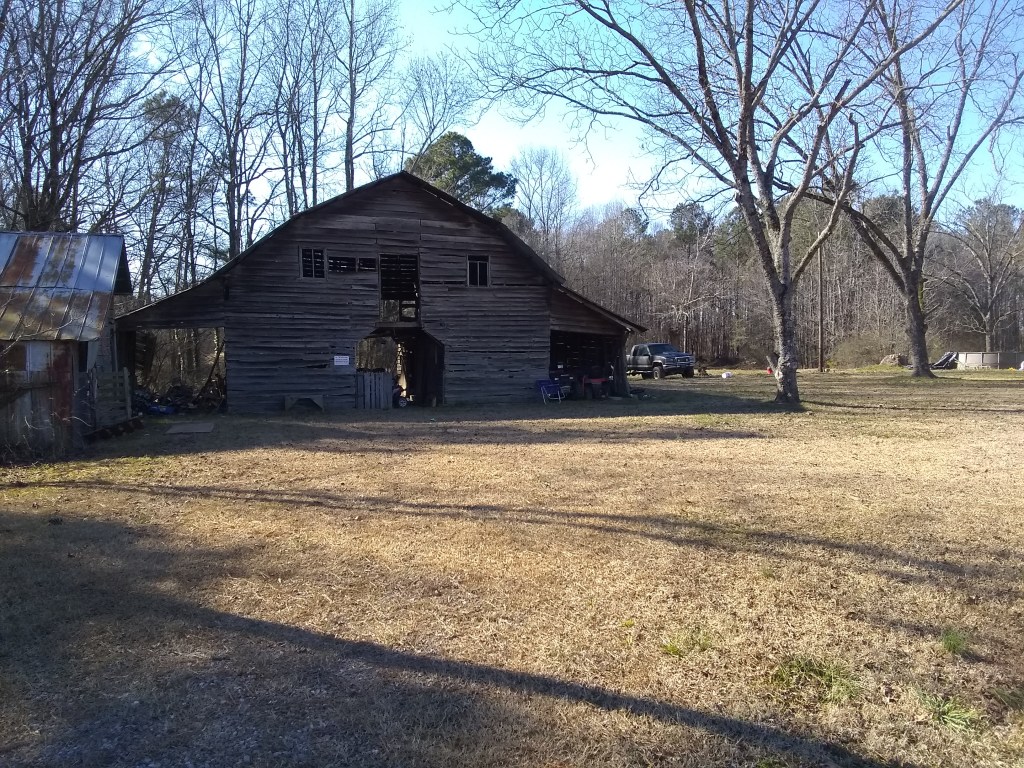
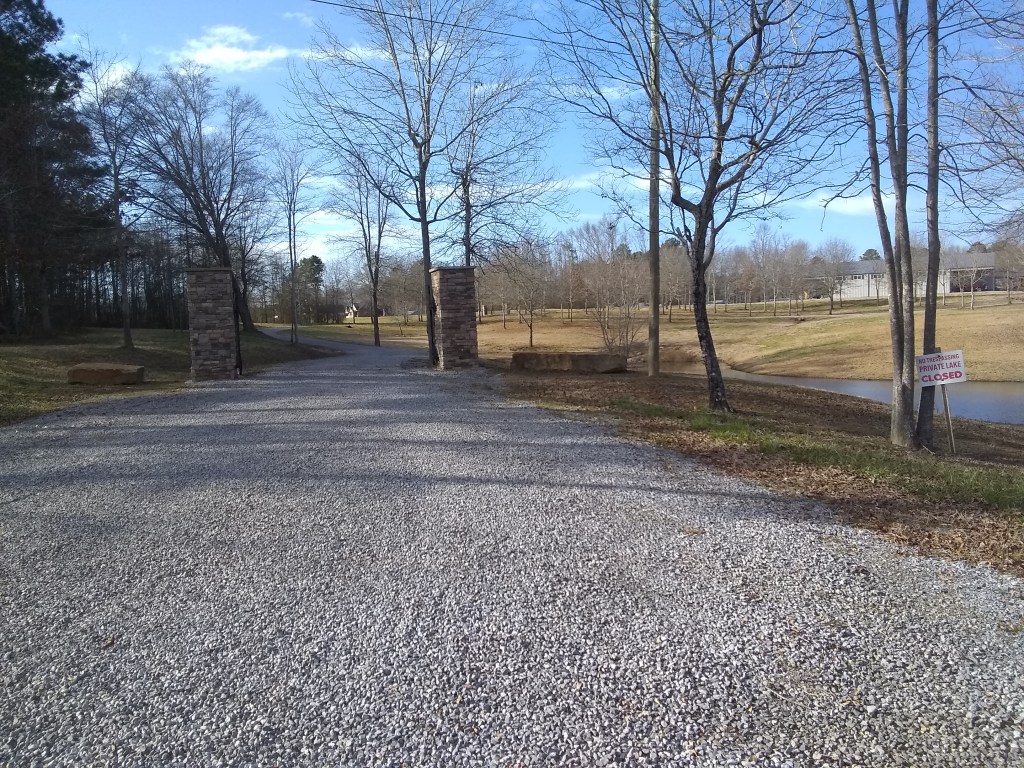
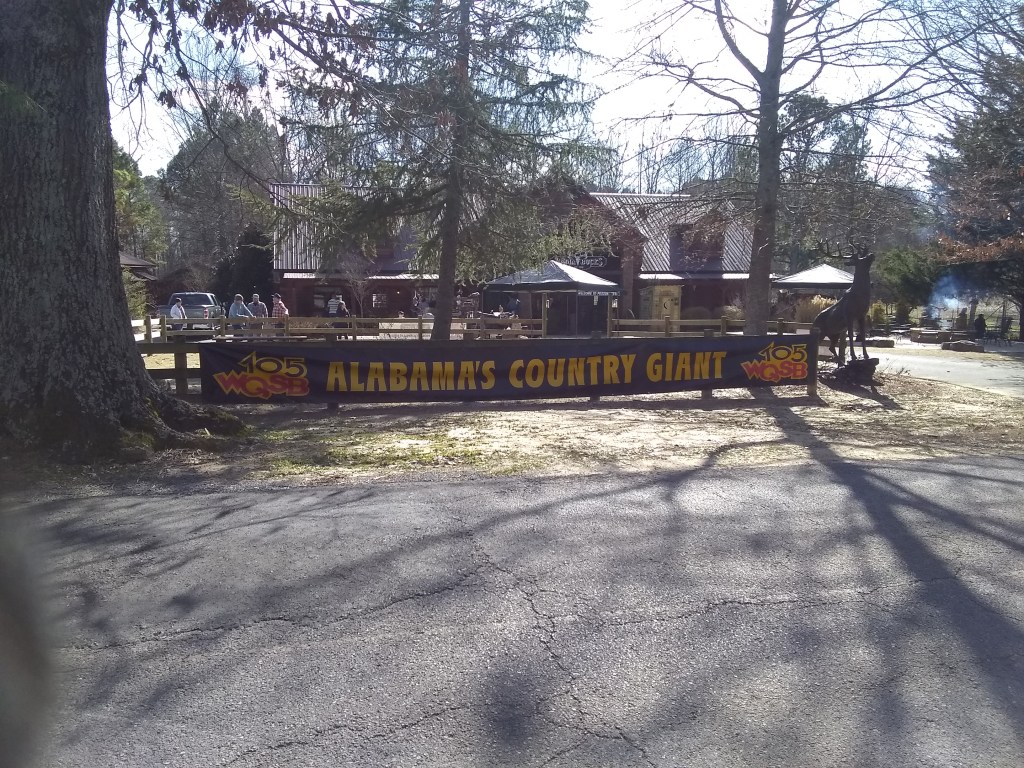
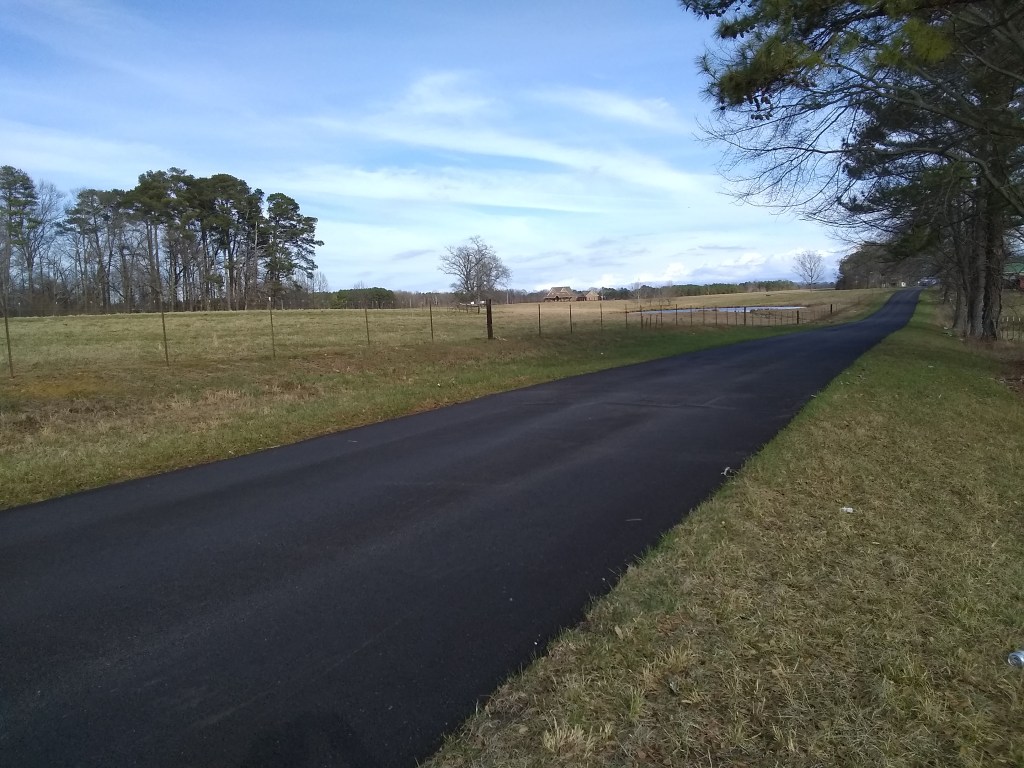
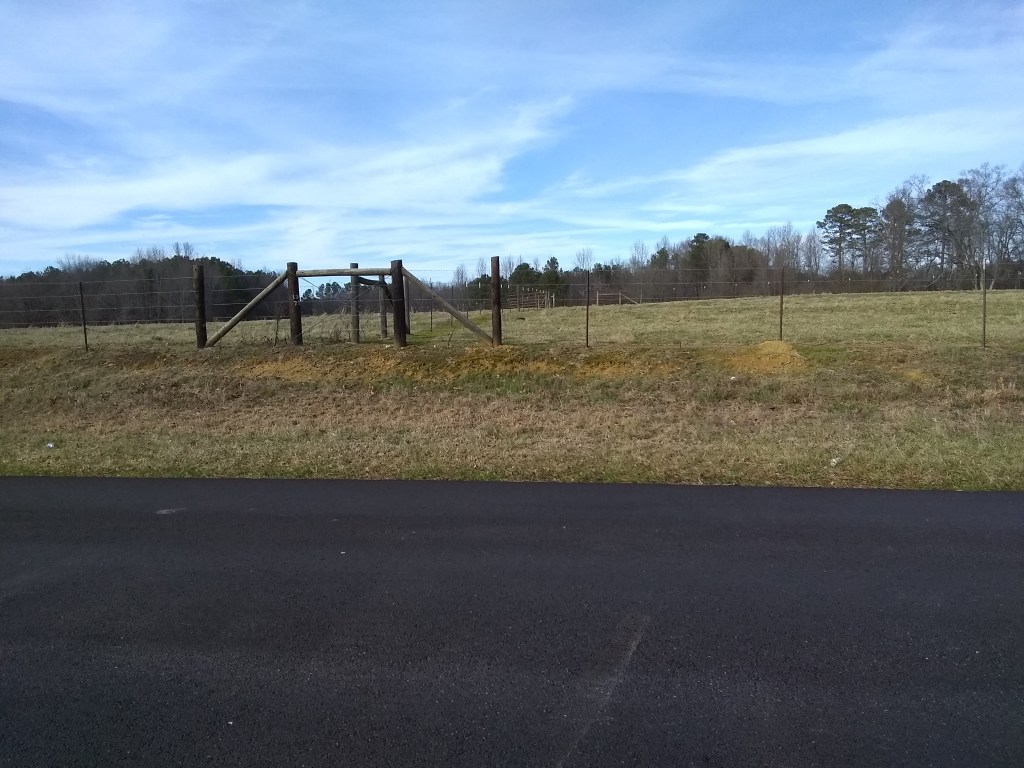
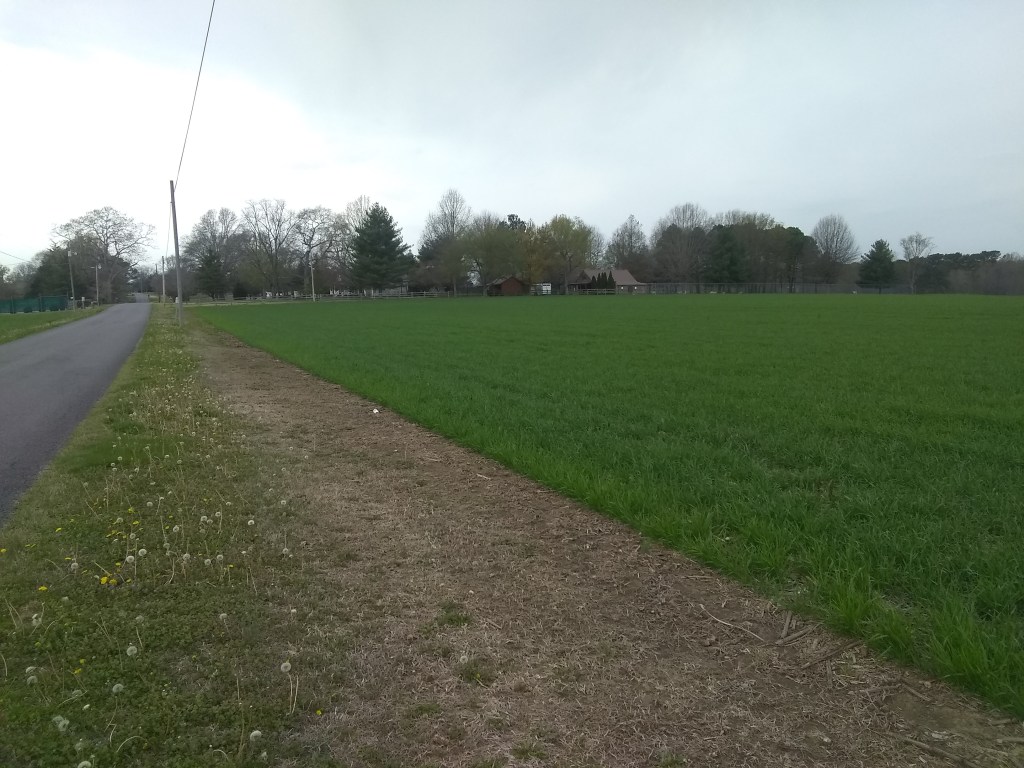
Here’s a few photos from along my pistol route:















On Being Ignorant of One’s Ignorance and Unaware of Being Unskilled, by John Loftus
Here’s the link to this article.
[Written by John W. Loftus] As a former Christian, especially soon after I first converted, I thought I knew the answers to the riddle of existence. The answers were all in the Bible. And I thought I could also understand the Bible well enough to know, especially before I had any advanced learning. Initially I was a Bible Thumper. My motto was: God said it. I believe it. That settles it. All of the answers were to be found in the Bible, and I thought I knew them–all of them. So without any education at all I soon had the confidence to speak to college professors I met and not be intimidated at all. And I did. I remember walking away from some conversations thinking to myself how ignorant that professor was. Yep. That’s right. At that time I was what psychologists have dubbed “Unskilled and Unaware of it.” And it appears to me many Christians who comment here are just as I was. They come here with the answers. Some of them do not even have a college education. And yet they offer nothing but ignorant comments. I can’t convince them otherwise. They are like I once was.
Looking back on those initial years I could see clearly that I was not able to think through the issues of the Bible, especially hermeneutics, until after gaining a master’s degree. I would have told you upon receiving my first master’s degree that I was ignorant before then. But I kept on learning and studying. Age had a way of teaching me as well. It seems as though as every decade passed I would say I was more ignorant in the previous one. As every decade passed I see more and more wisdom in Socrates who claimed he was wise because he didn’t know. According to him the wiser that a person is, then the less he claims to know. Awareness of our ignorance only comes with more knowledge.
One writer said:
The British philosopher Bertrand Russell once wrote that “the trouble with the world is that the stupid are cocksure and the intelligent are full of doubt.” This is true whether one interprets “stupid” as foolish (short on smarts) or as ignorant (short on information). Deliberately or otherwise, his sentiment echoes that of Charles Darwin, who over one hundred years ago pointed out that “ignorance more frequently begets confidence than does knowledge.”
The Internet is a veritable all-you-can-eat buffet of such misplaced confidence. Online, individuals often speak with confident authority on a subject, yet their conclusions are flawed. It is likely that such individuals are completely ignorant of their ignorance. Cough.
And so let me link to this writer who in turn links to an important study that can help us determine whether we are ignorant or not. The psychological study is called, Unskilled and Unaware of it.
And it just doesn’t apply to Christians, but anyone who has an overconfident assessment of their skills and abilities, including atheists.
The bottom line is that the more I know the more aware of how little I know. Get it? But there is no way to help a person who has all of the answers know how little he knows except by increasing his knowledge and experience. It’s a catch-22 of sorts. Until you do know a great deal you will never really know how ignorant you are. Therefore only the ignorant are unaware of their ignorance. And only the unskilled are unaware of it too. We see this on shows like American Idol and on Who’s Got Talent? Does it not surprise you how many people audition for these shows who completely lack talent and yet claim they are good? Most bad Karaoke singers do not know they cannot sing. It’s not until they become better at it can they know this for themselves.
It’s not that the ignorant and unskilled don’t know they are at least somewhat ignorant and unskilled. They do. Just ask them. When asked even the ignorant will say so. It’s just that the ignorant do not understand how truly ignorant they really are. They might think it’s a small leap to knowledge when there is a mile (or several miles) to travel for it.
Again, the more we know the more we know that we don’t know, and only people who know can truly know this. Got it? And only people who know can discern others who know. I can have a great conversation/dialogue with some Christians here because I can tell that they know what they are talking about (even if I disagree). And I know who they are because of what they say. It’s a joy to me. In fact, if approved for publication an unnamed Christian scholar and I will be co-writing a book length dialogue about our differences because I can respect that he knows (well, at least as best as a Christian can do anyway). [I’m not defining “know” here as justified knowledge, but in terms of education and awareness, since, as you would expect, I think he’s wrong].
So I’ll continually be bothered daily at DC by ignorant people who are unaware of their ignorance, especially Christians. That’s the nature of this beast. Worse off, they don’t trust me to tell them what they should understand. They will most likely only listen when someone on their side of the fence–whom they respect–tells them.
For now I’m challenging people to consider whether they are ignorant/unskilled and unaware of it. Most Christians who comment here are. I would say this about them as a former professor of philosophy, apologetics, ethics, and the Bible. This is much more true of them now from my perspective.
So the more I know the more I know that I don’t know. But I do know this: I know a hell of a lot more than most people about Christianity. I am not ignorant when it comes to Christianity. I might be wrong, but I’m not ignorant, at least not as ignorant as most of the Christians who comment here. Is this a contradiction? Not at all. For the only way for us to know something like this is to become knowledgeable. Someone can only say he knows a lot when he knows he doesn’t know that much. And only the knowledgeable can have a proper assessment of this because the ignorant are ignorant of their own ignorance!
A Half-Full Glass

A Half-Full Glass by Robert Waldinger from Zen and the Art of Living Well
Nature gave us a negativity bias. Presence and gratitude give us a positive outlook.
In Zen and the Art of Living, Robert Waldinger—director of the Harvard Study of Adult Development, and a Zen teacher—explores what ancient wisdom and modern research tell us about “the building blocks of the good life that are hidden right here in plain sight.”
Robert draws on both his in-depth experience in Zen and the most up-to-date study findings to share insights and practices that can “help us through difficult times, and bring richness and joy to our everyday lives.”
Robert Waldinger is Professor of Psychiatry at Harvard Medical School, director of the Harvard Study of Adult Development at Massachusetts General Hospital, and cofounder of the Lifespan Research Foundation. Dr. Waldinger received his AB from Harvard College and his MD from Harvard Medical School. He is a practicing psychiatrist and psychoanalyst, and he directs a psychotherapy teaching program for Harvard psychiatry residents. He is also a Zen master (Roshi) and teaches meditation in New England and around the world. You can find out more at his website.
God and Girl–Chapter 28

God and Girl is my first novel, written in 2015. I'll post it, a chapter a day, over the next few weeks.
Today, is my 30th birthday. I cannot believe it has been 14 years since I lost my Ellen. I also cannot believe it has been 8 years since Dad died. He had finally reached a point where New Visions had grown to a critical mass, as he called it. But, no matter, Dad died of a heart-attack on a Saturday afternoon at home in late fall, while he and Mom were outside raking and burning leaves.
Two years after graduating high school, I believed I was finally ready to launch from the safe and secure little nest that had been my home for nearly twenty-one years. I knew it would be a launch that Ellen would so very much want for me. I moved to Atlanta to start college. I chose Emory University because Mom and Dad both earned their graduate degrees there, and nearly as important, the quality of Emory’s undergraduate creative writing program. It certainly didn’t come as a surprise to me that I wanted to be a professional writer, but just as important, probably more so, I wanted to teach. Mr. Johnson in ninth and tenth grade Poetry classes convinced me that there could be no more rewarding job in the world than inspiring young minds to pursue, love, and immerse their lives in reading and writing poetry. He always said that it can be the best vehicle for enabling a person to create meaning and find purpose in their lives.
After four years in Atlanta, and a year traveling throughout Europe—thanks Mom and Dad—I still wasn’t finished with my formal education. I knew very few high schools or small colleges would seriously consider me if I didn’t have a master’s degree. I chose the University of Virginia’s Master of Fine Arts program, concentrating in Poetry. After completing this two-year program, all while riding my bike and hiking over a thousand miles throughout the lovely mountains around Charlottesville, I lucked up with my dream job in Knoxville, Tennessee, teaching Poetry at Farragut High School. This school has a rich history and is one of the top high schools in Tennessee. I am now a little over a month into my fourth year living my dream, so motivated by Ellen to inspire young minds to seek, crawl, hobble, jog, and race towards truth, their own truth.
It is Friday and normally I would be teaching, but today I’m taking off to travel home to spend this evening and the weekend with Mom. It is early, not quite 6:00 a.m., the sun just peaked inside my bedroom window. I grab the bags I packed last night, toss them into the backseat of my Camry, check my bike to make sure it is still secure, and take off. The drive south on Interstate 75 couldn’t be better. There is nothing more beautiful than a Fall day in the south, especially in Tennessee and North Alabama. The leaves are at their peak this weekend—at least that is what Stan at WBIR said last night on the 10:00 o’clock news.
I drive about an hour and a half stopping in Cleveland, Tennessee to buy gas and a sausage/cheese biscuit at Hardee’s. It will take about another two and one-half hours to reach Boaz, but first, there is something else I must do.
I continue south on Interstate 75 through Chattanooga and into Alabama. At Exit 19, I turn left and head east on Hwy. 117 through Hammondville and Valley Head. I arrive in Mentone around 8:45. I drive slowly as I pass familiar places, straining my neck as I look at the Mountain Laurel Inn, catching just a glimpse of the side porch. I turn southeast and head towards DeSoto Falls. I turn left on DeSoto Falls Road and pull off the road to my right and park besides the woods. My mind is flooding back to the last time Ellen and I were here. It was the weekend of my 16th birthday. Her parents had allowed her to drive us in her old mare of a Mustang (truth is, she made me drive the entire weekend, said it would be great practice for my upcoming driver’s license exam). We parked right here, right here where I am parked (truth is, we rode our bikes here from the Inn on Saturday morning, but Sunday afternoon as we were leaving Mentone, I drove us back here to make some pictures of each of us standing at the trail-head and beside her car). I grab a small backpack and a canteen of water, along with my hiking stick and set out into the woods and onto the trail. It hasn’t changed in 14 years. I walk nearly 20 minutes and find our rock, our Rock of Ages.
I sit down and look eastward out over the deep ravine and marvel at the multitude of red, yellow, orange, brown, and purple leaves, just like Ellen and I had done a long 14 years ago. A cool breeze is blowing, and I almost wish I had brought a jacket. It seems a little cool for mid-October. I lay back and close my eyes and settle my mind. Soon, but not soon enough, I am laying here with my darling Ellen, and we are talking about trees and leaves and poetry and what love would look like sketched out on a canvas, what color it would be, asking each other whether it could walk and talk. I could lay here forever, with Ellen pulling me onto her lap like she had done so many times, touching my face, my hair, my hands, my heart, so gently, so sweetly, softly raining words all over me, words that were beyond time, but inside the heart of pure love. But, there is something else I had to do.
I must go for Always and Forever. I walk around the bend of the mountain, staying close to the edge, watching every step to avoid slipping into the abyss below. I find the little thicket of brush and briers among the trees and walk a little further and find the spot with no vegetation, just flat, sandy rocks. The little ledge I must maneuver to reach the cave is still unmoved and unchanged, just lying there waiting on me. I sit down and slide to my left, conducting a few butt-bumps for Ellen and a laugh. In a few minutes, I make it to the end with that sharp bending curve to the left. I work my way up into a standing position and jump over the crevice to the flat ledge in front of the cave.
Quite frankly, I had forgotten how difficult it was to reach the cave. I now cannot imagine what drove Ellen and me to sit down on that rock ledge and bump our butts into the unknown. Then, I realized that act was the perfect representation of our entire relationship. One of daring to venture out into a dangerous world, one where, especially in the community where we lived, only our feelings for each other, our deep commitment to each other, anchored us to our ship that would face tall and treacherous ocean waves that most 15 and 16-year-old pre-adults should have known to avoid at all costs.
I turn and look northeasterly and see DeSoto Falls. It is the most beautiful waterfall I have ever seen, even more beautiful than those in Virginia—of course I am totally biased. Without allowing myself from floating off into the one cloud above me, I get down on all fours and crawl into the cave. I stand up and make my way to my left and again take the crawling position. I make it the six or eight feet back into the tiny little chamber and the roadblock hasn’t moved. The rock that stopped Ellen and me from continuing further into this side chamber hasn’t budged in 14 years. I sit up on my knees and lay over the top of this altar-like rock and begin digging down in the ground on the other side.
I use my hands to move the soft dirt, thinking of Ellen, recalling that she was the one who buried our treasure, saying since she found our little angels she should be the one to bury the box, and that I should be the one to remove them on my 30th birthday.
I keep digging and finally I touch plastic. I pull and push back sand and little pea size pebbles and clutch the top of the zip-lock bag and pull it up and over the rock as I’m sitting back up on my knees. I back out on all fours, reaching out to pull the package every two feet I move. Soon, I am sitting outside the cave, legs crossed together under me, with the package in my lap.
Fifteen years had passed since our first trip to Mentone. On that wonderfully golden, red, yellow, orange, brown, and purple leaf-colored weekend, we committed to each other that we would return today and recover Always and Forever, our special angels, those figurines that we had buried in this cave symbolized our dying to ourselves and becoming one with each other. The figurines were nothing if they were not together—Always and Forever were one. Just like Ellen and me.
I dust off the zip lock bag. It seems it hadn’t changed a bit during all these years—still strong, still doing its job of protecting Always and Forever from decay. I unzip the top of the bag and take out the shiny mahogany box. It is a little less shiny than I recall. I remove the clasp and turn up the latch. Before I open the lid, I recall, with perfect memory, what will be inside. Always on the left and Forever on the right, both lying on a piece of dark maroon felt cloth, itself lying on top of two carefully crafted beds patiently and competently carved inside a separate piece of mahogany just slightly smaller than the sides of the box. Opening the lid will show them side by side, asleep. I imagine Always’ left hand just barely touching Forever’s right hand, I know opening the lid will awaken them. I am ready to look once again deep into Ellen’s eyes.
I raise the lid. I am not prepared for what I find. The first thing I see is an envelope with my name hand-written on the front center. I remove it and then see Always and Forever right where we left them exactly 15 years ago today. I can hardly see. My eyes are filled with tears. I can only think and wonder how and when this envelope has gotten here.
I open the envelope carefully, using a little pin-knife I have in my pocket. There are two sheets of paper, each folded separately. The top one is a piece of stationery from the Mountain Laurel Inn. Handwritten on the outside fold are these words: “Hi Ruthie, my rock, my once in life love, my Forever, please read this letter first.” The writing is Ellen’s without a doubt.
I start reading as the wind picks up a little. “Wow, how time flies. I am sorry I am not sitting right next to you. Happy 30th birthday my once in life love. I know you are wondering how and when I placed this note and the attached poem (yes, that’s what’s in it!!!) here in the cave inside our mahogany box. It was during our second trip to Mentone, the weekend of your 16th birthday. Of course, this was supposed to become an annual event—celebrate your birthday, just the two of us, in Mentone every year. You surely remember that poem assignment Mr. Johnson gave us—he called it the After-Death poem, I call it Journey to Love–a couple of weeks before your sixteenth birthday. I know you will recall we were to write as though we had died and needed to say some things to one special person who was still living. Of course, I wrote mine to you. It was a weird experience, imagining I was dead and gone, but still conscious and knowing I had to communicate one final message to you. Writing that poem really got me to thinking how life can be short, how it can throw a curve ball or two, and how one of us might not make it to come here together on your thirtieth birthday. So, I decided that I would write you a letter and a poem and place them in the box with Always and Forever, just to make sure that if I died before then I could truly give you my thoughts from the other side.
You recall that we had reservations at the Mountain Laurel Inn since early spring. We, as we did the prior year, came to our spot, our Rock of Ages. That afternoon, after laying side by side for a long, long time, speaking silently to each other’s eyes, me on my right side, you on your left, we both lay back on our packs and fell asleep. Or, I should say, you fell asleep. I had planned a return trip to our cave a few days earlier. I had been writing you this poem—don’t read it yet. I had written this note in the Inn the night before, after dinner when you stayed and talked to Mrs. Bradford, while you let me return to our room to take a nap, since I was more tired than usual. I made sure you were asleep and then made my little journey butt-bumping over the rock lip and into our cave. It was no trouble to find our package. It was right where it was supposed to be. After placing these two letters inside, I sealed it all back up and returned it to its home beyond the rock altar. Until now, Always and Forever, and these two letters, have rested comfortably, patiently, securely, waiting for our return and your release. I was lucky to get back to you on our Rock before you awoke. I guess our little angels had been patiently rocking you softly and singing an Adele love song to keep you enchanted and asleep.
Now, when you are ready you can read my poem, no rush, I’ve got plenty of time to wait for you to read. Please read it out-loud to me my love, just like we used to do.
Ellen, your Always.”
I am screaming with tears. I need some time before I can read Ellen’s poem. I decide to pack things up and head back to our Rock. I am afraid that if I read her poem now I will become disabled to the point I cannot make the treacherous journey back.
I place Ellen’s note and poem back into her envelope, fold it and place it in my front right pocket. I cannot risk losing them down the side of the ravine. I take a chance with Always and Forever inside their box. I secure my belt through the latch and attach the belt to my left leg, so I can drag the mahogany box along with me as I bump along the rock ledge. I take my time and am very careful. I finally make it back to our Rock and sit down and breathe and let my mind settle. Some way, I know Ellen is here, right beside me. I am ready. I take out her poem and start to read, out loud, as the breeze again picks up just a little, as though to play a musical refrain, readying the choir. My spine shivers as I feel Ellen nudging even closer to my heart.
Journey to Love
“Ruthie, my one and only,
My once in life love.
Don’t be sad.
Since I left you earthbound
I am still traveling,
My earthbound phase is over.
Oh sure, absolutely, I wish
We could have stayed together forever
Maybe growing up and moving
To Mentone, finding us a little cabin,
Always finding time for our poetry.
Maybe Chaz would have given us a job
At the Wildflower cafe,
Or maybe we could have purchased
The Mountain Laurel Inn
And developed better house-keeping skills,
And really learned to cook Red-eye gravy. Yuck!!!
Buy it with the help of our parents of course.
Life with you, that phase of life,
Should have lasted 100 more years at least.
But, it didn’t.
Why, I still don’t know.
And, I guess I never will.
Ruthie, my one and only,
I am still traveling,
My heaven bound phase is just starting.
This is just part of our Journey to Love.
I believe you will join me someday, but
We have never parted, a little
Transformation yes, but we are still walking
Together.
Poetry allows us to do this,
You know that as well as me.
You must let yourself believe and know
That we are still one, but we have
To create a new language now,
We must develop a new way
To swim,
To bike,
To sing,
To dance.
All the many ways we made love are
Foreign now, but the love remains, And new ways are within our reach, We will be creative.
We will build a vast library
Of love songs that we will share
And only you and I will hear,
And only you and I will dance to them.
Ruthie, my one and only,
I am still traveling,
My heaven bound phase continues.
But I will never forget how
You changed my life, One day at a time By being you.
Every day we were together.
Whether you intended to or not,
Your life preached a powerful message. You showed me you were in love with life,
The kind you see and touch.
You also showed me there was life beyond life,
Life dancing all around, unseen, but as
Near as the wind, as pure as the rain.
Now, no doubt you didn’t have it all figured out,
But you were doggedly determined to know
every detail, weren’t you?
You kept on searching and longing.
You believed that unseen life, a spirit you thought,
Was as real, really part of the same, as our love,
Our love was our hands, and our feet, our heads,
And our heart, but it was also the air in our lungs,
It was the heaven in our kisses,
It was the manna for our souls.
Ruthie, my one and only,
I am still traveling,
My heaven bound phase continues.
Your life’s words,
Convinced me that you believed in two
Rocks of Ages, ours in Mentone,
But also, another one you talked about,
Often not even in words,
The one Toplady wrote about in 1763
(sorry, but I did some research myself)
As he took shelter from the raging storm,
In the gap of that rock wall,
You believed that out there somewhere,
Maybe everywhere, there is a savior that
Takes care of big baby and little baby humans,
Even little Ella down in that south African
Deep, dark cave.
You believed this savior rocked her
Outward from that cave and upward ‘to worlds unknown.’ And that someday, that day soon or
Far, far away, you will cling to that ‘Rock of Ages,’ and let Him hide you,
Safely and sweetly, always and forever.
Ruthie, my one and only,
I am still traveling,
My heaven bound phase goes on and on.
Don’t worry about me.
Live your life.
Go forth and be you.
While you are going about your life, I ask you to do something just for me.
Please find yourself a helpmate.
Sorry, but I know you haven’t done this yet. I know because Always and Forever stopped you, But now they empower you to move forward.
I beg you to move on, to find,
A friend, a lover, another heartbeat. You do need a partner in that phase of life, One you can see, hold, and touch.
Remember, time, talk, and touch,
Is all it takes to raise up real romance.
Please, for me, find you another Ellen.
Of course, that will be impossible, Because I was perfect in every way. Ha.
But there will be someone in close second. It may just be that right now she is near, That you know her already.
Please, do this for me.
I can wait for you so much more easily Knowing you have found another joy.
Ruthie, my one and only, I am no longer traveling.
I am finally home, Home to my mansion in the sky, I now walk on streets of gold.
I now talk with friends untold. I am in His presence, And I am joyful.
Don’t worry about me,
I am doing just fine,
As I cling to my
Rock of Ages.
(I’m sorry I didn’t get to tell you
Face to face how much this song
Meant to me, means to me).
‘Rock of Ages, cleft for me,
Let me hide myself in Thee;
Let the water and the blood,
From Thy wounded side which flowed,
Be of sin the double cure,
Save from wrath and make me pure.
Not the labor of my hands
Can fulfill Thy law’s demands;
Could my zeal no respite knows,
Could my tears forever flow,
All for sin could not atone;
Thou must save, and Thou alone.
Nothing in my hand I bring,
Simply to Thy cross I cling;
Naked, come to Thee for dress;
Helpless, look to Thee for grace; Foul, I to the fountain fly; Wash me, Savior, or I die.
While I draw this fleeting breath,
When my eyes shall close in death,
When I rise to worlds unknown,
And behold Thee on Thy throne,
Rock of Ages, cleft for me,
Let me hide myself in Thee.’
Goodbye for now my one and only, My once in life love.
I will see you again,
I will hold you again.
Always and Forever, I will love you.”
I look down at the bottom of the page and see something else written by Ellen.
“Ruthie,
Sorry, but I have something else I must tell you. There is another letter for you. It is at the very bottom of the box. It is under our special angels and under their little carved out beds.”
I open the box and remove the angels, the felt cloth, and the separate piece of wood that has had some special and unique carving done to make little angel beds.
“Dear Ruthie:
I am writing this on Thursday night before we leave for Mentone tomorrow—our weekend trip to celebrate your 16th birthday.
I am sorry for not being honest with you right up front. I should have told you about my brain tumor just as soon as I found out. I found out the Monday after the pastor’s conference your Dad held at your church where you and I did all the videotaping. You may or may not remember that my Mom and I were both absent from school that whole day. I lied to you when I later told you that we had to carry my Father to the airport in Birmingham and that we had decided to make a day of it, shopping, eating out, and being together, just the two of us. It seems that one lie leads to another as we have been told all our lives.
My plan, my serious plan, as I am sitting here right now, is to tell you about this life-changing information next Friday night, after we return from Mentone. I know that we will be together, since that is when we normally finish up our team assignment for Biology. That is when I plan on telling you that when Mom and I went to Birmingham, we found out I have an inoperable brain tumor and that it will kill me, in less than a year most likely, but it can be a lot quicker. But, the doctor said things could be quite normal for me for at least a few more weeks. He said that I would start having dizzy spells at some point but most likely they would be very mild. I insisted that the chemo and radiation not start until after we celebrate your 16th birthday. The doctor finally agreed but made me promise to take the latest wonder drug, one that had just been approved. It was supposed to stop the intensity of the tumor’s progression. Naturally, Mom, Dad, and I were absolutely devastated by the news.
But, I knew how afraid I was to tell you. It wasn’t because I didn’t think you could handle it or I thought you would stop loving me. No, I never thought that. I knew you would be faithful to me until the very end—forever. No, I was concerned I might completely chicken out from telling you and that you would find out in a completely ‘wrong’ way, like seeing me one day at school with a wig on after my hair had started falling out from the chemo, or some other strange and hurtful way. Please know, that I sit here fully determined to tell you next Friday night. I know it is the absolute right thing to do. Again, forgive me for not telling you immediately. Again, if by some chance something keeps me from telling you the FULL truth next Friday night or at any time after that, I wanted a way to ‘make’ myself tell you the truth, finally, even if it is 14 years later, therefore, the reason for this letter.
After we left the doctor’s office–actually, we were at the St. Vincent’s Hospital by then—I told Mom I didn’t want to talk, that I just needed to think. My thinking was very strange. One would think she would be falling apart because she had just learned she was dying, but I couldn’t think of anything but our trip to Mentone and how special a time it would be, just the two of us, again together in our favorite spot. I decided I wouldn’t tell you until after our trip.
I knew that if I did it would spoil our time together. It would affect both you and me. It would affect you in so many ways. You would become my protective mother: ‘Ellen, you don’t need to dance, let’s just sit here by the fire.’ ‘Ellen, you don’t need to ride bicycles,’ ‘Ellen, you don’t need to (on and on and on).’ And, you would become so sad, so tearful, so lost. And, the effects on you would obviously affect me. I couldn’t stand having two protective mothers, and I couldn’t bear to see you sad. I wanted and needed the both of us to be totally ourselves during our last weekend in Mentone.
I wanted our last weekend in Mentone to be REAL, or as best I could make it, knowing what I did know. I wanted it to be like our first trip when my parents took us, but we were completely alone, when we celebrated your 15th birthday. I wanted it to be even better than that trip. I wanted us to laugh and love, dance and hike, bike and sing, and play and plan like we always did.
It’s funny, not really, but it is certainly mind-altering when you lie. As you know we had talked about our trip for weeks including us getting to drive by ourselves. That was a very big thing for us. It certainly showed how much our parents loved and trusted us. I had to wage an outright war with Mom and Dad to convince them to let us drive to Mentone. I had to promise that I wouldn’t drive, that I would let you drive. Now, you know the truth about why I insisted that you drive EVERYWHERE, during that weekend. No, it wasn’t because I was so generous and wanted you to get some great practice. More lies, yes. They do in fact reproduce rapidly right after the first one is born.
Ruthie, please know that I know the importance of truth to a real relationship. It is the very lifeblood. It is the foundation. Without it, without it in full, there is a crack in the wall, there is a leak in the vessel. I hope you will forgive me for my selfishness. That’s most likely the reason I lied to you, why you didn’t know the truth during our last weekend in Mentone. I was looking out for myself. I wanted you to be able to show me your love the way I had experienced it so many times before. That is the truth. I selfishly interrupted the reality of our lives, all trying to avoid pain. I guess avoiding pain today multiplies pain tomorrow.
And now, I must also make sure you know something else of great importance to me—of course you should already know this because, just like the brain tumor news, my plan is to tell you this ‘faith’ news next Friday night, right after we return from Mentone. But, by chance I get hit by a bus before I can tell you, my backup plan, my plan B, will assure me that you will ultimately know the truth when you read my ‘Journey to Love’ poem on your 30th birthday. My ‘faith’ news is about my decision to pursue Christ.
Again, this should be old news to you, but if not here goes. When I learned that I was going to die, my outlook on the afterlife changed radically. A fear overwhelmed me. It made me so scared I could barely function. It drove me to searching for some peace, some security. The Christian faith offered courage to counter my fear.
Now, don’t get me wrong. It was not like I suddenly started believing the Bible was without error and that I stopped believing that evolution is true. But, it did make me think that there may be some truth in Scripture, maybe the core story about God sending His Son to save us from our sins and to make a way for us to spend eternity in Heaven. I continued to believe that there was no real Adam and Eve, but I felt there may have come a time in human evolution that God gave man a soul. I reasoned that maybe the men who wrote the Bible, especially the gospel writers, got it right, in the main. But, the thing that gave me the most peace and hope was our good friend, the Reverend Toplady. He wouldn’t have known a whole lot about evolution back in 1763. He would have likely believed in Adam and Eve. So, even though he lived without knowing the truth about some big issues, it sure seems he knew something about inspiration and about Jesus. He says that he was inspired to write ‘Rock of Ages.’ His inspired song inspired me and my decision to pursue faith.
And, there was another source of my inspiration. The Naledi people inspired me. And, like Toplady, they knew nothing of evolution, yet they had some awareness that there was something beyond death, hopefully life, albeit another form of life.
I must admit that part of my reasoning was that I didn’t have many other options. I reviewed my former beliefs that when you die, you die, and that’s it—you simply cease to exist, to live. End of story. Given my death sentence I didn’t find much comfort in that because our story would end, our journey to love would be over. So, my best option was faith in Jesus (sorry Jesus, but I know you value truth and you already know this anyway). By the way, during this whole process, I never felt like our relationship was wrong—no, I never believed something so beautiful, so wonderful, so loving could be something God would consider sin.
So, as best I knew how, I confessed and believed. Here is my ‘Rock of Ages’ revision to better express my faith story:
“Naked, come to Thee for dress;
Foul, I to the fountain fly;
Nothing in my hand I bring,
Not the labor of my hands
Can fulfill Thy law’s demands;
Could my zeal no respite know,
Could my tears forever flow,
All for sin could not atone;
Simply to Thy cross I cling;
Helpless, look to Thee for grace;
Thou must save, and Thou alone.
Wash me, Savior, or I die.
Let the water and the blood,
From Thy wounded side which flowed,
Be of sin the double cure,
Save from wrath and make me pure.
While I draw this fleeting breath,
When my eyes shall close in death,
When I rise to worlds unknown,
And behold Thee on Thy throne,
Rock of Ages, cleft for me,
Let me hide myself in Thee;
I must say it once more, please forgive me.
Yours Always,
Ellen”
I finish reading Ellen’s final letter, her confession, and close my eyes, feeling the wind transporting me back to the hospital that fateful Friday night, the last night of Ellen’s life here on earth. About the time I returned to the Chapel after visiting Ellen in ICU would have been about the time Ellen would have told me her secrets if she had lived. We would have been at her house most likely, working on our team assignment in Biology. She probably would have turned her computer chair around and asked me to sit on her bed. Then, she would have told me about her brain tumor, and her ‘faith’ decision, and asked me for forgiveness.
She never got the chance to confess to me, face-to-face. Life abandoned her before she could. Instead, she was lying on her death bed in the hospital. Life had thrown us a curve, and I was ill-prepared to face it and the future.
Unknown to me at the time, in the prior few days before her accident, Ellen had been revealing her deepest secrets. But, now I know. Even though I knew Ellen was remarkable in so many ways, smart, determined, loving, kind, respectable, curious and creative, I had missed the raw courage she possessed. She faced death and didn’t self-destruct as I had done. She loved me too much to do that. She, through rugged determination, fought off the death demons hovering all around her and put me and our love first. She sacrificed greatly so we could build an eternal memory in Mentone during our final weekend.
Oh, so much more importantly than that, she revealed the softness and tenderness of her heart. She allowed faith to fill her mind, body, and soul with truth. Ellen found her truth and she was bold enough, strong enough, mature enough, to share it with me. I should have seen it in the nursing home that Wednesday night she asked to go with me and the youth group. It should have been obvious when she stood up for me, believed in me, spoke for me, when I could not speak, when I could not answer Ms. Townsend’s simple but complex question she posed to me: “What do you believe?”
I think someway Ellen knew that she had to have a plan B, that things just didn’t feel like the stars would so align to enable her to have our little talk on that Friday night after our Mentone weekend.
Ellen, I love you more now than ever. And, yesterday, I would have sworn that would be impossible. You were so much more of a real human being than me. I didn’t deserve you, but you thought differently, because you chose to love me with every cell of your being.
Finally, as early afternoon approached, it began to rain. And, I rained tears, where they came from I will never know since I thought I had cried them out after the final letter.
Just like that Saturday afternoon 14 years ago, the rain became more intense the nearer I walked to my car and the trail-head. “Hurry Ruthie, I have an idea.” I could hear and feel Ellen say. I knew that she was pulling and prodding me to get on our bikes and find that old red barn and have just one more dance.
I bolted out of my dream as I unlocked my car door. I drove the next hour or so straight to Mom’s house in Boaz without wiping a drop of rain off my face and arms, supernaturally recognizing a courage building in my heart as Ellen’s inspiration soaked deep into my mind and soul.
10/13/23 Biking & Listening
Why I ride
Biking is something I both love and hate. The conflicting emotions arise from the undeniable physical effort it demands. However, this exertion is precisely what makes it an excellent form of exercise. Most days, I dedicate over an hour to my cycling routine, and in doing so, I’ve discovered a unique opportunity to enjoy a good book or podcast. The rhythmic pedaling and the wind against my face create a calming backdrop that allows me to fully immerse myself in the content. In these moments, the time spent on the bike seems worthwhile, as I can’t help but appreciate the mental and physical rewards it offers.
I especially like having ridden. The post-biking feeling is one of pure satisfaction. The endorphin rush, coupled with a sense of accomplishment, makes the initial struggle and fatigue worthwhile. As I dismount and catch my breath, I relish the sensation of having conquered the challenge, both physically and mentally. It’s a reminder that the things we sometimes love to hate can often be the ones that bring us the most fulfillment. In the end, the love-hate relationship with biking only deepens my appreciation for the sport, as it continually pushes me to overcome my own limitations and embrace the rewards that follow the effort.
My bike
A Rockhopper by Specialized. I purchased it November 2021 from Venture Out in Guntersville; Mike is top notch! So is the bike. The ‘old’ man seat was salvaged from an old Walmart bike (update: seat replaced, new photo to follow, someday).
Something to consider if you’re not already cycling.
I encourage you to start riding a bike, no matter your age. Check out these groups:
Cycling for those aged 70+(opens in a new tab)
Solitary Cycling(opens in a new tab)
Remember,
Memoir I’m listening to:
Spare by Prince Harry
Amazon abstract:
#1 NEW YORK TIMES BESTSELLER • Discover the global phenomenon that tells an unforgettable story of love, loss, and healing.
“Compellingly artful . . . [a] blockbuster memoir.”—The New Yorker
It was one of the most searing images of the twentieth century: two young boys, two princes, walking behind their mother’s coffin as the world watched in sorrow—and horror. As Princess Diana was laid to rest, billions wondered what Prince William and Prince Harry must be thinking and feeling—and how their lives would play out from that point on.
For Harry, this is that story at last.
Before losing his mother, twelve-year-old Prince Harry was known as the carefree one, the happy-go-lucky Spare to the more serious Heir. Grief changed everything. He struggled at school, struggled with anger, with loneliness—and, because he blamed the press for his mother’s death, he struggled to accept life in the spotlight.
At twenty-one, he joined the British Army. The discipline gave him structure, and two combat tours made him a hero at home. But he soon felt more lost than ever, suffering from post-traumatic stress and prone to crippling panic attacks. Above all, he couldn’t find true love.
Then he met Meghan. The world was swept away by the couple’s cinematic romance and rejoiced in their fairy-tale wedding. But from the beginning, Harry and Meghan were preyed upon by the press, subjected to waves of abuse, racism, and lies. Watching his wife suffer, their safety and mental health at risk, Harry saw no other way to prevent the tragedy of history repeating itself but to flee his mother country. Over the centuries, leaving the Royal Family was an act few had dared. The last to try, in fact, had been his mother. . . .
For the first time, Prince Harry tells his own story, chronicling his journey with raw, unflinching honesty. A landmark publication, Spare is full of insight, revelation, self-examination, and hard-won wisdom about the eternal power of love over grief.
Novel I’m listening to:
Where the Crawdads Sing
Amazon abstract:
NOW A MAJOR MOTION PICTURE—The #1 New York Times bestselling worldwide sensation with more than 18 million copies sold, hailed by The New York Times Book Review as “a painfully beautiful first novel that is at once a murder mystery, a coming-of-age narrative and a celebration of nature.”
For years, rumors of the “Marsh Girl” have haunted Barkley Cove, a quiet town on the North Carolina coast. So in late 1969, when handsome Chase Andrews is found dead, the locals immediately suspect Kya Clark, the so-called Marsh Girl. But Kya is not what they say. Sensitive and intelligent, she has survived for years alone in the marsh that she calls home, finding friends in the gulls and lessons in the sand. Then the time comes when she yearns to be touched and loved. When two young men from town become intrigued by her wild beauty, Kya opens herself to a new life—until the unthinkable happens.
Where the Crawdads Sing is at once an exquisite ode to the natural world, a heartbreaking coming-of-age story, and a surprising tale of possible murder. Owens reminds us that we are forever shaped by the children we once were, and that we are all subject to the beautiful and violent secrets that nature keeps.
Podcasts I’m listening to:
Here’s a few photos from along my pistol route:
The Lingering Death of the American Church, by Robert Conner
Here’s the link to this article.
By David Madison at 10/10/2023

In recent years a number of American states have passed legislation to open Lookback windows that extend the statute of limitations in cases of sexual assault. Vermont passed such a law in 2019, followed by Nevada and Louisiana in 2021, Colorado and Arkansas in 2022, and California, New York, and Maine in 2023. Lookback windows allow previously silent victims of sexual abuse to file civil claims that often result in substantial financial penalties for organizations that harbored sexual predators.
Faced with hundreds of claims for clergy sex abuse, in 2023 the Archdiocese of San Francisco and the Dioceses of Oakland and Santa Rosa, California, filed for Chapter 11 protection. According to reports, the Diocese of San Diego also plans to file for bankruptcy protection. Extending the statute of limitations for sexual assault, which Catholic leaders have vigorously opposed, has resulted in a bankruptcy stampede across the U.S.; since 2019, 6 of the 8 New York dioceses have filed for Chapter 11 protection.[1] Despite paying north of $3 billion to settle sexual abuse claims and enduring tidal waves of bad press, the culture of obstruction within the Catholic Church doesn’t appear to have materially changed. Mary Pat Fox, president of Voice of the Faithful, a group working to promote “transparency and accountability” in the Church, recently observed, “Just when we think we might be making strides in recovering from the clergy abuse crisis, we are reminded that the Church has not yet moved off the dime where clerical culture trumps the protection of our children and vulnerable adults.”[2]
Although the Catholic Church has earned its well-deserved reputation as an international viper’s nest of serial pedophile predators protected by their bosses, Protestant denominations are running a strong second place. Rarely a week passes without reports of arrests, indictments, and prison sentences for child pornography, solicitation of minors, and sexual assault by preachers, youth ministers, and teachers in Christian schools. Indeed, the frequency of such reports risks reducing them to a commonplace of public life, a form of national background noise.
An extensive survey of sexual offenders in Protestant churches points out that there are 314,000 Protestant churches in the U.S. with 60 million members versus 17,000 Catholic parishes with 51 million members. Lacking the national hierarchical structure of the Catholic Church, “instances of sexual abuse within Protestant Christianity might appear isolated when they could be part of a larger overall pattern of offender and offending behaviors.” The author notes that “35 Southern Baptist ministers were hired at churches, despite being accused of sexual misconduct or abuse, demonstrating a pattern of institutional issues in responding to alleged sexual abuse.”[3] Given that there are 18 times as many Protestant churches as there are Catholic parishes, it would seem statistically likely, mutatis mutandis, that sexual abuse of children is more common in Protestant churches.
We do have to wonder why all this is happening—indeed, has been happening for a long time. Is it unrealistic to expect that those who become Christian clergy know Jesus in their hearts more perfectly than the rank-and-file of the congregations? But this Jesus-in-their-hearts fails to have the desired impact. The apostle Paul stated confidently that “…those who belong to Christ have crucified the flesh with its passions and desires” (Galatians 5:24). But Christianity doesn’t seem to work this way, does it? Is this just one of many goofs in the New Testament? We also have to wonder how the churches manage to survive, with the many ongoing scandals.
Speaking of which…
Equally stunning, although nearly unreported in the national media, are the recent trends in Christian academia, epitomized by the fates of the top three evangelical seminaries in the U.S., Fuller, Trinity Evangelical, and Gordon-Conwell. Gordon-Conwell Theological Seminary saw enrollment decline from 1230 students in 2012 to 633 in 2021. According to news reports, the seminary plans to downsize and sell off a portion of its campus in order to continue operating. Fuller Theological Seminary and Trinity Evangelical Divinity School have been forced to consolidate their operations and cut faculty. “Since the 21st Century began, Gordon-Conwell’s FTE [full time equivalent] total is down 34%, Fuller’s by 48% and Trinity’s by 44%.”[4]
Seminaries have merged with other institutions in order to survive; McCormick Theological Seminary and the Lutheran School of Theology merged with the University of Chicago due to falling enrollment. After 66 years of operation, the Claremont School of Theology closed shop and moved to the campus of Westwood United Methodist Church in Los Angeles. Naturally, school officials have tried to put a positive spin on empty classrooms and vacant properties, but the handwriting is on the wall even if it’s gone from the blackboards — the era of the sprawling divinity school campus is over; both the money and the enrollment are drying up.
Other schools, such as Andover Newton Theological School, affiliated with the American Baptist Churches and the United Church of Christ, have closed completely. The roll call of the fallen now includes schools across the denominational spectrum: Iowa Wesleyan University, Cardinal Stritch University, Finlandia University, Holy Names University, Alliance University, Chatfield College, Alderson Broaddus University, Oregon’s Concordia College, Marymount California University, St. Louis Christian College, Ohio Valley University, and Holy Family College in Wisconsin. Other religious schools are planning to merge to save themselves, and failing that, to close.
Even prior to the pandemic, more churches closed annually than opened. The pandemic clearly accelerated that process, but the root cause is simple: “The biggest reason for church closings is a decline in church membership. A March poll from Gallup found that fewer than half (47%) of Americans say they belong to a church, synagogue or mosque, down from more than 70% in 2000.”[5] By current estimates, some 2.7 million people leave church each year in the U.S. and the problem for the American churches is compounded by another factor: “Of course the centre of gravity for global Christianity is shifting, with Asia, Latin America and Africa now the places where church growth is taking place.”[6]

The New Christendom is the global South, the area of the world widely considered to be the most vulnerable to the ravages of global warming, violent political movements, social instability, and the eruption of new epidemic disease, in the countries millions are desperately attempting to escape. Whatever the future holds for Christianity globally, its future in North America appears increasingly bleak.
For a broader discussion of these trends, see my book, The Death of Christian Belief.
Robert Conner is also the author of The Jesus Cult: 2000 Years of the Last Days; Apparitions of Jesus: The Resurrection as Ghost Story; The Secret Gospel of Mark; and Magic in Christianity: From Jesus to the Gnostics.
[1] Jonah McKeown, Catholic News Agency, July 24, 2023.
[2] Voice of the Faithful Statement, March 30, 2023.
[3] Andrew S. Denny, “Child Sex Abusers in Protestant Christian Churches: An Offender Typology,” Journal of Qualitative Criminal Justice & Criminology, 12/1, January 2, 2023.
[4] Richard Ostling, Get Religion, May 26, 2022.
[5] Yonat Shimron, religionnews.com, May 26, 2021.
[6] Bill Muehlenberg, Culture Watch, May 18, 2022.
Eudaimonia
Eudaimonia by Robert Waldinger from Zen and the Art of Living Well
Meaning and purpose come from transcending self-concern and caring for others.
In Zen and the Art of Living, Robert Waldinger—director of the Harvard Study of Adult Development, and a Zen teacher—explores what ancient wisdom and modern research tell us about “the building blocks of the good life that are hidden right here in plain sight.”
Robert draws on both his in-depth experience in Zen and the most up-to-date study findings to share insights and practices that can “help us through difficult times, and bring richness and joy to our everyday lives.”
Robert Waldinger is Professor of Psychiatry at Harvard Medical School, director of the Harvard Study of Adult Development at Massachusetts General Hospital, and cofounder of the Lifespan Research Foundation. Dr. Waldinger received his AB from Harvard College and his MD from Harvard Medical School. He is a practicing psychiatrist and psychoanalyst, and he directs a psychotherapy teaching program for Harvard psychiatry residents. He is also a Zen master (Roshi) and teaches meditation in New England and around the world. You can find out more at his website.
God and Girl–Chapter 27
God and Girl is my first novel, written in 2015. I'll post it, a chapter a day, over the next few weeks.
Dad spent the next several days fielding calls from concerned church members and fellow pastors from around the southeast, most of whom he had met as part of the ‘Take a Stand’ program. They all wanted to know what had changed, what beliefs had changed.
He told the truth. He said he now believed that homosexuality was not necessarily a sin, that it depended on the circumstances. That if two men or two women truly loved each other, and their sexuality was not based on lust, how could this be sin. If two people were head over hills in love and their sexuality was simply an expression of the trueness and pureness of that love, then again, how could this be sin.
Dad told the callers that the church doesn’t get bent out of shape over the lust that exist in the lives of many heterosexual married couples. Yet, these sins are known to exist, more likely, they are rampant in the lives of Christian couples. Also, the church seems to look away from scripture when it concerns divorce and adultery.
Dad explained that he believes the church’s stance against homosexuality is tearing the church apart. Many members believe it is not a sin. But, more importantly, the reason young people are either leaving the church or are totally uninterested in the church at all, is because the church is seen to them as ancient and bigoted, unwilling to acknowledge evolution and science discoveries over the past 150 years. Young people are much more accepting of evolution and distrusting of the Bible as a historical document. They are aware there is growing scientific evidence that homosexuality is genetic and not simply a choice, a sinful choice. They are not buying into the argument at all that being born black is totally different than being a homosexual.
Dad stressed that the church must stop ignoring evolutionary science and its impact upon the veracity of certain scripture if it wants to remain something more than a dying institution. Dad pointed out that it is imperative that churches be more open about scripture and how they came to be, and not to be afraid of acknowledging known errors and being open to future, undiscovered errors. Dad always was open about how the existence of God was not dependent on whether the Bible was literally true down to every word.
If the caller asked, Dad told them about his plans to start a new type of church. He would always close his conversation by thanking the caller and by asking for their prayers.
I was proud Dad let me listen to a lot of these calls. It truly encouraged me.
Dad’s decision to resign and his plan to start a new church greatly influenced my own recovery.
After Ellen died in mid-November last year, I was unable to return to school. I had no interest whatsoever in life, especially not school life.
But, real interest in what Dad was doing with his new church, New Visions, was somehow triggered. I don’t know for sure what caused it, but I started going with Dad to work. He had lucked out (or something helped him) when he was contacted by Ann from the Guntersville ‘Take a Stand’ march. She had heard of Dad’s decision and asked to be a part of the new church. Her and Gina, Ann’s partner, encouraged and persuaded a lot of their friends and acquaintances to give New Visions a chance.
Dad, with me by his side, would do everything to get the word out. We became very active on social media. We did interviews with radio stations and newspapers. Scott at WBSA was very helpful in the early days, having us back on his talk show at least three times.
There was never a time New Visions didn’t have at least a few people present at the Sunday morning service. It did come close. Those present during the first service were Ann and Gina and their friends Karen and Tina, and Mom, Jacob, Rachel, Dad and me. Then, starting the second week, our numbers went up exponentially, well, to the 25person level. Weeks and weeks kept coming and going but attendance also kept growing.
Also, when Fall came back around, when I should have been starting the eleventh grade, I started the tenth grade for the second time. Mom, on a light note, told me that not many smart young girls like me get to start their 10th grade year all over again. I told her that made me sad, but I appreciated her attempt to make me happy.
I was able to start and finish the tenth grade. I graduated with only one B, and that was in Biology. Two years later I graduated high school. I was proud of that, even though I was a little sad not being able to graduate with my classmates that I had been with for over nine years. School, high school, was very difficult because everywhere I went I saw Ellen. And, seeing Dr. Ayers almost every day nearly made me call 911. That wasn’t her intention of course but it simply took my mind back to Ellen and her house, thinking of spending so many hours together working on Biology team-assignments, swimming, dancing, loving and sleeping. Someway I didn’t crash because I knew Ellen would want me to be strong and to be strong for her Mom. In a weird sort of way, Ellen was with me every step of the way.
And I had New Visions to remind me that if it hadn’t been for Ellen, it wouldn’t even be a thought. Dad would likely have never resigned. Because he would have never learned firsthand what love looks like between two young ladies. I thank Ellen every day that she loved me and was not afraid to let the world around her know that she loved me. Her love was, in a sense, stronger than God, the church, the Bible, and all of Dad’s years of allegiance. The pull of Dad’s former Christianity anchored him down so solidly in waters, dark and deep, that had him blinded to the world around him, had him blinded to the love of God that was trying to turn the world upside down again, just like it had over 2,000 years ago.
Thank you, Ellen, Dad, and New Visions. You enabled me to get up and walk forward every day during my second attempt at 10th grade and throughout the remaining two years of high school. I owe you for this. But, I also feel I’m not ready to fly.
 Richard L. Fricks