Novel Excerpts–The Boaz Stenographer, Chapter 18

The primary aim of the "Novel Excerpts" blog category is to showcase my creative writing, specifically from the novels I've written. Hopefully, these posts will provide a glimpse into my storytelling style, themes, and narrative skills. It's an opportunity to share my artistic expressions and the worlds I've created through my novels.
The Boaz Stenographer, written in 2018, is my fourth novel. I'll post a chapter a day over the next few weeks.

Book Blurb

Walt Shepherd, a 35 year veteran of the White House’s stenographic team, is fired by President Andrew Kane for refusing to lie.

Walt returns to his hometown of Boaz, Alabama and renews his relationship with Regina Gillan, his high school sweetheart, who he had ditched right before graduation to marry the daughter of a prominent local businessman.  Regina has recently moved back to Boaz after forty years in Chicago working at the Tribune.  She is now editor of the Sand Mountain Reporter, a local newspaper.

Walt and Regina’s relationship transforms into a once in life love at the same time they are being immersed in a growing local and national divide between Democrats and traditional Republicans, and extremist Republicans (known as Kanites) who are becoming more dogmatic about the revolution that began during President Kanes campaign.

Walt accepts two part-time jobs.  One as a stenography instructor at Snead State Community College in Boaz, and one as an itinerant stenographer with Rains & Associates out of Birmingham.

Walt later learns the owner of Rains & Associates  is also one of five men who created the Constitution Foundation and is involved in a sinister plot to destroy President Kane, but is using an unorthodox method to achieve its objective.  The Foundation is doing everything it can to prevent President Kane from being reelected in 2020, and is scheming to initiate a civil war that will hopefully restore allegiance to the U.S. Constitution.

While Walt is writing a book, The Coming Civil War, he is, unwittingly, gathering key information for the Constitution Foundation.

Will Walt discover a connection between the Foundation  and the deaths of three U.S. Congressmen in time to save his relationship with Regina, prevent President Kane from being reelected as the defacto head of a Christian theocracy, and the eruption of a civil war that could destroy the Nation ?

Chapter 18

The FBI’s ballistic analysis and that of the Alabama Department of Forensic Sciences concluded that the bullet that killed U.S.

Representative Kip Brewer was fired from a Springfield 30-06 rifle.  The empty cartridge contained finger prints that matched those of Frankie Olinger.

On February 28th, a search warrant was signed by Judge Tyler

Broadside, Circuit Judge of Marshall County.  The warrant was executed at 9:30 p.m. while Frankie, Belinda, and Regina were eating a late supper. A matching rifle, with a high-powered scope, was found in the gun case in the basement.  A pair of muddy hunting boots were also photographed and removed from a closet beside the basement’s bathroom.  Shortly before 10:45 p.m., Frankie was taken into custody and transported to the Marshall County Jail in Guntersville.

By 11:30, Detective Darden Clarke and FBI special agent Cory Stiller were sitting with Olinger in Interrogation Room Four. 

Clarke: “Mr. Olinger, you have been arrested for the murder of U.S. Representative Kip Brewer.  I need to go over your Constitutional rights.”

Frankie: “I know my rights.  I’m ready to talk.  I have nothing to hide.”

Cory: “Mr. Olinger, to protect all of us, you and us, we have to follow procedure.”

Clarke: “First, I’m going to read you your rights, then, I’ll ask you to read them, and see if you have any questions.”

Clarke motioned for Cory to read.  When he was finished,

Frankie said, “hand it over here.”  He glanced at the document, asked for a pen, signed his name, slide the single sheet back over to Clarke, and asked, “what do you want to know?”

“Where were you on the night of Thursday, February 1st, between 2:30 and 3:00 a.m.?”

“Home.  In bed with my wife.”  Frankie said sitting straight in his gray metal chair.

“Mr. Olinger, let’s not waste your time or ours.  We have your fingerprints on a shell casing that was found at the edge of the woods where the Brewer’s killer fired a 30-06 Springfield rifle.  We strongly suspect the 30-06 rifle we seized tonight from your house is going to match the bullet we recovered from the cedar siding on Brewer’s back porch.”  Cory said, sitting on the edge of the table.

“I know it looks bad for me.  I’m trying to figure out how I killed good Mr. Brewer.  Unless I was a magic ghost or something similar, I couldn’t have done it.  I was at home asleep.  But, when I heard he had been shot, I knew you guys would come for me.  Since I argued with him at the Bevill Center.”

“You didn’t like Mr. Brewer, did you Frankie?”  Clarke said, sitting directly across from Olinger.

“No, I hated the man.  He’s a turncoat, won’t support Kane, the best President we’ve had since Reagan, maybe better.”

“During the Town Hall meeting just a few hours before Brewer was killed, you declared him an enemy and promised he would be killed?  Am I correct?”  Cory said standing up and walking to the other side of the table to sit again crowding into Olinger’s space.

“Not sure I promised him anything.  Did say in a war people get killed.  Hate it for the man’s family but he should have done the right thing.  Be a real Republican or get the hell out of the Party.”  Frankie said attempting to stand but pushed back down by Cory.

“Mr. Olinger, let me ask you something.  How could your fingerprints be on the empty cartridge we found at the murder scene?”  Clarke asked.

“Not my problem.  I didn’t have anything to do with his killing.”

“Seems to me it is your problem.  You do realize you have been arrested for Mr. Brewer’s murder?”  Cory asked.

“Could be somebody borrowed my gun.  You ever think of that?”  Olinger said sneering up at Agent Cory.

Clarke walked over to the intercom on the wall and asked the deputies to come carry Frankie to a cell. 

Novel Excerpts–The Boaz Stenographer, Chapter 17

The primary aim of the "Novel Excerpts" blog category is to showcase my creative writing, specifically from the novels I've written. Hopefully, these posts will provide a glimpse into my storytelling style, themes, and narrative skills. It's an opportunity to share my artistic expressions and the worlds I've created through my novels.
The Boaz Stenographer, written in 2018, is my fourth novel. I'll post a chapter a day over the next few weeks.

Book Blurb

Walt Shepherd, a 35 year veteran of the White House’s stenographic team, is fired by President Andrew Kane for refusing to lie.

Walt returns to his hometown of Boaz, Alabama and renews his relationship with Regina Gillan, his high school sweetheart, who he had ditched right before graduation to marry the daughter of a prominent local businessman.  Regina has recently moved back to Boaz after forty years in Chicago working at the Tribune.  She is now editor of the Sand Mountain Reporter, a local newspaper.

Walt and Regina’s relationship transforms into a once in life love at the same time they are being immersed in a growing local and national divide between Democrats and traditional Republicans, and extremist Republicans (known as Kanites) who are becoming more dogmatic about the revolution that began during President Kanes campaign.

Walt accepts two part-time jobs.  One as a stenography instructor at Snead State Community College in Boaz, and one as an itinerant stenographer with Rains & Associates out of Birmingham.

Walt later learns the owner of Rains & Associates  is also one of five men who created the Constitution Foundation and is involved in a sinister plot to destroy President Kane, but is using an unorthodox method to achieve its objective.  The Foundation is doing everything it can to prevent President Kane from being reelected in 2020, and is scheming to initiate a civil war that will hopefully restore allegiance to the U.S. Constitution.

While Walt is writing a book, The Coming Civil War, he is, unwittingly, gathering key information for the Constitution Foundation.

Will Walt discover a connection between the Foundation  and the deaths of three U.S. Congressmen in time to save his relationship with Regina, prevent President Kane from being reelected as the defacto head of a Christian theocracy, and the eruption of a civil war that could destroy the Nation ?

Chapter 17

It was only the first day of March, but it felt like mid-summer.  Eighty-four degrees at 11:30 a.m., when it was supposed to be, at most, slightly above freezing, pointed my mind towards the issue of climate change.  Now, however, wasn’t the time to mind-muddle that earthrocking question.

I had been surprised last night when Ginger Crumbley called.  Not only because she called, but because she called so late.  I didn’t lie to her when I told her that I had planned on calling her today.  After I answered, she introduced herself but spent a minute or so elevating the extraordinary Regina to Queen status.  I verbally nodded toward every compliment.  When she tired of that she told her mooch, Bailey I think she called him, that she would walk him in five minutes if he would go fetch his collar.  I think Ginger was testing me, seeing if I could listen.  I was glad she didn’t demand a transcript.  Finally, she let me agree to come today at 1:00 for an interview, saying, “this is just a formality.  You have the job if you want it.  I’ve checked you out.  Pretty good credentials.”  A little snickering on her part and she was out the door with Bailey.

As I turned off Highway 431 onto 77, I tried to remember when the last time I was in Birmingham.  Surely, I had been since Jennifer and I attended the Auburn vs. Alabama football game at Legion Field two days after Thanksgiving in 1971.  I still remember the score: Auburn 7, Alabama 31.  Jennifer’s father, a big donor with the Alabama Crimson Tide, had given the tickets to us as another incentive for me to marry her.  Of course, that’s not exactly how it was presented, but now, nearly a half a century later, that’s clearly what it was.  Back then, I didn’t care what Franklin Ericson’s motivations were.  I wanted to see Pat Sullivan and Freddie Beasley rip the Tide’s defense to shreds.  I knew in my heart this was going to happen.  I was wrong in the worst way.  Sullivan didn’t throw a single touchdown pass.  As super wonderful as he was, I believe Auburn’s only score was a halfback pass from Harry Unger to Dick

Schmalz.  Forget Auburn.  I was now self-classified as an avid fan of Nick Saban and the Tide, even though I had never, as a fan, attended a game.

I continued to look-back over the past half-century.  My failed marriage to Jennifer, including our inability to have children.  My love for and desire to teach.  How fate or something had so arranged the stars that led me to a 35-year career at the White House.  How I deplored President Andrew Kane.  I almost got nauseous even using the words President and Kane in the same sentence. 

I arrived at 12:25 p.m. within a stone’s throw of Harbert Plaza, The Regions-Harbert Plaza sign said, but it took me nearly fifteen minutes to find a suitable parking spot.  I finally found one in Deck 3 on North 20th.  I nearly jogged back to the Plaza and was sweating by the time I stepped onto the elevator.  The 28th floor was home to some big names: the law firm of Maynard Cooper & Gale; the accounting firm Ernst & Young, and insurance company Northwestern Mutual.  It was also the home base for Rains & Associates Court-Reporting.

Ginger was waiting on me in the small waiting room.  “I just returned from lunch.  I’m Ginger.”

“I’m Walt.  How’s Bailey?”  I’ve never been very good at chitchat.

I followed her back to a corner office where a tall and slender man was standing looking out at the Birmingham skyline.

“Walt, this is Zel Peterson.  He’s my boss.  He happened to be in town and wanted to meet you.”

“Hello.” I said as we both walked towards each other and shook hands.  “I’m Walt Shepherd.”

“I’ve heard a lot about you Walt.  Ginger has briefed me on your background.  I sure hope you will come on board with us here at Rains.  We are getting a little desperate and will take about anybody with a steno degree.  Just kidding.”  Zel said pulling out a chair and motioning for me to sit.

Ginger continued to stand across from the large oak conference room table I suspected was a true antique.  She too was tall, probably six feet in the spike heels I had noted walking behind her.  I had also noticed a robust rear that reminded me of Regina’s, but I needed to focus.  Ginger, a curly red-head, was a looker.  “Walt, could I get you something to drink, coffee, a coke, water?”

“Water would be nice.  This heat and the walk over from Deck

3 has me perspiring a little.”

“Walt, may I call you Walt?” Zel said.

“Of course.”

“I’m going to leave you and Ginger when she returns.  Before I go, may I ask you a question, the type ladies and gentlemen shouldn’t talk about until they’ve known each other for a few decades?”  Zel said, now back on his feet and walking towards the floor-to-ceiling windows in the corner.

“I suppose you can ask me anything.  I’ll let you know if I don’t want to talk about it.” 

“What is your gut feeling about President Kane and what’s on the horizon?”

“You asked.  I’ll answer.  I deplore the man.  There is no doubt in my mind he is the worst President we have ever had, at least in my lifetime.  He is not in the same league with anyone else.  I could accept the man if he were honest.  I could even overlook his crudeness, to a degree.  Simply put, I don’t trust the man.”  I stopped there hoping Zel wouldn’t press me on his second question.

“Thanks for your honest opinion.”  Zel said taking a bottle of water from Ginger as she walked in. “What’s your thoughts on where we, as a Nation, are headed?”

“Funny you ask this.  Ever since the first indication that a large enough swath of American citizens was leaning favorably towards him, I have been thinking of writing a book.  That desire has ridden the waves of my mind like a roller-coaster.  But, after getting canned by the White House and moving back home to Boaz and seeing firsthand how vehemently attached his followers are to him, I’m reinvigorated about my book.”  I said uncharacteristic for me.  I normally don’t spew out such a long response when asked a question.

“You didn’t say it specifically, but I read your response to mean that you don’t look favorably on the next three to seven years?” Zel asked as Ginger finally pulled out a chair and sat down.

“You’re correct.”

“Okay. Walt.  I very much appreciate you answering my questions.  It was very nice meeting you.  I’ll leave you two alone to get down to business.”  Zel said shaking my hand again as I stood up.

After he was gone, Ginger didn’t say anything for an uncomfortable moment or two.  She just stared at me.  Her eyes looked redder than brown.  It might have been the sunshine from the windows.

“I can see why Regina likes you so much.  You are polished, nice looking, and have a pleasant but professional voice.”  She finally said.

“I’m happy to hear that Regina has conveyed to you that she likes me.”

“You have a sense of humor also.  Perfect.  Now to business.  If you want the job, you have it.  The pay is $200.00 per assignment plus twenty-five dollars per hour including travel, double time for work past five p.m.  We also pay $1.25 per mile for all your travel from the time you leave your home until you return from a job.” 

“I’ve always loved efficiency, right to the point.”

“There’s that humor again.”

“Please tell me what type jobs I would have and my travel zone?”  I said, a little encouraged by the pay scale.

“As you might expect, attorneys are our main client.  Mostly civil attorneys.  You would primarily be working depositions.  One day it could be an auto-accident case.  The next day a medical malpractice case.  Again, depositions.  But, this isn’t the only thing.  We have the contract with the Alabama Administrative Office of Courts.  If a Judge needs a court-reporter, we fill the need.  Just yesterday, Judge Kimberly, in Tuscaloosa County, lost his regular court-reporter to a car wreck.  She wasn’t killed but she did break a leg and two ribs.  She’ll be out for at least six weeks.  Tara Sledge, our stenographer, accepted that assignment.  This doesn’t happen often, at least to this extent or duration.  Normally, if we receive a call from the AAO, it’s just for a reporter to fill in for a day or two, maybe a week.”  Ginger said looking through her day planner.

“I’m very interested, but I have to disclose I have another part-time job.”

“Teaching at Snead State Community College.  You took Stella

Gillman’s place.  I hear she loves Wake Forest.”

“Okay, I’m impressed.  You know a lot about me.”

Ginger looked up and smiled at me.  “If only you knew the half

of it.”

“I really don’t want my work with Rains to interfere with my night schedule at Snead.  I’ve really wanted to get back into teaching and sure don’t want to screw this up.”

“You haven’t taught since 1982 at Prince George’s Community

College in Largo, Maryland.”

“Correct.  Do you also know about my personal vices?”  I said trying to be funny and serious at the same time.

“No, Regina hasn’t been that personal with me.”

“Damn, I don’t know what to say to that.”

“Seriously Walt, what are you thinking?  Can you commit to us? 

I promise we will protect your time for your teaching.” 

“How much time do I have to give you a decision?”  I said.

“Fifteen minutes.”  Ginger was not joking.  It was her first serious face since I’d arrived.

“I really wasn’t wanting that much time.  That makes it much harder.  Seriously Ginger, I accept your offer, but with one condition.”  I said.

“What’s that?”

“I don’t want to work every day.  Maybe a day or two a week.  If you are desperate, three days would be my max.  I do want to enjoy my retirement a little.”

“I can appreciate that.  I agree to your condition.”  Ginger said looking back down at her planner.  “If you don’t mind, I’ll send in my assistant with the employment forms you need to sign.  She’ll also equip you.  I’ll call you with your first assignment.  It’ll probably be a few days. 

Thanks Walt and it was very nice meeting you.” 

We both stood, shook hands again, and she was gone.

Rita, the assistant, came in a few minutes later.  I completed tax withholding forms and a few other standard forms.  I was a little surprised not to be presented with any type confidentiality agreement.  I guess that’s just assumed.  I followed Rita to a large storage room off her office.  She told me to choose my steno machine and my choice of briefcase.

During my drive back to Boaz I didn’t think of the past hardly at all.  I was focused on the future.  I also dwelt on cooking a nice dinner for Regina.

03/09/24 Biking & Listening

Here’s today’s bike ride metrics. Temperature at beginning of ride: 61 degrees. Sunny. Windy.


Photos from today’s ride:

None today.

Why I ride:

Biking is something I both love and hate. The conflicting emotions arise from the undeniable physical effort it demands. However, this exertion is precisely what makes it an excellent form of exercise. Most days, I dedicate over an hour to my cycling routine, and in doing so, I’ve discovered a unique opportunity to enjoy a good book or podcast. The rhythmic pedaling and the wind against my face create a calming backdrop that allows me to fully immerse myself in the content. In these moments, the time spent on the bike seems worthwhile, as I can’t help but appreciate the mental and physical rewards it offers.

I especially like having ridden. The post-biking feeling is one of pure satisfaction. The endorphin rush, coupled with a sense of accomplishment, makes the initial struggle and fatigue worthwhile. As I dismount and catch my breath, I relish the sensation of having conquered the challenge, both physically and mentally. It’s a reminder that the things we sometimes love to hate can often be the ones that bring us the most fulfillment. In the end, the love-hate relationship with biking only deepens my appreciation for the sport, as it continually pushes me to overcome my own limitations and embrace the rewards that follow the effort.


Why you should ride:

Encourages Relaxation:

Cycling is not just a form of physical exercise; it also has a profound ability to encourage relaxation. Here are various ways in which cycling contributes to a relaxed state of mind and body:

  • Physical Activity and Stress Reduction: Engaging in physical activities like cycling can reduce the body’s stress responses. Exercise triggers the release of endorphins, the body’s natural painkillers and mood elevators, which promote relaxation. The physical effort of cycling also helps to use up the energy created by stress, aiding in calming the body.
  • Rhythmic Pedaling as a Meditative Practice: The repetitive nature of cycling, with its steady, rhythmic pedaling, can have a meditative effect. This rhythmic motion can help focus the mind, drawing attention away from stressful thoughts and allowing a sense of calm.
  • Outdoor and Nature Exposure: Cycling outdoors, especially in natural or scenic settings, can enhance relaxation. Being in nature is known to reduce stress and promote a sense of peace. The sights, sounds, and smells of the outdoors can be very soothing.
  • Mindfulness and Presence: Cycling requires a level of present-moment awareness, which is a key aspect of mindfulness. Practicing mindfulness has been shown to reduce stress and promote relaxation. When cycling, the focus on the immediate environment and bodily sensations can help achieve this state.
  • Cardiovascular Health Benefits: Regular cycling improves cardiovascular health, which can help in reducing tension in the body. A healthier heart and circulatory system can contribute to a more relaxed state overall.
  • Reduces Mental Clutter: A bike ride offers a break from daily routines and responsibilities, providing an opportunity to clear the mind. This mental break can be refreshing and relaxing, especially after a long day or during stressful periods.
  • Social Relaxation: For those who enjoy group rides, the social aspect of cycling can be relaxing. Social interactions and the sense of community found in cycling groups can contribute to overall relaxation and well-being.
  • Achievement and Satisfaction: Completing a challenging ride or reaching a cycling goal can bring about a sense of achievement and satisfaction. This positive feeling can promote a relaxed state, as it counters feelings of stress and anxiety.
  • End of Ride Relaxation Response: After a cycling session, the body often experiences a natural relaxation response. The decrease in physical activity coupled with the sense of accomplishment can lead to a profound state of relaxation.
  • Improves Sleep Quality: As cycling improves sleep quality, it indirectly promotes relaxation. Better sleep means the body is better rested and more capable of handling stress, leading to a more relaxed state during waking hours.

In summary, cycling’s ability to encourage relaxation is multifaceted, combining physical, mental, and emotional elements. By incorporating regular cycling into one’s lifestyle, it’s possible to cultivate a more relaxed state of being, beneficial for overall health and well-being.


Please watch

Here’s a couple of links to groups I like. Hopefully, they’ll encourage you to start riding a bike, no matter your age.

Cycling for those aged 70+(opens in a new tab)


Solitary Cycling(opens in a new tab)


My bike:

A Rockhopper by Specialized. I purchased it November 2021 from Venture Out in Guntersville; Mike is top notch! So is the bike. The ‘old’ man seat was salvaged from an old Walmart bike. Seat replaced with new one from Venture Out.


What I’m listening to:

NONFICTION

Creative writing craft books:

Secrets to Editing Success by K. Stanley and L. Cooke

Amazon abstract:

The Creative Story Editing Method

SECRETS TO EDITING SUCCESS teaches you how to become an exceptional story editor. Whether you’re editing your own story or are an editor wanting your clients to succeed, this book shows you how to make all stories better.

In SECRETS TO EDITING SUCCESS, you will learn how to structurally edit a manuscript starting by evaluating at the story level and then focusing at the scene level, resulting in actionable advice.

SECRETS TO EDITING SUCCESS shows you the fastest, most comprehensive route to a successful story edit. You’ll discover the Fictionary Story Editing process and use the 38 Fictionary Story Elements.

Give your draft a creative story edit, so it outperforms the other great books being published today. Use SECRETS to EDITING SUCCESS to edit any novel into a bestseller.

Praise for Secrets to Editing Success

“One of the most frequent questions a novelist asks is “Does my draft contain a story?” Stanley and Cooke have written a practical guide that shows you how to answer that question. Secrets to Editing Success gives you actionable advice and a process to edit and revise your novel so that you can take your novel draft and turn it into a publishable book.”

Grant Faulkner, Executive Director of National Novel Writing Month

“Secrets to Editing Success is every editor’s dream. Whether you’re a new author reviewing your first book or professional editor, this is without doubt, the most comprehensive and detailed guide to editing I’ve ever had the pleasure of reading. This book will hold your hand, explain, clarify and give you step by step instructions for editing your novel. Paired best when using the incomparable developmental editing software Fictionary, this guide will change your editing life. Read it. Immediately.”

Sacha Black, Rebel Author Podcast

Blinkest summaries

None today.

Podcasts:

None today.

FICTION

Novels:

Listening to masterclass lessons for StoryCoach certification.

Blinkest fiction book summaries:

None today.

Music:

None today.


Here’s a few photos from previous riding adventures:

Novel Excerpts–The Boaz Stenographer, Chapter 16

The primary aim of the "Novel Excerpts" blog category is to showcase my creative writing, specifically from the novels I've written. Hopefully, these posts will provide a glimpse into my storytelling style, themes, and narrative skills. It's an opportunity to share my artistic expressions and the worlds I've created through my novels.
The Boaz Stenographer, written in 2018, is my fourth novel. I'll post a chapter a day over the next few weeks.

Book Blurb

Walt Shepherd, a 35 year veteran of the White House’s stenographic team, is fired by President Andrew Kane for refusing to lie.

Walt returns to his hometown of Boaz, Alabama and renews his relationship with Regina Gillan, his high school sweetheart, who he had ditched right before graduation to marry the daughter of a prominent local businessman.  Regina has recently moved back to Boaz after forty years in Chicago working at the Tribune.  She is now editor of the Sand Mountain Reporter, a local newspaper.

Walt and Regina’s relationship transforms into a once in life love at the same time they are being immersed in a growing local and national divide between Democrats and traditional Republicans, and extremist Republicans (known as Kanites) who are becoming more dogmatic about the revolution that began during President Kanes campaign.

Walt accepts two part-time jobs.  One as a stenography instructor at Snead State Community College in Boaz, and one as an itinerant stenographer with Rains & Associates out of Birmingham.

Walt later learns the owner of Rains & Associates  is also one of five men who created the Constitution Foundation and is involved in a sinister plot to destroy President Kane, but is using an unorthodox method to achieve its objective.  The Foundation is doing everything it can to prevent President Kane from being reelected in 2020, and is scheming to initiate a civil war that will hopefully restore allegiance to the U.S. Constitution.

While Walt is writing a book, The Coming Civil War, he is, unwittingly, gathering key information for the Constitution Foundation.

Will Walt discover a connection between the Foundation  and the deaths of three U.S. Congressmen in time to save his relationship with Regina, prevent President Kane from being reelected as the defacto head of a Christian theocracy, and the eruption of a civil war that could destroy the Nation ?

Chapter 16

My first class at Snead State Community College was Monday night February the 11th, three days before Valentine’s day.  Ever since Dean Naylor had contacted me shortly after I moved back to Boaz I couldn’t understand why Stella Gillman’s transfer to Wake Forest hadn’t been better planned.  Why hadn’t she moved during the Christmas holidays?  Why wait until nearly six weeks of the new semester had passed?

It didn’t take long for me to find out.  I arrived an hour before class was to begin. I was straightening the twenty or so desks when Dean Naylor walked in.  The classroom was almost directly across from his office.

“Good evening Walt”

“Hello, Dean Naylor.” I said walking over to shake his hand.

“I figured you for an early bird.  Do you have a few minutes to talk?”

“Sure.” I said. He sat down in a student’s desk right in front of my over-sized oak desk and motioned for me to sit in my teacher’s chair.

“I thought I would give you a little more insight into your students.  I know you’ve reviewed each of their work products from the files Stella left.”

“Before you go on would you mind answering a question?”  I asked.

“Not at all.  At least I’ll try.”

“Why didn’t Stella transfer during Christmas, at the end of a semester?  I assume this would have been a better transition for both Snead and Wake Forest?”

“In a perfect world, you are correct.  Stella’s job opportunity at a major college wasn’t the primary factor that precipitated her move.  I think it was New Year’s Day, may have been either a day before or after, her father took a turn for the worse.  I think I mentioned to you that he has terminal cancer.  Stella hadn’t been back from her holiday visit a week when she received the call from her mother stating her father had contracted pneumonia and was in the hospital.  Stella returned to Winston-Salem the next day.  After she arrived and assessed the situation, she called me and said she would be back soon but could miss at least a week.”

“I’m jumping ahead, but how on earth did she snag the Wake Forest job?”  I asked.

“I was just about to get to that.”

“Sorry.”

“No problem.  It was a miracle of sorts.  If you believe in miracles.  Personally, I don’t but that’s another story.  It seems the Dean of Wake Forest, Michele Gillespie, is a caring and compassionate woman.  She volunteers at Wake Forest Baptist Medical Center on the weekends in their chaplaincy program.  Ms. Gillespie dropped by Mr. Gillman’s hospital room.  By the way, Stella has never married.  At some point during the visit, Ms. Gillespie mentioned the college.  When she was leaving, Stella’s mother stated that Stella was a stenographer professor. 

I’ll let you figure out the rest.”

“That doesn’t seem to explain why Stella was still here teaching last Thursday.”

“Gosh, you’re right.  I almost forgot why I came here.”  Dean Naylor said opening the notebook he had brought with him.

“Please give this to Valentina Garza.” He said handing me an official-looking certificate.  “She already has the large framed version.  It was given to her at the ceremony held last week in the auditorium.  I’m speaking of the Alabama Community College Stenographic Competition.  Ms. Garza, your student, is the winner of this State-wide award.  Stella stayed to coach Valentina through the competition.”

“That’s classic hallmark.  Stella and Ms. Garza must have been especially close.”  I said.

“Yes and no.  It didn’t really matter if they had a close relationship or not.  This exemplifies true Stella.  But, they were in fact close.  Last year, Valentina lost her best friend, a cousin, Esmeralda

Andres.”

“What happened?”  I asked.

“I’m a little surprised you haven’t heard.  Esmeralda was abducted and sold.  Apparently, it was sex trafficking.  A few days after she went missing, it was learned that she was in Stockholm, Sweden and had died in a tragic fall from a bridge.  This devastated Valentina.  Stella loved and counseled Valentina, enabling her to win the State stenography championship.”  Naylor said.

“I can now make more sense of why Stella stayed.  I’m sure it was tough on her to be away from her father.  She must be a woman of deep character.”

“She is.  We hated to lose her.  Walt, you have some mighty big shoes to fill.  I see we are running out of time.  I wanted to talk with you about each of your students.  They will be here shortly, most of them come early.  But, in the few minutes we have left me tell you about Felicia Shea.”

“Okay.”

“She is Belinda Olinger’s granddaughter.  Her step grandfather is

Frankie Olinger.  Surely, you have heard of him.  He and his twin brother

Freddie own Sand Mountain Tire and Muffler.”

“I know Frankie much better than I want to.  He and I were at Boaz High School together.  Did you say he had a twin brother?  I don’t remember that.”

“I’ve heard Freddie failed a year, maybe eighth grade, so they were not in the same class.”  Naylor said.

“Now, I remember.  Strange that memory was so deep.”

“Quite frankly, pardon the partial pun, it wouldn’t be too bad if both twins were forgotten, but please don’t repeat me on that.”

“I won’t.”

“Back to Felicia.  She is also a rising star.  She came in third in the competition.  She’s very bright, was the Valedictorian at Boaz High School, graduating, I believe, in 2014.  She started here in the Fall of 2016.  After high school, she spent a couple of years in mission’s work, traveling all over the country.  Here’s the reason I wanted to talk with you.  I’m afraid she is too devoted to Frankie.  What I really mean is she is too devoted to his political philosophy.”

“What’s that, even though I think I know.”  I said.

“One word, Kane.  Enough said.” 

“Another word I wished we could forget.”  I added.

“Right.  So, mix Christian Fundamentalism with Kanism and you can only imagine what you get.  To her credit, Felicia seems extremely capable of compartmentalizing her life.  But, Felicia needs a Stella in her life, if you know what I mean.  Someone who will be brutally honest with her, while, at the same time, showing her genuine

compassion and understanding.”

“She must be doing something right to win third place and to be in her fourth stenography class.”  I said.

“Like I said, she is extremely bright.  I think you will see she is a natural.  I believe the only reason she didn’t win the championship had something to do with Frankie.  I’ve heard some rumors, but I’ll leave it to that.”

“Hello Dean Naylor.” Two students said almost simultaneously as they walked into the room.”

“Good evening Amanda and Michael.”  Dean Naylor said standing up, shaking Michael’s hand and hugging Amanda.

“Walt, this is Michael Kendrick and Amanda Hartley, two students with brilliant futures.”  Naylor turned back to me and said, “And this is Walt Shepherd, your new instructor.  He too is brilliant.”

The two students smiled and shook my hand and said they were glad to meet me.  I replied with a similar greeting.

“Now, I must go. Amanda and Michael, you are in good and competent hands.  I believe you two and your other four classmates, have been gifted a once-in-life opportunity.  Don’t squander it.”  Dean Naylor said as he was backing up toward the door.

I waved my hand at him as though I was saying, ‘the BS is getting deep in here. Go.’

He nearly backed into four other students as they turned into the doorway from the hall.

Novel Excerpts–The Boaz Stenographer, Chapter 15

The primary aim of the "Novel Excerpts" blog category is to showcase my creative writing, specifically from the novels I've written. Hopefully, these posts will provide a glimpse into my storytelling style, themes, and narrative skills. It's an opportunity to share my artistic expressions and the worlds I've created through my novels.
The Boaz Stenographer, written in 2018, is my fourth novel. I'll post a chapter a day over the next few weeks.

Book Blurb

Walt Shepherd, a 35 year veteran of the White House’s stenographic team, is fired by President Andrew Kane for refusing to lie.

Walt returns to his hometown of Boaz, Alabama and renews his relationship with Regina Gillan, his high school sweetheart, who he had ditched right before graduation to marry the daughter of a prominent local businessman.  Regina has recently moved back to Boaz after forty years in Chicago working at the Tribune.  She is now editor of the Sand Mountain Reporter, a local newspaper.

Walt and Regina’s relationship transforms into a once in life love at the same time they are being immersed in a growing local and national divide between Democrats and traditional Republicans, and extremist Republicans (known as Kanites) who are becoming more dogmatic about the revolution that began during President Kanes campaign.

Walt accepts two part-time jobs.  One as a stenography instructor at Snead State Community College in Boaz, and one as an itinerant stenographer with Rains & Associates out of Birmingham.

Walt later learns the owner of Rains & Associates  is also one of five men who created the Constitution Foundation and is involved in a sinister plot to destroy President Kane, but is using an unorthodox method to achieve its objective.  The Foundation is doing everything it can to prevent President Kane from being reelected in 2020, and is scheming to initiate a civil war that will hopefully restore allegiance to the U.S. Constitution.

While Walt is writing a book, The Coming Civil War, he is, unwittingly, gathering key information for the Constitution Foundation.

Will Walt discover a connection between the Foundation  and the deaths of three U.S. Congressmen in time to save his relationship with Regina, prevent President Kane from being reelected as the defacto head of a Christian theocracy, and the eruption of a civil war that could destroy the Nation ?

Chapter 15

After Mother’s funeral I kept driving.  I wasn’t ready to go home and be alone.  After nearly an hour of circling back and forth across Boaz, not sure why I didn’t opt for country-driving, I turned on Industrial Blvd., and headed to The Reporter.

Claire was standing beside the receptionist when I walked in.  Sweet and homely Claire led me back to a sometimes sweet and always beautiful Regina.  She was frowning when she looked up and saw my face.

“What’s wrong with you?”

“I will never forgive myself.  I absolutely forgot your Mother’s funeral.  How could I do that?”  Regina said coming over and wrapping me in her arms.

“Don’t fret.  Forgetfulness pursues age, and honey you are aging fast.”

“You seem jolly for a man who just buried the most important woman in his life.  Ever.”

“Dear, do you mind if we change the subject.  I’ve spent the past several hours around folks who believe my mother is now walking streets of gold in the high and holy Heaven.”

“Okay, let’s sit.”  Regina said peeking my cheek and pulling me over to her round table in the back corner of her office. Do you mind if I run something by you?”

“Always and forever, I am listening to your every word.”  I said feeling romantic for some strange reason.

“You recall me describing my phone call with big sister a while back.  I think mine and her heated conversation was the Tuesday morning after Kip Brewer was shot.”

“I remember you two had a pretty rough scrape.”

“That conversation boiled up in my mind a couple of nights ago when I was tossing and turning, half-awake, and half-asleep.  I’ll call it a dream of sorts.  And, get this.  You kept appearing, you and your steno machine.  Is that funny or what?”  Regina said straightening her a-little too-tight black dress.

“Not at all.  I was there to record, exactly record, you’re every word.  Truly, I brought my magic machine that, once I’m properly wired, enables me to hear your thoughts.  I was there to make sure today you have full awareness of the exact words you used to describe my aging, but manly physique.”

“What are you smoking Walt Shepherd?”

“Back to your dream, before you forget.”  I said, entranced, as always, by her blue eyes.

“Here’s my idea.  The Boaz Stenographer, every week, on Saturday, in The Reporter.”  She said, scanning a page in an-unfolded magazine, probably The New Yorker.

“That makes perfect sense.”

“I want to have a weekly column written by a different person every week.  It will be, hopefully, from a cross-section of the Boaz community.  Think with me here.  Belinda got upset with me for reporting what happened at the Town Hall meeting at the Bevill Center.  I only reported the facts.  Earlier, when I first moved back home, she and I had had a very direct conversation about my role here at The Reporter.  I carefully described my duty to report the news, even if it stepped on toes.  Any reasonable person could understand my words.”

“I’m not sure I’m exactly following you.”  I said sitting up straighter in my chair.

“Spoken words are more easily forgotten than written words, for obvious reasons.  Your job as a stenographer is to accurately record what you hear.  Correct?”

“Correct.”  I said mimicking recording ‘correct’ on a steno machine.

“Oh, Walt, don’t be cute.  Seriously, let’s talk specifics.  What if The Reporter had a standing invitation, one printed in all three weekly editions, to the Boaz community, to listen for a sentence, or two, maybe three, you know, a statement, from someone, either in person or on TV, Radio, YouTube, etc.  Something of importance.  Now to an example. 

One night you are watching Fox News.”

I couldn’t resist so I interrupted Regina, “oh dear, give me a break.”

“Shut-up and listen.  I thought you were an expert listener.”

“I am.  Go on.”

“Okay, you’re watching Fox News and you see a clip of an interview or a speech by President Kane.  You hear him make a statement, let’s say he said, ‘I know more about ISIS than all my Generals,’ or some stupid shit like that.  You make note of the exact statement.  Before the newspaper’s deadline for the week, you write out whatever you want about the statement, hopefully there are a few folks around here that will have something to say about such a dastardly statement than, ‘Kane is brilliant.’  Once you’ve drafted, say, a 300-word piece, you email that to The Reporter.  We will review all submissions and choose one.

“I love your idea.  Can I tell you why?”

“Well, of course, doofus.”

“For one, it starts a conversation.  It also, assuming you guys here at The Reporter select diversely, creates a conversation of multiple thoughts and opinions.  In sum, The Boaz Stenographer will report, accurately with great hope, relevant news.  But, let me warn you.”  I said.

“Okay, I’m listening, I’ll even record you.”  Regina said picking up a pencil and reaching for a yellow pad from the middle of the table.

“If the weekly editorial is remotely controversial, and I cannot see why The Reporter would choose anything else, you, The Reporter, will create a tsunami response. How do you plan on handling that?”  I asked.

“I see what you are saying.  Do you think we need to create, your word, a vehicle allowing folks to react?  Facebook and their commenting method comes to mind.”

“Seems to me that the community’s response, better put, knowing the community’s response, would be helpful to The Reporter.  Otherwise, you will only know what the fringe things, the ones who will call in and leave you dirty messages, that type thing.”

“I agree, now that you say it, we need the ability to capture the response to the weekly edition of The Boaz Stenographer.  I’ll talk with our tech department to determine whether it best to use the newspaper’s Facebook Page, or our website.

“Another thing, if you are still listening and still interested in my thoughts.” I said.

“Ready my man, thought you were just all talk and no action.”

“How about we save that conversation to tonight.  Yes, that’s a date invite.” I said.

“Probably, Tuesday nights are not so bad.  I can be free by seven. 

That okay?”

“Perfect.  I’m cooking your dinner.  Come straight to Shepherd’s Cove and wear that dress.”  I said smiling oh so slightly at the gorgeous Regina.

“Back to business.  Did you have another thought concerning

The Boaz Stenographer?”

“Yes, I’m thinking the newspaper’s editor, might want to print her own opinion on the matter.  Why not write it the following Tuesday, assuming the Stenographer’s piece was printed on Saturday.”

“I like that.  I also recall, from my dream, the true meaning of The Boaz Stenographer.  Each person, everyone who writes in, will be a stenographer.  Because they are supposed to be accurately recording what they heard.”  Regina said.

“Well duh.  I got that a while ago.  Sorry about that.  Seriously, I love your idea.  But, I have one request.”

“Here we go.  Walt always wants something.”

“Will I have an equal chance of being published?”

“Absolutely.  That assumes, you have something relevant to report.  Now, get out of here.  I have a powerful mouthpiece to run.”  Regina said reaching over and squeezing my right hand.

We both stood and enjoyed, well, I did at least, a long hug and embrace.  When I barely slide my hand down onto her right hip, she pushed me away.

“You’re about to start something you can’t finish old boy.  Now leave.”

I walked out smiling.

03/07/24 Biking & Listening

Here’s today’s bike ride metrics. Temperature at beginning of ride: 67 degrees. Sunny.


Photos from today’s ride:

None today.

Why I ride:

Biking is something I both love and hate. The conflicting emotions arise from the undeniable physical effort it demands. However, this exertion is precisely what makes it an excellent form of exercise. Most days, I dedicate over an hour to my cycling routine, and in doing so, I’ve discovered a unique opportunity to enjoy a good book or podcast. The rhythmic pedaling and the wind against my face create a calming backdrop that allows me to fully immerse myself in the content. In these moments, the time spent on the bike seems worthwhile, as I can’t help but appreciate the mental and physical rewards it offers.

I especially like having ridden. The post-biking feeling is one of pure satisfaction. The endorphin rush, coupled with a sense of accomplishment, makes the initial struggle and fatigue worthwhile. As I dismount and catch my breath, I relish the sensation of having conquered the challenge, both physically and mentally. It’s a reminder that the things we sometimes love to hate can often be the ones that bring us the most fulfillment. In the end, the love-hate relationship with biking only deepens my appreciation for the sport, as it continually pushes me to overcome my own limitations and embrace the rewards that follow the effort.


Why you should ride:

Encourages Relaxation:

Cycling is not just a form of physical exercise; it also has a profound ability to encourage relaxation. Here are various ways in which cycling contributes to a relaxed state of mind and body:

  • Physical Activity and Stress Reduction: Engaging in physical activities like cycling can reduce the body’s stress responses. Exercise triggers the release of endorphins, the body’s natural painkillers and mood elevators, which promote relaxation. The physical effort of cycling also helps to use up the energy created by stress, aiding in calming the body.
  • Rhythmic Pedaling as a Meditative Practice: The repetitive nature of cycling, with its steady, rhythmic pedaling, can have a meditative effect. This rhythmic motion can help focus the mind, drawing attention away from stressful thoughts and allowing a sense of calm.
  • Outdoor and Nature Exposure: Cycling outdoors, especially in natural or scenic settings, can enhance relaxation. Being in nature is known to reduce stress and promote a sense of peace. The sights, sounds, and smells of the outdoors can be very soothing.
  • Mindfulness and Presence: Cycling requires a level of present-moment awareness, which is a key aspect of mindfulness. Practicing mindfulness has been shown to reduce stress and promote relaxation. When cycling, the focus on the immediate environment and bodily sensations can help achieve this state.
  • Cardiovascular Health Benefits: Regular cycling improves cardiovascular health, which can help in reducing tension in the body. A healthier heart and circulatory system can contribute to a more relaxed state overall.
  • Reduces Mental Clutter: A bike ride offers a break from daily routines and responsibilities, providing an opportunity to clear the mind. This mental break can be refreshing and relaxing, especially after a long day or during stressful periods.
  • Social Relaxation: For those who enjoy group rides, the social aspect of cycling can be relaxing. Social interactions and the sense of community found in cycling groups can contribute to overall relaxation and well-being.
  • Achievement and Satisfaction: Completing a challenging ride or reaching a cycling goal can bring about a sense of achievement and satisfaction. This positive feeling can promote a relaxed state, as it counters feelings of stress and anxiety.
  • End of Ride Relaxation Response: After a cycling session, the body often experiences a natural relaxation response. The decrease in physical activity coupled with the sense of accomplishment can lead to a profound state of relaxation.
  • Improves Sleep Quality: As cycling improves sleep quality, it indirectly promotes relaxation. Better sleep means the body is better rested and more capable of handling stress, leading to a more relaxed state during waking hours.

In summary, cycling’s ability to encourage relaxation is multifaceted, combining physical, mental, and emotional elements. By incorporating regular cycling into one’s lifestyle, it’s possible to cultivate a more relaxed state of being, beneficial for overall health and well-being.


Please watch

Here’s a couple of links to groups I like. Hopefully, they’ll encourage you to start riding a bike, no matter your age.

Cycling for those aged 70+(opens in a new tab)


Solitary Cycling(opens in a new tab)


My bike:

A Rockhopper by Specialized. I purchased it November 2021 from Venture Out in Guntersville; Mike is top notch! So is the bike. The ‘old’ man seat was salvaged from an old Walmart bike. Seat replaced with new one from Venture Out.


What I’m listening to:

NONFICTION

Creative writing craft books:

Secrets to Editing Success by K. Stanley and L. Cooke

Amazon abstract:

The Creative Story Editing Method

SECRETS TO EDITING SUCCESS teaches you how to become an exceptional story editor. Whether you’re editing your own story or are an editor wanting your clients to succeed, this book shows you how to make all stories better.

In SECRETS TO EDITING SUCCESS, you will learn how to structurally edit a manuscript starting by evaluating at the story level and then focusing at the scene level, resulting in actionable advice.

SECRETS TO EDITING SUCCESS shows you the fastest, most comprehensive route to a successful story edit. You’ll discover the Fictionary Story Editing process and use the 38 Fictionary Story Elements.

Give your draft a creative story edit, so it outperforms the other great books being published today. Use SECRETS to EDITING SUCCESS to edit any novel into a bestseller.

Praise for Secrets to Editing Success

“One of the most frequent questions a novelist asks is “Does my draft contain a story?” Stanley and Cooke have written a practical guide that shows you how to answer that question. Secrets to Editing Success gives you actionable advice and a process to edit and revise your novel so that you can take your novel draft and turn it into a publishable book.”

Grant Faulkner, Executive Director of National Novel Writing Month

“Secrets to Editing Success is every editor’s dream. Whether you’re a new author reviewing your first book or professional editor, this is without doubt, the most comprehensive and detailed guide to editing I’ve ever had the pleasure of reading. This book will hold your hand, explain, clarify and give you step by step instructions for editing your novel. Paired best when using the incomparable developmental editing software Fictionary, this guide will change your editing life. Read it. Immediately.”

Sacha Black, Rebel Author Podcast

Blinkest summaries

None today.

Podcasts:

None today.

FICTION

Novels:

Listening to masterclass lessons for StoryCoach certification.

Blinkest fiction book summaries:

None today.

Music:

None today.


Here’s a few photos from previous riding adventures:

Novel Excerpts–The Boaz Stenographer, Chapter 14

The primary aim of the "Novel Excerpts" blog category is to showcase my creative writing, specifically from the novels I've written. Hopefully, these posts will provide a glimpse into my storytelling style, themes, and narrative skills. It's an opportunity to share my artistic expressions and the worlds I've created through my novels.
The Boaz Stenographer, written in 2018, is my fourth novel. I'll post a chapter a day over the next few weeks.

Book Blurb

Walt Shepherd, a 35 year veteran of the White House’s stenographic team, is fired by President Andrew Kane for refusing to lie.

Walt returns to his hometown of Boaz, Alabama and renews his relationship with Regina Gillan, his high school sweetheart, who he had ditched right before graduation to marry the daughter of a prominent local businessman.  Regina has recently moved back to Boaz after forty years in Chicago working at the Tribune.  She is now editor of the Sand Mountain Reporter, a local newspaper.

Walt and Regina’s relationship transforms into a once in life love at the same time they are being immersed in a growing local and national divide between Democrats and traditional Republicans, and extremist Republicans (known as Kanites) who are becoming more dogmatic about the revolution that began during President Kanes campaign.

Walt accepts two part-time jobs.  One as a stenography instructor at Snead State Community College in Boaz, and one as an itinerant stenographer with Rains & Associates out of Birmingham.

Walt later learns the owner of Rains & Associates  is also one of five men who created the Constitution Foundation and is involved in a sinister plot to destroy President Kane, but is using an unorthodox method to achieve its objective.  The Foundation is doing everything it can to prevent President Kane from being reelected in 2020, and is scheming to initiate a civil war that will hopefully restore allegiance to the U.S. Constitution.

While Walt is writing a book, The Coming Civil War, he is, unwittingly, gathering key information for the Constitution Foundation.

Will Walt discover a connection between the Foundation  and the deaths of three U.S. Congressmen in time to save his relationship with Regina, prevent President Kane from being reelected as the defacto head of a Christian theocracy, and the eruption of a civil war that could destroy the Nation ?

Chapter 14

It had been six years since my Father’s funeral.  That was the last time I was in a church environment like I had grown up in at Second Baptist Church.  I had attended this small and highly charismatic church for the first fourteen years of my life, before joining First Baptist Church of Christ.  A few days ago, at Mom’s funeral, I could hardly believe the changes in me and in the preacher.  It was as though it was four different people.  The Walt Shepherd I was then and now.  The Duane Wilkins he was then and now.

Mother’s death was surprising, totally unexpected.  She always said she would live to a hundred, even with her Parkinson’s.  It didn’t happen that way.

After Dad’s death in 2012, Mother continued to live in her own home.  She missed my Dad, her husband of over sixty years, but adjusted relatively well to widowhood.  She continued to live alone, work in her flowers, and drive her own car to the beauty shop, the grocery store, and to church.  Until the end of 2014.  Her Parkinson’s jumped to its next stage and by April 2015 she had a caretaker coming five days per week.  She quit driving, and except for twenty hours per week, continued living alone.  Her mobility steadily spiraled downward and by September 2015 she had moved into an assisted living facility.  Almost three years later, July 8th, she was taken by ambulance to the ER at the local hospital.  The diagnosis was double pneumonia.  Nine days later, she died in Room 333, on the Hospital’s third floor, with me, alone, by her side.

Mother and I had always been close.  Especially, when I was growing up and living at home.  We remained relatively close after I graduated high school, spent a year at Snead State, and moved to Charlottesville, Virginia to attend the University.  After graduating from the University of Virginia in 1976, I lived and worked in Maryland and Washington, D.C for forty-one years.  The last thirty-five of that was spent as a White House stenographer.  Obviously, that hadn’t ended well.  After returning home to Boaz I had not visited my dear sweet mother like I should have.  I will have to live with these regrets.

My stenographic career taught me to be a pretty good listener. A truly accomplished stenographer doesn’t have to look at his steno-machine to accurately record every word spoken.  This ability kept me from getting bored.  The accomplished stenographer can look at the witness or whoever is speaking the words the stenographer is recording verbatim.  The skill of observation doesn’t produce words to record, but it does convey signs, ticks, twitches, and other tells that evidence whether the person is verbalizing the truth.  I never claimed to be anything but a lay person when it came to reading body language, but I did know I was an expert at hearing every spoken word.

The problems started long before the Preacher stood at the podium, behind Mother’s casket, and while facing my family and the rest of the folks attending her funeral sitting quietly and respectively in the chapel’s pews.

It wasn’t a surprise that Mother’s funeral was difficult for me.  I had been subconsciously aware of the strong likelihood for weeks, maybe months.  My Mother was a devout Christian.  In the South, this typically means a diehard Fundamentalist.  Mother was typical.  She believed the Bible was the inerrant, infallible Word of God, not actually written by God, but fully inspired by God.  It seems, the Bible writers, the scribes, were the first stenographers.

To say everyone in the South, more particularly, everyone in and around Boaz, Alabama, is a Christian Fundamentalist would accurately be an overstatement, but not by much.  In these parts, what I call Bible talk, is more natural than breathing.  The only time I had ever heard someone speak otherwise was during my high school years.  My Biology teacher, Dr. Ayers, was from Chicago and someway had not become infected during the four years I knew her.

On Monday at 10:00 a.m., my sister, DeeDee, her husband

Kevin, and I had met with Mitt McCoy at McCoy’s Funeral Home in Boaz to plan Mother’s funeral and pick-out her casket.  I dreaded this meeting knowing what I would have to deal with.  My predictions were accurate, except for my confusion whether the gates were golden or pearly.

After we arrived, and Mitt gathered us into a small conference room, it didn’t take long for me to learn DeeDee already had the whole thing choreographed.  Unsurprisingly, it wasn’t primarily about our dear Mother.  It was about showing off her kids and grandkids.  Jana, her daughter, was an awesome gospel singer and would play three of her songs.  For some reason it was important to note that Joshua, DeeDee’s thirteen-year-old grandson, was an aspiring musician and would be playing guitar in the background.  Mitt and I learned several sentences more about how Joshua was self-taught.  Something about him knowing all the chords.  DeeDee’s grief someway inspired her to request Joshua be given prominent footage in the printed bulletin.

Jalen, DeeDee’s son, also had been assigned a front-and-center role in Mother’s funeral.  Apparently, two years ago, Mother had shared with Jalen her desire that he read a poem at her funeral.  As the story unfolded, I learned that during a Sunday afternoon visit Mother told Jalen about the poem.  Seems she didn’t have a copy of it herself.  I guess she had heard it somewhere, not sure where since she wasn’t a computer user, no internet, didn’t go anywhere, and only watched TV.  Jalen took notes about a young mother with her children heading off on a journey, up and down the hills and valleys.  All along the way she taught them about life, the need for perseverance and for God, mainly God.  At the conference table I didn’t quite follow brother-in-law Kevin’s paraphrase, but somehow the young mother introduces her children to God.  At the end of the journey the kids are perfect, the mother is old, and the road is ending.  As the children fade into the background the old woman now sees the Golden Gates ahead and is home.  

For some reason, unsurprising as it was, I sat silent contemplating those gates.  I had always heard they were ‘pearly gates.’  Could Temple Bailey’s “Parable of Motherhood” have gotten it wrong?  Were the pearly gates golden?  Even more confusing?  Pearl is white.  But, what do I know?  We hadn’t even seen the caskets yet and it was a little over twenty-five hours before Mother’s funeral would begin, but here I was under attack by logic and reason.  My mind raced to the question: how do these folks know this stuff?  First, I saw a huge conference center where the controversy had been decided.  Half the crowd espoused the golden gate hypothesis (many of this group likely referred to it as either a theory or fact).  The other half, the pearly gate hypothesis.  I would have enjoyed the debate, how each side had laid out its arguments.  The evidence would have been real, not just interpretations from the Bible.  The scientific process would have been rigidly followed.  Much data would have been gathered in support of the winner.  No doubt, Ms. Bailey was there, and it was there she learned the gates were golden.

I kept my gate thoughts to myself, but I did have a few questions after DeeDee had provided Mitt with ten times more information on the three songs Jala would sing, via recording, and the long poem Jalen would read from the podium.  Since college I had been cost conscious.  It probably came about from the two courses in Accounting I took to nail down my major.  After the four of us had gone to the ‘Show Room,’ that’s truly what Mitt called it, and picked out a ‘beautiful casket,’ that’s truly what DeeDee called it, Mitt left us alone back in the conference room.  In less than ten minutes he was back with the verdict.  He was

carrying a legal-size sheet of paper. It was our “STATEMENT OF FUNERAL GOODS AND SERVICES SELECTED.”  I ignored the

word ‘SELECTED,’ hoping our little union topped the hill and was gaining momentum toward the finish line.

Mitt was the master salesman.  In truth, he was the master bullshitter.  He was quick to point out the great deal we were getting.  In the ‘A’ section, “Charges for Service Selected,” (I ignored the missing ‘s’ on ‘Service’ and the entire word ‘Selected’) if we had to pay for them separately the total for all the services that Mitt had attached a price, we would pay $6,150.  But, if we choose the “Traditional Funeral Service Grouping,” our cost (for these services) would only be $3,995.  I understood what he was saying.  I sat still and silent waiting for my heart, even my mind, to send waves of joy and peace and excitement flooding over my soul.  After a minute of waiting and ignoring Mitt’s continued talking, I posed a question.  “Mitt, I assume your little grouping includes something for each of the ten items you have listed and priced.  As DeeDee has told you, we are not having any graveside service.  I see $365.00 included for “Flower Van.”  Did you include any amount for that in your discounted grouping price?”  He simply answered no.  

I had other questions about the other nine-line items.  Here are Mitt’s numbers he had typed in:

Service of Funeral Dir/Staff           $1,975.00

Embalming                                         835.00

Cosmetology, Dressing, Casketing      285.00

Floral Service                                      100.00

Visitation at Funeral Home                 495.00

Funeral at Chapel                                600.00

Transfer of Remains to F.H.               395.00

Hearse                                                450.00

Grave Set Up                                      650.00.

Even with a $2,155.00 ‘grouping’ discount, I was horrified.  And, this was just a little more than a third of the total bill.  After adding in the cost of the casket, an O.B.C (Mitt’s term. It stands for outer burial container.  Note, it doesn’t say vault.  They are much more expensive), $400.00 for Hillcrest Cemetery to ‘open the grave,’ and $27.00 for three death certificates, the total came to $10,302.00.  After my DeeDee gave me her best, ‘this is all about Mother so shut up look,’ I kept quiet.  But, it was very difficult for me not to ask why Mitt’s “Grave Set Up’ charge for $650.00 didn’t include the cost of digging Mother’s grave. 

What got my dander up more than anything was the $235.00 for the little rose-colored register book.  It was pretty, but not that pretty.  To me, it clearly illustrated how salesman Mitt, the loving, kind, and respectful funeral home owner and director, had no problem at all, no shame at all, to gouge us in our most vulnerable moment.

I’m pretty good at knowing when I don’t know something.  I know nothing about doing the tango, even though I once got interested in taking lessons after a meeting in the Rose Garden between President Obama and Mexico’s President discussing how to better manage illegal immigration.  The latter President had brought his thirty-five-year-old daughter to stand in for his wife who had broken a leg playing tennis.  As the two Presidents chit-chatted, Carlota, asked me if I could do the tango.  Why she asked me that I will never know.

In the McCoy’s conference room, I also recognized I didn’t know anything about funerals, planning them, or analyzing them.  Six years ago, when my Father died, DeeDee and Kevin, without me, sat in the same conference room and danced with Mr. Mitt.  Now, it seems, I hadn’t posed a single good question.  It appeared obvious, funerals are a lot like church, Southern Baptist church.  You sit in the pew, listen to the preacher, and don’t ask questions.  Have faith and shut-up.  No questions allowed.

DeeDee signed a check from Mother’s account, Mitt squeezed in the big number, and we walked outside, me trying to get away from an overly effusive Mitt McCoy.

Mother’s funeral was Tuesday morning.  At 10:00 a.m., the family was given, what the Funeral Home called, a private viewing.  There were thirteen of us, including Mother’s first cousin.

I must admit, Mother looked good.  It was a strange statement, especially someone saying, “Oh my, she looks so good.”  How can anyone look good when she is dead?  However, for me, my statement was relative.  It was relative to how I had seen her Sunday night in the hospital shortly after she had passed away.  There she was the perfect example of true death.  Now, at the funeral home, laying in her $3,650 mahogany casket (or was it imitation mahogany?) she looked like she was simply sleeping.  Her hair was perfectly styled.  She wore her glasses, the grayish-blue jacket with silk blouse she supposedly requested, and the large gold locket my father had given her on their Fiftieth Wedding Anniversary.  I could have sworn I detected a slight smile.

My statement was the only one I heard and agreed with.  The one that gave me the most trouble was from mother’s first cousin Darla, “she went to sleep and woke up in Heaven.”  After she just blurted this out after I hugged her neck, she continued, “the last thing your Mother told me when I saw her the last time, Sunday morning, was she wanted to just go to sleep and wake up in Heaven.  And, that very night, she did.”

Darla no doubt meant this for my good.  She wanted to comfort me during my time of grief.  And, I truly was grieving.  Mother was and always had been a dear, dear friend.  In my earlier years, no doubt, she was the best friend I had and could ever hope to have.  She, along with my Dad, took care of my basic needs, the need for food, clothing, and shelter.  But, unlike Dad, Mother attended to my emotional and spiritual needs.  She knew the inner me because she tried to get inside my head and my heart.  It was Mother, and no one else, even though not agreeing with my decision, who gave me permission to pursue my own truth.  It was Mother, and no one else, who suffered alongside me when others, especially fellow church members, criticized me for questioning their beliefs.

Once again, I had to ask myself.  How does Darla know this stuff?  Why does she believe it is true?  My first thought, it was her faith.  Then, I asked, where does her brand of faith come from?  Surely, her faith is different from a devout Muslim’s faith.  To me, logically, it had to root itself in the traditions she grew up in.  Which meant, brainwashing, not to say that all traditions are alike.  But, around Boaz, where ninety-nine percent of all humans, to some degree, live, breathe, and eat Christianity, Darla never had a chance.   The saying is true, from the cradle to the grave, God is everywhere.  Darla, like virtually every other person I’ve known from this area, probably never intensely read or heard a single article or speech that laid out the problems with the Bible or the preciseness of science, things that clearly contradicted the Christian religion.

‘Go to sleep and wake up in Heaven.’  It is absurd for any rational human being to believe this is true.  Science says this is impossible.  Science has long concluded that when a person dies, his brain dies.  It simply stops functioning.  If there is any movement, motion, activity in the brain at all, the person is still alive.  He is not dead.  Death is a natural event.  Of course, Christians would disagree.  They would also argue that Mother’s trip from earth to Heaven was not natural at all, that it was a supernatural journey.  Many of these folks would be more than happy to describe every step of the journey, even going further to lay out how Mother’s body, for now, will return to the dust, but some day, be transformed into a new body.  

I have long held to the science argument. There is no evidence there is a soul.  There is even less evidence that the mind is anything other than a natural organ, like the lungs or the heart.  Outside the Bible, there is no evidence there is even a Heaven.  The word evidence is greatly misused here.  All true Biblical scholars know the Bible is man-made.  Even if there is some type of Being out there somewhere, there is little proof this Being could speak Hebrew and Aramaic.  It is even less likely he, she, or it, had Mother a mansion waiting for her in Heaven.

Science invaded Room 333 at Marshall Medical Center South on Sunday night.  It was science at work, while God was absent, during the thirty minutes I spent with Mother after she died and after the nurses got her cleaned up and redressed.  I admit, she looked at peace.  Much more so than the last ten minutes of her life, with me by her side, watching her struggle for breath and life.  As she lay peacefully on her hospital bed I walked the room and talked with her.  “Mother, don’t leave me.”  No response.  “Mother, where are you?”  No response.  “Mother, what is going on with you right now?”  No response.  The questions continued. 

The same responses continued.  I cried.  I held her hand.  I kissed her forehead.  I repeated my sojourn.  Why?  Because, I didn’t want to leave.  I didn’t want to give her body over the McCoy’s Funeral Home.  I wanted to stay forever with my friend, my Mother, the most loving and generous person I had ever known.  

But, she was dead.  Her life was over.  Science said it.  I saw it.  Standing the last time beside her casket I said my goodbye, kissed her forehead, and walked away to an empty corner to cry like a baby.  There I found peace, and agreement with a statement DeeDee had made that earlier I had shunned.  When she said it, “She is better off.  She is no longer in pain,” my sister meant Mother was in Heaven, in a place where there is no pain.  DeeDee’s words were accurate, she just gave them the wrong meaning.  I agreed that again, science was correct.  Mother was no longer in any pain, for her life had ended, her heart and mind had simply stopped working.  For this, I was thankful.

After our thirty-minute private, family viewing, we greeted Mother’s friends and neighbors in what the Funeral Home dubbed a public viewing.

There were four members of Mother’s Sunday School Class at

First Baptist that came with warm condolences, all sharing with me their “she’s in a better place,” and “I’m praying for you” speeches.  I smiled and thanked them for coming.

I couldn’t help but think about how the leadership of First Baptist Church of Christ had treated Mother.  She had been a member since sometime in the 70’s and had always been a staunch tither.  Around the end of 2014, Mother’s Parkinson’s took a turn for the worse, causing her to stop driving.  Her cousin Darla came for her every Sunday until the middle of 2016.  After that, she simply could not manage herself even with a walker.  Sunday, July 10th, 2016 was the last time she could attend a service.

As far as I know, the pastor, the associate pastor, Mother’s assigned deacon, or for that matter, any other First Baptist deacon, had ever visited Mother at home or in the hospital.  I know for a fact that none of these folks, what I refer to as the leadership of First Baptist Church of Christ, visited her during her final nine-day battle at Marshall

Medical Center North, nor did they attend the public viewing or

Mother’s funeral.  This was not at all surprising to me.  Quite the contrary, it is exactly what one would expect if he believes Christianity is a myth, that it is simply a ‘glorified’ social club.

Mother was never very visible.  She was one who shunned attention.  She came, sit silently, humbly slid her tithe envelope into the offering plate, and went home.  Mother was not part of a prominent family.  If she was important at all to the church, it was for the few dollars she contributed.  

To many, it will be unfair of me to be so critical.  My worry is that I will not be critical enough.  I found a recent church newsletter among Mother’s things at Brookdale Assisted Living.  In it, I noted the pastor refers to himself as “Dr.”  To me, Dr. refers to either a medical doctor or someone who has earned their PhD.  It is improper for one to use this label if he only has a Master of Divinity degree.  Assuming, Pastor Tillman could legitimately use this identifier, I wondered where he had earned his doctorate?  I guessed it was of the mail-order type.  A real Ph.D. is an exceptionally difficult challenge, normally taking three to six years, minimum, to obtain.  The ultimate pinnacle of this process is the dissertation.  I wondered what new knowledge was produced by Pastor Tillman’s pinnacle work.  I allowed my mind to stray, considering the very legitimacy of a degree of religion of any sort.  To me, there should be no higher degrees offered in a field of study that is make-believe.  I compared a doctorate in Christian Theology, say, in New Testament studies, to be about on the par with earning a PhD in the Scientology of Santa Claus.      

Of course, where Pastor Warren Tillman has a legitimate doctorate or not wasn’t what bothered me.  It was his and his deacon board’s lack of care and compassion for an elderly member of First Baptist Church of Christ.  While I was part of the flock, what I today refer to as a cult, I knew how church’s operated.  Then, I always thought the churches that I was a member of cared deeply for its members.

It is much easier and gets a church much more valuable exposure to be more in the limelight with mission’s work, including missions trips.  In the two bulletins I found in Mother’s Brookdale room, Mission Montana was front and center.  I couldn’t help but cringe when I read a feature in one of the bulletins: “The key to success for [Mission Montana] will be your prayers and the working of the Holy Spirit.  Will you commit to pray for these students and chaperones (sic) every day from now until our trip is over?”

No doubt, many accepted this challenge and prayed and prayed and prayed.  I found it analogous to the praying the four sweet ladies from Mother’s Sunday School class had promised for me.  I knew all these prayers would equally accomplish just as much as the “working of the Holy Spirit.”   Equally accomplishing nothing.

Throughout the remainder of this hour-long public viewing I spoke with several other well-meaning folks.  I had no doubt each of them was deeply, deeply indoctrinated into the Christian cult.  I truly couldn’t blame them.  That’s the heart of indoctrination—they don’t know they are being duped.  If I had to bet, most of these folks had never critically explored the merits of their beliefs.  They were just like I had once been, listening carefully to what the preachers and Sunday School teachers said, and believing they knew what they were talking about.  I continued listening and believing, even when contrary evidence was all around.

As Mitt McCoy directed everyone to take a seat, readying themselves for Mother’s 11:00 a.m. funeral service, I was thankful she couldn’t read my thoughts, or see the bewilderment reflected across my face.  My silence was working in my favor.  Otherwise, if I had responded critically and broadly to all of Mother’s well-wishers, I probably wouldn’t be allowed to remain in the Chapel for the formal service.  

It was a long service.  Too long.  Jala sang Finally Home

Jalen shared a story, “A Parable of Motherhood,” that Mother had told him she wanted him to read at her funeral.  This was followed by a second song by Jala, If You Could See Me Now.  Finally, Pastor Wilkins took the stand and spent ten minutes summarizing Mother’s life and twenty-five minutes presenting an evangelistic sermon.  I think I did quite well to hold in my frustration and impatience.  After Pastor Duane wound down, Jala sung the final song, Sweet Beulah Land.  The entire service could be summarized well with one word, superstition.

As the song ended.  I got up and walked out of the Chapel.  I had no intention of hanging around and rehearing all the Heaven-speak I had endured during the public viewing.  I was happy DeeDee hadn’t planned any type of graveside service.  

As I was walking toward my car in the parking lot, Sarah James, my high school guidance counselor, probably now in her mid-eighties, hollered at me from a bench she was sitting on under a sprawling oak tree next to where the hearses were parked.

I walked over and said hello. She kept her seat, reached out her gloved and cigarette-stained hand, and said, “Walt, I know how close you were to your mother.  She’s so much better off now.”

“I agree totally.”  I said, taking her hand in both of mine.  I thanked her for coming.

As I walked away, she said, “I’m praying for you.”

I waved one hand at her without turning around, and kept on walking, saying two things to myself, “Yes, mother is so much better off now than she was before she died, and Southern Baptist funerals perpetuate myth.”

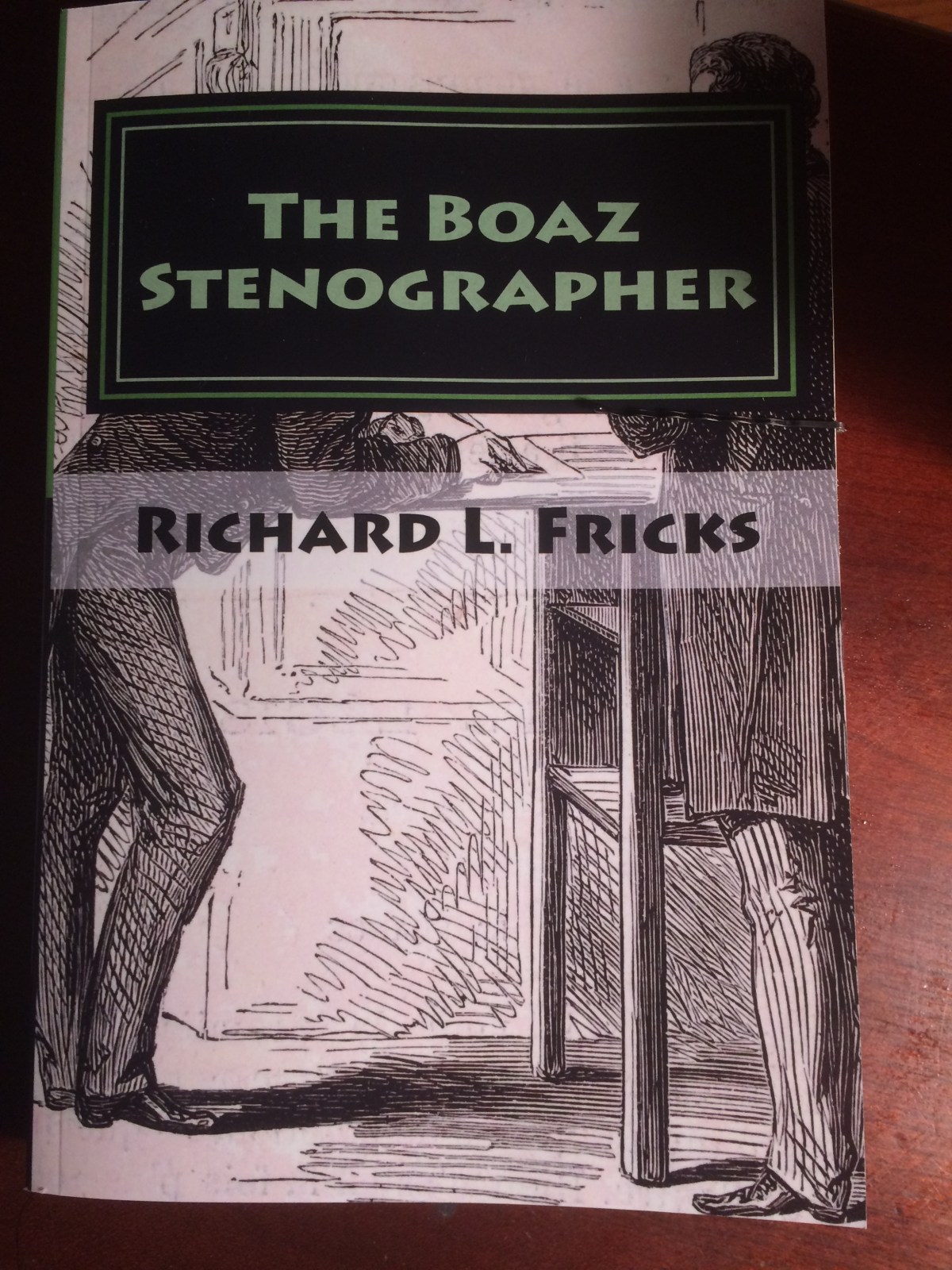
03/06/24 Biking & Listening

Here’s today’s bike ride metrics. Temperature at beginning of ride: 62 degrees. Cloudy.


Photos from today’s ride:

None today.

Why I ride:

Biking is something I both love and hate. The conflicting emotions arise from the undeniable physical effort it demands. However, this exertion is precisely what makes it an excellent form of exercise. Most days, I dedicate over an hour to my cycling routine, and in doing so, I’ve discovered a unique opportunity to enjoy a good book or podcast. The rhythmic pedaling and the wind against my face create a calming backdrop that allows me to fully immerse myself in the content. In these moments, the time spent on the bike seems worthwhile, as I can’t help but appreciate the mental and physical rewards it offers.

I especially like having ridden. The post-biking feeling is one of pure satisfaction. The endorphin rush, coupled with a sense of accomplishment, makes the initial struggle and fatigue worthwhile. As I dismount and catch my breath, I relish the sensation of having conquered the challenge, both physically and mentally. It’s a reminder that the things we sometimes love to hate can often be the ones that bring us the most fulfillment. In the end, the love-hate relationship with biking only deepens my appreciation for the sport, as it continually pushes me to overcome my own limitations and embrace the rewards that follow the effort.


Why you should ride:

Encourages Relaxation:

Cycling is not just a form of physical exercise; it also has a profound ability to encourage relaxation. Here are various ways in which cycling contributes to a relaxed state of mind and body:

  • Physical Activity and Stress Reduction: Engaging in physical activities like cycling can reduce the body’s stress responses. Exercise triggers the release of endorphins, the body’s natural painkillers and mood elevators, which promote relaxation. The physical effort of cycling also helps to use up the energy created by stress, aiding in calming the body.
  • Rhythmic Pedaling as a Meditative Practice: The repetitive nature of cycling, with its steady, rhythmic pedaling, can have a meditative effect. This rhythmic motion can help focus the mind, drawing attention away from stressful thoughts and allowing a sense of calm.
  • Outdoor and Nature Exposure: Cycling outdoors, especially in natural or scenic settings, can enhance relaxation. Being in nature is known to reduce stress and promote a sense of peace. The sights, sounds, and smells of the outdoors can be very soothing.
  • Mindfulness and Presence: Cycling requires a level of present-moment awareness, which is a key aspect of mindfulness. Practicing mindfulness has been shown to reduce stress and promote relaxation. When cycling, the focus on the immediate environment and bodily sensations can help achieve this state.
  • Cardiovascular Health Benefits: Regular cycling improves cardiovascular health, which can help in reducing tension in the body. A healthier heart and circulatory system can contribute to a more relaxed state overall.
  • Reduces Mental Clutter: A bike ride offers a break from daily routines and responsibilities, providing an opportunity to clear the mind. This mental break can be refreshing and relaxing, especially after a long day or during stressful periods.
  • Social Relaxation: For those who enjoy group rides, the social aspect of cycling can be relaxing. Social interactions and the sense of community found in cycling groups can contribute to overall relaxation and well-being.
  • Achievement and Satisfaction: Completing a challenging ride or reaching a cycling goal can bring about a sense of achievement and satisfaction. This positive feeling can promote a relaxed state, as it counters feelings of stress and anxiety.
  • End of Ride Relaxation Response: After a cycling session, the body often experiences a natural relaxation response. The decrease in physical activity coupled with the sense of accomplishment can lead to a profound state of relaxation.
  • Improves Sleep Quality: As cycling improves sleep quality, it indirectly promotes relaxation. Better sleep means the body is better rested and more capable of handling stress, leading to a more relaxed state during waking hours.

In summary, cycling’s ability to encourage relaxation is multifaceted, combining physical, mental, and emotional elements. By incorporating regular cycling into one’s lifestyle, it’s possible to cultivate a more relaxed state of being, beneficial for overall health and well-being.


Please watch

Here’s a couple of links to groups I like. Hopefully, they’ll encourage you to start riding a bike, no matter your age.

Cycling for those aged 70+(opens in a new tab)


Solitary Cycling(opens in a new tab)


My bike:

A Rockhopper by Specialized. I purchased it November 2021 from Venture Out in Guntersville; Mike is top notch! So is the bike. The ‘old’ man seat was salvaged from an old Walmart bike. Seat replaced with new one from Venture Out.


What I’m listening to:

NONFICTION

Creative writing craft books:

Secrets to Editing Success by K. Stanley and L. Cooke

Amazon abstract:

The Creative Story Editing Method

SECRETS TO EDITING SUCCESS teaches you how to become an exceptional story editor. Whether you’re editing your own story or are an editor wanting your clients to succeed, this book shows you how to make all stories better.

In SECRETS TO EDITING SUCCESS, you will learn how to structurally edit a manuscript starting by evaluating at the story level and then focusing at the scene level, resulting in actionable advice.

SECRETS TO EDITING SUCCESS shows you the fastest, most comprehensive route to a successful story edit. You’ll discover the Fictionary Story Editing process and use the 38 Fictionary Story Elements.

Give your draft a creative story edit, so it outperforms the other great books being published today. Use SECRETS to EDITING SUCCESS to edit any novel into a bestseller.

Praise for Secrets to Editing Success

“One of the most frequent questions a novelist asks is “Does my draft contain a story?” Stanley and Cooke have written a practical guide that shows you how to answer that question. Secrets to Editing Success gives you actionable advice and a process to edit and revise your novel so that you can take your novel draft and turn it into a publishable book.”

Grant Faulkner, Executive Director of National Novel Writing Month

“Secrets to Editing Success is every editor’s dream. Whether you’re a new author reviewing your first book or professional editor, this is without doubt, the most comprehensive and detailed guide to editing I’ve ever had the pleasure of reading. This book will hold your hand, explain, clarify and give you step by step instructions for editing your novel. Paired best when using the incomparable developmental editing software Fictionary, this guide will change your editing life. Read it. Immediately.”

Sacha Black, Rebel Author Podcast

Blinkest summaries

None today.

Podcasts:

None today.

FICTION

Novels:

Listening to masterclass lessons for StoryCoach certification.

Blinkest fiction book summaries:

None today.

Music:

None today.


Here’s a few photos from previous riding adventures:

Novel Excerpts–The Boaz Stenographer, Chapter 13

The primary aim of the "Novel Excerpts" blog category is to showcase my creative writing, specifically from the novels I've written. Hopefully, these posts will provide a glimpse into my storytelling style, themes, and narrative skills. It's an opportunity to share my artistic expressions and the worlds I've created through my novels.
The Boaz Stenographer, written in 2018, is my fourth novel. I'll post a chapter a day over the next few weeks.

Book Blurb

Walt Shepherd, a 35 year veteran of the White House’s stenographic team, is fired by President Andrew Kane for refusing to lie.

Walt returns to his hometown of Boaz, Alabama and renews his relationship with Regina Gillan, his high school sweetheart, who he had ditched right before graduation to marry the daughter of a prominent local businessman.  Regina has recently moved back to Boaz after forty years in Chicago working at the Tribune.  She is now editor of the Sand Mountain Reporter, a local newspaper.

Walt and Regina’s relationship transforms into a once in life love at the same time they are being immersed in a growing local and national divide between Democrats and traditional Republicans, and extremist Republicans (known as Kanites) who are becoming more dogmatic about the revolution that began during President Kanes campaign.

Walt accepts two part-time jobs.  One as a stenography instructor at Snead State Community College in Boaz, and one as an itinerant stenographer with Rains & Associates out of Birmingham.

Walt later learns the owner of Rains & Associates  is also one of five men who created the Constitution Foundation and is involved in a sinister plot to destroy President Kane, but is using an unorthodox method to achieve its objective.  The Foundation is doing everything it can to prevent President Kane from being reelected in 2020, and is scheming to initiate a civil war that will hopefully restore allegiance to the U.S. Constitution.

While Walt is writing a book, The Coming Civil War, he is, unwittingly, gathering key information for the Constitution Foundation.

Will Walt discover a connection between the Foundation  and the deaths of three U.S. Congressmen in time to save his relationship with Regina, prevent President Kane from being reelected as the defacto head of a Christian theocracy, and the eruption of a civil war that could destroy the Nation ?

Chapter 13

I picked Regina up at 7:30 at the Reporter.  It was Friday night and she had called last night to offer the rain-check she had promised.  She was still at work at 10:30 p.m. finalizing the Saturday edition. 

“This is the Walt I remember.” Regina said as I opened her car door and let her step up into my Ford pickup.  “Always the gentleman.” “Thanks for remembering,” just before closing the door.

We headed to Oneonta.  We both felt we needed to maintain privacy.  I’m not sure the main reason.  I was okay with it, especially if we were going to eat BBQ.  It was a new joint on Highway 35 west of the square.  Oneonta was the county seat for Blount County.  As we turned right, I saw the football field to my left.

“You remember our eleventh-grade trip here?”  I said.

“You mean the year Oneonta beat Boaz and knocked us out of the State playoffs?”

“Yes.”

“Seems like I remember you dropping the winning touchdown pass.”  Regina said looking over at me with the bluest eyes I had ever seen.

“Let’s talk BBQ or something.  I don’t need to relive that scene.”

We arrived at a full parking lot and had to wait for nearly an hour.  We sat outside in the truck after I registered.  Seemed like the restaurant had an outdoor public-address system that would call us when they had our table.

“I hope their ribs are good.  That’s what I want.”  Regina said pulling a notepad out of her purse.

“Is our meeting on the record?”  I asked.

“No goofball, don’t you remember me being a die-hard journaler?”

“Kind of, now that you mention it.”

“It started in the ninth grade.  My grandmother told Belinda and me that she had journaled since she was a child.  She showed us a shelf in her bedroom closet that held dozens and dozens of journals of all sizes and shapes.  If you looked closely at my journals you would find only a few days that I had missed creating some type of entry.”

“So, your little black book is a journal?”

“No, this is just where I jot down my noteworthy thoughts, that’s what Grannie called them.”

“So, what’s so noteworthy right now?”  I said as Regina was scrawling something down with a short stub of a yellow pencil.

“Walt, don’t you know that journals are private?”

“Now I remember.  Nearly every night that we met in the loft of our barn you would whisper something to yourself and I would ask what you were saying.  You would say, ‘just a noteworthy thought for my journal.”

“I didn’t have enough light most nights to write my thoughts down, so I whispered it a couple of times to myself and, with each separate thought, look at a certain place to anchor my mind to later enable me to write in my journal, after I got home.  Those thoughts were private then, and they are private now.”

I looked at her and smiled.  She reached out and took my right hand sliding over next to me.  “Walton Shepherd, can I share something with you, and you promise you will keep this our secret?”

“You mean you would share something from your journal?”  I said.

“Yes and no.  Part of what I want to tell you is in a 45-year-old journal, and part has never been written because it is happening right now.”

“I wouldn’t be here if I weren’t interested in you and in everything you have to say.”

“After you broke my heart the night before we were to graduate high school, I went into a depression.  It was something I had never known.  It took me years to get over you.  From May 1972 until almost Christmas, I pretty much lived in my bedroom at home.  After a few weeks, Mother became so concerned she asked Pastor Walter to come speak with me.  He did, and I’ll never forget.  After I shared with him how you had dumped me and how I didn’t think I could hardly breathe much less go forth with my life, he said something I will never forget.  ‘Regina, God has a plan for your life.  I don’t know for sure, but that plan could still include Walt Shepherd. You just have to have faith that God knows what’s best.’  Of course, I thought he was the chief lamebrain of a church full of lamebrains.  Six weeks later, I was admitted to the Center for New Beginnings, a Christian camp Mother and Walter had found.  It was in Williamstown, Kentucky.  It was really a prison.  Someday, I’ll tell you how I escaped that brainwashed oasis.  The oasis part was true.  It was in an idealic setting in a valley with green meadows and a glorious, sparkling river.  I still have postcards in one of my journals.”

“I never realized that I hurt you so badly.”  I said taking Regina’s hand back in mine.

“I might as well tell you.  You want to know my noteworthy thought I was jotting down?”

“I do.” I said, ashamed of how horribly I had hurt someone I had cared so deeply for.

“I wrote, it seems Pastor Walter wasn’t the fool I thought he was.”

“What do you mean, exactly?”

“You’re not listening Walt.  In my deepest depression, during the darkest days of my life, he told me to have faith that God could bring you back in my life.  And now, here you are, here we are.”

Just as I put my arm around Regina’s shoulder the PA called out our number.  I pulled her closer and said, “Gina girl.”  That’s what I called her during high school.  “I have loved you since we met in ninth grade English class.  I apologize for being such a fool, for getting mesmerized by money and power.  It’s clear to see now.  Jennifer’s father got her everything she wanted.  He thought his riches could bring her happiness, and he put the con on me.  I was deceived to think that marrying into a wealthy family could overpower love.  I’m sorry I fell to that age-old temptation.”

“Let’s go try some ribs.”  Regina said shoving her butt against me.  “Open your door before we lose our table.”

During the next hour, we ate some of the best slow-smoked ribs

I had ever eaten.  The slaw, beans and homemade bread were nearly as good.  Freshly made coconut pie paralyzed our thoughts.  We drove home with hardly a word.  None were needed as I drove with my left hand on the stirring wheel and my right hand in Regina’s as she sat as close as she could.  The only thing I remember saying during our too short drive back to Boaz was that I had called Ginger and scheduled an appointment to investigate the part-time court-reporting job.  Regina’s smile showed she was pleased.

Unexpectedly, life had conspired to bring two lost souls back together.  For that, I was thankful. 

I let Regina out of my truck, gave her a quick kiss on the cheek, and watched her walk back inside the Reporter, reminded that she was ageless, still possessing the perfect young-adult figure.

03/05/24 Biking & Listening

Here’s today’s bike ride metrics. Temperature at beginning of ride: 62 degrees. Sunny.


Photos from today’s ride:

None today.

Why I ride:

Biking is something I both love and hate. The conflicting emotions arise from the undeniable physical effort it demands. However, this exertion is precisely what makes it an excellent form of exercise. Most days, I dedicate over an hour to my cycling routine, and in doing so, I’ve discovered a unique opportunity to enjoy a good book or podcast. The rhythmic pedaling and the wind against my face create a calming backdrop that allows me to fully immerse myself in the content. In these moments, the time spent on the bike seems worthwhile, as I can’t help but appreciate the mental and physical rewards it offers.

I especially like having ridden. The post-biking feeling is one of pure satisfaction. The endorphin rush, coupled with a sense of accomplishment, makes the initial struggle and fatigue worthwhile. As I dismount and catch my breath, I relish the sensation of having conquered the challenge, both physically and mentally. It’s a reminder that the things we sometimes love to hate can often be the ones that bring us the most fulfillment. In the end, the love-hate relationship with biking only deepens my appreciation for the sport, as it continually pushes me to overcome my own limitations and embrace the rewards that follow the effort.


Why you should ride:

Encourages Relaxation:

Cycling is not just a form of physical exercise; it also has a profound ability to encourage relaxation. Here are various ways in which cycling contributes to a relaxed state of mind and body:

  • Physical Activity and Stress Reduction: Engaging in physical activities like cycling can reduce the body’s stress responses. Exercise triggers the release of endorphins, the body’s natural painkillers and mood elevators, which promote relaxation. The physical effort of cycling also helps to use up the energy created by stress, aiding in calming the body.
  • Rhythmic Pedaling as a Meditative Practice: The repetitive nature of cycling, with its steady, rhythmic pedaling, can have a meditative effect. This rhythmic motion can help focus the mind, drawing attention away from stressful thoughts and allowing a sense of calm.
  • Outdoor and Nature Exposure: Cycling outdoors, especially in natural or scenic settings, can enhance relaxation. Being in nature is known to reduce stress and promote a sense of peace. The sights, sounds, and smells of the outdoors can be very soothing.
  • Mindfulness and Presence: Cycling requires a level of present-moment awareness, which is a key aspect of mindfulness. Practicing mindfulness has been shown to reduce stress and promote relaxation. When cycling, the focus on the immediate environment and bodily sensations can help achieve this state.
  • Cardiovascular Health Benefits: Regular cycling improves cardiovascular health, which can help in reducing tension in the body. A healthier heart and circulatory system can contribute to a more relaxed state overall.
  • Reduces Mental Clutter: A bike ride offers a break from daily routines and responsibilities, providing an opportunity to clear the mind. This mental break can be refreshing and relaxing, especially after a long day or during stressful periods.
  • Social Relaxation: For those who enjoy group rides, the social aspect of cycling can be relaxing. Social interactions and the sense of community found in cycling groups can contribute to overall relaxation and well-being.
  • Achievement and Satisfaction: Completing a challenging ride or reaching a cycling goal can bring about a sense of achievement and satisfaction. This positive feeling can promote a relaxed state, as it counters feelings of stress and anxiety.
  • End of Ride Relaxation Response: After a cycling session, the body often experiences a natural relaxation response. The decrease in physical activity coupled with the sense of accomplishment can lead to a profound state of relaxation.
  • Improves Sleep Quality: As cycling improves sleep quality, it indirectly promotes relaxation. Better sleep means the body is better rested and more capable of handling stress, leading to a more relaxed state during waking hours.

In summary, cycling’s ability to encourage relaxation is multifaceted, combining physical, mental, and emotional elements. By incorporating regular cycling into one’s lifestyle, it’s possible to cultivate a more relaxed state of being, beneficial for overall health and well-being.


Please watch

Here’s a couple of links to groups I like. Hopefully, they’ll encourage you to start riding a bike, no matter your age.

Cycling for those aged 70+(opens in a new tab)


Solitary Cycling(opens in a new tab)


My bike:

A Rockhopper by Specialized. I purchased it November 2021 from Venture Out in Guntersville; Mike is top notch! So is the bike. The ‘old’ man seat was salvaged from an old Walmart bike. Seat replaced with new one from Venture Out.


What I’m listening to:

NONFICTION

Creative writing craft books:

Secrets to Editing Success by K. Stanley and L. Cooke

Amazon abstract:

The Creative Story Editing Method

SECRETS TO EDITING SUCCESS teaches you how to become an exceptional story editor. Whether you’re editing your own story or are an editor wanting your clients to succeed, this book shows you how to make all stories better.

In SECRETS TO EDITING SUCCESS, you will learn how to structurally edit a manuscript starting by evaluating at the story level and then focusing at the scene level, resulting in actionable advice.

SECRETS TO EDITING SUCCESS shows you the fastest, most comprehensive route to a successful story edit. You’ll discover the Fictionary Story Editing process and use the 38 Fictionary Story Elements.

Give your draft a creative story edit, so it outperforms the other great books being published today. Use SECRETS to EDITING SUCCESS to edit any novel into a bestseller.

Praise for Secrets to Editing Success

“One of the most frequent questions a novelist asks is “Does my draft contain a story?” Stanley and Cooke have written a practical guide that shows you how to answer that question. Secrets to Editing Success gives you actionable advice and a process to edit and revise your novel so that you can take your novel draft and turn it into a publishable book.”

Grant Faulkner, Executive Director of National Novel Writing Month

“Secrets to Editing Success is every editor’s dream. Whether you’re a new author reviewing your first book or professional editor, this is without doubt, the most comprehensive and detailed guide to editing I’ve ever had the pleasure of reading. This book will hold your hand, explain, clarify and give you step by step instructions for editing your novel. Paired best when using the incomparable developmental editing software Fictionary, this guide will change your editing life. Read it. Immediately.”

Sacha Black, Rebel Author Podcast

Blinkest summaries

None today.

Podcasts:

None today.

FICTION

Novels:

Listening to masterclass lessons for StoryCoach certification.

Blinkest fiction book summaries:

None today.

Music:

None today.


Here’s a few photos from previous riding adventures: