12/19/23 Biking & Listening

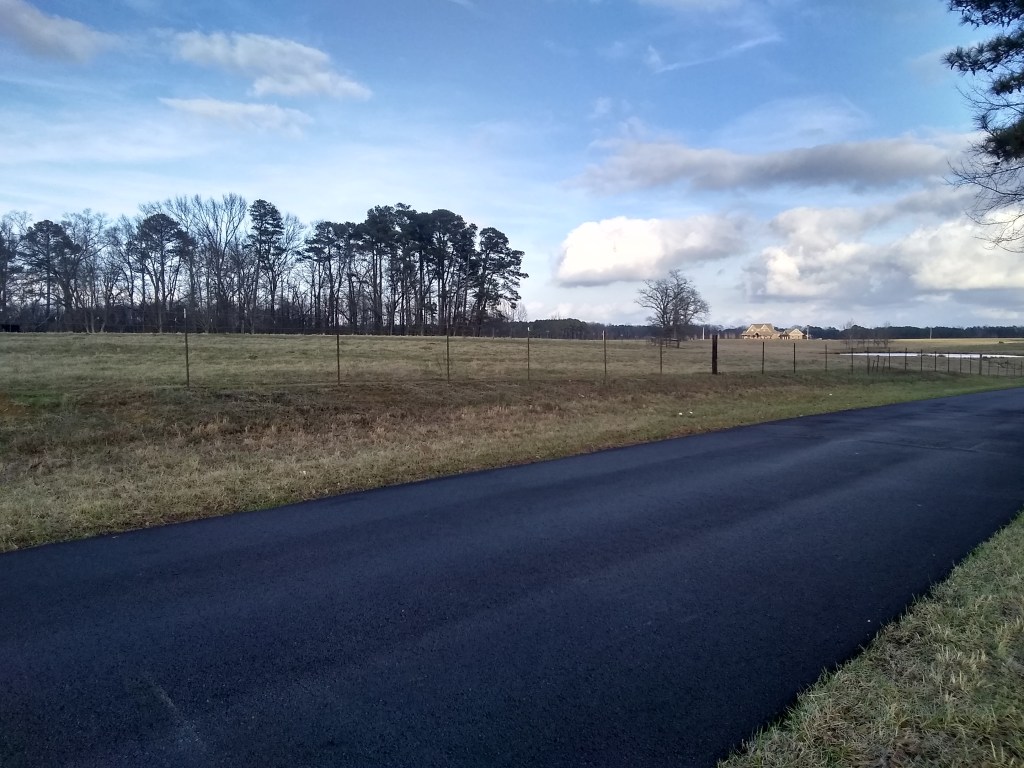
Here’s today’s bike ride metrics. Temperature at beginning of ride: 37 degrees. Cold but sunny with clear blue sky.


Photos from today’s ride:

None today.

Why I ride:

Biking is something I both love and hate. The conflicting emotions arise from the undeniable physical effort it demands. However, this exertion is precisely what makes it an excellent form of exercise. Most days, I dedicate over an hour to my cycling routine, and in doing so, I’ve discovered a unique opportunity to enjoy a good book or podcast. The rhythmic pedaling and the wind against my face create a calming backdrop that allows me to fully immerse myself in the content. In these moments, the time spent on the bike seems worthwhile, as I can’t help but appreciate the mental and physical rewards it offers.

I especially like having ridden. The post-biking feeling is one of pure satisfaction. The endorphin rush, coupled with a sense of accomplishment, makes the initial struggle and fatigue worthwhile. As I dismount and catch my breath, I relish the sensation of having conquered the challenge, both physically and mentally. It’s a reminder that the things we sometimes love to hate can often be the ones that bring us the most fulfillment. In the end, the love-hate relationship with biking only deepens my appreciation for the sport, as it continually pushes me to overcome my own limitations and embrace the rewards that follow the effort.


Why you should ride:

Encourages Relaxation:

Cycling is not just a form of physical exercise; it also has a profound ability to encourage relaxation. Here are various ways in which cycling contributes to a relaxed state of mind and body:

  • Physical Activity and Stress Reduction: Engaging in physical activities like cycling can reduce the body’s stress responses. Exercise triggers the release of endorphins, the body’s natural painkillers and mood elevators, which promote relaxation. The physical effort of cycling also helps to use up the energy created by stress, aiding in calming the body.
  • Rhythmic Pedaling as a Meditative Practice: The repetitive nature of cycling, with its steady, rhythmic pedaling, can have a meditative effect. This rhythmic motion can help focus the mind, drawing attention away from stressful thoughts and allowing a sense of calm.
  • Outdoor and Nature Exposure: Cycling outdoors, especially in natural or scenic settings, can enhance relaxation. Being in nature is known to reduce stress and promote a sense of peace. The sights, sounds, and smells of the outdoors can be very soothing.
  • Mindfulness and Presence: Cycling requires a level of present-moment awareness, which is a key aspect of mindfulness. Practicing mindfulness has been shown to reduce stress and promote relaxation. When cycling, the focus on the immediate environment and bodily sensations can help achieve this state.
  • Cardiovascular Health Benefits: Regular cycling improves cardiovascular health, which can help in reducing tension in the body. A healthier heart and circulatory system can contribute to a more relaxed state overall.
  • Reduces Mental Clutter: A bike ride offers a break from daily routines and responsibilities, providing an opportunity to clear the mind. This mental break can be refreshing and relaxing, especially after a long day or during stressful periods.
  • Social Relaxation: For those who enjoy group rides, the social aspect of cycling can be relaxing. Social interactions and the sense of community found in cycling groups can contribute to overall relaxation and well-being.
  • Achievement and Satisfaction: Completing a challenging ride or reaching a cycling goal can bring about a sense of achievement and satisfaction. This positive feeling can promote a relaxed state, as it counters feelings of stress and anxiety.
  • End of Ride Relaxation Response: After a cycling session, the body often experiences a natural relaxation response. The decrease in physical activity coupled with the sense of accomplishment can lead to a profound state of relaxation.
  • Improves Sleep Quality: As cycling improves sleep quality, it indirectly promotes relaxation. Better sleep means the body is better rested and more capable of handling stress, leading to a more relaxed state during waking hours.

In summary, cycling’s ability to encourage relaxation is multifaceted, combining physical, mental, and emotional elements. By incorporating regular cycling into one’s lifestyle, it’s possible to cultivate a more relaxed state of being, beneficial for overall health and well-being.


Please watch

Here’s a couple of links to groups I like. Hopefully, they’ll encourage you to start riding a bike, no matter your age.

Cycling for those aged 70+(opens in a new tab)


Solitary Cycling(opens in a new tab)


My bike:

A Rockhopper by Specialized. I purchased it November 2021 from Venture Out in Guntersville; Mike is top notch! So is the bike. The ‘old’ man seat was salvaged from an old Walmart bike. Seat replaced with new one from Venture Out.


What I’m listening to:

NONFICTION
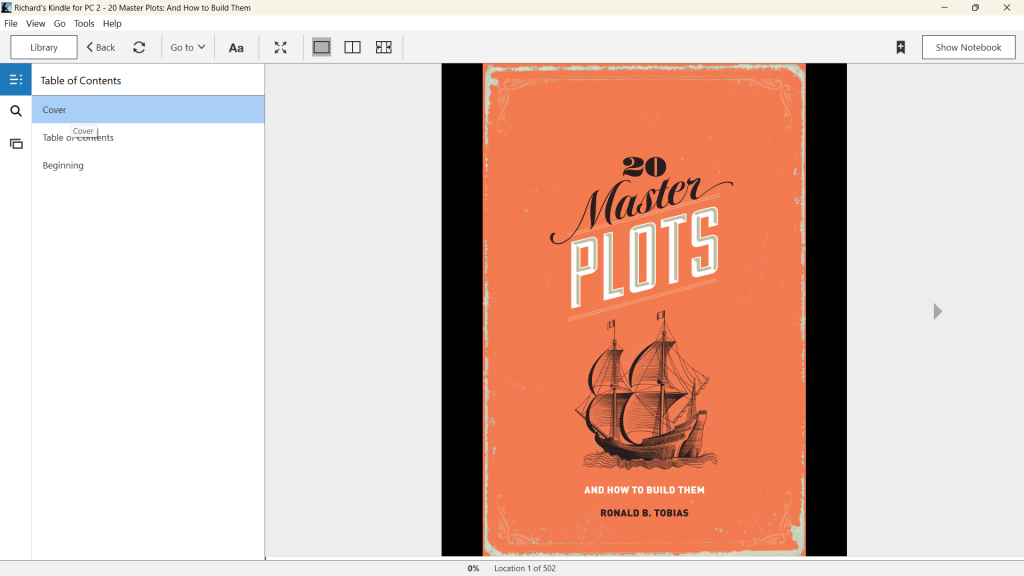
20 Master Plots: And How to Build Them, by Ronald B. Tobias

Give your story a solid foundation – a plot that engages readers from start to finish!

The best stories linger in the hearts and minds of readers for decades. These tales gain their power through plots that connect with the audience on both an emotional and intellectual level.

Ronald B. Tobias details these 20 time-tested plots. Each is discussed and analyzed, illustrating how a successful plot integrates all the elements of a story. Tobias then reveals how to use these plots effectively in your own work.

Tobias then goes to the next level, describing how to choose and develop plot in fiction. He reveals how to craft plot for any subject matter so that you develop your work evenly and effectively. As a result, your fiction will be more cohesive and convincing, making your story unforgettable for readers everywhere.

Blinkist nonfiction book summaries:

None today.

Podcasts:

Waking Up app series/courses:

None today.

FICTION

Novels:
Amazon abstract:

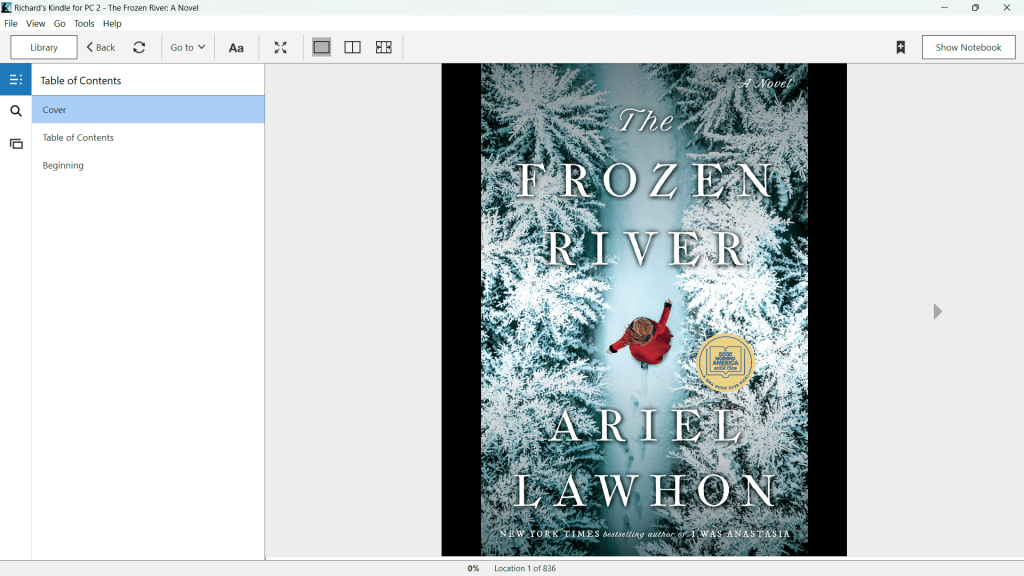
GMA BOOK CLUB PICK • AN NPR BOOK OF THE YEAR • From the New York Times bestselling author of I Was Anastasia and Code Name Hélène comes a gripping historical mystery inspired by the life and diary of Martha Ballard, a renowned 18th-century midwife who defied the legal system and wrote herself into American history.

“Fans of Outlander’s Claire Fraser will enjoy Lawhon’s Martha, who is brave and outspoken when it comes to protecting the innocent. . . impressive.”—The Washington Post

“Once again, Lawhon works storytelling magic with a real-life heroine.” —People Magazine


Maine, 1789: When the Kennebec River freezes, entombing a man in the ice, Martha Ballard is summoned to examine the body and determine cause of death. As a midwife and healer, she is privy to much of what goes on behind closed doors in Hallowell. Her diary is a record of every birth and death, crime and debacle that unfolds in the close-knit community. Months earlier, Martha documented the details of an alleged rape committed by two of the town’s most respected gentlemen—one of whom has now been found dead in the ice. But when a local physician undermines her conclusion, declaring the death to be an accident, Martha is forced to investigate the shocking murder on her own.

Over the course of one winter, as the trial nears, and whispers and prejudices mount, Martha doggedly pursues the truth. Her diary soon lands at the center of the scandal, implicating those she loves, and compelling Martha to decide where her own loyalties lie.

Clever, layered, and subversive, Ariel Lawhon’s newest offering introduces an unsung heroine who refused to accept anything less than justice at a time when women were considered best seen and not heard. The Frozen River is a thrilling, tense, and tender story about a remarkable woman who left an unparalleled legacy yet remains nearly forgotten to this day.


Blinkest fiction book summaries:

None today.

Music:

None today.


Here’s a few photos from previous riding adventures:

A Pop-Quiz for Christians, Number 9

Here’s the link to this article.

By David Madison at 12/08/2023

Tis the season to carefully study the Jesus birth stories

A few years ago I attended the special Christmas show at Radio City Music Hall. It ended with the famous tableau depicting the night Jesus was born: the baby resting on straw in a stable, shepherds and Wise Men adoring the infant, surrounded by farm animals—and a star hovering above the humble shelter. Radio City did it splendidly, of course, but the scene is reenacted at countless churches during the Christmas season. The devout are in awe—well, those who haven’t carefully read the birth stories in Matthew and Luke. This adored tableau is actually a daft attempt to reconcile the two gospel accounts—which cannot, in fact, be done.

If churchgoers actually studied these accounts, they would legitimately ask: How has the church been able to get away with this?   

So here are essential questions in this Pop-Quiz:

1.     What is the evidence that Jesus was born on December 25? 

Read Matthew 1-2 and Luke 1-2: is the evidence there?  

2.     Where did Mary and Joseph live when they found out she was pregnant? 

Matthew and Luke didn’t agree on this.

3.     Is it a good idea to add astrology—the ancient superstition of imagining omens in the sky—to Christian theology?

The Wise Men (magi/astrologers) saw the “Jesus star” and set out on a journey to find him. This is mentioned only in Matthew: is there any way at all to make this story credible? 

4.     What are the problems with that star? 

Its behavior changes as the story unfolds. 

5.     Name two Old Testament verses that Matthew applies to Jesus, but which had nothing whatever to do with Jesus. 

Matthew’s use of scripture is eccentric—to put it mildly.

Answers and Comments

Question One: What is the evidence that Jesus was born on December 25? 

Events relating to the birth of Jesus are described in only two places in the New Testament: Matthew 1 & 2, and Luke 1 & 2. Mark begins his story with the baptism of Jesus, and John positions Jesus as having been a factor in the creation of the world; he seems not to have cared how Jesus was born as a human. But it was important to Matthew and Luke, yet neither of them bothers to mention the date when Jesus was born. December 25th was chosen later. This article, Why Is Christmas in December? offers details:

“In the 3rd century, the Roman Empire, which at the time had not adopted Christianity, celebrated the rebirth of the Unconquered Sun (Sol Invictus) on December 25th. This holiday not only marked the return of longer days after the winter solstice but also followed the popular Roman festival called the Saturnalia (during which people feasted and exchanged gifts). It was also the birthday of the Indo-European deity Mithra, a god of light and loyalty whose cult was at the time growing popular among Roman soldiers.”

Thus it seems that the Jesus-birthdate is a borrowing, i.e., the church capitalized on the popularity of December 25. But this is a red flag, a warning that there was too much borrowing. It doesn’t take much study of ancient religions to see that virgin birth for gods and heroes was a welcome credential. Matthew and Luke—alone among New Testament authors—attached this credential to Jesus. And while we’re studying ancient religions, we can wonder if December 25 was fiction on a whole different level: was Jesus born at all?

Richard Carrier makes this point:

“Right from the start Jesus simply looks a lot more like a mythical man than a historical one. And were he not the figure of a major world religion—if we were studying the Attis or Zalmoxis or Romulus cult instead—we would have treated Jesus that way from the start, knowing full well we need more than normal evidence to take him back out of the class of mythical persons and back into that of historical ones.” (On the Historicity of Jesus: Why We Might Have Reason for Doubt, p. 602)

Hysteria may be the response of some folks to any suggestion that Jesus was a fictional character. My suggestion: calm down and read Carrier’s book. Find out why, after 600 pages of evidence and reasoning, this is his conclusion. Make the effort to study the gospels carefully, critically: find out why historians don’t trust them to deliver authentic accounts of Jesus. And realize that devout New Testament scholars have been agonizing over this problem for decades. 

Question 2: Where did Mary and Joseph live when they found out she was pregnant? 

In Matthew’s story, there is no mention whatever of a census that brought Mary and Joseph to Bethlehem. This was simply where they lived, and they fled from there to Egypt—here again, this tall tale is found only in Matthew—to protect Jesus. When they decided to return to their home, it was deemed too dangerous. “And after being warned in a dream, [Joseph] went away to the district of Galilee.There he made his home in a town called Nazareth…” (Matthew 2:22-23) There is not the slightest hint that Mary and Joseph had lived there originally. 

Moreover, Luke knew nothing about the escape to Egypt mentioned in Matthew’s account. He offered an extended description of Jesus being taken to the Temple in Jerusalem for circumcision, and the words of adoration spoken about Jesus by two holy people, Simon and Anna. Then it was time to head for home: “When they had finished everything required by the law of the Lord, they returned to Galilee, to their own town of Nazareth.” (Luke 2:39) 

It’s puzzling that two gospel authors did not agree on something so basic: where the parents of Jesus lived. And it’s even more puzzling that those who assembled the New Testament would include gospels that didn’t agree. Actually, scholars have been alarmed that the gospel authors fail to agree on so much.

Question Three: Is it a good idea to add astrology—the ancient superstition of imagining omens in the sky—to Christian theology? 

The authors of the New Testament had a hard time separating fact from fiction, credible beliefs from superstition. But at least they were inventive. Matthew imagined that astrologers (in the East, presumably Babylon, 900 miles away) figured out that a star represented a new king of the Jews. Why would they care? Why would they embark on a long journey “to pay him homage”? This seems to be a reflection of Matthew’s arrogance that his breakaway Jesus sect was the one true religion. So bring on the “wise men” from other religions! 

But astrology was (and remains) an ancient superstition. How does this not drag Christian theology down? Alas, of course, quite a few ancient superstitions in the gospels damage Christianity, e.g., mental illness is caused by demons, people with god-like powers can raise the dead and heal people (Jesus cured a man’s blindness by smearing mud on his eyes), a resurrected human sacrifice guarantees salvation for those who believe. Using astrology to enhance theology is part of a much bigger credibility problem. 

Question Four: What are the problems with that star? 

Matthew is guilty of a major plot flaw. The astrologers headed to Jerusalem to get information on where to find this new king of the Jews. Their inquiry alarmed King Herod, who made inquiries of the religious experts. They told him that Bethlehem was the place to look, based on a text in Micah 5:2. So the astrologers headed for Bethlehem: “…they set out, and there, ahead of them, went the star that they had seen in the east, until it stopped over the place where the child was.” (Matthew 2:9) Scholar Robert Price has said that the star had suddenly turned into Tinkerbell! Why didn’t it do this earlier, bypassing Jerusalem altogether, thereby keeping King Herod in the dark, and avoiding the Massacre of the Innocents? (Matthew 2:16) 

The Tinkerbell Star stopped over the house where Jesus was living—no stable in this story—and Jesus is described as a child or little-boy. When Herod went on his furious rampage later, killing children in the Bethlehem area, the order was to execute those two years old and younger, “according to the time that he had learned from the astrologers.” (Matthew 2:16) After all, 900 miles was a long trek. It is abundantly clear that Matthew depicts an event that did not take place on the night Jesus was born. Placing the Wise Men in Luke’s stable is totally misleading. It makes for good theatre—that’s what appeals to the clergy and Sunday School teachers, I suppose—but it’s not what the Bible says.   

Question Five: Name two Old Testament verses that Matthew applied to Jesus, but which had nothing whatever to do with Jesus. 

New Testament authors specialized in taking old bits of scripture out of context. They were on the hunt for verses that they could apply to Jesus, no matter the intent of the original authors. Since they were sure that the old documents were filled with secret codes that about their lord, the game was on. Here are two examples:

·      In Matthew’s birth story, he quotes Isaiah 7:14 as a prophecy about Jesus. Please read Isaiah 7: how can anything in this text be about a holy hero who would be born centuries later? It is about how Israel’s god will help resolve a crisis at the time.   

·      As mentioned earlier, it is only Matthew that tells the farfetched story of Mary and Joseph taking Jesus to Egypt to protect him. It would seem this was even too absurd for Luke to believe: he reports that Mary and Joseph—after the circumcision of Jesus—headed back to Nazareth. But Matthew had landed on Hosea 11:1, “When Israel was a child, I loved him, and out of Egypt I called my son.” The reference is clearly to Israel as a people, and moreover, the chapter is a lament that this people had been too ungrateful and rebellious.   

Contemporary Bible readers should be able to figure out that Matthew’s use of old texts doesn’t help at all to make the case for Jesus. 

The five questions in this Pop-Quiz serve as an introduction to the problems presented by these two birth narratives. Historians don’t take them seriously at all, since they clearly belong to the genre we call religious fantasy literature. Joseph is told by an angel in a dream that Mary is pregnant by the hold spirit; an angel in a dream tells him when to head home from Egypt. These are bits of fantasy, unless we could be sure that Matthew had access to a diary that Joseph kept, in which he wrote down his dreams (that’s the kind of documentation historians rely on). But at most, the diary would show that Joseph was out of touch with reality, believing that his god spoke to him via angels in dreams. Luke also was stoked at the thought of angels playing speaking roles, e.g., to the father of John the Baptist, to Mary, and to the shepherds on the night Jesus was born.

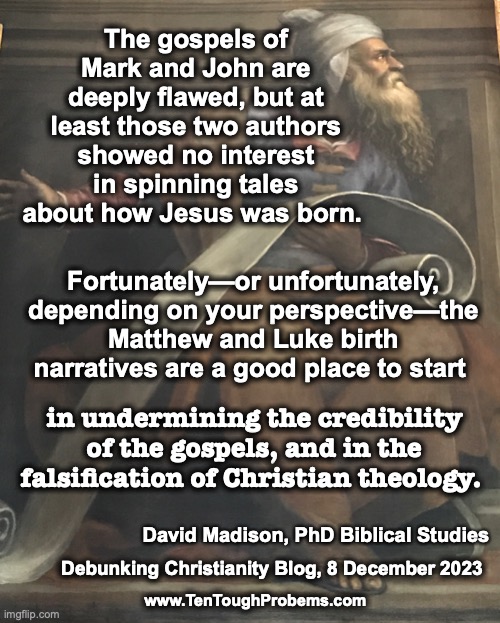
The gospels of Mark and John are deeply flawed, but at least those two authors showed no interest in spinning tales about how Jesus was born. Fortunately—or unfortunately, depending on your perspective—the Matthew and Luke birth narratives are a good place to start in undermining the credibility of the gospels, and in the falsification of Christian theology. 

But that requires curiosity, critical thinking, and a willingness to engage in serious study—wherever that may lead. 

David Madison was a pastor in the Methodist Church for nine years, and has a PhD in Biblical Studies from Boston University. He is the author of two books, Ten Tough Problems in Christian Thought and Belief: a Minister-Turned-Atheist Shows Why You Should Ditch the Faith, now being reissued in several volumes, the first of which is Guessing About God (2023) and Ten Things Christians Wish Jesus Hadn’t Taught: And Other Reasons to Question His Words (2021). The Spanish translation of this book is also now available. 

His YouTube channel is here. At the invitation of John Loftus, he has written for the Debunking Christianity Blog since 2016.

The Cure-for-Christianity Library©, now with more than 500 titles, is here. A brief video explanation of the Library is here

Novel Excerpts–The Boaz Scorekeeper, Chapter 65

The primary aim of the "Novel Excerpts" blog category is to showcase my creative writing, specifically from the novels I've written. Hopefully, these posts will provide a glimpse into my storytelling style, themes, and narrative skills. It's an opportunity to share my artistic expressions and the worlds I've created through my novels.
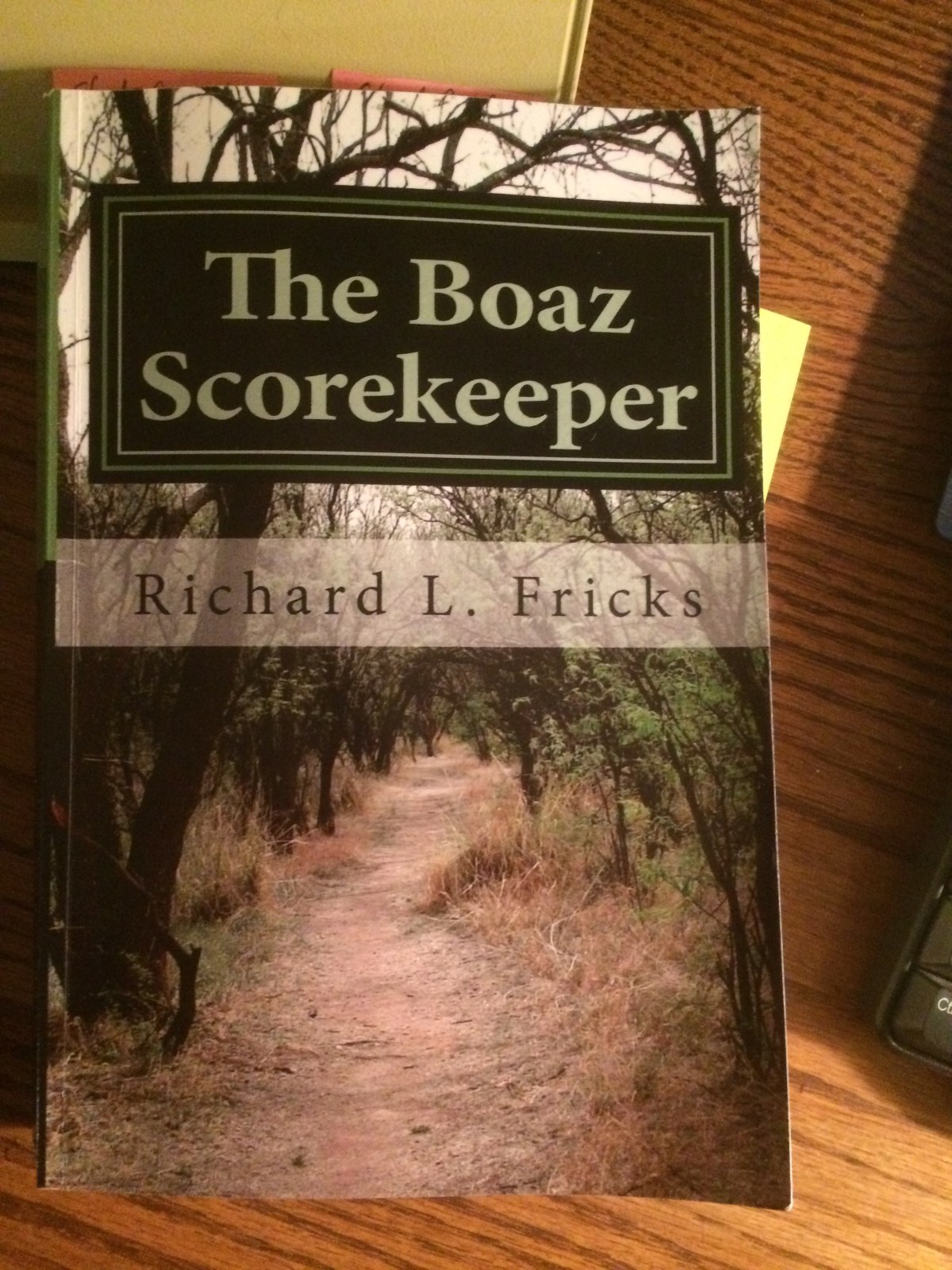
The Boaz Scorekeeper, written in 2017, is my second novel. I'll post it a chapter a day over the next few weeks.

Sunday morning came suddenly.  At daylight, I left the office and went home.  I was exhausted so sleep came easily.  Karla woke me a few minutes before 9:00 telling me she and Kaden were headed to Sunday School.  I told her I would see her for the worship hour.  They left and I continued to lay in bed wondering what Wade’s sermon would be, or whether he would be at church at all.

I guess it was just too much to ask Pastor Wade to abduct and kill his wife on Saturday and to present a powerful and persuasive sermon the following morning.  David Adams introduced our visiting preacher, Brent Danforth from Oneonta.  He was an older man, tall, heavy, and balding with a voice that reminded me of Brother G from Clear Creek Baptist Church.

Danforth preached on slavery, giving credit to internationally known John MacArthur for the primary substance of his sermon. Danforth argued all believers were slaves of Christ.  He did a very credible job of reviewing New Testament scriptures calling attention to how most English versions of the Bible avoided the subject by mistranslating the Greek word as servant instead of slave.  Danforth argued that servants were free, they did a job for a wage, but that slaves had no freedom at all.  They were owned outright by their masters and did what they were told, when they were told to do it.  He did a good job of making our slave-hood to Christ appealing, saying that Christ makes us His sons, and gives us full rights.  He adopts us into His family, calls us joint-heirs with Christ, and finally takes us to Heaven where we join Him as rulers having lavish riches poured out on us, forever enabling us to enjoy unmitigated wonder while basking in the light of His own glory.

I particularly liked Danforth’s take on those who teach and lead the church.  He argued that not only were believers who sat in the pews, slaves, but pastors themselves were slaves to Christ.  He said, referencing MacArthur, that ‘the Apostles took this identification to themselves.  The most noble authors of the New Testament took this signification to themselves.’  Danforth then referenced 2nd Timothy Chapter 2, verse 24: “The Lord’s slave must not be quarrelsome, but be kind to all, able to teach, patient when wronged with gentleness, correcting those who are in opposition that perhaps God may grant them repentance, leading to the knowledge of the truth.”

As the choir began singing the invitational hymn, I couldn’t help but wonder if Wade had watched on TV this morning as Danforth delivered his sermon.  If he had, did he believe that yesterday he and James were merely slaves carrying out Christ’s orders?  No sane believer would ever reach this conclusion, not if he focused on the New Testament.  But, what if this hypothetical believer focused more on the Old Testament?  There, God had an entirely different take on slavery.  Or, so it seemed.  There, God gave instructions on what happens to a slave’s family after the slave has served his master for seven years.  It all depends on whether the slave was married when he came to be his master’s slave.  If so, his wife and children could go free with him.  If the slave had taken a wife after becoming a slave then the wife was not free to go with her husband.  She continued to be the property of her master.  But, Danforth hadn’t brought up the Old Testament at all.  And, he hadn’t said anything about how nowhere in the New Testament does Christ condemn the slavery that was an integral part of life in the Roman Empire.  No wonder Wade could be deluded, especially if his primary allegiance was to the God of the Old Testament, who clearly condoned hardcore slavery and even murder of those who gather sticks on the Sabbath, and girls who are not virgins on their wedding night. 

The worship hour ended with no confessions of faith or requests for membership.  It also ended with Wade and James no doubt plotting their next move.

12/18/23 Biking & Listening

Here’s today’s bike ride metrics. Temperature at beginning of ride: 46 degrees. Sunny, windy, clear blue sky.


Photos from today’s ride:

None today.

Why I ride:

Biking is something I both love and hate. The conflicting emotions arise from the undeniable physical effort it demands. However, this exertion is precisely what makes it an excellent form of exercise. Most days, I dedicate over an hour to my cycling routine, and in doing so, I’ve discovered a unique opportunity to enjoy a good book or podcast. The rhythmic pedaling and the wind against my face create a calming backdrop that allows me to fully immerse myself in the content. In these moments, the time spent on the bike seems worthwhile, as I can’t help but appreciate the mental and physical rewards it offers.

I especially like having ridden. The post-biking feeling is one of pure satisfaction. The endorphin rush, coupled with a sense of accomplishment, makes the initial struggle and fatigue worthwhile. As I dismount and catch my breath, I relish the sensation of having conquered the challenge, both physically and mentally. It’s a reminder that the things we sometimes love to hate can often be the ones that bring us the most fulfillment. In the end, the love-hate relationship with biking only deepens my appreciation for the sport, as it continually pushes me to overcome my own limitations and embrace the rewards that follow the effort.


Why you should ride:

Encourages Relaxation:

Cycling is not just a form of physical exercise; it also has a profound ability to encourage relaxation. Here are various ways in which cycling contributes to a relaxed state of mind and body:

  • Physical Activity and Stress Reduction: Engaging in physical activities like cycling can reduce the body’s stress responses. Exercise triggers the release of endorphins, the body’s natural painkillers and mood elevators, which promote relaxation. The physical effort of cycling also helps to use up the energy created by stress, aiding in calming the body.
  • Rhythmic Pedaling as a Meditative Practice: The repetitive nature of cycling, with its steady, rhythmic pedaling, can have a meditative effect. This rhythmic motion can help focus the mind, drawing attention away from stressful thoughts and allowing a sense of calm.
  • Outdoor and Nature Exposure: Cycling outdoors, especially in natural or scenic settings, can enhance relaxation. Being in nature is known to reduce stress and promote a sense of peace. The sights, sounds, and smells of the outdoors can be very soothing.
  • Mindfulness and Presence: Cycling requires a level of present-moment awareness, which is a key aspect of mindfulness. Practicing mindfulness has been shown to reduce stress and promote relaxation. When cycling, the focus on the immediate environment and bodily sensations can help achieve this state.
  • Cardiovascular Health Benefits: Regular cycling improves cardiovascular health, which can help in reducing tension in the body. A healthier heart and circulatory system can contribute to a more relaxed state overall.
  • Reduces Mental Clutter: A bike ride offers a break from daily routines and responsibilities, providing an opportunity to clear the mind. This mental break can be refreshing and relaxing, especially after a long day or during stressful periods.
  • Social Relaxation: For those who enjoy group rides, the social aspect of cycling can be relaxing. Social interactions and the sense of community found in cycling groups can contribute to overall relaxation and well-being.
  • Achievement and Satisfaction: Completing a challenging ride or reaching a cycling goal can bring about a sense of achievement and satisfaction. This positive feeling can promote a relaxed state, as it counters feelings of stress and anxiety.
  • End of Ride Relaxation Response: After a cycling session, the body often experiences a natural relaxation response. The decrease in physical activity coupled with the sense of accomplishment can lead to a profound state of relaxation.
  • Improves Sleep Quality: As cycling improves sleep quality, it indirectly promotes relaxation. Better sleep means the body is better rested and more capable of handling stress, leading to a more relaxed state during waking hours.

In summary, cycling’s ability to encourage relaxation is multifaceted, combining physical, mental, and emotional elements. By incorporating regular cycling into one’s lifestyle, it’s possible to cultivate a more relaxed state of being, beneficial for overall health and well-being.


Please watch

Here’s a couple of links to groups I like. Hopefully, they’ll encourage you to start riding a bike, no matter your age.

Cycling for those aged 70+(opens in a new tab)


Solitary Cycling(opens in a new tab)


My bike:

A Rockhopper by Specialized. I purchased it November 2021 from Venture Out in Guntersville; Mike is top notch! So is the bike. The ‘old’ man seat was salvaged from an old Walmart bike. Seat replaced with new one from Venture Out.


What I’m listening to:

NONFICTION

20 Master Plots: And How to Build Them, by Ronald B. Tobias

Give your story a solid foundation – a plot that engages readers from start to finish!

The best stories linger in the hearts and minds of readers for decades. These tales gain their power through plots that connect with the audience on both an emotional and intellectual level.

Ronald B. Tobias details these 20 time-tested plots. Each is discussed and analyzed, illustrating how a successful plot integrates all the elements of a story. Tobias then reveals how to use these plots effectively in your own work.

Tobias then goes to the next level, describing how to choose and develop plot in fiction. He reveals how to craft plot for any subject matter so that you develop your work evenly and effectively. As a result, your fiction will be more cohesive and convincing, making your story unforgettable for readers everywhere.

Blinkist nonfiction book summaries:

None today.

Podcasts:

None today.

Waking Up app series/courses:

None today.

FICTION

Novels:

Amazon abstract:

GMA BOOK CLUB PICK • AN NPR BOOK OF THE YEAR • From the New York Times bestselling author of I Was Anastasia and Code Name Hélène comes a gripping historical mystery inspired by the life and diary of Martha Ballard, a renowned 18th-century midwife who defied the legal system and wrote herself into American history.

“Fans of Outlander’s Claire Fraser will enjoy Lawhon’s Martha, who is brave and outspoken when it comes to protecting the innocent. . . impressive.”—The Washington Post

“Once again, Lawhon works storytelling magic with a real-life heroine.” —People Magazine


Maine, 1789: When the Kennebec River freezes, entombing a man in the ice, Martha Ballard is summoned to examine the body and determine cause of death. As a midwife and healer, she is privy to much of what goes on behind closed doors in Hallowell. Her diary is a record of every birth and death, crime and debacle that unfolds in the close-knit community. Months earlier, Martha documented the details of an alleged rape committed by two of the town’s most respected gentlemen—one of whom has now been found dead in the ice. But when a local physician undermines her conclusion, declaring the death to be an accident, Martha is forced to investigate the shocking murder on her own.

Over the course of one winter, as the trial nears, and whispers and prejudices mount, Martha doggedly pursues the truth. Her diary soon lands at the center of the scandal, implicating those she loves, and compelling Martha to decide where her own loyalties lie.

Clever, layered, and subversive, Ariel Lawhon’s newest offering introduces an unsung heroine who refused to accept anything less than justice at a time when women were considered best seen and not heard. The Frozen River is a thrilling, tense, and tender story about a remarkable woman who left an unparalleled legacy yet remains nearly forgotten to this day.


Blinkest fiction book summaries:

None today.

Music:

None today.


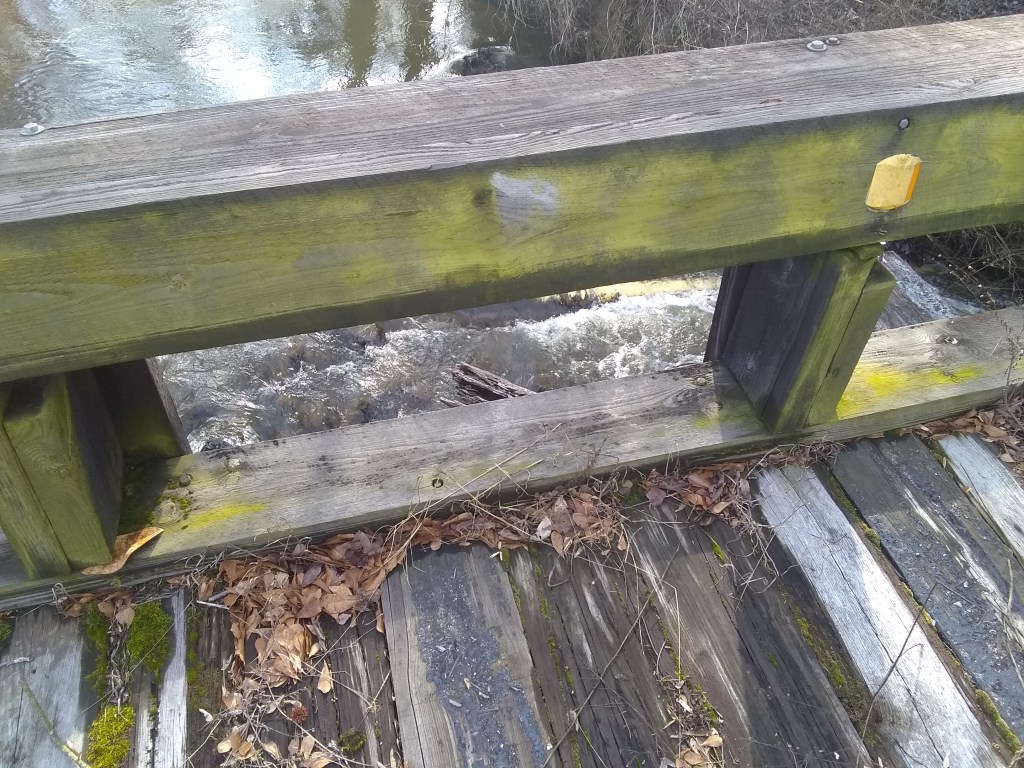
Here’s a few photos from previous riding adventures:
Novel Excerpts–The Boaz Scorekeeper, Chapter 64

The primary aim of the "Novel Excerpts" blog category is to showcase my creative writing, specifically from the novels I've written. Hopefully, these posts will provide a glimpse into my storytelling style, themes, and narrative skills. It's an opportunity to share my artistic expressions and the worlds I've created through my novels.
The Boaz Scorekeeper, written in 2017, is my second novel. I'll post it a chapter a day over the next few weeks.

Yesterday, when I was driving away from Club Eden, I had called 911 and reported Gina missing.  In a few minutes, I was called by the Etowah County Sheriff’s Department.  I quickly had filled them in on what was going on and provided a description of James’ vehicle. All throughout the day as I drove around looking for Gina I talked with Sgt. Williams. He told me that he had put out a BOLO on the car and that police departments from Boaz, Sardis, Albertville, Guntersville, and Arab were all involved in the search, as was the Etowah and Marshall County Sheriff’s Departments.  Unfortunately, as the sun was going down, no one had spotted James’ 2017 Chevrolet Impala.

Last night I had met with Sheriff Scott Walls and Detective Darden Clarke of Marshall County and their counterparts, Sheriff Belton Saunders and Detective Pete Morrow of Etowah County.  From the moment we all sat down at my conference room table, I could feel their doubts of my story through their stone-cold stares.  Apparently, they all remembered the search of my office and Hickory Hollow only four months ago that had spawned from John Ericson’s disappearance.  But, it was Detective Morrow who reminded the other three that Gina Tillman was one of the four cheerleaders who had given false testimony against me during my trial almost fifty years ago.  Things went downhill from there.

Sheriff Walls told me that it looked like I was pulling their strings.  He shared how within twenty minutes of my call to 911, State Troopers had created roadblocks at every State highway within a 25-mile circle of Aurora Lake, and that Sheriff’s deputies from Etowah, Marshall, Blount, Dekalb, St. Clair, and Cherokee Counties had done the same for County roads. Walls also said that two helicopters from the Alabama Bureau of Investigation had spent nearly five hours in the air combing nearly every spot where there wasn’t a roadblock.  Walls concluded his speech by telling me that if this was a hoax that I would be criminally charged and held responsible for the entire cost of the search.

After Wall’s speech, Detective Morrow said, “Tanner, why don’t you just tell us the truth.  The only evidence you have given us that James Adams and husband Wade Tillman abducted Gina is a diamond ring.  I suspect our deputies who are pursuing that lead will come up dry.  They have not been able to locate Gina’s mother. Although Judith Ericson said it looked like Gina’s ring, she did so from a photograph.  She’s in Palm Beach for a week.”

I again told Morrow and the others that I was Gina’s attorney. I even showed them her legal file.  Morrow said, “that means nothing, actually it could be just part of your plan to dispose of Gina.”  I went into detail describing how Gina had been securing information about Wade’s finances.  I showed them copies of bank statements and transcripts from her audio-recorder.  I retold them every word that Gina had told me over the phone while she was in the trunk of James’ car.  When I finally realized they were not hearing a thing I was saying, I stood up and said, “don’t you get it, Wade and James discovered that Gina knew enough to send them both to prison.  Can’t you see they have a perfect motive to get rid of her?”

Before either of them responded, Sheriff Walls received a call from one of his deputies telling him that James and Wade had just driven up at Wade’s house.  Walls continued to talk for five minutes or so.  When he hung up he told us his deputy said James and Wade had been golfing and fishing all day and had stayed out on Guntersville Lake talking and just hanging out until nearly 8:30 p.m.  Then, they had driven James’ boat back to Alred Marina.  Gina wasn’t with them and, after a search of James’ car, which he volunteered, deputies found nothing suspicious. Walls also reported that Wade had asked where Gina was, saying that her car was gone.

Detective Morrow spoke up and said, “Tanner, it looks like Gina could have simply packed a bag and driven off.  You have been telling us that was her plan, to leave Wade, right?”

After a few more minutes of meaningless talk, the four of them left and I stayed.  After calling Karla and updating her, I made a pot of coffee and pondered everything Gina had discovered since she hired me.  Other than Wade and James, I was the only one who knew what they had done to Gina.  And, I only knew that they had abducted her.  I felt sure they had also killed her and disposed of her body.  One thing I will give them credit for, they sure played their hand well.  Once again, around daylight, I had that same feeling I seemed to be getting every few days now.  My body almost convulsed with terror.  As panic set in and sweat poured from my head and hands the revelation came to mind that once again I was going to be set-up by the Flaming Five, well, what was left of them. 

12/17/23 Biking & Listening

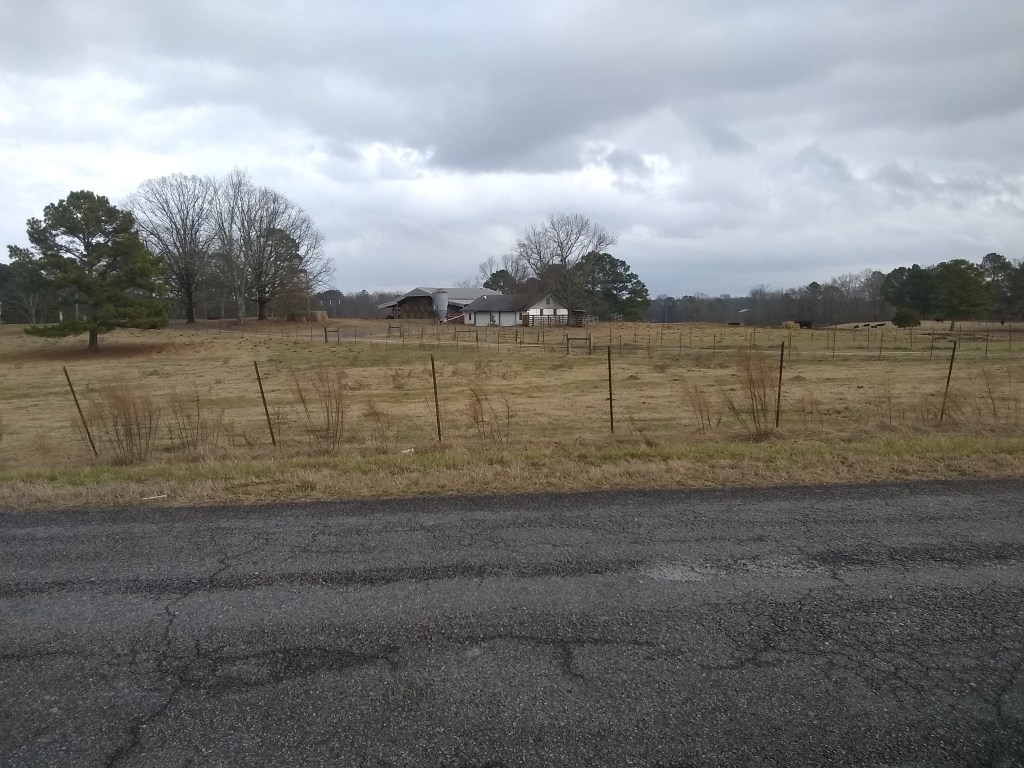
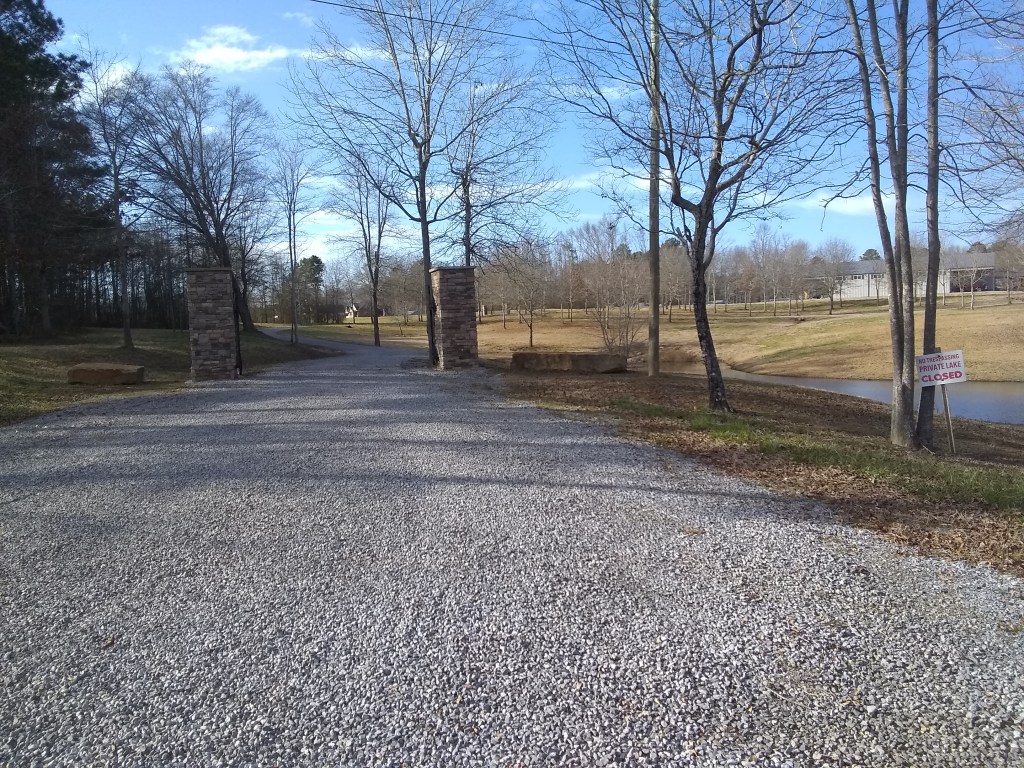
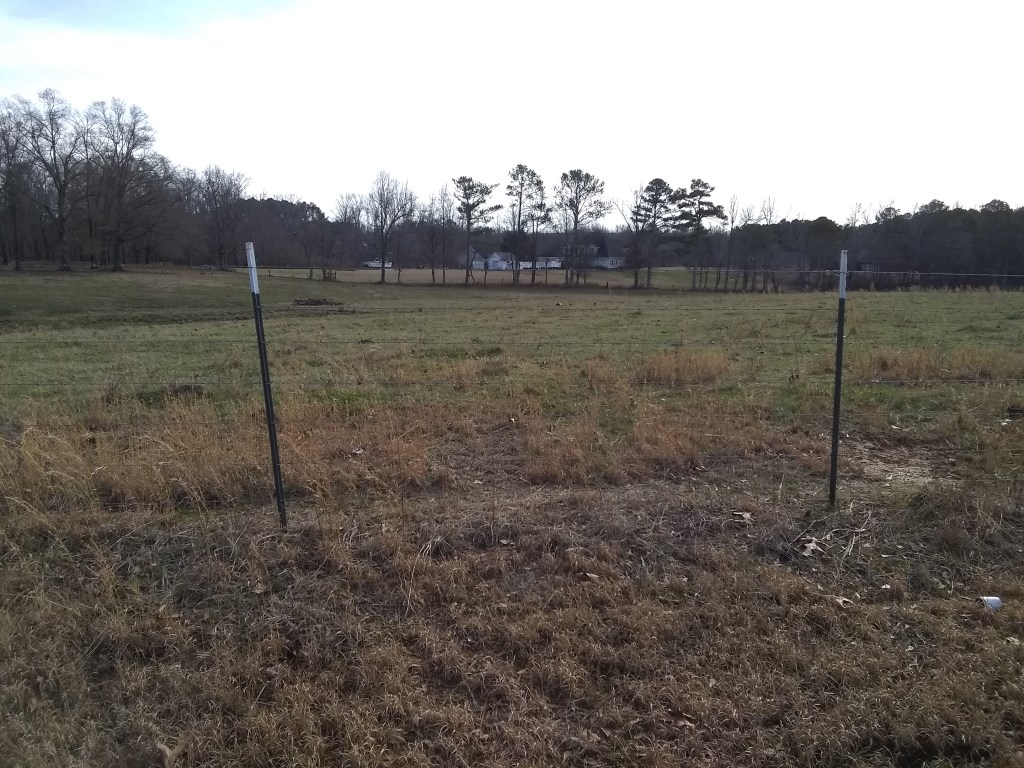
Here’s today’s bike ride metrics. Temperature at beginning of ride: 51 degrees. Wet and cloudy day.


Photos from today’s ride:

Why I ride:

Biking is something I both love and hate. The conflicting emotions arise from the undeniable physical effort it demands. However, this exertion is precisely what makes it an excellent form of exercise. Most days, I dedicate over an hour to my cycling routine, and in doing so, I’ve discovered a unique opportunity to enjoy a good book or podcast. The rhythmic pedaling and the wind against my face create a calming backdrop that allows me to fully immerse myself in the content. In these moments, the time spent on the bike seems worthwhile, as I can’t help but appreciate the mental and physical rewards it offers.

I especially like having ridden. The post-biking feeling is one of pure satisfaction. The endorphin rush, coupled with a sense of accomplishment, makes the initial struggle and fatigue worthwhile. As I dismount and catch my breath, I relish the sensation of having conquered the challenge, both physically and mentally. It’s a reminder that the things we sometimes love to hate can often be the ones that bring us the most fulfillment. In the end, the love-hate relationship with biking only deepens my appreciation for the sport, as it continually pushes me to overcome my own limitations and embrace the rewards that follow the effort.


Why you should ride:

Encourages Relaxation:

Cycling is not just a form of physical exercise; it also has a profound ability to encourage relaxation. Here are various ways in which cycling contributes to a relaxed state of mind and body:

  • Physical Activity and Stress Reduction: Engaging in physical activities like cycling can reduce the body’s stress responses. Exercise triggers the release of endorphins, the body’s natural painkillers and mood elevators, which promote relaxation. The physical effort of cycling also helps to use up the energy created by stress, aiding in calming the body.
  • Rhythmic Pedaling as a Meditative Practice: The repetitive nature of cycling, with its steady, rhythmic pedaling, can have a meditative effect. This rhythmic motion can help focus the mind, drawing attention away from stressful thoughts and allowing a sense of calm.
  • Outdoor and Nature Exposure: Cycling outdoors, especially in natural or scenic settings, can enhance relaxation. Being in nature is known to reduce stress and promote a sense of peace. The sights, sounds, and smells of the outdoors can be very soothing.
  • Mindfulness and Presence: Cycling requires a level of present-moment awareness, which is a key aspect of mindfulness. Practicing mindfulness has been shown to reduce stress and promote relaxation. When cycling, the focus on the immediate environment and bodily sensations can help achieve this state.
  • Cardiovascular Health Benefits: Regular cycling improves cardiovascular health, which can help in reducing tension in the body. A healthier heart and circulatory system can contribute to a more relaxed state overall.
  • Reduces Mental Clutter: A bike ride offers a break from daily routines and responsibilities, providing an opportunity to clear the mind. This mental break can be refreshing and relaxing, especially after a long day or during stressful periods.
  • Social Relaxation: For those who enjoy group rides, the social aspect of cycling can be relaxing. Social interactions and the sense of community found in cycling groups can contribute to overall relaxation and well-being.
  • Achievement and Satisfaction: Completing a challenging ride or reaching a cycling goal can bring about a sense of achievement and satisfaction. This positive feeling can promote a relaxed state, as it counters feelings of stress and anxiety.
  • End of Ride Relaxation Response: After a cycling session, the body often experiences a natural relaxation response. The decrease in physical activity coupled with the sense of accomplishment can lead to a profound state of relaxation.
  • Improves Sleep Quality: As cycling improves sleep quality, it indirectly promotes relaxation. Better sleep means the body is better rested and more capable of handling stress, leading to a more relaxed state during waking hours.

In summary, cycling’s ability to encourage relaxation is multifaceted, combining physical, mental, and emotional elements. By incorporating regular cycling into one’s lifestyle, it’s possible to cultivate a more relaxed state of being, beneficial for overall health and well-being.


Please watch

Here’s a couple of links to groups I like. Hopefully, they’ll encourage you to start riding a bike, no matter your age.

Cycling for those aged 70+(opens in a new tab)


Solitary Cycling(opens in a new tab)


My bike:

A Rockhopper by Specialized. I purchased it November 2021 from Venture Out in Guntersville; Mike is top notch! So is the bike. The ‘old’ man seat was salvaged from an old Walmart bike. Seat replaced with new one from Venture Out.


What I’m listening to:

NONFICTION

20 Master Plots: And How to Build Them, by Ronald B. Tobias

Give your story a solid foundation – a plot that engages readers from start to finish!

The best stories linger in the hearts and minds of readers for decades. These tales gain their power through plots that connect with the audience on both an emotional and intellectual level.

Ronald B. Tobias details these 20 time-tested plots. Each is discussed and analyzed, illustrating how a successful plot integrates all the elements of a story. Tobias then reveals how to use these plots effectively in your own work.

Tobias then goes to the next level, describing how to choose and develop plot in fiction. He reveals how to craft plot for any subject matter so that you develop your work evenly and effectively. As a result, your fiction will be more cohesive and convincing, making your story unforgettable for readers everywhere.

Blinkist nonfiction book summaries:

Breaking The Page, by Peter Meyers

Podcasts:

None today.

Waking Up app series/courses:

None today.

FICTION

Novels:

Amazon abstract:

GMA BOOK CLUB PICK • AN NPR BOOK OF THE YEAR • From the New York Times bestselling author of I Was Anastasia and Code Name Hélène comes a gripping historical mystery inspired by the life and diary of Martha Ballard, a renowned 18th-century midwife who defied the legal system and wrote herself into American history.

“Fans of Outlander’s Claire Fraser will enjoy Lawhon’s Martha, who is brave and outspoken when it comes to protecting the innocent. . . impressive.”—The Washington Post

“Once again, Lawhon works storytelling magic with a real-life heroine.” —People Magazine


Maine, 1789: When the Kennebec River freezes, entombing a man in the ice, Martha Ballard is summoned to examine the body and determine cause of death. As a midwife and healer, she is privy to much of what goes on behind closed doors in Hallowell. Her diary is a record of every birth and death, crime and debacle that unfolds in the close-knit community. Months earlier, Martha documented the details of an alleged rape committed by two of the town’s most respected gentlemen—one of whom has now been found dead in the ice. But when a local physician undermines her conclusion, declaring the death to be an accident, Martha is forced to investigate the shocking murder on her own.

Over the course of one winter, as the trial nears, and whispers and prejudices mount, Martha doggedly pursues the truth. Her diary soon lands at the center of the scandal, implicating those she loves, and compelling Martha to decide where her own loyalties lie.

Clever, layered, and subversive, Ariel Lawhon’s newest offering introduces an unsung heroine who refused to accept anything less than justice at a time when women were considered best seen and not heard. The Frozen River is a thrilling, tense, and tender story about a remarkable woman who left an unparalleled legacy yet remains nearly forgotten to this day.


Blinkest fiction book summaries:

None today.

Music:

None today.


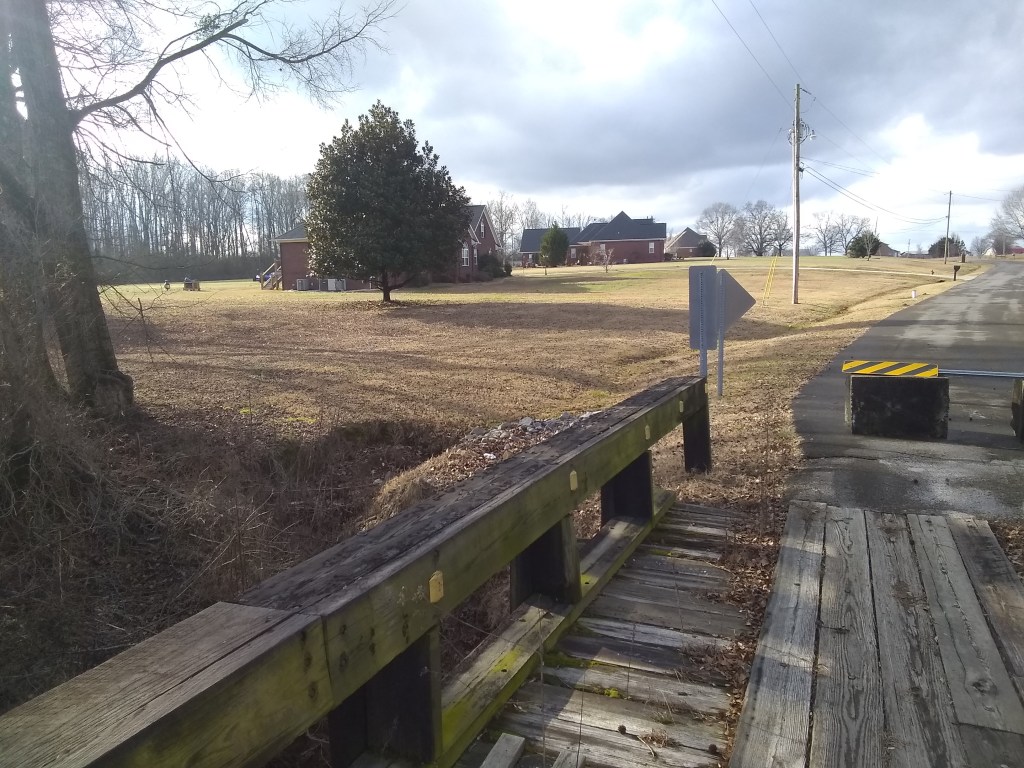
Here’s a few photos from previous riding adventures:
Believers Specialize in the Denial of Grim Reality

Here’s the link to this article.

By David Madison at 12/15/2023

Especially the reality of horrendous suffering


What does it take for a person to say No to belief in a god? No matter the depth of indoctrination, it might happen when one is faced with suffering on an unprecedented scale. This happened to Martin Selling, born in Germany in 1918. He was Jewish, thus was caught up in the Nazi frenzy of hate. He ended up in Dachau.
 

“…there were those who found they could no longer believe in God—any God—because of what was taking place. Martin identified with this group. He would, he decided, observe and participate in the traditions and ceremonies he had grown up with, out of a desire to acknowledge his Jewish heritage. But for the rest of his life, he knew, he would just be going through the motions. The horrors of Dachau had destroyed his belief in God.”                                                   (Bruce Henderson, Son and Soldiers: The Untold Story of the Jews Who Escaped the Nazis and Returned with the U.S. Army to Fight Hitler, p. 10)

Changing our minds and our behavior is a matter of letting evidence, facts, the realities of our everyday world influence our thinking. If your doctor tells you that your cholesterol is too high, you’ll adjust your diet. If you’re on the hunt for a product or service—to make your life better—it’s common to check consumer reviews: what has been the experience of others? We don’t like to make big mistakes. 

But what if our brains have been locked by something? What if our personalities are anchored to beliefs that we learned at a very young age? This is commonly what happens with religion—a wide variety of religions that do not agree at all. Yet those who were raised Catholic, or evangelical, Muslim, Jewish, Mormon—taught the “truths” of these faiths by trusted authority figures, i.e., parents and clergy—can feel super threatened when the fallacies of these belief systems are brought to their attention: 

“No thank you, I will not look at the facts! No thank you, evidence plays no role in enabling my faith! I have been taught what is true, case closed!”

One’s personal fate in the cosmos is commonly at stake in clinging to embedded beliefs. That is, the promise of escape from death, the promise of getting to see mother again in heaven, the promise of being loved personally by Jesus. It’s hard to think of more powerful motivations. Thus evidence and hard facts that undermine faith are shunned, ignored, pushed beyond the horizon of awareness. 

As Darrell Ray has pointed out in The God Virus: How Religion Infects Our Lives and Culture:

“From church schools and church groups, to home schooling and frequent church activities, the goal is to keep children immersed in the god virus until the infection has taken hold. It is difficult to learn and practice critical thinking while immersed and isolated by the god virus. That is the purpose of immersion. When an individual is able to compare and examine the various religious claims, she soon realizes that religions are full of mythologies dressed as fact.” (p. 200)

Religions have developed ways to shun and deflect evidence that handily falsifies belief in god. Devout Christians, for example, have been assured by their clergy that “God works in mysterious ways,” or “God has plans we are not privileged to know”—to account for horrible events that sabotage the claim that god is loving, caring, powerful, competent. Or they have been assured that god has been paying attention when their fervent prayers have rescued a cancer patient from death. What a relief: god has been paying attention! But there’s a major flaw with this boast: thousands of cancer sufferers die every day. If god is truly paying attention, why aren’t all these other people rescued from painful death? Does it take fervent prayers to get him to notice this suffering? Something is seriously wrong with this theology.  

Moreover, the laity commonly do not notice what is wrong with the claim that “God works in mysterious ways” and “has plans that we are not privileged to know.” It would be appropriate for the devout to ask their clergy: How do you know this? “Mysterious ways” and “undisclosed plans” are theological guesses, wishful thinking—fishing desperately for answers—to exonerate god. Horrendous suffering is, in fact, stunning evidence that a good, caring, powerful, competent god plays no role whatever in the management of this planet. It makes no sense whatever to believe that “he’s got the whole world in his hands.” 

Church folks are trained from a very early age to look the other way when episodes of massive suffering are so very obvious. Elsewhere I have called this easy acceptance of the very terrible—in order to preserve faith. “Oh yes, that really is horrible, but we can be sure god has his reasons.” Usually zero thought is given to coming up with plausible explanations, because curiosity and thinking are dangerous. Facing the reality of horrendous suffering is dangerous.  

How did belief in the Christian god survive the crises and ordeals of the 20th century? Two world wars brought suffering at unprecedented levels. Nicholas Best, in his book, Five Days That Shocked the World: Eyewitness Accounts from Europe at the End of World War II, noted:

“By the end of the war almost six million Jews had perished, approximately two-thirds of the entire Jewish population of Europe. Romani Gypsies, Soviet prisoners of war, homosexuals, Jehovah’s Witnesses, disabled people as well as other religious and political opponents were also sent to the death camps increasing the total to an estimated eleven to sixteen million.” (Kindle, p. 288)      

These deaths were the result of planned murders by the Nazis, but far more people were the casualties of the devastating warfare. This above all has contributed to the secularization of western Europe, because massive prayers to god 1914-1918 and 1939-1945, did not work, as Darrell Ray points out:

“It took two world wars for Europeans to realize that the prayers of millions of people were not answered. It doesn’t take too much intelligence to see that god isn’t working too well when 92 million people die in two world wars.” (p. 75)

The clergy earn their pay by promoting idealized versions of god and Jesus, to keep the faithful loyal and devoted. To put it bluntly, they are paid propagandists. Hence there are two things they won’t do: 

(1) Encourage their parishioners to intensively study the four gospels: compare them carefully, critically, and probe to find out where the gospel authors got their ideas. Their accounts of Jesus, and Christian origins, are indeed a tangled mess.

(2) Encourage a thorough study of horrendous suffering, and try to figure out how a good god plays any role whatever in the terrible events that humans have had to endure. Rather, the preferred approach of the clergy is to deflect attention from these realities.

Recent studies have shown that, among the young especially, the Holocaust is seen as exaggerated, or denied entirely. Yet the Holocaust in one of the most thoroughly documented crimes in history. The Nazis themselves kept records of their deeds—-they thought they were doing the world a great service—and many of their leaders kept diaries. Moreover, survivors of the Holocaust have written of their experiences, the horrors and terrors they suffered. 

The memoir of Magda Hellinger was preserved with the help of her daughter, Maya Lee. This is one glimpse of life at Birkenau concentration camp:

“There were no toilets or running water at the new camp. Our ‘toilet’ was a large hole in the ground with a plank over the top. It was bad enough coping with the stench of this open pit, but falling in became our greatest fear. Only a few days after we arrived, one girl lost her balance and found herself covered in excrement. She stumbled through the camp in search of somewhere to wash, but her effort was fruitless due to a lack of water. A guard chose the solution that was to become commonplace: he shot her dead.” (p. 68, The Nazis Knew My Name: A Remarkable Story of Survival and Courage in Auschwitz-Birkenau)

“Death was always close. It should never be forgotten that the period over the summer and autumn of 1944 was the deadliest of the Holocaust. The Nazis murdered close to 400,000 people, mostly Hungarian Jews, in just a few months. Most were gassed immediately after their arrival, but many others died in the weeks and months afterward. Some just lost hope and fell to the ground, or threw themselves against the electric fence to end it all. For many others, injury during work, disease, malnutrition—any reason for not being able to work—was enough reason for an SS guard to send a prisoner up the chimney. Not that they needed a reason at all. There were no consequences for an SS guard who chose to simply shoot a prisoner dead for being in the wrong place or for looking at him the wrong way. After all, the aim was genocide, sooner or later. The life of a Jewish prisoner had no value.” (p. 150, The Nazis Knew My Name) 

Two other Holocaust memoirs are especially worthy of note. 

Edith Hahn-Beer “donated her personal papers to the US Holocaust Museum in Washington; at 800 documents, it was one of the largest archives pertaining to a single person.” Hahn-Beer’s experience of the war is told in her book, The Nazi Officer’s Wife: How One Jewish Woman Survived the Holocaust. This quote about her donation to the museum is found on page 4 of the addendum. How to survive the maelstrom of hate? This was a possibility:

“Perhaps I could pretend to be a Christian too. Surely God would understand. And it might help. Why not try it? I took myself into the town of Osterburg and stared at the statue of Jesus in front of the local church, trying to will myself to love Jesus. It was wartime. Men were at the front. And yet I saw no candles in the church, no kneeling worshippers praying for the safe return of sons and husbands and fathers. The Nazis had done a wonderful job of discouraging faith in anything but the Führer.” (p. 98)

Noach Zelechower’s experiences are described in I Survived to Tell: A Holocaust Memoir about Survival in the Warsaw Ghetto and 7 Camps

“In order to inflict such physical and mental torment, the Germans had to breed a special caste of humans, fed on raw meat and Vodka. It is not possible that out of the blue such evil people could be created suddenly–in the heart of Europe…It wore us down trying to solve this mystery of the origin of the existence of such human beasts.” (Kindle, pp. 132-133)

“I sat now in a building that was soaked with the stench of dripping pus from open wounds that were bandaged in all sorts of manner and was full of damned, suffering, and dying people. In this place they cursed, with all the derogatory words, the God that had forgotten them and accused Him for being the main culprit responsible for all their daily maladies and hardships. This denial of God was repeated about a hundred times a day.” (Kindle, pp. 157-158)

The denial of god based on reality. The Bible is used to support a naive view of a good, caring, loving god, e.g., Psalm 23:4: “Yea, though I walk through the valley of the shadow of death, I will fear no evil: for thou art with me; thy rod and thy staff they comfort me.” 
 
What happens in reality? Hitler sent 285,000 soldiers to conquer Stalingrad; only about 6,000 made it back to Germany. During the firebombing of Dresden by the Allies in February 1945, 25,000 people died. The atomic blast over Hiroshima incinerated some 80,000 people in an instant. 
 
Horrendous suffering at this level—or at the level of people dying from cancer, or from thousands of genetic diseases—make a mockery of the claim that “this is my Father’s world.” It’s no surprise that the clergy don’t want their devout followers asking all the tough questions that these events in the real world raise. A good place to start such study is a careful reading of John Loftus’ anthology, God and Horrendous Suffering.

Come on, churchgoers, it’s time to snap out of it!


David Madison was a pastor in the Methodist Church for nine years, and has a PhD in Biblical Studies from Boston University. He is the author of two books, Ten ToughProblems in Christian Thought and Belief: a Minister-Turned-Atheist Shows Why You Should Ditch the Faith, now being reissued in several volumes, the first of which is Guessing About God (2023) and Ten Things Christians Wish Jesus Hadn’t Taught: And Other Reasons to Question His Words (2021). The Spanish translation of this book is also now available. 

His YouTube channel is here. At the invitation of John Loftus, he has written for the Debunking Christianity Blog since 2016.
 
The Cure-for-Christianity Library©, now with more than 500 titles, is here. A brief video explanation of the Library is here

Novel Excerpts–The Boaz Scorekeeper, Chapter 63

The primary aim of the "Novel Excerpts" blog category is to showcase my creative writing, specifically from the novels I've written. Hopefully, these posts will provide a glimpse into my storytelling style, themes, and narrative skills. It's an opportunity to share my artistic expressions and the worlds I've created through my novels.
The Boaz Scorekeeper, written in 2017, is my second novel. I'll post it a chapter a day over the next few weeks.

I dressed and sat back down in the study to wait on Gina.  Thirty minutes went by and that horrible feeling came over me, the one where you just know something bad has happened.  It was pure terror, like standing on a gang plank about to be cast into a raging ocean, or with rope around your neck, about to be hung from the gallows.

I forced myself to stay seated for an hour.  I couldn’t sit still and do nothing.  I grabbed my jacket, walked by Karla reading, seated at her spot on the far end of the couch, and told her I had an emergency to deal with and that I would be back as soon as I could. 

As I was backing out of the garage, I felt Gina’s phone vibrating in my pocket.  I pulled it out and answered, “Micaden, the scorekeeper.”

“I’m not coming.  They have me.  I’m in the trunk of James’ car headed somewhere.  I had grabbed Wade’s folder and had just come into the garage when the two of them drove up.  James pulled into Wade’s parking spot inside the garage and I couldn’t get away.  I tried to run toward the street but James grabbed me and Wade watched as James shoved me into the trunk and slammed the lid shut.”

“Do you have any idea where they are taking you?” I asked.

“My guess would be Club Eden, the cabin at the lake.  Micaden, I am so scared.  I know I am going to die.”

“Gina, don’t talk like that, don’t even think that. I’m coming to get you, I’m already rolling.  I can be at the cabin in ten minutes or less.”  I said.

“I think we are already here.  I can feel the bumps, probably from the rough driveway leading up to the cabin.”

“Stay brave my dear friend. I’m coming for you.”

“Oh hell, she’s got a phone. Give me that.”  I heard James say as silence erupted.

They must be at the cabin. They have her out of the car by now asking her who she was talking to.  I pushed the accelerator through the floor as my truck approached 90 miles per hour as it raced through the intersection of Lawson Gap and Mountainboro Roads.

Within another three or four minutes I was at the entrance.  The gate was open.  I turned in and floored it again, the rear end fishtailed almost to the ditch.  As I came out of the final curve before reaching the cabin I could see they had already left.  It was easy to conclude that once they knew Gina had been on the phone their plan was compromised.  They would have concluded that it was too risky to stay at the cabin.  I pulled up where Fred had parked his Camaro last week and started to back up to turn around, when my eye caught a glimpse of a sparkle in the road, about where the Camaro’s bumper would have been.  I got out and walked to the spot and within a few seconds saw a ring.  It was Gina’s wedding cluster.  She no doubt had intentionally dropped it when Wade and James opened the car trunk.  She wanted me to know she had been here. 

I put it in my pocket and ran back to my truck.  At the gate, I didn’t know which way to turn.  Surely Wade and James would not return to the spot on Little Cove Road.  I had to think before I headed in either direction. I finally decided to drive to James’ place on the brow at Sky Haven Estates.  There were plenty of woods and ledges behind his house.  When I arrived, James’ wife Rachel was backing out of their driveway.  I pulled in behind her, got out, and asked if James was here.  She said he wasn’t, that he had just called and said that he and Wade were going fishing and might play a round of golf.  I asked her where James was when he called.  By this time, she was clearly nervous about me and told me to leave or that she would call the police. 

I obeyed and left.  For the next eight hours, I rode the roads around Boaz and every countryside I could think of.  I went to Pebblebrook on Martin Road thinking that James and Wade might think they could find some privacy on the backside of the Ericson’s development.  No luck.  I even drove to the State Park in Guntersville and up the mountain to the golf course.  I rented a golf cart and rode all over the course.  I knew I was doing absolutely no good.  I didn’t have a clue where James and Wade might take Gina.  But, one thing I knew for sure, Gina would never survive this ordeal.  Club Eden was the master of disposing of bodies.  And, getting away with it. 

Finally, as the sun started to set, I headed back to Hickory Hollow.  I had never been so sad and lifeless.  Just like my heart hurt for Wendi when I learned of her death, my heart was broken over Gina.  For the first time, I realized that I had developed deep, almost intimate, feelings for her.  It was an emotion I had never incurred.  It wasn’t a sexual intimacy, but it was something far more than a brother-sister connection.  Gina had become a friend like I had never had, not even Karla and I had that type relationship.  And now, just like I had lost Wendi, my first love, I had lost Gina, a love that I didn’t even know existed until it was too late.

12/16/23 Biking & Listening

Here’s today’s bike ride metrics. Temperature at beginning of ride: 51 degrees. Cloudy day; a little windy.


Photos from today’s ride:

None today.

Why I ride:

Biking is something I both love and hate. The conflicting emotions arise from the undeniable physical effort it demands. However, this exertion is precisely what makes it an excellent form of exercise. Most days, I dedicate over an hour to my cycling routine, and in doing so, I’ve discovered a unique opportunity to enjoy a good book or podcast. The rhythmic pedaling and the wind against my face create a calming backdrop that allows me to fully immerse myself in the content. In these moments, the time spent on the bike seems worthwhile, as I can’t help but appreciate the mental and physical rewards it offers.

I especially like having ridden. The post-biking feeling is one of pure satisfaction. The endorphin rush, coupled with a sense of accomplishment, makes the initial struggle and fatigue worthwhile. As I dismount and catch my breath, I relish the sensation of having conquered the challenge, both physically and mentally. It’s a reminder that the things we sometimes love to hate can often be the ones that bring us the most fulfillment. In the end, the love-hate relationship with biking only deepens my appreciation for the sport, as it continually pushes me to overcome my own limitations and embrace the rewards that follow the effort.


Why you should ride:

Encourages Relaxation:

Cycling is not just a form of physical exercise; it also has a profound ability to encourage relaxation. Here are various ways in which cycling contributes to a relaxed state of mind and body:

  • Physical Activity and Stress Reduction: Engaging in physical activities like cycling can reduce the body’s stress responses. Exercise triggers the release of endorphins, the body’s natural painkillers and mood elevators, which promote relaxation. The physical effort of cycling also helps to use up the energy created by stress, aiding in calming the body.
  • Rhythmic Pedaling as a Meditative Practice: The repetitive nature of cycling, with its steady, rhythmic pedaling, can have a meditative effect. This rhythmic motion can help focus the mind, drawing attention away from stressful thoughts and allowing a sense of calm.
  • Outdoor and Nature Exposure: Cycling outdoors, especially in natural or scenic settings, can enhance relaxation. Being in nature is known to reduce stress and promote a sense of peace. The sights, sounds, and smells of the outdoors can be very soothing.
  • Mindfulness and Presence: Cycling requires a level of present-moment awareness, which is a key aspect of mindfulness. Practicing mindfulness has been shown to reduce stress and promote relaxation. When cycling, the focus on the immediate environment and bodily sensations can help achieve this state.
  • Cardiovascular Health Benefits: Regular cycling improves cardiovascular health, which can help in reducing tension in the body. A healthier heart and circulatory system can contribute to a more relaxed state overall.
  • Reduces Mental Clutter: A bike ride offers a break from daily routines and responsibilities, providing an opportunity to clear the mind. This mental break can be refreshing and relaxing, especially after a long day or during stressful periods.
  • Social Relaxation: For those who enjoy group rides, the social aspect of cycling can be relaxing. Social interactions and the sense of community found in cycling groups can contribute to overall relaxation and well-being.
  • Achievement and Satisfaction: Completing a challenging ride or reaching a cycling goal can bring about a sense of achievement and satisfaction. This positive feeling can promote a relaxed state, as it counters feelings of stress and anxiety.
  • End of Ride Relaxation Response: After a cycling session, the body often experiences a natural relaxation response. The decrease in physical activity coupled with the sense of accomplishment can lead to a profound state of relaxation.
  • Improves Sleep Quality: As cycling improves sleep quality, it indirectly promotes relaxation. Better sleep means the body is better rested and more capable of handling stress, leading to a more relaxed state during waking hours.

In summary, cycling’s ability to encourage relaxation is multifaceted, combining physical, mental, and emotional elements. By incorporating regular cycling into one’s lifestyle, it’s possible to cultivate a more relaxed state of being, beneficial for overall health and well-being.


Please watch

Here’s a couple of links to groups I like. Hopefully, they’ll encourage you to start riding a bike, no matter your age.

Cycling for those aged 70+(opens in a new tab)


Solitary Cycling(opens in a new tab)


My bike:

A Rockhopper by Specialized. I purchased it November 2021 from Venture Out in Guntersville; Mike is top notch! So is the bike. The ‘old’ man seat was salvaged from an old Walmart bike. Seat replaced with new one from Venture Out.


What I’m listening to:

NONFICTION

20 Master Plots: And How to Build Them, by Ronald B. Tobias

Give your story a solid foundation – a plot that engages readers from start to finish!

The best stories linger in the hearts and minds of readers for decades. These tales gain their power through plots that connect with the audience on both an emotional and intellectual level.

Ronald B. Tobias details these 20 time-tested plots. Each is discussed and analyzed, illustrating how a successful plot integrates all the elements of a story. Tobias then reveals how to use these plots effectively in your own work.

Tobias then goes to the next level, describing how to choose and develop plot in fiction. He reveals how to craft plot for any subject matter so that you develop your work evenly and effectively. As a result, your fiction will be more cohesive and convincing, making your story unforgettable for readers everywhere.

Blinkist nonfiction book summaries:

None today.

Podcasts:

None today.

Waking Up app series/courses:

None today.

FICTION

Novels:

Amazon abstract:

GMA BOOK CLUB PICK • AN NPR BOOK OF THE YEAR • From the New York Times bestselling author of I Was Anastasia and Code Name Hélène comes a gripping historical mystery inspired by the life and diary of Martha Ballard, a renowned 18th-century midwife who defied the legal system and wrote herself into American history.

“Fans of Outlander’s Claire Fraser will enjoy Lawhon’s Martha, who is brave and outspoken when it comes to protecting the innocent. . . impressive.”—The Washington Post

“Once again, Lawhon works storytelling magic with a real-life heroine.” —People Magazine


Maine, 1789: When the Kennebec River freezes, entombing a man in the ice, Martha Ballard is summoned to examine the body and determine cause of death. As a midwife and healer, she is privy to much of what goes on behind closed doors in Hallowell. Her diary is a record of every birth and death, crime and debacle that unfolds in the close-knit community. Months earlier, Martha documented the details of an alleged rape committed by two of the town’s most respected gentlemen—one of whom has now been found dead in the ice. But when a local physician undermines her conclusion, declaring the death to be an accident, Martha is forced to investigate the shocking murder on her own.

Over the course of one winter, as the trial nears, and whispers and prejudices mount, Martha doggedly pursues the truth. Her diary soon lands at the center of the scandal, implicating those she loves, and compelling Martha to decide where her own loyalties lie.

Clever, layered, and subversive, Ariel Lawhon’s newest offering introduces an unsung heroine who refused to accept anything less than justice at a time when women were considered best seen and not heard. The Frozen River is a thrilling, tense, and tender story about a remarkable woman who left an unparalleled legacy yet remains nearly forgotten to this day.


Blinkest fiction book summaries:

None today.

Music:

None today.


Here’s a few photos from previous riding adventures:

Novel Excerpts–The Boaz Scorekeeper, Chapter 62

The primary aim of the "Novel Excerpts" blog category is to showcase my creative writing, specifically from the novels I've written. Hopefully, these posts will provide a glimpse into my storytelling style, themes, and narrative skills. It's an opportunity to share my artistic expressions and the worlds I've created through my novels.
The Boaz Scorekeeper, written in 2017, is my second novel. I'll post it a chapter a day over the next few weeks.

I walked out onto the balcony to enjoy the rest of my coffee and to watch the sunrise.  I sat in a thoughtless trance looking eastward until the sun’s rays teased drops of sweat from my forehead.  I placed my coffee mug on the table beside me and raised the umbrella to block the sun.  I sat back down and closed my eyes.  After opening my eyes every few minutes to watch water drip from the metal railing from last night’s heavy frost, my mind summoned up the memory of the sunrise from the morning I woke up in my sleeping bag just a few short hours after Randall, James, and John had returned to Club Eden without Wendi and Cindi in the back of James’s van.  I fell asleep and dreamed that I was the sun on a man’s body, without a mind, never caring what happened on the earth’s end of the rays I constantly beamed.  As the sun, I was just about to talk with God in my dream when I heard Gina’s phone vibrating on the nightstand beside my bed.  I normally kept it on me but today I hadn’t even gotten dressed.  The only time I had been out of the phone’s reach was a couple of minutes back and forth from the kitchen to get my coffee.

I picked up the phone and answered, “Micaden the scorekeeper.”

“I’ve been caught. They know about me.” Gina’s voice was garbled, frantic, and loud.

“Slow down Gina. How do you know this?”

“I just received an email from my auto-recorder in Wade’s study at the church.  Apparently Wade and James just had a meeting that ended a little over 30 minutes ago.  The recorder will not send me a transcript until 30 minutes has elapsed since the last word spoken.”  Gina said.

“Tell me what’s on the transcript.”

“They have to know I was in Wade’s study here at home last night.  Wade had a wedding at Meadowbrook Farm so I spent nearly an hour snooping around.  That’s what they were talking about this morning. It was like they videotaped me and had watched their tape.  James was so mad at Wade I thought he was going to kill him.  He accused Wade of trying to get caught, of trying to destroy Club Eden by leaving the financial journal unlocked at home.  James also said that I would know about the sex trafficking and that alone could get the two of them a prison sentence.”  Gina said.

“Here’s what you need to do.  Quickly grab Wade’s file, the one with all the bank statements, and come here.  Gina, I don’t think it’s safe for you to stay with Wade any longer.  You must get out of there.  Do it now, don’t worry about packing a suitcase or anything.”

“I’ll see you just as soon as I can.”  Gina said.