Trump and ‘our religion’ demonstrate evangelicals’ ongoing endgame crisis

Here’s the link to this article.

Donald Trump knows how to get white evangelicals all het up.

Avatar photoby CAPTAIN CASSIDY OCT 31, 2023

Trump and 'our religion' demonstrate evangelicals' ongoing endgame crisis
Photo by Darren Halstead on Unsplash

Overview:

In recent months, Donald Trump has been talking about bringing back the anti-Muslim immigration ban from his single term in office.

His white evangelical fanbase loves it. Almost ten years into their decline, they are more touchy than ever about losing credibility and cultural power.

Say whatever you like about Donald Trump. If it’s negative, it’s probably true. But don’t say he doesn’t know how to work a sympathetic crowd. In recent campaign speeches, Trump has been telling his crowds of followers about how he plans to handle immigrants from, presumably, Muslim-dominated countries: he’d keep out those who “don’t like our religion” and “hate America.”

This flatly illegal, completely unconstitutional, human-rights-violating promise appears to have played well to his fanbase, who are overwhelmingly white evangelical Christians who claim to adore the rule of law, the Constitution, and the Bill of Rights. They certainly haven’t rejected him on the basis of that promise! It demonstrates well their priorities amid their religion’s ongoing decline: to defend what turf they can, and grab what temporal power they can before their cultural power fades too much to grab anything with it at all.

Donald Trump and the last screech of white evangelicalism

In his current rallies, Donald Trump looks back on his anti-Muslim travel ban as a “beautiful” and “wonderful” thing, despite the utter chaos it wreaked. He now promises to bring that ban back and institute ideological screenings of all immigrants:

“I will implement strong ideological screening of all immigrants,” the former president vowed. “If you hate America, if you want to abolish Israel, if you don’t like our religion (which a lot of them don’t), if you sympathize with jihadists, then we don’t want you in our country and you are not getting in.”“Trump Says He’ll Ban Immigrants Who ‘Don’t Like Our Religion’,” Ryan Bort, Rolling Stone

The idea of “ideological screening” should alarm any American who cares about human rights. This is a religion test, which our laws specifically do not allow. But the kind of people who support Donald Trump don’t care. For all their fetishizing of America, its Founding Fathers, its history, and its laws, somehow his fanbase is totally fine with this kind of screening.

I’m not surprised. Donald Trump’s entire existence as a political candidate is predicated entirely on his biggest fanbase’s complete hypocrisy.

Donald Trump is still pandering about ‘our religion’

For months now, Donald Trump has been making the rounds at political rallies. He wants to be president again. That means he needs to raise support in the only real core fanbase he has: white evangelical Christians.

This group comprises somewhere between 5%-35% of Americans depending on who you consult, but they are reliable voters. According to Pew Research, he received 77% of this group’s votes in 2016, then 84% in 2020. Obviously, lots of other sorts of people also voted for him, but they tend to be the understanding sort who don’t mind him pandering so hard to this one group.

In May this year, he went off the rails ranting about immigration. Again. That’s always been a concern for conservatives generally, and white evangelical Christians in particular. Considering their stated beliefs, it’s ironic in the extreme that they’d oppose immigration and despise immigrants like they do. In fact, one 2015 evangelical-run study discovered that 90% of evangelical respondents didn’t base their beliefs about immigration on the Bible at all. (Franklin Graham even drilled down on this exact point in 2017. In response, the Washington Post humiliated him with a Bible studyOther Christians have written similar rebukes.)

Here as elsewhere, evangelicals’ unstated beliefs speak far more loudly than any vocal belief statements they could ever issue. They don’t want a Pastor-in-Chief. No, they want a tribalistic strongman who will prevent more non-Christians from entering the United States, since such immigration only dilutes their numbers and power. They want a ruler who flouts behavioral rules, flaunts his degeneracy and ignorance, and says out loud all the horrific stuff they dare not whisper.

Most of all, they want a ruler who will raise them to the rulership over America that they think they deserve, and one who will punish their enemies until they are strong enough to do it themselves.

As he did almost ten years ago, Donald Trump promises to be that ruler.

When ‘our religion’ is only the religion of a shrinking percentage of Americans

As noted earlier, the percentage of evangelicals in America is very far from a majority. Depending on the definition you use and the authorities and studies you consult, they range from 5% of Americans to 35%. But they vote very reliably. That fact makes them a desirable bloc to own for conservative politicians.

Most desirably of all, they respond extremely well to fearmongering, fake news, and tribalistic jingoism. In their own minds, they’ve got a lot to be afraid of—their own increasing cultural irrelevance most of all.

Christianity itself is cruising quickly toward losing its majority status in America. At present, about 63% of Americans claim Christian affiliation. When Pew Research modeled religious switching in future decades, though, they found that most estimates had that percentage dropping to 35-46% by 2070. Meanwhile, the percentage of “Nones” (the religiously unaffiliated who claim “none of the above” as their religion) only continues to rise. In Pew’s model, they go from 30% currently to 41-52% by 2070.

Add non-Christian immigration to the mix, and white evangelicals become irrelevant even more quickly. So I can easily understand why white evangelicals bitterly oppose immigration, even if it clashes hilariously with their stated beliefs in a literal, inerrant, completely timeless and divine Bible.

Donald Trump knows that white evangelicals don’t want no meltin’ pots

Kristin Kobes du Mez, a brilliant writer whose work I adore, linked evangelicals’ opposition to immigration to “militant masculinity” in 2018. It’s not in me to gainsay her. She’s got a deep understanding of that exact facet of white evangelicalism. As she wrote:

It is incredibly difficult to disrupt a cohesive worldview of this sort, particularly one that is inherently suspicious of opposing views and is fueled by a victimization narrative, one backed by a multi-billion-dollar spiritual-industrial complex, and one that has direct and exclusive avenues of communication to hundreds of millions of eager consumers.“Understanding White Evangelical Views on Immigration,” Kristin Kobes du Mez, Harvard Divinity Bulletin

I’d just add this: That “cohesive worldview” is not just militantly macho. It also reflects white evangelicals’ increasing sense of tribalism.

In sociology, it is not a good thing for a group to behave in tribalistic ways. Such a group tends to be dysfunctionally authoritarian. That means that it cannot fulfill its own stated goals, nor even protect its own members from in-group abuse. Instead, the group is a conduit for power. Its followers cluster around a chosen charismatic leader who dispenses power to those lower on the power ladder. Those below the leader jockey and infight for favor.

To maintain their hold on power, the leaders of these groups need to flex their power often. They do this in a variety of ways:

  • Betraying those who are no longer useful
  • Visibly disobeying the group’s rules and allowing favored underlings to disobey them as well
  • Painting outsiders to the group as their mortal enemies
  • Stomping on critics and apostates with both feet
  • Being inconsistent with rule enforcement and creation
  • Destroying any heretics’ reputations and relationships as they leave the group
  • Making followers do things they don’t want to do, from church chores to abusive sexual favors

(See also: The lessons authoritarians learn.)

But this flexing works best if group members feel they can’t ever leave. If they’re sure they’ll never recover emotionally or financially from such a move, then they’re far less likely to take the risk.

So in a lot of ways, tribalism in Christianity works best in an environment where the local tribe leaders wield a lot of cultural power. If their power gets too diluted, people feel safer in leaving. And the more non-Christians enter the United States, the more diluted white evangelicals—along with their vision of ideal American culture—become in the population as a whole.

The last thing tribalistic white evangelicals want is a melting-pot America. Rather, they desire a solidly Christian America (full of their own preferred kind of Christian, naturally) that turns non-Christians of all kinds into pariahs until they bend the knee.

Compassion and empathy destroy tribalism

Another serious problem evangelicals have with immigration is simply the way that knowing people from the outgroup can destabilize a dysfunctional-authoritarian ingroup. Right now, Trump can frighten his fanbase by identifying Muslim immigrants as terrorists. He can paint them as scary Others who don’t know how to America right.

But once Americans get to know outsiders, they stop being outsiders.

By now, there are about 3.85 million Muslims in the United States, according to a 2023 Pew Research report. In the past 20-ish years, the number of mosques has grown from 1209 to 2769. (And, as they always have, Republicans tend to think they, as a group, face more discrimination than Muslims do.) Muslims are also running for—and winning—public office. They’re far more visible now than they ever were. A 2017 Pew Research survey even found that most Americans were significantly warming up to Muslims, though the war in Israel might now be changing things for the worse.

Still, that visibility has to be scaring the knickers off of white evangelicals. They don’t want to see Muslims praying on their knees on public sidewalks, or to take college classes alongside women in headscarves, or see their kids making friends with Muslim kids.

(I can’t think of evangelicals encountering headscarves without thinking of that cringey side plot from the first “God’s Not Dead” movie involving a young Muslim convert who adores Franklin Graham—who if you’ll recall is very anti-immigration.)

White evangelicals don’t want any reminders that they no longer represent the cultural standard of America, nor are even its Designated Adults. What they want is quiet, effortless mastery and recognized superiority, not having to share and play nicely with the other children on the playground.

Even if it destroys their witness, to use the Christianese, they can’t let go of their tribalism. Jesus’ direct orders be damned! Bible blahblah is all well and good, but this is real life we’re talking about. Like everyone else, white evangelicals know that when real life starts happening, they have to step into the real world to deal with it.

The new age of evangelical power-grabs

Over the past few years, I’ve noticed a sharp change in how white evangelicals present themselves and sell their only product (active membership in their own group).

Just a decade ago, evangelicals tried to engage outsiders in one-sided non-versations. They traveled to schools to deliver sales pitches. They ran pseudo-charity efforts like Beach Reach that were really about indoctrination. Online, they seemed acutely aware that they were selling something. Sure, very few people cared to buy it anymore. But they still felt compelled by Jesus to SELL SELL SELL WITHOUT MERCY.

To an extent, they still do that stuff, yes. But they’ve really shifted their emphasis. Now, they seem much more like an overtly theocratic, totalitarian political group with a thin coat of Jesus frosting. Aware that nobody wants to buy their product on its own merits, they have turned from wheedling and fake non-versations to outright insults and sneers toward those who reject their control-grabs. This behavior seems to bolster their own self-image, even as it wrecks their tribe’s credibility every time they act out.

When I encounter them, I can’t help but think that my first pastor, a genial old Pentecostal leader in our denomination, would have had their hides for mistreating people the way they do.

Again, this is real life we’re talking about, though, not Bible blahblah. Evangelicals may give lip service to Jesus’ sheer power and miracle-working all they like. In the real world, they’re aware that if they don’t punish their enemies, Jesus sure won’t do it for them.

I’ve known this about evangelicals for a long, long time. In a way, I’m glad Trump has come along to unmask them.

I suspect that the further white evangelicals decline in cultural power and credibility, the more and the worse they’ll act out. I just hope the rest of the world is ready to listen when they tell us who they truly are.
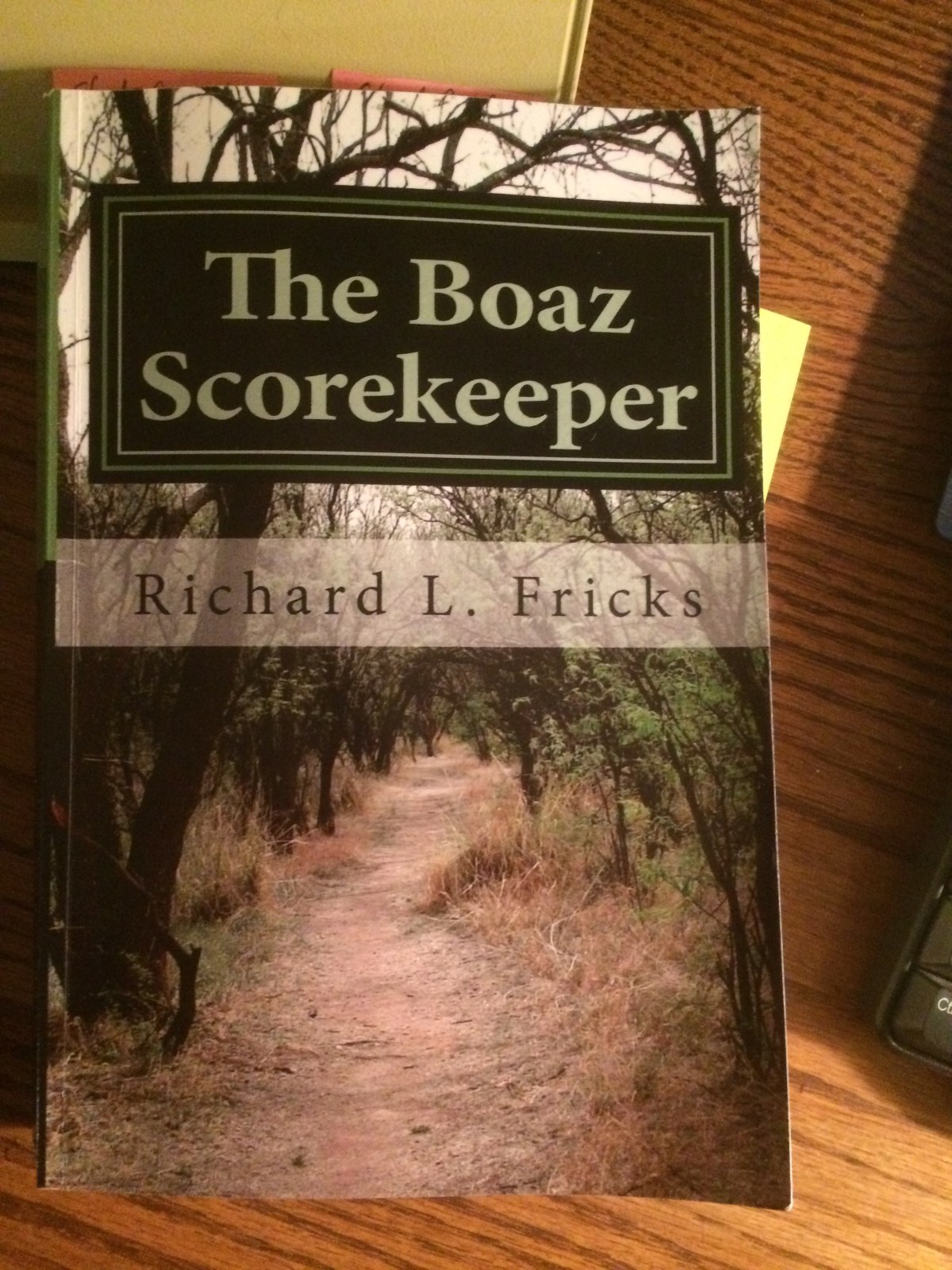

The Boaz Scorekeeper–Chapter 22

The Boaz Scorekeeper, written in 2017, is my second novel. I'll post it, a chapter a day, over the next few weeks.

We put our furniture and other belongings in storage and lived with Karla’s parents until we rented a house on College Avenue in Boaz.  It was an older house, but with ample room for the three of us.  It was within easy walking distance of Matt’s office in Scott Plaza.

I didn’t waste any time. Three days after leaving Atlanta I reported for work.  On the ride in from Rodentown, where the Jacobson’s lived, I was thankful Matt had called last night and given me an overview of what to expect.  I really liked him saying, “welcome to Bearden and Tanner, Attorneys at Law.”

Matt had a small but busy solo practice. After I arrived, the number of lawyers had instantly grown by 100 percent.  But, if you counted Tina, the law firm had legal knowledge approaching the big firm I had just resigned from in Atlanta.  Her name was Tina Bonds. She was the heavy lifter who wore a multitude of hats including secretary, paralegal, bookkeeper, Internet snoop, and professional gopher.

In our phone call yesterday Matt had given me the rundown on ‘Tiny,’ as she called herself.  He warned me that Tina and only Tina could refer to her as ‘Tiny.’ Tina Guthrie Bonds was the daughter of Big Jim Guthrie, the most famous lawyer in North Alabama for over sixty years.  He practiced in Gadsden from the early 1930s until five years ago when he died of a heart attack making a closing argument in an automobile accident case in the Honorable Donald Stewart’s courtroom.  Big Jim was 88.

Tina graduated from Etowah High School in 1963.  At eighteen she already had eight years’ experience working in a law office.  Since she was ten years old Big Jim had her scanning caselaw books searching for some barn burner legal principle he could use to bushwhack an opposing attorney.  ‘Tiny’ was Big Jim’s invention.  He said there was nothing tiny about her.  She was tall like him and between her ears lay the “most fertile mind ever to darken the halls of Etowah High.”  By the time Tina was in 9th grade, she was sitting beside Big Jim at counsel feeding him cross-examination questions that often caused even the judges to shake their heads in disbelief.

It took only ten years for the perfect duo to run ashore.  About half of Big Jim’s clients were blacks but he didn’t see the color of their skin.  His only concern was for their inalienable rights.  Tina dating a black man named Robbie changed Big Jim’s vision.  The short of it was most unfortunate.  It likely severed the two best legal minds ever to team up in Alabama.  Tina and Robbie were arrested in the Fall of 1972 by Boaz Police when they were passing through returning from a trip to Huntsville.  The patrol officer didn’t like the feisty Tina and put her in cuffs for speeding, obstruction of justice, and ‘smart-assing’ a police officer.  Two days later Matt had received a call from Big Jim himself.  He said he wouldn’t come to his daughter’s rescue but knew she might need a second chair because she would never plea out.

Two weeks later Tina moved to Boaz and became the anchor for new-to-Boaz attorney Matt Bearden.  Robbie came along too but had a change of mind a month later after weekly pull-overs by the Boaz Police. Tina said goodbye and wished him well.

Tina had a double front office spending most of her time in the one only partially seen by clients waiting out in her front receptionist office.  The dark room, as it was called, was like a war zone.  Her large oak desk in the middle of the room contained the only semblance of organization and neatness.  Along the edges of the six-foot desk were stacks of multi-colored files forming a giant U.  Within the U was the protected zone where only one file could be open at a time.  A two-foot square computer monitor sat on an attached side table that was six inches or so lower than the desk top.  An ancient oak chair without rollers was Tina’s favorite for sitting here to draft the standard motions for the various divorce, bankruptcy, criminal, and custody cases that Matt handled.  He drafted the more complex motions and sent them over to Tina via the office’s intranet.

Along the walls in Tina’s back office were floor to ceiling shelves that were in total disarray although she warned me not to even touch anything on the shelves.  Southeastern Reporters, forms books, and what looked like full collections of John Grisham, James Patterson, and Lawrence Block were just a few of what I saw during my first office tour.  Along the front window were two six-foot tables that Tina said were for case intake and bookkeeping.  In front of the shelves along the wall behind her giant oak desk were two card tables where a recent tornado had camped out.  She said, “the civil table is Discovery in and out.  The criminal table is Discovery in and out.”  I didn’t question her.

After an hour with Tina, Matt finally came out of his office and directed me to a cramped little office next to a large back room that served quadruple duty as file center, kitchen, utility, and recreation headquarters, complete with ping-pong and pool tables.

My office was empty except for an old five-foot oak kitchen table, a leather chair, a computer desk, and one metal bookcase. A telephone was on the table. “Sorry about your office.  I’m looking for us another place, maybe we can buy something before too long.”  Matt said.

Tina brought me the Murray file and I spent the rest of the morning reading a memorandum that Tina had drafted, and reviewing the complete transcripts of the case, State of Alabama vs. Micaden Lewis Tanner. Vividly reliving the darkest days of my life had spun my mind and stomach leaving me both sick and hungry. At 12:00 noon Matt took me to lunch at the Food Basket in Albertville.

11/05/23 Biking & Listening

Here’s today’s bike ride.

Why I ride

Biking is something I both love and hate. The conflicting emotions arise from the undeniable physical effort it demands. However, this exertion is precisely what makes it an excellent form of exercise. Most days, I dedicate over an hour to my cycling routine, and in doing so, I’ve discovered a unique opportunity to enjoy a good book or podcast. The rhythmic pedaling and the wind against my face create a calming backdrop that allows me to fully immerse myself in the content. In these moments, the time spent on the bike seems worthwhile, as I can’t help but appreciate the mental and physical rewards it offers.

I especially like having ridden. The post-biking feeling is one of pure satisfaction. The endorphin rush, coupled with a sense of accomplishment, makes the initial struggle and fatigue worthwhile. As I dismount and catch my breath, I relish the sensation of having conquered the challenge, both physically and mentally. It’s a reminder that the things we sometimes love to hate can often be the ones that bring us the most fulfillment. In the end, the love-hate relationship with biking only deepens my appreciation for the sport, as it continually pushes me to overcome my own limitations and embrace the rewards that follow the effort.

My bike

A Rockhopper by Specialized. I purchased it November 2021 from Venture Out in Guntersville; Mike is top notch! So is the bike. The ‘old’ man seat was salvaged from an old Walmart bike (update: seat replaced, new photo to follow, someday).


Something to consider if you’re not already cycling.

I encourage you to start riding a bike, no matter your age. Check out these groups:

Cycling for those aged 70+(opens in a new tab)

Solitary Cycling(opens in a new tab)

Remember,

Photo by Suzy Hazelwood on Pexels.com


Novel I’m listening to:

The Last Thing He Told Me, by Laura Dave

Amazon abstract:

Don’t miss the #1 New York Times bestselling blockbuster and Reese Witherspoon Book Club Pick that’s sold over 2 million copies–now an Apple TV+ limited series starring Jennifer Garner!

The “page-turning, exhilarating” (PopSugar) and “heartfelt thriller” (Real Simple) about a woman who thinks she’s found the love of her life—until he disappears.

Before Owen Michaels disappears, he smuggles a note to his beloved wife of one year: Protect her. Despite her confusion and fear, Hannah Hall knows exactly to whom the note refers—Owen’s sixteen-year-old daughter, Bailey. Bailey, who lost her mother tragically as a child. Bailey, who wants absolutely nothing to do with her new stepmother.

As Hannah’s increasingly desperate calls to Owen go unanswered, as the FBI arrests Owen’s boss, as a US marshal and federal agents arrive at her Sausalito home unannounced, Hannah quickly realizes her husband isn’t who he said he was. And that Bailey just may hold the key to figuring out Owen’s true identity—and why he really disappeared.

Hannah and Bailey set out to discover the truth. But as they start putting together the pieces of Owen’s past, they soon realize they’re also building a new future—one neither of them could have anticipated.

With its breakneck pacing, dizzying plot twists, and evocative family drama, The Last Thing He Told Me is a “page-turning, exhilarating, and unforgettable” (PopSugar) suspense novel.


Podcasts I’m listening to:


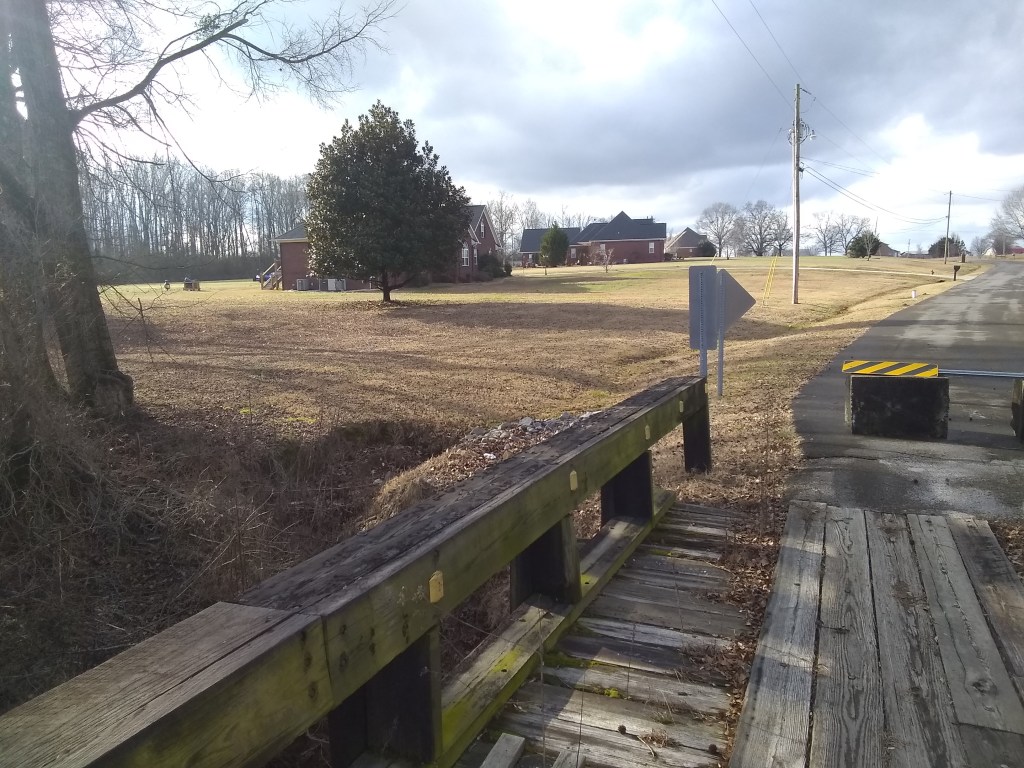
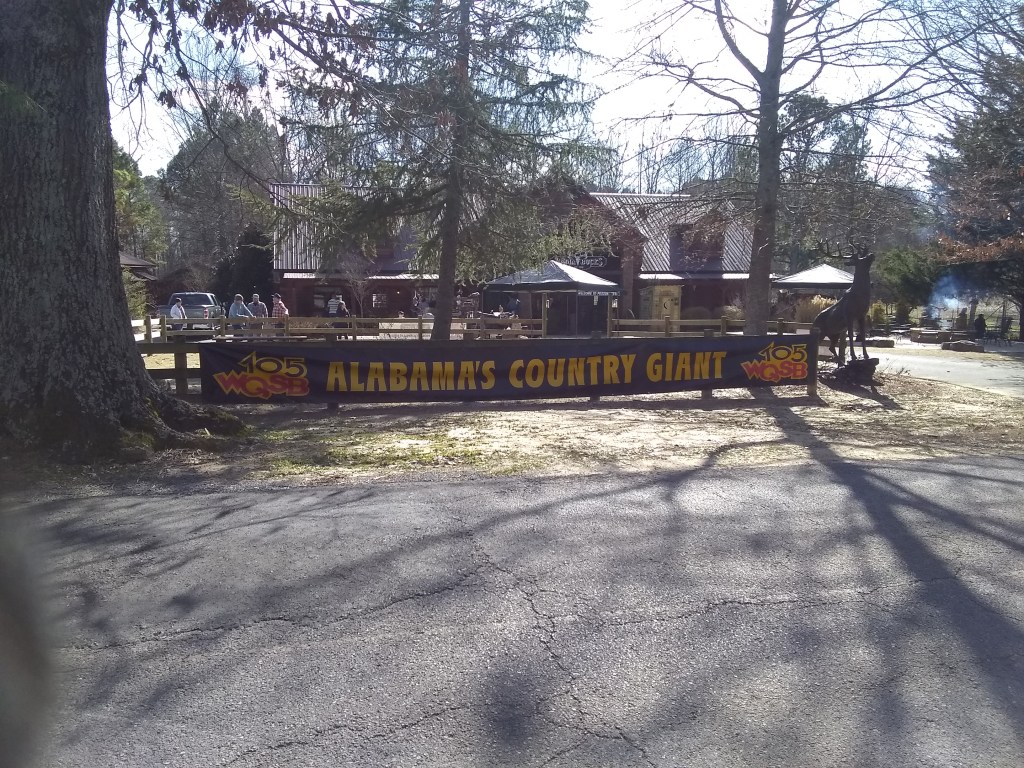
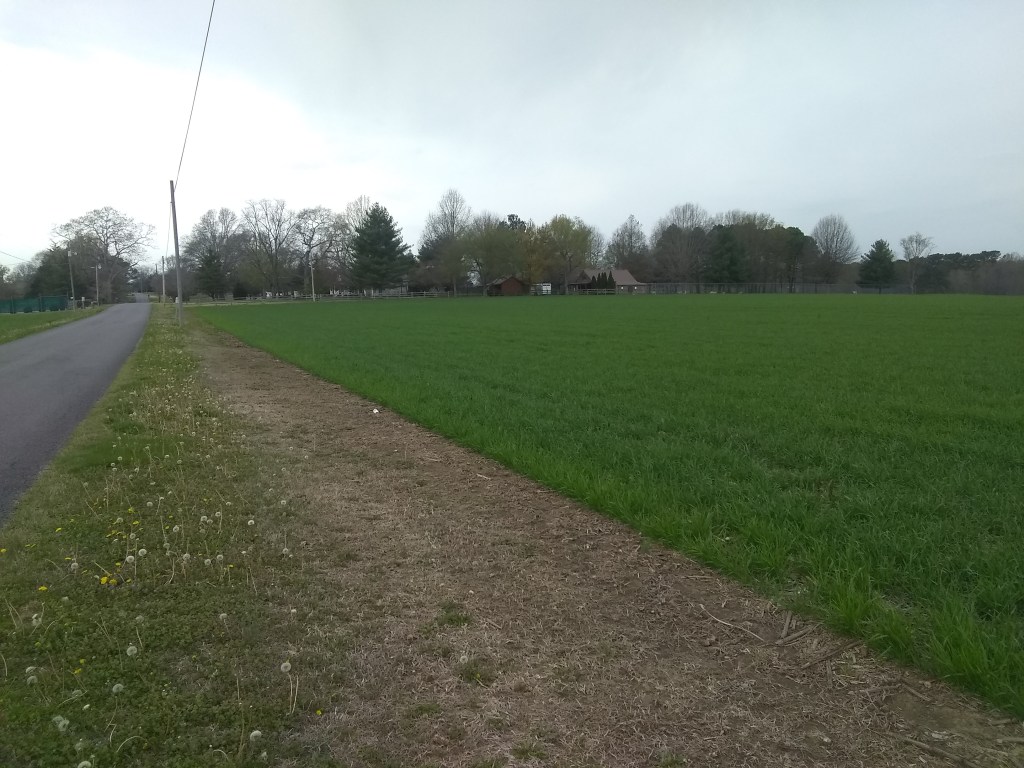
Here’s a few photos from along my pistol route:

From Stardust to Sapiens: A Stunning Serenade to Our Cosmic Origins and Our Ongoing Self-Creation

Here’s the link to this article.

BY MARIA POPOVA

From Stardust to Sapiens: A Stunning Serenade to Our Cosmic Origins and Our Ongoing Self-Creation

We were never promised any of it — this world of cottonwoods and clouds — when the Big Bang set the possible in motion. And yet here we are, atoms with consciousness, each of us a living improbability forged of chaos and dead stars. Children of chance, we have made ourselves into what we are — creatures who can see a universe of beauty in the feather of a bird and can turn a blind eye to each other’s suffering, creatures capable of the Benedictus and the bomb. Creatures who hope.

A generation after Maya Angelou held up a cosmic mirror to humanity with “A Brave and Startling Truth,” Pattiann Rogers — who writes with uncommon virtuosity about the intersection of the cosmic and the human, and whose poems have therefore been a frequent presence in The Universe in Verse — offers a poignant cosmogony of our self-creation in the stunning final poem of her book Flickering (public library).

HOMO SAPIENS: CREATING THEMSELVES
by Pattiann Rogers

I.

Formed in the black-light center of a star-circling
galaxy; formed in whirlpool images of froth
and flume and fulcrum; in the center image of herring
circling like pieces of silver swirling fast, a shoaling
circle of deception; in the whirlpool perfume of sex
in the deepest curve of a lily’s soft corolla. Created
within the images of the creator’s creation.

Born with the same grimacing wrench of a tree-covered
cliff split wide suddenly by lightning and opened
to thundering clouds of hail and rain.

Cured in the summer sun as if in a potter’s oven,
polished like a stone rolled by a river, emboldened
by the image of the expanse beyond earth’s horizon,
inside and outside a circumference in the image
of freedom.

Given the image of starlight clusters steadily silent
above a hillside-silence of fallen snow… let there be sleep.

II.

Inheriting from the earth’s scrambling minions,
images of thorn and bur, fang and claw, stealth,
deceit, poison, camouflage, blade, and blood…
let there be suffering, let there be survival.

Shaped by the image of the onset and unstoppable
devouring eclipse of the sun, the tempestuous, ecliptic
eating of the moon, the volcanic explosions of burning
rocks and fiery hail of ashes to death… let there be
terror and tears. Let there be pity.

Created in the image of fear inside a crawfish
skittering backward through a freshwater stream
with all eight appendages in perfect coordination,
both pincers held high, backing into safety beneath
a fallen leaf refuge… let there be home.

III.

Made in the image of the moon, where else
would the name of ivory rock craters shine
except in our eyes… let there be language.

Displayed in the image of the rotting seed
on the same stem with the swelling blossom…
let there be hope.

Homo sapiens creating themselves after the manner
and image of the creator’s ongoing creation — slowly,
eventual, alert and imagined, composing, dissembling,
until the right chord sounds from one brave strum
of the right strings reverberating, fading away
like evening… let there be pathos, let there be
compassion, forbearance, forgiveness. Let there be
weightless beauty.

Of earth and sky, Homo sapiens creating themselves,
following the mode and model of the creator’s creation,
particle by particle, quest by quest, witness by witness,
even though the unknown far away and the unknown
nearby be seen and not seen… let there be goodwill
and accounting
, let there be praise resounding.

Complement with astronomer-poet Rebecca Elson’s ode to dark matter and the mystery of being, “Let There Always Be Light,” non-speaking autistic poet Hannah Emerson’s astonishing “Center of the Universe,” and Jane Hirshfield’s “To Be a Person,” then revisit Pattiann Rogers’s harmonic of the human and cosmic perspectives, read by David Byrne and illustrated by Maira Kalman.

Practice Paying Attention

Practice Paying Attention, by Rob Walker.

Apply what you’ve learned to invent your own creative ways of noticing.

***

The Art of Noticing

Simple and uncommon exercises to reveal what’s hidden in plain sight.

In The Art of Noticing, Rob Walker—a journalist, author, and educator—invites us to attend carefully and playfully to everyday curiosities that most of us tend to overlook.

“Fending off distraction isn’t quite the same thing as making the most of our attention.” By engaging the senses, Rob says, we can enrich our daily lives with meaning, boost creativity, and even “reframe the way we take in the world.”

***

Rob Walker is a journalist and author. He is a longtime contributor to The New York Times, and a columnist for Fast Company. His recent books are The Art of Noticing, and Lost Objects, co-edited with Joshua Glenn. He is on the faculty of the Products of Design program at the School of Visual Arts. You can find his newsletter at robwalker.substack.com.

Christian nationalists: Drop Mike, hold on to your Johnson

Here’s the link to this article.

Avatar photoby JONATHAN MS PEARCE OCT 31, 2023

Overview:

Move over Mike Pence, Mike Johnson is in the big chair—and in a position to try to enact all of his Christian nationalist dreams.

Reading Time: 5 MINUTES

The challenge of Christian nationalism has resurfaced over the last week with a tale of two Mikes. The first concerns conservative Christian Mike Pence dropping out of the race for president. The charisma black hole that is the former vice president under Donald Trump never really stood a chance, even against the aging Joe Biden. Sometimes reality is unassailable.

But while Pence was debating with himself whether to continue his campaign, another Mike was throwing his hat into the political ring. It got to a point where congressional Republicans were keenly aware of the embarrassing situation of not having a majority leader in the House of Representatives. After a number of potential candidates failed to get enough support, including the controversial Jim Jordan, it appears that the GOP lawmakers ran out of patience. The first person to come along who appeared to be a safe pair of hands would command quite an advantage.

Appearances can be deceptive. Dangerously so.

It is amazing how much a calm voice, a pair of spectacles, and a nicely tailored suit can do for a politician. (I am reminded of the book Snakes in Suits: When Psychopaths Go to Work including the chapter, “The Case of Dave: Would a Snake Wear Such a Nice Suit?” Not to cast aspersions…) He seems such a sensible person, and his voice is so moderate!

That’s his physical voice, not his political voice. The tone of his speaking belies a now rather typical MAGA-style conservative Christian agenda. So much so that controversial MAGA frontman Matt Gaetz said of Mike Johnson in an interview given to Steve Bannon, “If you don’t think that moving from Kevin McCarthy to MAGA Mike Johnson shows the ascendance of this movement and where the power in the Republican Party truly lies, then you’re not paying attention.”

Don’t be entranced by the slippery gyrations of “MAGA Mike.” This cobra has a very poisonous bite.

Former Biden press secretary Jen Psaki dropped her own mic on her MSNBC show: “Another deeply religious conservative Republican just ascended to the speakership… The problem with Johnson isn’t at all his faith. He is entitled to his personal beliefs as everyone is…even if they come from the 18th century.”

Ouch.

The problem, as she points out, is when those beliefs encroach on the rights of others. Christian nationalism in a pluralist society is something of a headache in a secular country. This might be Roe v. Wade, which Johnson believes “gave constitutional cover to the elective killing of unborn children in America. Period.” He believes that if women were able to bring more “able-bodied workers” into the world to foot the bill, then politicians wouldn’t need to slash Social Security and Medicare:

https://platform.twitter.com/embed/Tweet.html?dnt=true&embedId=twitter-widget-0&features=eyJ0ZndfdGltZWxpbmVfbGlzdCI6eyJidWNrZXQiOltdLCJ2ZXJzaW9uIjpudWxsfSwidGZ3X2ZvbGxvd2VyX2NvdW50X3N1bnNldCI6eyJidWNrZXQiOnRydWUsInZlcnNpb24iOm51bGx9LCJ0ZndfdHdlZXRfZWRpdF9iYWNrZW5kIjp7ImJ1Y2tldCI6Im9uIiwidmVyc2lvbiI6bnVsbH0sInRmd19yZWZzcmNfc2Vzc2lvbiI6eyJidWNrZXQiOiJvbiIsInZlcnNpb24iOm51bGx9LCJ0ZndfZm9zbnJfc29mdF9pbnRlcnZlbnRpb25zX2VuYWJsZWQiOnsiYnVja2V0Ijoib24iLCJ2ZXJzaW9uIjpudWxsfSwidGZ3X21peGVkX21lZGlhXzE1ODk3Ijp7ImJ1Y2tldCI6InRyZWF0bWVudCIsInZlcnNpb24iOm51bGx9LCJ0ZndfZXhwZXJpbWVudHNfY29va2llX2V4cGlyYXRpb24iOnsiYnVja2V0IjoxMjA5NjAwLCJ2ZXJzaW9uIjpudWxsfSwidGZ3X3Nob3dfYmlyZHdhdGNoX3Bpdm90c19lbmFibGVkIjp7ImJ1Y2tldCI6Im9uIiwidmVyc2lvbiI6bnVsbH0sInRmd19kdXBsaWNhdGVfc2NyaWJlc190b19zZXR0aW5ncyI6eyJidWNrZXQiOiJvbiIsInZlcnNpb24iOm51bGx9LCJ0ZndfdXNlX3Byb2ZpbGVfaW1hZ2Vfc2hhcGVfZW5hYmxlZCI6eyJidWNrZXQiOiJvbiIsInZlcnNpb24iOm51bGx9LCJ0ZndfdmlkZW9faGxzX2R5bmFtaWNfbWFuaWZlc3RzXzE1MDgyIjp7ImJ1Y2tldCI6InRydWVfYml0cmF0ZSIsInZlcnNpb24iOm51bGx9LCJ0ZndfbGVnYWN5X3RpbWVsaW5lX3N1bnNldCI6eyJidWNrZXQiOnRydWUsInZlcnNpb24iOm51bGx9LCJ0ZndfdHdlZXRfZWRpdF9mcm9udGVuZCI6eyJidWNrZXQiOiJvbiIsInZlcnNpb24iOm51bGx9fQ%3D%3D&frame=false&hideCard=false&hideThread=false&id=1717183190463336780&lang=en&origin=https%3A%2F%2Fonlysky.media%2Fjpearce%2Fchristian-nationalists-drop-mike-hold-on-to-your-johnson%2F&sessionId=3083daa94e14ff46bdb3da66850d4e1f1729dd58&theme=light&widgetsVersion=01917f4d1d4cb%3A1696883169554&width=550px

He even blames school shootings on abortion, as Irin Carmon sets out in the New York Magazine:

At the time, Johnson was a lawyer defending Louisiana’s abortion restrictions — purported safety regulations designed to shut down clinics — in court and had just been elected, unopposed, to the State House of Representatives. I remember thinking how anodyne the office was, like a small-town personal-injury firm, as he cheerfully told me that soon the pro-lifers would outnumber the pro-choicers who aborted all their babies. I no longer have a recording, just a 27-page transcript, but my memory is that he kept his voice smooth and pleasant as he said, “Many women use abortion as a form of birth control, you know, in certain segments of society, and it’s just shocking and sad, but this is where we are. When you break up the nuclear family, when you tell a generation of people that life has no value, no meaning, that it’s expendable, then you do wind up with school shooters.”

He has also supported legislation to limit the teaching of race-related topics in schools, and Florida’s “Don’t Say Gay” law. His blend of Christian nationalism looks very much like a white one: He has also often repeated promotion of the “Great Replacement Theory.” Usefully, Politico have released a piece detailing where he stands on many political issues.

Beware the quiet man. When he addressed his colleagues on the first day of being the new Speaker in the US House of Representatives, Johnson shared the following: “I don’t believe there are any coincidences. I believe that scripture, the Bible, is very clear that God is the one that raises up those in authority, he raised up each of you, all of us. And I believe that God has ordained and allowed us to be brought here to this specific moment and time.”

This should come as no surprise to anyone who has been following him. In 2016, he said, “You know, we don’t live in a democracy . . . It’s a constitutional republic. And the founders set that up because they followed the biblical admonition on what a civil society is supposed to look like.” And very worrying to those of us who find the separation of church and state crucial to the political operation of the United States, he added: “Over the last 60 or 70 years our generation has been convinced that there is a separation of church and state . . . most people think that is part of the Constitution, but it’s not.” 

He has also expressed his belief that the founders wanted to protect the church from the state, not the other way around, and that the US is indeed a nation with Judeo-Christian roots under threat from secular forces.

In case anyone was in any doubt, Johnson confirmed his moral-political worldview in an interview with Fox News: “I am a Bible-believing Christian. Someone asked me today in the media, they said, ‘It’s curious, people are curious, what does Mike Johnson think about any issue under the sun?’ I said, well, go pick up a Bible off your shelf and read it. That’s my worldview.”

Same-sex marriage is also another talking-point issue where Johnson appears to be on the wrong side of history but the right side of the Republican Party. As Time reports in their piece “The Christian Nationalism of Speaker Mike Johnson“:

As an attorney working for the Alliance Defense Fund, now known as Alliance Defending Freedom (founded by leaders with similar Christian nationalist commitments, like James DobsonD. James Kennedy, and Bill Bright), Speaker Johnson opposed the decriminalization of homosexual activity through Lawrence v. Texas in 2003 and in 2004 proposed banning same-sex marriage.

He argued how both will “de-emphasize the importance of traditional marriage to society, weaken it, and place our entire democratic system in jeopardy by eroding its foundation,” and that “experts project that homosexual marriage is the dark harbinger of chaos and sexual anarchy that could doom even the strongest republic

As the same article points out, “Americans who embrace Christian nationalism are more likely to support anti-democratic tactics and approve of political violence if an election does not return favorable results.” It is wholly unsurprising, then, that Johnson was a pivotal figure in the attempt to overturn the 2020 presidential elections. He wasn’t shy of repeating debunked Dominion voting machine claims and even wrote an amicus brief for a case concerning Texas having results thrown out.

There is enough to worry about when surveying the world’s democratic backsliding—seeing institutions and mechanisms, checks and balances, being repealed and pulled down— without having to worry about the corridors of power in the US Capitol.

In a time of growing pluralism, the only sensible map to navigate this increasing diversity is secularism of the sort envisaged and enshrined by the founders. But pluralism and diversity, difference and understanding, are not the purview of Christian nationalists. And it appears very obvious indeed that Mike Johnson is a staunch Christian nationalist. This should be of grave concern. Time finishes their article as follows:

It is critical to recognize the influence of Christian nationalism on Mike Johnson’s vision for the US. “Christian nationalism” isn’t a political slur. It’s a term that accurately describes an ideology that is antithetical to a stable, multiracial, and liberal democracy—an ideology clearly guiding the now-ranking Republican in the US House of Representatives.

Political polarization and division are more pronounced than they ever have been. It appears that the Republicans have not changed tack after the 2020 elections or the fallout to Dobbs v. Jackson but instead have doubled down, piling into culture war issues and divisive policies.

It appears that now more than ever, the nonreligious and secular need to be on their guard. Now more than ever, constitutional foundations must be secured and supported. Now more than ever, the quiet man must be listened to. Every single word.

Don’t lean too close, though. That snake can bite.

The Boaz Scorekeeper–Chapter 21

The Boaz Scorekeeper, written in 2017, is my second novel. I'll post it, a chapter a day, over the next few weeks.

On March 21st, 1997, a human skull was found when a bulldozer was clearing a spot for Stan and Jessica Jennings new house in the Pebblebrook subdivision being developed by Ericson Real Estate. Matt called with the news and speculated this could be Wendi and Cindi Murray’s way of showing up to demand justice.  I told him I hoped he was right but I doubted it was true.  It simply appeared unbelievable especially after Matt learned that the bulldozer operator had been clearing the wrong lot.  Matt heard that the Jennings had met with Wilcox Construction Company’s owner, Brad Vickers, a week earlier.  They had discussed exactly what they wanted done: which trees to remove, which to leave, and the location and dimensions of a partial basement included in their house plans.  Brad was sick the day he was supposed to start work and sent his son Bradley.  Someway he confused Lot signs 31 and 13 and wound up on the wrong side of Pebble Lane, the most remote street in the 300-acre subdivision. 

Lot 13 became an official crime scene when the State’s forensic team unearthed two complete skeletons.  Two weeks later, the State Lab released the results of their testing.  Finally, after almost 25 years, the Douglas High School twin sisters had been found.  Their graves had opened and Wendi and Cindi had walked out demanding justice.

What gave me absolute clarity that it was time to return to Boaz was what happened next.   After my trial and before I left Boaz for Atlanta in 1973, I had met with Wendi and Cindi’s parents.  Someway over the years they began to trust me, that I had had no part in their daughter’s pain and suffering.  We had formed a mutually sad but satisfying relationship.  Even though we rarely talked we did exchange Christmas cards every year.  But, I was still shocked when Matt called me three days later telling me that the Murray’s had hired him to file a lawsuit against Wade Tillman, James Adams, Randall Radford, Fred Billingsley, and John Ericson.  He said that Alabama law allowed such a delayed lawsuit based on newly discovered evidence that the plaintiff could not have reasonably discovered earlier. 

Matt asked me to make sure I was sitting down.  He described how he had, on a hunch, investigated the ownership of the subdivision property.  County records revealed that Franklin Ericson, John’s father, had purchased the property in 1970 and had pretty much ignored it other than using the front 25 acres to maintain a few head of cattle.  Also, Matt said that Lot 13 had been purchased by Boaz Land Company, an LLC (Limited Liability Company) that had two members, John Ericson and Wade Tillman.  Before I could say anything, Matt said, “these discoveries are the clearest reasons you will ever have to justify moving to Boaz.”  Without hesitation, I agreed.

Three weeks later Karla, Lewis, and I left Atlanta for Boaz and an unimaginable life.  I should have been happy but was overwhelmed with grief over an incident I had been unable, until now, to even mention.  It was the third anniversary of the suspicious fire that had destroyed the home place built by my great-grandfather in 1899, and that had killed my dear Mom and Dad.  All during the drive home all I could think was that Lewis would never know the joy of experiencing life at Tannerville with grandparents who were the most joyous and happy couple I had ever known.

11/04/23 Biking & Listening

Here’s today’s bike ride.

Why I ride

Biking is something I both love and hate. The conflicting emotions arise from the undeniable physical effort it demands. However, this exertion is precisely what makes it an excellent form of exercise. Most days, I dedicate over an hour to my cycling routine, and in doing so, I’ve discovered a unique opportunity to enjoy a good book or podcast. The rhythmic pedaling and the wind against my face create a calming backdrop that allows me to fully immerse myself in the content. In these moments, the time spent on the bike seems worthwhile, as I can’t help but appreciate the mental and physical rewards it offers.

I especially like having ridden. The post-biking feeling is one of pure satisfaction. The endorphin rush, coupled with a sense of accomplishment, makes the initial struggle and fatigue worthwhile. As I dismount and catch my breath, I relish the sensation of having conquered the challenge, both physically and mentally. It’s a reminder that the things we sometimes love to hate can often be the ones that bring us the most fulfillment. In the end, the love-hate relationship with biking only deepens my appreciation for the sport, as it continually pushes me to overcome my own limitations and embrace the rewards that follow the effort.

My bike

A Rockhopper by Specialized. I purchased it November 2021 from Venture Out in Guntersville; Mike is top notch! So is the bike. The ‘old’ man seat was salvaged from an old Walmart bike (update: seat replaced, new photo to follow, someday).


Something to consider if you’re not already cycling.

I encourage you to start riding a bike, no matter your age. Check out these groups:

Cycling for those aged 70+(opens in a new tab)

Solitary Cycling(opens in a new tab)

Remember,

Photo by Suzy Hazelwood on Pexels.com


Novel I’m listening to:

The Last Thing He Told Me, by Laura Dave

Amazon abstract:

Don’t miss the #1 New York Times bestselling blockbuster and Reese Witherspoon Book Club Pick that’s sold over 2 million copies–now an Apple TV+ limited series starring Jennifer Garner!

The “page-turning, exhilarating” (PopSugar) and “heartfelt thriller” (Real Simple) about a woman who thinks she’s found the love of her life—until he disappears.

Before Owen Michaels disappears, he smuggles a note to his beloved wife of one year: Protect her. Despite her confusion and fear, Hannah Hall knows exactly to whom the note refers—Owen’s sixteen-year-old daughter, Bailey. Bailey, who lost her mother tragically as a child. Bailey, who wants absolutely nothing to do with her new stepmother.

As Hannah’s increasingly desperate calls to Owen go unanswered, as the FBI arrests Owen’s boss, as a US marshal and federal agents arrive at her Sausalito home unannounced, Hannah quickly realizes her husband isn’t who he said he was. And that Bailey just may hold the key to figuring out Owen’s true identity—and why he really disappeared.

Hannah and Bailey set out to discover the truth. But as they start putting together the pieces of Owen’s past, they soon realize they’re also building a new future—one neither of them could have anticipated.

With its breakneck pacing, dizzying plot twists, and evocative family drama, The Last Thing He Told Me is a “page-turning, exhilarating, and unforgettable” (PopSugar) suspense novel.


Podcasts I’m listening to:


Here’s a few photos from along my pistol route:

Care for Something

Care for Something, by Rob Walker.

“Commit to making the time to attend to what really matters to you.”

***

The Art of Noticing

Simple and uncommon exercises to reveal what’s hidden in plain sight.

In The Art of Noticing, Rob Walker—a journalist, author, and educator—invites us to attend carefully and playfully to everyday curiosities that most of us tend to overlook.

“Fending off distraction isn’t quite the same thing as making the most of our attention.” By engaging the senses, Rob says, we can enrich our daily lives with meaning, boost creativity, and even “reframe the way we take in the world.”

***

Rob Walker is a journalist and author. He is a longtime contributor to The New York Times, and a columnist for Fast Company. His recent books are The Art of Noticing, and Lost Objects, co-edited with Joshua Glenn. He is on the faculty of the Products of Design program at the School of Visual Arts. You can find his newsletter at robwalker.substack.com.

For God So Loved the Whales

Here’s the link to this article.

By Daniel Mocsny at 11/01/2023

In her book, The Not-So-Intelligent Designer: Why Evolution Explains the Human Body and Intelligent Design Does Not (2016), Abby Hafer gives a by turns amusing and horrifying account of numerous obvious goofs in the human body that any competent designer would fix. (Or be sued by the victims.) These are all elegantly explained by evolution, and count as evidence for it. Since evolution typically proceeds by small increments of genetic change, which are often as small as a change to a single nucleotide, the corresponding changes to the phenotype are also often small adjustments to what is already there. Evolution cannot “see” that a better solution may be far away in the design space, requiring large-scale modification of the genome at many positions simultaneously. What’s worse, these modifications would have to occur in multiple individuals at the same time, to maintain a breeding population! For more about the evolutionary design space, see Daniel Dennett’s Darwin’s Dangerous Idea (1995).

An egregious example of bad evolutionary “design” is the recurrent laryngeal nerve, which is a bad-enough mistake in humans, but reaches comical proportions in giraffes. As all tetrapod vertebrates have a similar arrangement, it would have been even more comical in the longer-necked sauropod dinosaurs. The nerve would have been as long as 28m (92 ft) in Supersaurus, almost all of which was an unnecessary detour.

Other popular books on evolution mention this remarkably bad design, including: Why Evolution Is True (2009) by Jerry Coyne; The Greatest Show on Earth: The Evidence for Evolution (2009) by Richard Dawkins; and Your Inner Fish: A Journey Into the 3.5-Billion-Year History of the Human Body (2008) by Neil Shubin.

But I’ll focus on whales today, specifically their superhuman resistance to choking and cancer, two serious killers of humans. 

Hafer explains how whales have two completely separate tubes for breathing and swallowing, respectively. Humans, in contrast, breathe and swallow through a shared tube, the pharynx, and must correctly route air, food, and liquid to the proper branch (the trachea which sends air to the lungs, and the esophagus that sends food and drink to the stomach). A moveable flap of cartilage called the epiglottis stops food from entering the larynx. That is, when everything works. But it’s very easy for people to accidentally inhale food, causing them to choke. Without some prompt means of clearing the airway, the choking human can rapidly suffocate and die. Whales don’t have this problem; they can’t choke on anything entering through their mouth. They’d have to introduce foreign objects into their blowhole. That isn’t a typical risk for a whale, whereas humans court death with every meal. According to Bard, “an estimated 5,057 people died from choking in the United States in 2020. Of these deaths, 78% were adults aged 65 years or older. Food was the most common cause of choking deaths, followed by small objects such as toys and coins.”

Hafer mentions cancer in other contexts, but she doesn’t mention Peto’s paradox. (I first learned about that by reading Principles of Evolutionary Medicine (2016) during my book version of pandemic doomscrolling. Incidentally, emerging fields of science such as evolutionary medicine, evolutionary psychology, etc., show that science creates actual value – there are no creationist counterparts.) According to the English Wikipedia, Peto’s paradox is “the observation that, at the species level, the incidence of cancer does not appear to correlate with the number of cells in an organism. For example, the incidence of cancer in humans is much higher than the incidence of cancer in whales, despite whales having more cells than humans. If the probability of carcinogenesis were constant across cells, one would expect whales to have a higher incidence of cancer than humans. Peto’s paradox is named after English statistician and epidemiologist Richard Peto, who first observed the connection.” Also see Bard’s take on cancer in humans and whales. Whales apparently have several different adaptations that make them far more resistant to cancer than humans are. Researchers are trying to figure out the whales’ advantage, with the goal of giving humans what God neglected to give them. Cancer is considered a disease of aging, in that cancer rates tend to increase rapidly with age, although cancer can strike humans of any age, including, cruelly, children. (Theodicy is a whole ‘nother challenge for folks who believe in an omni-God, addressed in other blog posts and in John W. Loftus’ books, but I’ll stick to whales here.) Some whale species have long lifespans, with the bowhead whale able to live for over 200 years. For a whale to live that long, it must have robust and durable systems for resisting cancer, far outclassing the human’s endowment.

Before modern science, human thinkers such as Plato and Aristotle flattered themselves with their scala naturae (“Ladder of Being”). The notion was further developed by medieval Christians as their great chain of being. That is “a hierarchical structure of all matter and life, thought by medieval Christianity to have been decreed by God. The chain begins with God and descends through angels, humans, animals and plants to minerals.” Further, “the higher the being is in the chain, the more attributes it has, including all the attributes of the beings below it.”

Well, whales have some desirable attributes that humans clearly lack, such as their vastly superior resistance to choking and cancer. This is another example of how faith fails. Modern science began around 400 years ago, based on the radical idea that people should test their claims against evidence. It was radical then, and is still radical to a lot of people, although much of the educated class at least pays lip service to the idea. Before modern science, even educated people had some strange views of Man’s place in the universe. Jennifer Nagel explains how modern thinking is very different than medieval thinking. However, large chunks of medieval thinking persist in the faith community, which has become an odd chimera of the two. On the one hand, most persons of faith lead modern lives, consuming the benefits of technologies made possible by scientific thinking. At the same time, they function like cognitive fossils, bringing a medieval perspective where it suits them. It is both a strength and weakness of science that almost anyone can consume the benefits of science, including science deniers.

In any case, the next time you hear a person of faith claiming to have been “fearfully and wonderfully made” (Psalm 139:14) and presenting their own rockin’ body as evidence of God’s love for us, you can point out that when it comes to choking and cancer, God apparently loves the whales more.