

Here’s today’s bike ride metrics. Temperature at beginning of ride: 50 degrees. Brilliant sun with beautiful blue sky, but a little windy.
Photos from today’s ride:
None today.
Why I ride:
Biking is something I both love and hate. The conflicting emotions arise from the undeniable physical effort it demands. However, this exertion is precisely what makes it an excellent form of exercise. Most days, I dedicate over an hour to my cycling routine, and in doing so, I’ve discovered a unique opportunity to enjoy a good book or podcast. The rhythmic pedaling and the wind against my face create a calming backdrop that allows me to fully immerse myself in the content. In these moments, the time spent on the bike seems worthwhile, as I can’t help but appreciate the mental and physical rewards it offers.
I especially like having ridden. The post-biking feeling is one of pure satisfaction. The endorphin rush, coupled with a sense of accomplishment, makes the initial struggle and fatigue worthwhile. As I dismount and catch my breath, I relish the sensation of having conquered the challenge, both physically and mentally. It’s a reminder that the things we sometimes love to hate can often be the ones that bring us the most fulfillment. In the end, the love-hate relationship with biking only deepens my appreciation for the sport, as it continually pushes me to overcome my own limitations and embrace the rewards that follow the effort.
Why you should ride:
Helps Control Depression Symptoms:
Cycling can be a beneficial activity for individuals dealing with depression, providing both physical and psychological benefits that can help alleviate symptoms. Here’s a deeper look into how cycling helps in controlling depression symptoms:
- Endorphin Release: Similar to its role in reducing anxiety, cycling leads to the release of endorphins, the body’s natural mood elevators. These biochemicals are known for their role in pain relief and can induce a feeling of well-being, helping to mitigate depressive symptoms.
- Increased Dopamine and Serotonin: Regular cycling boosts the levels of neurotransmitters like dopamine and serotonin, which are often deficient in people with depression. These neurotransmitters play a crucial role in regulating mood, and their increased levels can lead to improved mood states.
- Physical Health Benefits: Improved physical health through regular cycling can positively affect mental health. Physical activity helps in regulating sleep patterns, reducing weight, and improving overall bodily function, all of which can have positive effects on mood and help ease depression symptoms.
- Reduced Inflammation: Regular exercise, including cycling, can reduce bodily inflammation, which has been linked to depression. By reducing inflammation, cycling can play a role in alleviating depressive symptoms.
- Stress Reduction: Cycling is effective in lowering the body’s stress hormones, such as cortisol, which can be elevated in individuals with depression. By reducing stress, cycling can help in creating a more balanced mental state.
- Cognitive Function Enhancement: Exercise, including cycling, has been shown to improve cognitive function, which can be impaired in depression. Improved cognition can lead to better coping strategies and decision-making, which can help in managing depression.
- Social Interaction and Support: Group cycling or participating in cycling clubs can offer social support, which is crucial for those dealing with depression. The feeling of belonging and the social interaction involved can provide emotional support and a sense of community.
- Increased Self-Esteem and Mastery: Setting and achieving cycling goals, whether it’s increasing distance, improving speed, or mastering a new route, can boost self-esteem and provide a sense of accomplishment. These feelings can counteract some of the helplessness or low self-esteem associated with depression.
- Mindfulness and Present Moment Awareness: The focus required in cycling promotes mindfulness and present moment awareness. This can help individuals with depression to break the cycle of negative, ruminative thought patterns that often accompany the condition.
- Exposure to Sunlight and Nature: Cycling outdoors, particularly in natural settings, can provide exposure to sunlight, which helps in Vitamin D production and has mood-lifting effects. Natural environments have been shown to have therapeutic effects, reducing symptoms of depression.
- Routine and Structure: Incorporating cycling into a daily or weekly routine can provide a sense of structure, which can be beneficial for people with depression. Regular routines are known to help create a sense of normalcy and purpose.
In summary, cycling addresses several aspects of depression, from the biochemical to the psychological and social. While it is not a substitute for professional treatment, it can be a valuable complementary activity for those managing depression. Regular cycling can offer a natural and effective way to help control symptoms and improve overall mental health.
Here’s a couple of links to groups I like. Hopefully, they’ll encourage you to start riding a bike, no matter your age.
Cycling for those aged 70+(opens in a new tab)
Solitary Cycling(opens in a new tab)
My bike:

A Rockhopper by Specialized. I purchased it November 2021 from Venture Out in Guntersville; Mike is top notch! So is the bike. The ‘old’ man seat was salvaged from an old Walmart bike. Seat replaced with new one from Venture Out.


What I’m listening to:
Novel:

Amazon abstract:
NATIONAL BESTSELLER • The Girl with the Dragon Tattoo series continues: Lisbeth Salander must face the most important battle of her life, and will finally put her past to rest in this thriller that will “leave Salander’s legion of followers clamoring for more” (The Wall Street Journal). • Also known as the Millennium series
Mikael Blomkvist is trying to reach Lisbeth Salander—the fierce, unstoppable girl with the dragon tattoo. He needs her help unraveling the identity of a man who died with Blomkvist’s phone number in his pocket—a man who does not exist in any official records and whose garbled last words hinted at knowledge that would be dangerous to important people. But Lisbeth has disappeared. She’s sold her apartment in Stockholm. She’s gone dark. She’s told no one where she is. And no one is aware that at long last she’s got her primal enemy, her twin sister, Camilla, squarely in her sights.
Look for the latest book in the Girl with the Dragon Tattoo series, The Girl in the Eagle’s Talons, coming soon!
Blinkist nonfiction book summaries:
Bird by Bird, by Anne Lamott.
Wired for Story, by Lisa Cron.
Podcast episodes:
Waking Up app series/courses:
None today.
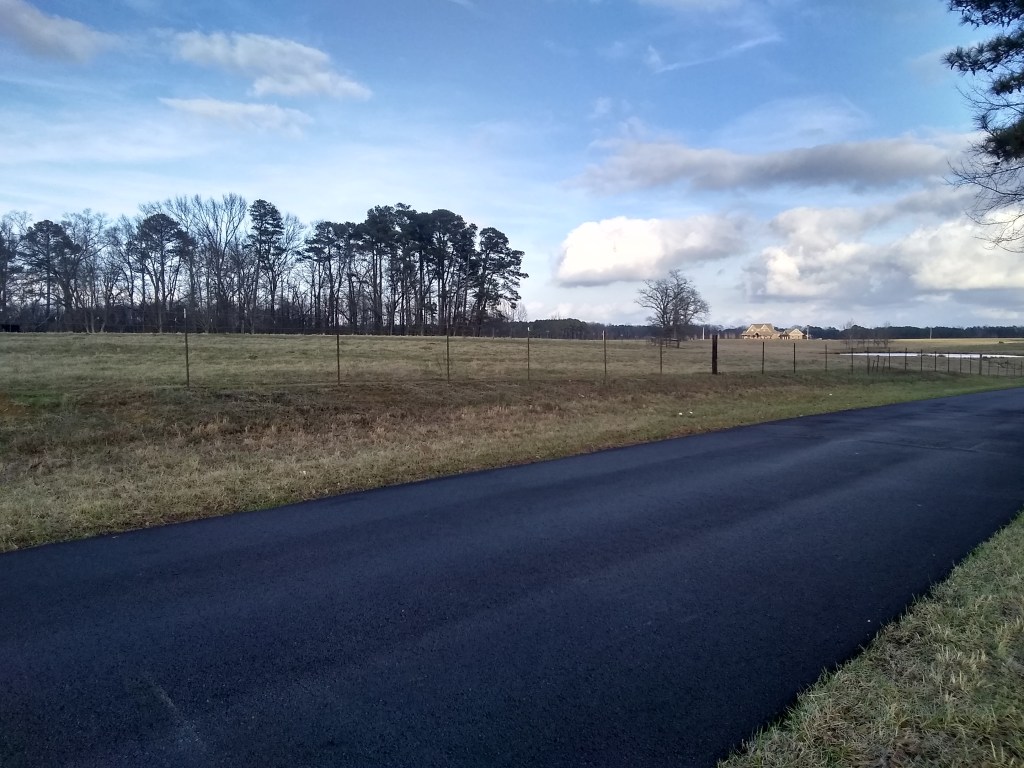
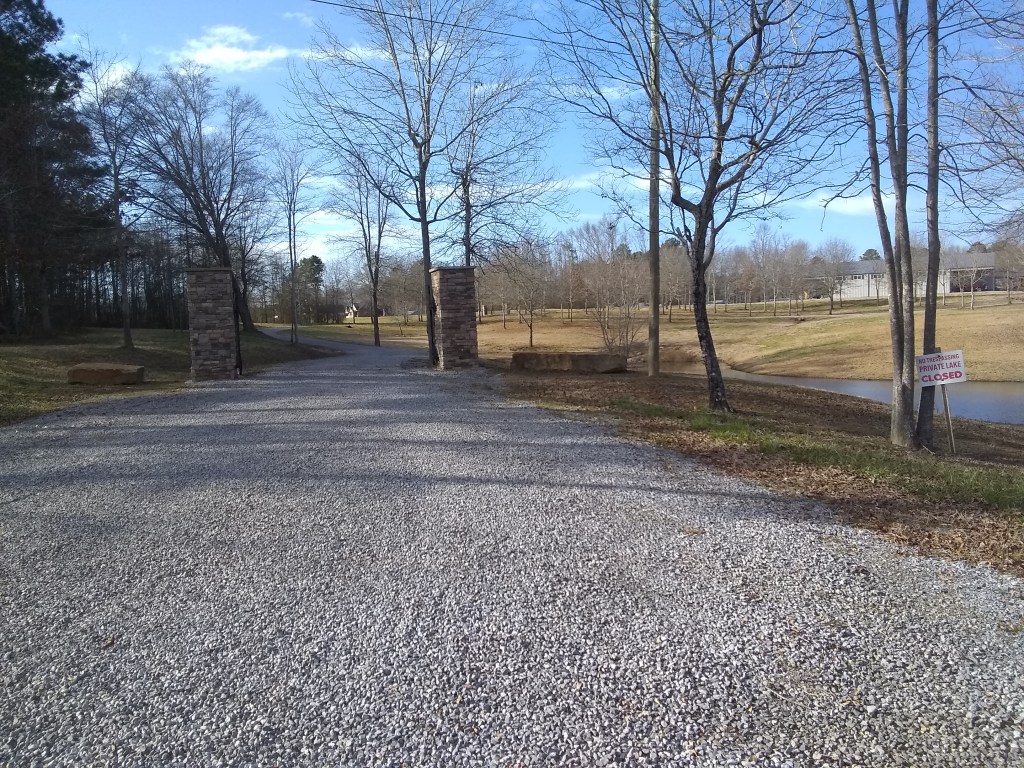
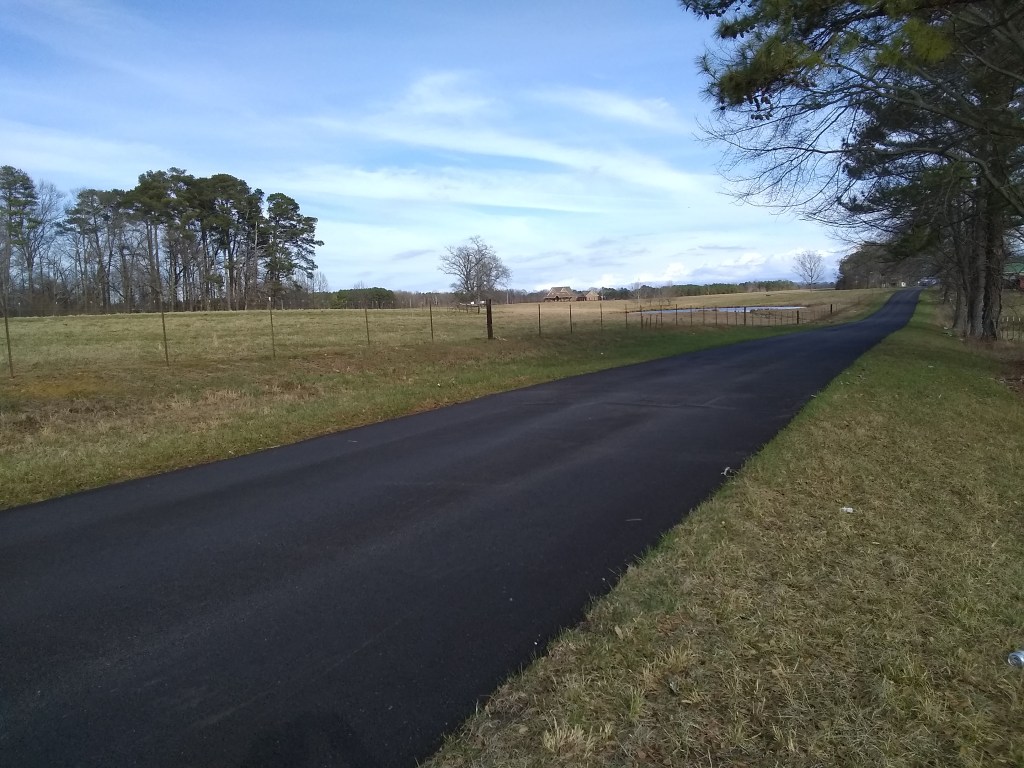
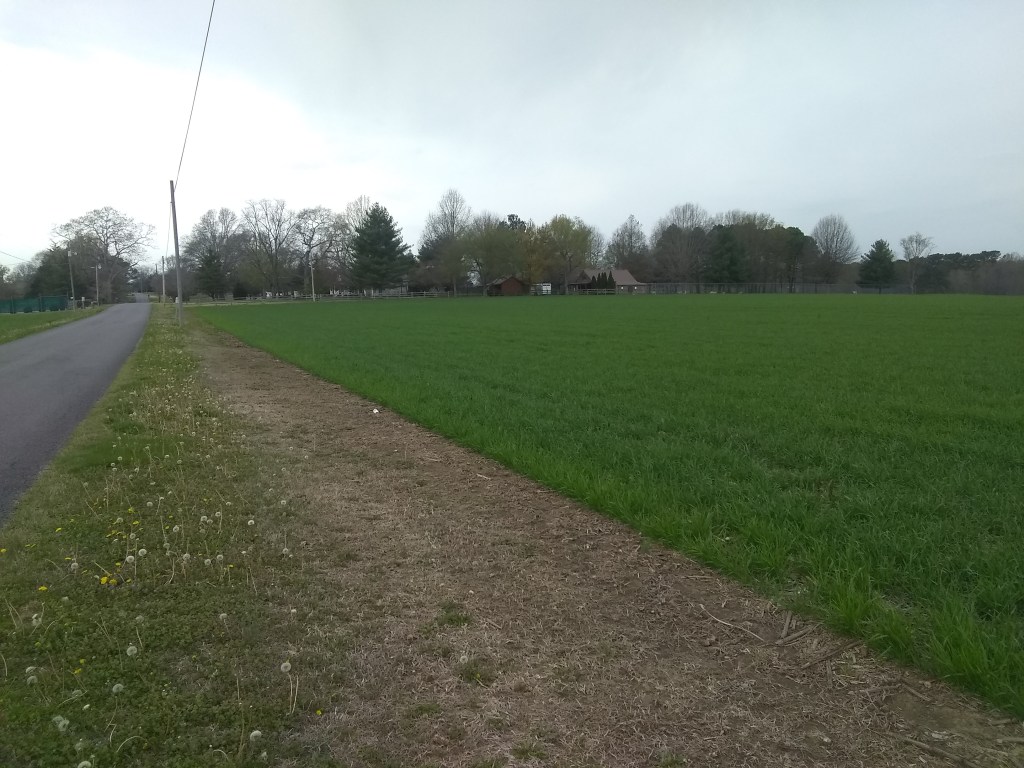
Here’s a few photos from previous riding adventures:






















 Richard L. Fricks