10/13/23 Biking & Listening

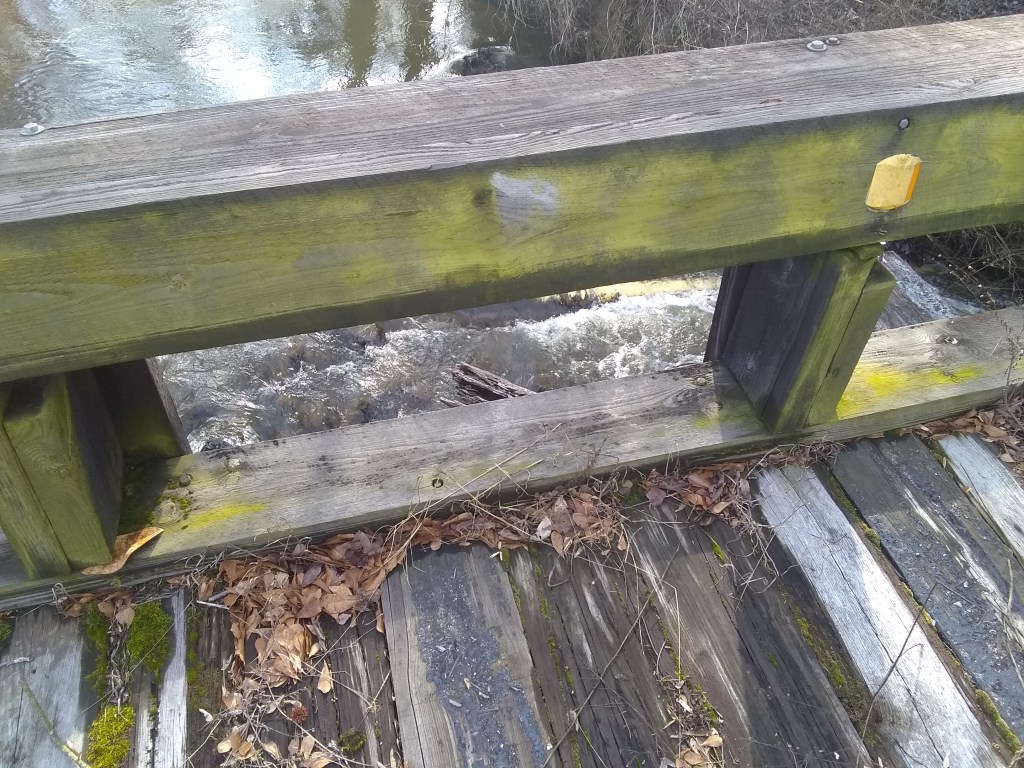
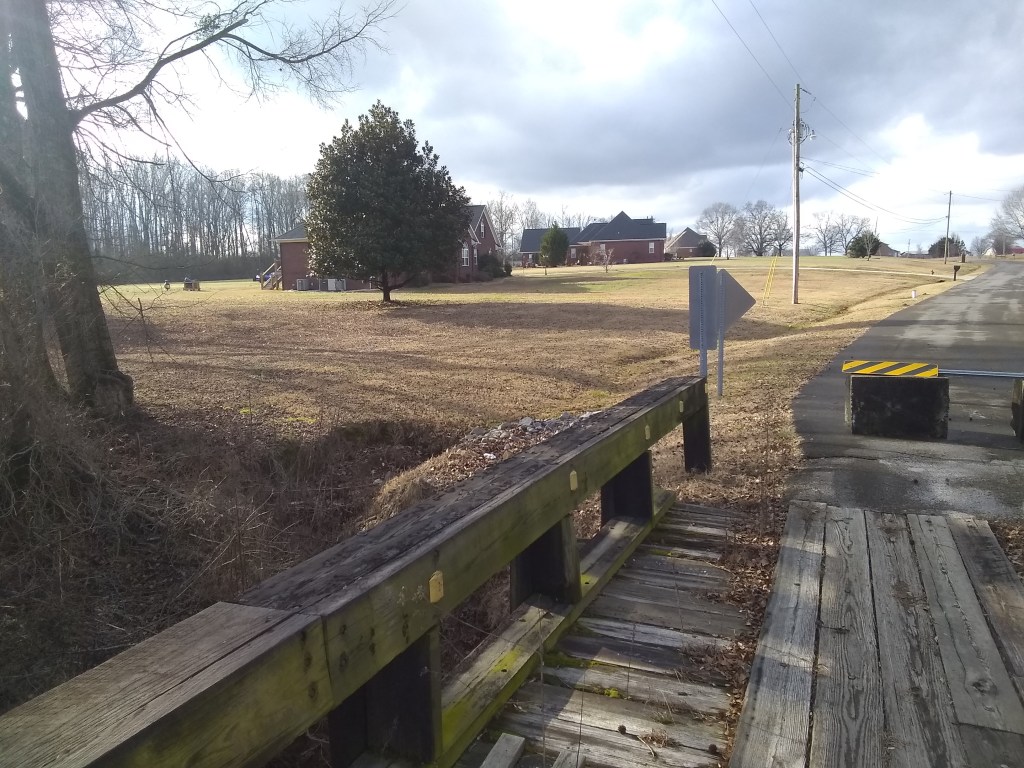
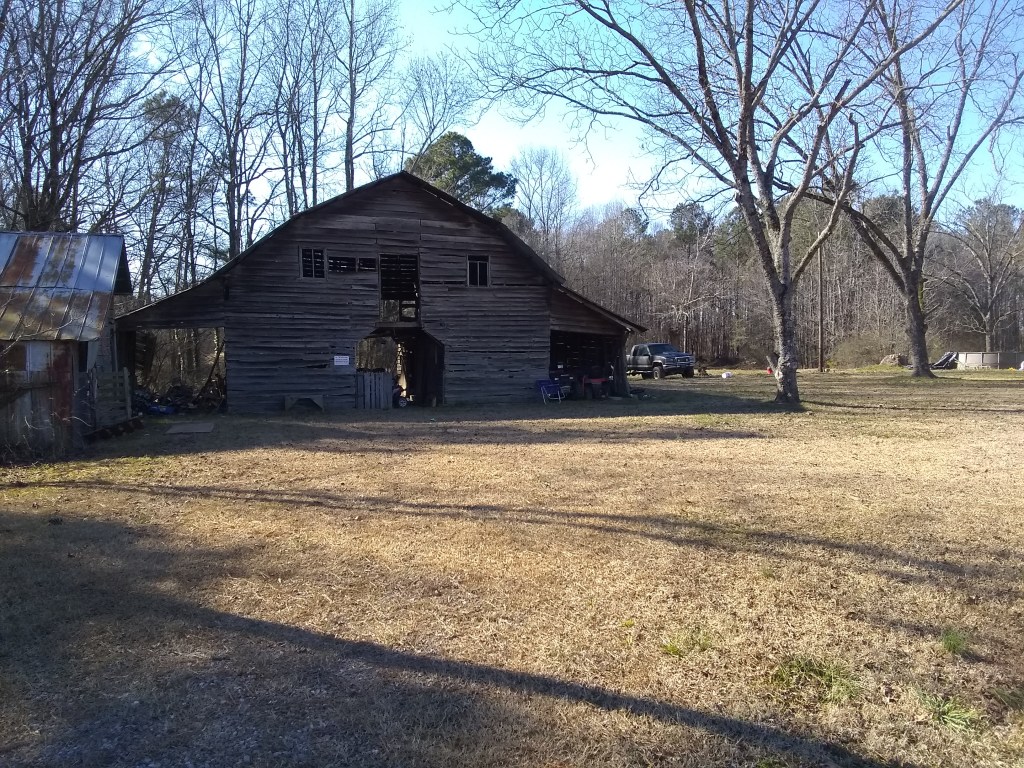
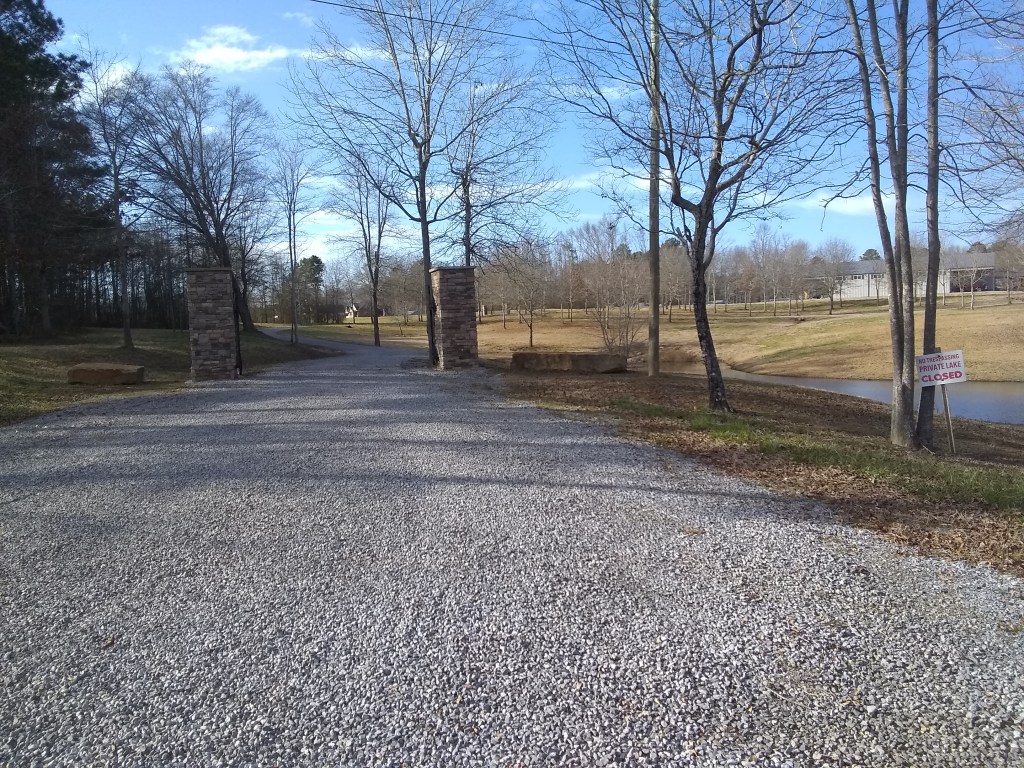
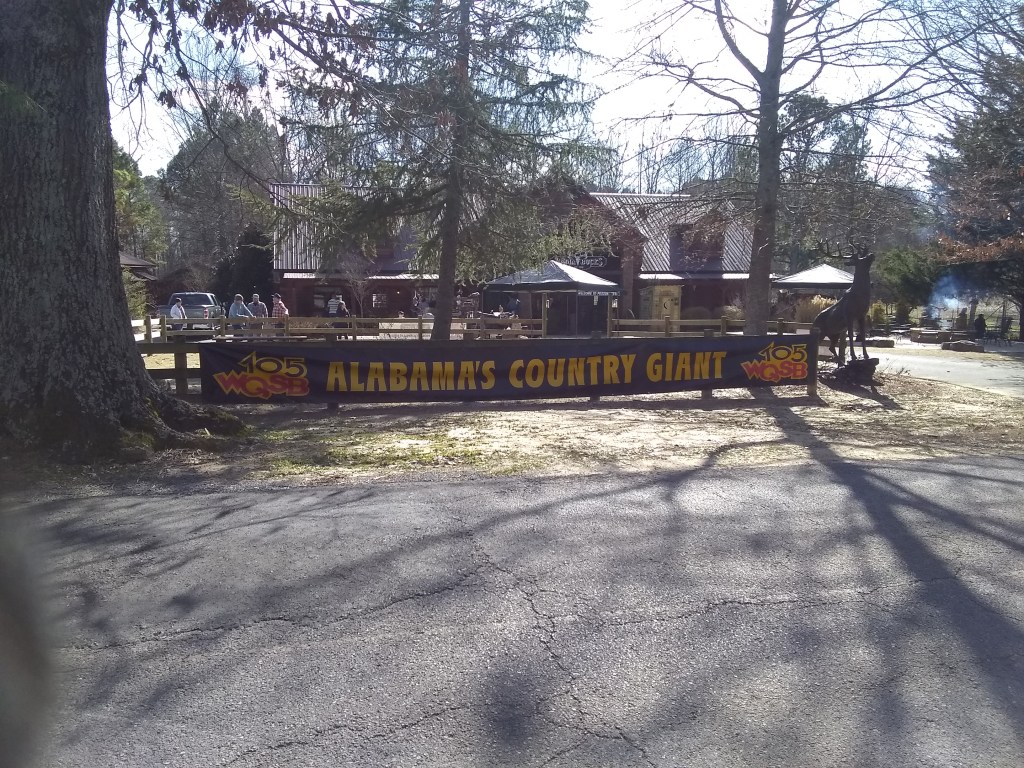
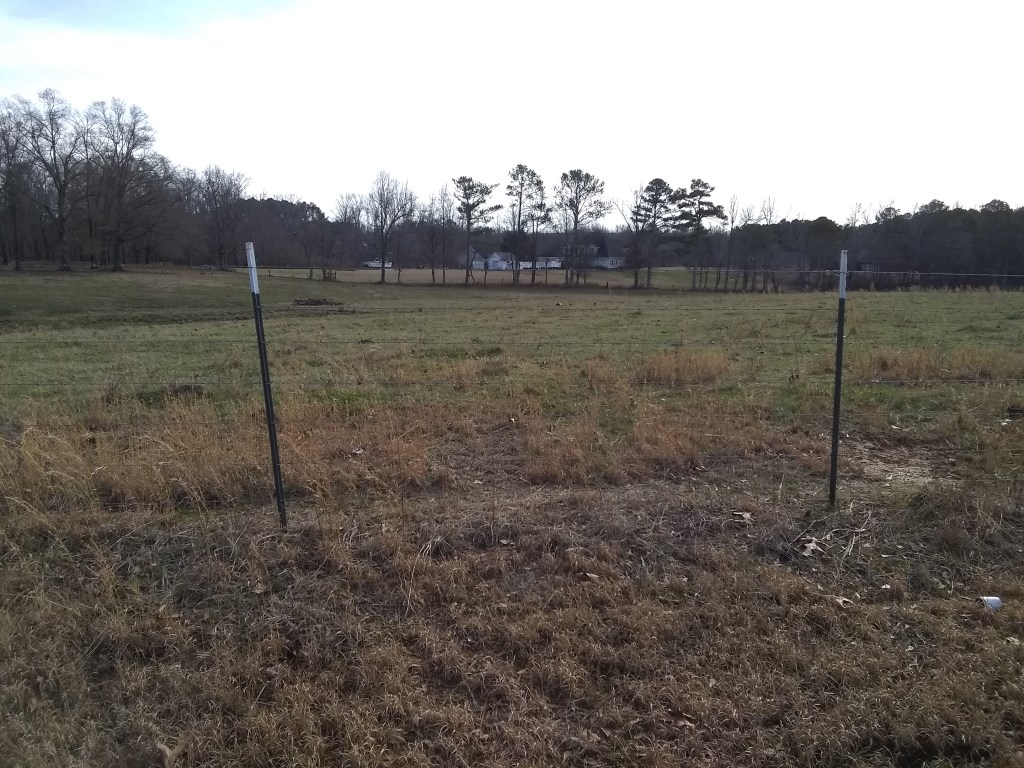
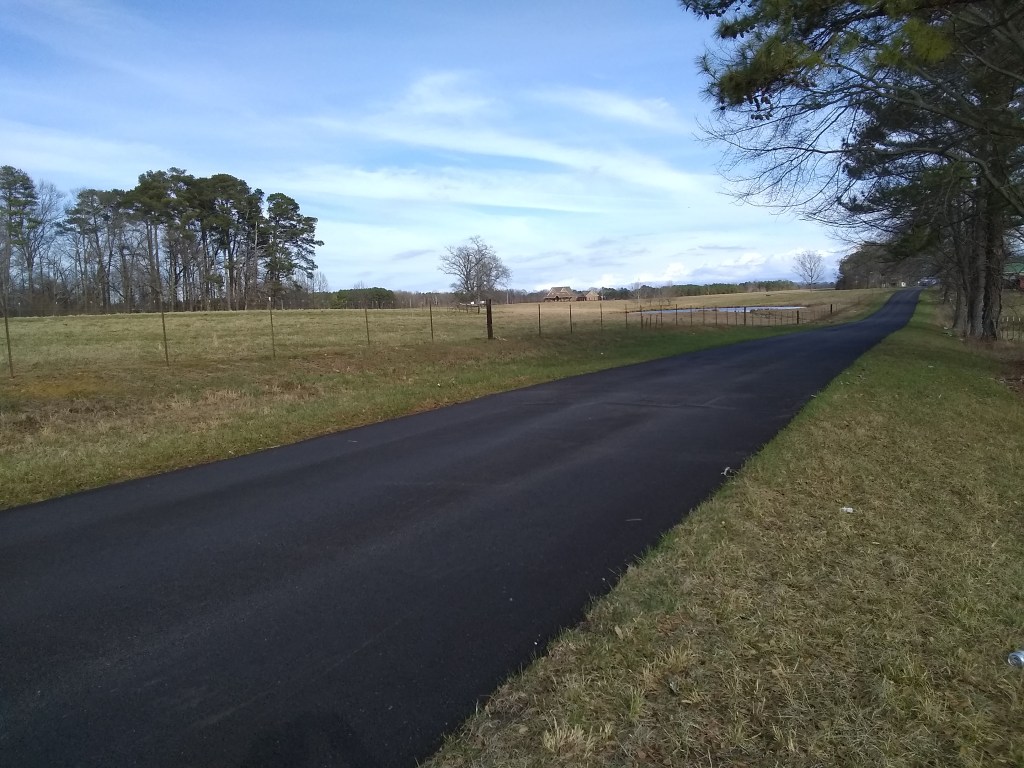
Here’s today’s bike ride.

Why I ride

Biking is something I both love and hate. The conflicting emotions arise from the undeniable physical effort it demands. However, this exertion is precisely what makes it an excellent form of exercise. Most days, I dedicate over an hour to my cycling routine, and in doing so, I’ve discovered a unique opportunity to enjoy a good book or podcast. The rhythmic pedaling and the wind against my face create a calming backdrop that allows me to fully immerse myself in the content. In these moments, the time spent on the bike seems worthwhile, as I can’t help but appreciate the mental and physical rewards it offers.

I especially like having ridden. The post-biking feeling is one of pure satisfaction. The endorphin rush, coupled with a sense of accomplishment, makes the initial struggle and fatigue worthwhile. As I dismount and catch my breath, I relish the sensation of having conquered the challenge, both physically and mentally. It’s a reminder that the things we sometimes love to hate can often be the ones that bring us the most fulfillment. In the end, the love-hate relationship with biking only deepens my appreciation for the sport, as it continually pushes me to overcome my own limitations and embrace the rewards that follow the effort.

My bike

A Rockhopper by Specialized. I purchased it November 2021 from Venture Out in Guntersville; Mike is top notch! So is the bike. The ‘old’ man seat was salvaged from an old Walmart bike (update: seat replaced, new photo to follow, someday).


Something to consider if you’re not already cycling.

I encourage you to start riding a bike, no matter your age. Check out these groups:

Cycling for those aged 70+(opens in a new tab)

Solitary Cycling(opens in a new tab)

Remember,

Photo by Suzy Hazelwood on Pexels.com

Memoir I’m listening to:

Spare by Prince Harry

Amazon abstract:

#1 NEW YORK TIMES BESTSELLER • Discover the global phenomenon that tells an unforgettable story of love, loss, and healing.

“Compellingly artful . . . [a] blockbuster memoir.”—The New Yorker

It was one of the most searing images of the twentieth century: two young boys, two princes, walking behind their mother’s coffin as the world watched in sorrow—and horror. As Princess Diana was laid to rest, billions wondered what Prince William and Prince Harry must be thinking and feeling—and how their lives would play out from that point on.

For Harry, this is that story at last.

Before losing his mother, twelve-year-old Prince Harry was known as the carefree one, the happy-go-lucky Spare to the more serious Heir. Grief changed everything. He struggled at school, struggled with anger, with loneliness—and, because he blamed the press for his mother’s death, he struggled to accept life in the spotlight.

At twenty-one, he joined the British Army. The discipline gave him structure, and two combat tours made him a hero at home. But he soon felt more lost than ever, suffering from post-traumatic stress and prone to crippling panic attacks. Above all, he couldn’t find true love. 

Then he met Meghan. The world was swept away by the couple’s cinematic romance and rejoiced in their fairy-tale wedding. But from the beginning, Harry and Meghan were preyed upon by the press, subjected to waves of abuse, racism, and lies. Watching his wife suffer, their safety and mental health at risk, Harry saw no other way to prevent the tragedy of history repeating itself but to flee his mother country. Over the centuries, leaving the Royal Family was an act few had dared. The last to try, in fact, had been his mother. . . .

For the first time, Prince Harry tells his own story, chronicling his journey with raw, unflinching honesty. A landmark publication, Spare is full of insight, revelation, self-examination, and hard-won wisdom about the eternal power of love over grief.


Novel I’m listening to:

Where the Crawdads Sing

Amazon abstract:

NOW A MAJOR MOTION PICTURE—The #1 New York Times bestselling worldwide sensation with more than 18 million copies sold, hailed by The New York Times Book Review as “a painfully beautiful first novel that is at once a murder mystery, a coming-of-age narrative and a celebration of nature.”

For years, rumors of the “Marsh Girl” have haunted Barkley Cove, a quiet town on the North Carolina coast. So in late 1969, when handsome Chase Andrews is found dead, the locals immediately suspect Kya Clark, the so-called Marsh Girl. But Kya is not what they say. Sensitive and intelligent, she has survived for years alone in the marsh that she calls home, finding friends in the gulls and lessons in the sand. Then the time comes when she yearns to be touched and loved. When two young men from town become intrigued by her wild beauty, Kya opens herself to a new life—until the unthinkable happens.

Where the Crawdads Sing is at once an exquisite ode to the natural world, a heartbreaking coming-of-age story, and a surprising tale of possible murder. Owens reminds us that we are forever shaped by the children we once were, and that we are all subject to the beautiful and violent secrets that nature keeps.

Podcasts I’m listening to:


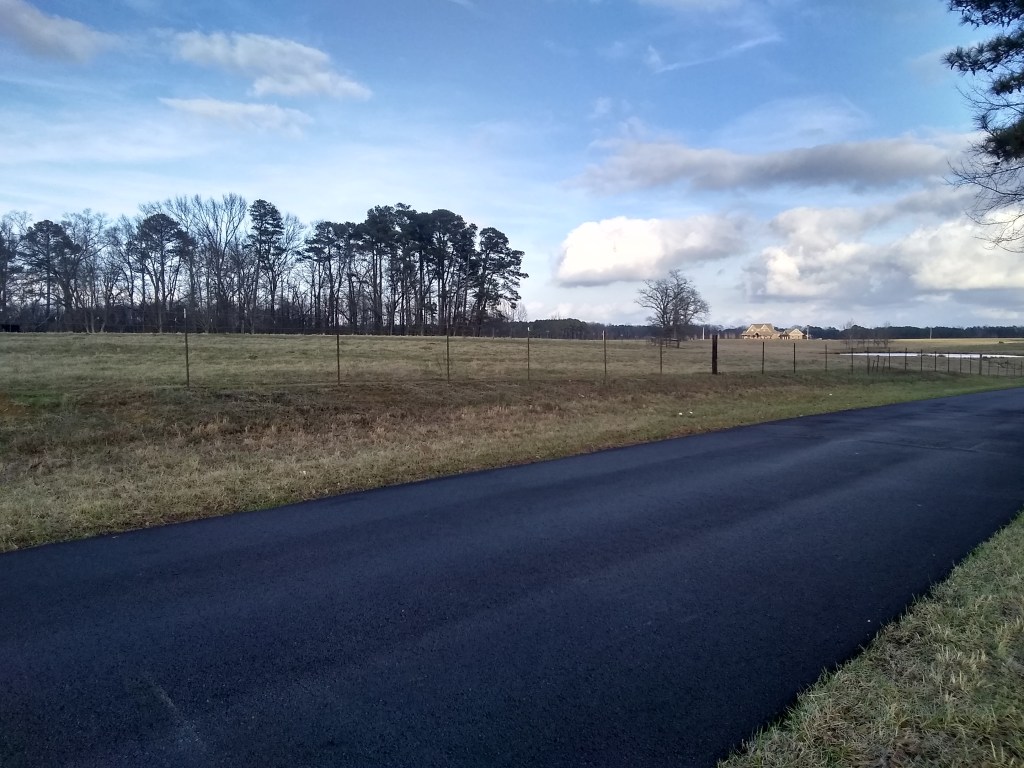
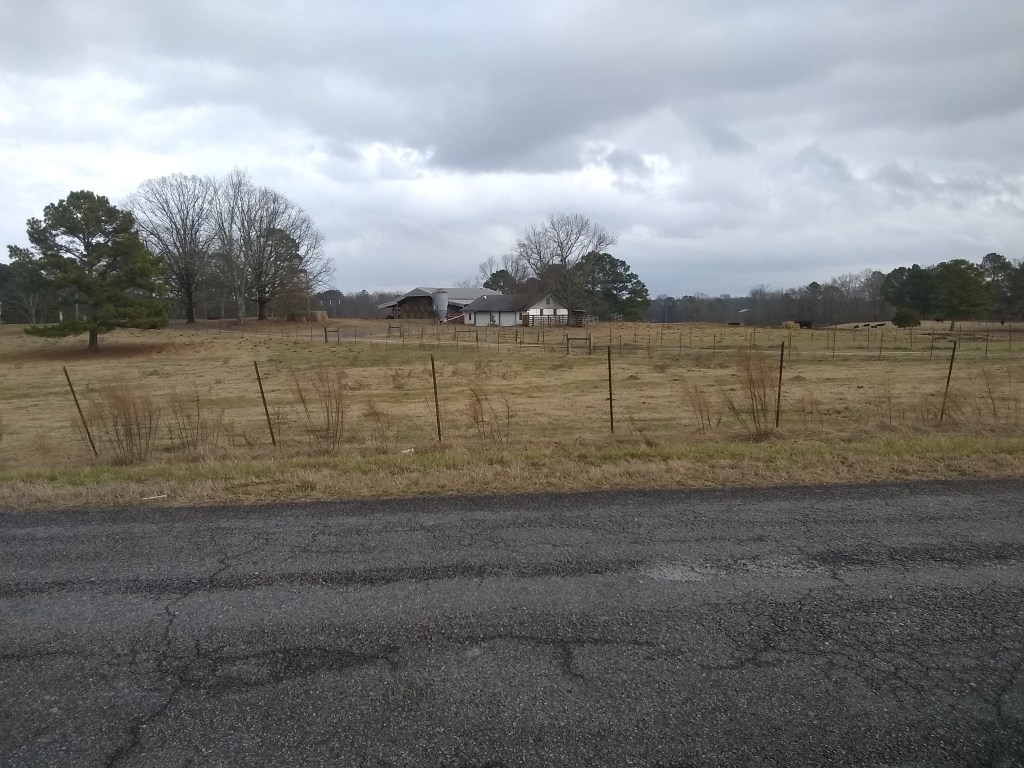
Here’s a few photos from along my pistol route:

The Lingering Death of the American Church, by Robert Conner

Here’s the link to this article.

By David Madison at 10/10/2023

In recent years a number of American states have passed legislation to open Lookback windows that extend the statute of limitations in cases of sexual assault. Vermont passed such a law in 2019, followed by Nevada and Louisiana in 2021, Colorado and Arkansas in 2022, and California, New York, and Maine in 2023. Lookback windows allow previously silent victims of sexual abuse to file civil claims that often result in substantial financial penalties for organizations that harbored sexual predators.

Faced with hundreds of claims for clergy sex abuse, in 2023 the Archdiocese of San Francisco and the Dioceses of Oakland and Santa Rosa, California, filed for Chapter 11 protection. According to reports, the Diocese of San Diego also plans to file for bankruptcy protection. Extending the statute of limitations for sexual assault, which Catholic leaders have vigorously opposed, has resulted in a bankruptcy stampede across the U.S.; since 2019, 6 of the 8 New York dioceses have filed for Chapter 11 protection.[1] Despite paying north of $3 billion to settle sexual abuse claims and enduring tidal waves of bad press, the culture of obstruction within the Catholic Church doesn’t appear to have materially changed. Mary Pat Fox, president of Voice of the Faithful, a group working to promote “transparency and accountability” in the Church, recently observed, “Just when we think we might be making strides in recovering from the clergy abuse crisis, we are reminded that the Church has not yet moved off the dime where clerical culture trumps the protection of our children and vulnerable adults.”[2]

Although the Catholic Church has earned its well-deserved reputation as an international viper’s nest of serial pedophile predators protected by their bosses, Protestant denominations are running a strong second place. Rarely a week passes without reports of arrests, indictments, and prison sentences for child pornography, solicitation of minors, and sexual assault by preachers, youth ministers, and teachers in Christian schools. Indeed, the frequency of such reports risks reducing them to a commonplace of public life, a form of national background noise. 

An extensive survey of sexual offenders in Protestant churches points out that there are 314,000 Protestant churches in the U.S. with 60 million members versus 17,000 Catholic parishes with 51 million members. Lacking the national hierarchical structure of the Catholic Church, “instances of sexual abuse within Protestant Christianity might appear isolated when they could be part of a larger overall pattern of offender and offending behaviors.” The author notes that “35 Southern Baptist ministers were hired at churches, despite being accused of sexual misconduct or abuse, demonstrating a pattern of institutional issues in responding to alleged sexual abuse.”[3] Given that there are 18 times as many Protestant churches as there are Catholic parishes, it would seem statistically likely, mutatis mutandis, that sexual abuse of children is more common in Protestant churches.

We do have to wonder why all this is happening—indeed, has been happening for a long time. Is it unrealistic to expect that those who become Christian clergy know Jesus in their hearts more perfectly than the rank-and-file of the congregations? But this Jesus-in-their-hearts fails to have the desired impact. The apostle Paul stated confidently that “…those who belong to Christ have crucified the flesh with its passions and desires” (Galatians 5:24). But Christianity doesn’t seem to work this way, does it? Is this just one of many goofs in the New Testament? We also have to wonder how the churches manage to survive, with the many ongoing scandals. 

Speaking of which…

Equally stunning, although nearly unreported in the national media, are the recent trends in Christian academia, epitomized by the fates of the top three evangelical seminaries in the U.S., Fuller, Trinity Evangelical, and Gordon-Conwell. Gordon-Conwell Theological Seminary saw enrollment decline from 1230 students in 2012 to 633 in 2021. According to news reports, the seminary plans to downsize and sell off a portion of its campus in order to continue operating. Fuller Theological Seminary and Trinity Evangelical Divinity School have been forced to consolidate their operations and cut faculty. “Since the 21st Century began, Gordon-Conwell’s FTE [full time equivalent] total is down 34%, Fuller’s by 48% and Trinity’s by 44%.”[4]

Seminaries have merged with other institutions in order to survive; McCormick Theological Seminary and the Lutheran School of Theology merged with the University of Chicago due to falling enrollment. After 66 years of operation, the Claremont School of Theology closed shop and moved to the campus of Westwood United Methodist Church in Los Angeles. Naturally, school officials have tried to put a positive spin on empty classrooms and vacant properties, but the handwriting is on the wall even if it’s gone from the blackboards — the era of the sprawling divinity school campus is over; both the money and the enrollment are drying up.

Other schools, such as Andover Newton Theological School, affiliated with the American Baptist Churches and the United Church of Christ, have closed completely. The roll call of the fallen now includes schools across the denominational spectrum: Iowa Wesleyan University, Cardinal Stritch University, Finlandia University, Holy Names University, Alliance University, Chatfield College, Alderson Broaddus University, Oregon’s Concordia College, Marymount California University, St. Louis Christian College, Ohio Valley University, and Holy Family College in Wisconsin. Other religious schools are planning to merge to save themselves, and failing that, to close.

Even prior to the pandemic, more churches closed annually than opened. The pandemic clearly accelerated that process, but the root cause is simple: “The biggest reason for church closings is a decline in church membership. A March poll from Gallup found that fewer than half (47%) of Americans say they belong to a church, synagogue or mosque, down from more than 70% in 2000.”[5] By current estimates, some 2.7 million people leave church each year in the U.S. and the problem for the American churches is compounded by another factor: “Of course the centre of gravity for global Christianity is shifting, with Asia, Latin America and Africa now the places where church growth is taking place.”[6]

The New Christendom is the global South, the area of the world widely considered to be the most vulnerable to the ravages of global warming, violent political movements, social instability, and the eruption of new epidemic disease, in the countries millions are desperately attempting to escape. Whatever the future holds for Christianity globally, its future in North America appears increasingly bleak.

For a broader discussion of these trends, see my book, The Death of Christian Belief.
 
Robert Conner is also the author of The Jesus Cult: 2000 Years of the Last DaysApparitions of Jesus: The Resurrection as Ghost StoryThe Secret Gospel of Markand Magic in Christianity: From Jesus to the Gnostics.


[1] Jonah McKeown, Catholic News Agency, July 24, 2023.
[2] Voice of the Faithful Statement, March 30, 2023.
[3] Andrew S. Denny, “Child Sex Abusers in Protestant Christian Churches: An Offender Typology,” Journal of Qualitative Criminal Justice & Criminology, 12/1, January 2, 2023.
[4] Richard Ostling, Get Religion, May 26, 2022.
[5] Yonat Shimron, religionnews.com, May 26, 2021.
[6] Bill Muehlenberg, Culture Watch, May 18, 2022.

Eudaimonia

Eudaimonia by Robert Waldinger from Zen and the Art of Living Well

Meaning and purpose come from transcending self-concern and caring for others.

In Zen and the Art of Living, Robert Waldinger—director of the Harvard Study of Adult Development, and a Zen teacher—explores what ancient wisdom and modern research tell us about “the building blocks of the good life that are hidden right here in plain sight.”

Robert draws on both his in-depth experience in Zen and the most up-to-date study findings to share insights and practices that can “help us through difficult times, and bring richness and joy to our everyday lives.”

Robert Waldinger is Professor of Psychiatry at Harvard Medical School, director of the Harvard Study of Adult Development at Massachusetts General Hospital, and cofounder of the Lifespan Research Foundation. Dr. Waldinger received his AB from Harvard College and his MD from Harvard Medical School. He is a practicing psychiatrist and psychoanalyst, and he directs a psychotherapy teaching program for Harvard psychiatry residents. He is also a Zen master (Roshi) and teaches meditation in New England and around the world. You can find out more at his website.

God and Girl–Chapter 27

God and Girl is my first novel, written in 2015. I'll post it, a chapter a day, over the next few weeks.

Dad spent the next several days fielding calls from concerned church members and fellow pastors from around the southeast, most of whom he had met as part of the ‘Take a Stand’ program.  They all wanted to know what had changed, what beliefs had changed.

He told the truth.  He said he now believed that homosexuality was not necessarily a sin, that it depended on the circumstances.  That if two men or two women truly loved each other, and their sexuality was not based on lust, how could this be sin.  If two people were head over hills in love and their sexuality was simply an expression of the trueness and pureness of that love, then again, how could this be sin.  

Dad told the callers that the church doesn’t get bent out of shape over the lust that exist in the lives of many heterosexual married couples. Yet, these sins are known to exist, more likely, they are rampant in the lives of Christian couples.  Also, the church seems to look away from scripture when it concerns divorce and adultery.  

Dad explained that he believes the church’s stance against homosexuality is tearing the church apart.  Many members believe it is not a sin.  But, more importantly, the reason young people are either leaving the church or are totally uninterested in the church at all, is because the church is seen to them as ancient and bigoted, unwilling to acknowledge evolution and science discoveries over the past 150 years.  Young people are much more accepting of evolution and distrusting of the Bible as a historical document.  They are aware there is growing scientific evidence that homosexuality is genetic and not simply a choice, a sinful choice. They are not buying into the argument at all that being born black is totally different than being a homosexual.

Dad stressed that the church must stop ignoring evolutionary science and its impact upon the veracity of certain scripture if it wants to remain something more than a dying institution.  Dad pointed out that it is imperative that churches be more open about scripture and how they came to be, and not to be afraid of acknowledging known errors and being open to future, undiscovered errors.  Dad always was open about how the existence of God was not dependent on whether the Bible was literally true down to every word.

If the caller asked, Dad told them about his plans to start a new type of church.  He would always close his conversation by thanking the caller and by asking for their prayers.

I was proud Dad let me listen to a lot of these calls.  It truly encouraged me.

Dad’s decision to resign and his plan to start a new church greatly influenced my own recovery.

After Ellen died in mid-November last year, I was unable to return to school.  I had no interest whatsoever in life, especially not school life.

But, real interest in what Dad was doing with his new church, New Visions, was somehow triggered.  I don’t know for sure what caused it, but I started going with Dad to work.  He had lucked out (or something helped him) when he was contacted by Ann from the Guntersville ‘Take a Stand’ march.  She had heard of Dad’s decision and asked to be a part of the new church.  Her and Gina, Ann’s partner, encouraged and persuaded a lot of their friends and acquaintances to give New Visions a chance.

Dad, with me by his side, would do everything to get the word out.  We became very active on social media.  We did interviews with radio stations and newspapers.  Scott at WBSA was very helpful in the early days, having us back on his talk show at least three times.

There was never a time New Visions didn’t have at least a few people present at the Sunday morning service.  It did come close.  Those present during the first service were Ann and Gina and their friends Karen and Tina, and Mom, Jacob, Rachel, Dad and me.  Then, starting the second week, our numbers went up exponentially, well, to the 25person level.  Weeks and weeks kept coming and going but attendance also kept growing.

Also, when Fall came back around, when I should have been starting the eleventh grade, I started the tenth grade for the second time.  Mom, on a light note, told me that not many smart young girls like me get to start their 10th grade year all over again.  I told her that made me sad, but I appreciated her attempt to make me happy.

I was able to start and finish the tenth grade.  I graduated with only one B, and that was in Biology.  Two years later I graduated high school.  I was proud of that, even though I was a little sad not being able to graduate with my classmates that I had been with for over nine years.  School, high school, was very difficult because everywhere I went I saw Ellen.  And, seeing Dr. Ayers almost every day nearly made me call 911.  That wasn’t her intention of course but it simply took my mind back to Ellen and her house, thinking of spending so many hours together working on Biology team-assignments, swimming, dancing, loving and sleeping.  Someway I didn’t crash because I knew Ellen would want me to be strong and to be strong for her Mom.  In a weird sort of way, Ellen was with me every step of the way.

And I had New Visions to remind me that if it hadn’t been for Ellen, it wouldn’t even be a thought.  Dad would likely have never resigned.  Because he would have never learned firsthand what love looks like between two young ladies.  I thank Ellen every day that she loved me and was not afraid to let the world around her know that she loved me.  Her love was, in a sense, stronger than God, the church, the Bible, and all of Dad’s years of allegiance. The pull of Dad’s former Christianity anchored him down so solidly in waters, dark and deep, that had him blinded to the world around him, had him blinded to the love of God that was trying to turn the world upside down again, just like it had over 2,000 years ago.  

Thank you, Ellen, Dad, and New Visions.  You enabled me to get up and walk forward every day during my second attempt at 10th grade and throughout the remaining two years of high school.  I owe you for this.  But, I also feel I’m not ready to fly.

10/12/23 Biking & Listening

Here’s today’s bike ride.

Why I ride

Biking is something I both love and hate. The conflicting emotions arise from the undeniable physical effort it demands. However, this exertion is precisely what makes it an excellent form of exercise. Most days, I dedicate over an hour to my cycling routine, and in doing so, I’ve discovered a unique opportunity to enjoy a good book or podcast. The rhythmic pedaling and the wind against my face create a calming backdrop that allows me to fully immerse myself in the content. In these moments, the time spent on the bike seems worthwhile, as I can’t help but appreciate the mental and physical rewards it offers.

I especially like having ridden. The post-biking feeling is one of pure satisfaction. The endorphin rush, coupled with a sense of accomplishment, makes the initial struggle and fatigue worthwhile. As I dismount and catch my breath, I relish the sensation of having conquered the challenge, both physically and mentally. It’s a reminder that the things we sometimes love to hate can often be the ones that bring us the most fulfillment. In the end, the love-hate relationship with biking only deepens my appreciation for the sport, as it continually pushes me to overcome my own limitations and embrace the rewards that follow the effort.

My bike

A Rockhopper by Specialized. I purchased it November 2021 from Venture Out in Guntersville; Mike is top notch! So is the bike. The ‘old’ man seat was salvaged from an old Walmart bike (update: seat replaced, new photo to follow, someday).


Something to consider if you’re not already cycling.

I encourage you to start riding a bike, no matter your age. Check out these groups:

Cycling for those aged 70+(opens in a new tab)

Solitary Cycling(opens in a new tab)

Remember,

Photo by Suzy Hazelwood on Pexels.com

Memoir I’m listening to:

Spare by Prince Harry

Amazon abstract:

#1 NEW YORK TIMES BESTSELLER • Discover the global phenomenon that tells an unforgettable story of love, loss, and healing.

“Compellingly artful . . . [a] blockbuster memoir.”—The New Yorker

It was one of the most searing images of the twentieth century: two young boys, two princes, walking behind their mother’s coffin as the world watched in sorrow—and horror. As Princess Diana was laid to rest, billions wondered what Prince William and Prince Harry must be thinking and feeling—and how their lives would play out from that point on.

For Harry, this is that story at last.

Before losing his mother, twelve-year-old Prince Harry was known as the carefree one, the happy-go-lucky Spare to the more serious Heir. Grief changed everything. He struggled at school, struggled with anger, with loneliness—and, because he blamed the press for his mother’s death, he struggled to accept life in the spotlight.

At twenty-one, he joined the British Army. The discipline gave him structure, and two combat tours made him a hero at home. But he soon felt more lost than ever, suffering from post-traumatic stress and prone to crippling panic attacks. Above all, he couldn’t find true love. 

Then he met Meghan. The world was swept away by the couple’s cinematic romance and rejoiced in their fairy-tale wedding. But from the beginning, Harry and Meghan were preyed upon by the press, subjected to waves of abuse, racism, and lies. Watching his wife suffer, their safety and mental health at risk, Harry saw no other way to prevent the tragedy of history repeating itself but to flee his mother country. Over the centuries, leaving the Royal Family was an act few had dared. The last to try, in fact, had been his mother. . . .

For the first time, Prince Harry tells his own story, chronicling his journey with raw, unflinching honesty. A landmark publication, Spare is full of insight, revelation, self-examination, and hard-won wisdom about the eternal power of love over grief.


Novel I’m listening to:

Where the Crawdads Sing

Amazon abstract:

NOW A MAJOR MOTION PICTURE—The #1 New York Times bestselling worldwide sensation with more than 18 million copies sold, hailed by The New York Times Book Review as “a painfully beautiful first novel that is at once a murder mystery, a coming-of-age narrative and a celebration of nature.”

For years, rumors of the “Marsh Girl” have haunted Barkley Cove, a quiet town on the North Carolina coast. So in late 1969, when handsome Chase Andrews is found dead, the locals immediately suspect Kya Clark, the so-called Marsh Girl. But Kya is not what they say. Sensitive and intelligent, she has survived for years alone in the marsh that she calls home, finding friends in the gulls and lessons in the sand. Then the time comes when she yearns to be touched and loved. When two young men from town become intrigued by her wild beauty, Kya opens herself to a new life—until the unthinkable happens.

Where the Crawdads Sing is at once an exquisite ode to the natural world, a heartbreaking coming-of-age story, and a surprising tale of possible murder. Owens reminds us that we are forever shaped by the children we once were, and that we are all subject to the beautiful and violent secrets that nature keeps.

Podcasts I’m listening to:


Here’s a few photos from along my pistol route:

Hedonic Well Being

Hedonic Well Being by Robert Waldinger from Zen and the Art of Living Well

“Much of what is tempting in the short term leads to suffering down the road.”

In Zen and the Art of Living, Robert Waldinger—director of the Harvard Study of Adult Development, and a Zen teacher—explores what ancient wisdom and modern research tell us about “the building blocks of the good life that are hidden right here in plain sight.”

Robert draws on both his in-depth experience in Zen and the most up-to-date study findings to share insights and practices that can “help us through difficult times, and bring richness and joy to our everyday lives.”

Robert Waldinger is Professor of Psychiatry at Harvard Medical School, director of the Harvard Study of Adult Development at Massachusetts General Hospital, and cofounder of the Lifespan Research Foundation. Dr. Waldinger received his AB from Harvard College and his MD from Harvard Medical School. He is a practicing psychiatrist and psychoanalyst, and he directs a psychotherapy teaching program for Harvard psychiatry residents. He is also a Zen master (Roshi) and teaches meditation in New England and around the world. You can find out more at his website.

God and Girl–Chapter 26

God and Girl is my first novel, written in 2015. I'll post it, a chapter a day, over the next few weeks.

The holidays came and went.  But, I kept on screaming, not every minute, but three or four times a day, like seasons of the year, my voice spewed a chorus against everyone and everything in my path, living or dead, but mostly against God.  I finally realized it was doing no good, especially my verbal anger against God; God couldn’t hear.  He was either non-existent, dead, or simply didn’t care.

As the cold and lifeless shouts of my mind fell silent, my heart grew still and heard the faint but undeniable whispers from Ellen’s beautiful lips.  Her words motivated me to return to my writing.  And, I kept on writing.  Unsurprisingly, poetry became my salvation, although sitting in front of the fireplace in the den didn’t hurt.  The burning wood allowed me frequent trips back to Mentone with Ellen sitting beside me in the yard of the Mountain Laurel Inn with Chaz and his band playing on the make-shift stage.  We held hands and fed each other sweet-potato pie, and laughed and danced and sang:

“Tonight’s the night and it feels so right

What my heart’s saying to me

You’re the one and I’ve waited so long

So, let your love flow through me

Oh baby ’cause it feels so good

We can be this close

You’ve got me up so high

I could fly coast to coast

Come on and touch me when we’re dancing

You know you’ve got that lovin’ touch

Oh, touch me when we’re dancing

I wanna feel you when I’m fallin’ in love.”

Those cold winter nights by the fire painted for me a portrait, one of Ellen and me by the fire, and taught me that our imaginations were one of the most powerful forces in the universe.  This portrait and its eternal chemistry with poetry were my true salvation during the darkest days of my life.

Another saving grace over the past several weeks had been my Dad, to my complete surprise.  I was not surprised by his sweet smiles, tender touch, and morning and evening ‘I love you.’

No, it was our talks that fed me, that nourished my soul when it was already dead from starvation. It all started with him listening to me.  He gave me the freedom to speak my heart and mind.  He encouraged me too.  He never condemned.  He never judged, even after I had laid out a detailed outline of my thoughts, I HATE GOD FOR WHAT HE HAS DONE TO ME, and I DOUBT THERE EVEN IS A GOD.  Of

course, my rationality was suffering right along with my faith.  Most days I made no sense at all, I’m sure, but Dad listened and, slowly, started to talk with me.

One day, I think it was in late January or early February, Dad came after supper and knocked on my door.  It was already late, but he wanted to talk, even asked me for my thoughts. It was Saturday night and I felt it a little strange that he wouldn’t be headed to his study to complete his final preparations for Sunday’s sermon.  I just figured he needed to work on some guilt he was feeling for being away.  He had left the past Wednesday morning for a pastor’s conference in Nashville.  Mom told me later that he was in a cabin on Lindsey Lake in David Crockett State Park in Lawrenceburg, Tennessee. She said that Dad changed his mind as he was driving to Nashville and made his detour, saying that he needed a few days alone to think and make some sense out of his life.

I thought this was very odd for Dad, the man with the plan, the man with God’s plan.  As Dad sat down in Granny Brown’s rocking chair beside my bed, I told him I hoped he had a good time alone.  I told him I was proud that he had taken a little time for himself.

“Thanks honey.  The time was very rewarding.  The cold days out in the woods and by the lake killed off a lot of germs I have been unknowingly carrying around for quite some time.  The warm nights sitting alone by the fireplace resurrected buried feelings and beliefs that all men and women are on the same journey and that each of us have a responsibility to love and respect everyone, never judging, and always offering that cool drink of water.”  Dad said.

“Sounds like fireplaces have a way of transporting us to truth, reality, things that really matter.” I said.

“You are absolutely right.  Honey, I wanted you to be the second person to know that I have decided to resign as pastor of First Baptist Church.  When I was leaving my cabin, I called your Mom and told her.  It was a long phone call.  We talked nearly the entire time I was driving back.  I made her promise she would not tell you.”  Dad said.

“Why Dad?  What is going on?  What is making you do this?” I asked.

“I, like you, am on a journey to truth.  I have spent the past several weeks questioning everything I believe.  I have read and researched widely, even pulling out a lot of my materials from seminary.  You may faint when I tell you this, because it is unlike anything you have ever heard from my mouth.  I no longer believe the Bible is without error.  In fact, I believe it contains a lot of errors.

For example.  In the King James Version, Daniel 3:25 should read “a son of the gods” and not “the Son of God.”  Obviously, inserted to promote Jesus and Christianity.  First John 5:7-8 is clearly man-made. Pressure from the Catholic church caused Erasmus to add this Trinitarian formula (“in heaven, the Father, the Word, and the Holy Spirit, and these three are one. And there are three that testify on earth”). 

Again, inserted to promote the trinity and Christianity.

And, a very big error is found in Mark.  The original ending was: “Do not be alarmed. You seek Jesus of Nazareth, who was crucified. He has risen; he is not here. See the place where they laid him. But go, tell his disciples and Peter that he is going before you to Galilee. There you will see him, just as he told you.  And they went out and fled from the tomb, for trembling and astonishment had seized them, and they said nothing.”  But, our church fathers didn’t like this ending because it said nothing about Jesus being seen after his resurrection. So, a human mind made up a new ending.  The King James editors included it in their Bible: 

“Now when he rose early on the first day of the week, he appeared first to Mary Magdalene, from whom he had cast out seven demons. She went and told those who had been with him, as they mourned and wept. But when they heard that he was alive and had been seen by her, they would not believe it. After these things, he appeared in another form to two of them, as they were walking into the country. And they went back and told the rest, but they did not believe them.

Afterward he appeared to the eleven themselves as they were reclining at the table, and he rebuked them for their unbelief and hardness of heart, because they had not believed those who saw him after he had risen. And he said to them, ‘Go into all the world and proclaim the gospel to the whole creation. Whoever believes and is baptized will be saved, but whoever does not believe will be condemned. And these signs will accompany those who believe: in my name, they will cast out demons; they will speak in new tongues; they will pick up serpents with their hands; and if they drink any deadly poison, it will not hurt them; they will lay their hands on the sick, and they will recover.’ So, then the Lord Jesus, after he had spoken to them, was taken up into heaven and sat down at the right hand of God. And they went out and preached everywhere, while the Lord worked with them and confirmed the message by accompanying signs.”

There are hundreds more errors in the Bible, things that rational people cannot explain away, that all reasonable people would conclude are errors.  A lot of these errors I learned about in seminary, but of course the professors didn’t call them errors.  They always had a way to explain these ‘oddities’ that reconciled with the Bible as the Word of God.

I can no longer, in good conscience, stand before a congregation and proclaim that the Bible is God’s Word, Holy Word, without error.

If the Bible is untrue in some areas, why isn’t it untrue when it comes to homosexuality?  Since we know a man, a human mind, added his own words to Bible manuscripts, how do we know that a human didn’t write-in his own hatred for homosexuals?  Whether this happened or not, I have been wrong in my stance against homosexuality.  I now have proof, living proof, real evidence, of how wonderful and beautiful a relationship between two young ladies can be.  Honey, you and Ellen, unknowingly, were probably my greatest teachers.  It was your relationship that got me to thinking.  How can homosexuality be a sin if it produces such love, such caring, such joy, such peace, such real romance?

The Bible teaches that sin has awful consequences.  The Bible never teaches that sin produces such beauty and wonder. Of course, it argues that sin, for a season, seems fun, but that is irrelevant in our case.  I know beyond doubt that your love for Ellen and her love for you will last forever.

I’ve also been reading your book, Why Evolution is True, along with a ton of related articles.  I now know why you believe evolution is true.  It seems rather ignorant not to believe that it is the best, and only, reasonable explanation science has for all living things and all things that have died.

The Bible is supposed to lay out the creation story.  As you clearly know, Genesis says God created Adam and Eve in His image on day 6, instant creation.  But, you also know that this just isn’t true.  Man has evolved over millions of years, sharing a common ancestor with apes and chimps.

I simply can no longer preach with my head in the sand.  I can no longer deny the truth like, so many Christians are doing, including well-respected theologians, such as John K. Pullman.  In 2008, he wrote the forward to a book titled, ‘God or Science: Do We have a Choice?’ Pullman is clearly wrong when he says “evolution is a guess.  It is just a hypothesis.”  

His stock value drops to near zero for me with this statement.  He chooses to ignore 99% of all real scientists.  They would all say that “evolution is a fact.”  And they could point to mountains of evidence to SHOW it is true. 

Pullman also said, ‘the biblical narratives of creation don’t obviously say anything that bears one way or another on the question of whether the evolutionary hypothesis might be true or not.’

Pullman obviously ignores the plain reading of Genesis as it clearly describes God creating Adam and Eve on a certain day–the plain reading is that these are normal length days.  The Genesis creation story is directly opposed to evolution.  Genesis obviously has lots to say that relates directly to evolution.  Pullman also is ignorant when he labels evolution a hypothesis.  He doesn’t understand the scientific meaning of hypothesis.  Evolution was much closer to that status in Darwin’s day.  Today, 150 years after Darwin, it has leaped into fact status.  Most scientists would say that ‘evolution is a fact’ just like ‘gravity is a fact.’ 

Pullman is typical in that he totally ignores the reality of science.  He knows an honest investigation would reveal his Bible creation story is far, far from reality.  He realizes–though never openly admitting it–that his hypothesis that the Bible is true, totally true, is losing ground fast, that the hypothesis, in fact, is no longer a viable hypothesis.  The evidence is in, and it reveals that the hypothesis has been proven false.  It must therefore be abandoned.  Pullman will never do this.  He will continue to crawl to higher ground, ground that is forming a tall, tall point, with no plane to stand on, no flat ground to pitch a nice tent.  When he reaches the point, the peak of the mountain, he will have to admit, at least to himself, that there is no more higher ground.

Pullman’s ignorance, and his attitude towards his ignorance–and the many others similarly situated–is likely one of the main reasons younger generations are either abandoning the church/Bible, or not in any way drawn to or interested in it.  Their minds being shaped and formed the way they are–let’s just say, minds that are rational/reasonable–forbid them from adopting opposite positions on the same topic.  They realize there is simply too much evidence from science to conclude that evolution is simply a hypothesis, that the first man and woman were Adam and Eve, and that they were created, instantly, by a God, that is either powerless to help millions of suffering children in the world, or worse yet, a God that simply doesn’t care.

Again, I no longer can stand before our congregation and lie. 

But, I don’t want you to think I no longer believe in God or think the Bible isn’t a great work of literature.  I just know that I have miles and miles to go before I truly know God.  But, I believe there is truth to be found.” Dad said.

“What will you do Dad?  I mean after you resign?”  I said.

“I want to start a new church, for want of a better name.”  Dad said. “I want a place that welcomes all, no matter their beliefs, no matter their color, no matter their sexual orientation, no matter why they have been marginalized before.  I want a place where we celebrate life. Life is love, it is literature, it is poetry, it is the sun, moon and stars, it is rainbows and mountain streams.  Life is our imagination and our curiosity. It is my hope that my new ‘church’ will be a place that people find community, a place to gather with friends and family, a place to sing, a place to pray if that is what they want, a place to love and be loved, a place of acceptance, a place without judgment, a place to worship and serve the true and living God.”  Dad said.

“Wow, you truly are a radical dad.  A radical for truth and freedom, real religious freedom.  I love it and want to be a part of it.” I said.

“Of course, you can. You will be my top adviser.  I mean it.  Honey, thanks for listening and thanks even more for opening my eyes and triggering my curiosity and imagination.  You launched me onto a great adventure.  We can search together.”  Dad said.

Dad said good-night around 2:30 a.m.  Surprisingly, I felt sad.  Does Dad know what he is getting into?  He is a Southern Baptist pastor in the heart of the Bible belt, the infamous bigoted Alabama.  I’m afraid he is soon to find out what real Christian love is all about.

Sunday morning at 11:00 a.m. came quickly.  I was at home as I have been every Sunday since Ellen died.  I turned to our local TV station and sat by the fire.

Dad was bold and confident as he stood before a packed sanctuary.  He preached a sermon of love and forgiveness, acceptance without judgment, a message, humans of every color and creed, would enjoy, a message from humanity about humanity.  A short message and an even shorter resignation: “It is a great day when a man or a woman wakes up to new truths, a new life.  Real life means full agreement between inner beliefs and outer walk.  For over 15 years, I have had a real life with you and this church because I have walked a walk totally consistent with what I felt and believed in my mind and heart.  And now, I must begin a new journey, a new walk, because how I feel and what I believe have changed and therefore now conflict with what the Bible says and what most of you hold dear to your hearts. I consider you as an extension of my family, many of you are friends.  I love each one of you with all my heart. I want us to remain family and friends.  Separation from family and friends is never easy and always brings sadness.  And, it is with a heavy load of sadness that I resign as your pastor effective immediately.  May God’s blessings be on you.”

With that I turned off the TV.  That’s the way I wanted to remember Dad the last time he stood before the church that he had loved and led so courageously for over 15 years, my entire life.


10/11/23 Biking & Listening

Here’s today’s bike ride.

Why I ride

Biking is something I both love and hate. The conflicting emotions arise from the undeniable physical effort it demands. However, this exertion is precisely what makes it an excellent form of exercise. Most days, I dedicate over an hour to my cycling routine, and in doing so, I’ve discovered a unique opportunity to enjoy a good book or podcast. The rhythmic pedaling and the wind against my face create a calming backdrop that allows me to fully immerse myself in the content. In these moments, the time spent on the bike seems worthwhile, as I can’t help but appreciate the mental and physical rewards it offers.

I especially like having ridden. The post-biking feeling is one of pure satisfaction. The endorphin rush, coupled with a sense of accomplishment, makes the initial struggle and fatigue worthwhile. As I dismount and catch my breath, I relish the sensation of having conquered the challenge, both physically and mentally. It’s a reminder that the things we sometimes love to hate can often be the ones that bring us the most fulfillment. In the end, the love-hate relationship with biking only deepens my appreciation for the sport, as it continually pushes me to overcome my own limitations and embrace the rewards that follow the effort.

My bike

A Rockhopper by Specialized. I purchased it November 2021 from Venture Out in Guntersville; Mike is top notch! So is the bike. The ‘old’ man seat was salvaged from an old Walmart bike (update: seat replaced, new photo to follow, someday).


Something to consider if you’re not already cycling.

I encourage you to start riding a bike, no matter your age. Check out these groups:

Cycling for those aged 70+(opens in a new tab)

Solitary Cycling(opens in a new tab)

Remember,

Photo by Suzy Hazelwood on Pexels.com

Memoir I’m listening to:

Spare by Prince Harry

Amazon abstract:

#1 NEW YORK TIMES BESTSELLER • Discover the global phenomenon that tells an unforgettable story of love, loss, and healing.

“Compellingly artful . . . [a] blockbuster memoir.”—The New Yorker

It was one of the most searing images of the twentieth century: two young boys, two princes, walking behind their mother’s coffin as the world watched in sorrow—and horror. As Princess Diana was laid to rest, billions wondered what Prince William and Prince Harry must be thinking and feeling—and how their lives would play out from that point on.

For Harry, this is that story at last.

Before losing his mother, twelve-year-old Prince Harry was known as the carefree one, the happy-go-lucky Spare to the more serious Heir. Grief changed everything. He struggled at school, struggled with anger, with loneliness—and, because he blamed the press for his mother’s death, he struggled to accept life in the spotlight.

At twenty-one, he joined the British Army. The discipline gave him structure, and two combat tours made him a hero at home. But he soon felt more lost than ever, suffering from post-traumatic stress and prone to crippling panic attacks. Above all, he couldn’t find true love. 

Then he met Meghan. The world was swept away by the couple’s cinematic romance and rejoiced in their fairy-tale wedding. But from the beginning, Harry and Meghan were preyed upon by the press, subjected to waves of abuse, racism, and lies. Watching his wife suffer, their safety and mental health at risk, Harry saw no other way to prevent the tragedy of history repeating itself but to flee his mother country. Over the centuries, leaving the Royal Family was an act few had dared. The last to try, in fact, had been his mother. . . .

For the first time, Prince Harry tells his own story, chronicling his journey with raw, unflinching honesty. A landmark publication, Spare is full of insight, revelation, self-examination, and hard-won wisdom about the eternal power of love over grief.


Novel I’m listening to:

Where the Crawdads Sing

Amazon abstract:

NOW A MAJOR MOTION PICTURE—The #1 New York Times bestselling worldwide sensation with more than 18 million copies sold, hailed by The New York Times Book Review as “a painfully beautiful first novel that is at once a murder mystery, a coming-of-age narrative and a celebration of nature.”

For years, rumors of the “Marsh Girl” have haunted Barkley Cove, a quiet town on the North Carolina coast. So in late 1969, when handsome Chase Andrews is found dead, the locals immediately suspect Kya Clark, the so-called Marsh Girl. But Kya is not what they say. Sensitive and intelligent, she has survived for years alone in the marsh that she calls home, finding friends in the gulls and lessons in the sand. Then the time comes when she yearns to be touched and loved. When two young men from town become intrigued by her wild beauty, Kya opens herself to a new life—until the unthinkable happens.

Where the Crawdads Sing is at once an exquisite ode to the natural world, a heartbreaking coming-of-age story, and a surprising tale of possible murder. Owens reminds us that we are forever shaped by the children we once were, and that we are all subject to the beautiful and violent secrets that nature keeps.

Podcasts I’m listening to:


Here’s a few photos from along my pistol route:

The Pursuit of Happiness

The Pursuit of Happiness by Robert Waldinger from Zen and the Art of Living

In a busy and complicated world, how can we live a good life?

In Zen and the Art of Living, Robert Waldinger—director of the Harvard Study of Adult Development, and a Zen teacher—explores what ancient wisdom and modern research tell us about “the building blocks of the good life that are hidden right here in plain sight.”

Robert draws on both his in-depth experience in Zen and the most up-to-date study findings to share insights and practices that can “help us through difficult times, and bring richness and joy to our everyday lives.”

Robert Waldinger is Professor of Psychiatry at Harvard Medical School, director of the Harvard Study of Adult Development at Massachusetts General Hospital, and cofounder of the Lifespan Research Foundation. Dr. Waldinger received his AB from Harvard College and his MD from Harvard Medical School. He is a practicing psychiatrist and psychoanalyst, and he directs a psychotherapy teaching program for Harvard psychiatry residents. He is also a Zen master (Roshi) and teaches meditation in New England and around the world. You can find out more at his website.

God and Girl–Chapter 25

God and Girl is my first novel, written in 2015. I'll post it, a chapter a day, over the next few weeks.

I opened my eyes and saw Mom.  It was as if I was looking through a foggy window pane.  I had never seen her look so sad.

“Honey, I am so, so sorry about Ellen.”

I lay my head back on the pillow and looked straight up at the ceiling.  I couldn’t think.  Ellen, gone?  I had been praying in the Chapel. Why?  I was so tired from sleeping on the floor.  Her Father?  He had been here earlier?  “She’s gone.”  Had he said this?  He had.

“No, no, no,” I screamed.

Mom lay beside me and held me close, tight, kissing my forehead.  

“Baby, all I know to say is I’m so, so sorry and that I am here for you. Oh, my baby, scream if you need to.  I love you.”

Through my tears, screaming, yelling, and I think a ‘damn you God,’ I heard Dad’s muffled voice. “Baby, I’m here, in all ways, in every way I can. I love you and I hope you know I will always be here for you.”

Lying in bed, unable to get up, Mom told me that her and Dad got the call early, around 5:00 a.m., and rushed immediately to the hospital.  I was in the Chapel with the Ayer’s.  We all hugged and cried and cried more.  Then, Dr. Spears and Dr. Baker, and Dr. Thornhill all came in.  They said that Ellen had died around 4:20 a.m. and that she had died peacefully, without pain.

Mom said that Dr. Thornhill had said the biopsy results showed that Ellen’s brain tumor was malignant.  He said that she probably had been showing signs for several weeks, but they would have been basically undetected, symptoms of a headache, maybe a light dizzy spell.  He did say that it is possible that she had a dizzy spell when she was driving, even passed out, and that may have been the cause of her accident.

Mom said I fell apart when I recalled that Ellen had run her bike in a ditch on the side of the road in Mentone.  Dr. Spears had ordered the nurse to give me a sedative.  Mom and Dad had brought me home and put me to bed.

I spent the rest of Saturday on the couch in the den.  Dad had gone out to have my prescription filled, strong narcotics.  I slept most of the day, dazed, depressed, and so very lonely.  It was good that the meds closed me off from reality.

Sunday morning, we all met at Carr Funeral Home to see Ellen one last time.  Her family was very private, and they didn’t want a traditional Alabama funeral, just a simple viewing and a memorial attended only by close friends and family.

I have little memory of what happened after I ate three spoons of Mom’s potato soup late Saturday afternoon, up until now, as we walk into the Chapel at Carr Funeral Home. I do seem to recall Ryan, Lisa, and Sarah coming by the house, but I don’t know when.

“Are you holding up?” Mom asked as we walked down the aisle toward Ellen’s casket and her Mom and Dad standing, looking down, holding each other.

“You are holding me up, Mom.  I have no strength and no desire to live.”  I said.

We made it to the front and the Ayers turned and hugged me, both crying, wailing. “We love you Ruthie.”  Mrs. Ayers said. “Ellen loved you so very much.  She came alive after she met you.  The two of you were our special angels.”  The Ayers walked away and left Mom and me and Dad and Rachel and Jacob alone, besides Ellen’s casket.

I turned and looked down at her. “Oh, oh, Ellen,” I moaned. I suffocated.  I couldn’t stand.  Mom and Dad and Rachel and Jacob all held me, propped me up.  I gasped for breath.

“She isn’t dead, she can’t be.  Ellen, get up. I’m here.” I touched her hands and pulled back suddenly, frightened.  Death, so this is what death feels like?  She was so cold.  Her hands were stiff, cold, lifeless.  Ellen was dead.  She was gone.  She was still so beautiful.  Her face, her long black curly hair, her lips, but she wouldn’t open her eyes. Oh baby, show me your eyes, let me look once more into your baby blue eyes.  I moaned, I couldn’t breathe.  “I can’t live without Ellen.  Carry me with you.”

I wanted to die.  I became so angry.  I hated this world.  Kill me, please kill me.  Help me God.  God damn-it.  God, how could you be so cruel?  You killed my Ellen.  You hate me, and I hate you.”  I said.

I was and am fortunate to have parents who are really in-tune, at least at times.  During my entire ‘losing it’ episode, my family just loved me.  They didn’t ever say, stop, or that’s not necessary, or that I shouldn’t be acting this way, at least not here.  But, they had a good sense about them that what was happening to me was natural, a response to the death of a loved one.  Of course, they couldn’t ever imagine how much I loved Ellen.  Only she knew how I truly felt.

And, now she was gone.

After I had screamed and cried, and shouted and cussed all I could, with every ounce of energy and life I had in me, Mom and Dad led me, upheld me, out and to the car and home and to my bedroom and to my bed.  Whether it was the absolute best or not, they mercifully fed me my meds and I slide and sunk down the vertical chute into the cave, deep, deep away from this world, up besides little Ella.  I say this now imagining, but then, as the meds kicked in, all thought had ceased, and I just floated away.

Again, I slept the rest of the day, all night, and until 10:00 Monday morning.  Mom later told me that around midnight I had woke up and said I was hungry and that I asked for cold pizza and was shivering from swimming.  She said I must have been hallucinating from the drugs.  

I sat in the car at the cemetery.  I didn’t have the desire to be with anyone, not my family or the Ayer’s.  I wanted to be alone with Ellen.  Mom had agreed to leave me in the car, but she stood about half way in between me and Ellen’s grave-site where everyone had gathered.  As soon as everyone left, or at least moved away, Mom came back for me as agreed.  The Ayers and the funeral home guys had agreed not to lower Ellen’s casket after the service, not until I had my time. Mom and Dad led me to Ellen, and left me and her, alone.

“Oh baby, I am here.  This can’t be happening.  This is a dream, a nightmare.  Honey, we must go back to Mentone, to our Rock, to our old red barn.  I love you my baby.  I can’t make it without you.  What am I to do?  Why are you leaving me here?  Why?  Oh, why?  I’m sorry I let you down.  I should have noticed something was wrong, especially when you ran off the road with your bike.  Forgive me.”

I kept on talking out loud to my Ellen, my baby, for a very long time.  Then, it started to rain, not heavy, but a steady rain.

“Ellen, I want to stay here but they won’t let me.  I’ll come tomorrow, and we can talk.  We will spend time together tomorrow, and we can touch.  Before I go, let me have one more dance.  Ellen, dance with me.  Dance with me like we did in Mentone, like we have so many times.”

Listen, my baby, and dance with me.

I don’t remember if I just spoke these words out-loud or whether I sang them, but Ellen and I did dance, our dance, that dance that only we could.  We were back in her car, windows down, singing with the radio as it played “Come Away with Me,” by Norah Jones, on our way home from Mentone, Sunday, just a week ago:

“Come away with me in the night

Come away with me

And I will write you a song

Come away with me on a bus

Come away where they can’t tempt us, with their lies

I want to walk with you

On a cloudy day

In fields where the yellow grass grows knee-high

So, won’t you try to come

Come away with me and we’ll kiss

On a mountaintop

Come away with me

And I’ll never stop loving you

And I want to wake up with the rain

Falling on a tin roof

While I’m safe there in your arms

So, all I ask is for you

To come away with me in the night

Come away with me

And all I ask is for you to come away with me in the night.”

As the rain fell, harder now, I collapsed in a ball beside Ellen, lifeless except for my fingernails scraping the side of her casket.  Finally, as the clouds drew darker and darker, as though night fell like a foggy blanket way before the proper time, Mom and Dad came and gathered me up in their arms. As they tried leading me, I collapsed again during my first step.

“Leave me here. Leave.  You two please leave.  Leave me alone and never come back, I half screamed, half whispered, fully crying.”

“Darling, it is time to go home.”

Dad picked me up and carried me like a baby back to our car, me screaming for Ellen the whole way home.