
Biking is something else I both love and hate. It takes a lot of effort but does provide good exercise and most days over an hour to listen to a good book or podcast. I especially like having ridden.
Here’s my bike, a Rockhopper by Specialized. I purchased it November 2021 from Venture Out in Guntersville; Mike is top notch! So is the bike, and the ‘old’ man seat I salvaged from an old Walmart bike.

Here’s a link to today’s bike ride.
Something to consider if you’re not already cycling.
I encourage you to start riding a bike, no matter your age. Check out these groups:
Cycling for those aged 70+(opens in a new tab)
Solitary Cycling(opens in a new tab)
Remember,
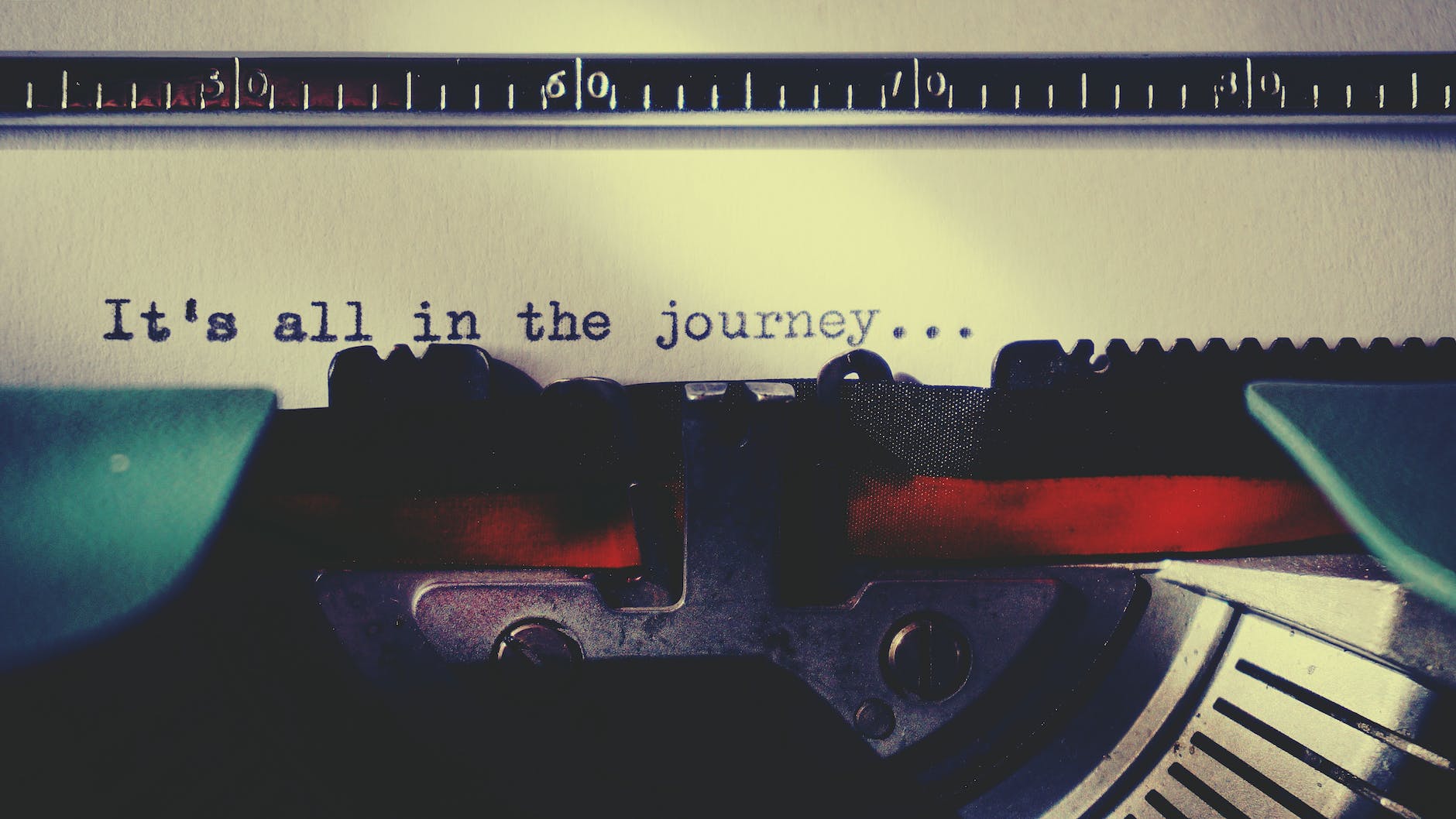
From Sam Harris’ Waking Up APP–The Factors of Awakening
Rick Hanson & Sam Harris
Sam speaks with Rick Hanson, a clinical psychologist, researcher, and author. They discuss Rick’s path from sixties counterculture to mainstream psychology; the neuroscience of mindfulness; “the happy medium” between dualistic and non-dualistic approaches to meditation; psychedelics and spiritual development; learning as a two-step process; categories of anxiety; strategies for calming panic attacks; inward- vs. outward-oriented mindfulness practices; the merits and liabilities of the traditional guru-disciple relationship; and other topics.
Here’s a novel I’m listening to: The Dictionary of Lost Words, by Pip Williams
I’m on my second listen, not sure exactly why.

Amazon abstract:
NEW YORK TIMES BESTSELLER • REESE’S BOOK CLUB PICK • “Delightful . . . [a] captivating and slyly subversive fictional paean to the real women whose work on the Oxford English Dictionary went largely unheralded.”—The New York Times Book Review
“A marvelous fiction about the power of language to elevate or repress.”—Geraldine Brooks, New York Times bestselling author of People of the Book
Esme is born into a world of words. Motherless and irrepressibly curious, she spends her childhood in the Scriptorium, an Oxford garden shed in which her father and a team of dedicated lexicographers are collecting words for the very first Oxford English Dictionary. Young Esme’s place is beneath the sorting table, unseen and unheard. One day a slip of paper containing the word bondmaid flutters beneath the table. She rescues the slip and, learning that the word means “slave girl,” begins to collect other words that have been discarded or neglected by the dictionary men.
As she grows up, Esme realizes that words and meanings relating to women’s and common folks’ experiences often go unrecorded. And so she begins in earnest to search out words for her own dictionary: the Dictionary of Lost Words. To do so she must leave the sheltered world of the university and venture out to meet the people whose words will fill those pages.
Set during the height of the women’s suffrage movement and with the Great War looming, The Dictionary of Lost Words reveals a lost narrative, hidden between the lines of a history written by men. Inspired by actual events, author Pip Williams has delved into the archives of the Oxford English Dictionary to tell this highly original story. The Dictionary of Lost Words is a delightful, lyrical, and deeply thought-provoking celebration of words and the power of language to shape the world.
WINNER OF THE AUSTRALIAN BOOK INDUSTRY AWARD
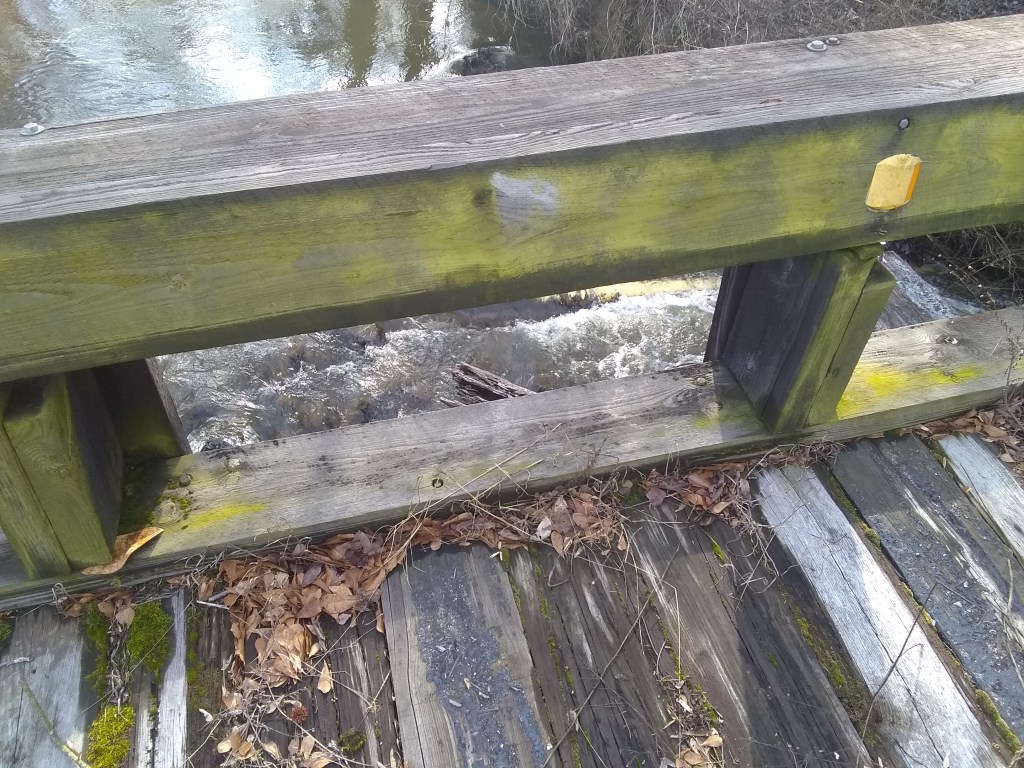
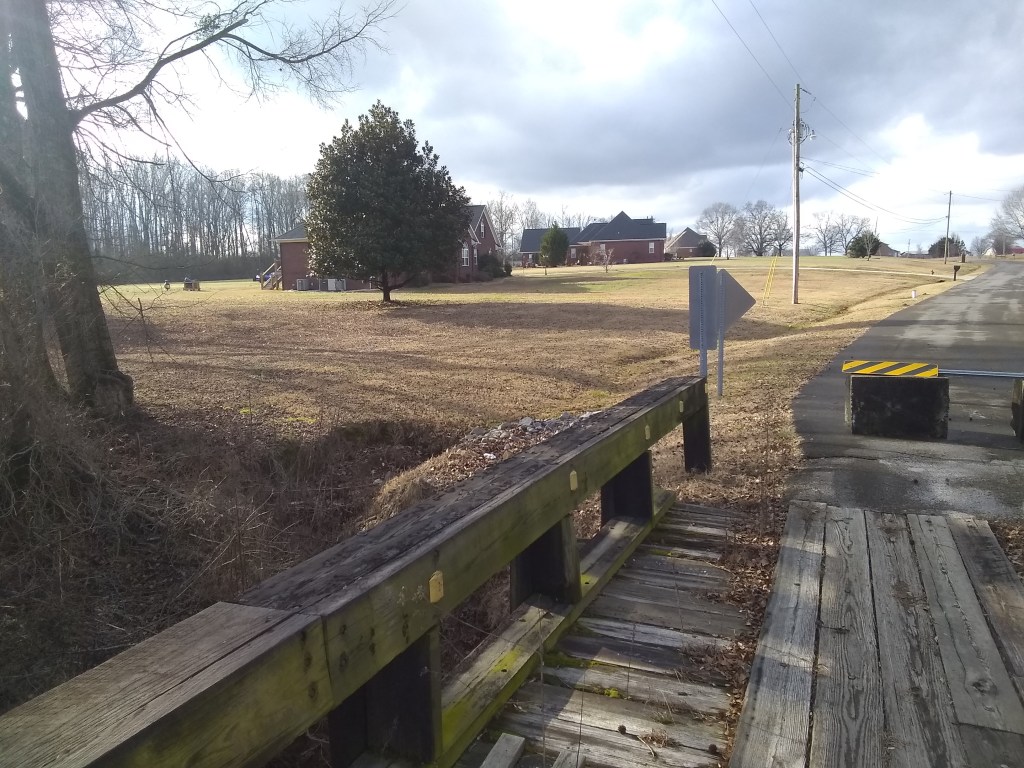
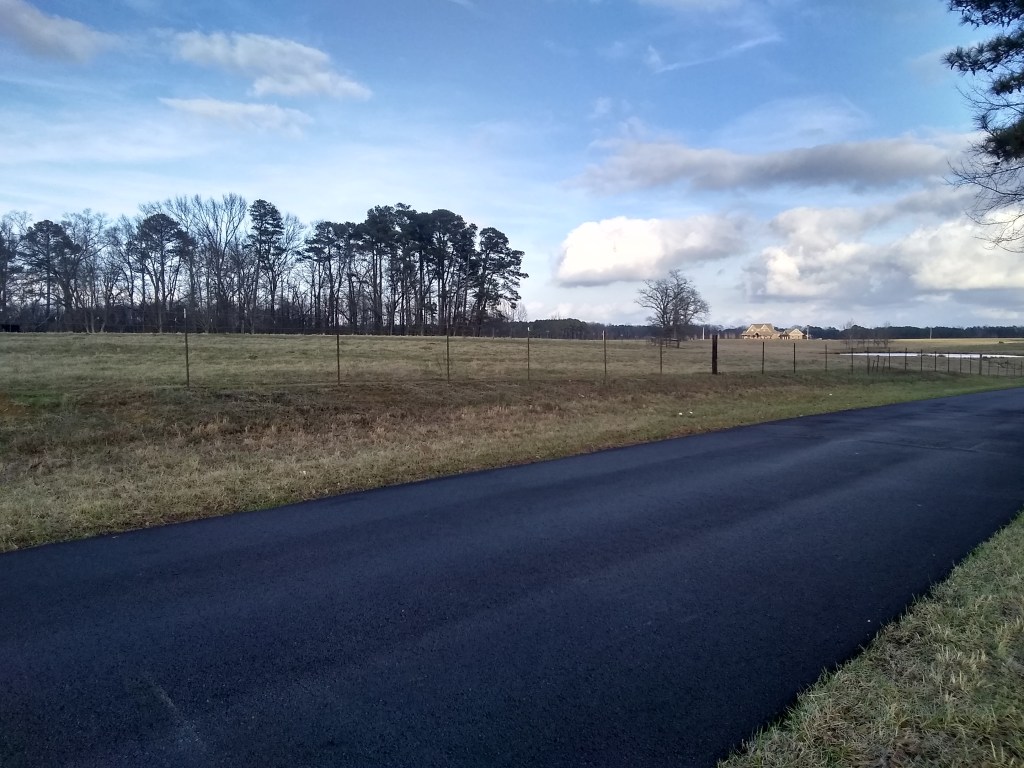
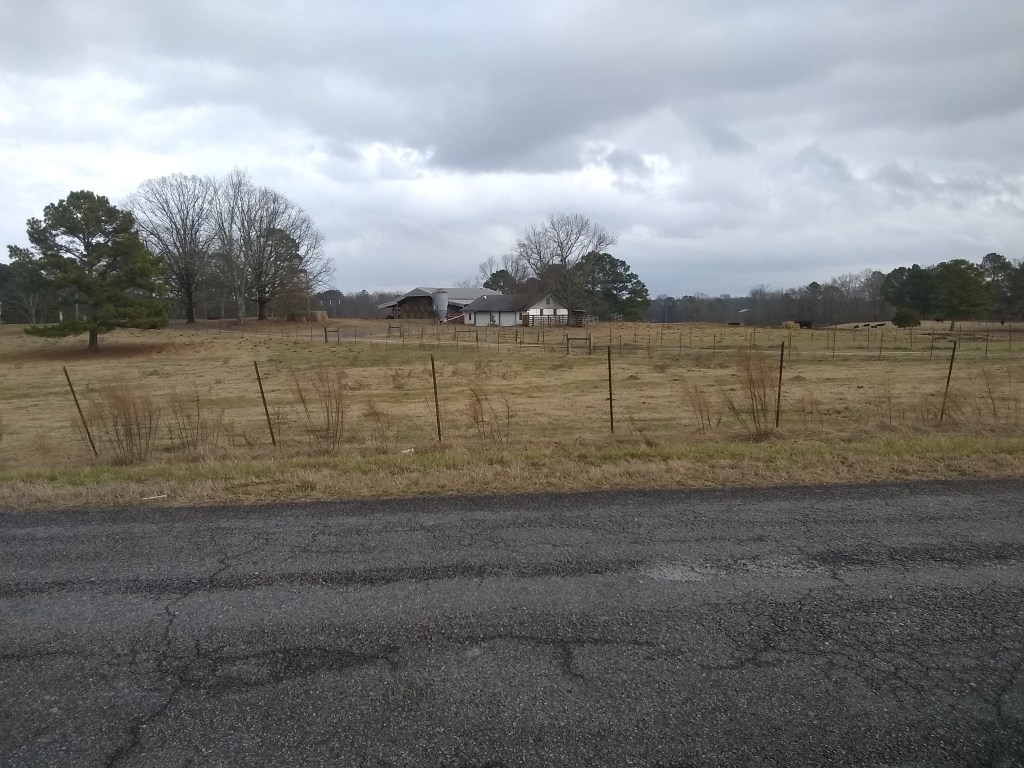
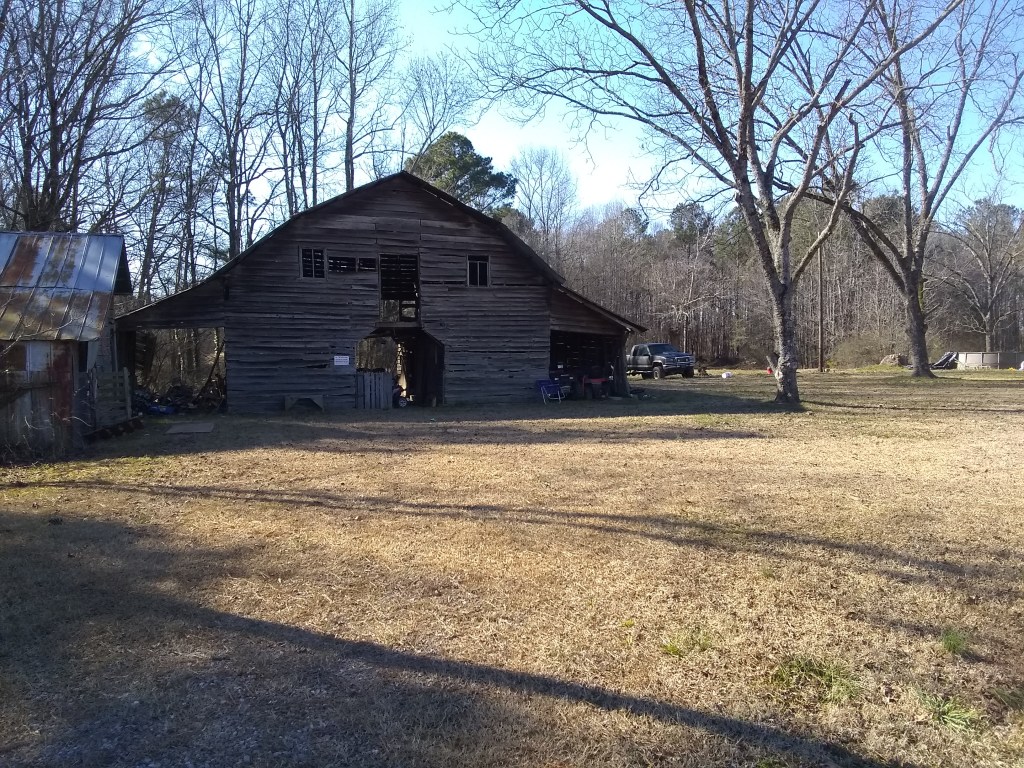
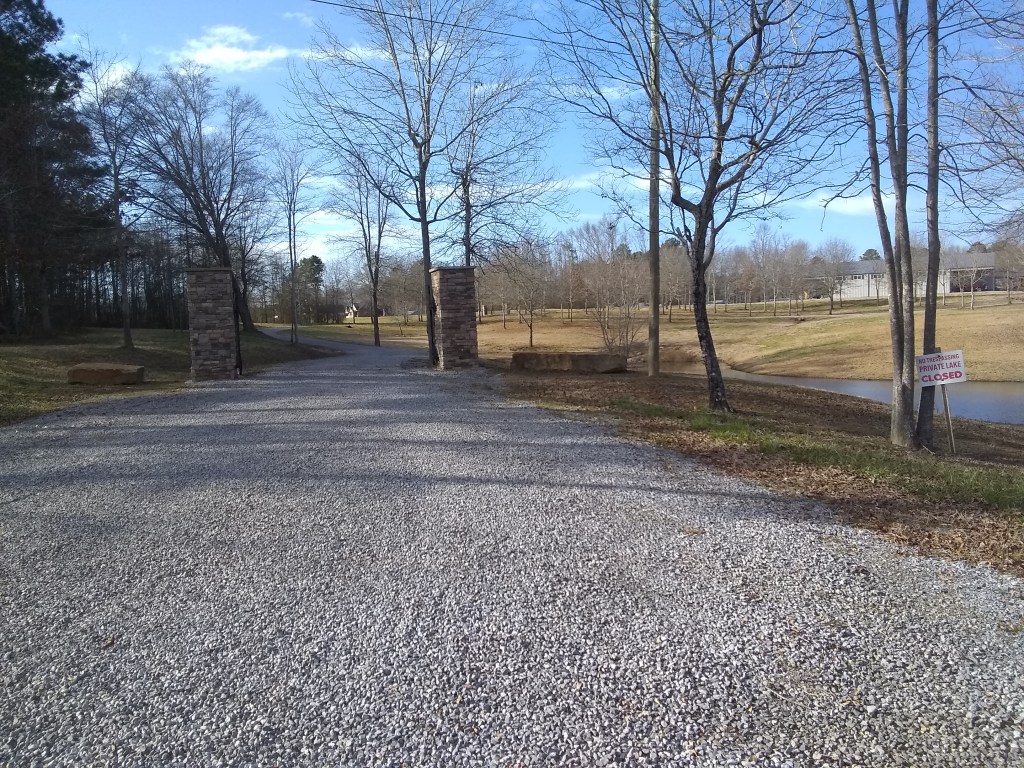
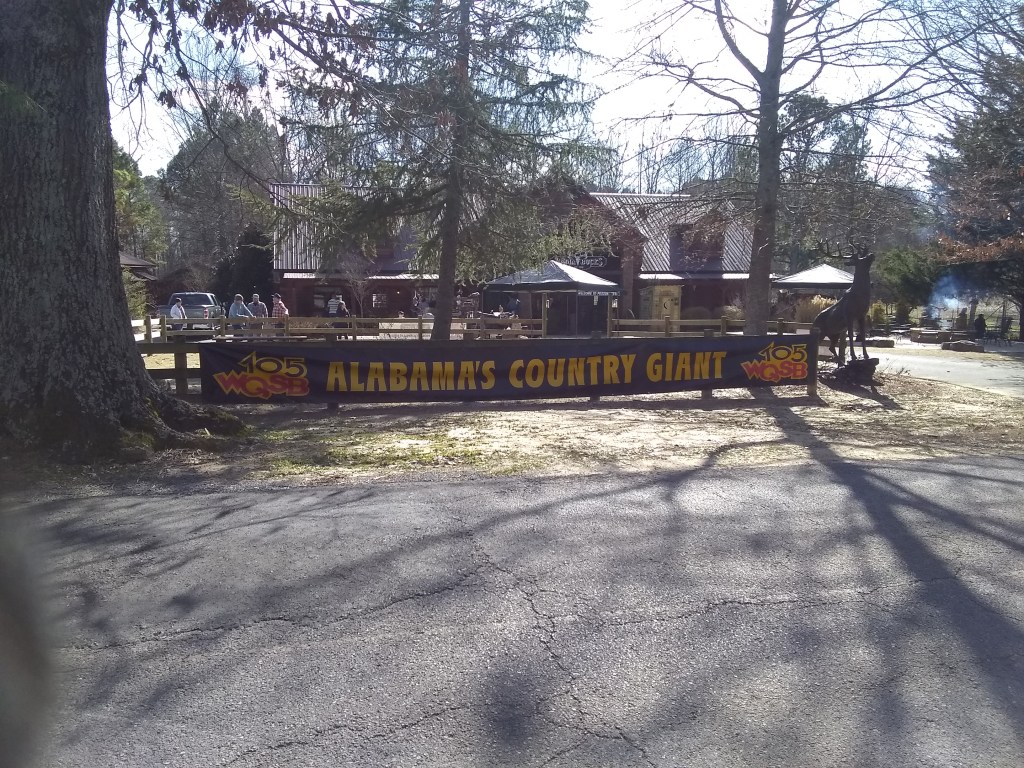
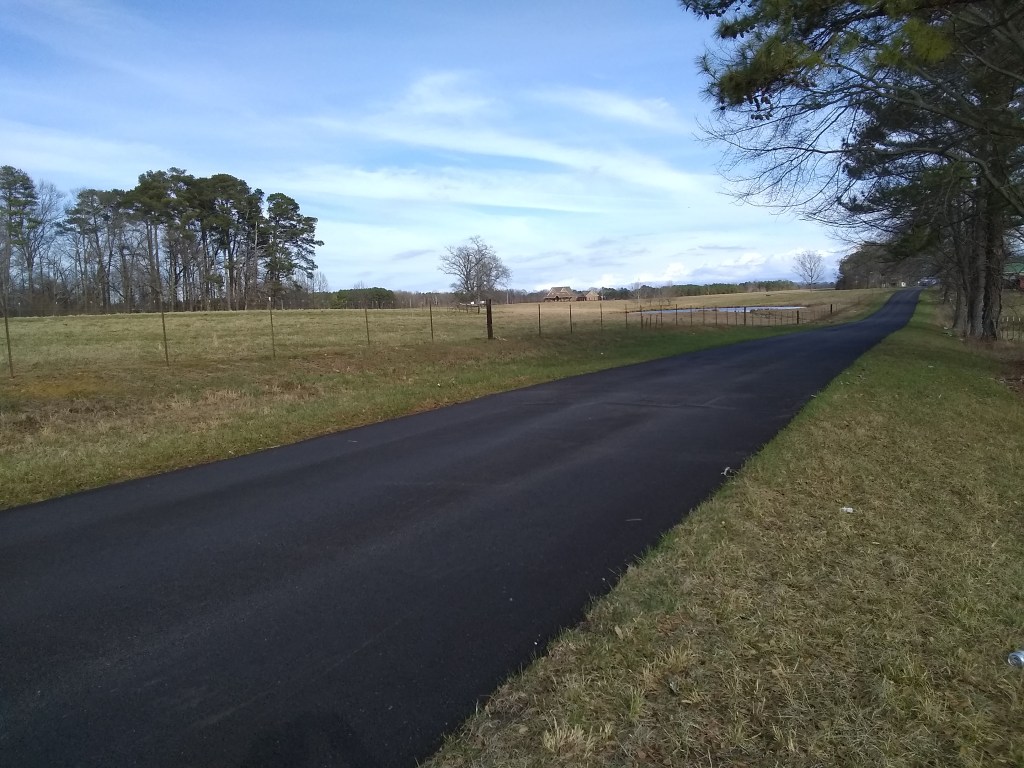
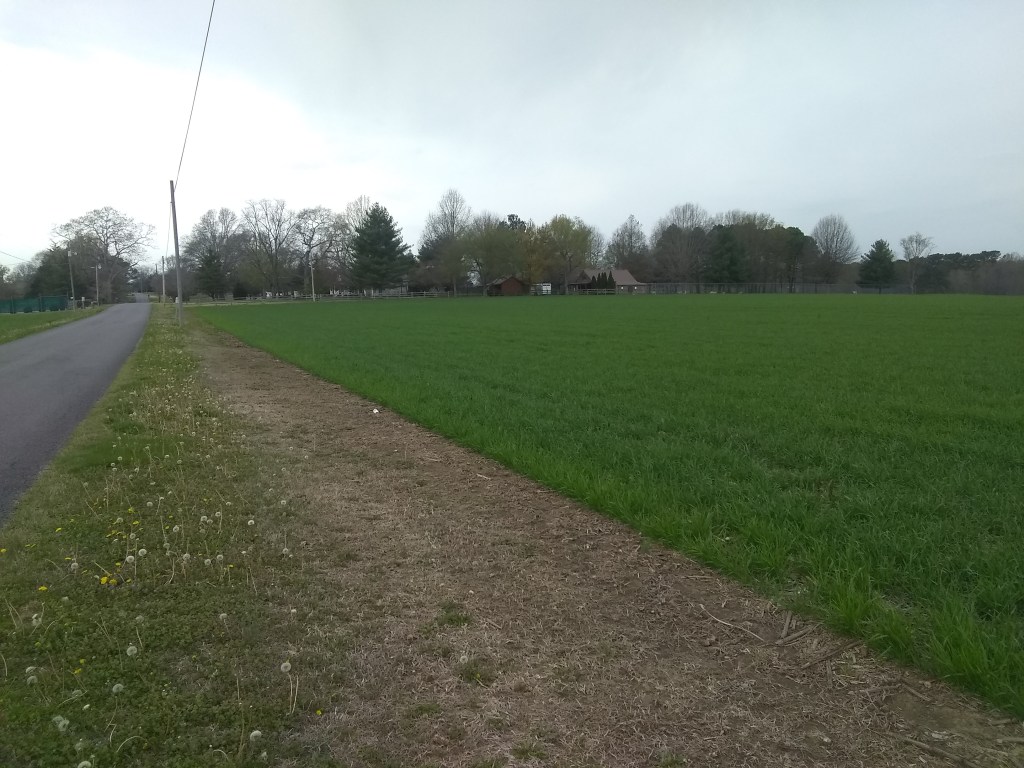
Here’s a few photos from along my pistol route:















 Richard L. Fricks