Month: April 2023
Charles Bukowski, Arthur C. Clarke, Annie Dillard, John Cage, and Others on the Meaning of Life
Here’s the link to this article.
“We are here to laugh at the odds and live our lives so well that Death will tremble to take us.”
BY MARIA POPOVA
The quest to understand the meaning of life has haunted humanity since the dawn of existence. Modern history alone has given us a plethora of attempted answers, including ones from Steve Jobs, Stanley Kubrick, David Foster Wallace, Anais Nin, Ray Bradbury, and Jackson Pollock’s dad. In 1988, the editors of LIFE magazine posed this grand question head-on to 300 “wise men and women,” from celebrated authors, actors, and artists to global spiritual leaders to everyday farmers, barbers, and welfare mothers. In 1991, they collected the results, along with a selection of striking black-and-white photographs from the magazine’s archives that answered the question visually and abstractly, in The Meaning of Life: Reflections in Words and Pictures on Why We Are Here (public library). Here is a selection of the answers.
Pulitzer Prize winner Annie Dillard:
We are here to witness the creation and abet it. We are here to notice each thing so each thing gets noticed. Together we notice not only each mountain shadow and each stone on the beach but, especially, we notice the beautiful faces and complex natures of each other. We are here to bring to consciousness the beauty and power that are around us and to praise the people who are here with us. We witness our generation and our times. We watch the weather. Otherwise, creation would be playing to an empty house.
According to the second law of thermodynamics, things fall apart. Structures disintegrate. Buckminster Fuller hinted at a reason we are here: By creating things, by thinking up new combinations, we counteract this flow of entropy. We make new structures, new wholeness, so the universe comes out even. A shepherd on a hilltop who looks at a mess of stars and thinks, ‘There’s a hunter, a plow, a fish,’ is making mental connections that have as much real force in the universe as the very fires in those stars themselves.

Albert Einstein’s study shortly after his death, Princeton, New Jersey
Legendary science writer Stephen Jay Gould:
The human species has inhabited this planet for only 250,000 years or so-roughly.0015 percent of the history of life, the last inch of the cosmic mile. The world fared perfectly well without us for all but the last moment of earthly time–and this fact makes our appearance look more like an accidental afterthought than the culmination of a prefigured plan.
Moreover, the pathways that have led to our evolution are quirky, improbable, unrepeatable and utterly unpredictable. Human evolution is not random; it makes sense and can be explained after the fact. But wind back life’s tape to the dawn of time and let it play again–and you will never get humans a second time.
We are here because one odd group of fishes had a peculiar fin anatomy that could transform into legs for terrestrial creatures; because the earth never froze entirely during an ice age; because a small and tenuous species, arising in Africa a quarter of a million years ago, has managed, so far, to survive by hook and by crook. We may yearn for a ‘higher’ answer — but none exists. This explanation, though superficially troubling, if not terrifying, is ultimately liberating and exhilarating. We cannot read the meaning of life passively in the facts of nature. We must construct these answers ourselves — from our own wisdom and ethical sense. There is no other way.

Graduation dance
Frank Donofrio, a barber:
I have been asking myself why I’m here most of my life. If there’s a purpose I don’t care anymore. I’m seventy-four. I’m on my way out. Let the young people learn the hard way, like I did. No one ever told me anything.

Harlem summer day
Science fiction writer Arthur C. Clarke:
A wise man once said that all human activity is a form of play. And the highest form of play is the search for Truth, Beauty and Love. What more is needed? Should there be a ‘meaning’ as well, that will be a bonus?
If we waste time looking for life’s meaning, we may have no time to live — or to play.

Sicily
Literary icon John Updike:
Ancient religion and modern science agree: we are here to give praise. Or, to slightly tip the expression, to pay attention. Without us, the physicists who have espoused the anthropic principle tell us, the universe would be unwitnessed, and in a real sense not there at all. It exists, incredibly, for us. This formulation (knowing what we know of the universe’s ghastly extent) is more incredible, to our sense of things, than the Old Testament hypothesis of a God willing to suffer, coddle, instruct, and even (in the Book of Job) to debate with men, in order to realize the meager benefit of worship, of praise for His Creation. What we beyond doubt do have is our instinctive intellectual curiosity about the universe from the quasars down to the quarks, our wonder at existence itself, and an occasional surge of sheer blind gratitude for being here.

Fireman at scene of bomb explosion, Belfast, Northern Ireland
Poet Charles Bukowski:
For those who believe in God, most of the big questions are answered. But for those of us who can’t readily accept the God formula, the big answers don’t remain stone-written. We adjust to new conditions and discoveries. We are pliable. Love need not be a command or faith a dictum. I am my own God.
We are here to unlearn the teachings of the church, state and our educational system.
We are here to drink beer.
We are here to kill war.
We are here to laugh at the odds and live our lives so well that Death will tremble to take us.
We are here to read these words from all these wise men and women who will tell us that we are here for different reasons and the same reason.
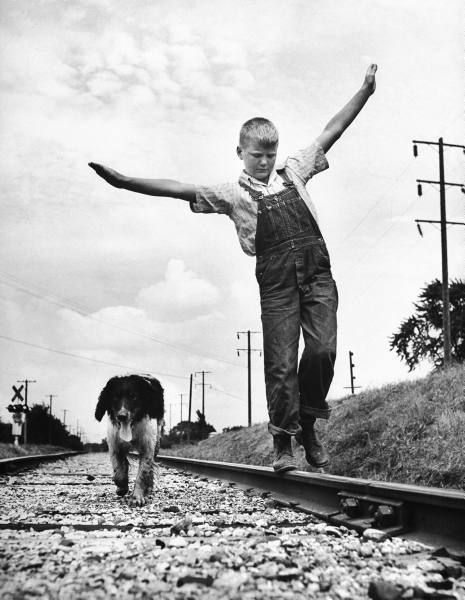
A boy and his dog, Iowa
Avant-garde composer and philosopher John Cage:
No why. Just here.

The Human Condition
The Meaning of Life is a cultural treasure in its entirety, and the screen does the stunning photographs no justice — do grab yourself an analog copy.
04/13/23 Biking & Listening

Biking is something else I both love and hate. It takes a lot of effort but does provide good exercise and most days over an hour to listen to a good book or podcast. I especially like having ridden.
Here’s my bike, a Rockhopper by Specialized. I purchased it November 2021 from Venture Out in Guntersville; Mike is top notch! So is the bike, and the ‘old’ man seat I salvaged from an old Walmart bike.

Here’s a link to today’s bike ride. This is my pistol ride.
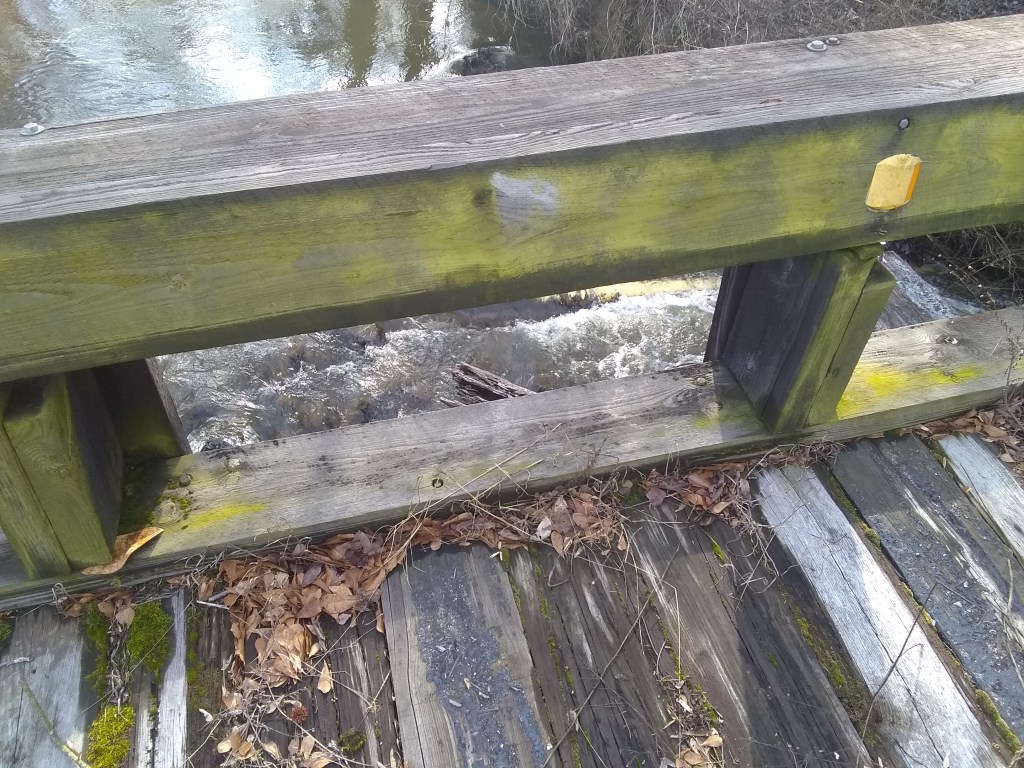
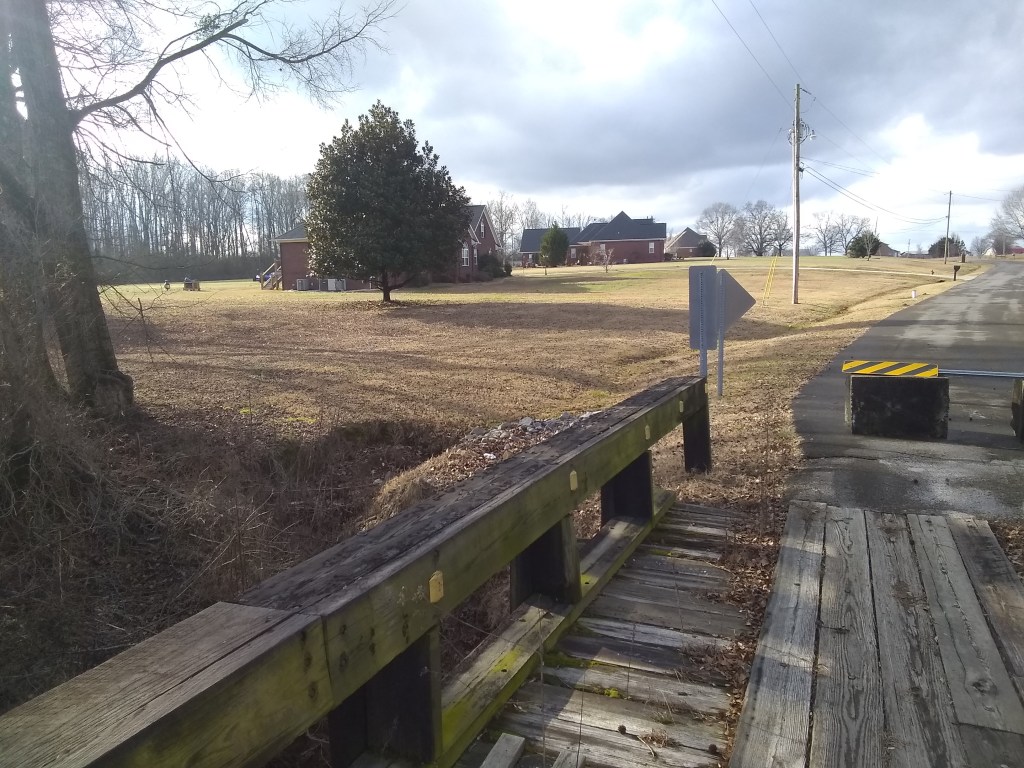
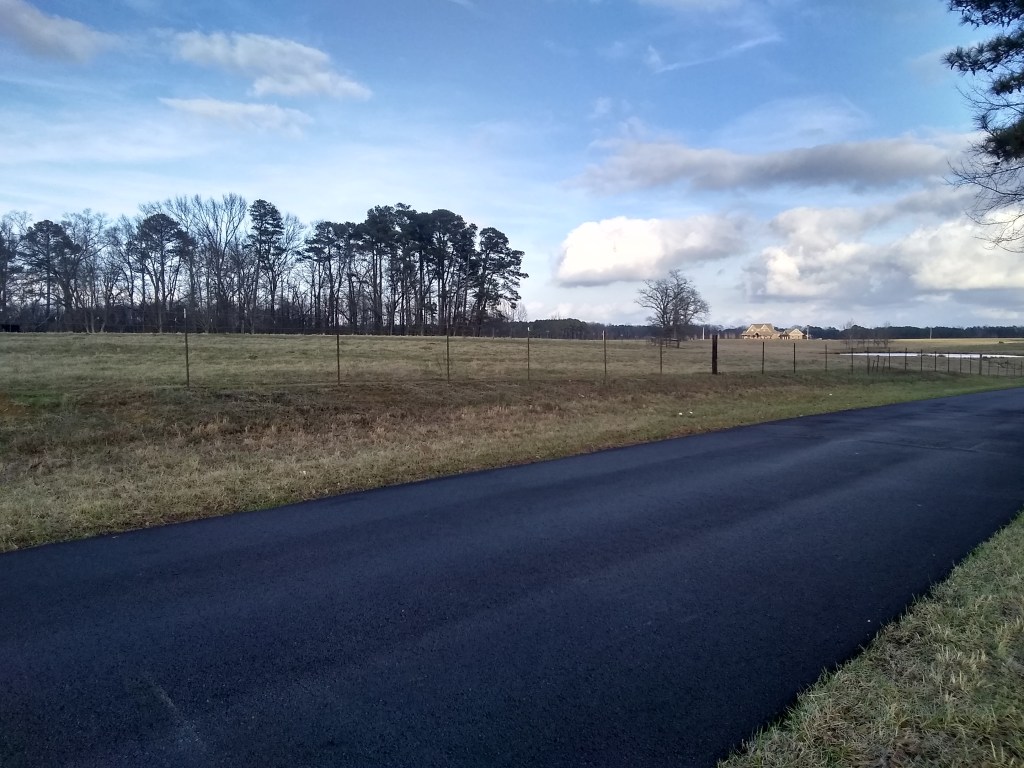
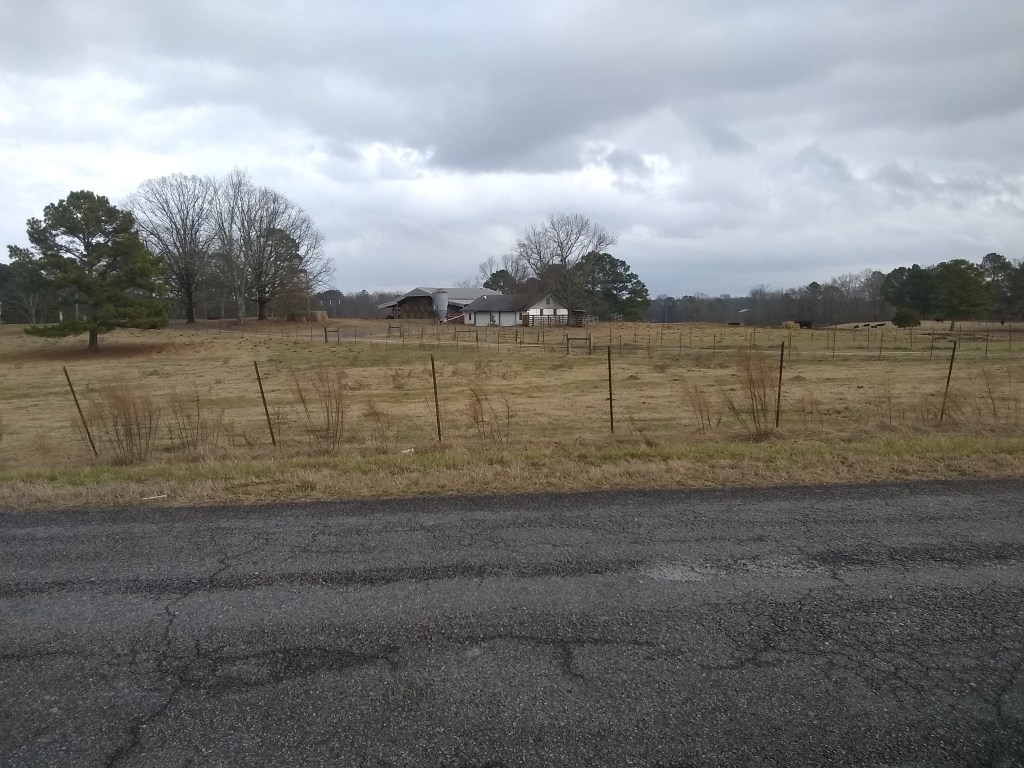
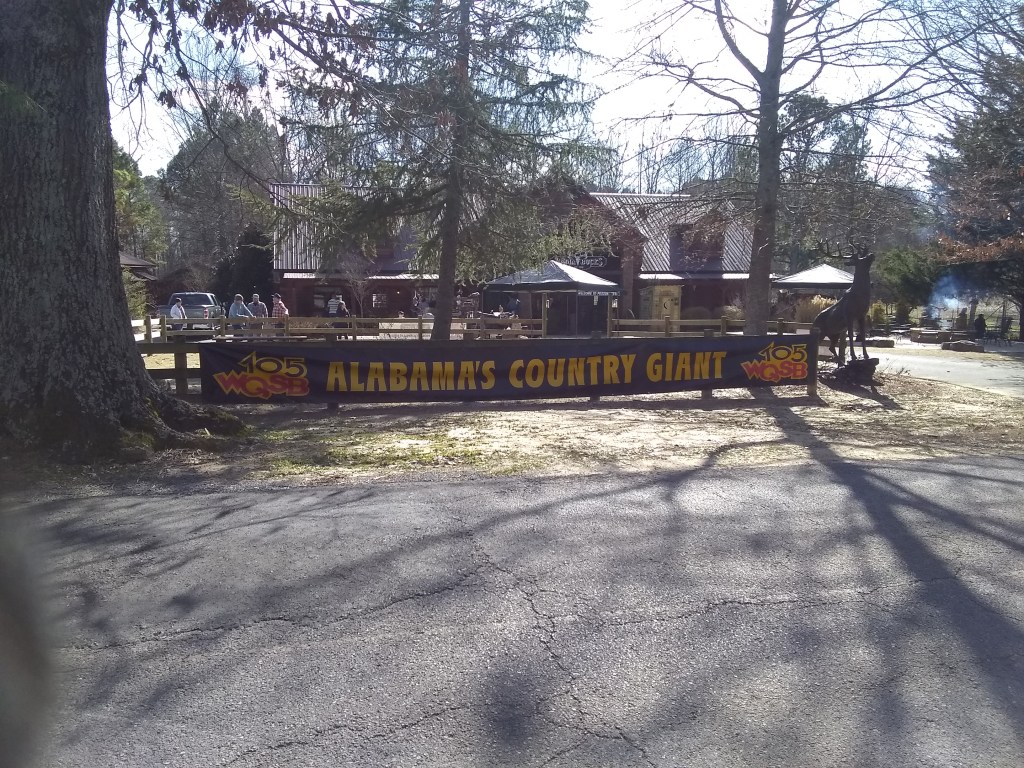
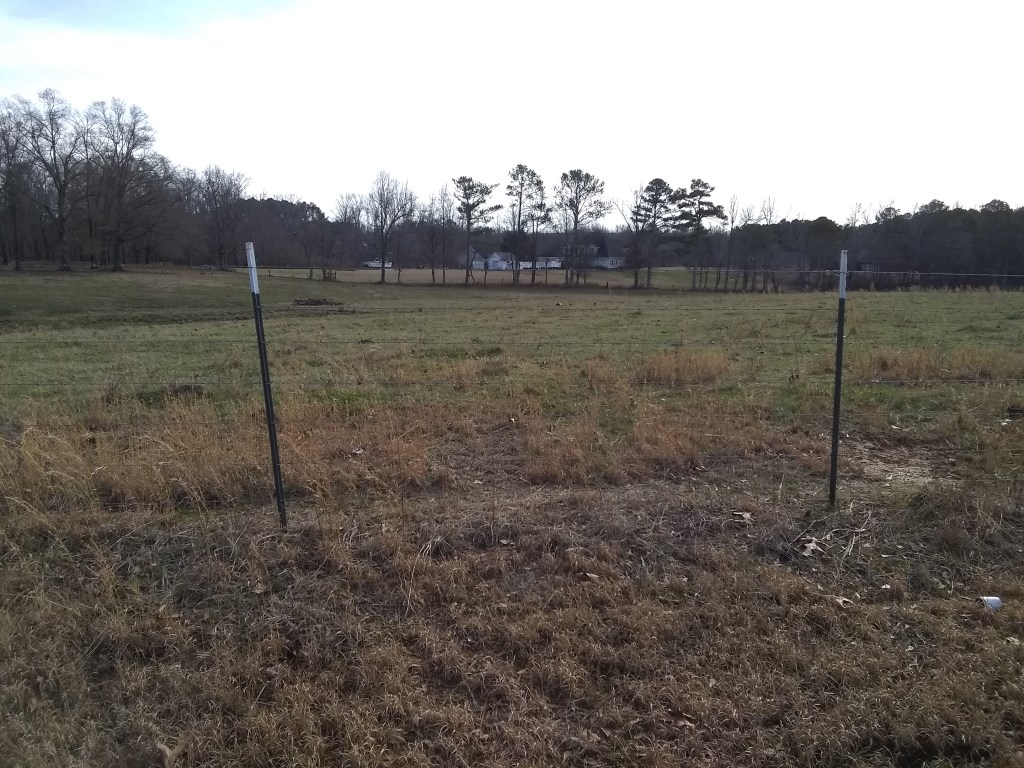
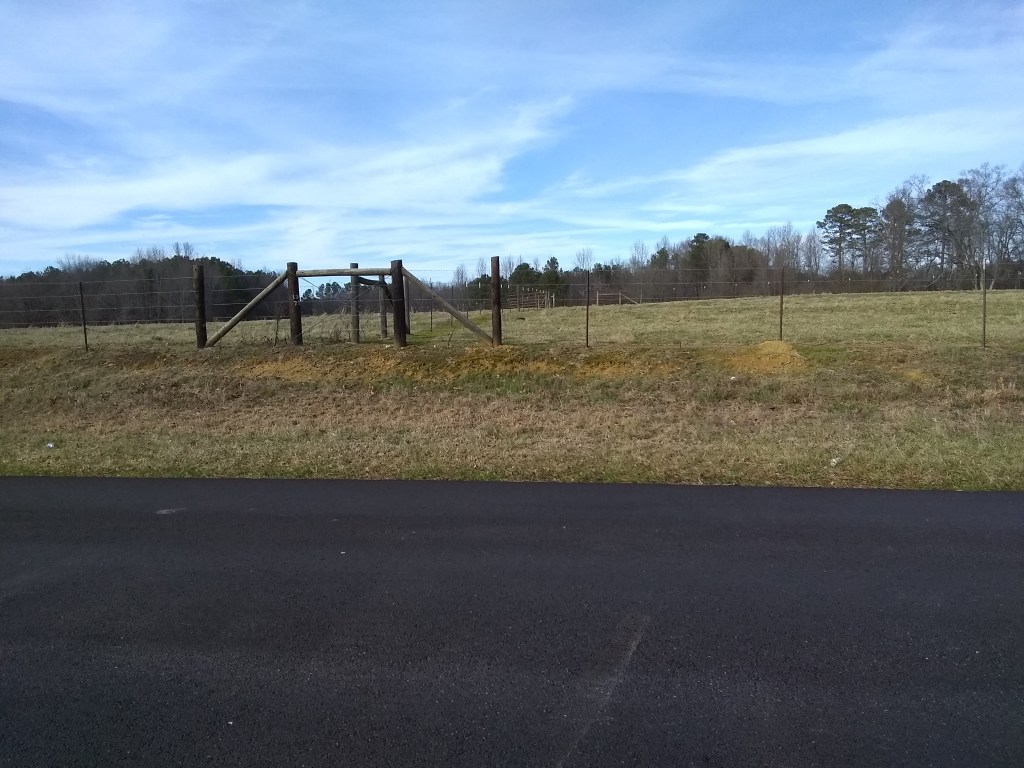
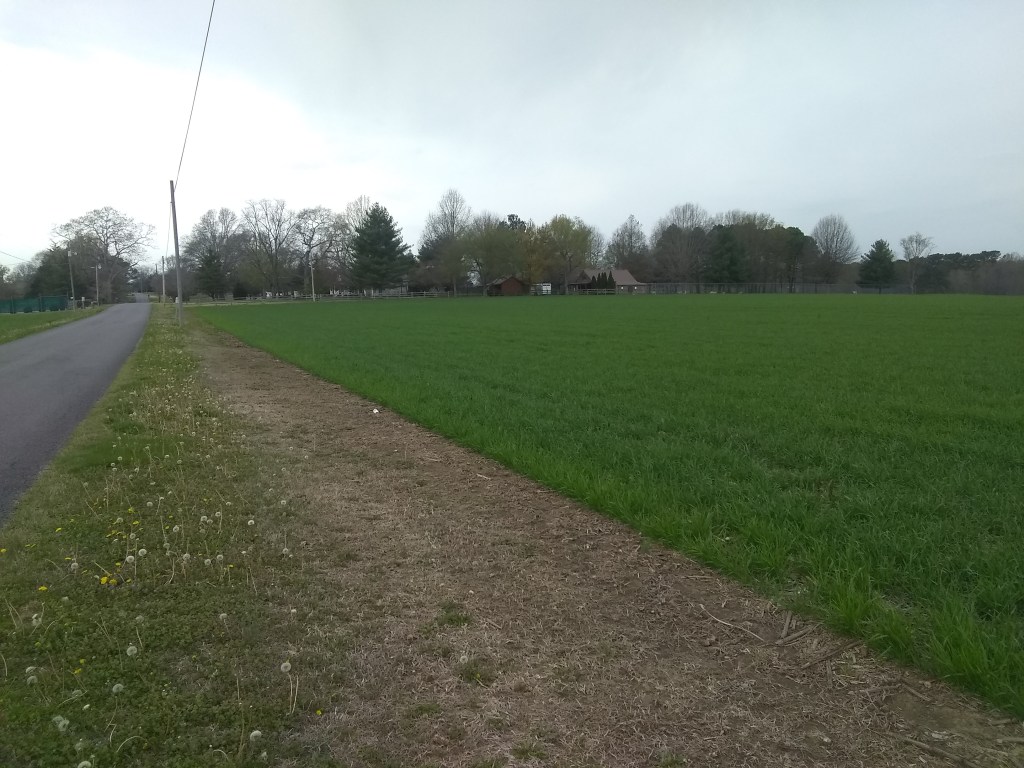
Here’s a few photos taken along my route:


















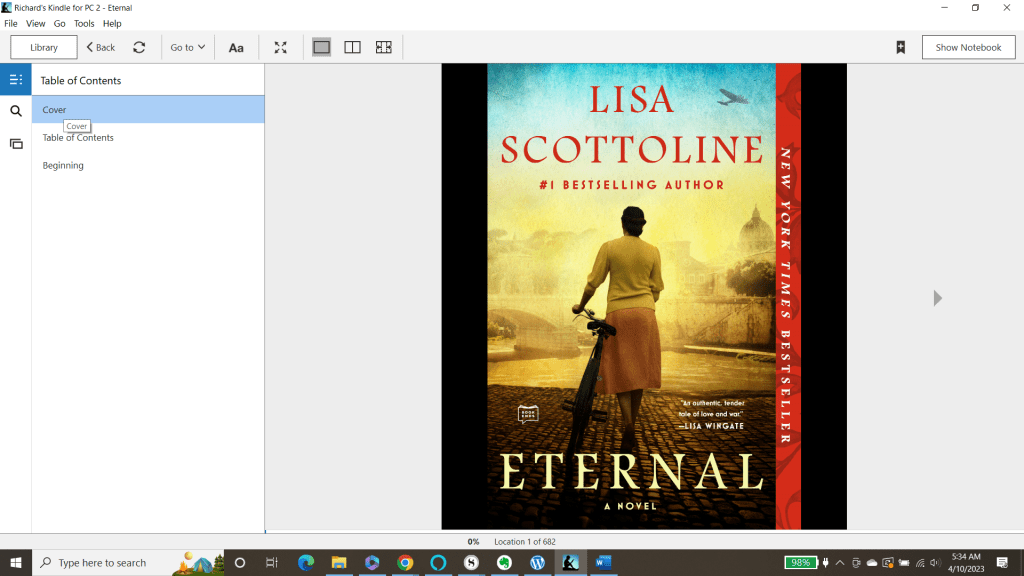
I’m listening to Eternal, by Lisa Scottoline:
Amazon Abstract
NEW YORK TIMES BESTSELLER
#1 bestselling author Lisa Scottoline offers a sweeping and shattering epic of historical fiction fueled by shocking true events, the tale of a love triangle that unfolds in the heart of Rome…in the creeping shadow of fascism.
What war destroys, only love can heal.
Elisabetta, Marco, and Sandro grow up as the best of friends despite their differences. Elisabetta is a feisty beauty who dreams of becoming a novelist; Marco the brash and athletic son in a family of professional cyclists; and Sandro a Jewish mathematics prodigy, kind-hearted and thoughtful, the son of a lawyer and a doctor. Their friendship blossoms to love, with both Sandro and Marco hoping to win Elisabetta’s heart. But in the autumn of 1937, all of that begins to change as Mussolini asserts his power, aligning Italy’s Fascists with Hitler’s Nazis and altering the very laws that govern Rome. In time, everything that the three hold dear–their families, their homes, and their connection to one another–is tested in ways they never could have imagined.
As anti-Semitism takes legal root and World War II erupts, the threesome realizes that Mussolini was only the beginning. The Nazis invade Rome, and with their occupation come new atrocities against the city’s Jews, culminating in a final, horrific betrayal. Against this backdrop, the intertwined fates of Elisabetta, Marco, Sandro, and their families will be decided, in a heartbreaking story of both the best and the worst that the world has to offer.
Unfolding over decades, Eternal is a tale of loyalty and loss, family and food, love and war–all set in one of the world’s most beautiful cities at its darkest moment. This moving novel will be forever etched in the hearts and minds of readers.
What Are Your Protagonist’s Flaws?
Here’s the link to this article.
April 13, 2023 by Angela Ackerman

The most relatable characters are ones who mirror real people, meaning they are complex individuals with a blend of strengths, failings, attributes, and flaws. Of these four, flaws are often the most difficult to figure out, because knowing which negative traits will emerge in someone means exploring their past to understand who negatively influenced them and what painful experiences they went through. It also means digging up unresolved emotional wounds which have left dysfunction and fear in their wake.
Flaws, or negative traits as they’re also called, are unusual in that the person who has them probably doesn’t view them as dysfunctional and instead believes these traits are helpful and necessary. Why? Because these traits are very good at creating space around your character. And when your character goes through life afraid of being hurt again, keeping people and experiences distant when they seem like they could lead somewhere painful is exactly what your character will want to do.
So, what does this look like?
Let’s take a character who dropped the ball in the past. He was babysitting his nephew, feeding him in the high chair, and the phone rings. He goes to retrieve the phone from his jacket pocket in the other room, and a scream sounds from behind him. His nephew wriggled free from the chair and fell, breaking his arm.
Mom and dad are alerted, and they are not happy.
Moving forward, our character, once the brother who always helped out, stepped up, and volunteered, becomes the guy who shows up late, loses or breaks things, and is always “busy” when asked. What happened? What caused this change?
Easy, that situation with his nephew, and the fallout that came after for not being there when he should have been.
By becoming irresponsible, unreliable, and self-absorbed, what are the chances someone will ask him to take on a big responsibility again? Pretty low. And as long as he’s never the one who has to come through, he’ll never have a chance to fail and disappoint like he did when he was caring for his nephew.
Logically, he was only out of the kitchen for a moment, and whether it were him or the child’s parent, probably the same thing would have happened. But when a person fails, they often take it to heart, blame themselves, and don’t ever want to be put in that same situation (because they’re sure they’ll only screw up). Adopting a character flaw or two will ensure he’s never going to have to worry about dropping the ball again.
Well, heck, that’s great right? No, not at all. Because while his flaws will keep people from requesting he be responsible in some way, he’s also denying himself the chance to be responsible and have a better outcome, which leads to growth and being able to let go of the past. It may also cause friction in his relationship, and even for him to not be there for others when he really wants to be, all because he’s too scared of making a mistake again.
Flaws are normal and natural. We all have them, and so will a character. And in order for them to solve their big story problems and succeed, they will need to examine what’s holding them back…their flaws, and the fears that caused them. So don’t be afraid of giving your character some flaws. Remember, the most relatable characters are those who think, act, and behave just like real people…and that means they’ll be far from perfect.

Now, some writers tend to rush character development in their eagerness to get words on the page, and randomly assign certain flaws without thinking about why they might be there. Unless these aspects of a character’s personality are fleshed out down the road, a character can feel like they lack depth. So make sure you know the “why” behind a flaw…it will help you understand what’s holding them back in the story, how they need to grow, and will point you toward conflict that will trigger them in negatives ways so they become more self-aware. After all, your character won’t realize his negative traits are a problem until failure because of them is staring him in the face.
How do we decide which flaws are right for a character?
1) Make Friends with the Character’s Backstory
Backstory gets a bad rap, but the truth is, we need to know it. Understanding a character’s past and what events shaped them is critical to understanding who they are. So brainstorm your character’s backstory, thinking about who and what influenced them, and what difficult experiences they went through that soured their view in some way, damaged their self-esteem, and cause them to avoid certain people and situations. This isn’t so that you can dump a bunch of flashbacks and info-heavy passages into your story to “explain” the source of a flaw. Rather, this information is for you as the author so you better understand what motivates your character, what he fears, and how his goal will be impossible to achieve until he sheds his flawed thinking and behaviors.
2) Poke Your Character’s Wounds
Past hurts leave a mark. Characters who have experienced emotional pain are not eager to do so again, which is why flaws form to “protect” from future hurt. A man who loses his wife to an unfortunate infection picked up during a hospital stay is likely have biases toward the medical system. He may grow stubborn and mistrustful, refusing to see a doctor when he grows sick, or seek medical treatment when he knows something is deeply wrong.
This wounding event (his wife’s death) changed him, affected his judgement, and now is making him risk his own health. Had his wife survived, these changes would not have taken place. Knowing your character’s wounds will help you understand how flaws form in the hopes that the character can protect himself from being hurt again.
3) Undermine Your Character’s Efforts
In every story, there is a goal: the character wants to achieve something, and hopefully whatever it is will be an uphill battle. To ensure it is, think about what positive traits will help them achieve this goal, how you can position the character for success. Then brainstorm flaws that will work against them, making it harder. This will help them start to see how their own flaws are getting in the way and sabotaging their progress.

4) Look for Friction Opportunities
No character is an island, and so there will be others who interact with them or try to help in the story. Maybe your character has certain flaws that will irritate other people and cause friction. Relationships can become giant stumbling blocks, especially for a character who wants connection or really needs help but has a hard time admitting it. Make them see how the path to smooth out friendships and interactions is to let go of traits that harm, not help.
5) Mine from Real Life
We all have flaws based on our own experiences, as do all the people around us. Some are small, minor things, others are more major and create big stumbling blocks as we go through life. Flaws are often blind spots, because the person who has them doesn’t see them as a bad thing, just that they have reasons for acting or thinking a certain way, meaning it’s okay. But whenever things don’t go well and we’re frustrated, there’s a good chance one of our flaws is getting in the way.
So, if you’re feeling brave, look within and find the bits of yourself that may not cast you in the best light. Do you get impatient easily? Do you feel like you always have to be in control? Are you sometimes a bit rude, quick to judge, or you make excuses to get out of responsibilities? Thinking about situations where our own behaviors crop up and cause trouble can help us write our character’s flaws more authentically.
If you need brainstorming help…

Don’t forget, we wrote the book on this…literally! The Negative Trait Thesaurus: A Writer’s Guide to Character Flaws explores a vast collection of human flaws and shows you how they will cause your character to think, feel, and behave in a certain way. This guide also explains how flaws can be used in the story, and their role in character arc and the necessary change a character must make to minimize or defeat a flaw and achieve their goal.
If you like, zip over here to see a list of the flaws covered in this book, and a few sample entries. Happy writing!

Angela is a writing coach, international speaker, and bestselling author who loves to travel, teach, empower writers, and pay-it-forward. She also is a founder of One Stop For Writers, a portal to powerful, innovative tools to help writers elevate their storytelling.
Refuting the Irrefutable Proof of God–part XIII
The Two Pillars of the Sensible and Sensitive Mind: Carl Sagan on Mastering the Vital Balance of Skepticism and Openness
Here’s the link to this article.
Fine-tuning the machinery of distinguishing the valid from the non-valid.
BY MARIA POPOVA
 David Foster Wallace famously argued that “learning how to think really means learning how to exercise some control over how and what you think.” Yet in an age of ceaseless sensationalism, pseudoscience, and a relentless race for shortcuts, quick answers, and silver bullets, knowing what to think seems increasingly challenging. We come up with tools like The Baloney Detection Kit and create wonderful animations to teach kids about critical thinking, but the art of thinking critically is a habit that requires careful and consistent cultivation. In his remarkable essay titled “The Burden of Skepticism,” originally published in the Fall 1987 issue of Skeptical Inquirer, Carl Sagan (November 9, 1934–December 20, 1996) — always the articulate and passionate explainer — captured the duality and osmotic balance of critical thinking beautifully:
It seems to me what is called for is an exquisite balance between two conflicting needs: the most skeptical scrutiny of all hypotheses that are served up to us and at the same time a great openness to new ideas. Obviously those two modes of thought are in some tension. But if you are able to exercise only one of these modes, whichever one it is, you’re in deep trouble.
If you are only skeptical, then no new ideas make it through to you. You never learn anything new. You become a crotchety old person convinced that nonsense is ruling the world. (There is, of course, much data to support you.) But every now and then, maybe once in a hundred cases, a new idea turns out to be on the mark, valid and wonderful. If you are too much in the habit of being skeptical about everything, you are going to miss or resent it, and either way you will be standing in the way of understanding and progress.
On the other hand, if you are open to the point of gullibility and have not an ounce of skeptical sense in you, then you cannot distinguish the useful as from the worthless ones. If all ideas have equal validity then you are lost, because then, it seems to me, no ideas have any validity at all.
Some ideas are better than others. The machinery for distinguishing them is an essential tool in dealing with the world and especially in dealing with the future. And it is precisely the mix of these two modes of thought that is central to the success of science.
Here’s to an exquisite addition to these famous definitions of science.
The Scale of the Universe–a must visit website
04/12/23 Biking & Listening
Biking is something else I both love and hate. It takes a lot of effort but does provide good exercise and most days over an hour to listen to a good book or podcast. I especially like having ridden.
Here’s my bike, a Rockhopper by Specialized. I purchased it November 2021 from Venture Out in Guntersville; Mike is top notch! So is the bike, and the ‘old’ man seat I salvaged from an old Walmart bike.
Here’s a link to today’s bike ride. This is my pistol ride.
Here’s a few photos taken along my route:
I’m listening to Eternal, by Lisa Scottoline:
Amazon Abstract
NEW YORK TIMES BESTSELLER
#1 bestselling author Lisa Scottoline offers a sweeping and shattering epic of historical fiction fueled by shocking true events, the tale of a love triangle that unfolds in the heart of Rome…in the creeping shadow of fascism.
What war destroys, only love can heal.
Elisabetta, Marco, and Sandro grow up as the best of friends despite their differences. Elisabetta is a feisty beauty who dreams of becoming a novelist; Marco the brash and athletic son in a family of professional cyclists; and Sandro a Jewish mathematics prodigy, kind-hearted and thoughtful, the son of a lawyer and a doctor. Their friendship blossoms to love, with both Sandro and Marco hoping to win Elisabetta’s heart. But in the autumn of 1937, all of that begins to change as Mussolini asserts his power, aligning Italy’s Fascists with Hitler’s Nazis and altering the very laws that govern Rome. In time, everything that the three hold dear–their families, their homes, and their connection to one another–is tested in ways they never could have imagined.
As anti-Semitism takes legal root and World War II erupts, the threesome realizes that Mussolini was only the beginning. The Nazis invade Rome, and with their occupation come new atrocities against the city’s Jews, culminating in a final, horrific betrayal. Against this backdrop, the intertwined fates of Elisabetta, Marco, Sandro, and their families will be decided, in a heartbreaking story of both the best and the worst that the world has to offer.
Unfolding over decades, Eternal is a tale of loyalty and loss, family and food, love and war–all set in one of the world’s most beautiful cities at its darkest moment. This moving novel will be forever etched in the hearts and minds of readers.
Refuting the Irrefutable Proof of God–part XII
Carl Sagan on Science and Spirituality
Here’s the link to this article.
“The notion that science and spirituality are somehow mutually exclusive does a disservice to both.”
BY MARIA POPOVA
The friction between science and religion stretches from Galileo’s famous letter to today’s leading thinkers. And yet we’re seeing that, for all its capacity for ignorance, religion might have some valuable lessons for secular thought and the two need not be regarded as opposites.
In 1996, mere months before his death, the great Carl Sagan (November 9, 1934–December 20, 1996) — cosmic sage, voracious reader, hopeless romantic — explored the relationship between the scientific and the spiritual in The Demon-Haunted World: Science as a Candle in the Dark (public library). He writes:
Plainly there is no way back. Like it or not, we are stuck with science. We had better make the best of it. When we finally come to terms with it and fully recognize its beauty and its power, we will find, in spiritual as well as in practical matters, that we have made a bargain strongly in our favor.
But superstition and pseudoscience keep getting in the way, distracting us, providing easy answers, dodging skeptical scrutiny, casually pressing our awe buttons and cheapening the experience, making us routine and comfortable practitioners as well as victims of credulity.
And yet science, Sagan argues, isn’t diametrically opposed to spirituality. He echoes Ptolemy’s timeless awe at the cosmos and reflects on what Richard Dawkins has called the magic of reality, noting the intense spiritual elevation that science is capable of producing:
In its encounter with Nature, science invariably elicits a sense of reverence and awe. The very act of understanding is a celebration of joining, merging, even if on a very modest scale, with the magnificence of the Cosmos. And the cumulative worldwide build-up of knowledge over time converts science into something only a little short of a trans-national, trans-generational meta-mind.
“Spirit” comes from the Latin word “to breathe.” What we breathe is air, which is certainly matter, however thin. Despite usage to the contrary, there is no necessary implication in the word “spiritual” that we are talking of anything other than matter (including the matter of which the brain is made), or anything outside the realm of science. On occasion, I will feel free to use the word. Science is not only compatible with spirituality; it is a profound source of spirituality. When we recognize our place in an immensity of light years and in the passage of ages, when we grasp the intricacy, beauty and subtlety of life, then that soaring feeling, that sense of elation and humility combined, is surely spiritual. So are our emotions in the presence of great art or music or literature, or of acts of exemplary selfless courage such as those of Mohandas Gandhi or Martin Luther King Jr. The notion that science and spirituality are somehow mutually exclusive does a disservice to both.

Reminding us once again of his timeless wisdom on the vital balance between skepticism and openness and the importance of evidence, Sagan goes on to juxtapose the accuracy of science with the unfounded prophecies of religion:
Not every branch of science can foretell the future — paleontology can’t — but many can and with stunning accuracy. If you want to know when the next eclipse of the Sun will be, you might try magicians or mystics, but you’ll do much better with scientists. They will tell you where on Earth to stand, when you have to be there, and whether it will be a partial eclipse, a total eclipse, or an annular eclipse. They can routinely predict a solar eclipse, to the minute, a millennium in advance. You can go to the witch doctor to lift the spell that causes your pernicious anaemia, or you can take vitamin Bl2. If you want to save your child from polio, you can pray or you can inoculate. If you’re interested in the sex of your unborn child, you can consult plumb-bob danglers all you want (left-right, a boy; forward-back, a girl – or maybe it’s the other way around), but they’ll be right, on average, only one time in two. If you want real accuracy (here, 99 per cent accuracy), try amniocentesis and sonograms. Try science.
Think of how many religions attempt to validate themselves with prophecy. Think of how many people rely on these prophecies, however vague, however unfulfilled, to support or prop up their beliefs. Yet has there ever been a religion with the prophetic accuracy and reliability of science? There isn’t a religion on the planet that doesn’t long for a comparable ability — precise, and repeatedly demonstrated before committed skeptics — to foretell future events. No other human institution comes close.
Nearly two decades after The Demon-Haunted World, Sagan’s son, Dorion, made a similar and similarly eloquent case for why science and philosophy need each other. Complement it with this meditation on science vs. scripture and the difference between curiosity and wonder.
 Richard L. Fricks