02/12/23 Biking & Listening

Biking is something else I both love and hate. It takes a lot of effort but does provide good exercise and most days over an hour to listen to a good book or podcast. I especially like having ridden.

Here’s my bike, a Rockhopper by Specialized. I purchased it November 2021 from Venture Out in Guntersville; Mike is top notch! So is the bike, and the ‘old’ man seat I salvaged from an old Walmart bike.

Here’s a link to today’s bike ride. I obviously favor my pistol route.

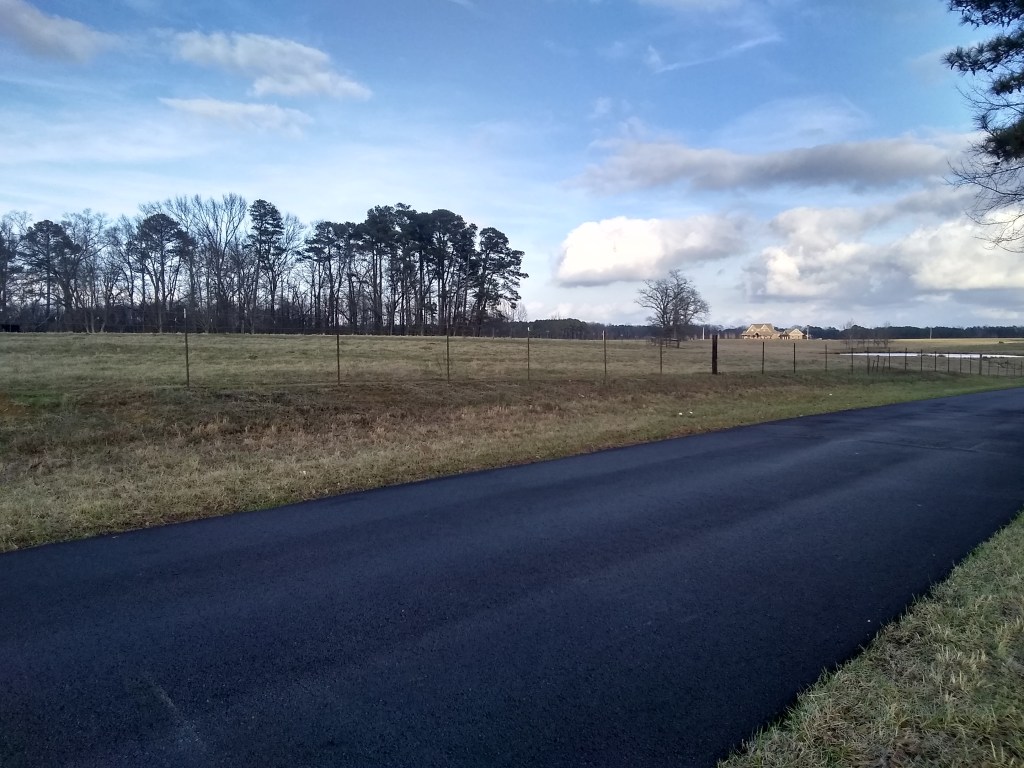
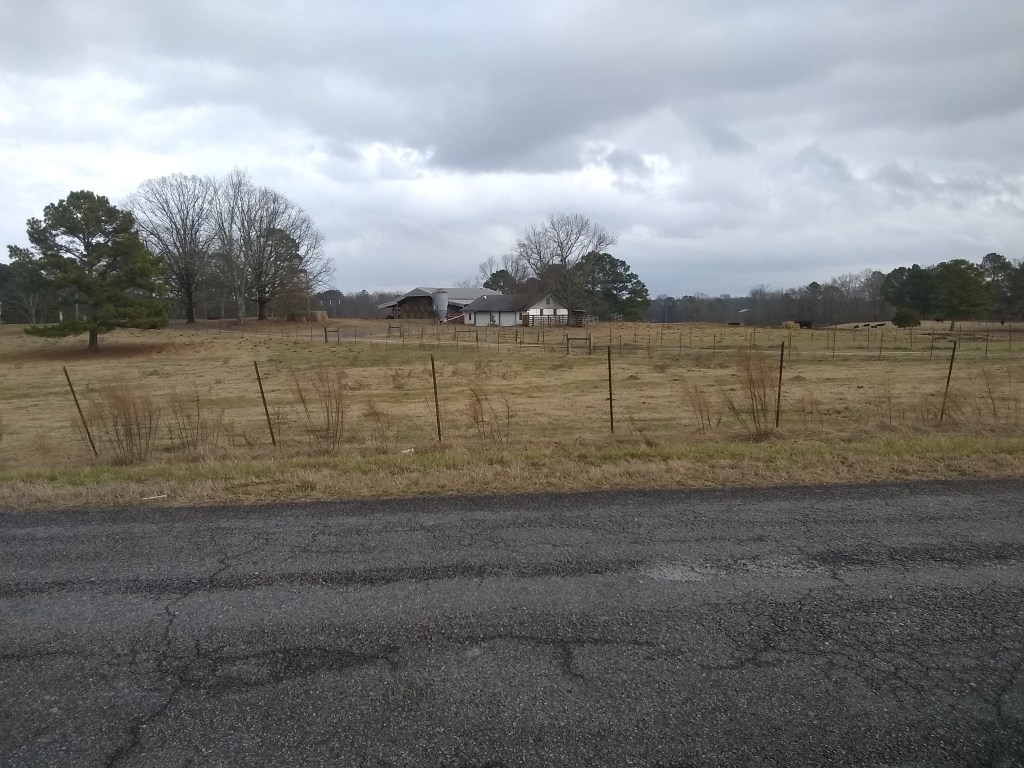
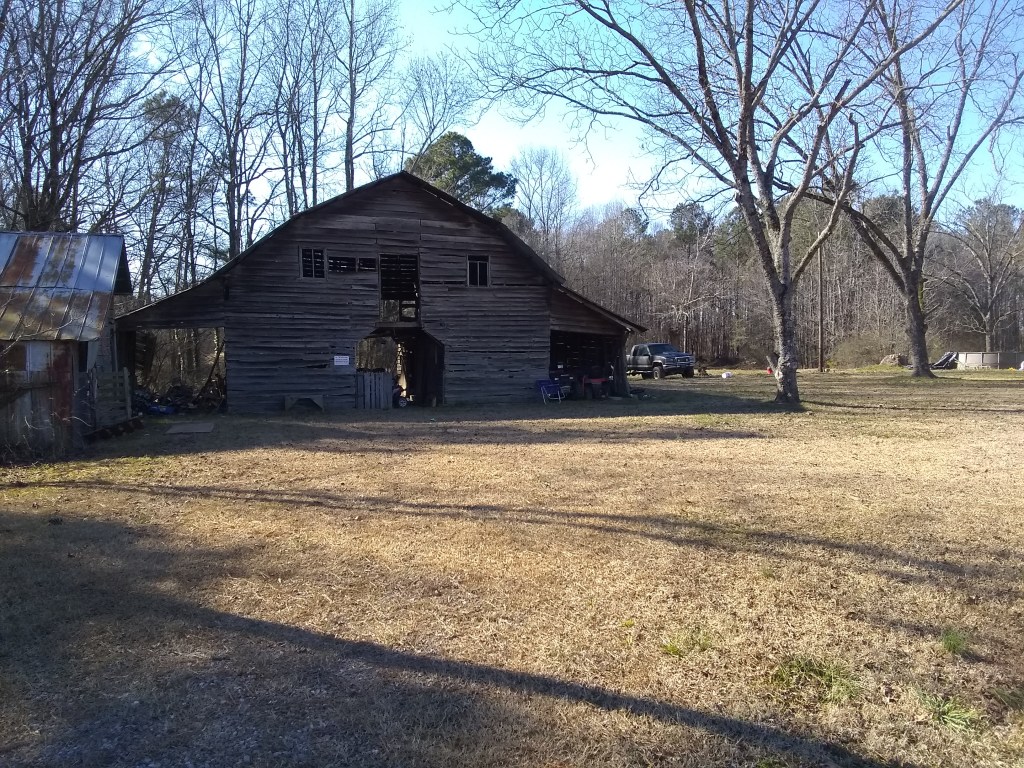
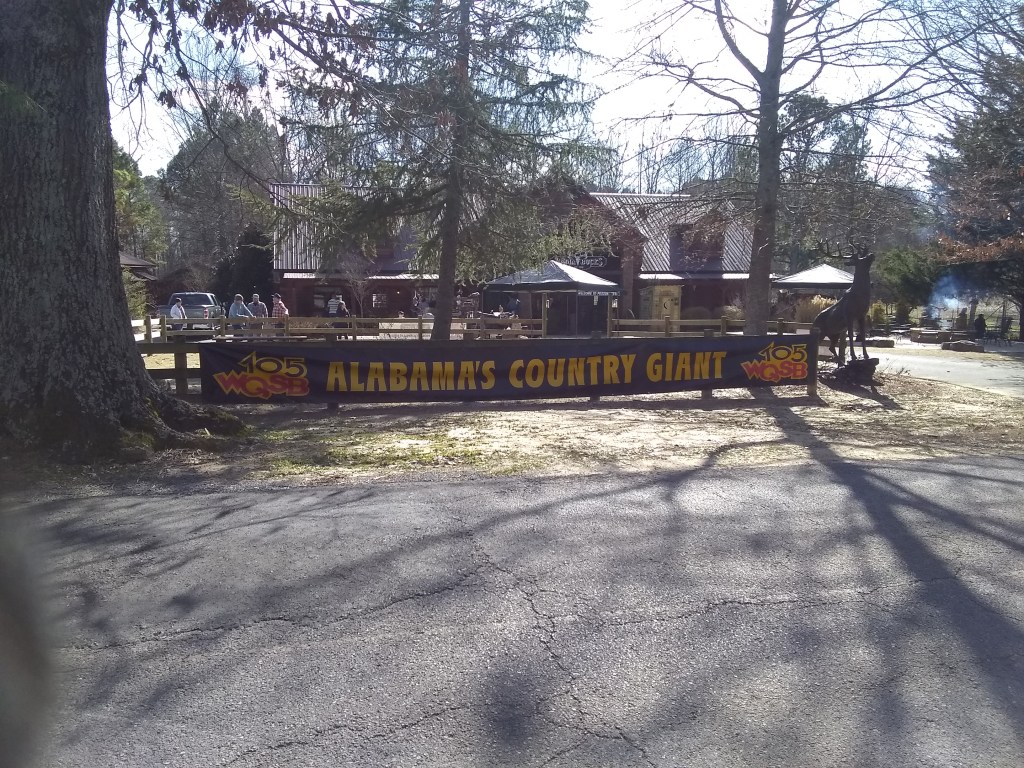
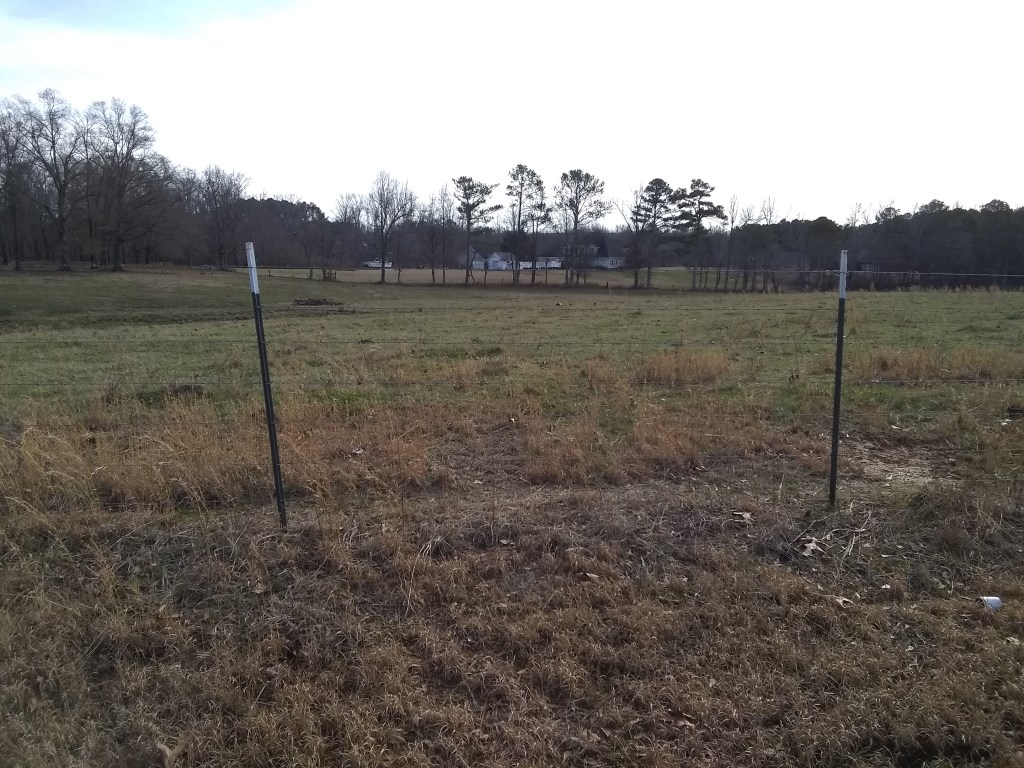
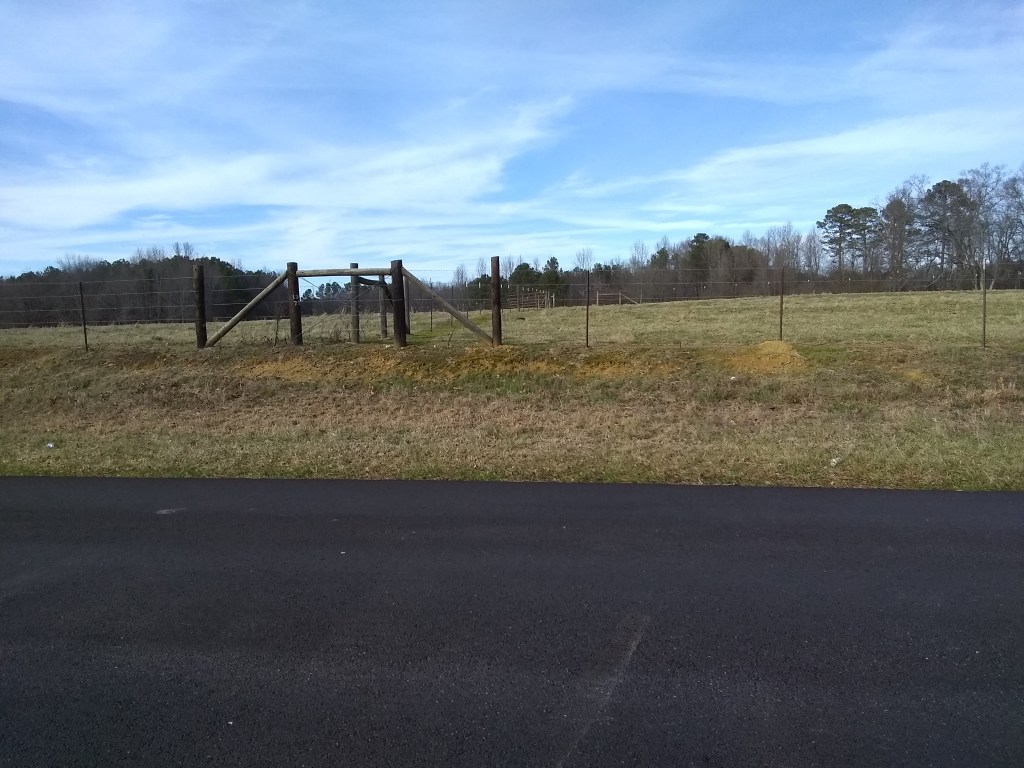
Here’s a few photos taken along my route:

Here’s what I’m currently listening to: The Third Deadly Sin, by Lawrence Sanders

Sanders was a tremendously talented writer.

Amazon abstract:

New York Times Bestseller: A retired cop hunts for a female serial killer no one would suspect in this “first-rate thriller . . . as good as you can get” (The New York Times).

By day, she’s a middle-aged secretary no one would look at twice. But by night, dressed in a midnight-black wig, a skin-tight dress, and spike heels, she’s hard to miss. Inside her leather shoulder bag are keys, cash, mace, and a Swiss Army knife. She prowls smoky hotel bars for prey. The first victim—a convention guest at an upscale Manhattan hotel—is found with multiple stab wounds to the neck and genitals. By the time retired police detective chief Edward Delaney hears about the case from an old colleague, the Hotel Ripper has already struck twice. Unable to resist the puzzle, Delaney follows the clues and soon realizes he’s looking for a woman. As the grisly slayings continue, seizing the city in a chokehold of panic, Delaney must stop the madwoman before she kills again.

A Sample Five Star Review

M. G Watson

VINE VOICE

5.0 out of 5 stars Third Time’s the Charm

Reviewed in the United States on May 15, 2015

Verified Purchase

It is arguable that Lawrence Sanders never rose to greater heights as a prose stylist, suspense-writer or storyteller than he did with THE THIRD DEADLY SIN, the penultimate novel in his “deadly sin” series of books and the fourth of five to feature crusty, sandwich-obsessed Edward X. Delaney as a protagonist. Though once referred to as “Mr. Bestseller” and nearly as prolific in his day as Stephen King, Sanders seems to be forgotten now, except for his “McNally” series which was hardly representative of his best work; but at his best he was both compulsively readable and immensely satisfying, and this novel is both.

Zoe Kohler is the world’s most boring woman. Hailing from a small town somewhere in the Midwest, divorced from a husband who treated her like she was invisible, virtually friendless, and stuck in a mindless, dead-end job in the security office of an old hotel in Manhattan, she worries incessantly about her health and indulges in only one hobby: murder. Sexing herself up every Friday night, Zoe picks up unsuspecting businessmen attending conventions in different hotels around town, and delivers to each the same grisly fate: a Swiss Army knife, first to the throat and then to the jewels. But because nobody ever notices the world’s most boring woman, nobody suspects her, leaving Zoe free to indulge her hobby — over and over and over again.

Edward X. Delaney used to be a cop — and not just any cop, but the NYPD’s Chief of Detectives. Now, of course, he’s just a bored retiree, living in a Manhattan brownstone with this second wife. So when his former “rabbi” in the Department, Deputy Commissioner Ivar Thorsen, asks him to help investigate a series of baffling murders being committed in hotels around the city, Delaney agrees, but has little idea what he’s getting into: a search for a faceless, motiveless “repeater” (1970s slang for serial killer) whose vicious talents with a short-bladed knife are wreaking havoc with New York’s once-thriving convention trade. Acting as an unofficial adviser to the “Hotel Ripper” task force, Delaney begins to suspect that male prejudices, including his own, may be blinding his fellow detectives to the possibility of that the Ripper may not be a man. But he has no suspects, no witnesses, no fingerprints, and no hard evidence. Only instincts. And a growing pile of victims.

THE THIRD DEADLY SIN is a very attractive suspense novel for many reasons. Aside from Sanders prose style, which is beautiful, memorable and incredibly evocative, it works on multiple levels. Firstly, the character of Zoe Kohler. She is at once both a pitiable loser, struggling with health problems and sexist attitudes at work a burgeoning relationship with a sweet and unsuspecting man…and a remorseless, relentless killer, who hunts men for the sheer thrill of it. Second, Edward X. Delaney. This crusty, hard-nosed, sandwich-obsessed detective is neither sexy, flashy, nor gifted with any great deductive genius: he’s simply like a boulder that, starting slowly, gathers investigative momentum until he crushes just about everyone in his path, yet at the same time possesses a sensitivity — largely through his wife’s softening influence — that allows him more nuances than a typical, cigar-chewing, old school detective. And this leads me to the books third major strength, which is its examination of sexual attitudes, gender roles and (unintentionally) police procedure during the period it was written — about 35 years ago. At that time the pathology of serial killers was scarcely understood, forensic science still in its infancy, and the idea of gender equality more of a punchline than a serious idea. Delaney, an aging Irish cop with flat feet, is both brimming with cheauvanistic, patronizing, old-school attitudes and open to the possibility that those attitudes may be wrong.

No novel is perfect, of course, and this one is no exception. Sanders sometimes makes small but basic errors in matters of police procedure, slang and etiquette; the sort of mistakes which are the result of never having been a cop himself. Occasionally he tries too hard to make characters colorful, giving them a contrived rather than a naturalistic feel; and sometimes his dialogue and description betray his overwhelming love of the English language and end up sounding pretentious or, coming out of the mouths of certain characters, simply unrealistic. (This also leads him to over-write scenes with minor characters, such as Zoe’s doctor.) Most of the criticisms I can mount a this book, however, fall in the “nitpicking” category, and even when taken in the aggregate fail to outweigh all of its many pleasures.

THE THIRD DEADLY SIN may or may not have been Sanders’ best book (you could make a case for THE SIXTH COMMANDMENT or THE SECOND DEADLY SIN or THE ANDERSON TAPES or various others). It may not even be his best suspense novel. But for my money it is not merely a good read but equally satisfying upon each subsequent reading, which is about the highest praise I can give to an author’s work. So: buy it, make yourself a sandwich, and sit down to this half-forgotten but deservedly remembered author. Murder and mayhem have never been so fun.

Writing Journal—Sunday writing prompt

Your protagonist is enjoying a bonfire with friends when he spots lights in the sky. Describe what happens next. 

One Stop for Writers

 Guidance & tips

Write the scene of discovery (i.e., tell a story), or brainstorm and create a list of related ideas.

Here’s five story elements to consider:

  • Character
  • Setting
  • Plot
  • Conflict
  • Resolution

Never forget, writing is a process. The first draft is always a mess.

The first draft of anything is shit.

Ernest Hemingway

Mushrooms: Cellist Zoë Keating Brings to Life Sylvia Plath’s Poem About the Tenacity of the Creative Spirit

Here’s the link to this article.

“Our foot’s in the door.”

BY MARIA POPOVA

They were the first to colonize the Earth. They will inherit it long after we are gone as a species. And when we go as individuals, it is they who return our borrowed stardust to the universe, feasting on our mortal flesh to turn it into oak and blackbird, grass and grasshopper. Fungi are the mightiest kingdom of life, and the least understood by our science, and the most everlasting. Without them, this planet would not be a world. Like everything vast and various, they shimmer with metaphors for life itself.Mushrooms from “Atlas des Champignons Comestibles et Vénéneux,” 1891. (Available as a print and as stationery cards, benefitting The Nature Conservancy)

Sylvia Plath (October 27, 1932–February 11, 1963) was twenty-seven and pregnant with her first child, a daughter, when she wrested from mushrooms one — more than one — of the most enchanting metaphors in the history of the imagination.

In the setting summer in 1959, Plath and her complicated husband, Ted Hughes, arrived at Yaddo — the gilded artist’s colony in Saratoga Springs, New York — and took up separate residences a five-minute walk apart. She had her first room of her own — a sunny third-floor studio in one of the larger houses, with a heavy wooden writing table and a hospital-green portable Swiss typewriter. Perched at her window, she watched the thicket of pines and listened to the birds. “I have never in my life felt so peaceful and as if I can read and think and write for about 7 hours a day,” she wrote to her mother.

But it was a season of dejection: One of America’s oldest and largest publishers had just rejected her poetry manuscript, another rejected her first children’s book — a story about living free from the world’s estimation — and her depression was back after a pleasantly distracting summer road trip.

Amanita muscaria from “Atlas des Champignons Comestibles et Vénéneux,” 1891. (Available as a print and as stationery cards, benefitting The Nature Conservancy)

She sorrowed in her journal:

Very depressed today. Unable to write a thing. Menacing gods. I feel outcast on a cold star, unable to feel anything but an awful helpless numbness… Caught between the hope and promise of my work… and the hopeless gap between that promise, and the real world of other peoples poems and stories and novels.

In the evenings, Ted and some of the other residents engaged in antiscientific entertainment — astrology charts and ouija boards. She participated without enthusiasm, perhaps because she had been spending her days devotedly studying German — the language of rationalism and the Golden Age of Science, of Kant and Humboldt. By early November, she was seized with total creative block:

Paralysis again. How I waste my days. I feel a terrific blocking and chilling go through me like anesthesia… If I can’t build up pleasures in myself: seeing and learning about painting, old civilizations, birds, trees, flowers, French, German… To give myself respect, I should study botany, birds and trees: get little booklets and learn them, walk out in the world.

Walk out she did. The woods around Yaddo were damp and rife with mushrooms. Mushrooms were in the lavish food served at the colony. Mushrooms crept onto her mind.

Fungi from “Icones Mycologicae,” 1905. (Available as a print and as stationery cards, benefitting The Nature Conservancy)

And then, in that way that noticing has of revivifying the deadened spirit, she started to come alive, as if assured by nature that life — like fungi, like art — persists against all odds.

Within a week, the outside world was also looking up — one of her stories was accepted in London Magazine. She wrote in her journal:

My optimism rises. No longer do I ask the impossible. I am happy with smaller things, and perhaps that is a sign, a clue… Every day is a renewed prayer that the god exists, that he will visit with increased force and clarity.

It was a conflicted clarity. She had a series of restless nights full of tortured dreams about her mother, about “old shames and guilts.” She and Ted were about to move to London — a prospect that had filled her with anxiety, like all major change does, but now she began feeling an “odd elation” at the thought of turning a new leaf.

On a windy mid-November day of grey but balmy weather, she took a walk with Ted under the open sky and the bare trees, listening to the last leaves rustle in the wind, watching a scarecrow in a cornfield wave its hollow arms, noticing the blackbird on the branch, the fox prints and deer tracks in the sandy trail, the blue-purple hills and the green underbed of the lakes, the mole hills and tunnels webbing the grassland. Something began stirring — some restive creative vitality that needed an outlet. She recorded:

Wrote an exercise on mushrooms yesterday which Ted likes. And I do too. My absolute lack of judgment when I’ve written something: whether it’s trash or genius.

Mushrooms from “Atlas des Champignons Comestibles et Vénéneux,” 1891. (Available as a print and as stationery cards, benefitting The Nature Conservancy)

That exercise became her poem “Mushrooms” — a quietly mischievous work of genius, paying homage to the indomitable nature of the creative spirit. By the following summer, it was on the pages of Harper’s, marking a bold departure from Plath’s previous work.

It is both a hope and a heartache to consider that, today, mushroom species from the genus Psilocybe are being used in clinical trials to effectively allay treatment-resistant depression — a breakthrough she never lived to see that might have saved her life.

At the fifth annual Universe in Verse, held in a young redwood forest strewn with fungi, composer and cellist Zoë Keating brought Plath’s poem to life with a poignant prefatory meditation on its central metaphor for the creative spirit, accompanied here by the exquisite “Optimist” from her record Into the Trees, which has scored more of my own writing hours over the past decade than any other music.

https://w.soundcloud.com/player/?visual=true&url=https%3A%2F%2Fapi.soundcloud.com%2Ftracks%2F1357374820&show_artwork=true&maxheight=1000&maxwidth=680

MUSHROOMS
by Sylvia Plath

Overnight, very
Whitely, discreetly,
Very quietly

Our toes, our noses
Take hold on the loam,
Acquire the air.

Nobody sees us,
Stops us, betrays us;
The small grains make room.

Soft fists insist on
Heaving the needles,
The leafy bedding,

Even the paving.
Our hammers, our rams,
Earless and eyeless,

Perfectly voiceless,
Widen the crannies,
Shoulder through holes. We

Diet on water,
On crumbs of shadow,
Bland-mannered, asking

Little or nothing.
So many of us!
So many of us!

We are shelves, we are
Tables, we are meek,
We are edible,

Nudgers and shovers
In spite of ourselves.
Our kind multiplies:

We shall by morning
Inherit the earth.
Our foot’s in the door.

Complement with Meryl Streep reading Plath’s “Morning Song” and Plath herself reading her poem “The Disquieting Muses,” then savor other highlights from The Universe in Verse, including Patti Smith reading a poem about dark matter (with music by Zoë Keating), Roxane Gay reading Gwendolyn Brooks’s lifeline to the dispirited, and a musical serenade to the ecology of Emily Dickinson.

Drafting–Layover in Newark, part B

“Mom, can I ask a question, a personal question?” Molly knew her mother would answer, unless it concerned Michael, her biological father.

“Of course.” Millie answered using a knife to cut her burger into fourths.

“Alisha said you might be the reason I don’t have a father. I mean, that we all don’t live together.” Millie didn’t smile, just sat staring a vacuous stare.

“I’ll answer that on August the 8th, that’s a little over seven months. The day you become a teenager, that’s what I’ve always promised.” Millie knew her timing wasn’t all that relevant but just a way to avoid a painful subject. Molly was beyond her years in intelligence and emotional control; she deserved knowing the full story.

Molly rarely got mad or said anything remotely hateful to her mother, but she was rational and persistent. “Was he mean like Colton? Am I the result of a one-night-stand, your lust for sex? How close did I come to being aborted?”

“Okay, okay.” Millie’s recent thoughts about dying and leaving Molly alone in the world prompted her to talk. “Actually, I’ve been searching for the right time to have this talk.” She reached and laid her hand on Molly’s. “We’re partners headed in a whole new direction. You deserve to know how you came to be in this world.”

For the next hour, Molly ate as Millie shared the entire story. Molly’s biological father is Michael Lewis Tanner. Lewis, as the name he preferred, hails from Boaz, a small North Alabama town fifty miles south of Huntsville. He’s the only child of attorney Micaden Tanner and high school teacher Karla Jacobson Tanner. He was raised in the countryside on an eighty-acre cattle farm dubbed, Hickory Hollow. Like Millie, after graduating high school, Lewis become an electrician journeyman. The two met on a job in North Carolina.

Molly silently concluded Alisha had been correct. Millie was the deciding factor. Although it had taken Lewis a while to propose Molly and Millie move to Hickory Hollow, she’d declined, for at least two reasons. She didn’t like the idea of living with his parents; her experience of her and Molly living in Sanford, N.C. with her parents convinced her no house was big enough for two families. Another reason, was Millie had vastly more opportunities as a paralegal in Chicago. Working for Lewis’ father at his law office was as unacceptable as living in the same household.

“Although, like me, Lewis had changed professions—he became a long-haul truck driver—he gave Chicago a solid try during the once-per-month weekends he had off work. You were only two. This went on about a year. Then, I was planning your third birthday and told him I wanted to invite his parents. Long story short, I’d never met them, and, get this, Lewis had never told them about you and me. After that, we simply drifted apart. He started staying on the rode two months at a time. Finally, we mutually agreed our relationship wasn’t in your best interest. The last time I saw him was a few days before Christmas, 2010.” Millie closed her eyes and whispered. “Tomorrow, that will be exactly nine years ago.”

Molly considered the tone of her mother’s words: soft, low, like they were filled with regret. This seemed to contradict Millie’s previous statement, “we simply went our separate ways.”

Molly was confused. To her, breaking up meant the end of a relationship, stopping all communications. She compared it to what was happening with Colton. “If the two of you went your separate ways why did Lewis send you a check every month?”

“Oh dear. This is a subtle reminder of my own failure. My inability to provide you with an ever-present father, one responsible, caring, and unchanging. Baby, all you’ve experienced with Colton’s declination and destruction has deprived you.”

Molly took the last bite of her burger and with mouth full said, “you kind of lost me. Are you saying that Lewis’ continuing support was the best he could do under the circumstances, that it was his only way of acknowledging his screwup?” Millie never ceased to be amazed at how mature and well-spoken her daughter could be.

“Lewis was and is an honorable, caring man. He loved you and still does. We both caused the problem.” Millie caught herself, she didn’t mean it like it sounded. She saw Molly’s mouth open and a wave of hurt roll across her face. “Baby, that didn’t come out right.”

“If I hadn’t been born you might not have let Colton move in. You were trying to, as you say, ‘provide’ me a father. Molly stared at her plate. “I’m sorry I’ve caused you such pain.”

“Molly Leigh Anderson, you are all wrong. You’re the best thing that’s ever happened to me, the most wonderful blessing I will ever, ever have. Your father felt the same way, but life isn’t always fair. He did and continues to do the right thing.”

“You’re talking about the support checks.” Molly was unusual, she was both highly imaginative and pragmatic. “Lewis, given he’s such a good man, will continue sending you a monthly check. This means he knows where to send it, thus, you’ve told him that we’re moving to New York City. Right?”

The logic made sense, but it wasn’t true, at least not yet. “It’s okay to reach conclusions without all the facts, but realize they can be wrong.” Millie had been extra careful about disclosing her and Molly’s plans, limiting who knew to only Matt and Catherine. “Lewis doesn’t know. I’m confident he’ll keep sending the check to the law office.”

“Matt’s office.” Molly clarified, remembering that a few months ago, months after Colton had gone crazy and started his physical and mental abuse, she’d overheard her mother and Colton arguing over Lewis’ check. The monster had come to expect it by the tenth of each month and would verify its receipt by inspecting the household’s bank statement. But, it had stopped coming, or that’s what Millie told Colton. Shortly thereafter, Millie had told Molly she had asked Lewis to start sending it to her work address. Millie didn’t like lying but found it necessary in planning and executing her and Molly’s escape from the evil monster.

Millie pushed back her plate, half her burger and all her fries uneaten. “Baby, I hope and pray someday you will find love, true love, everlasting love. Please learn from my mistakes.” She’d done it again. She rushed to clarify. “My mistake in losing Lewis. There’s nothing more wonderful in life than falling in love, but it doesn’t come without effort. You have to invest every day.” Molly could tell by the ghostly white of her mother’s face that she was awash in regrets, and what-should-have been.

The waiter arrived with their check, and a dessert. “We didn’t order that.” Molly said as Millie wiped away tears.

The waiter smiled. “I heard you mention a birthday when I refilled your water glasses. It’s on the house. And, gluten free.” Molly thanked him.

When he walked away she stared at the slice of chocolate cake surrounded by blueberries and strawberries next to a large dollop of whipped cream. “People can be so nice at times.” Molly remembered the Christmas card she’d seen at her mother’s work desk last Saturday. She’d spent an hour in her office while her mom was in the conference room with Matt and another paralegal. Molly didn’t like to snoop but couldn’t resist looking inside. It was signed “Love always, Lewis.”

Millie pushed the dessert toward Molly. “Eat and enjoy. It looks great.”

Molly wasn’t going to miss this opportunity to continue asking questions. “Do you send Lewis a Christmas card, like he does you?”

“I do?”

“Molly took a bite of cake and asked, “why?” She had learned this was likely the most important question in the universe.

“Two reasons, maybe more. Lewis and I are good friends, and we have a daughter together. You might say our exchange of annual Christmas cards is to acknowledge and celebrate you.”

“Where did you send his card while he was married?” A year or so ago Molly had pestered her mother so much so revealed a few details about her father, including that he had married in 2012, had a son in 2013, and his wife died in an auto accident in 2015.

“To his home address.”

“So, he didn’t try to keep you a secret from his wife?”

“No.”

“Does this not mean his parents would know about me?” To Molly, this seemed only natural. Those who lives in the same household would likely know about each other’s mail, excepting young children of course.

“Different mailboxes. Before Lewis married, he purchased a mobile home and set it up at Hickory Hollow.”

This raised another question in Molly’s mind. “Why wouldn’t he have done that when he asked us to move to Alabama.”

It was like Millie hadn’t thought of this. “Uh, I’m not sure, but it wouldn’t have made a difference. Remember, I had other reasons for not wanting to move to a place more backward than where I’d grown up.”

“What’s his six year old son’s name?”

“Kaden.” The waiter returned and Millie gave him a fifty-dollar bill for their meal, including a tip. “Okay dear, we’ve been here almost two hours. Let’s head back.”

Molly had one final question that she had to ask. “Mom, now please don’t take this wrong. Do you have any other children?”

Millie’s laugh reminded Molly of how she used to be, before the monster Colton came along. She was so hopeful, so alive, so happy. “Oh baby, you are my one and only. There has never been and will never be another child like you.”

“Uh, I’m not a child, and I have another question.” Millie knew there was no end to Molly’s questions.

“Okay, but this is it for now. I have some calls I need to make.”

“Since I now know Lewis’ full name and where he lives, do you think it would be okay for me to contact him? Wouldn’t that be normal?”

Millie stood, slung her bag over her shoulder, and motioned for Molly to follow. “Let me think about that, but right now I don’t want him knowing where we are. The fewer people who know we’re in New York City the better.”

Molly shrugged her shoulders, cocked her head sideways, and raised her hands, palms open, as though saying, ‘that’s not good enough.’ But, she kept quiet all the way back to the bus station.

Writing Journal—Saturday writing prompt

Your character finds a magical music box. When it plays, the listener can see their own future, either the best thing that will ever happen, or the worst. What does your character see as the music plays? 

One Stop for Writers

 Guidance & tips

Write the scene of discovery (i.e., tell a story), or brainstorm and create a list of related ideas.

Here’s five story elements to consider:

  • Character
  • Setting
  • Plot
  • Conflict
  • Resolution

Never forget, writing is a process. The first draft is always a mess.

The first draft of anything is shit.

Ernest Hemingway

02/10/23 Biking & Listening

Biking is something else I both love and hate. It takes a lot of effort but does provide good exercise and most days over an hour to listen to a good book or podcast. I especially like having ridden.

Here’s my bike, a Rockhopper by Specialized. I purchased it November 2021 from Venture Out in Guntersville; Mike is top notch! So is the bike, and the ‘old’ man seat I salvaged from an old Walmart bike.

Here’s a link to today’s bike ride. I obviously favor my pistol route.

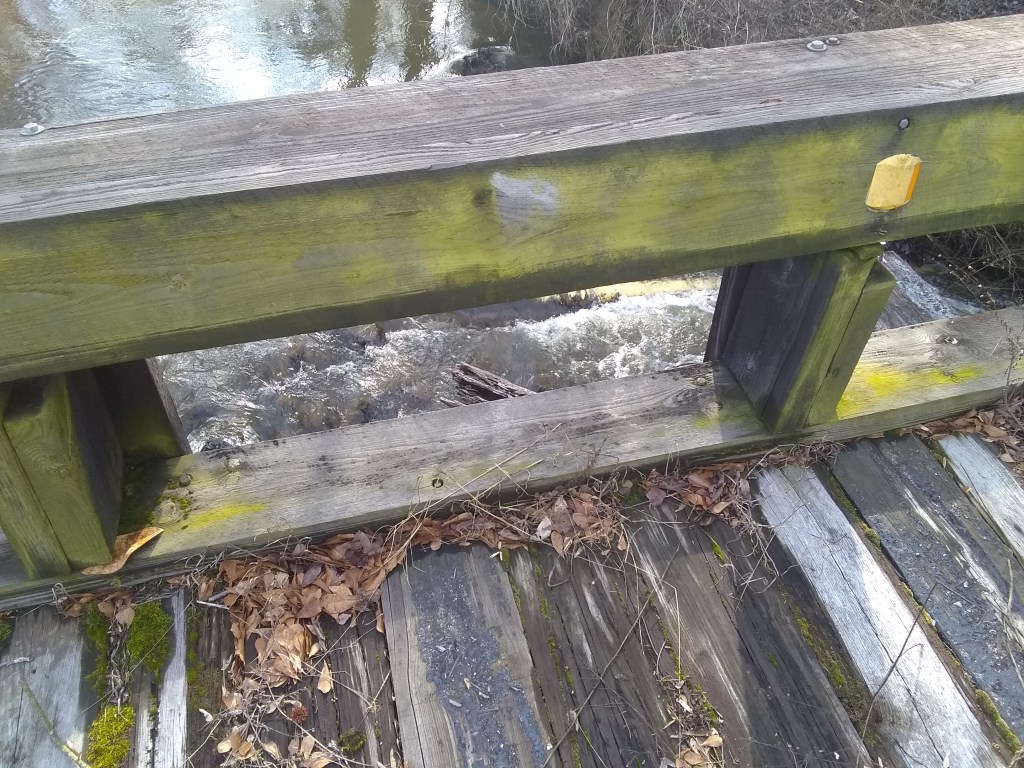
Here’s a few photos taken along my route:
Here’s what I’m currently listening to: The Third Deadly Sin, by Lawrence Sanders

Sanders was a tremendously talented writer.

Amazon abstract:

New York Times Bestseller: A retired cop hunts for a female serial killer no one would suspect in this “first-rate thriller . . . as good as you can get” (The New York Times).

By day, she’s a middle-aged secretary no one would look at twice. But by night, dressed in a midnight-black wig, a skin-tight dress, and spike heels, she’s hard to miss. Inside her leather shoulder bag are keys, cash, mace, and a Swiss Army knife. She prowls smoky hotel bars for prey. The first victim—a convention guest at an upscale Manhattan hotel—is found with multiple stab wounds to the neck and genitals. By the time retired police detective chief Edward Delaney hears about the case from an old colleague, the Hotel Ripper has already struck twice. Unable to resist the puzzle, Delaney follows the clues and soon realizes he’s looking for a woman. As the grisly slayings continue, seizing the city in a chokehold of panic, Delaney must stop the madwoman before she kills again.

A Sample Five Star Review

M. G Watson

VINE VOICE

5.0 out of 5 stars Third Time’s the Charm

Reviewed in the United States on May 15, 2015

Verified Purchase

It is arguable that Lawrence Sanders never rose to greater heights as a prose stylist, suspense-writer or storyteller than he did with THE THIRD DEADLY SIN, the penultimate novel in his “deadly sin” series of books and the fourth of five to feature crusty, sandwich-obsessed Edward X. Delaney as a protagonist. Though once referred to as “Mr. Bestseller” and nearly as prolific in his day as Stephen King, Sanders seems to be forgotten now, except for his “McNally” series which was hardly representative of his best work; but at his best he was both compulsively readable and immensely satisfying, and this novel is both.

Zoe Kohler is the world’s most boring woman. Hailing from a small town somewhere in the Midwest, divorced from a husband who treated her like she was invisible, virtually friendless, and stuck in a mindless, dead-end job in the security office of an old hotel in Manhattan, she worries incessantly about her health and indulges in only one hobby: murder. Sexing herself up every Friday night, Zoe picks up unsuspecting businessmen attending conventions in different hotels around town, and delivers to each the same grisly fate: a Swiss Army knife, first to the throat and then to the jewels. But because nobody ever notices the world’s most boring woman, nobody suspects her, leaving Zoe free to indulge her hobby — over and over and over again.

Edward X. Delaney used to be a cop — and not just any cop, but the NYPD’s Chief of Detectives. Now, of course, he’s just a bored retiree, living in a Manhattan brownstone with this second wife. So when his former “rabbi” in the Department, Deputy Commissioner Ivar Thorsen, asks him to help investigate a series of baffling murders being committed in hotels around the city, Delaney agrees, but has little idea what he’s getting into: a search for a faceless, motiveless “repeater” (1970s slang for serial killer) whose vicious talents with a short-bladed knife are wreaking havoc with New York’s once-thriving convention trade. Acting as an unofficial adviser to the “Hotel Ripper” task force, Delaney begins to suspect that male prejudices, including his own, may be blinding his fellow detectives to the possibility of that the Ripper may not be a man. But he has no suspects, no witnesses, no fingerprints, and no hard evidence. Only instincts. And a growing pile of victims.

THE THIRD DEADLY SIN is a very attractive suspense novel for many reasons. Aside from Sanders prose style, which is beautiful, memorable and incredibly evocative, it works on multiple levels. Firstly, the character of Zoe Kohler. She is at once both a pitiable loser, struggling with health problems and sexist attitudes at work a burgeoning relationship with a sweet and unsuspecting man…and a remorseless, relentless killer, who hunts men for the sheer thrill of it. Second, Edward X. Delaney. This crusty, hard-nosed, sandwich-obsessed detective is neither sexy, flashy, nor gifted with any great deductive genius: he’s simply like a boulder that, starting slowly, gathers investigative momentum until he crushes just about everyone in his path, yet at the same time possesses a sensitivity — largely through his wife’s softening influence — that allows him more nuances than a typical, cigar-chewing, old school detective. And this leads me to the books third major strength, which is its examination of sexual attitudes, gender roles and (unintentionally) police procedure during the period it was written — about 35 years ago. At that time the pathology of serial killers was scarcely understood, forensic science still in its infancy, and the idea of gender equality more of a punchline than a serious idea. Delaney, an aging Irish cop with flat feet, is both brimming with cheauvanistic, patronizing, old-school attitudes and open to the possibility that those attitudes may be wrong.

No novel is perfect, of course, and this one is no exception. Sanders sometimes makes small but basic errors in matters of police procedure, slang and etiquette; the sort of mistakes which are the result of never having been a cop himself. Occasionally he tries too hard to make characters colorful, giving them a contrived rather than a naturalistic feel; and sometimes his dialogue and description betray his overwhelming love of the English language and end up sounding pretentious or, coming out of the mouths of certain characters, simply unrealistic. (This also leads him to over-write scenes with minor characters, such as Zoe’s doctor.) Most of the criticisms I can mount a this book, however, fall in the “nitpicking” category, and even when taken in the aggregate fail to outweigh all of its many pleasures.

THE THIRD DEADLY SIN may or may not have been Sanders’ best book (you could make a case for THE SIXTH COMMANDMENT or THE SECOND DEADLY SIN or THE ANDERSON TAPES or various others). It may not even be his best suspense novel. But for my money it is not merely a good read but equally satisfying upon each subsequent reading, which is about the highest praise I can give to an author’s work. So: buy it, make yourself a sandwich, and sit down to this half-forgotten but deservedly remembered author. Murder and mayhem have never been so fun.

Writing Journal—Friday writing prompt

Your handyman protagonist flips houses for a living. As he’s knocking down a wall in his latest home, he discovers a false wall in one of the bedrooms with a decaying skeleton behind it. Describe the scene as it unfolds.

One Stop for Writers

 Guidance & tips

Write the scene of discovery (i.e., tell a story), or brainstorm and create a list of related ideas.

Here’s five story elements to consider:

  • Character
  • Setting
  • Plot
  • Conflict
  • Resolution

Never forget, writing is a process. The first draft is always a mess.

The first draft of anything is shit.

Ernest Hemingway

02/09/23 Biking & Listening

Biking is something else I both love and hate. It takes a lot of effort but does provide good exercise and most days over an hour to listen to a good book or podcast. I especially like having ridden.

Here’s my bike, a Rockhopper by Specialized. I purchased it November 2021 from Venture Out in Guntersville; Mike is top notch! So is the bike, and the ‘old’ man seat I salvaged from an old Walmart bike.

Here’s a link to today’s bike ride. I obviously favor my pistol route.

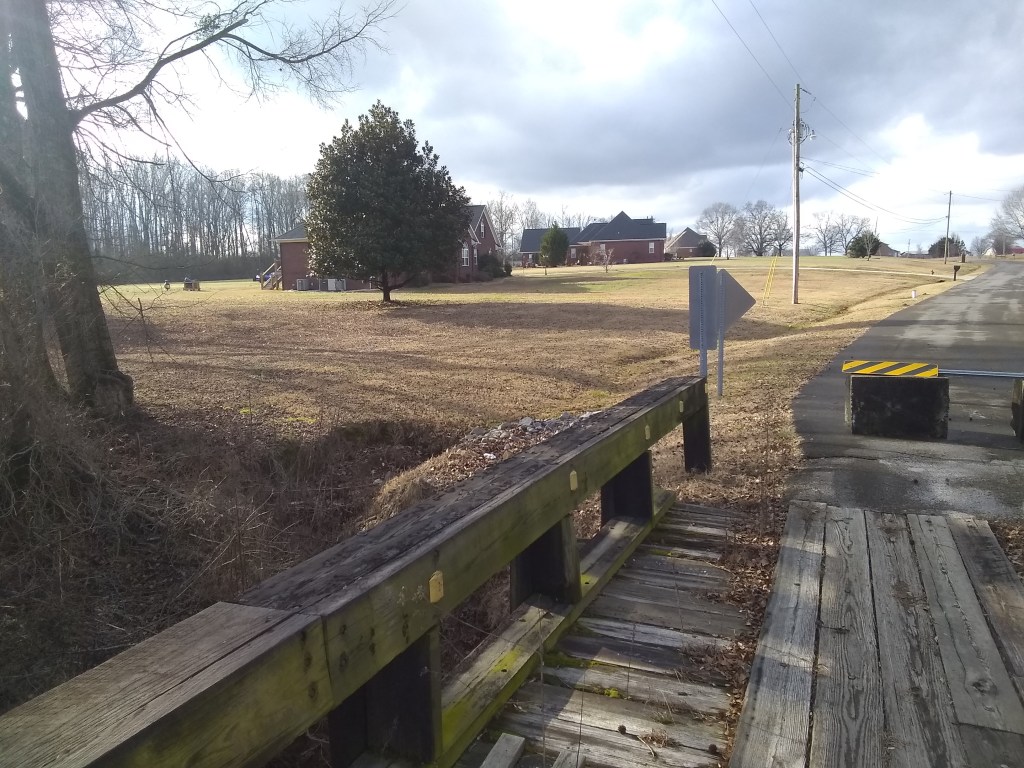
Here’s a few photos taken along my route:
Here’s what I’m currently listening to: The Third Deadly Sin, by Lawrence Sanders
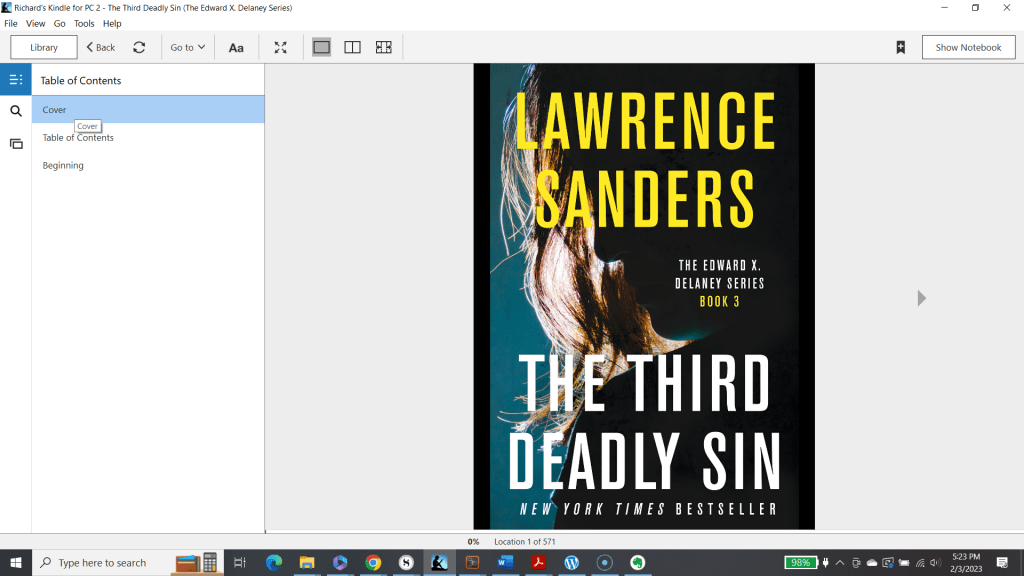
Sanders was a tremendously talented writer.

Amazon abstract:

New York Times Bestseller: A retired cop hunts for a female serial killer no one would suspect in this “first-rate thriller . . . as good as you can get” (The New York Times).

By day, she’s a middle-aged secretary no one would look at twice. But by night, dressed in a midnight-black wig, a skin-tight dress, and spike heels, she’s hard to miss. Inside her leather shoulder bag are keys, cash, mace, and a Swiss Army knife. She prowls smoky hotel bars for prey. The first victim—a convention guest at an upscale Manhattan hotel—is found with multiple stab wounds to the neck and genitals. By the time retired police detective chief Edward Delaney hears about the case from an old colleague, the Hotel Ripper has already struck twice. Unable to resist the puzzle, Delaney follows the clues and soon realizes he’s looking for a woman. As the grisly slayings continue, seizing the city in a chokehold of panic, Delaney must stop the madwoman before she kills again.

A Sample Five Star Review

M. G Watson

VINE VOICE

5.0 out of 5 stars Third Time’s the Charm

Reviewed in the United States on May 15, 2015

Verified Purchase

It is arguable that Lawrence Sanders never rose to greater heights as a prose stylist, suspense-writer or storyteller than he did with THE THIRD DEADLY SIN, the penultimate novel in his “deadly sin” series of books and the fourth of five to feature crusty, sandwich-obsessed Edward X. Delaney as a protagonist. Though once referred to as “Mr. Bestseller” and nearly as prolific in his day as Stephen King, Sanders seems to be forgotten now, except for his “McNally” series which was hardly representative of his best work; but at his best he was both compulsively readable and immensely satisfying, and this novel is both.

Zoe Kohler is the world’s most boring woman. Hailing from a small town somewhere in the Midwest, divorced from a husband who treated her like she was invisible, virtually friendless, and stuck in a mindless, dead-end job in the security office of an old hotel in Manhattan, she worries incessantly about her health and indulges in only one hobby: murder. Sexing herself up every Friday night, Zoe picks up unsuspecting businessmen attending conventions in different hotels around town, and delivers to each the same grisly fate: a Swiss Army knife, first to the throat and then to the jewels. But because nobody ever notices the world’s most boring woman, nobody suspects her, leaving Zoe free to indulge her hobby — over and over and over again.

Edward X. Delaney used to be a cop — and not just any cop, but the NYPD’s Chief of Detectives. Now, of course, he’s just a bored retiree, living in a Manhattan brownstone with this second wife. So when his former “rabbi” in the Department, Deputy Commissioner Ivar Thorsen, asks him to help investigate a series of baffling murders being committed in hotels around the city, Delaney agrees, but has little idea what he’s getting into: a search for a faceless, motiveless “repeater” (1970s slang for serial killer) whose vicious talents with a short-bladed knife are wreaking havoc with New York’s once-thriving convention trade. Acting as an unofficial adviser to the “Hotel Ripper” task force, Delaney begins to suspect that male prejudices, including his own, may be blinding his fellow detectives to the possibility of that the Ripper may not be a man. But he has no suspects, no witnesses, no fingerprints, and no hard evidence. Only instincts. And a growing pile of victims.

THE THIRD DEADLY SIN is a very attractive suspense novel for many reasons. Aside from Sanders prose style, which is beautiful, memorable and incredibly evocative, it works on multiple levels. Firstly, the character of Zoe Kohler. She is at once both a pitiable loser, struggling with health problems and sexist attitudes at work a burgeoning relationship with a sweet and unsuspecting man…and a remorseless, relentless killer, who hunts men for the sheer thrill of it. Second, Edward X. Delaney. This crusty, hard-nosed, sandwich-obsessed detective is neither sexy, flashy, nor gifted with any great deductive genius: he’s simply like a boulder that, starting slowly, gathers investigative momentum until he crushes just about everyone in his path, yet at the same time possesses a sensitivity — largely through his wife’s softening influence — that allows him more nuances than a typical, cigar-chewing, old school detective. And this leads me to the books third major strength, which is its examination of sexual attitudes, gender roles and (unintentionally) police procedure during the period it was written — about 35 years ago. At that time the pathology of serial killers was scarcely understood, forensic science still in its infancy, and the idea of gender equality more of a punchline than a serious idea. Delaney, an aging Irish cop with flat feet, is both brimming with cheauvanistic, patronizing, old-school attitudes and open to the possibility that those attitudes may be wrong.

No novel is perfect, of course, and this one is no exception. Sanders sometimes makes small but basic errors in matters of police procedure, slang and etiquette; the sort of mistakes which are the result of never having been a cop himself. Occasionally he tries too hard to make characters colorful, giving them a contrived rather than a naturalistic feel; and sometimes his dialogue and description betray his overwhelming love of the English language and end up sounding pretentious or, coming out of the mouths of certain characters, simply unrealistic. (This also leads him to over-write scenes with minor characters, such as Zoe’s doctor.) Most of the criticisms I can mount a this book, however, fall in the “nitpicking” category, and even when taken in the aggregate fail to outweigh all of its many pleasures.

THE THIRD DEADLY SIN may or may not have been Sanders’ best book (you could make a case for THE SIXTH COMMANDMENT or THE SECOND DEADLY SIN or THE ANDERSON TAPES or various others). It may not even be his best suspense novel. But for my money it is not merely a good read but equally satisfying upon each subsequent reading, which is about the highest praise I can give to an author’s work. So: buy it, make yourself a sandwich, and sit down to this half-forgotten but deservedly remembered author. Murder and mayhem have never been so fun.

Atoms with Consciousness: Yo-Yo Ma Performs Richard Feynman’s Ode to the Wonder of Life, Animated

Here’s the link to this article.

“Out of the cradle onto the dry land… here it is standing… atoms with consciousness… matter with curiosity… I… a universe of atoms… an atom in the universe.”

BY MARIA POPOVA

This is the final installment in the nine-part animated interlude season of The Universe in Verse in collaboration with On Being, celebrating the wonder of reality through stories of science winged with poetry. See the rest here.

THE ANIMATED UNIVERSE IN VERSE: CHAPTER NINE

Here we are, each of us a portable festival of wonder, standing on this rocky body born by brutality, formed from the debris that first swarmed the Sun 4.5 billion years ago and pulverized each other in a gauntlet of violent collisions, eventually forging the Moon and the Earth.

Here we are, now standing on it, on this improbable planet bred of violence, which grew up to be a world capable of trees and tenderness. A conscious world. A world shaped by physics and animated by art, by poetry, by music and mathematics — the different languages we have developed to listen to reality and speak it back to ourselves.

Here we are, voicing in these different our fundamental wonderment: What is all this? This byproduct of reality we call life: not probable, not even necessary, and yet it is all we know, because it is all we are, and it is with the whole of what we are that we reckon with reality, that we long to fathom it — from the scale of gluons to the scale of galaxies, from the mystery of the cell to the mystery of the soul.

Every once in a while — perhaps once or twice a century, if we are lucky — atoms shed by dying stars constellate into a living mind so shimmering, so uncommonly gifted in multiple fathoming-languages, that poems and paintings, elegies and equations, theorems and songs spring from it with equal ardor and equal beauty. Rebecca Elson was one. Richard Feynman (May 11, 1918–February 15, 1988) was another — a Nobel-winning physicist, a philosopher, an artist, composer of the world’s most lyrical footnote and most bittersweet love letter, who saw no boundary between knowledge and mystery, between our different modes of fathoming reality and serenading the wonder of the universe that made us.

In the autumn of 1955, a decade before he won the Nobel Prize for his groundbreaking work on quantum electrodynamics, Feynman took the podium at the National Academy of Sciences to contemplate the value of science. Midway through his characteristically eloquent and intellectually elegant lecture, addressing the country’s most orthodox audience of academic scientists, he burst into what can best be described as a splendid prose-poem about the mystery and wonder of life, inspired by a reflective moment he spent alone on the edge of the sea, where Rachel Carson too found the meaning of life. It later became the epilogue to Feynman’s final collection of autobiographical reflections, What Do You Care What Other People Think? (public library), published the year of his death.

Richard Feynman lecturing at CalTech

In this ninth and final installment of the animated Universe in Verse, legendary cellist and Silkroad founder Yo-Yo Ma — one of the most boundlessly curious and wonder-smitten minds I know, who knew Feynman and shares with him a passionate appreciation of science as the native poetry of reality — brings this prose-poem to life in a soulful, symphonic reading with a side of Bach, animated by artist and designer Kelli Anderson (who previously animated Jane Hirshfield’s poem “Optimism” at the second annual Universe in Verse in 2018 and Amanda Palmer’s reading of “Hubble Photographs: After Sappho” by Adrienne Rich at the third live show in 2019).

Radiating from it all — from Feynman’s words, from Yo-Yo’s music, from Kelli’s animation — is what Feynman himself once told Yo-Yo: “Nature has the greatest imagination of all.”

[UNTITLED ODE TO THE WONDER OF LIFE]
by Richard Feynman

I stand at the seashore, alone, and start to think. There are the rushing waves… mountains of molecules, each stupidly minding its own business… trillions apart… yet forming white surf in unison.

Ages on ages… before any eyes could see… year after year… thunderously pounding the shore as now. For whom, for what?… on a dead planet, with no life to entertain.

Never at rest… tortured by energy… wasted prodigiously by the sun… poured into space. A mite makes the sea roar.

Deep in the sea, all molecules repeat the patterns of one another till complex new ones are formed. They make others like themselves… and a new dance starts.

Growing in size and complexity… living things, masses of atoms, DNA, protein… dancing a pattern ever more intricate.

Out of the cradle onto the dry land… here it is standing… atoms with consciousness… matter with curiosity.

Stands at the sea… wonders at wondering… I… a universe of atoms… an atom in the universe.

Previously in the series: Chapter 1 (the evolution of life and the birth of ecology, with Joan As Police Woman and Emily Dickinson); Chapter 2 (Henrietta Leavitt, Edwin Hubble, and the human hunger to know the cosmos, with Tracy K. Smith); Chapter 3 (trailblazing astronomer Maria Mitchell and the poetry of the cosmic perspective, with David Byrne and Pattiann Rogers); Chapter 4 (dark matter and the mystery of our mortal stardust, with Patti Smith and Rebecca Elson); Chapter 5 (a singularity-ode to our primeval bond with nature and each other, starring Toshi Reagon and Marissa Davis); Chapter 6 (Emmy Noether, symmetry, and the conservation of energy, with Amanda Palmer and Edna St. Vincent Millay); Chapter 7 (the science of entropy and the art of alternative endings, with Janna Levin and W.H. Auden); Chapter 8 (nonhuman consciousness and the wonder of octopus intelligence, with Sy Montgomery and Marilyn Nelson).

Drafting–Layover in Newark, part A

“Let’s go inside.” Millie head-motioned for Molly to exit the bus first. Following her daughter, a streak of fear rushed upwards and across Millie’s spinal column. ‘It only takes one mistake, even a small one, and we’re sunk.’

The station was a nice old building dating from the 1940’s according to the bronze plaque outside the double-door entrance. Molly had researched Newark’s Penn Station before sending her first text to Alisha. It was a hub for not only Greyhound Bus, but also for Amtrak, and the subway.

Inside, Millie and Molly were amazed at the vastness of the lobby. “This is like entering a time warp.” Millie said, pumping a handful of Purell from a nearby stand.

“I agree. Modern and ancient. The granite floor and multiple stores along the far wall remind me of The Shops at Northbridge back home. But, the tribe of bedraggled and unkempt people wandering around make me think of the beginning of humanity, poor, desperate, fearful.” Molly often described a setting as though she was writing a piece for Ms. Thorton, her all-time favorite teacher.

“I don’t see how they survive.” Millie said directing Molly to a metal bench bolted to the floor to their left. “Much cause to be thankful.”

“I assume you took your Depokote.” Molly could already tell her mother was rebounding, at least a little, from her depressive state. Otherwise, she wouldn’t be referencing her gratitude.

“I did.” Millie removed the brochure she’d been given in Toledo and found the list of stations they’d encounter along their route. She typed Newark Penn Station’s web address into her phone and started reading. “Dunkin, Starbucks, and McDonald’s are all inside.” Millie pointed to the three lined side-by-side along the far wall.

“We have a three and a half hour layover. Let’s walk to the Doubletree Hilton on Raymond Blvd. That’s only two blocks and they have a highly rated bistro we could enjoy something other than fast-food. Then, we could rest in the comfortable chairs inside their lobby.”

“Well, I guess you’ve been doing more than texting Alisha.” Millie stared at Molly who looked down and clutched her book bag. Expecting a long-winded lecture, she was surprised by her mom’s hug. “No need to worry now, it’s done.”

“I’m sorry.” Molly said and stood as a toothless woman in a ragged coat, disheveled hair, and holey gloves approached holding a small tin bucket with the words, “help me please” scrawled in magic marker along the side.

It took less than five minutes to walk to the Doubletree Hotel and find Bistro Six Five Zero located just off the lobby. The tall, thin, clean-shaven waiter with gold Christian-cross earrings led them to the requested corner booth but Millie, upon inspection and noticing the torn seating with exposed foam padding, insisted on a table.

The menu was fairly broad, including anything from chicken wings to grilled salmon to Ribeye steak as well as burgers, sandwiches, salads and deserts. Given the pricing, both ordered the cheapest entre, the Bistro Burger with fries for $18. Soft drinks were extra, $3.49, so they declined opting for water instead.

After the waiter left, Molly shared her regret. “We should have eaten at McDonald’s. With that homeless woman as our guest.” Millie smiled and nodded affirmatively.

“How much did you give her?” Unlike Molly, Millie had resisted the uninhibited woman. She was glad her daughter was tenderhearted and cared about those less fortunate, but wanted her to learn she couldn’t help every needy person who came across her path.

“Five dollars. And now, you’re spending twenty-plus dollars on me. That could have fed that dear old woman and me, plus enough left over to give her $5.00.” Millie listened as Molly continued to talk for five or six minutes about a world with abundant food but yet widespread starvation. She shared an article her social studies teacher had shared quoting United Nations statistics: every year, more than 3 million children die from hunger-related causes.

The waiter delivered their food. “I hear you baby. There is unimaginable suffering in the world and we all need to do our part to help where and when we can.” They ate slow and in silence with Millie making a mental note to call their new landlord, Youngblood Properties, to make sure everything was ready for their arrival. Last Tuesday, the painters were scheduled to begin Thursday and finish on Friday.