Dinosaurs of the Sky: Consummate 19th-Century Scottish Natural History Illustrations of Birds

Here’s the link to this article.

From pigeons to parakeets, an uncommonly beautiful celebration of biodiversity.

BY MARIA POPOVA

Birds populate our metaphors, our poems, and our children’s books, entrance our imagination with their song and their chromatically ecstatic plumage, transport us on their tender wings back to the time of the dinosaurs they evolved from. But birds are a time machine in another way, too — not only evolutionarily but culturally: While the birth of photography revolutionized many sciences, birds remained as elusive as ever, difficult to capture with lens and shutter, so that natural history illustration has remained the most expressive medium for their study and celebration.

To my eye, the most consummate drawings of birds in the history of natural history date back to the 1830s, but they are not Audubon’s Birds of America — rather, they appeared on the other side of the Atlantic, in the first volume of The Edinburgh Journal of Natural History and of the Physical Sciences, with the Animal Kingdom of the Baron Cuvier, published in the wake of the pioneering paleontologist Georges Cuvier’s death.

Hundreds of different species of birds — some of them now endangered, some on the brink of extinction — populate the lavishly illustrated pages, clustered in kinship groups as living visual lists of dazzling biodiversity.

Titmice. (Available as a print and stationery cards.)
Sugarbirds. (Available as a print and stationery cards.)
Shrikes. (Available as a print and stationery cards.)
Thrush-shrikes. (Available as a print and stationery cards.)
Tangers. (Available as a print and stationery cards.)
Gnat-catchers. (Available as a print and stationery cards.)
Chats. (Available as a print and stationery cards.)
Pittas. (Available as a print and stationery cards.)
Orioles. (Available as a print and stationery cards.)
Warblers. (Available as a print and stationery cards.)
Kinglets. (Available as a print and stationery cards.)
Owls. (Available as a print and stationery cards.)

Owls. (Available as a print and stationery cards.)

Wrens. (Available as a print and stationery cards.)
Eurylaimidae. (Available as a print and stationery cards.)
Bunting. (Available as a print and stationery cards.)
Finches. (Available as a print and stationery cards.)
Crossbills. (Available as a print and stationery cards.)
Jays. (Available as a print and stationery cards.)
Sunbirds. (Available as a print and stationery cards.)
Hoopoes. (Available as a print and stationery cards.)
Bee-eaters. (Available as a print and stationery cards.)
Hornbills. (Available as a print and stationery cards.)
Woodpeckers. (Available as a print and stationery cards.)
Trogon. (Available as a print and stationery cards.)
Cockatoos. (Available as a print and stationery cards.)
Lories and parakeets. (Available as a print and stationery cards.)
Quails. (Available as a print and stationery cards.)
Harrier hawks. (Available as a print and stationery cards.)
Pigeons. (Available as a print and stationery cards.)

Among the cornucopia of species depicted — pigeons and parakeets, warblers and jays, woodpeckers and owls, sunbirds and sugarbirds — none occupy more space than hummingbirds, perhaps due to their enduring enchantment partway between science and magic.

Hummingbirds. (Available as a print and stationery cards.)

Couple with some stunning 19th-century ink illustrations of owls, dial back a century with the trailblazing 18th-century artist Sarah Stone’s paintings of exotic, endangered, and extinct species, and dive into the fascinating science of feathers.

02/18/23 Biking & Listening

Biking is something else I both love and hate. It takes a lot of effort but does provide good exercise and most days over an hour to listen to a good book or podcast. I especially like having ridden.

Here’s my bike, a Rockhopper by Specialized. I purchased it November 2021 from Venture Out in Guntersville; Mike is top notch! So is the bike, and the ‘old’ man seat I salvaged from an old Walmart bike.

Here’s a link to today’s bike ride. This is my pistol ride.

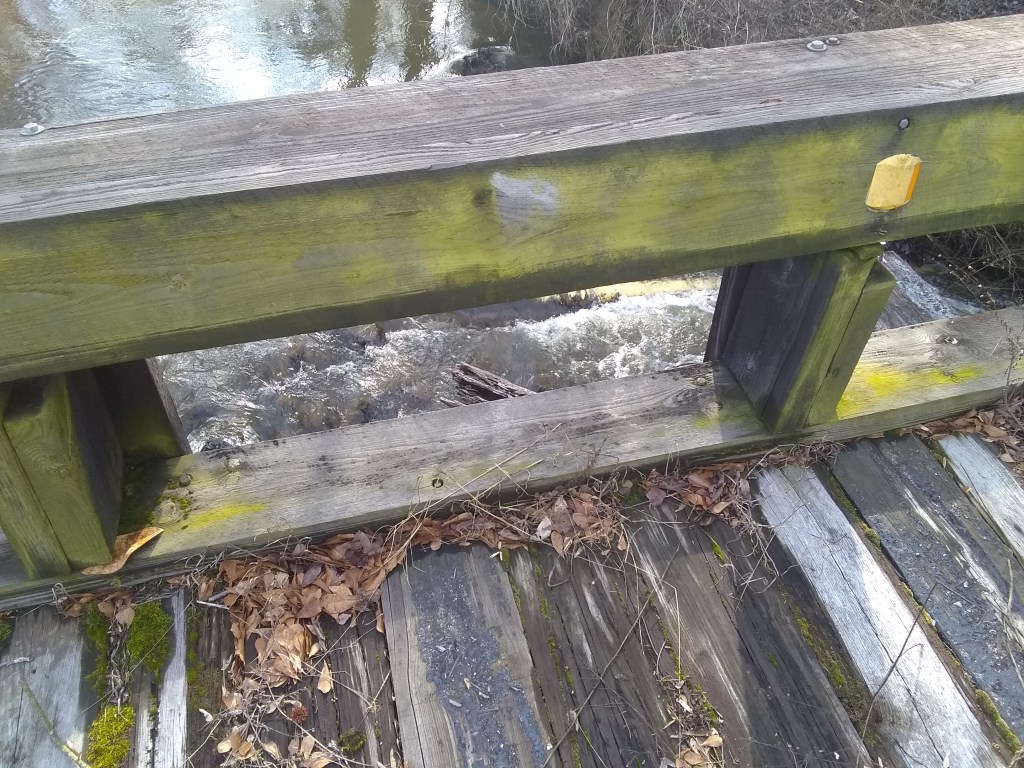
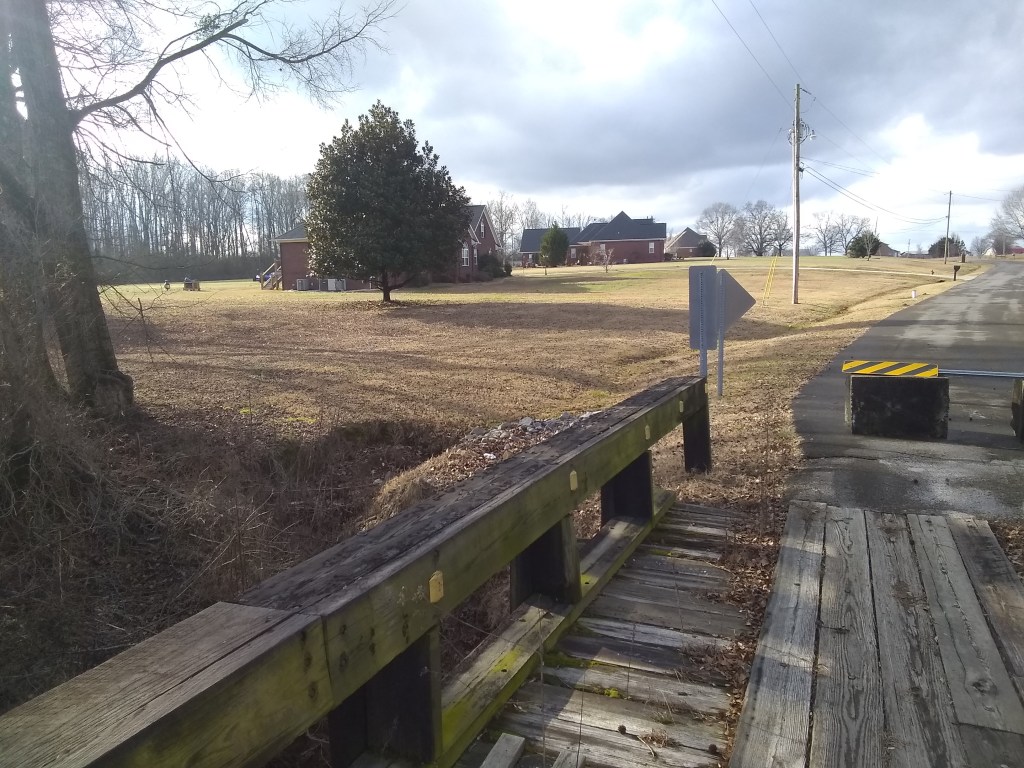
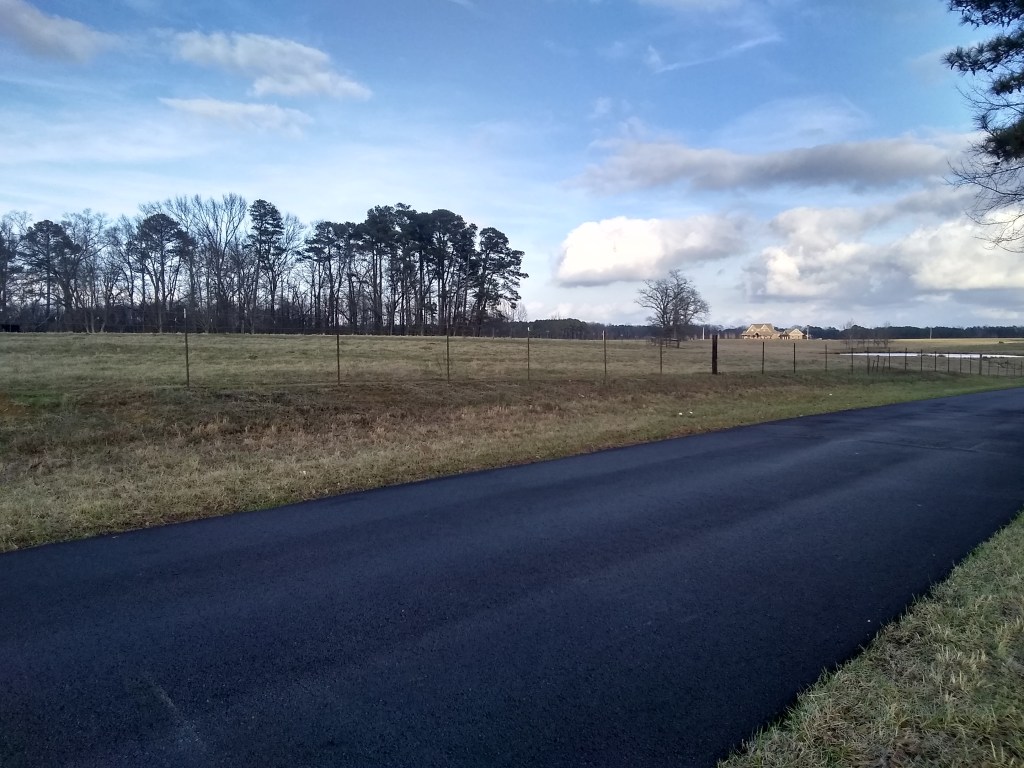
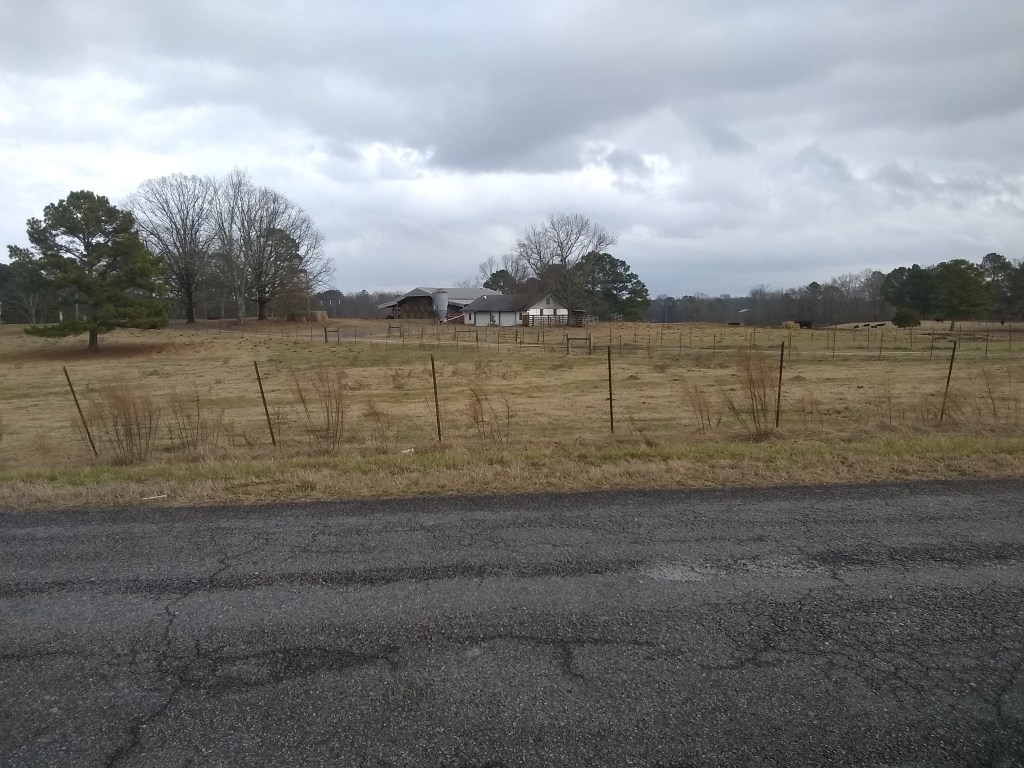
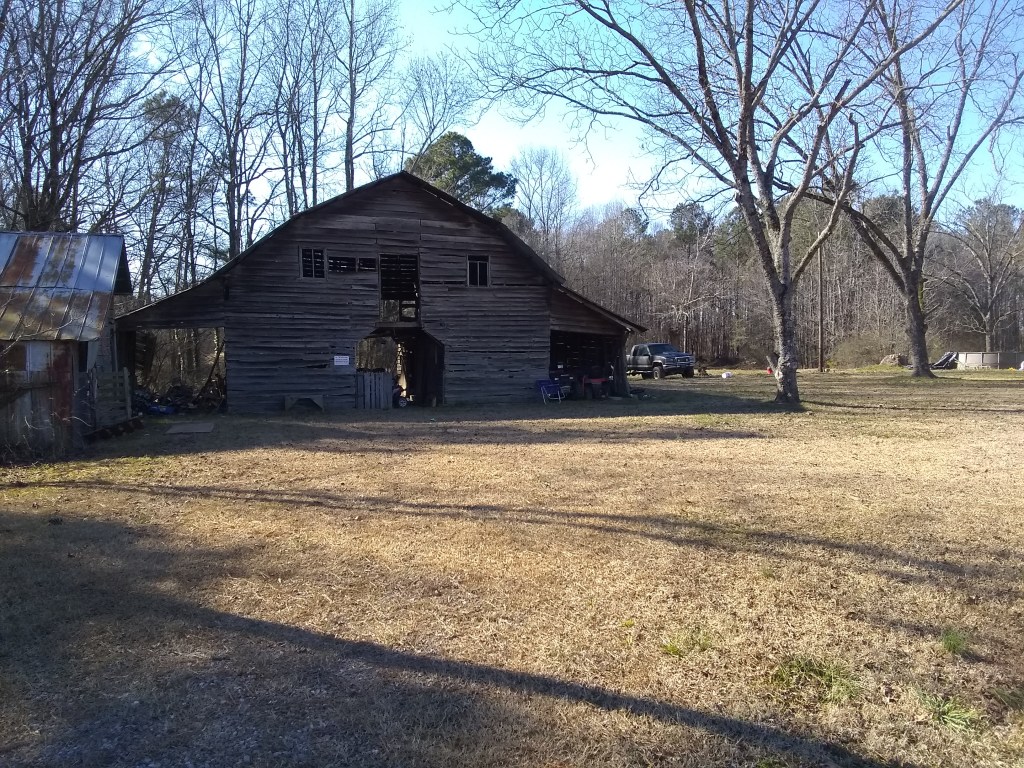
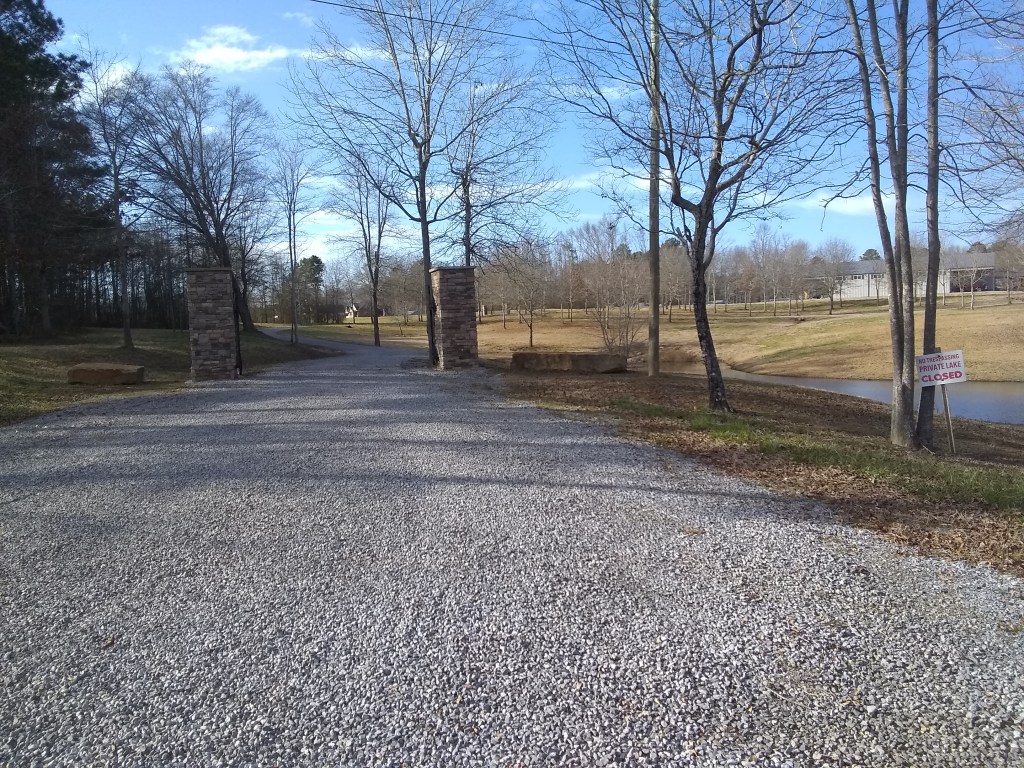
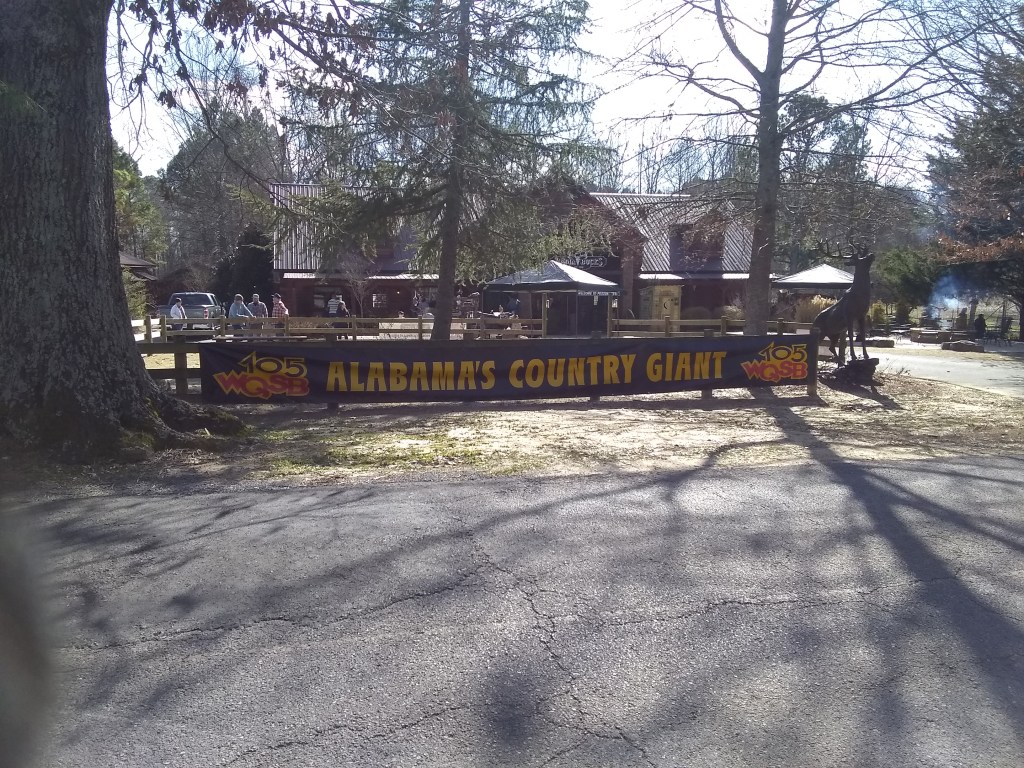
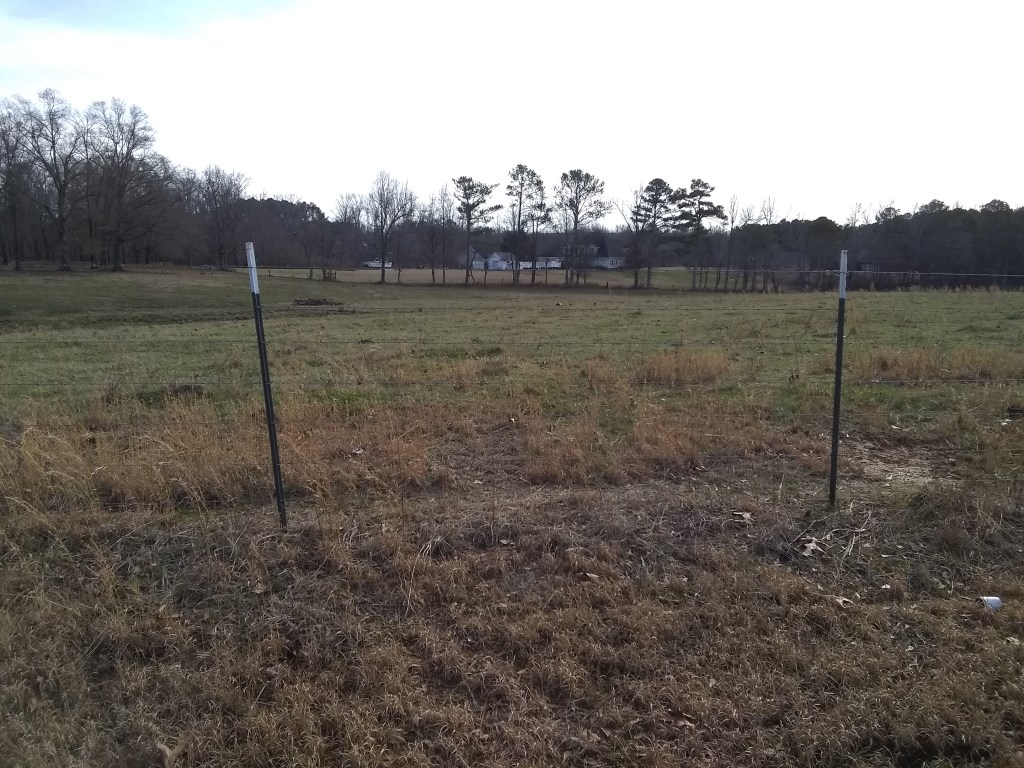
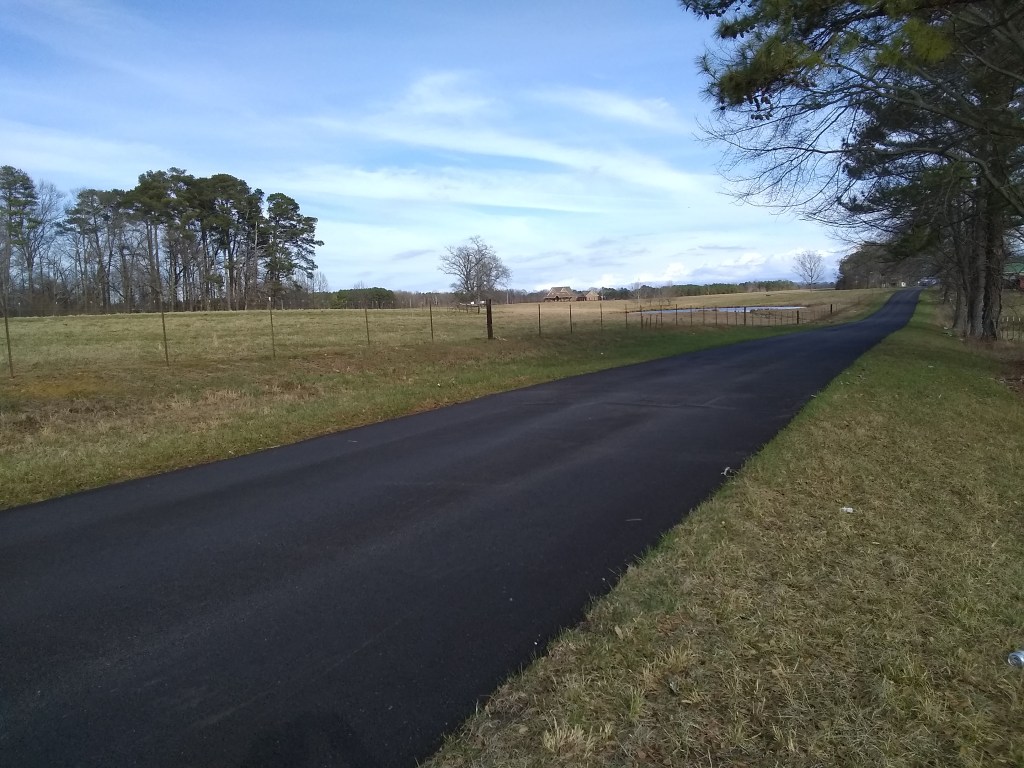
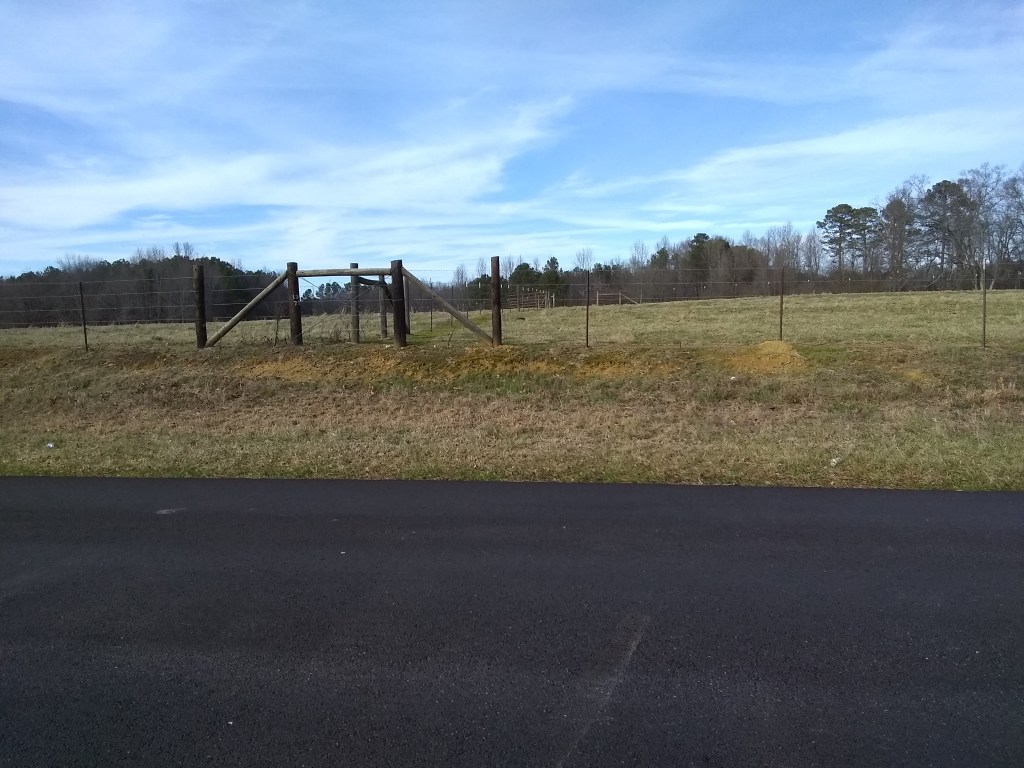
Here’s a few photos taken along my route:

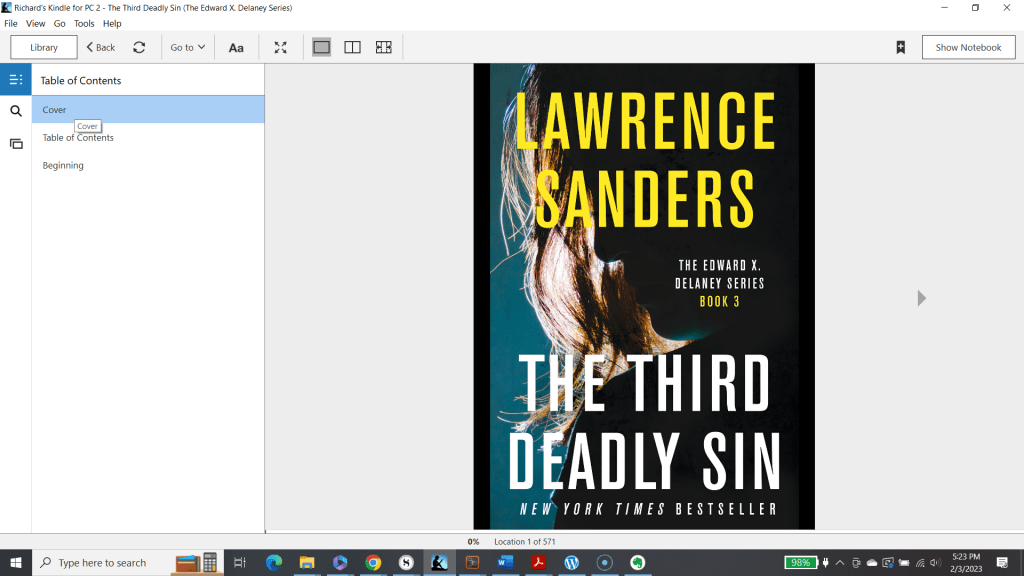
Here’s what I’m currently listening to: The Third Deadly Sin, by Lawrence Sanders

Sanders was a tremendously talented writer.

Amazon abstract:

New York Times Bestseller: A retired cop hunts for a female serial killer no one would suspect in this “first-rate thriller . . . as good as you can get” (The New York Times).

By day, she’s a middle-aged secretary no one would look at twice. But by night, dressed in a midnight-black wig, a skin-tight dress, and spike heels, she’s hard to miss. Inside her leather shoulder bag are keys, cash, mace, and a Swiss Army knife. She prowls smoky hotel bars for prey. The first victim—a convention guest at an upscale Manhattan hotel—is found with multiple stab wounds to the neck and genitals. By the time retired police detective chief Edward Delaney hears about the case from an old colleague, the Hotel Ripper has already struck twice. Unable to resist the puzzle, Delaney follows the clues and soon realizes he’s looking for a woman. As the grisly slayings continue, seizing the city in a chokehold of panic, Delaney must stop the madwoman before she kills again.

A Sample Five Star Review

M. G Watson

VINE VOICE

5.0 out of 5 stars Third Time’s the Charm

Reviewed in the United States on May 15, 2015

Verified Purchase

It is arguable that Lawrence Sanders never rose to greater heights as a prose stylist, suspense-writer or storyteller than he did with THE THIRD DEADLY SIN, the penultimate novel in his “deadly sin” series of books and the fourth of five to feature crusty, sandwich-obsessed Edward X. Delaney as a protagonist. Though once referred to as “Mr. Bestseller” and nearly as prolific in his day as Stephen King, Sanders seems to be forgotten now, except for his “McNally” series which was hardly representative of his best work; but at his best he was both compulsively readable and immensely satisfying, and this novel is both.

Zoe Kohler is the world’s most boring woman. Hailing from a small town somewhere in the Midwest, divorced from a husband who treated her like she was invisible, virtually friendless, and stuck in a mindless, dead-end job in the security office of an old hotel in Manhattan, she worries incessantly about her health and indulges in only one hobby: murder. Sexing herself up every Friday night, Zoe picks up unsuspecting businessmen attending conventions in different hotels around town, and delivers to each the same grisly fate: a Swiss Army knife, first to the throat and then to the jewels. But because nobody ever notices the world’s most boring woman, nobody suspects her, leaving Zoe free to indulge her hobby — over and over and over again.

Edward X. Delaney used to be a cop — and not just any cop, but the NYPD’s Chief of Detectives. Now, of course, he’s just a bored retiree, living in a Manhattan brownstone with this second wife. So when his former “rabbi” in the Department, Deputy Commissioner Ivar Thorsen, asks him to help investigate a series of baffling murders being committed in hotels around the city, Delaney agrees, but has little idea what he’s getting into: a search for a faceless, motiveless “repeater” (1970s slang for serial killer) whose vicious talents with a short-bladed knife are wreaking havoc with New York’s once-thriving convention trade. Acting as an unofficial adviser to the “Hotel Ripper” task force, Delaney begins to suspect that male prejudices, including his own, may be blinding his fellow detectives to the possibility of that the Ripper may not be a man. But he has no suspects, no witnesses, no fingerprints, and no hard evidence. Only instincts. And a growing pile of victims.

THE THIRD DEADLY SIN is a very attractive suspense novel for many reasons. Aside from Sanders prose style, which is beautiful, memorable and incredibly evocative, it works on multiple levels. Firstly, the character of Zoe Kohler. She is at once both a pitiable loser, struggling with health problems and sexist attitudes at work a burgeoning relationship with a sweet and unsuspecting man…and a remorseless, relentless killer, who hunts men for the sheer thrill of it. Second, Edward X. Delaney. This crusty, hard-nosed, sandwich-obsessed detective is neither sexy, flashy, nor gifted with any great deductive genius: he’s simply like a boulder that, starting slowly, gathers investigative momentum until he crushes just about everyone in his path, yet at the same time possesses a sensitivity — largely through his wife’s softening influence — that allows him more nuances than a typical, cigar-chewing, old school detective. And this leads me to the books third major strength, which is its examination of sexual attitudes, gender roles and (unintentionally) police procedure during the period it was written — about 35 years ago. At that time the pathology of serial killers was scarcely understood, forensic science still in its infancy, and the idea of gender equality more of a punchline than a serious idea. Delaney, an aging Irish cop with flat feet, is both brimming with cheauvanistic, patronizing, old-school attitudes and open to the possibility that those attitudes may be wrong.

No novel is perfect, of course, and this one is no exception. Sanders sometimes makes small but basic errors in matters of police procedure, slang and etiquette; the sort of mistakes which are the result of never having been a cop himself. Occasionally he tries too hard to make characters colorful, giving them a contrived rather than a naturalistic feel; and sometimes his dialogue and description betray his overwhelming love of the English language and end up sounding pretentious or, coming out of the mouths of certain characters, simply unrealistic. (This also leads him to over-write scenes with minor characters, such as Zoe’s doctor.) Most of the criticisms I can mount a this book, however, fall in the “nitpicking” category, and even when taken in the aggregate fail to outweigh all of its many pleasures.

THE THIRD DEADLY SIN may or may not have been Sanders’ best book (you could make a case for THE SIXTH COMMANDMENT or THE SECOND DEADLY SIN or THE ANDERSON TAPES or various others). It may not even be his best suspense novel. But for my money it is not merely a good read but equally satisfying upon each subsequent reading, which is about the highest praise I can give to an author’s work. So: buy it, make yourself a sandwich, and sit down to this half-forgotten but deservedly remembered author. Murder and mayhem have never been so fun.

Writing Journal—Saturday writing prompt

While taking a young nephew to the park, your character notices something half-covered in the sand box. What it is, and what the character does next, is up to you. 

One Stop for Writers

Guidance & Tips

Write the scene of discovery (i.e., tell a story), or brainstorm and create a list of related ideas.

Here’s five story elements to consider:

  • Character
  • Setting
  • Plot
  • Conflict
  • Resolution

Never forget, writing is a process. The first draft is always a mess.

The first draft of anything is shit.

Ernest Hemingway

Nick Cave on the Art of Growing Older

Here’s the link to this article.

“We’re often led to believe that getting older is in itself somehow a betrayal of our idealistic younger self, but sometimes I think it might be the other way around.”

BY MARIA POPOVA

Nick Cave on the Art of Growing Older

“The perilous time for the most highly gifted is not youth,” the visionary Elizabeth Peabody, who coined the term transcendentalism, wrote in her timeless admonition against the trap of complacency. “The perilous season is middle age, when a false wisdom tempts them to doubt the divine origin of the dreams of their youth.”

A century and a half after her, contemplating how to keep life from becoming a parody of itself, Simone de Beauvoir observed: “In old age we should wish still to have passions strong enough to prevent us turning in on ourselves.”

Moving through the stages of life and meeting each on its own terms is the supreme art of living — the ultimate test of self-respect and self-love. Often, what most blunts our vitality is the tendency for the momentum of a past stage to steer the present one, even though our priorities and passions have changed beyond recognition.

How to honor the unfolding of life without a punitive clinging to past selves is what Nick Cave explores in a passage from Faith, Hope and Carnage — one of my favorite books of 2022.

Nick Cave in Newcastle, 2022.

At sixty-five, he reflects:

We’re often led to believe that getting older is in itself somehow a betrayal of our idealistic younger self, but sometimes I think it might be the other way around. Maybe the younger self finds it difficult to inhabit its true potential because it has no idea what that potential is. It is a kind of unformed thing running scared most of the time, frantically trying to build its sense of self — This is me! Here I am! — in any way that it can. But then time and life come along, and smash that sense of self into a million pieces.

In consonance with the great Buddhist teacher Pema Chödrön’s insight that “only to the extent that we expose ourselves over and over to annihilation can that which is indestructible be found in us,” he considers what is found on the other side of that self-shattering:

Then comes the reassembled self, the self you have to put back together. You no longer have to devote time to finding out what you are, you are just free to be whatever you want to be, unimpeded by the incessant needs of others. You somehow grow into the fullness of your humanity, form your own character, become a proper person — I don’t know, someone who has become a part of things, not someone separated from or at odds with the world.

A generation earlier, Bertrand Russell touched on this in his astute observation that growing older contentedly is matter of being able to “make your interests gradually wider and more impersonal, until bit by bit the walls of the ego recede, and your life becomes increasingly merged in the universal life.”

Complement with Grace Paley on the art of growing older, then revisit Nick Cave on self-forgivenessthe relationship between vulnerability and freedom, and the antidote to our existential helplessness.

Writing Journal—Friday writing prompt

Your character is on a dive trip while on vacation. When he surfaces, he discovers that the boat is gone. He’s alone. Describe what happens next.

One Stop for Writers

Guidance & Tips

Write the scene of discovery (i.e., tell a story), or brainstorm and create a list of related ideas.

Here’s five story elements to consider:

  • Character
  • Setting
  • Plot
  • Conflict
  • Resolution

Never forget, writing is a process. The first draft is always a mess.

The first draft of anything is shit.

Ernest Hemingway

Trees at Night: Rebecca Solnit Reads and Reflects on a Stunning Century-Old Poem by the Young Harlem Renaissance Poet Helene Johnson

Here’s the link to this article.

An eighteen-year-old prodigy’s song of praise for the eternal consolation of trees.

BY MARIA POPOVA

Trees at Night: Rebecca Solnit Reads and Reflects on a Stunning Century-Old Poem by the Young Harlem Renaissance Poet Helene Johnson

It’s a hard thing, achieving perspective — hard for the human animal, pinned as we each are to the dust-mote of spacetime we’ve been allotted, not one of us having chosen where or when to be born, not one of us — not even the most fortunate — destined to live for more than a blink of evolutionary time. It is no wonder, then, that our lens so easily contracts to a pinhole through which the fleeting frights and urgencies of the present stream in to fill the chamber of our complex consciousness with blinding totality.

Remembering that we only have approximately four thousand weeks helps. Taking the telescopic perspective helps. Trees, especially, help — for they remedy our loss of perspective as Earth’s own telescopes of time and mortality, each of them a perpetual death and yet potentially immortal, each a clockwork portal to the past, each “a little bit of the future,” as Wangari Maathai exulted in her Nobel Peace Prize acceptance speech a blink before she became compost for future forests.

Winter Moon at Toyamagahara, 1931 — one of Japanese artist Hasui Kawase’s stunning vintage woodblocks of trees. (Available as a print, benefitting The Nature Conservancy.)

Charles Babbage, while dreaming up the world’s first computer with Ada Lovelace, marveled at how tree rings encode information about the past — living logs as precise as digital data, as primal as the human heartbeat:

Every shower that falls, every change of temperature that occurs, and every wind that blows, leaves on the vegetable world the traces of its passage; slight, indeed, and imperceptible, perhaps, to us, but not the less permanently recorded in the depths of those woody fabrics.

It is also no wonder, then, that we see ourselves so readily in trees — not only in the easy (and therefore limited) anthropomorphic sense of Western fairy tales and Eastern folk myths that have accompanied our civilization, but in the deeper, more poetic sense that reveals us to ourselves as imaginative creatures animated by a restless yearning to reconcile the ephemeral and the eternal. This is the sense William Blake captured in his most beautiful letter:

The tree which moves some to tears of joy is in the eyes of others only a green thing which stands in the way. As a man is, so he sees.

This is also the sense the young Harlem Renaissance poet Helene Johnson (July 7, 1906–July 7, 1995) captured a century and a half after Blake, in a spare and stunning poem written when she was only eighteen: “Trees at Night,” first published in 1925 — just as the high school dropout turned artist and activist Art Young’s beloved graphic series by the same title began appearing in the Saturday Evening PostCollier’s, and LIFE, most likely inspiring the young Johnson, whose precocious erudition and literary taste must have feasted on the era’s most popular magazines.Art by Art Young from his 1920s series Trees at Night. (Available as a print, benefitting The Nature Conservancy.

Johnson’s poem originally appeared in the May edition of the National Urban League’s Opportunity: A Journal of Negro Life, when a year later, not yet twenty, she won First Honorable Mention in the journal’s literary contest, judged by James Weldon Johnson and Robert Frost. “Trees at Night,” along with all of her surviving poems and a wealth of letters, was later included in the wonderful posthumous volume This Waiting for Love: Helene Johnson, Poet of the Harlem Renaissance (public library) by African American literature professor Verner D. Mitchell.

Although she published poetry for less than a decade — a common talent-corseting reality of marriage for women a mere century ago, radiating from the title of Johnson’s last published poem, at age twenty-nine: “Let Me Sing My Song” — she lived a long life, dying on her eighty-eighth birthday, having witnessed the triumph of the suffrage movement and the civilizational defeat of two World Wars, the horror of the Holocaust and the hard-won hope of Civil Rights, the discovery of the double helix and the retroviral genocide of AIDS, the dehumanizing agony of the atomic bomb and the first human footfall on the Moon. Hers was a true saeculum — that beautiful Etruscan word I learned from Rebecca Solnit, denoting the period of time since the birth of the oldest living elder in the community.

Naturally, it was Rebecca I invited to read “Trees at Night” at the 2022 Universe in Verse. (A free “retrostream” of the full show is available worldwide between 12PM EST on May 21 and 4PM EST on May 22). Being one of the most devoted climate thinkers and activists of our time, she prefaced her reading with a soaring meditation on trees as an antidote to the erasures of human history and a moral compass for our planetary future — the kind of extemporaneous prose poem that can sprout from the lushest minds, next to which Johnson’s lyric loveliness rises even more majestic:

https://w.soundcloud.com/player/?visual=true&url=https%3A%2F%2Fapi.soundcloud.com%2Ftracks%2F1272382819&show_artwork=true&maxheight=1000&maxwidth=680

TREES AT NIGHT
by Helene Johnson

Slim Sentinels
Stretching lacy arms
About a slumbrous moon;
Black quivering
Silhouettes,
Tremulous,
Stencilled on the petal
Of a bluebell;
Ink sputtered
On a robin’s breast;
The jagged rent
Of mountains
Reflected in a
Stilly sleeping lake;
Fragile pinnacles
Of fairy castles;
Torn webs of shadows;
And
Printed ’gainst the sky —
The trembling beauty
Of an urgent pine.

Complement with Ursula K. Le Guin’s love-poem to trees as a lens on life and death, then step into Rebecca’s inspiriting new project, Not Too Late — a welcoming portal into the climate movement for newcomers and an arsenal of reinvigoration “for people who are already engaged but weary.”

02/16/23 Biking & Listening

Biking is something else I both love and hate. It takes a lot of effort but does provide good exercise and most days over an hour to listen to a good book or podcast. I especially like having ridden.

Here’s my bike, a Rockhopper by Specialized. I purchased it November 2021 from Venture Out in Guntersville; Mike is top notch! So is the bike, and the ‘old’ man seat I salvaged from an old Walmart bike.

Here’s a link to today’s bike ride. Four and a half hours dealing with a plumbing issue limited today’s ride.

Here’s a few photos taken along my route:

Here’s what I’m currently listening to: The Third Deadly Sin, by Lawrence Sanders

Sanders was a tremendously talented writer.

Amazon abstract:

New York Times Bestseller: A retired cop hunts for a female serial killer no one would suspect in this “first-rate thriller . . . as good as you can get” (The New York Times).

By day, she’s a middle-aged secretary no one would look at twice. But by night, dressed in a midnight-black wig, a skin-tight dress, and spike heels, she’s hard to miss. Inside her leather shoulder bag are keys, cash, mace, and a Swiss Army knife. She prowls smoky hotel bars for prey. The first victim—a convention guest at an upscale Manhattan hotel—is found with multiple stab wounds to the neck and genitals. By the time retired police detective chief Edward Delaney hears about the case from an old colleague, the Hotel Ripper has already struck twice. Unable to resist the puzzle, Delaney follows the clues and soon realizes he’s looking for a woman. As the grisly slayings continue, seizing the city in a chokehold of panic, Delaney must stop the madwoman before she kills again.

A Sample Five Star Review

M. G Watson

VINE VOICE

5.0 out of 5 stars Third Time’s the Charm

Reviewed in the United States on May 15, 2015

Verified Purchase

It is arguable that Lawrence Sanders never rose to greater heights as a prose stylist, suspense-writer or storyteller than he did with THE THIRD DEADLY SIN, the penultimate novel in his “deadly sin” series of books and the fourth of five to feature crusty, sandwich-obsessed Edward X. Delaney as a protagonist. Though once referred to as “Mr. Bestseller” and nearly as prolific in his day as Stephen King, Sanders seems to be forgotten now, except for his “McNally” series which was hardly representative of his best work; but at his best he was both compulsively readable and immensely satisfying, and this novel is both.

Zoe Kohler is the world’s most boring woman. Hailing from a small town somewhere in the Midwest, divorced from a husband who treated her like she was invisible, virtually friendless, and stuck in a mindless, dead-end job in the security office of an old hotel in Manhattan, she worries incessantly about her health and indulges in only one hobby: murder. Sexing herself up every Friday night, Zoe picks up unsuspecting businessmen attending conventions in different hotels around town, and delivers to each the same grisly fate: a Swiss Army knife, first to the throat and then to the jewels. But because nobody ever notices the world’s most boring woman, nobody suspects her, leaving Zoe free to indulge her hobby — over and over and over again.

Edward X. Delaney used to be a cop — and not just any cop, but the NYPD’s Chief of Detectives. Now, of course, he’s just a bored retiree, living in a Manhattan brownstone with this second wife. So when his former “rabbi” in the Department, Deputy Commissioner Ivar Thorsen, asks him to help investigate a series of baffling murders being committed in hotels around the city, Delaney agrees, but has little idea what he’s getting into: a search for a faceless, motiveless “repeater” (1970s slang for serial killer) whose vicious talents with a short-bladed knife are wreaking havoc with New York’s once-thriving convention trade. Acting as an unofficial adviser to the “Hotel Ripper” task force, Delaney begins to suspect that male prejudices, including his own, may be blinding his fellow detectives to the possibility of that the Ripper may not be a man. But he has no suspects, no witnesses, no fingerprints, and no hard evidence. Only instincts. And a growing pile of victims.

THE THIRD DEADLY SIN is a very attractive suspense novel for many reasons. Aside from Sanders prose style, which is beautiful, memorable and incredibly evocative, it works on multiple levels. Firstly, the character of Zoe Kohler. She is at once both a pitiable loser, struggling with health problems and sexist attitudes at work a burgeoning relationship with a sweet and unsuspecting man…and a remorseless, relentless killer, who hunts men for the sheer thrill of it. Second, Edward X. Delaney. This crusty, hard-nosed, sandwich-obsessed detective is neither sexy, flashy, nor gifted with any great deductive genius: he’s simply like a boulder that, starting slowly, gathers investigative momentum until he crushes just about everyone in his path, yet at the same time possesses a sensitivity — largely through his wife’s softening influence — that allows him more nuances than a typical, cigar-chewing, old school detective. And this leads me to the books third major strength, which is its examination of sexual attitudes, gender roles and (unintentionally) police procedure during the period it was written — about 35 years ago. At that time the pathology of serial killers was scarcely understood, forensic science still in its infancy, and the idea of gender equality more of a punchline than a serious idea. Delaney, an aging Irish cop with flat feet, is both brimming with cheauvanistic, patronizing, old-school attitudes and open to the possibility that those attitudes may be wrong.

No novel is perfect, of course, and this one is no exception. Sanders sometimes makes small but basic errors in matters of police procedure, slang and etiquette; the sort of mistakes which are the result of never having been a cop himself. Occasionally he tries too hard to make characters colorful, giving them a contrived rather than a naturalistic feel; and sometimes his dialogue and description betray his overwhelming love of the English language and end up sounding pretentious or, coming out of the mouths of certain characters, simply unrealistic. (This also leads him to over-write scenes with minor characters, such as Zoe’s doctor.) Most of the criticisms I can mount a this book, however, fall in the “nitpicking” category, and even when taken in the aggregate fail to outweigh all of its many pleasures.

THE THIRD DEADLY SIN may or may not have been Sanders’ best book (you could make a case for THE SIXTH COMMANDMENT or THE SECOND DEADLY SIN or THE ANDERSON TAPES or various others). It may not even be his best suspense novel. But for my money it is not merely a good read but equally satisfying upon each subsequent reading, which is about the highest praise I can give to an author’s work. So: buy it, make yourself a sandwich, and sit down to this half-forgotten but deservedly remembered author. Murder and mayhem have never been so fun.

Drafting–Millie and Molly arrive in NYC

Millie had a splitting headache when the bus pulled into the George Washington Bridge Bus Station. Finally, they were in New York City. After twenty-eight hours from the moment Uber had dropped them off in Toledo, they’d reached their destination, weary, disheveled, and in desperate need of a hot shower.

Molly stuffed a novel and her journal in her book-bag, and stared at her phone. “Note the time,” she said handing her mother a glove she had dropped on the floor.

“Pretty amazing, huh?” Millie replied, popping three Tylenol in her mouth. It was 7:35. The exact NYC arrival time Greyhound had promised when Millie had purchased their tickets in Toledo.

Mother and daughter stood and started making their way down the aisle toward the EXIT. “Mom, remind me, when it’s safe, to post a review for Greyhound. Molly slung her book bag over her shoulder. “I think it’s a quasi-miracle, especially given the snow storm we went through.”

Millie smiled and nodded, wondering if that day would ever come.
During the last hour waiting in Newark and the thirty-minute drive to NYC, Millie had made a number of calls. The first was to Youngblood Properties, her and Molly’s new landlord. Just thinking of the 576 square foot studio apartment made Millie claustrophobic, not to mention the near-total lack of privacy. The bedroom, living room, and kitchen were inside the same four walls, thus her and Molly would be living, eating, and sleeping in one open room. The six by six foot bathroom was the sole exception. However, one bright spot was the apartment should be quiet since it didn’t face heavily-trafficked 79th street. Plus, it had floor to ceiling windows along the outer wall which should provide more-than-ample daytime light.

The Youngblood rep delivered good news and bad. The painting had been completed and Ikea had delivered their order: a set of twin beds (including sheets, pillows, pillow cases, thermal blankets, and comforters), two bedside tables, a high-back naugahyde couch and two matching arm chairs, two glass-top desks with accompanying three-caster cushioned chairs, a small pine-constructed dining room table with two matching chairs, and a starter set of pots, pans, glasses, dishes, Tupperware, and cutlery. Thankfully, the kitchen was furnished with a refrigerator, a two-burner stove, a microwave, a dishwasher, and a Keurig coffee-maker. The bad news was the central heating system wasn’t working. It would be Monday before the service company could respond but the rep assured Millie the apartment was well-insulated and should maintain at least fifty degrees unless the outside temperature dipped below zero. The bottom line was Millie and Molly had a place, a safe place, far away from Colton.

Millie had also called Catherine for an status report, hoping Colton had not contacted her again. He hadn’t. The call ended with Catherine gently reminding Millie to keep her in the loop with photos, and frequent updates on her new job.
Millie had also called Matt who, uncharacteristically, had been too busy to talk, but, had insisted she call him as soon as they arrived in New York City.
Inside the nicest bus station so far, they made a quick trip to the restroom before locating luggage pickup. While waiting, Millie ordered an UBER and dialed Matt, who, again short, asked if she and Molly were going straight to their apartment. Odd. Matt’s normally respectful, attentive, and interesting. Fifteen minutes later, a talkative, pinkish-haired Greta raced her Cadillac Escalade south on Harlem River Drive determined to deliver Molly and Millie to their new home on East 79th Street before heading to LaGuardia Airport to snag a $130 fare to Peekskill, where ever that was.

Within a minute after exiting the UBER, a boy of maybe 15 on a bicycle approached and asked if they were Millie and Molly Anderson. After showing him a photo ID he handed her a key and a business card with a four-digit code on the back. “That’s changed every month. Have a good life.” The kid said and pedaled away.

“Well, that’s efficient. The Youngblood rep had requested Millie send him a text when their bus arrived in New York City. “Yeah Greyhound, UBER, and Youngblood Properties. Now, all’s good if our home is better than expected.

The apartment building was old but well kept. The security door worked flawlessly after she entered the code in a keypad protected by a metal umbrella. Inside, the foyer smelled of new paint and the carpet was hardly worn. The elevator to the tenth floor was relatively new, having been replaced in 2016 according to the certification plaque beside the floor control panel. “This is so sterile, so unlike our home and street in Chicago.” Molly remembered what it was like before Colton moved in. Her and Millie, in spring and summer would work in the flower beds, they even had a small garden they’d created in raised planters in the small back yard.

“Baby, we knew this wasn’t going to be easy, but, as you’ve just witnessed, good things can happen.” Molly squinted and gave her mother a look wondering who this oft-negative woman is. The elevator stopped, the door opened, and Millie’s phone rang. It was Matt.

“Hey, we’re here.” Millie followed Molly to the right, down a long hall to Apartment 10-D, and handed over the key.

“Your surprise should be there in no more than ten minutes. Be sure to answer the knock. Call me later if you want.” Something was up but Millie couldn’t put her finger on it, but she’d trust Matt with her life.

Apartment 10-D was better than expected. Not only had the landlord perfectly matched the mauve paint sample Millie had mailed, the sandstone low-pile carpet was the perfect compliment. And, even better, it was new.

“Wow, I didn’t know you ordered a TV?” Molly asked setting her book-bag and suitcase beside the dining table.

Millie slowly conducted a 360 degree pirouette. “I didn’t.” She had no doubt Matt was involved.

Molly walked between the arm chairs and couch, selected the twin bed on the left, and plopped down. “Not bad. A lot firmer than mine at home.”

Before Millie could join her, there was a knock at the door. “I’m going to kill Matt. He’s lost his mind.”

“Let me get it.” Molly said, standing and racing across the room. “Practice.” Her and Millie had talked at length about the process she should use when responding to a knock at the door. “Yes, who is it?”

“Delivery” was the complete response from a high-pitched voice that sounded safe enough.

“We didn’t order anything.” Molly said, sliding the dead bolt to the right. She knew they couldn’t be too cautious.

“Miss, I’m delivering groceries from Gristedes Supermarket. They were ordered by a man named Matt Quinn. This is the address he gave.”

“Hold on just a minute.” Molly quickly grabbed her phone from the table and asked. “How do you spell that? The name of the grocery store.” After the man slowly pronounced the nine letters, Google did it’s thing and returned several listings. “That’s a real grocery store.” Molly said looking at her mother.
Millie gave Molly a thumbs up and joined her precocious daughter as she slid back the dead-bolt and opened the door.

Two large boxes were setting on the floor in front of a man about Millie’s height wearing a pair of green pants and a thick pullover gray sweater. From the exposed collar, he was wearing a yellow shirt underneath his sweater. One box was weighted down with can goods which made Millie and Molly wonder how the older gentleman could carry it and the other box at the same time. Although the other box contained lighter items such as chips, bread, cookies, several types of noodles, and large sleeves of napkins and toilet paper, it was still big and bulky. After depositing the two boxes on the kitchen counter, the man announced, “there’s more to come so don’t abandon me.”

The man with a low melodious hum made another trip, delivering two similarly sized boxes. Millie palmed him a ten-dollar bill, thanked him profusely, and closed the door.

Molly unboxed and shelved can goods in the cabinets, while Millie stuffed packages of hamburger, hot dogs, boneless chicken, two large rib-eyes, and at least a dozen frozen dinners inside the refrigerator. The pair worked together on the fourth box concluding Matt must love mayonaise, ketchup, mustard, Dale’s sauce, Ranch dressing, salsa, and dill pickles, since he sent two containers of each. He’d also included a five-pound bag of onions, ten pounds of Russett potatoes, one pound each of whole carrots, and slaw and salad mix.

“Unbelievable,” Molly exclaimed, “pretty nice Christmas present don’t you think?”

All Millie could say was, “we won’t need to buy groceries until Spring.”

Writing Journal—Thursday writing prompt

Your character moves into a home that has been passed down through the generations. On her third night, she discovers something hidden behind a loose baseboard that changes the way she views her family, for good or ill. Write the scene, showing what she finds.

One Stop for Writers

Guidance & Tips

Write the scene of discovery (i.e., tell a story), or brainstorm and create a list of related ideas.

Here’s five story elements to consider:

  • Character
  • Setting
  • Plot
  • Conflict
  • Resolution

Never forget, writing is a process. The first draft is always a mess.

The first draft of anything is shit.

Ernest Hemingway

Consciousness and the Constellations: Cognitive Scientist Alexandra Horowitz Reads and Reflects on Robert Frost

“You’ll wait a long, long time for anything much to happen…”

Here’s the link to this article.

BY MARIA POPOVA

Consciousness and the Constellations: Cognitive Scientist Alexandra Horowitz Reads and Reflects on Robert Frost

The first English use of the word space to connote the cosmic expanse appears in line 650 of Book I of Milton’s Paradise Lost:

Space may produce new Worlds; whereof so rife.

On this world, space has produced “atoms with consciousness,” in the lovely phrase of the later poet Richard Feynman. Minds. A world rife with minds, as various as they are numerous.

Elsewhere in his seventeenth-century epic of philosophy in blank verse, Milton formulated the quintessence of human experience:

The mind is its own place, and in it self
Can make a Heav’n of Hell, a Hell of Heav’n.

One of William Blake’s rare illustrations for Paradise Lost

In all of this, a paradox: A mind as complex and highly organized ours can perceive the fact of other minds, even more different from our own than the bodies they govern — an awareness haunted by Iris Murdoch’s reminder that the tragic freedom of our experience is the recognition that “others are, to an extent we never cease discovering, different from ourselves.” And yet the human mind is governed by a single organizing principle — self-reference, known often by its other names: memory, language, love.

Because it is its own place, it can only perceive the rest of reality from that place: Our entire view of the world, including the recognition of otherness, is lensed through our own particular mind, ground into shape by its particular genetic inheritance, smudged by its particular life-experience. Everything we see — ourselves, each other, the universe itself — is focused into meaning by that lens.

Plate from An Original Theory or New Hypothesis of the Universe by Thomas Wright, 1750. (Available as a print and as stationery cards.)

Milton lived through a turning point in human thought — an era that cleared the inner lens into a discomposing glimpse of reality as Galileo turned the lens of his primitive telescope outward to dismantle our illusions of centrality, our puerile cosmic self-reference. By the time Milton visited Galileo, he was too old and blind to look through the astronomer’s telescope and marvel at its concrete revelations of other moons spinning around other worlds spinning around a shared star. But he saw the abstract truth beyond it: The universe is rife with otherness, every point of light a point of view.

An epoch of lens-clearing after Milton, as we discovered that the universe is wildly larger than we thought and that our own world is wild with other consciousnessesRobert Frost (March 26, 1874–January 29, 1963) took up this subject with great subtlety and splendor in his poem “On Looking Up by Chance at the Constellations.”

At the fifth annual Universe in Verse — which explored through the dual lens of science and poetry the ultimate question animating these atoms with consciousness: What is life? — Frost’s poem came alive in a lovely reading by cognitive scientist Alexandra Horowitz — director of the Dog Cognition Lab at Barnard College, writer of some uncommonly poetic books about how canine minds see the world, creator and host of the wonderful new podcast Off Leash. She prefaced her reading with a poignant reflection on the limits of consciousness lensed through a point of view:

https://w.soundcloud.com/player/?visual=true&url=https%3A%2F%2Fapi.soundcloud.com%2Ftracks%2F1282449085&show_artwork=true&maxheight=1000&maxwidth=680

ON LOOKING UP BY CHANCE AT THE CONSTELLATIONS
by Robert Frost

You’ll wait a long, long time for anything much
To happen in heaven beyond the floats of cloud
And the Northern Lights that run like tingling nerves.
The sun and moon get crossed, but they never touch,
Nor strike out fire from each other nor crash out loud.
The planets seem to interfere in their curves —
But nothing ever happens, no harm is done.
We may as well go patiently on with our life,
And look elsewhere than to stars and moon and sun
For the shocks and changes we need to keep us sane.
It is true the longest drout will end in rain,
The longest peace in China will end in strife.
Still it wouldn’t reward the watcher to stay awake
In hopes of seeing the calm of heaven break
On his particular time and personal sight.
That calm seems certainly safe to last to-night.

Complement with Rebecca Solnit’s splendid reading of and reflection on the century-old poem “Trees at Night” from the same show, then revisit this rare recording of JFK’s tribute to Robert Frost — which is at heart a manifesto for the power of art to clarify, sanctify, and defend truth.