What happens when power and privilege repeatedly escape accountability—and one man decides to keep the score himself?
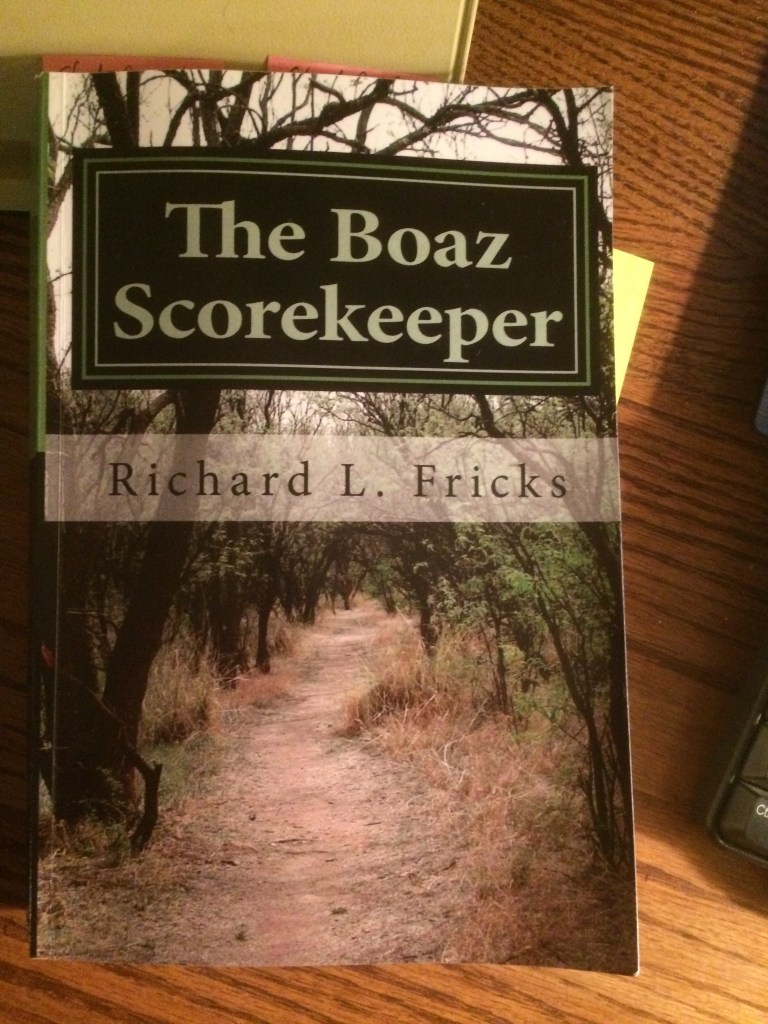
Micaden Lewis Tanner grew up on a farm in the Arona community outside Boaz, Alabama. An excellent student and football player—but a miserable basketball player—he became scorekeeper for the Boaz High basketball team, partly to escape farm work and partly to reconnect with five childhood friends known as the Flaming Five.
The five came from prominent Boaz families and seemed destined for success. Then, on May 25, 1972, during their high-school graduation party at Club Eden on Aurora Lake, something happened that changed all of their lives.
Over the decades that followed, Micaden learned how power, money, and influence could shield people from consequences and keep justice buried.
But Micaden had spent his life learning how to keep score.
Drawing on lessons learned on the farm and at the basketball score table, he begins finding his own ways to balance it.
Beneath the Story
The Boaz Scorekeeper is a story about justice—but also about what happens when justice fails.
It asks questions such as:
- What happens when wealth and influence shield people from consequences?
- How long can injustice remain unanswered before someone decides to answer it personally?
- When does the pursuit of justice become revenge?
- Does wrongdoing justify wrongdoing in return?
- What responsibility does an individual have when institutions fail to act?
- Can a person appoint himself the final judge of what another person deserves?
Micaden’s choices place him at the intersection of power, accountability, conscience, justice, and revenge.
There are no easy answers there.
About the Novel
Genre: Mystery / Suspense / Crime Fiction
Setting: Boaz and surrounding North Alabama
Author: Richard L. Fricks
Part of: The Boaz Novels
From Richard
The Boaz Scorekeeper was one of the early novels in which I found myself returning to a question that continues to interest me as a writer: what does an ordinary person do when the systems that are supposed to provide justice appear unwilling or unable to provide it?
The novel approaches that question through Micaden Tanner and the choices he makes over the course of a lifetime.
That tension—between what should happen and what a person decides to do when it does not—continues to appear in my fiction.
