Octopus Empire: An Animated Poem

Here’s the link to this article.

A playful and poignant what-if for the planet.

BY MARIA POPOVA

This is the eighth of nine installments in the animated interlude season of The Universe in Verse in collaboration with On Being, celebrating the wonder of reality through stories of science winged with poetry. See the previous installments here.

THE ANIMATED UNIVERSE IN VERSE: CHAPTER EIGHT

The “blind intelligence” by which a tree orients to the light in order to survive is a kind of hard-wired sentience, intricate and interconnected and aglow with wonder we are only just beginning to discover. But it is not consciousness as we understand it — that miraculous emergent phenomenon arising somewhere along the spectrum of sentience to endow creatures with the ability not only to be aware of our surroundings, not only to react to them with automated actions, but to respond to them with some measure of foresight, which presupposes some measure of hindsight, which in turn presupposes some measure of self-awareness, which culminates in qualia — the set of subjective experience that is the central fact of consciousness, the fundament of our lives.

For the vast majority of the evolutionary history of our species, we have assumed that humans alone have consciousness. Descartes, who so greatly leapt the scientific method forward by pioneering empiricism, also paralyzed our understanding of the mind with his dogmatic declamation that non-human animals are automata — fleshy robots governed by mechanistic reflexes, insentient and incapable of feeling. It took four centuries for this dogma to be upended after a young primatologist began her paradigm-shifting work in Gombe National Forest in 1960. Despite the tidal wave of dismissal and derision from the scientific establishment, Jane Goodall persisted, revolutionizing our understanding of consciousness and of our place in the family of life.

More than half a century later, some of the world’s leading neuroscientists composed and co-signed the Cambridge Declaration of Consciousness, asserting that a vast array of non-human animals are also endowed with consciousness. The list named only one invertebrate species.

Art from Cephalopod Atlas, 1909. (Available as a print and as a cutting board, benefitting The Nature Conservancy.)

The octopus branched from our shared vertebrate lineage some 550 million years ago to evolve into one of this planet’s most alien intelligences, endowed with an astonishing distributed nervous system and capable of recognizing others, of forming social bonds, of navigating mazes. It is the Descartes of the oceans, learning how to live in its environment by trial and error — that is, by basic empiricism.

Meanwhile, in those 550 million years, we evolved into creatures that placed themselves at the center of the universe and atop the evolutionary ladder, only to find ourselves in an ecological furnace of our making and to reluctantly consider that we might not, after all, be the pinnacle of Earthly intelligence.

Art from Cephalopod Atlas, 1909. (Available as a print and as a cutting board, benefitting The Nature Conservancy.)

That is what Marilyn Nelson explores with great playfulness and poignancy in her poem “Octopus Empire,” originally published in the Academy of American Poets’ poem-a-day lifeline of a newsletter and now brought to life here, for this seventh installment in the animated Universe in Verse, in a reading by Sy Montgomery (author of the enchantment of a book that is The Soul of an Octopus) with life-filled art by Edwina White, set into motion by her collaborator James Dunlap, and set into soulfulness by Brooklyn-based cellist and composer Topu Lyo.

OCTOPUS EMPIRE
by Marilyn Nelson

What if the submarine
is praying for a way
it can poison the air,
in which some of them have
leaped for a few seconds,
felt its suffocating
rejected buoyancy.
Something floats above their
known world leading a wake
of uncountable death.
What if they organized
into a rebellion?

Now scientists have found
a group of octopuses
who seem to have a sense
of community, who
live in dwellings made of
gathered pebbles and shells,
who cooperate, who
defend an apparent
border. Perhaps they’ll have
a plan for the planet
in a millennium
or two. After we’re gone.

Previously in the series: Chapter 1 (the evolution of life and the birth of ecology, with Joan As Police Woman and Emily Dickinson); Chapter 2 (Henrietta Leavitt, Edwin Hubble, and the human hunger to know the cosmos, with Tracy K. Smith); Chapter 3 (trailblazing astronomer Maria Mitchell and the poetry of the cosmic perspective, with David Byrne and Pattiann Rogers); Chapter 4 (dark matter and the mystery of our mortal stardust, with Patti Smith and Rebecca Elson); Chapter 5 (a singularity-ode to our primeval bond with nature and each other, starring Toshi Reagon and Marissa Davis); Chapter 6 (Emmy Noether, symmetry, and the conservation of energy, with Amanda Palmer and Edna St. Vincent Millay); Chapter 7 (the science of entropy and the art of alternative endings, with Janna Levin and W.H. Auden).

Do Not Despise Your Inner World: Advice on a Full Life from Philosopher Martha Nussbaum

Here’s the link to this article.

“Our emotional life maps our incompleteness: A creature without any needs would never have reasons for fear, or grief, or hope, or anger.”

Martha Nussbaum

BY MARIA POPOVA

When he was twenty-one, artist and writer James Harmon stumbled into a bookstore and found himself mesmerized by a copy of Rilke’s Letters to a Young Poet, the central concerns in which — love, fear, art, doubt, sex — resonated powerfully with his restless young mind and inspired him to envision what advice to young people might look like a century after Rilke. So he set out to create an antidote to the “toxic cloud of tepid-broth wisdom” found in books “with the shelf life of a banana” that the contemporary publishing world peddled and reached out to some of the most “outspoken provocateurs, funky philosophers, cunning cultural critics, social gadflies, cyberpunks, raconteurs, radical academics, literary outlaws, and obscure but wildly talented poets. The result, a decade in the making and the stubborn survivor of ample publishing pressure to grind it into precisely the kind of mush Harmon was determined to avoid, is Take My Advice: Letters to the Next Generation from People Who Know a Thing or Two (public library) — an anthology of thoughtful, honest, brave, unfluffed advice from 79 cultural icons, including Mark HelprinKatharine HepburnBette Davis, and William S. Burroughs.

One of the most poignant letters comes from philosopher Martha Nussbaum, who makes an eloquent case for the importance of cultivating a rich inner life by celebrating emotional excess as a generative forceembracing vulnerabilitynot fearing feelings, and harnessing the empathic power of storytelling.

Martha Nussbaum

Do not despise your inner world. That is the first and most general piece of advice I would offer… Our society is very outward-looking, very taken up with the latest new object, the latest piece of gossip, the latest opportunity for self-assertion and status. But we all begin our lives as helpless babies, dependent on others for comfort, food, and survival itself. And even though we develop a degree of mastery and independence, we always remain alarmingly weak and incomplete, dependent on others and on an uncertain world for whatever we are able to achieve. As we grow, we all develop a wide range of emotions responding to this predicament: fear that bad things will happen and that we will be powerless to ward them off; love for those who help and support us; grief when a loved one is lost; hope for good things in the future; anger when someone else damages something we care about. Our emotional life maps our incompleteness: A creature without any needs would never have reasons for fear, or grief, or hope, or anger. But for that very reason we are often ashamed of our emotions, and of the relations of need and dependency bound up with them. Perhaps males, in our society, are especially likely to be ashamed of being incomplete and dependent, because a dominant image of masculinity tells them that they should be self-sufficient and dominant. So people flee from their inner world of feeling, and from articulate mastery of their own emotional experiences. The current psychological literature on the life of boys in America indicates that a large proportion of boys are quite unable to talk about how they feel and how others feel — because they have learned to be ashamed of feelings and needs, and to push them underground. But that means that they don’t know how to deal with their own emotions, or to communicate them to others. When they are frightened, they don’t know how to say it, or even to become fully aware of it. Often they turn their own fear into aggression. Often, too, this lack of a rich inner life catapults them into depression in later life. We are all going to encounter illness, loss, and aging, and we’re not well prepared for these inevitable events by a culture that directs us to think of externals only, and to measure ourselves in terms of our possessions of externals.

What is the remedy of these ills? A kind of self-love that does not shrink from the needy and incomplete parts of the self, but accepts those with interest and curiosity, and tries to develop a language with which to talk about needs and feelings. Storytelling plays a big role in the process of development. As we tell stories about the lives of others, we learn how to imagine what another creature might feel in response to various events. At the same time, we identify with the other creature and learn something about ourselves. As we grow older, we encounter more and more complex stories — in literature, film, visual art, music — that give us a richer and more subtle grasp of human emotions and of our own inner world. So my second piece of advice, closely related to the first, is: Read a lot of stories, listen to a lot of music, and think about what the stories you encounter mean for your own life and lives of those you love. In that way, you will not be alone with an empty self; you will have a newly rich life with yourself, and enhanced possibilities of real communication with others.

Complement with some timeless meditations on the meaning of life from other cultural icons, then revisit Nussbaum on how to live with our human fragility and the intelligence of the emotions.

Writing Journal—Monday writing prompt

Your protagonist is flipping through a book at the library when a note falls out. It contains a message from someone begging for help, along with an address. What does your character do? 

One Stop for Writers

 Guidance & tips

Write the scene of discovery (i.e., tell a story), or brainstorm and create a list of related ideas.

Here’s five story elements to consider:

  • Character
  • Setting
  • Plot
  • Conflict
  • Resolution

Never forget, writing is a process. The first draft is always a mess.

The first draft of anything is shit.

Ernest Hemingway

02/05/23 Biking & Listening

Biking is something else I both love and hate. It takes a lot of effort but does provide good exercise and most days over an hour to listen to a good book or podcast. I especially like having ridden.

Here’s my bike, a Rockhopper by Specialized. I purchased it November 2021 from Venture Out in Guntersville; Mike is top notch! So is the bike, and the ‘old’ man seat I salvaged from an old Walmart bike.

Here’s a link to today’s bike ride. I obviously favor my pistol route.

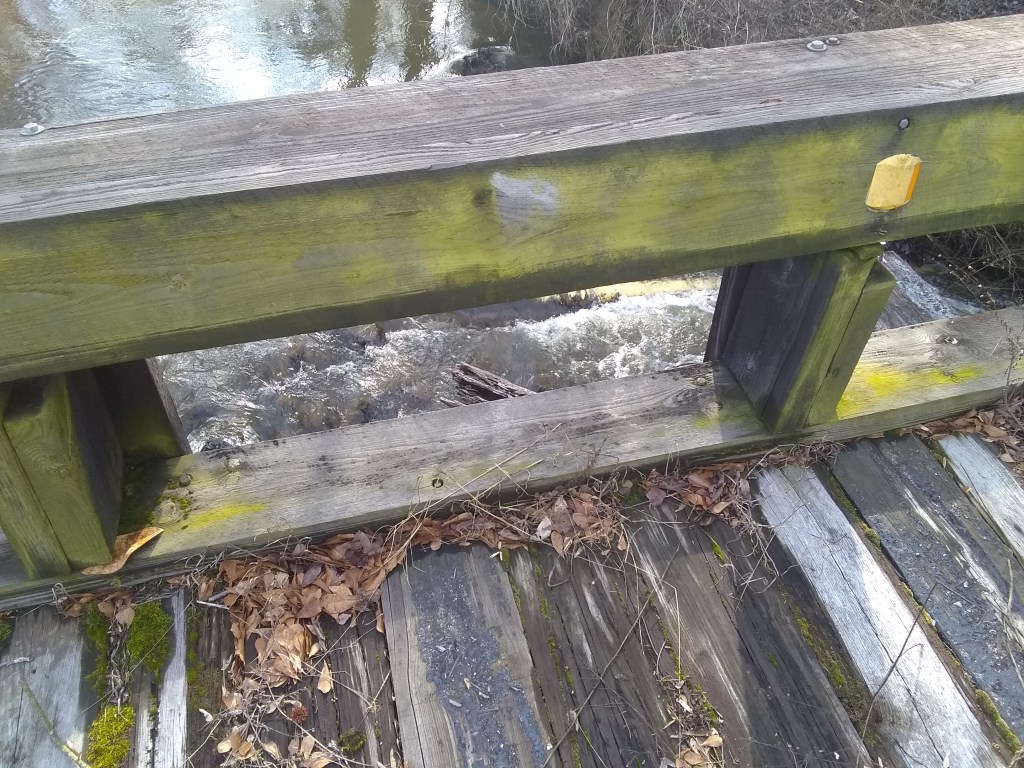
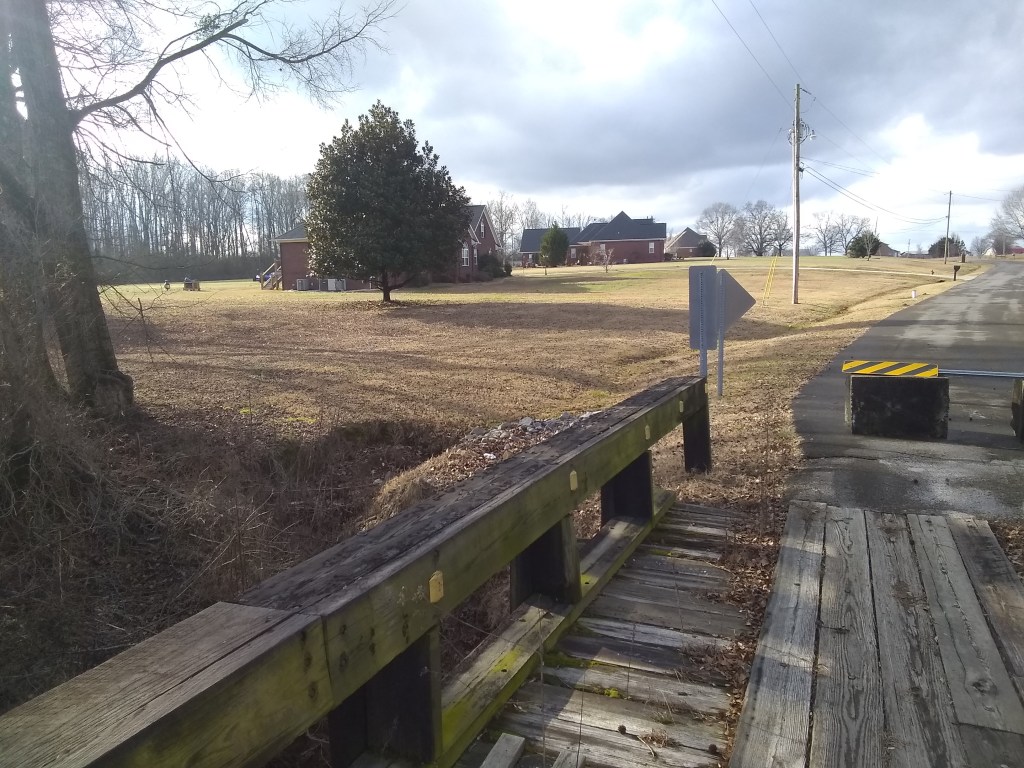
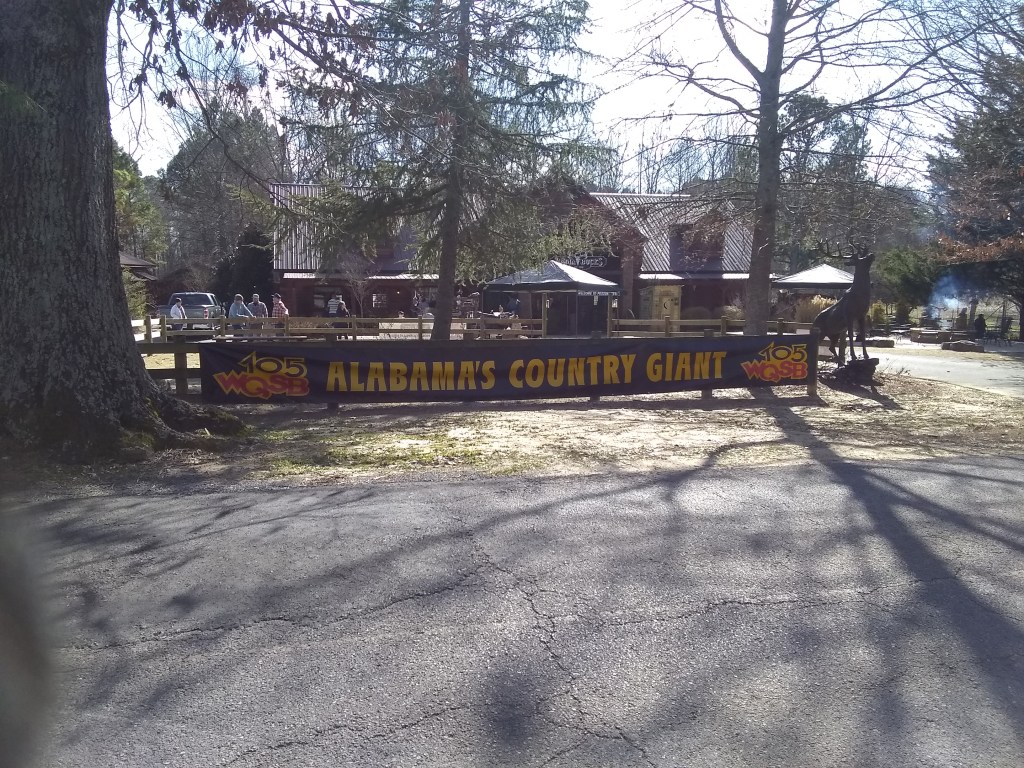
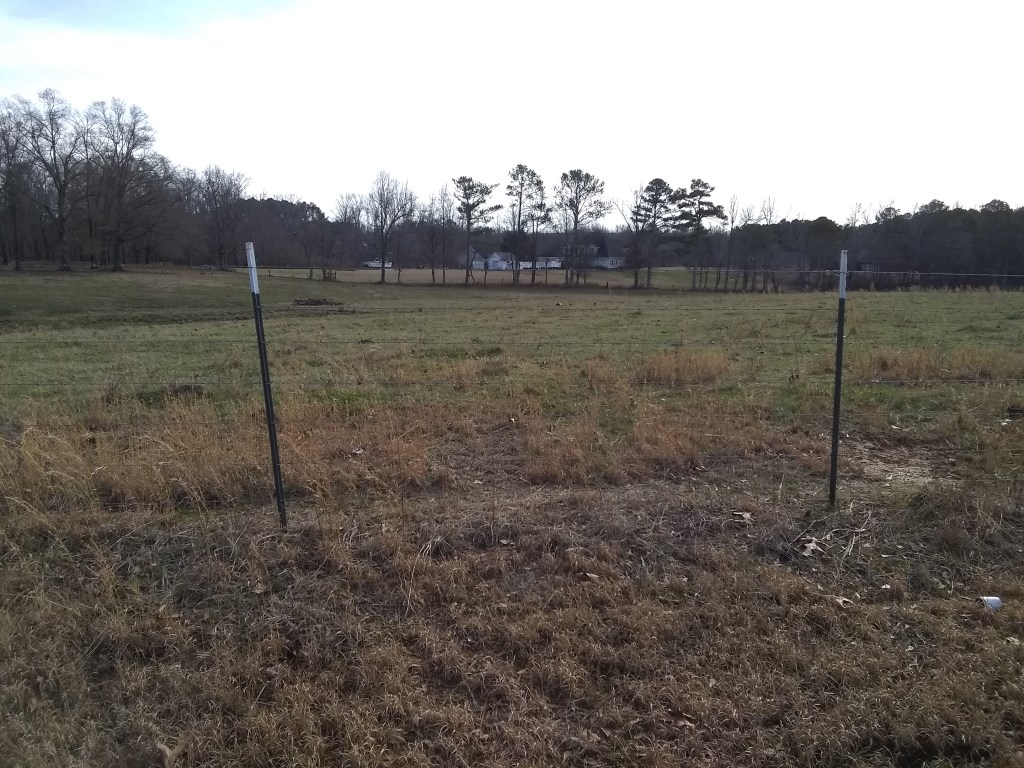
Here’s a few photos taken along my route:

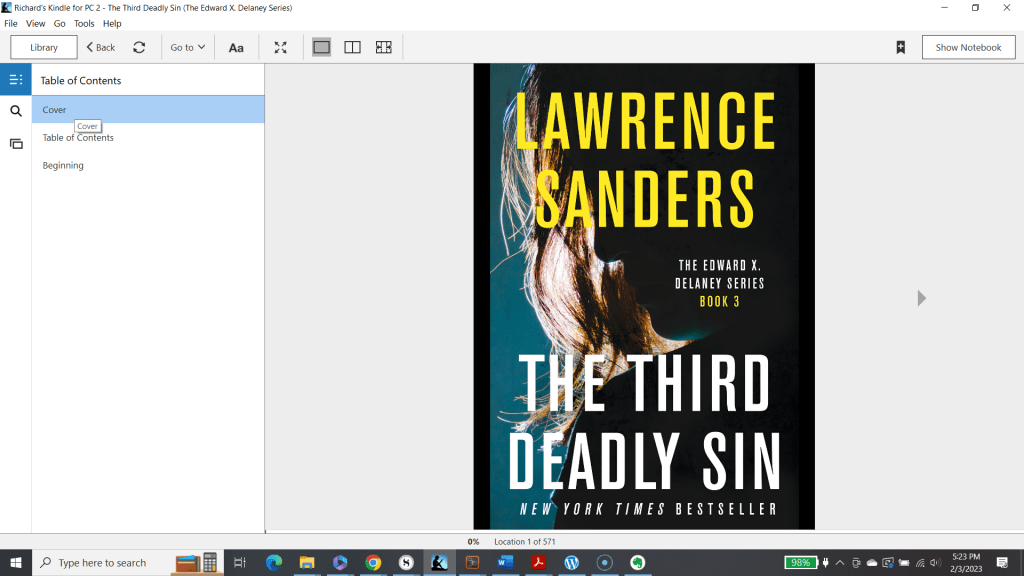
Here’s what I’m currently listening to: The Third Deadly Sin, by Lawrence Sanders

Sanders was a tremendously talented writer.

Amazon abstract:

New York Times Bestseller: A retired cop hunts for a female serial killer no one would suspect in this “first-rate thriller . . . as good as you can get” (The New York Times).

By day, she’s a middle-aged secretary no one would look at twice. But by night, dressed in a midnight-black wig, a skin-tight dress, and spike heels, she’s hard to miss. Inside her leather shoulder bag are keys, cash, mace, and a Swiss Army knife. She prowls smoky hotel bars for prey. The first victim—a convention guest at an upscale Manhattan hotel—is found with multiple stab wounds to the neck and genitals. By the time retired police detective chief Edward Delaney hears about the case from an old colleague, the Hotel Ripper has already struck twice. Unable to resist the puzzle, Delaney follows the clues and soon realizes he’s looking for a woman. As the grisly slayings continue, seizing the city in a chokehold of panic, Delaney must stop the madwoman before she kills again.

A Sample Five Star Review

M. G Watson

VINE VOICE

5.0 out of 5 stars Third Time’s the Charm

Reviewed in the United States on May 15, 2015

Verified Purchase

It is arguable that Lawrence Sanders never rose to greater heights as a prose stylist, suspense-writer or storyteller than he did with THE THIRD DEADLY SIN, the penultimate novel in his “deadly sin” series of books and the fourth of five to feature crusty, sandwich-obsessed Edward X. Delaney as a protagonist. Though once referred to as “Mr. Bestseller” and nearly as prolific in his day as Stephen King, Sanders seems to be forgotten now, except for his “McNally” series which was hardly representative of his best work; but at his best he was both compulsively readable and immensely satisfying, and this novel is both.

Zoe Kohler is the world’s most boring woman. Hailing from a small town somewhere in the Midwest, divorced from a husband who treated her like she was invisible, virtually friendless, and stuck in a mindless, dead-end job in the security office of an old hotel in Manhattan, she worries incessantly about her health and indulges in only one hobby: murder. Sexing herself up every Friday night, Zoe picks up unsuspecting businessmen attending conventions in different hotels around town, and delivers to each the same grisly fate: a Swiss Army knife, first to the throat and then to the jewels. But because nobody ever notices the world’s most boring woman, nobody suspects her, leaving Zoe free to indulge her hobby — over and over and over again.

Edward X. Delaney used to be a cop — and not just any cop, but the NYPD’s Chief of Detectives. Now, of course, he’s just a bored retiree, living in a Manhattan brownstone with this second wife. So when his former “rabbi” in the Department, Deputy Commissioner Ivar Thorsen, asks him to help investigate a series of baffling murders being committed in hotels around the city, Delaney agrees, but has little idea what he’s getting into: a search for a faceless, motiveless “repeater” (1970s slang for serial killer) whose vicious talents with a short-bladed knife are wreaking havoc with New York’s once-thriving convention trade. Acting as an unofficial adviser to the “Hotel Ripper” task force, Delaney begins to suspect that male prejudices, including his own, may be blinding his fellow detectives to the possibility of that the Ripper may not be a man. But he has no suspects, no witnesses, no fingerprints, and no hard evidence. Only instincts. And a growing pile of victims.

THE THIRD DEADLY SIN is a very attractive suspense novel for many reasons. Aside from Sanders prose style, which is beautiful, memorable and incredibly evocative, it works on multiple levels. Firstly, the character of Zoe Kohler. She is at once both a pitiable loser, struggling with health problems and sexist attitudes at work a burgeoning relationship with a sweet and unsuspecting man…and a remorseless, relentless killer, who hunts men for the sheer thrill of it. Second, Edward X. Delaney. This crusty, hard-nosed, sandwich-obsessed detective is neither sexy, flashy, nor gifted with any great deductive genius: he’s simply like a boulder that, starting slowly, gathers investigative momentum until he crushes just about everyone in his path, yet at the same time possesses a sensitivity — largely through his wife’s softening influence — that allows him more nuances than a typical, cigar-chewing, old school detective. And this leads me to the books third major strength, which is its examination of sexual attitudes, gender roles and (unintentionally) police procedure during the period it was written — about 35 years ago. At that time the pathology of serial killers was scarcely understood, forensic science still in its infancy, and the idea of gender equality more of a punchline than a serious idea. Delaney, an aging Irish cop with flat feet, is both brimming with cheauvanistic, patronizing, old-school attitudes and open to the possibility that those attitudes may be wrong.

No novel is perfect, of course, and this one is no exception. Sanders sometimes makes small but basic errors in matters of police procedure, slang and etiquette; the sort of mistakes which are the result of never having been a cop himself. Occasionally he tries too hard to make characters colorful, giving them a contrived rather than a naturalistic feel; and sometimes his dialogue and description betray his overwhelming love of the English language and end up sounding pretentious or, coming out of the mouths of certain characters, simply unrealistic. (This also leads him to over-write scenes with minor characters, such as Zoe’s doctor.) Most of the criticisms I can mount a this book, however, fall in the “nitpicking” category, and even when taken in the aggregate fail to outweigh all of its many pleasures.

THE THIRD DEADLY SIN may or may not have been Sanders’ best book (you could make a case for THE SIXTH COMMANDMENT or THE SECOND DEADLY SIN or THE ANDERSON TAPES or various others). It may not even be his best suspense novel. But for my money it is not merely a good read but equally satisfying upon each subsequent reading, which is about the highest praise I can give to an author’s work. So: buy it, make yourself a sandwich, and sit down to this half-forgotten but deservedly remembered author. Murder and mayhem have never been so fun.

Writing Journal—Sunday writing prompt

Your protagonist is enjoying a bonfire with friends when he spots lights in the sky. Describe what happens next. 

One Stop for Writers

Guidance & tips

Write the scene of discovery (i.e., tell a story), or brainstorm and create a list of related ideas.

Here’s five story elements to consider:

  • Character
  • Setting
  • Plot
  • Conflict
  • Resolution

Never forget, writing is a process. The first draft is always a mess.

The first draft of anything is shit.

Ernest Hemingway

02/04/23 Biking & Listening

Biking is something else I both love and hate. It takes a lot of effort but does provide good exercise and most days over an hour to listen to a good book or podcast. I especially like having ridden.

Here’s my bike, a Rockhopper by Specialized. I purchased it November 2021 from Venture Out in Guntersville; Mike is top notch! So is the bike, and the ‘old’ man seat I salvaged from an old Walmart bike.

Here’s a link to today’s bike ride. I obviously favor my pistol route.

Here’s a few photos taken along my route:

Here’s what I’m currently listening to: The Third Deadly Sin, by Lawrence Sanders

Sanders was a tremendously talented writer.

Amazon abstract:

New York Times Bestseller: A retired cop hunts for a female serial killer no one would suspect in this “first-rate thriller . . . as good as you can get” (The New York Times).

By day, she’s a middle-aged secretary no one would look at twice. But by night, dressed in a midnight-black wig, a skin-tight dress, and spike heels, she’s hard to miss. Inside her leather shoulder bag are keys, cash, mace, and a Swiss Army knife. She prowls smoky hotel bars for prey. The first victim—a convention guest at an upscale Manhattan hotel—is found with multiple stab wounds to the neck and genitals. By the time retired police detective chief Edward Delaney hears about the case from an old colleague, the Hotel Ripper has already struck twice. Unable to resist the puzzle, Delaney follows the clues and soon realizes he’s looking for a woman. As the grisly slayings continue, seizing the city in a chokehold of panic, Delaney must stop the madwoman before she kills again.

A Sample Five Star Review

M. G Watson

VINE VOICE

5.0 out of 5 stars Third Time’s the Charm

Reviewed in the United States on May 15, 2015

Verified Purchase

It is arguable that Lawrence Sanders never rose to greater heights as a prose stylist, suspense-writer or storyteller than he did with THE THIRD DEADLY SIN, the penultimate novel in his “deadly sin” series of books and the fourth of five to feature crusty, sandwich-obsessed Edward X. Delaney as a protagonist. Though once referred to as “Mr. Bestseller” and nearly as prolific in his day as Stephen King, Sanders seems to be forgotten now, except for his “McNally” series which was hardly representative of his best work; but at his best he was both compulsively readable and immensely satisfying, and this novel is both.

Zoe Kohler is the world’s most boring woman. Hailing from a small town somewhere in the Midwest, divorced from a husband who treated her like she was invisible, virtually friendless, and stuck in a mindless, dead-end job in the security office of an old hotel in Manhattan, she worries incessantly about her health and indulges in only one hobby: murder. Sexing herself up every Friday night, Zoe picks up unsuspecting businessmen attending conventions in different hotels around town, and delivers to each the same grisly fate: a Swiss Army knife, first to the throat and then to the jewels. But because nobody ever notices the world’s most boring woman, nobody suspects her, leaving Zoe free to indulge her hobby — over and over and over again.

Edward X. Delaney used to be a cop — and not just any cop, but the NYPD’s Chief of Detectives. Now, of course, he’s just a bored retiree, living in a Manhattan brownstone with this second wife. So when his former “rabbi” in the Department, Deputy Commissioner Ivar Thorsen, asks him to help investigate a series of baffling murders being committed in hotels around the city, Delaney agrees, but has little idea what he’s getting into: a search for a faceless, motiveless “repeater” (1970s slang for serial killer) whose vicious talents with a short-bladed knife are wreaking havoc with New York’s once-thriving convention trade. Acting as an unofficial adviser to the “Hotel Ripper” task force, Delaney begins to suspect that male prejudices, including his own, may be blinding his fellow detectives to the possibility of that the Ripper may not be a man. But he has no suspects, no witnesses, no fingerprints, and no hard evidence. Only instincts. And a growing pile of victims.

THE THIRD DEADLY SIN is a very attractive suspense novel for many reasons. Aside from Sanders prose style, which is beautiful, memorable and incredibly evocative, it works on multiple levels. Firstly, the character of Zoe Kohler. She is at once both a pitiable loser, struggling with health problems and sexist attitudes at work a burgeoning relationship with a sweet and unsuspecting man…and a remorseless, relentless killer, who hunts men for the sheer thrill of it. Second, Edward X. Delaney. This crusty, hard-nosed, sandwich-obsessed detective is neither sexy, flashy, nor gifted with any great deductive genius: he’s simply like a boulder that, starting slowly, gathers investigative momentum until he crushes just about everyone in his path, yet at the same time possesses a sensitivity — largely through his wife’s softening influence — that allows him more nuances than a typical, cigar-chewing, old school detective. And this leads me to the books third major strength, which is its examination of sexual attitudes, gender roles and (unintentionally) police procedure during the period it was written — about 35 years ago. At that time the pathology of serial killers was scarcely understood, forensic science still in its infancy, and the idea of gender equality more of a punchline than a serious idea. Delaney, an aging Irish cop with flat feet, is both brimming with cheauvanistic, patronizing, old-school attitudes and open to the possibility that those attitudes may be wrong.

No novel is perfect, of course, and this one is no exception. Sanders sometimes makes small but basic errors in matters of police procedure, slang and etiquette; the sort of mistakes which are the result of never having been a cop himself. Occasionally he tries too hard to make characters colorful, giving them a contrived rather than a naturalistic feel; and sometimes his dialogue and description betray his overwhelming love of the English language and end up sounding pretentious or, coming out of the mouths of certain characters, simply unrealistic. (This also leads him to over-write scenes with minor characters, such as Zoe’s doctor.) Most of the criticisms I can mount a this book, however, fall in the “nitpicking” category, and even when taken in the aggregate fail to outweigh all of its many pleasures.

THE THIRD DEADLY SIN may or may not have been Sanders’ best book (you could make a case for THE SIXTH COMMANDMENT or THE SECOND DEADLY SIN or THE ANDERSON TAPES or various others). It may not even be his best suspense novel. But for my money it is not merely a good read but equally satisfying upon each subsequent reading, which is about the highest praise I can give to an author’s work. So: buy it, make yourself a sandwich, and sit down to this half-forgotten but deservedly remembered author. Murder and mayhem have never been so fun.

The More Loving One: The Science of Entropy and the Art of Alternative Endings

Here’s the link to this article.

“If equal affection cannot be, let the more loving one be me.”

BY MARIA POPOVA

This is the seventh of nine installments in the animated interlude season of The Universe in Verse in collaboration with On Being, celebrating the wonder of reality through stories of science winged with poetry. See the previous installments here.

THE ANIMATED UNIVERSE IN VERSE: CHAPTER SEVEN

In 1865 — a year before the German marine biologist Ernst Haeckel coined the word ecology, the year Emily Dickinson composed her stunning pre-ecological poem about how life-forms come into being — the German physicist Rudolf Clausius coined the word entropy to describe the undoing of being. The thermodynamic collapse of physical systems into increasing levels of disorder and uncertainty. The dissolution of cohesion along the arrow of time. Inescapable. Irreversible. Perpetually inclining us toward, in poet Mary Ruefle’s perfect phrase, “the end of time, which is also the end of poetry (and wheat and evil and insects and love).” Perpetually ensuring, in poet Edna St. Vincent Millay’s perfect phrase, that “lovers and thinkers” become “one with the dull, the indiscriminate dust.”

This transformation of order into disorder, of constancy into discontinuity, is how we register change and tell one moment from the next. Without entropy, the universe would be a vast eternal stillness — a frozen fixity in which never and forever are one. Without entropy, there would be no time — at least not for us, creatures of time.

Clausius built on the Greek word for transformation, tropē, because he believed that leaning on ancient languages to name new scientific concepts made them available to all living tongues, belonging to all people for all time. It pleased him, too, that entropy looked like energy — its twin in the making and unmaking of the universe. Energy, the giver of life. Entropy, the taker away. The frayer of every cell that animates our bodies with being. The extinguisher of every star that unlooses its thermal energy into the cold sublime of spacetime as it runs out of fuel, warming up the orbiting planets with its dying breath. We are only alive because our Sun is burning out. Without entropy, there would be no us.

W.H. Auden

The child of a physicistW.H. Auden (February 21, 1907–September 29, 1973) had no illusion about the entropic nature of reality — a science-lensed lucidity he wove into his poetic search for truth, for meaning, for a way to live with our human fragility, with our twin capacities for terror and tenderness inside an impartial universe he knew to be impervious to our plans and pleas. The child of two world wars, he had no illusion about how our humanity comes unwoven by its own pull but is also the enchanted loom that makes life worth living.

Just as Auden was reaching the peak of his poetic powers, the world’s deadliest war broke out, brutal and incomprehensible. It may be that art is simply what we call our most constructive coping mechanism for the incomprehension of life and mortality, and so Auden coped through his art. He looked at the stars and saw “ironic points of light” above a world “defenseless under the night”; he looked at himself and saw a creature “composed like them of Eros and of dust, beleaguered by the same negation and despair.”

“September 1, 1939” became a generation’s life-raft for “the waves of anger and fear” subsuming the unexamined certainties of yore, splashing awake the “euphoric dream” of a final and permanent triumph over evil. But the war went on, and in the protracted post-traumatic reckoning with its aftermath — this gasping ellipsis in the narrative of humanity — Auden revised his understanding of the world, of life, of our human imperative, and so he revised his poem.

In what may be the single most poignant one-word alteration in the history of our species, he changed the final line of the penultimate stanza to reflect his war-annealed recognition that entropy dominates all. The original version read: “We must love one another or die” — an impassioned plea for compassion as a moral imperative, the withholding of which assures the destruction of life. But the plea had gone unanswered and eighty million lives had gone unsaved. Auden came to feel that his reach for poetic truth had been rendered “a damned lie,” later lamenting that however our ideals and idealisms may play out, “we must die anyway.”

A decade of disquiet after the end of the war, he changed the line to read: “We must love one another and die.”Liminal Days. (Available as a print.)

But there was a private reckoning beneath the public one — this, after all, is the history of humanity, of our science and our art. Auden was working out the world in the arena where we so often wrestle with the vastest, austerest, most abstract and universal questions about how reality works — the fleshy, feeling concreteness of personal love.

In the summer of 1939, just before the world came unworlded, Auden met the young aspiring poet Chester Kallman and fell in love, fell hard, fell dizzily into the strangeness of spending “the eleven happiest weeks” of his life amid a world haunted by death. Over the next two years, as the war peaked, this passionate love became a lifeline of sanity and survival. But Auden, already well into his thirties, kept longing for a stable and continuous relationship of mutual fidelity — the closest thing to a marriage their epoch allowed — and Kallman, barely twenty, kept wounding him with the scattered and discontinuous affections of self-discovery.

Throughout the cycles of heartache, Auden refused to withdraw his love — a stubborn and devoted love, opposing the forces of dissolution and disorder, outlasting the fraying of passion and the abrasions of romantic disappointment, until it buoyed their bond over to the other side of the tumult, to the stable shore of lifelong friendship.

For the remainder of his life, Auden summered with Kallman in Europe. They spent twenty New York winters as roommates in a second-floor apartment at 77 St. Marks Place in the East Village, later marked with a stone plaque emblazoned with lines from Auden’s ode to the foolish, fierce devotion that had prevailed over the lazy entropy of romantic passion to salvage from its wreckage the lasting friendship, the mutual cherishment and understanding that had bound them together in the first place.

Wystan and Chester, 1940s.

“The More Loving One” — the second verse of which became the epigraph of Figuring, and which appears in Auden’s indispensable Collected Poems (public library) — is a poem both profoundly personal and profoundly universal, radiating a reminder that no matter the heartbreak, no matter the entropic undoing of everything we love and are, we are survivors. It is at once a childish fantasy chalked on the blackboard of consciousness — we do not, after all, survive ourselves — and a blazing manifesto for being, for the measure of maturity, for the only adequate attitude with which to go on living with the incremental loss that is life itself.

In this seventh installment of the animated interlude season of The Universe in Verse (which returns as a live show next week), “The More Loving One” comes alive in a reading by astrophysicist, author, and OG Universe in Verse collaborator Janna Levin (who has previous inspirited many a splendid poem), animated by Taiwanese artist and filmmaker Liang-Hsin Huang, and winged with original music by Canadian double bassist, composer, and nature-celebrator Garth Stevenson.

THE MORE LOVING ONE
by W.H. Auden

Looking up at the stars, I know quite well
That, for all they care, I can go to hell,
But on earth indifference is the least
We have to dread from man or beast.

How should we like it were stars to burn
With a passion for us we could not return?
If equal affection cannot be,
Let the more loving one be me.

Admirer as I think I am
Of stars that do not give a damn,
I cannot, now I see them, say
I missed one terribly all day.

Were all stars to disappear or die,
I should learn to look at an empty sky
And feel its total dark sublime,
Though this might take me a little time.

Previously in the series: Chapter 1 (the evolution of life and the birth of ecology, with Joan As Police Woman and Emily Dickinson); Chapter 2 (Henrietta Leavitt, Edwin Hubble, and the human hunger to know the cosmos, with Tracy K. Smith); Chapter 3 (trailblazing astronomer Maria Mitchell and the poetry of the cosmic perspective, with David Byrne and Pattiann Rogers); Chapter 4 (dark matter and the mystery of our mortal stardust, with Patti Smith and Rebecca Elson); Chapter 5 (a singularity-ode to our primeval bond with nature and each other, starring Toshi Reagon and Marissa Davis); Chapter 6 (Emmy Noether, symmetry, and the conservation of energy, with Amanda Palmer and Edna St. Vincent Millay).

Writing Journal—Saturday writing prompt

Your character finds a magical music box. When it plays, the listener can see their own future, either the best thing that will ever happen, or the worst. What does your character see as the music plays?

One Stop for Writers

 Guidance & tips

Write the scene of discovery (i.e., tell a story), or brainstorm and create a list of related ideas.

Here’s five story elements to consider:

  • Character
  • Setting
  • Plot
  • Conflict
  • Resolution

Never forget, writing is a process. The first draft is always a mess.

The first draft of anything is shit.

Ernest Hemingway

02/03/23 Biking & Listening

Biking is something else I both love and hate. It takes a lot of effort but does provide good exercise and most days over an hour to listen to a good book or podcast. I especially like having ridden.

Here’s my bike, a Rockhopper by Specialized. I purchased it November 2021 from Venture Out in Guntersville; Mike is top notch! So is the bike, and the ‘old’ man seat I salvaged from an old Walmart bike.

Here’s a link to today’s bike ride. Pistol route once again.

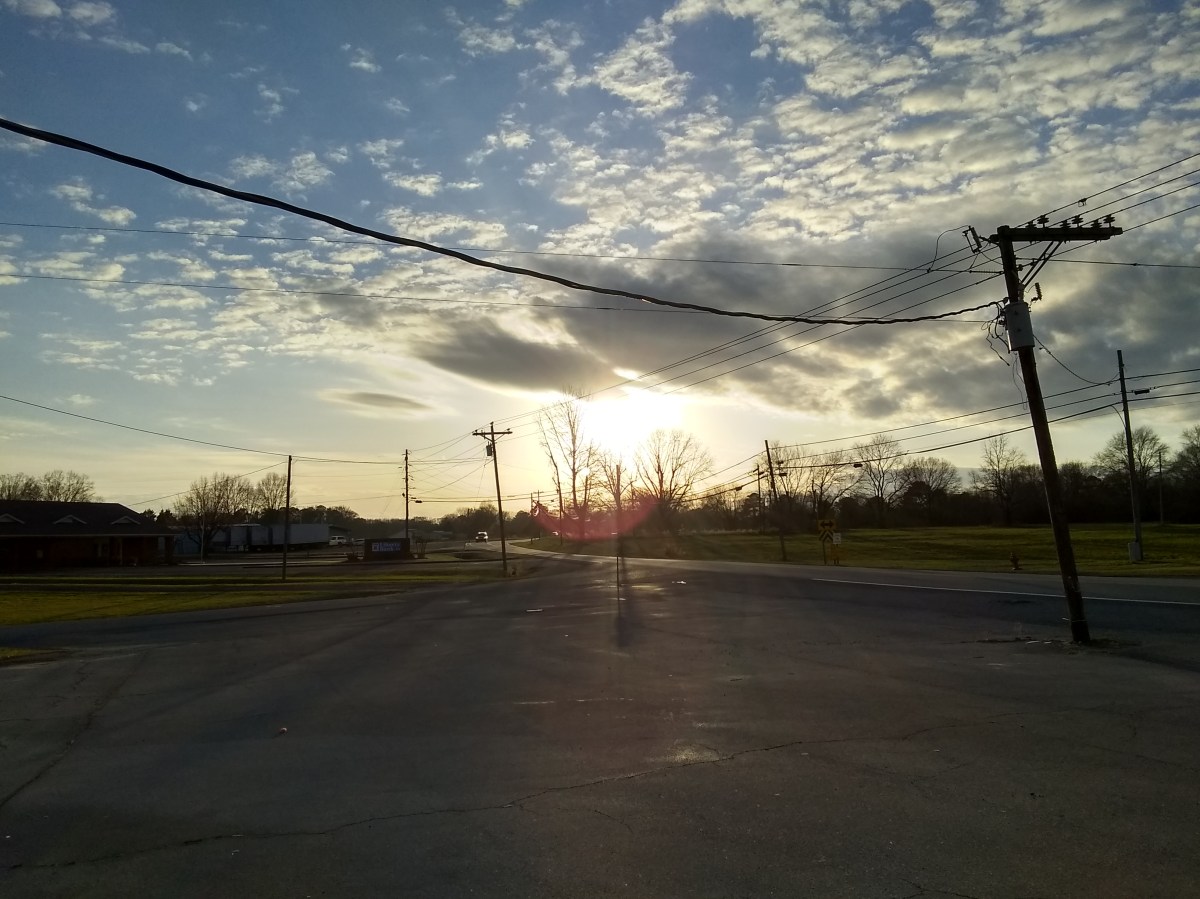
Here’s a few photos taken along my route:

Here’s what I’m currently listening to: The Third Deadly Sin, by Lawrence Sanders

Sanders was a tremendously talented writer.

Amazon abstract:

New York Times Bestseller: A retired cop hunts for a female serial killer no one would suspect in this “first-rate thriller . . . as good as you can get” (The New York Times).

By day, she’s a middle-aged secretary no one would look at twice. But by night, dressed in a midnight-black wig, a skin-tight dress, and spike heels, she’s hard to miss. Inside her leather shoulder bag are keys, cash, mace, and a Swiss Army knife. She prowls smoky hotel bars for prey. The first victim—a convention guest at an upscale Manhattan hotel—is found with multiple stab wounds to the neck and genitals. By the time retired police detective chief Edward Delaney hears about the case from an old colleague, the Hotel Ripper has already struck twice. Unable to resist the puzzle, Delaney follows the clues and soon realizes he’s looking for a woman. As the grisly slayings continue, seizing the city in a chokehold of panic, Delaney must stop the madwoman before she kills again.
A Sample Five Star Review

M. G Watson

VINE VOICE

5.0 out of 5 stars Third Time’s the Charm

Reviewed in the United States on May 15, 2015

Verified Purchase

It is arguable that Lawrence Sanders never rose to greater heights as a prose stylist, suspense-writer or storyteller than he did with THE THIRD DEADLY SIN, the penultimate novel in his “deadly sin” series of books and the fourth of five to feature crusty, sandwich-obsessed Edward X. Delaney as a protagonist. Though once referred to as “Mr. Bestseller” and nearly as prolific in his day as Stephen King, Sanders seems to be forgotten now, except for his “McNally” series which was hardly representative of his best work; but at his best he was both compulsively readable and immensely satisfying, and this novel is both.

Zoe Kohler is the world’s most boring woman. Hailing from a small town somewhere in the Midwest, divorced from a husband who treated her like she was invisible, virtually friendless, and stuck in a mindless, dead-end job in the security office of an old hotel in Manhattan, she worries incessantly about her health and indulges in only one hobby: murder. Sexing herself up every Friday night, Zoe picks up unsuspecting businessmen attending conventions in different hotels around town, and delivers to each the same grisly fate: a Swiss Army knife, first to the throat and then to the jewels. But because nobody ever notices the world’s most boring woman, nobody suspects her, leaving Zoe free to indulge her hobby — over and over and over again.

Edward X. Delaney used to be a cop — and not just any cop, but the NYPD’s Chief of Detectives. Now, of course, he’s just a bored retiree, living in a Manhattan brownstone with this second wife. So when his former “rabbi” in the Department, Deputy Commissioner Ivar Thorsen, asks him to help investigate a series of baffling murders being committed in hotels around the city, Delaney agrees, but has little idea what he’s getting into: a search for a faceless, motiveless “repeater” (1970s slang for serial killer) whose vicious talents with a short-bladed knife are wreaking havoc with New York’s once-thriving convention trade. Acting as an unofficial adviser to the “Hotel Ripper” task force, Delaney begins to suspect that male prejudices, including his own, may be blinding his fellow detectives to the possibility of that the Ripper may not be a man. But he has no suspects, no witnesses, no fingerprints, and no hard evidence. Only instincts. And a growing pile of victims.

THE THIRD DEADLY SIN is a very attractive suspense novel for many reasons. Aside from Sanders prose style, which is beautiful, memorable and incredibly evocative, it works on multiple levels. Firstly, the character of Zoe Kohler. She is at once both a pitiable loser, struggling with health problems and sexist attitudes at work a burgeoning relationship with a sweet and unsuspecting man…and a remorseless, relentless killer, who hunts men for the sheer thrill of it. Second, Edward X. Delaney. This crusty, hard-nosed, sandwich-obsessed detective is neither sexy, flashy, nor gifted with any great deductive genius: he’s simply like a boulder that, starting slowly, gathers investigative momentum until he crushes just about everyone in his path, yet at the same time possesses a sensitivity — largely through his wife’s softening influence — that allows him more nuances than a typical, cigar-chewing, old school detective. And this leads me to the books third major strength, which is its examination of sexual attitudes, gender roles and (unintentionally) police procedure during the period it was written — about 35 years ago. At that time the pathology of serial killers was scarcely understood, forensic science still in its infancy, and the idea of gender equality more of a punchline than a serious idea. Delaney, an aging Irish cop with flat feet, is both brimming with cheauvanistic, patronizing, old-school attitudes and open to the possibility that those attitudes may be wrong.

No novel is perfect, of course, and this one is no exception. Sanders sometimes makes small but basic errors in matters of police procedure, slang and etiquette; the sort of mistakes which are the result of never having been a cop himself. Occasionally he tries too hard to make characters colorful, giving them a contrived rather than a naturalistic feel; and sometimes his dialogue and description betray his overwhelming love of the English language and end up sounding pretentious or, coming out of the mouths of certain characters, simply unrealistic. (This also leads him to over-write scenes with minor characters, such as Zoe’s doctor.) Most of the criticisms I can mount a this book, however, fall in the “nitpicking” category, and even when taken in the aggregate fail to outweigh all of its many pleasures.

THE THIRD DEADLY SIN may or may not have been Sanders’ best book (you could make a case for THE SIXTH COMMANDMENT or THE SECOND DEADLY SIN or THE ANDERSON TAPES or various others). It may not even be his best suspense novel. But for my money it is not merely a good read but equally satisfying upon each subsequent reading, which is about the highest praise I can give to an author’s work. So: buy it, make yourself a sandwich, and sit down to this half-forgotten but deservedly remembered author. Murder and mayhem have never been so fun.